Salad Burnet
Salad Burnet - Poterium sanguisorba
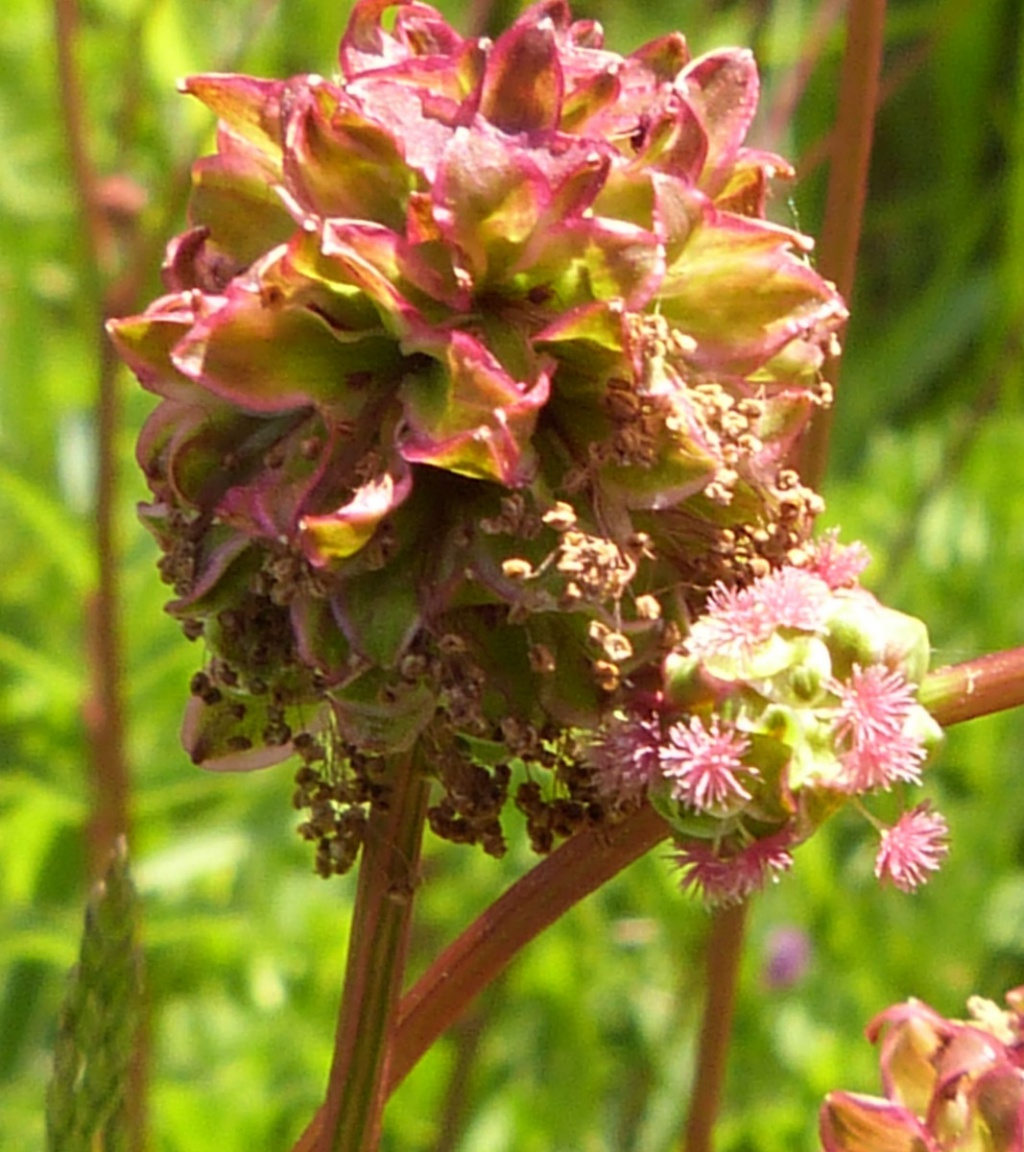
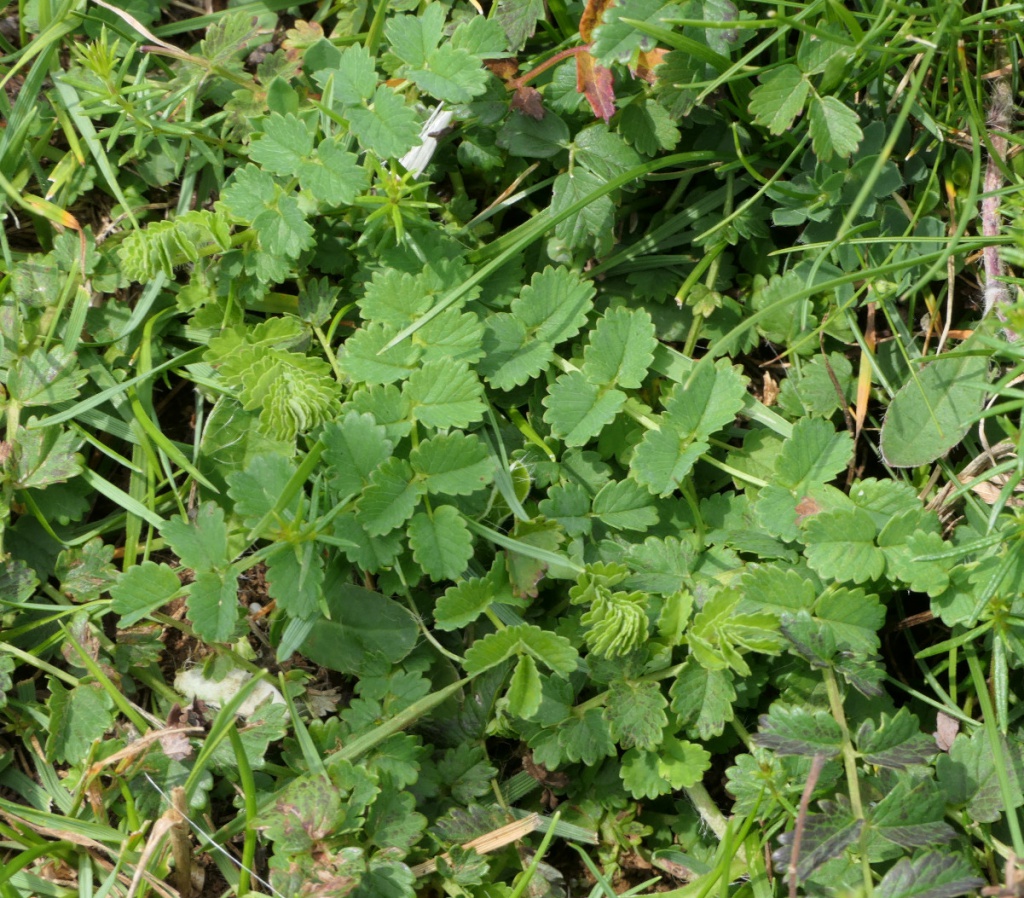
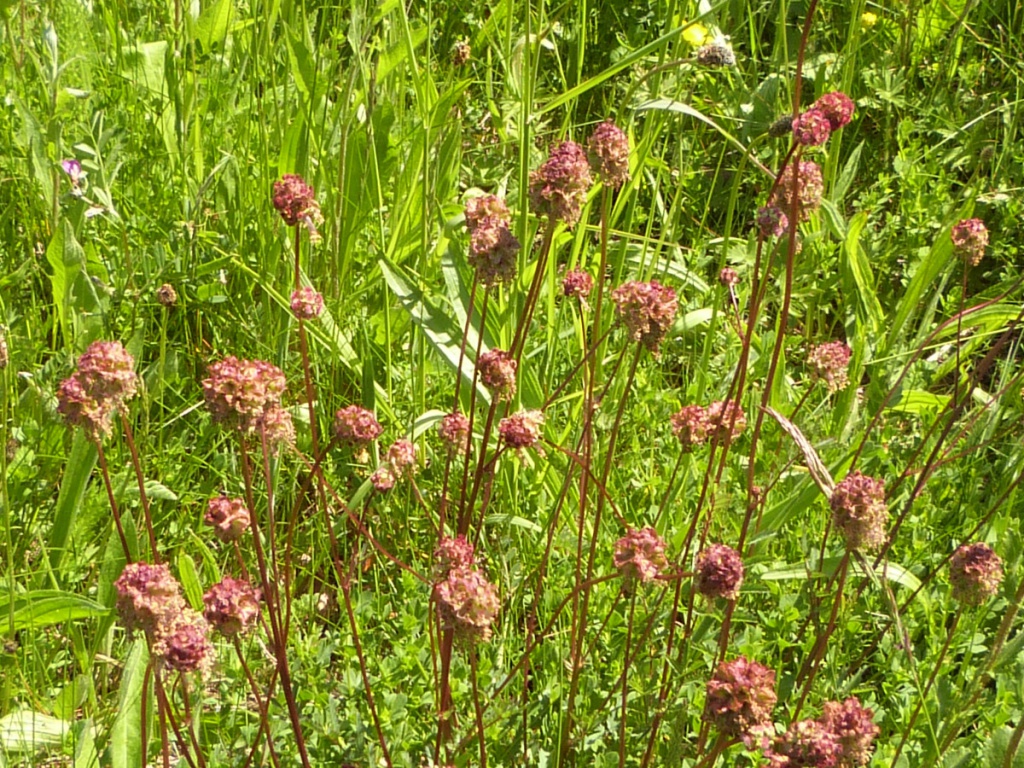
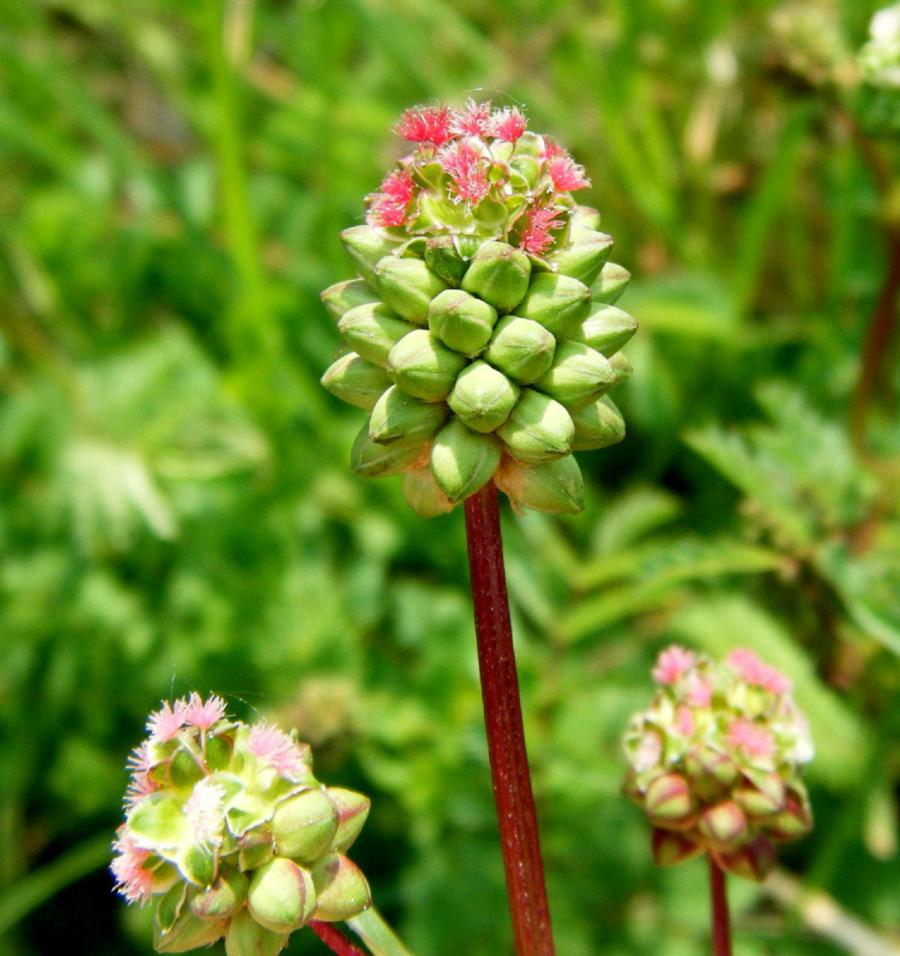
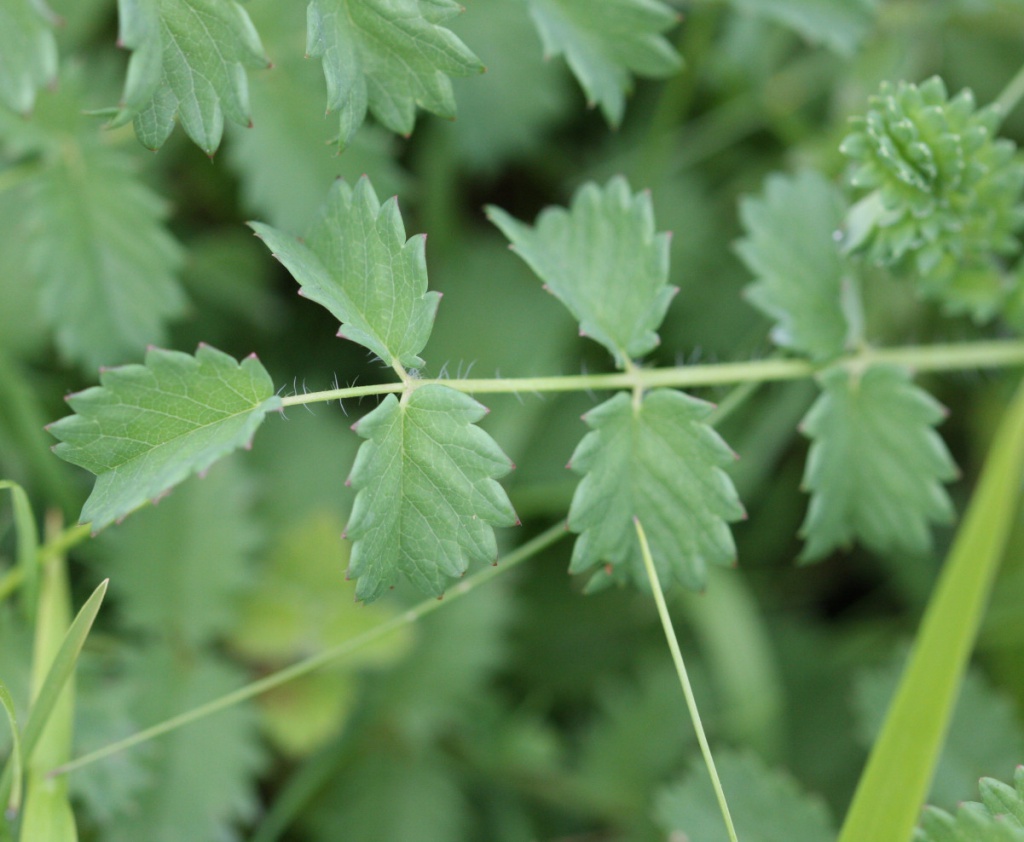
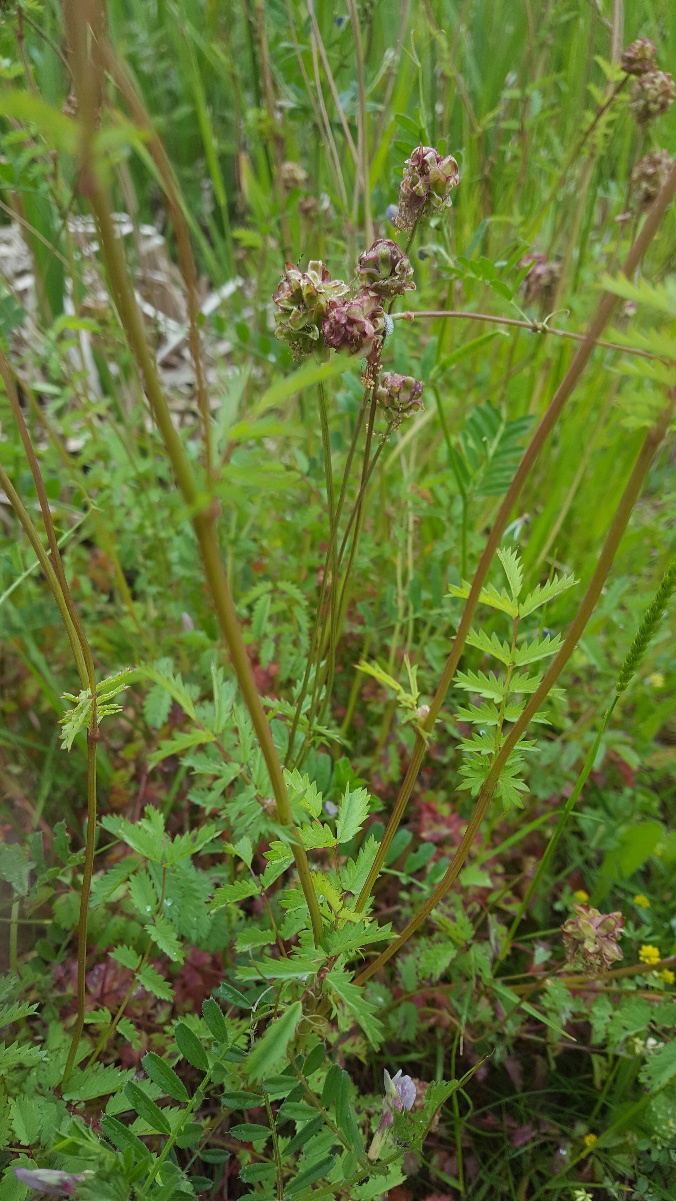
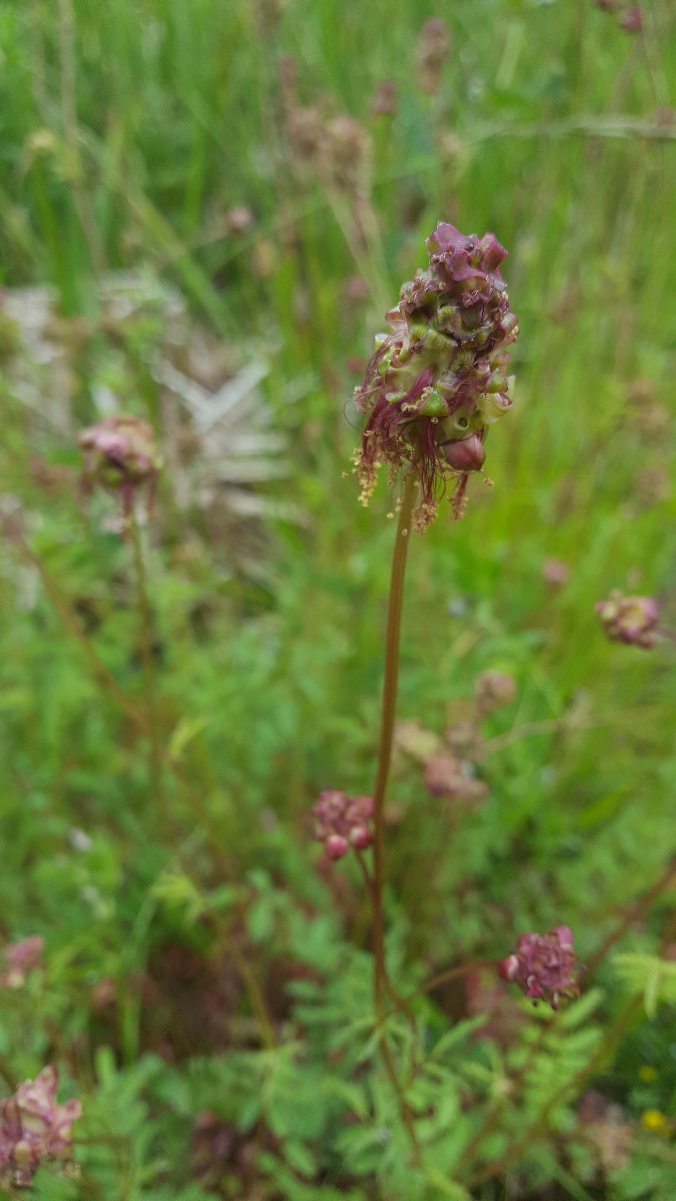
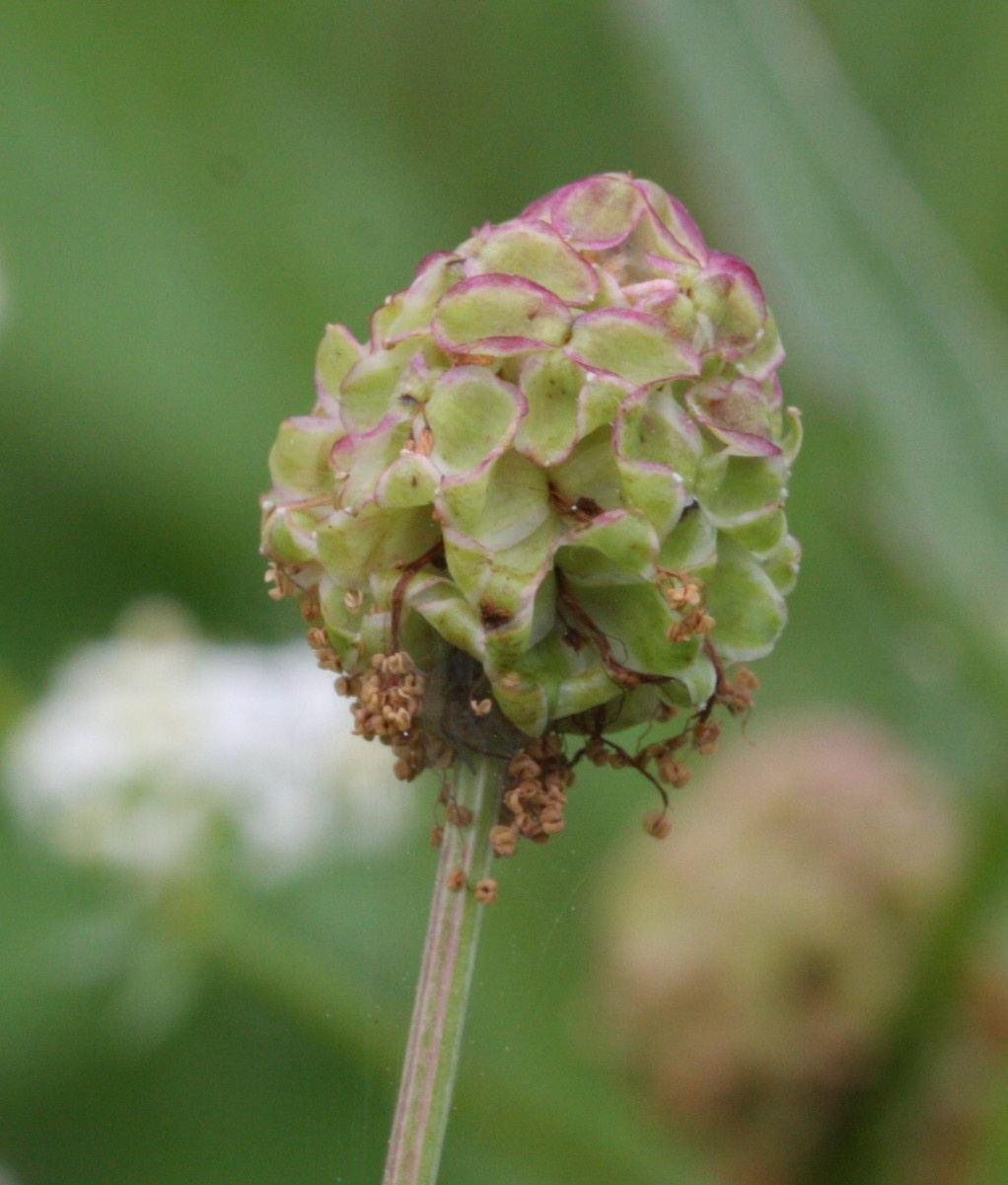
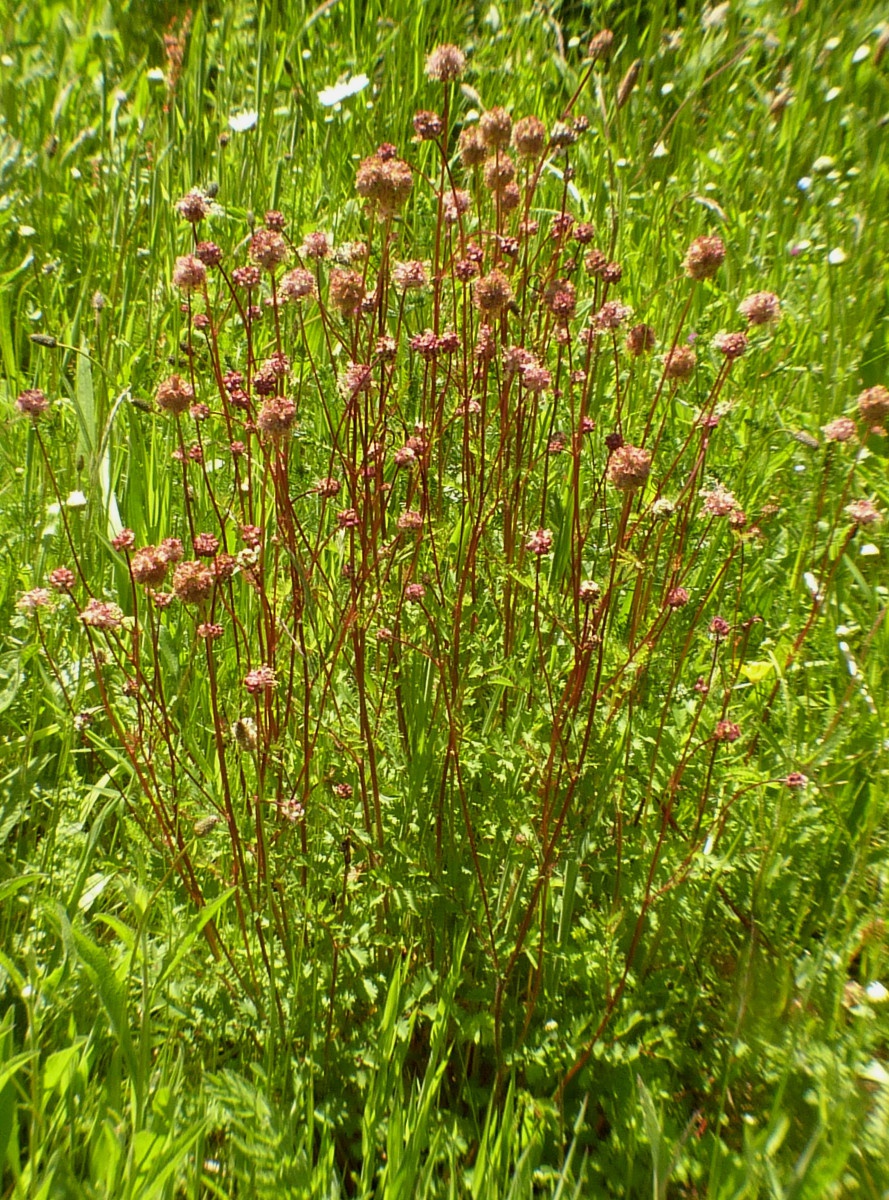
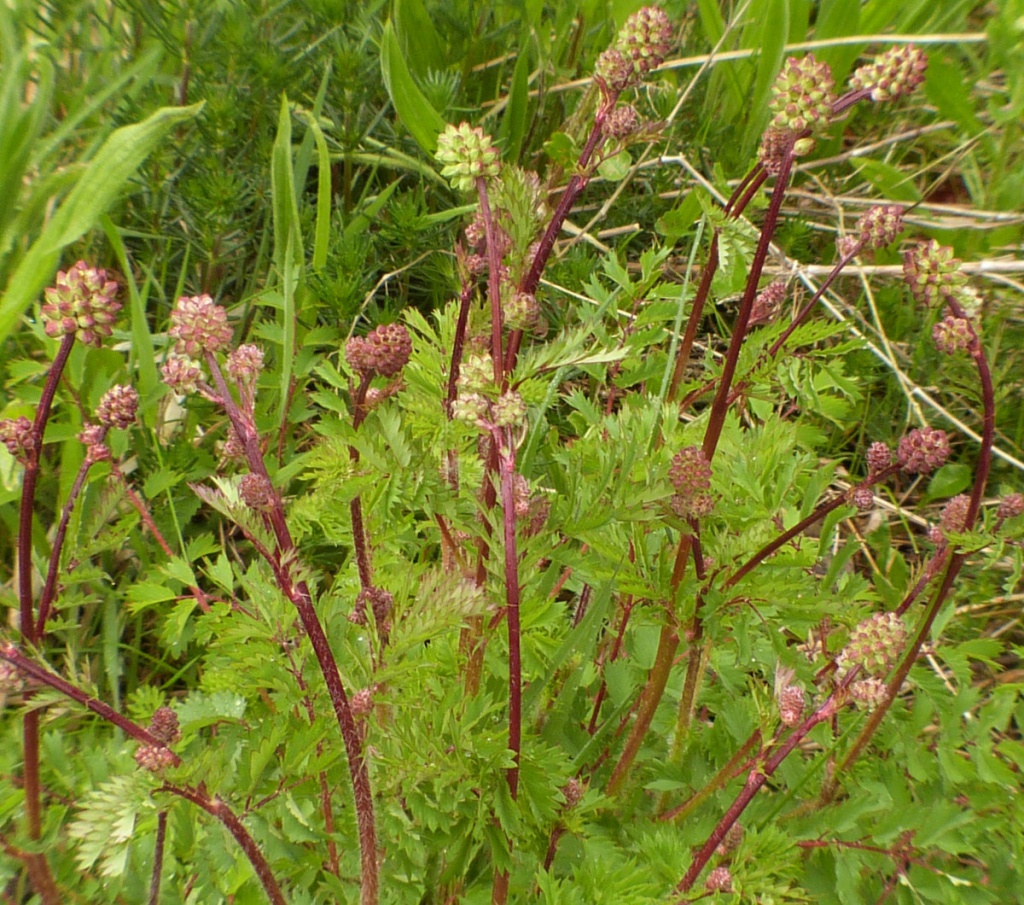
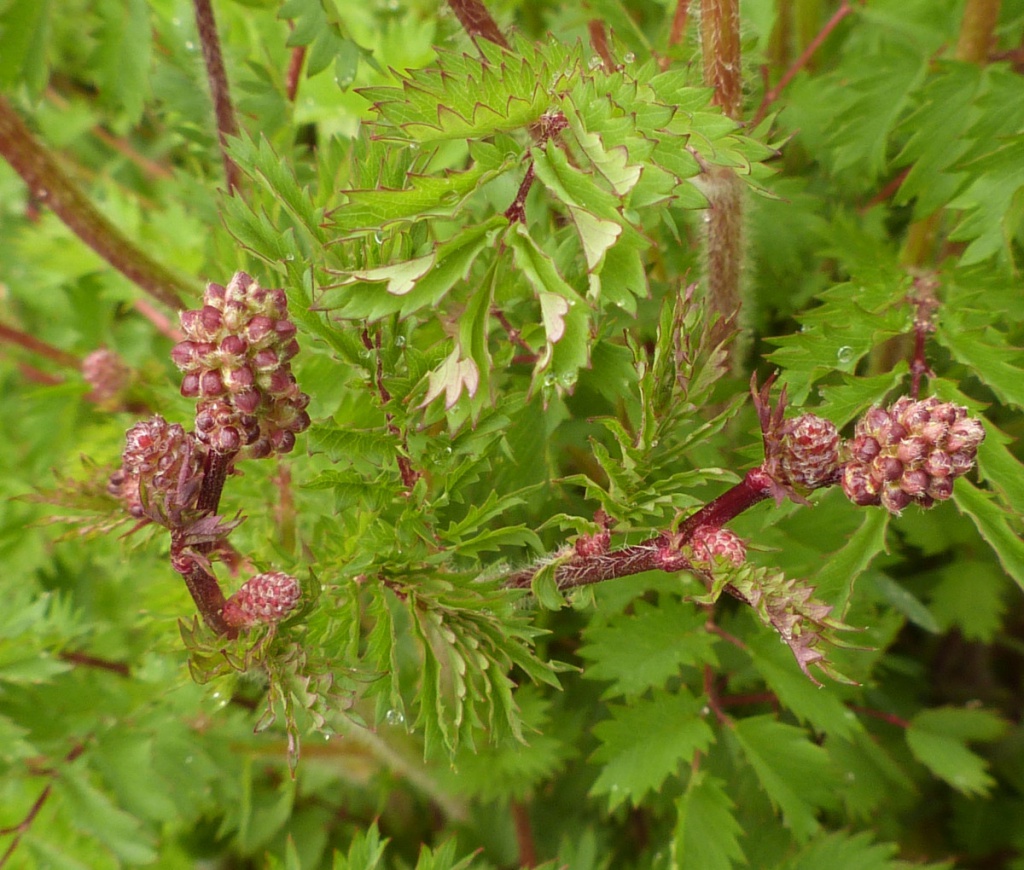
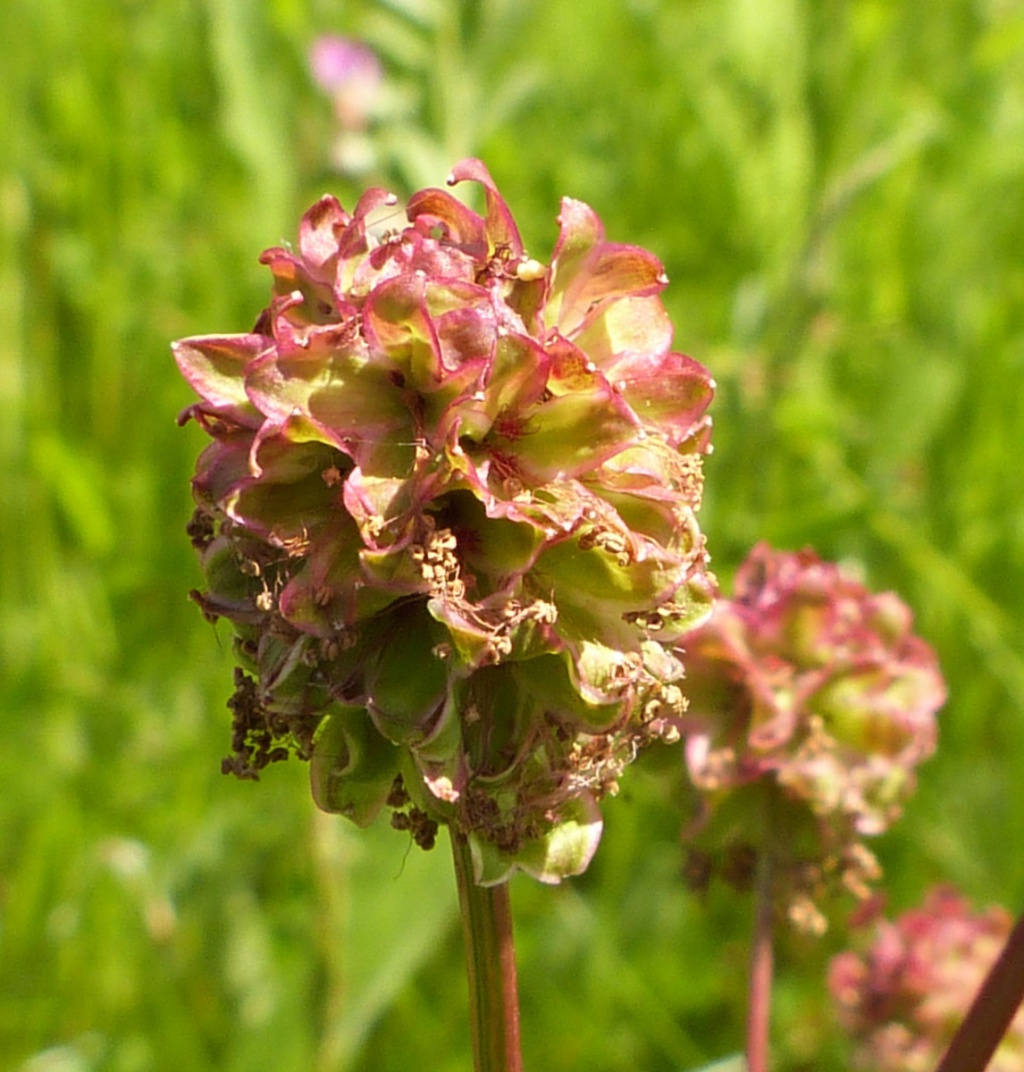
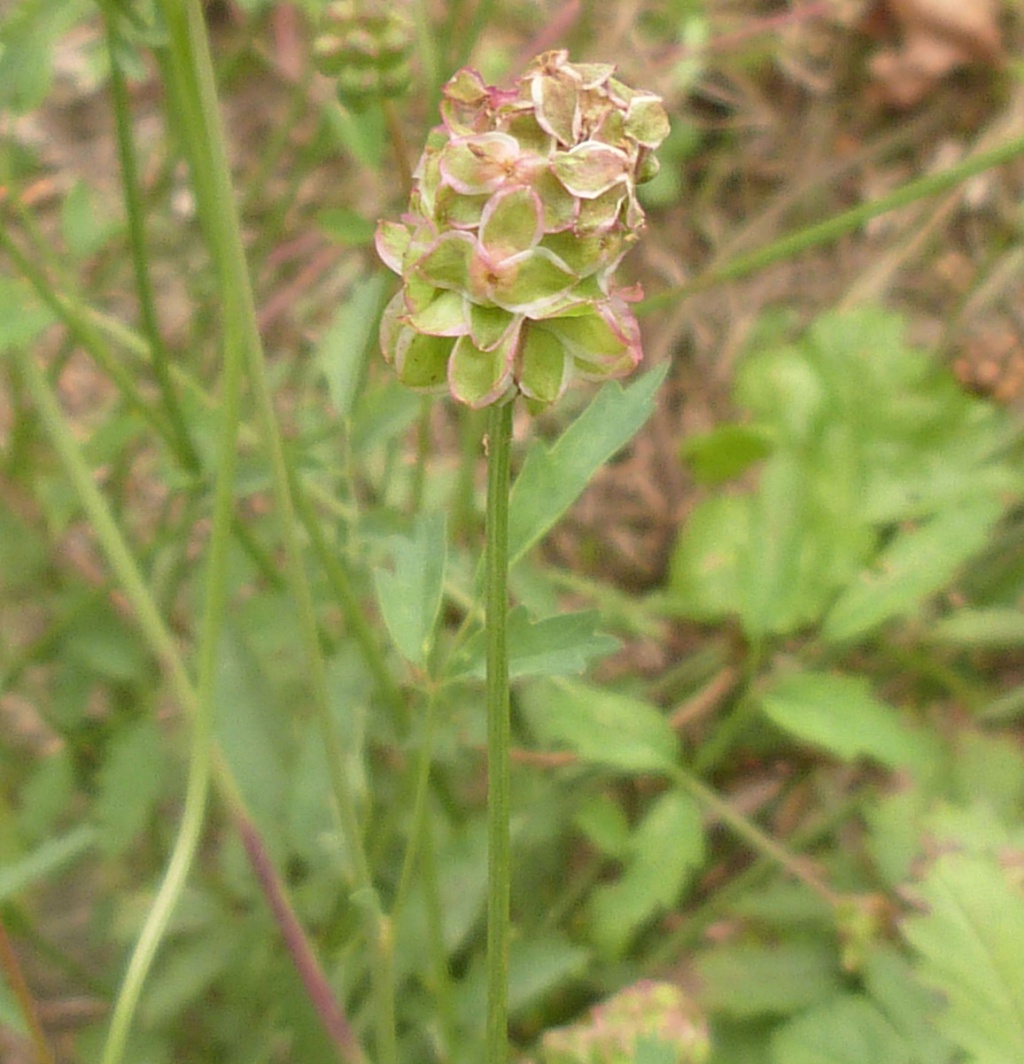
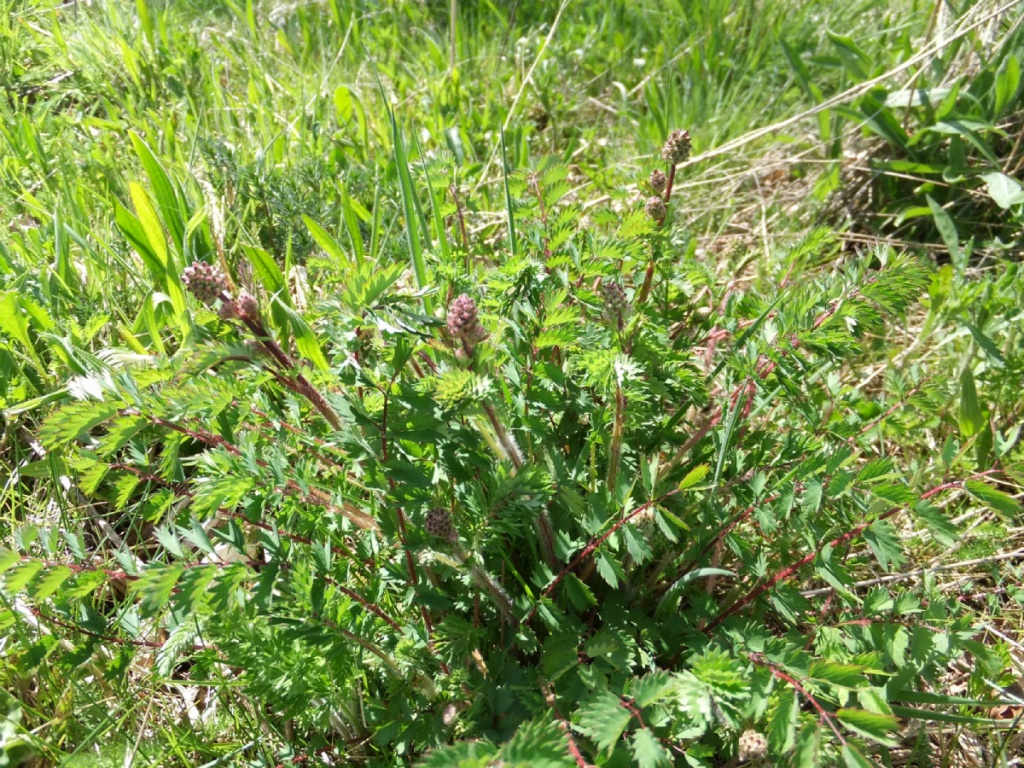
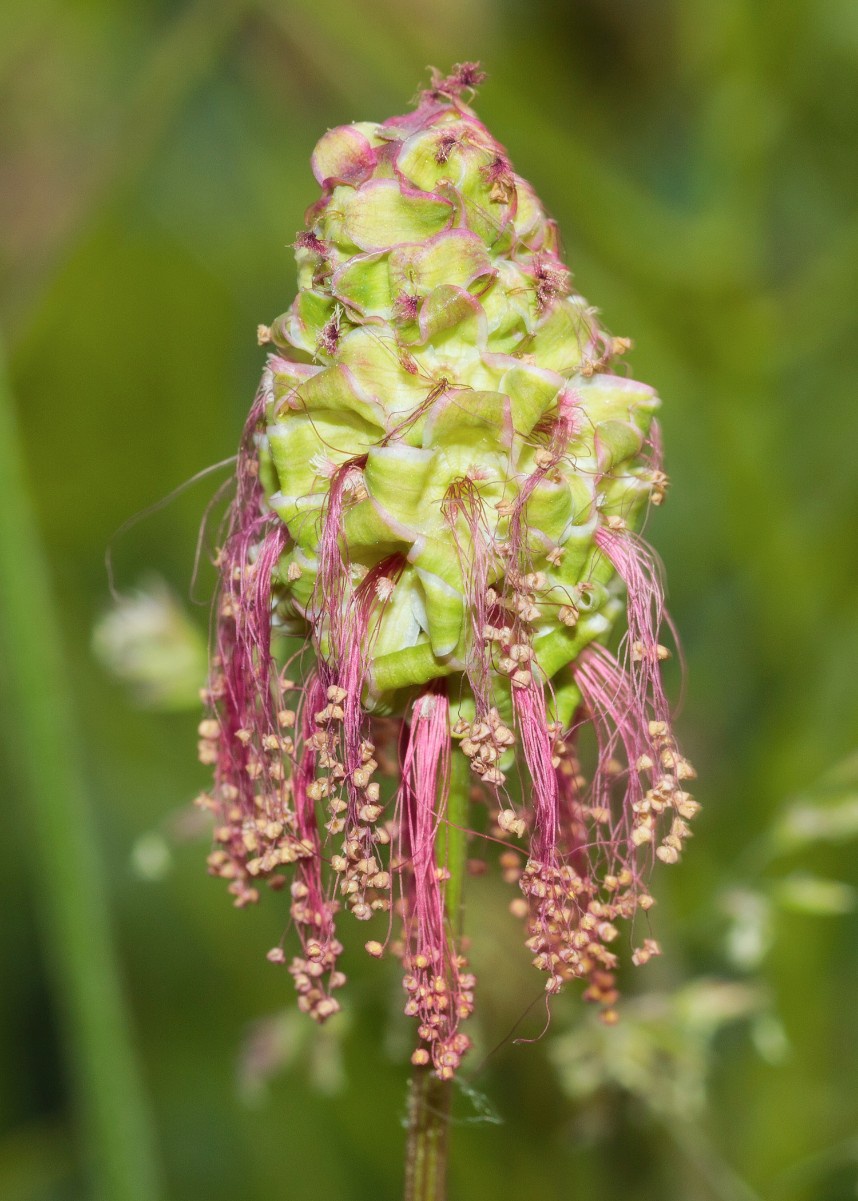
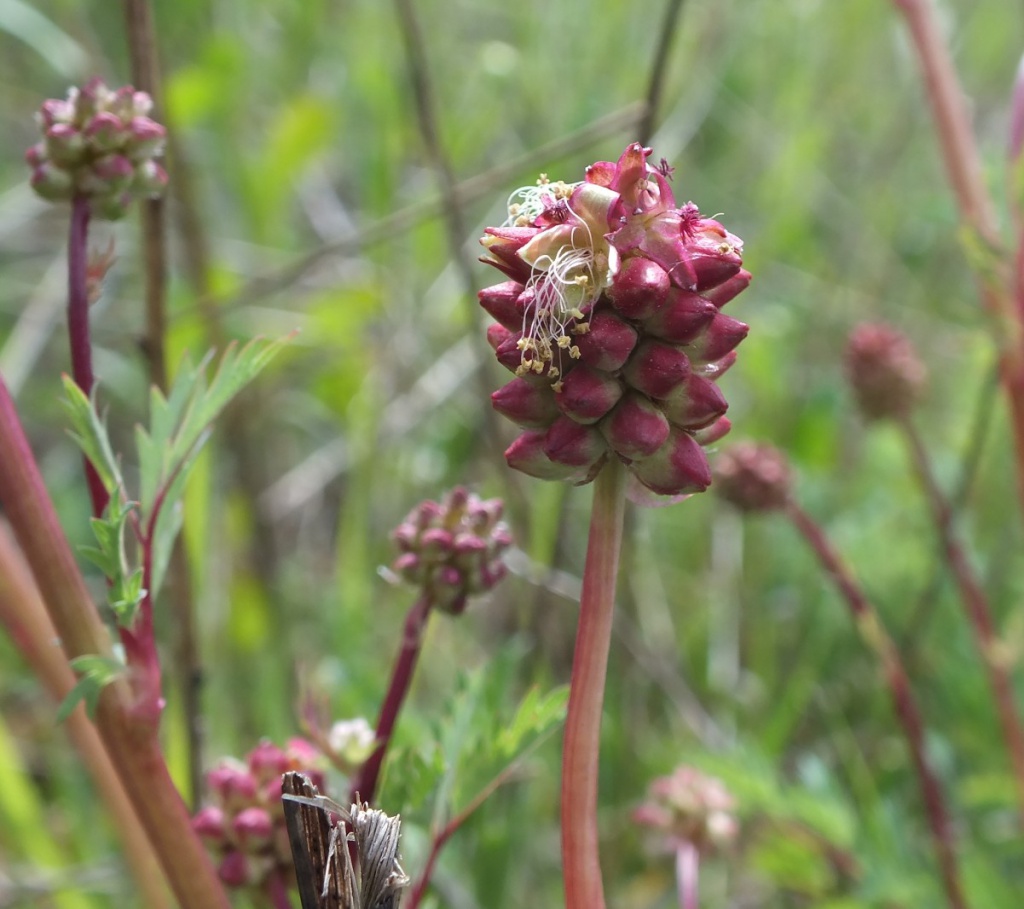
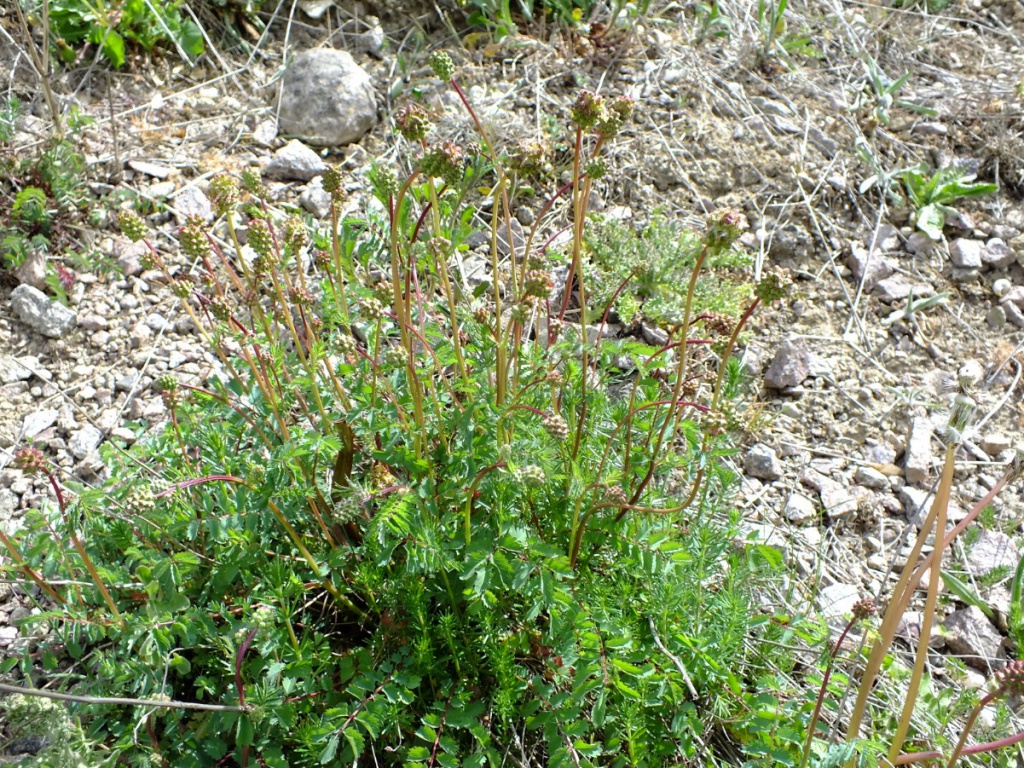
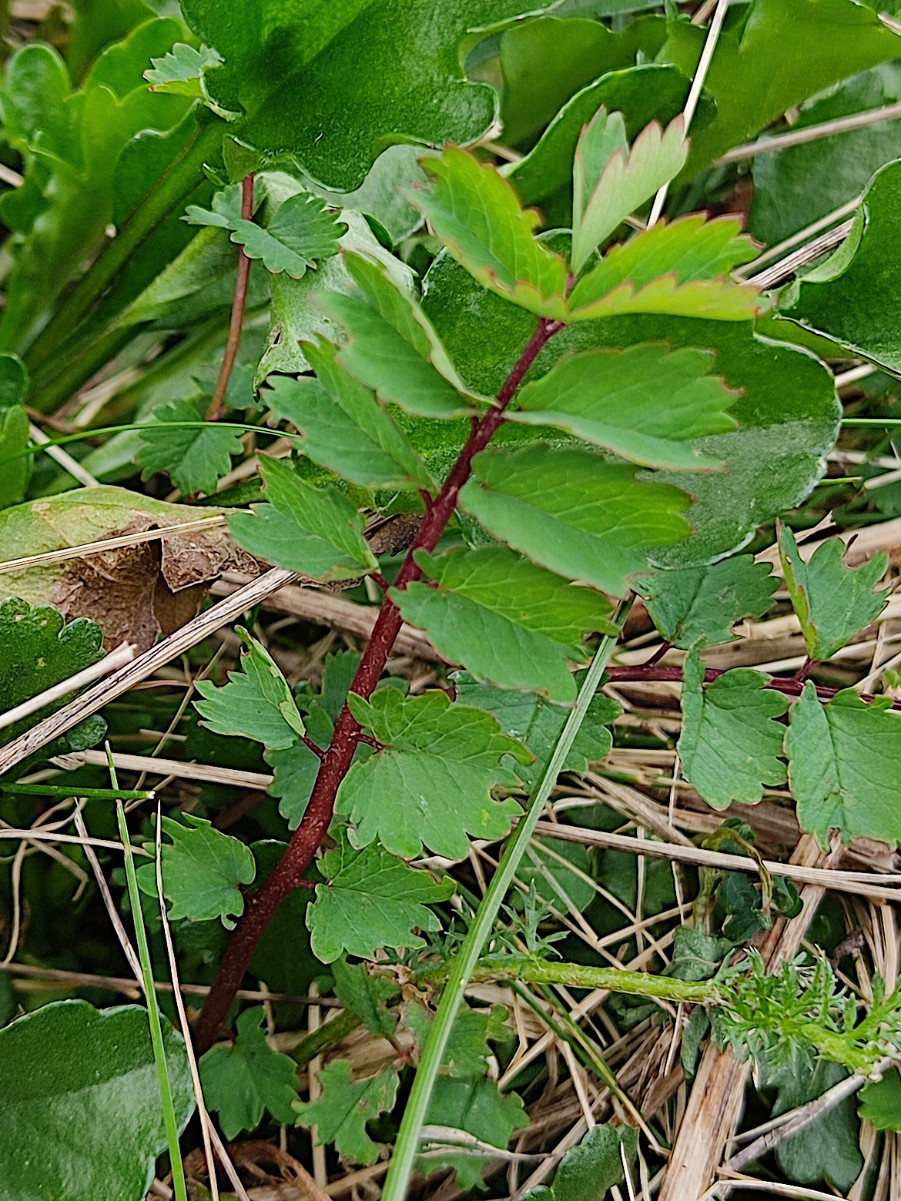
The native plant is subspecies sanguisorba. Short, rather greyish tufted plant: leaves mostly basal, pinnate with 3 to 12 pairs of rounded or elliptical leaflets. Flowerheads globose, 10 to 20 mm, upper flowers with reddish styles, lower with yellow anthers.
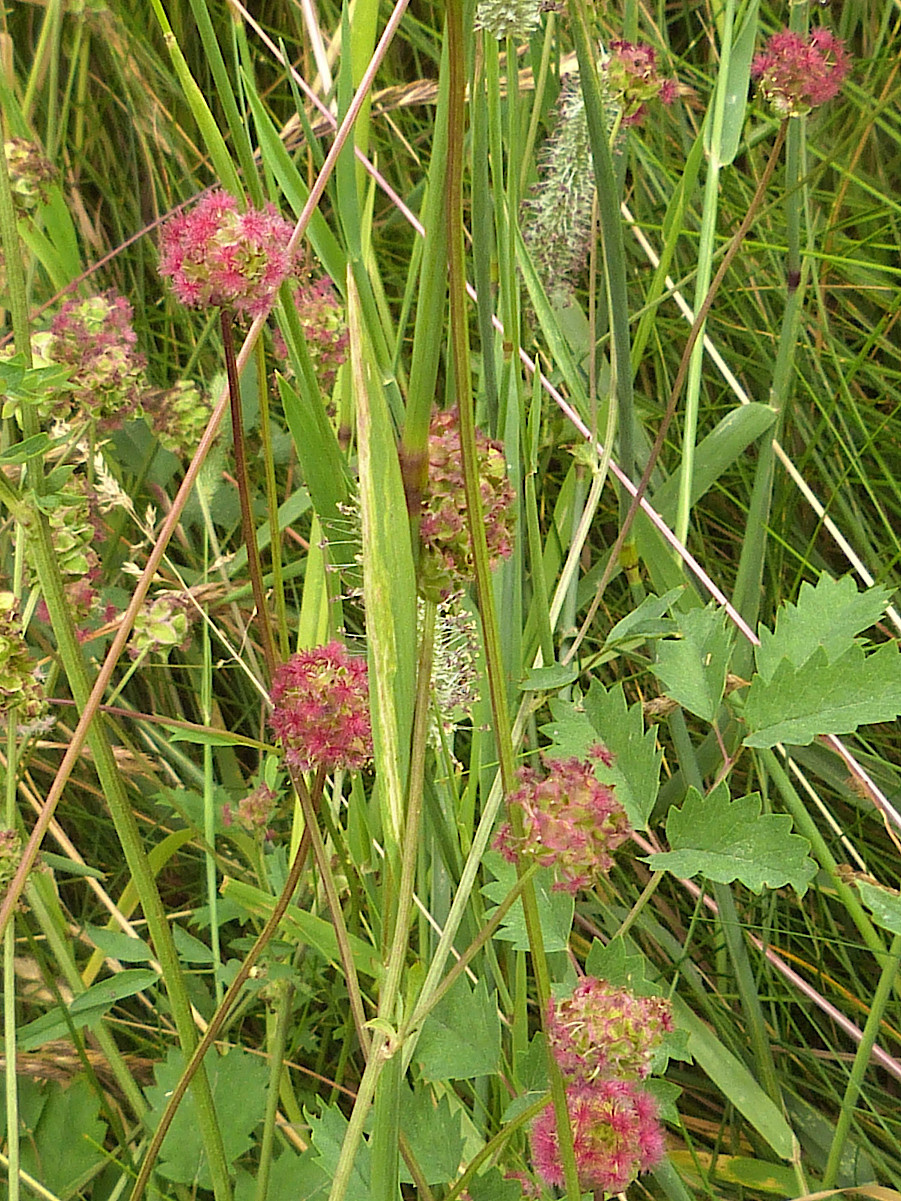
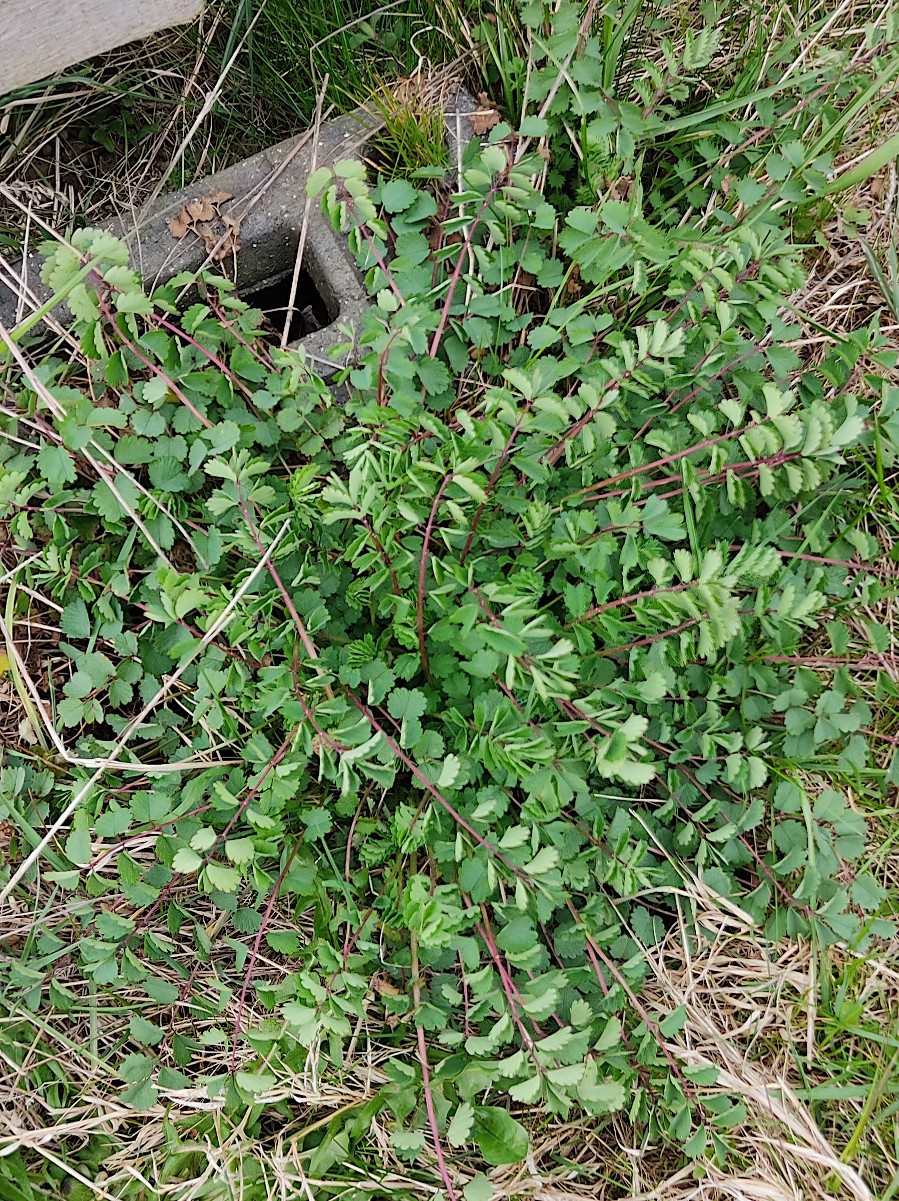
Fodder Burnet (subspecies balearicum) is occasional in wildflower seed-mixes ; it is more robust and leafy, with more deeply and sharply toothed leaflets.
Great Burnet (Sanguisorba officinalis). Salad and Fodder Burnet have rounded leaves; Great Burnet leaves have cordate bases and the plant is much taller (to 1m).

Rounded leaves
The native subspecies is found in dry grassland, usually on calcareous soils. The non-native subspecies is often present in natural landscaped areas associated with new development.
End of April to September.
Perennial
Fairly common and widespread in England and Wales, more coastal in Scotland.
It is fairly frequent in Leicestershire and Rutland, but mainly found to the eastern side of Leicestershire and occasional elsewhere in the county. In the 1979 Flora survey of Leicestershire it was found in 121 of the 617 tetrads.
In the current checklist (Jeeves, 2011), the native Salad Burnet (subspecies sanguisorba) is listed as locally frequent, and Fodder Burnet (subspecies balearicum) is listed as alien and rare. The latter is becoming commoner through introduction in wildflower seed-mixes.
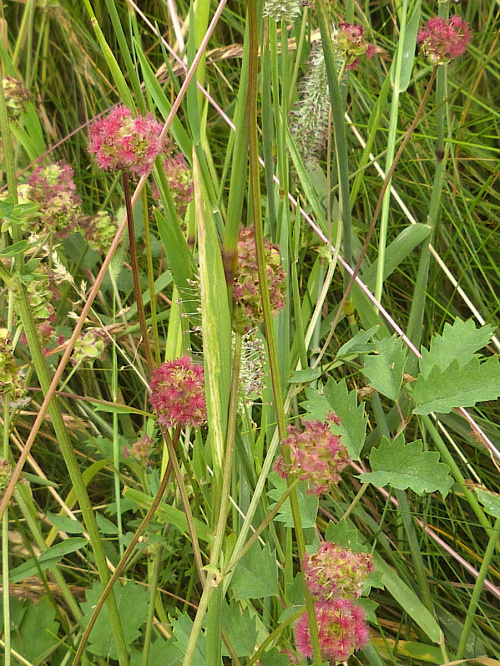 Graham Calow
Broughton Astley, drainage area off Soar Mill Lane
05 July 2024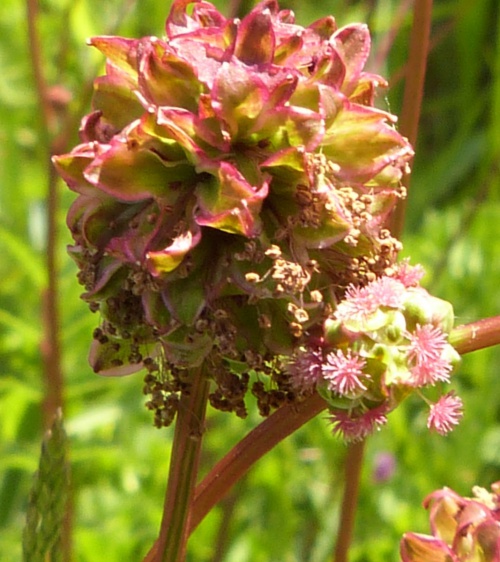 Graham Calow
Ullesthorpe Stewardship Farm
07 June 2013
male flowers (above) female flowers (lower right)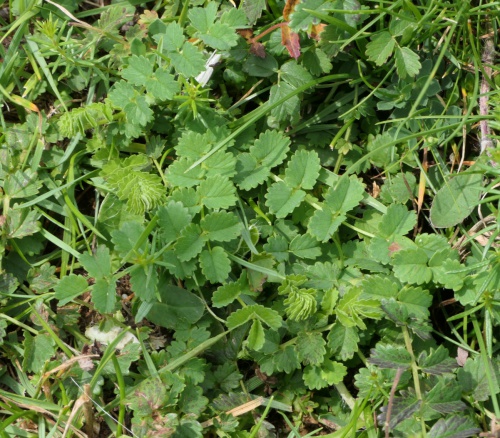 David Nicholls
Burrough Hill Country Park
03 August 2019
subsp. sanguisorba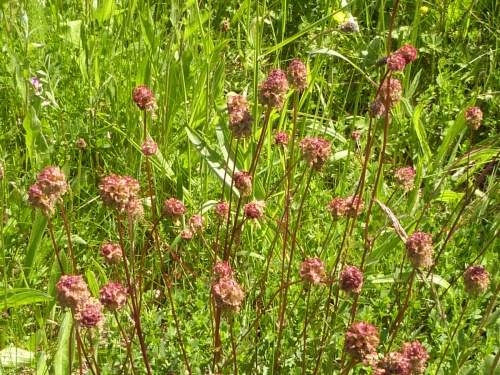 Graham Calow
Ullesthorpe Stewardship Farm
07 June 2013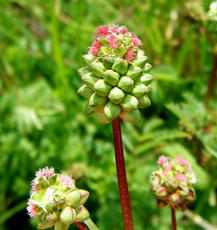 Graham Calow
Ullesthope
30 April 2011
female flowers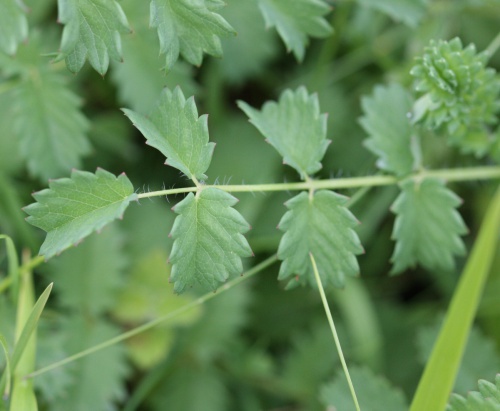 David Nicholls
Bloody Oaks
02 July 2015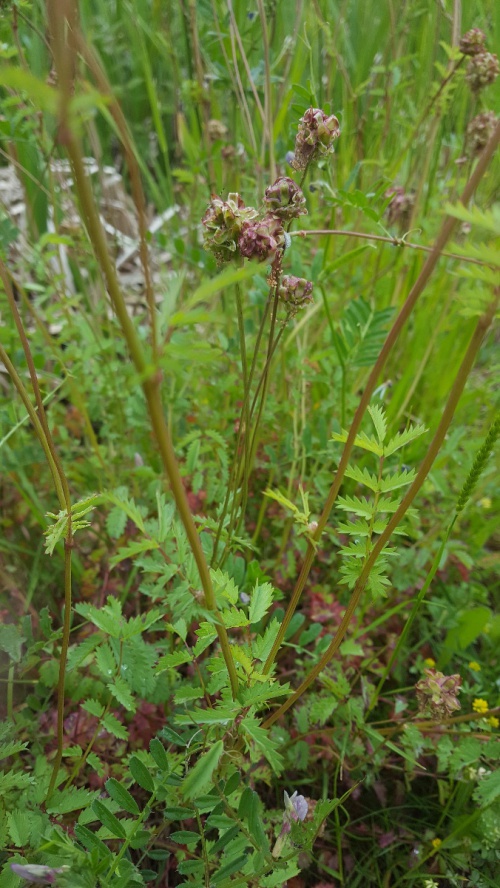 Steve Harris
Sketchley Brook, Burbage
28 May 2019
subsp. balearicum
Leicestershire & Rutland Map
Enter a town or village to see local records
MAP KEY:
Yellow squares = NBN records (all known data)
Coloured squares = NatureSpot records: 2025+ | 2020-2024 | pre-2020
UK Map
Additional images
All NatureSpot records
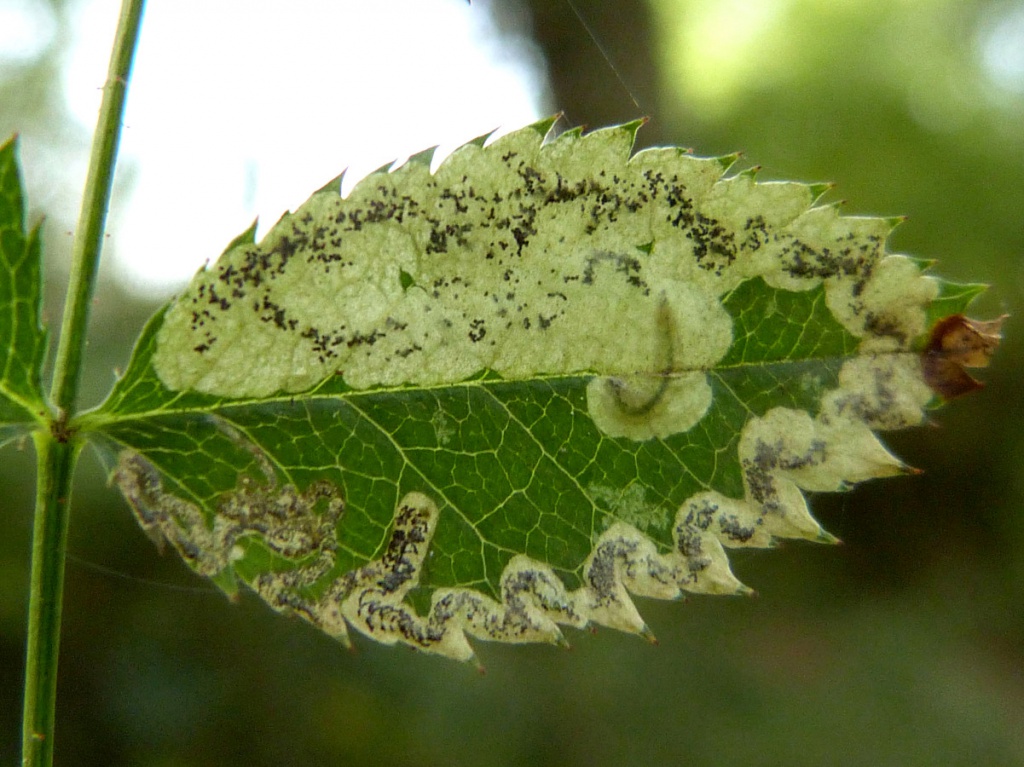
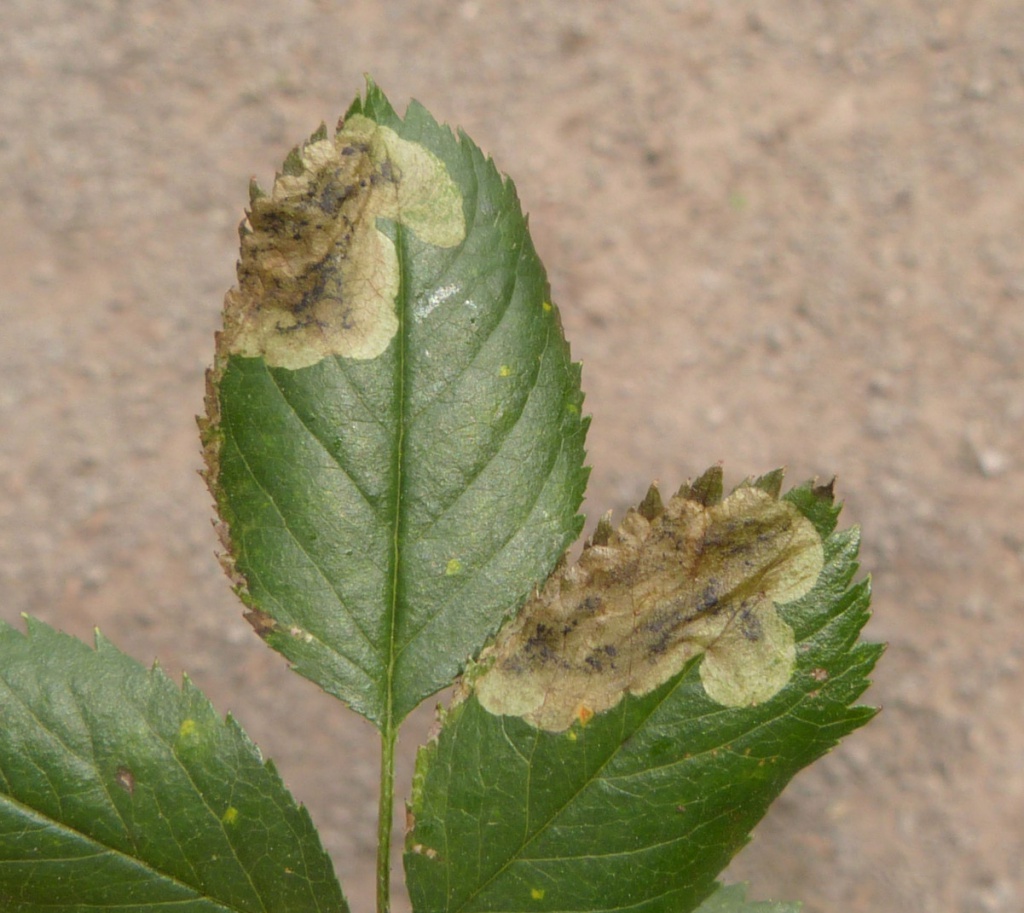
Ectoedemia angulifasciella
The larva of the moth Ectoedemia angulifasciella mines the leaves of rose species and sometimes Salad Burnet beginning as a contorted gallery filled with brownish frass and then widening into a blotch with central or dispersed blackish frass.
Agromyza sulfuriceps
The larva of the Agromyzid fly Agromyza sulfuriceps mines the leaves of various species in the Rosaceae family including Roses, Meadowsweet, Strawberry, Silverweed, Cinquefoil, Raspberry and Burnets. The mine starts as a long corridor, its initial part often along the leaf margin or a thick vein. Rather suddenly the corridor widens into a broad blotch. The corridor contains much frass, often in two distinct patches or lines.
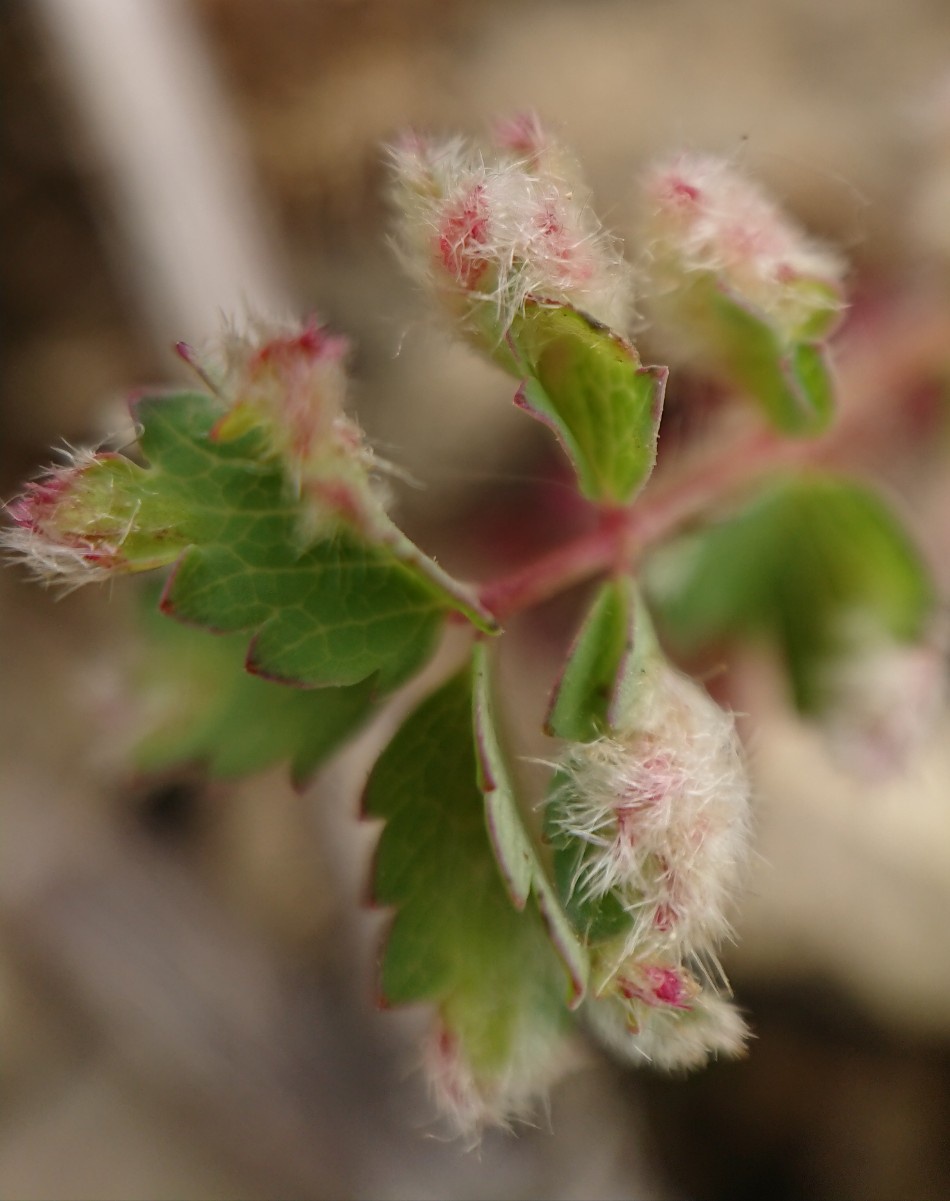
Aceria sanguisorbae
The mite Aceria sanguisorbae causes galls to form on various Sanguisorba/Poterium species. The leaves, stems and sometimes the flower buds are covered in thick white, or yellow-white felt like erinea containing the mites.