Tripe Fungus
Tripe Fungus - Auricularia mesenterica
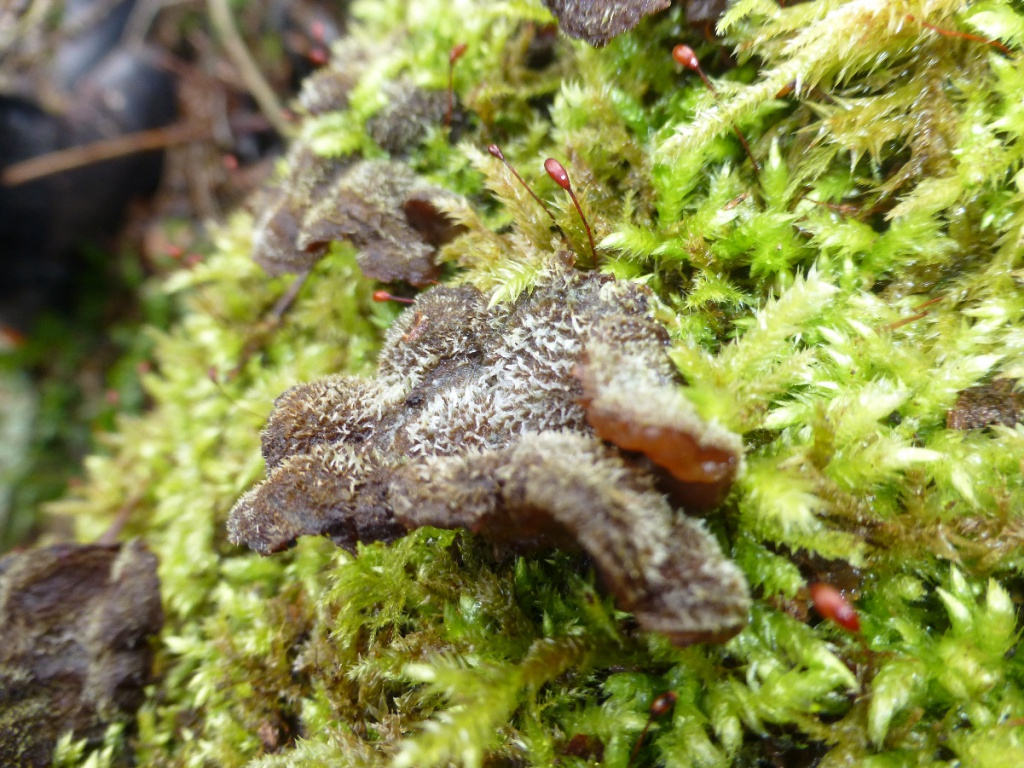
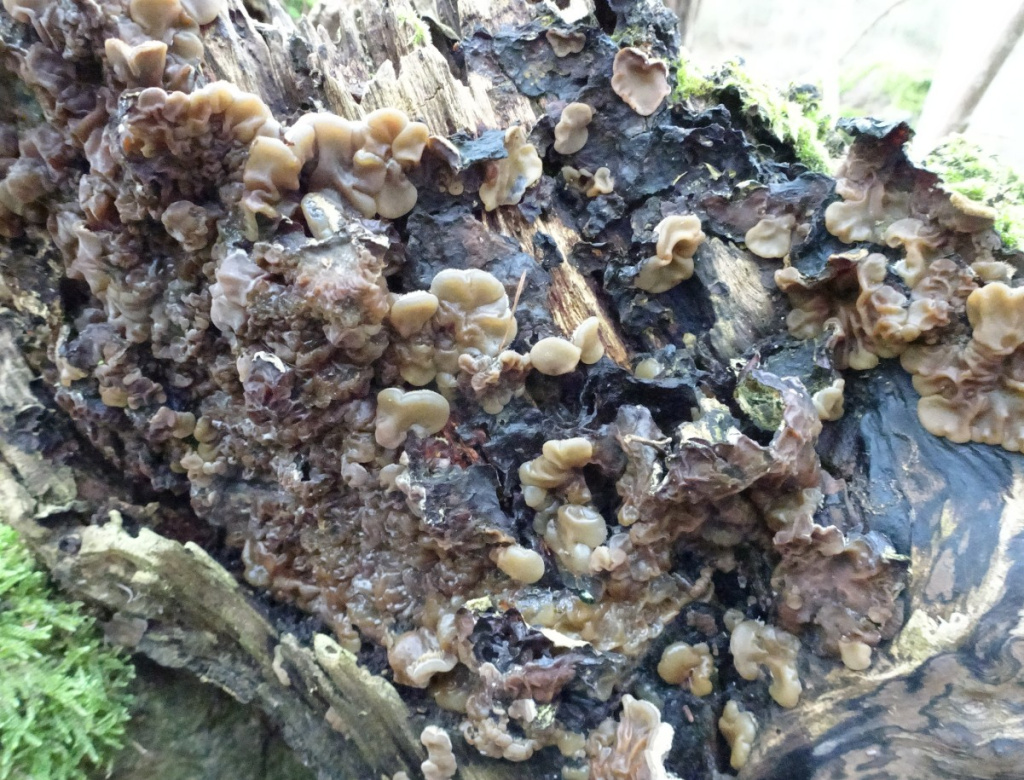
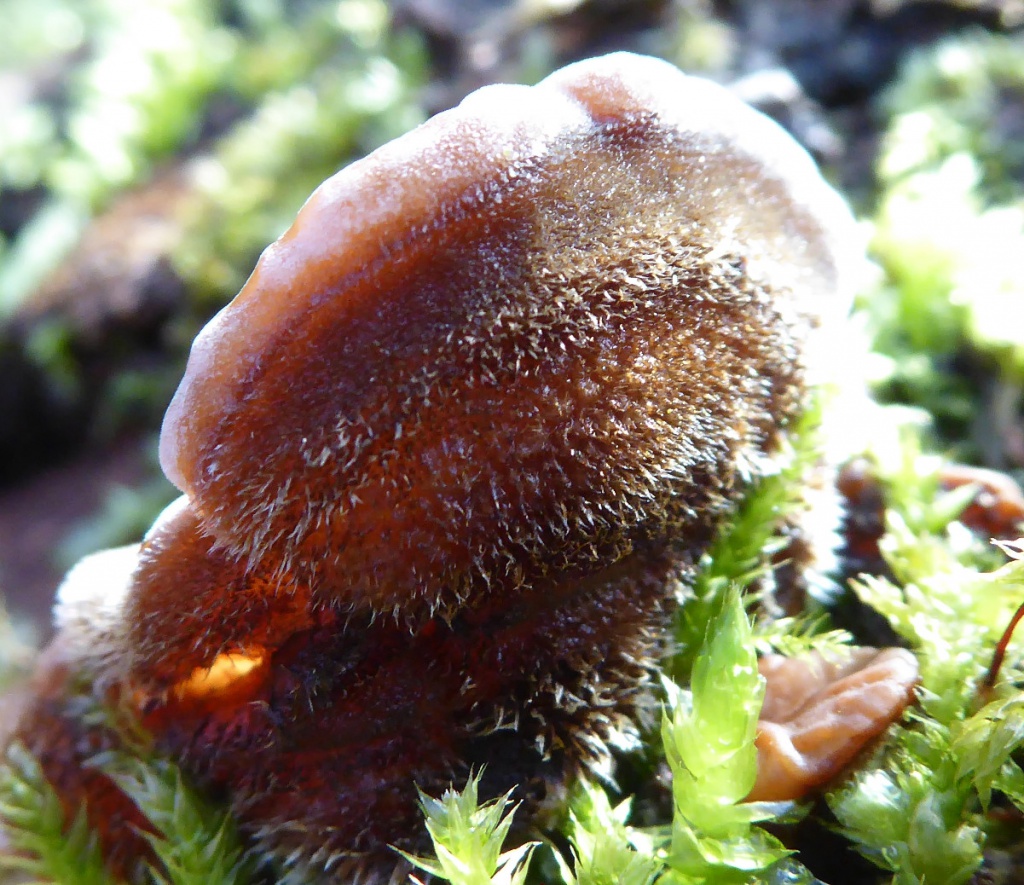
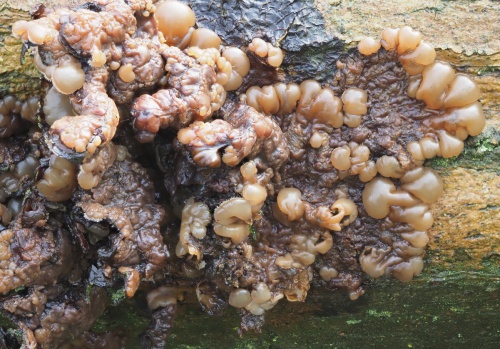
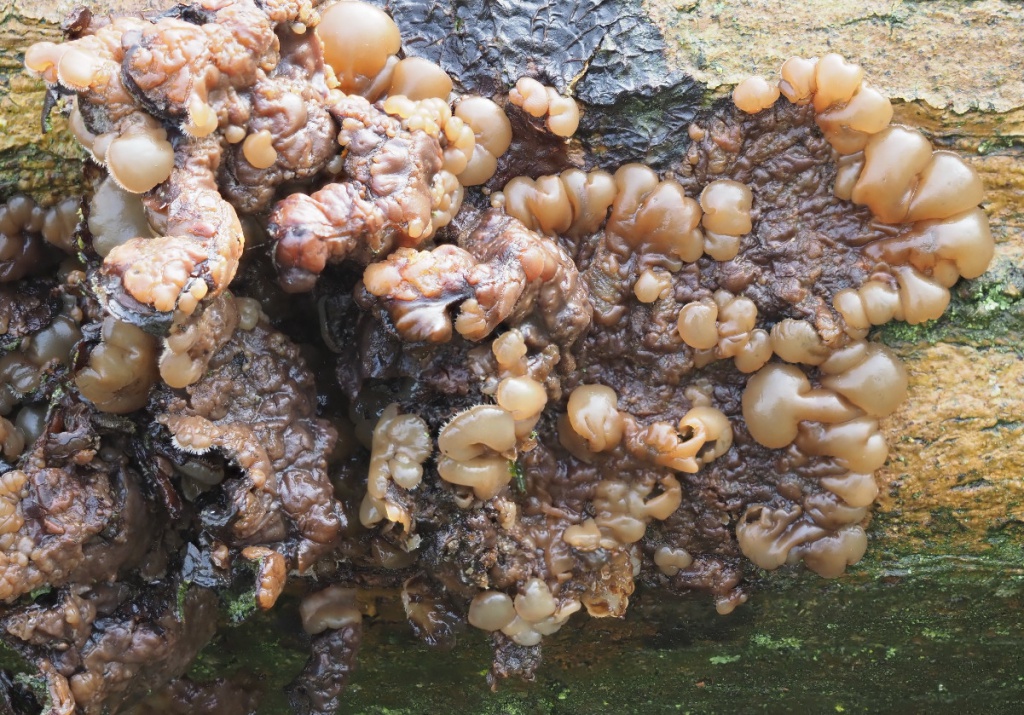
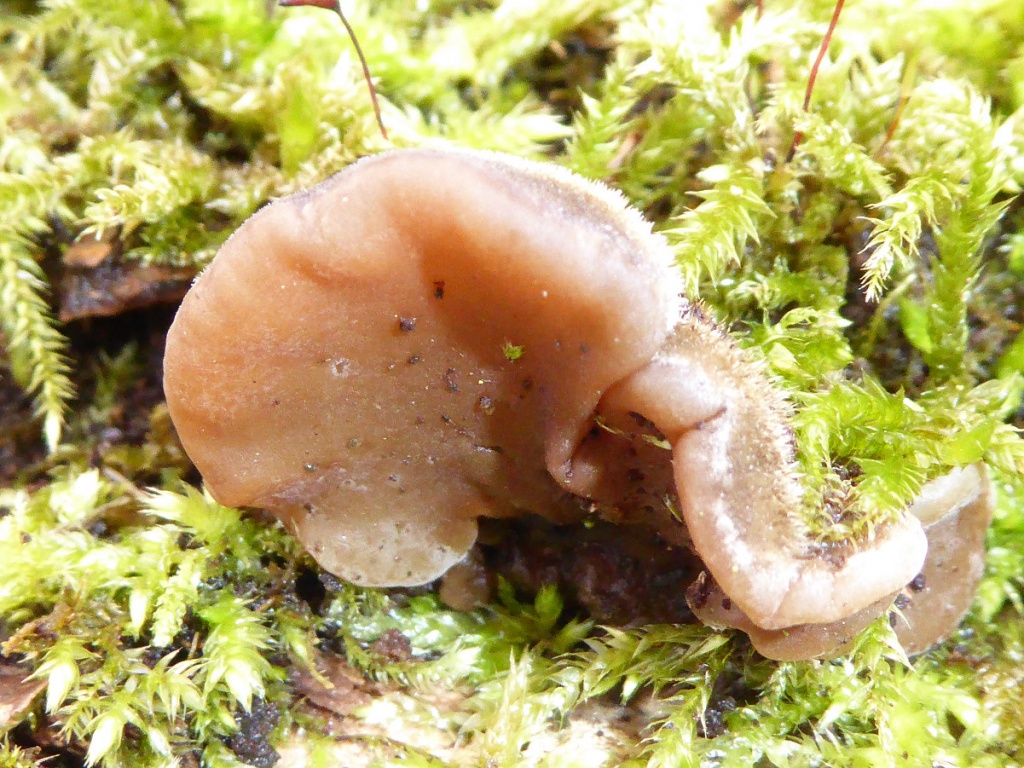
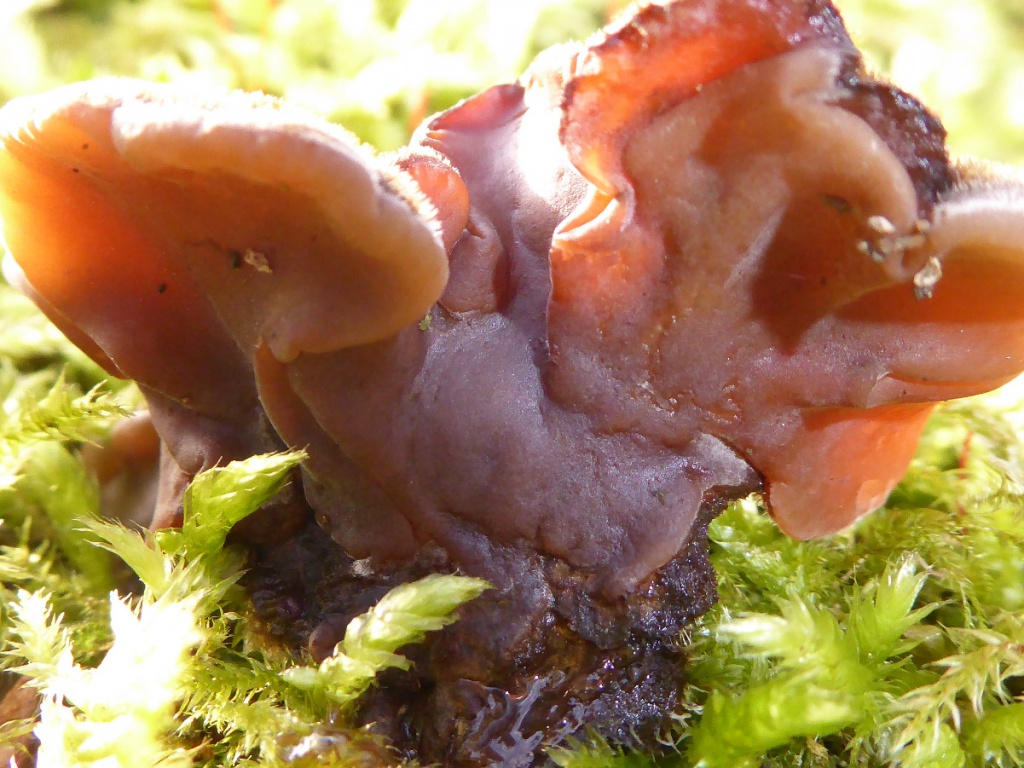
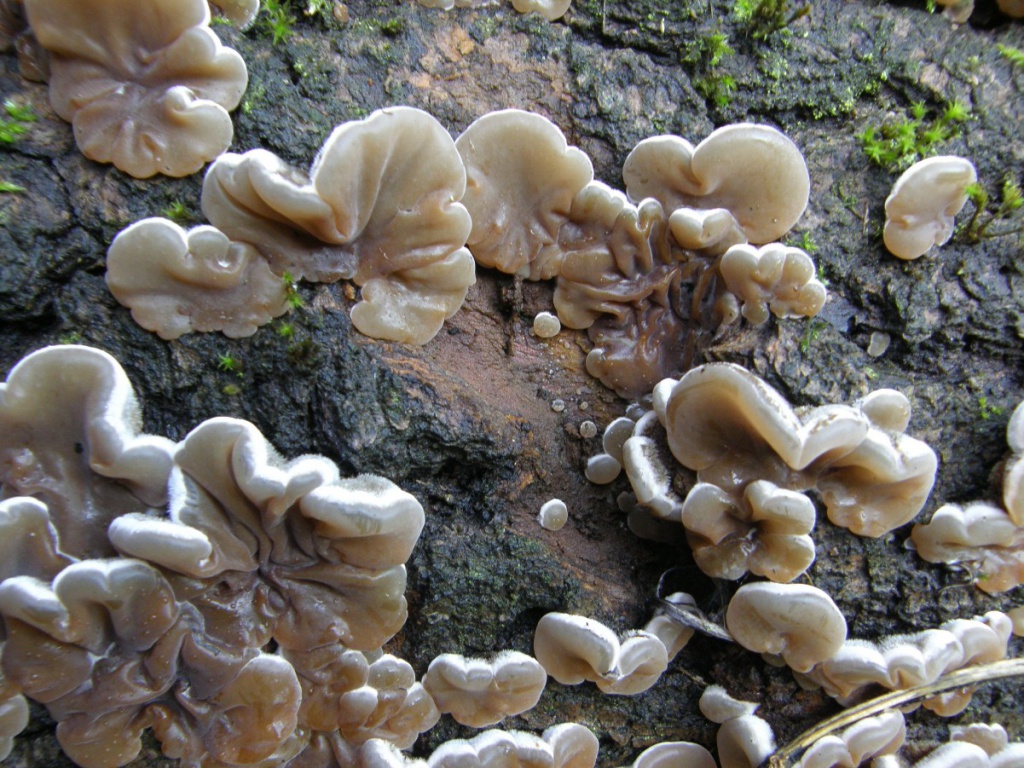
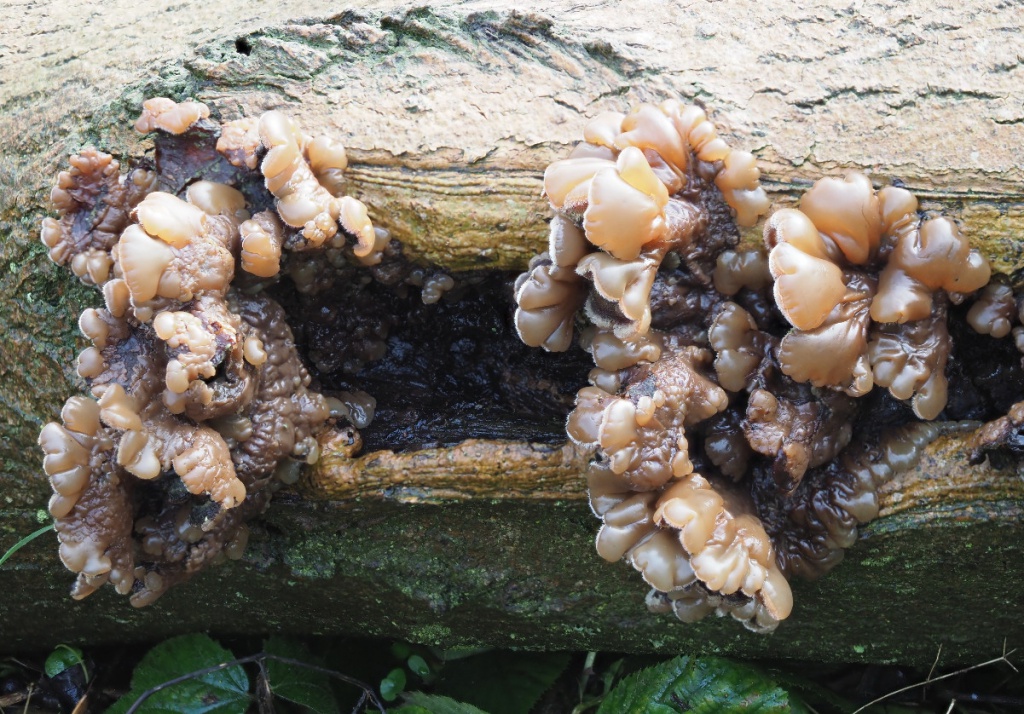
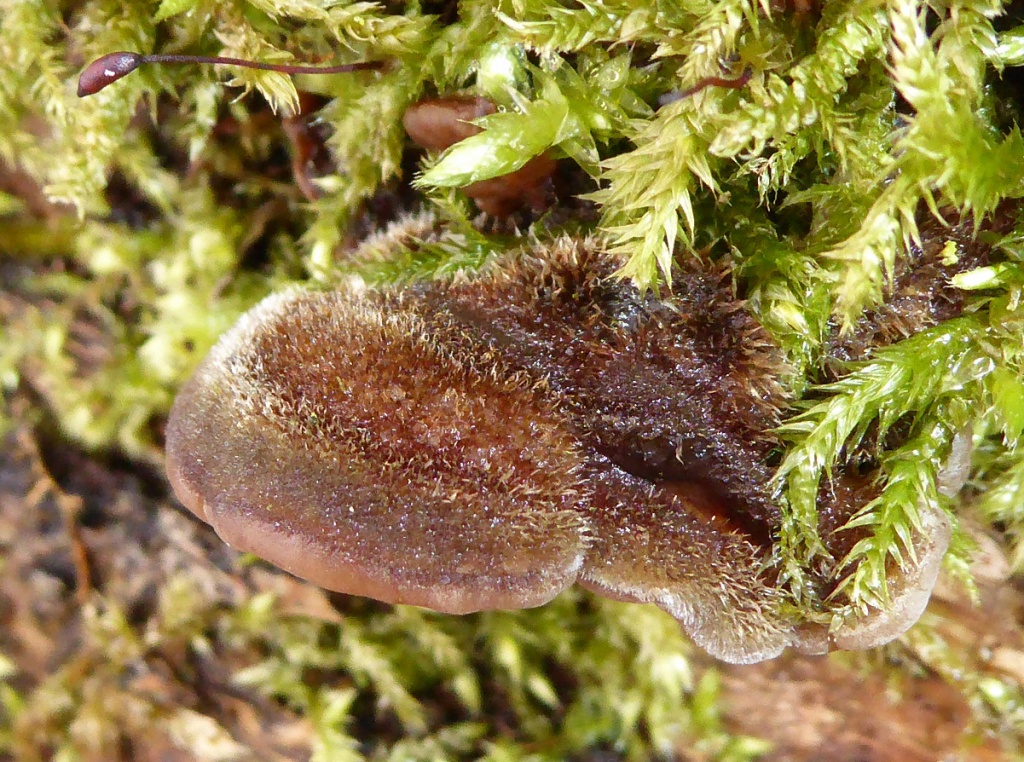
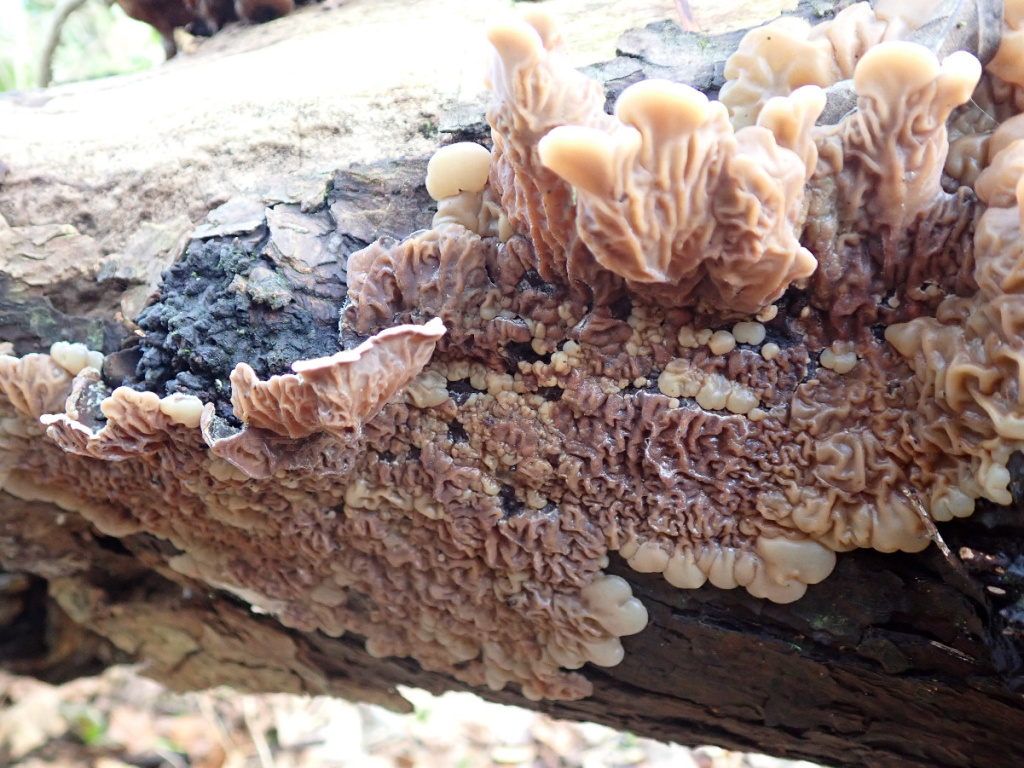
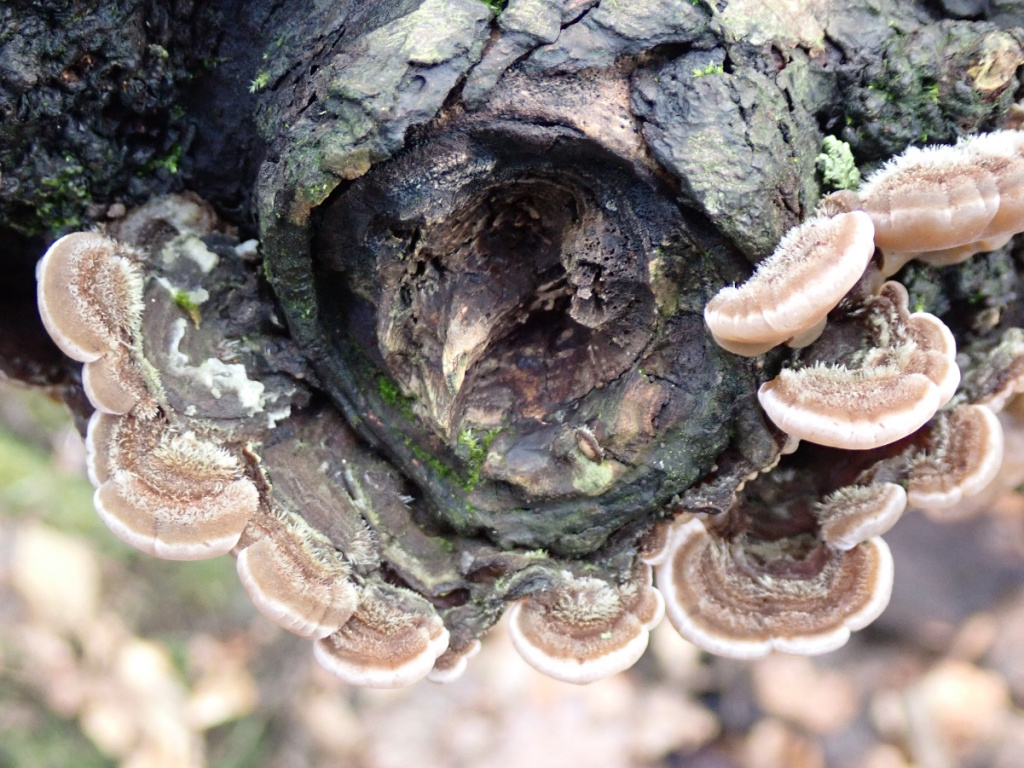
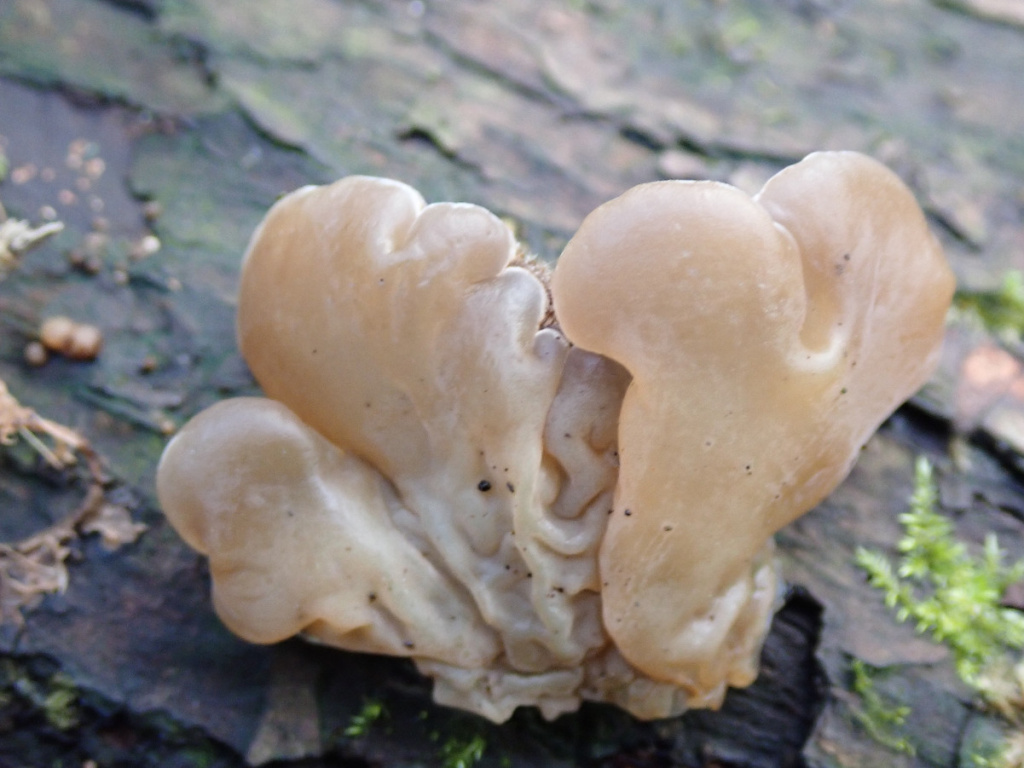
The thick fruitbodies are pale greyish-brown, and have a rubbery, cartilaginous texture. Young specimens are pinkish, and initially form circular patches on the substrate. These join up to form resupinate mats, eventually reflexing to shelf-like brackets, often in tiers. The upperside is hairy or velvety, and usually zoned; the lower fertile surface or hymenium is veined and wrinkled and may have a whitish bloom.
The reflexed brackets can look like a Stereum or curtain crust, but have a wrinkled and veined lower surface and rubbery texture

Photograph in habitat; photogrpah both upper and lower surfaces of reflexed specimens; note habitat, substrate and associated tree species.
On stumps and logs of deciduous trees, especially Elm.
All year round.
 David Nicholls
Thornton reservoir
02 February 2021
det. R Iliffe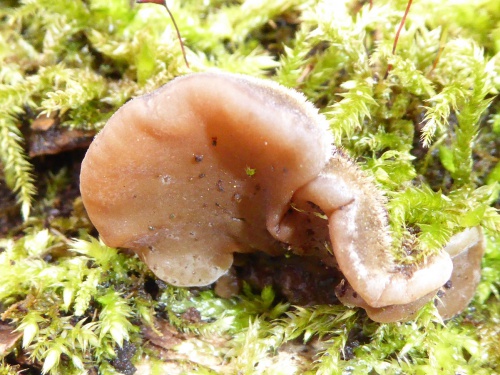 Annie Smith
Charnwood Lodge NNR
18 January 2018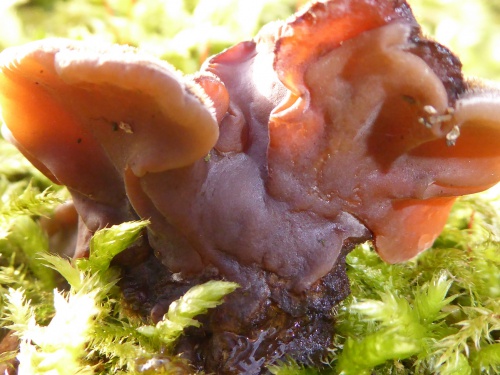 Annie Smith
Charnwood Lodge NNR
18 January 2018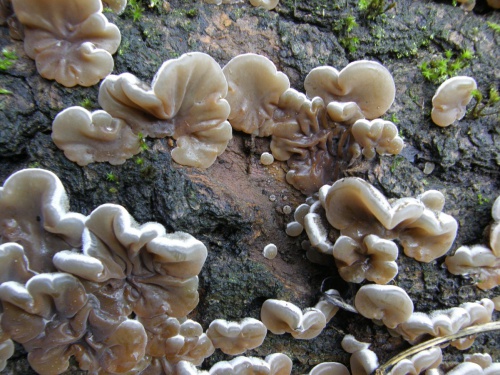 Saharima Roenisch
Oadby
28 January 2018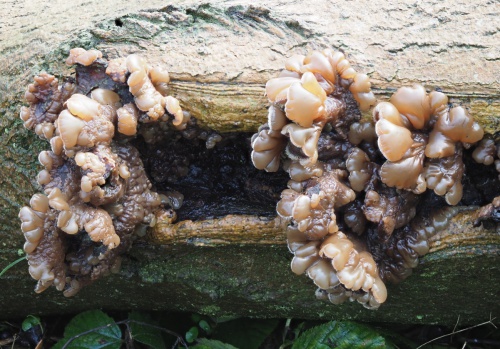 David Nicholls
Thornton reservoir
02 February 2021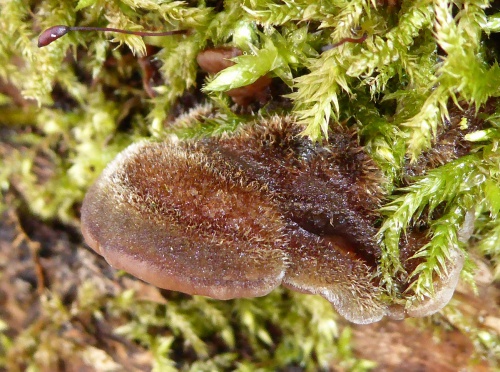 Annie Smith
Charnwood Lodge NNR
18 January 2018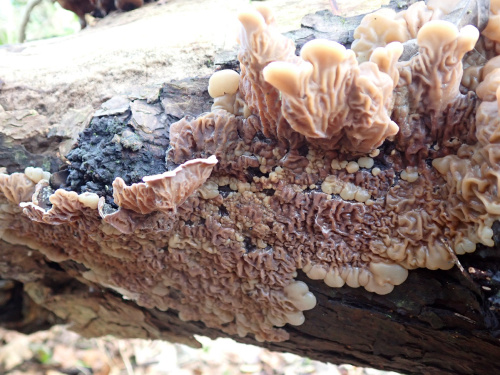 Melinda Bell
Holly Hayes Wood,Whitwick
15 January 2025
30cm field of view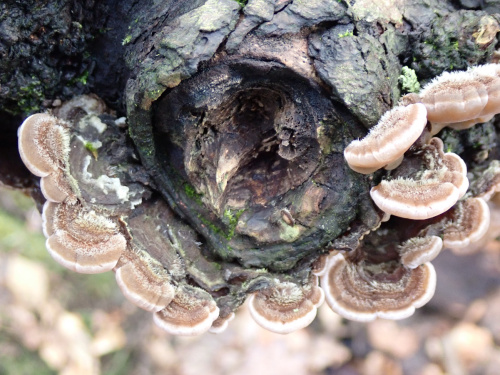 Melinda Bell
Holly Hayes Wood,Whitwick
15 January 2025
very strong jelly structure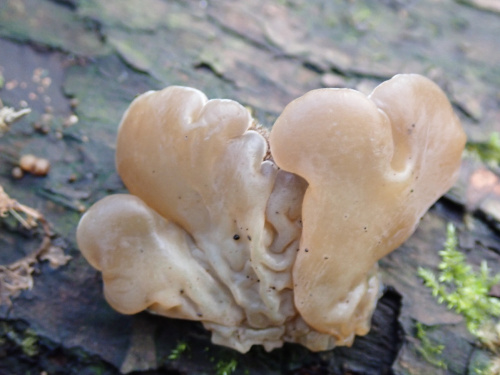 Melinda Bell
Holly Hayes Wood,Whitwick
15 January 2025
undersurface initially smooth
Leicestershire & Rutland Map
Enter a town or village to see local records
MAP KEY:
Yellow squares = NBN records (all known data)
Coloured squares = NatureSpot records: 2025+ | 2020-2024 | pre-2020
UK Map
Additional images