Andrena bicolor
Andrena bicolor
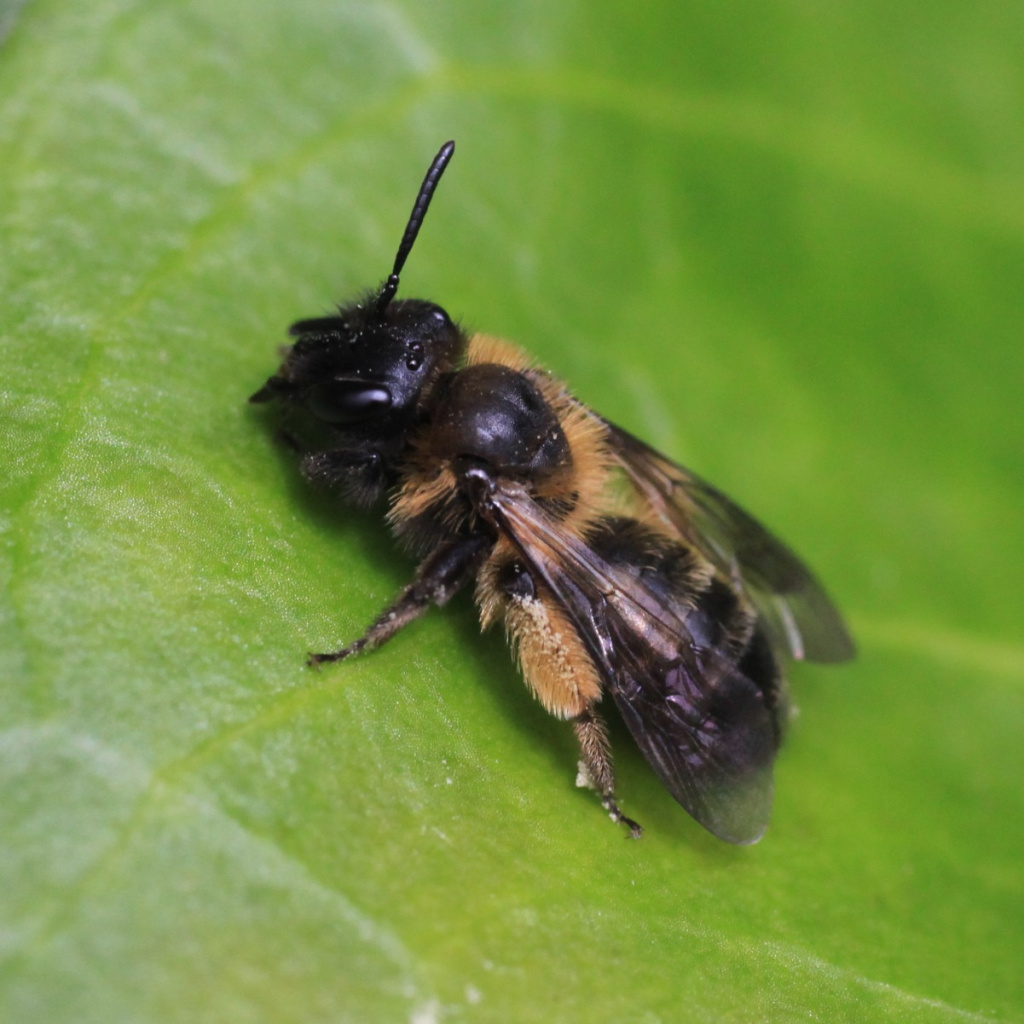
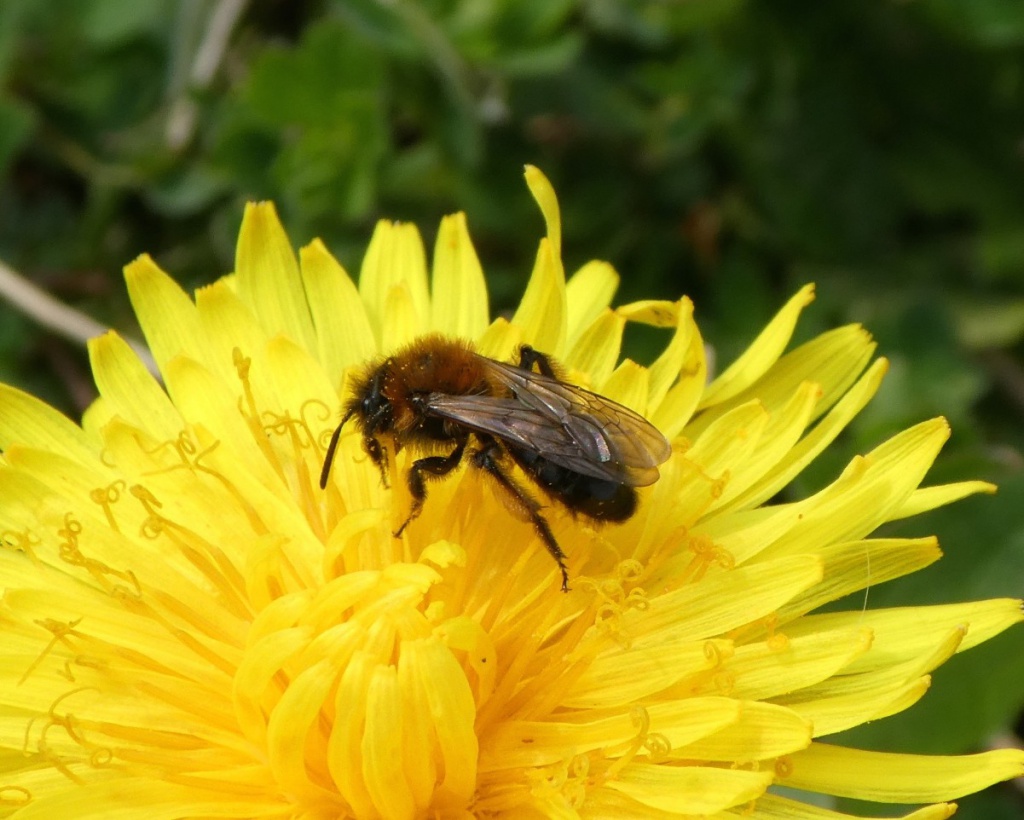
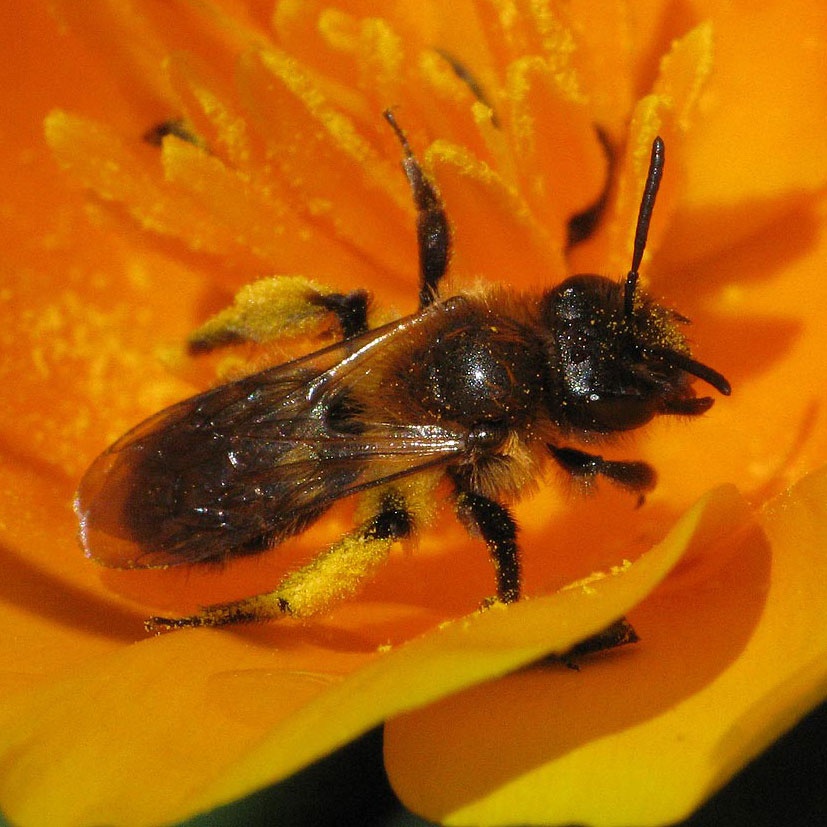
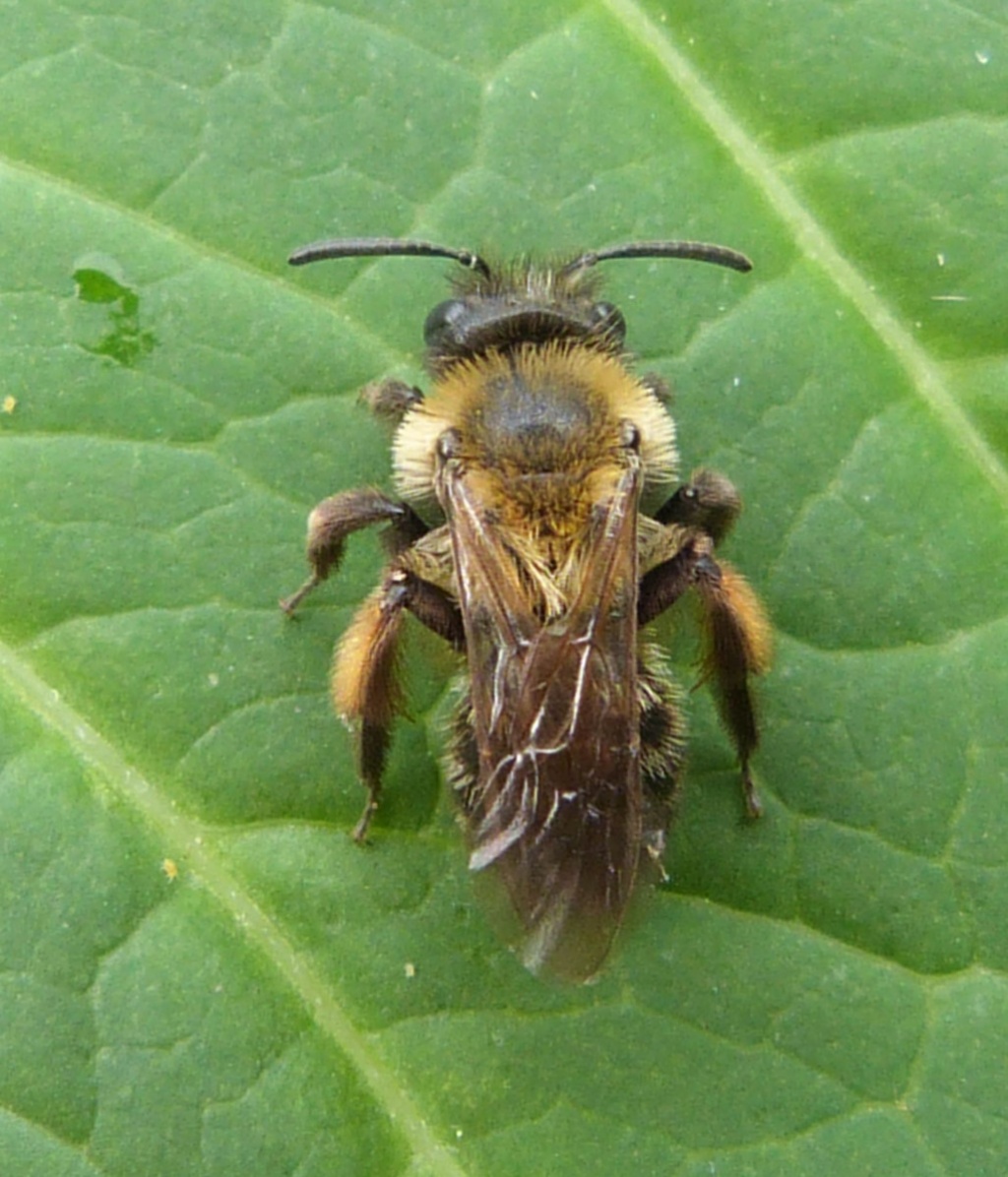
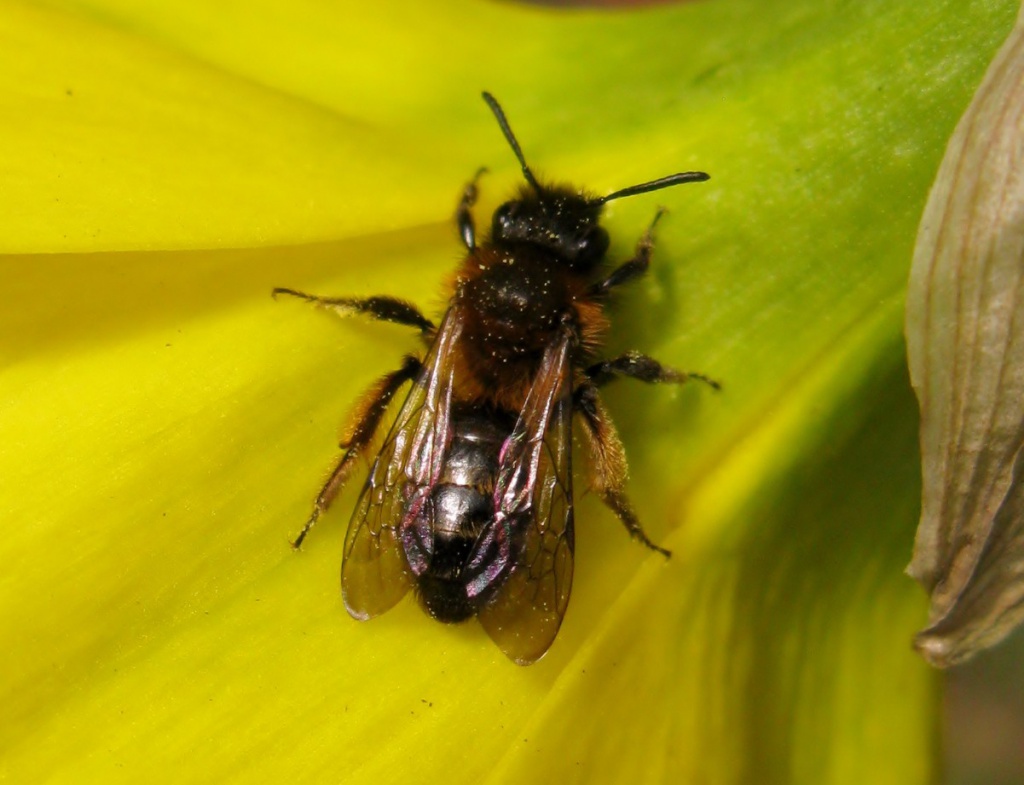
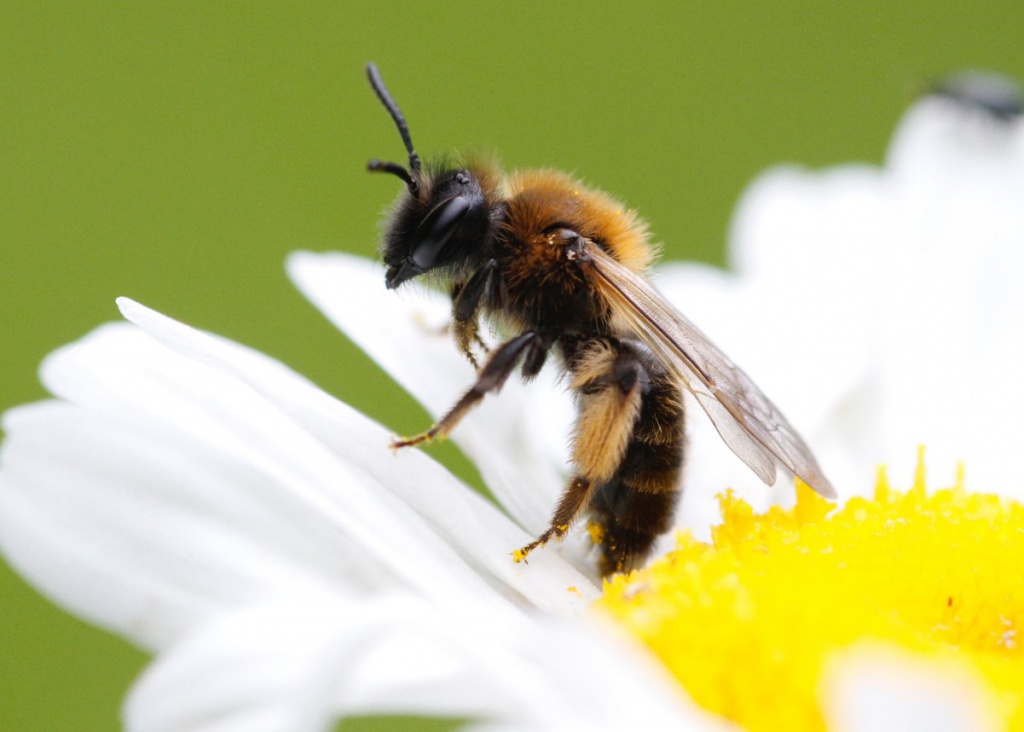
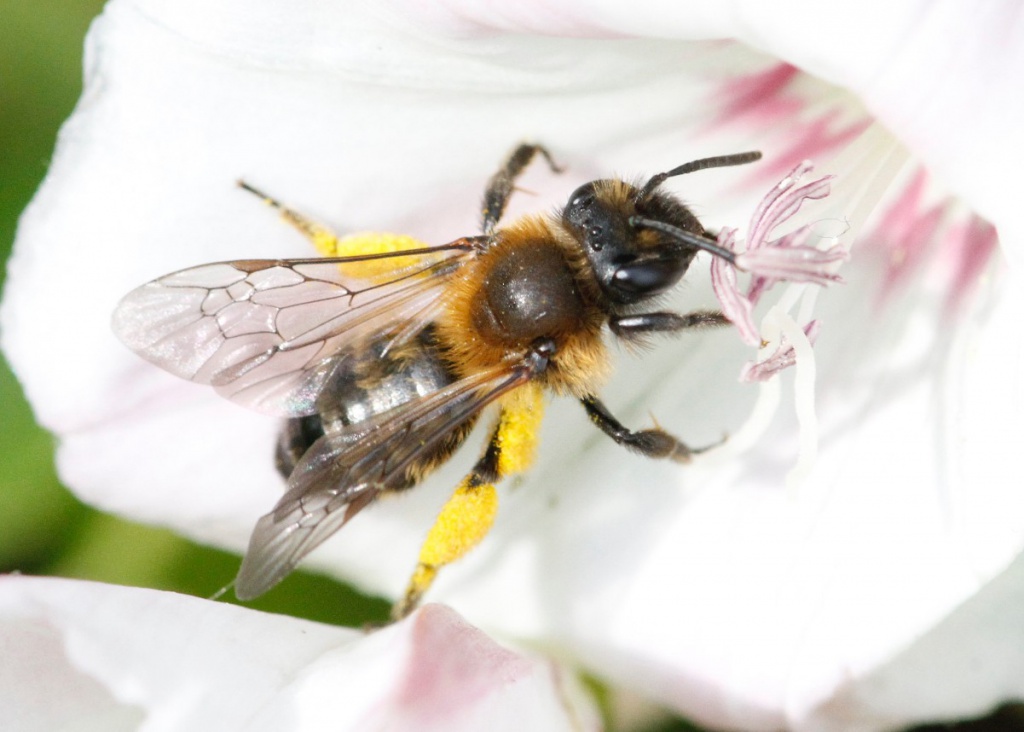
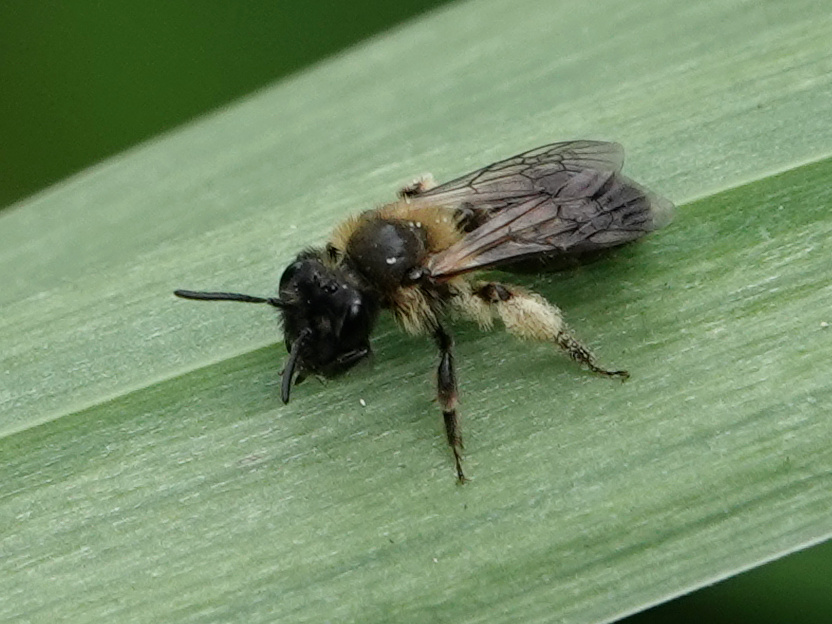
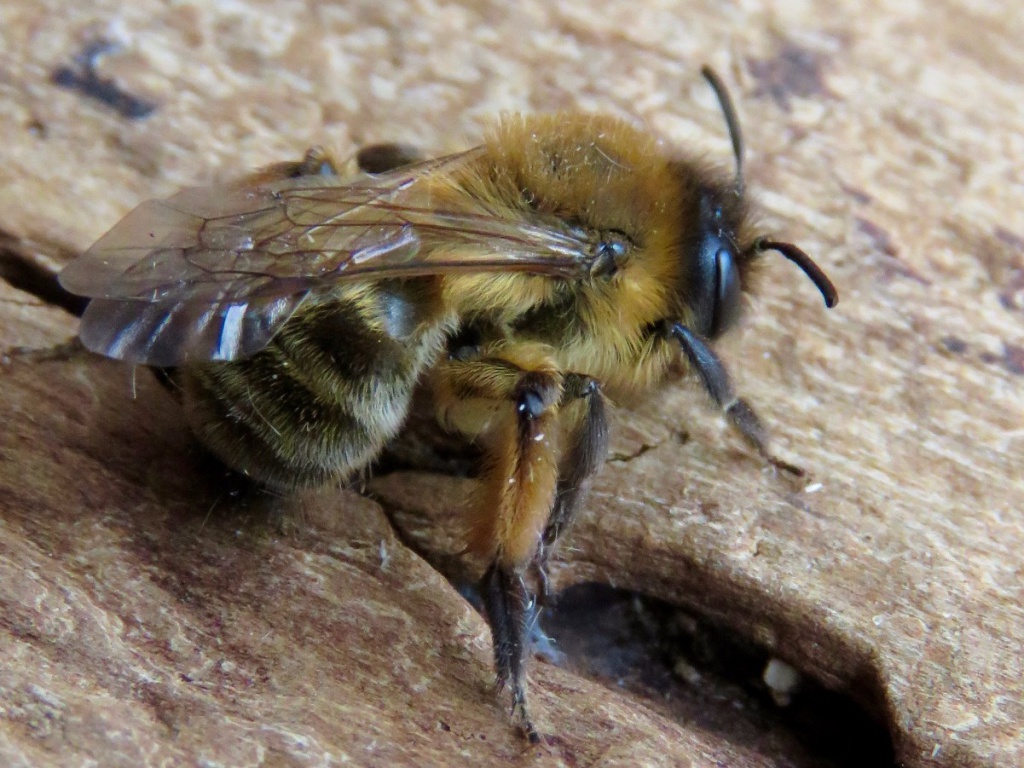
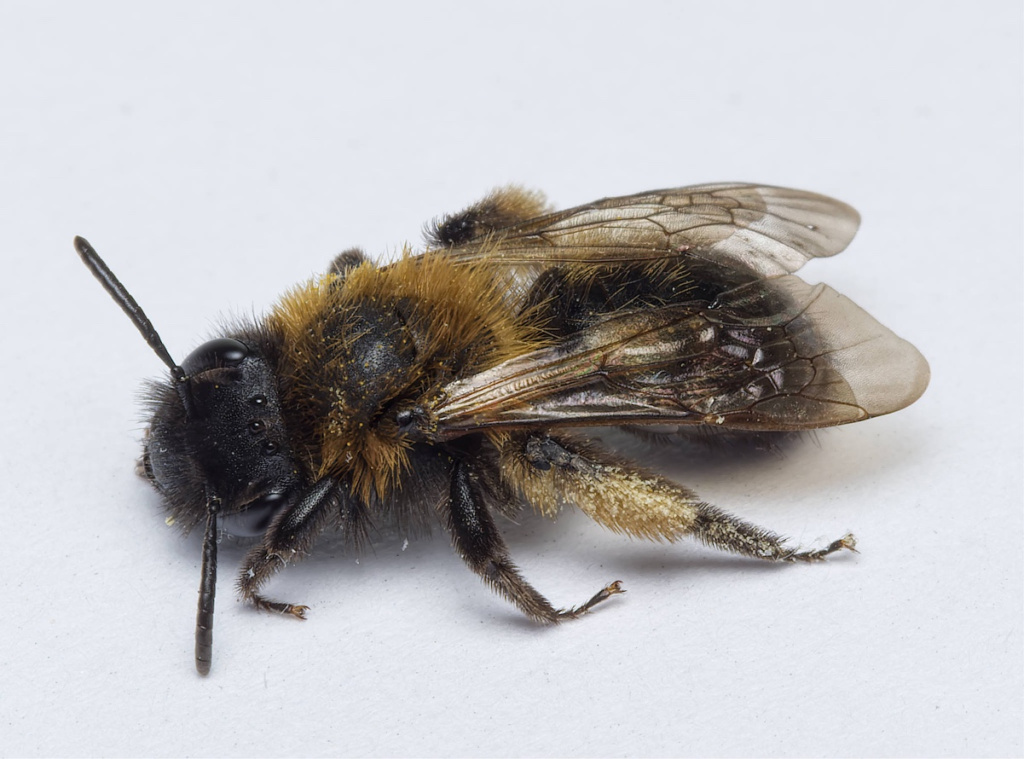
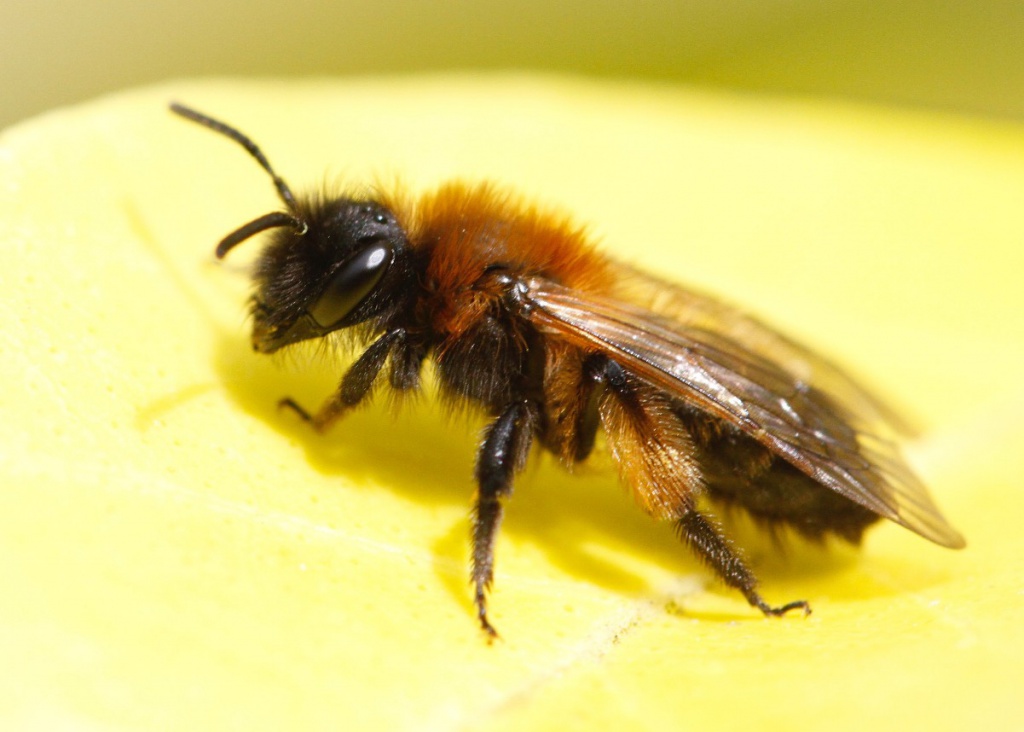
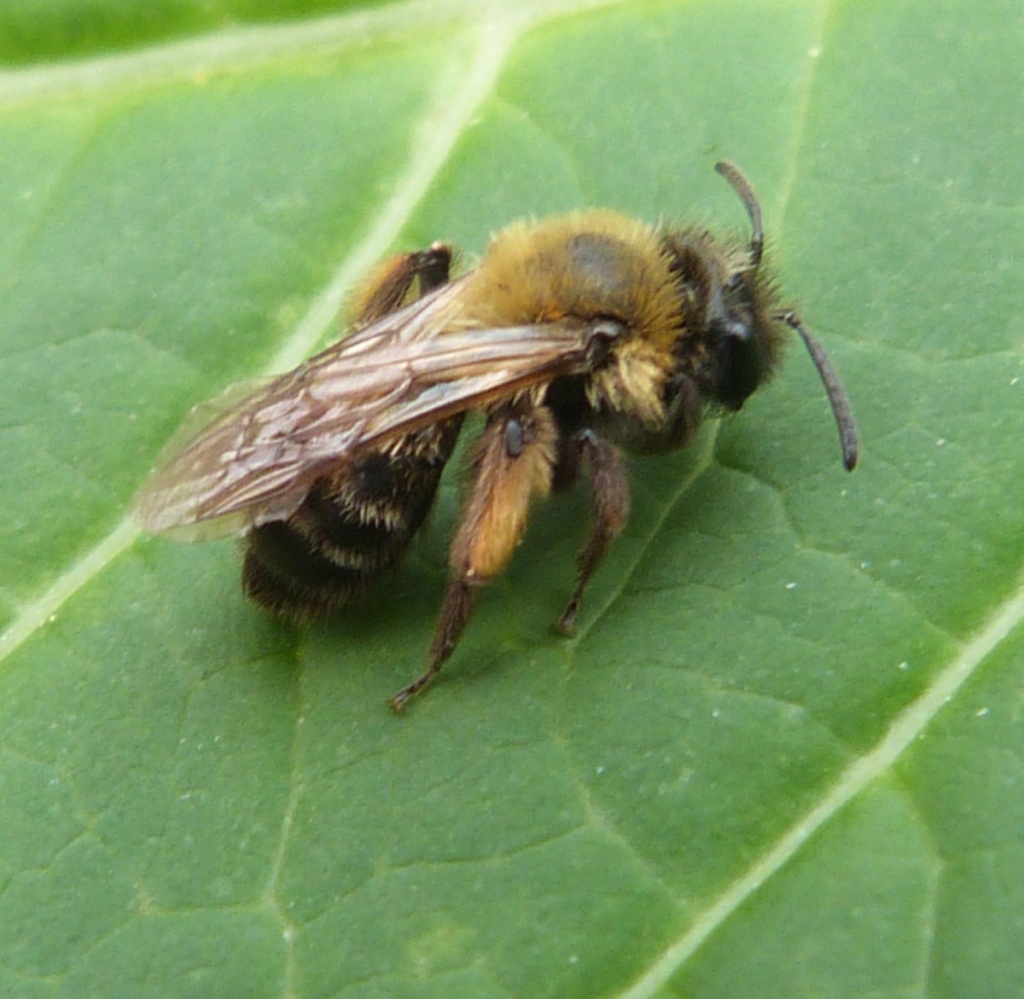
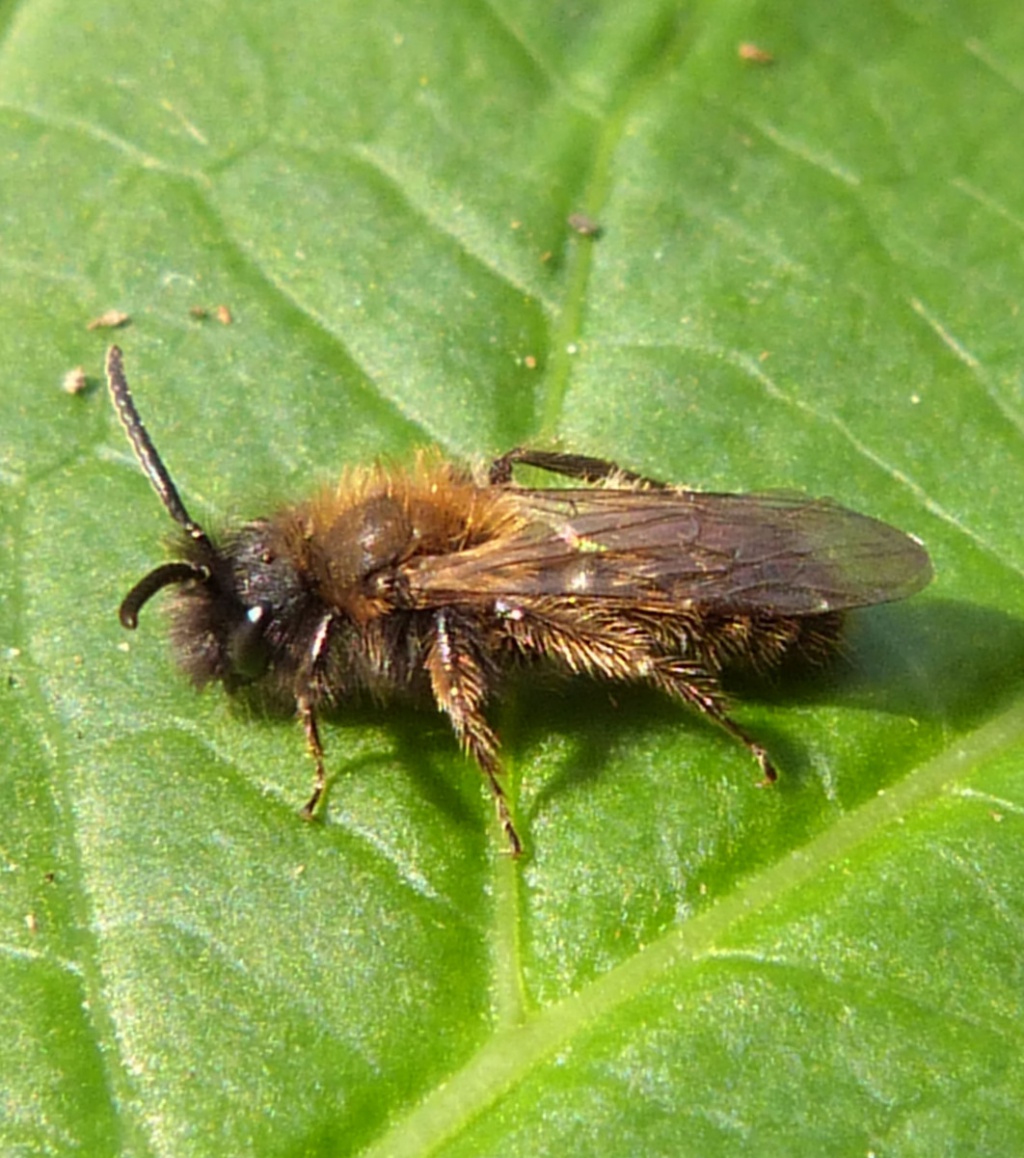
This is a small solitary mining bee. The females are about 9 to 11 mm, and the males are slightly smaller. Females have back hairs on the face, gingery hairs on the top of the thorax and at the front of each side - the remainder has black hairs. The abdomen is black but with pale brown hairs forming bands across the base of each segment. The legs are mostly black with an orange-brown pollen brush on the hind legs. Males are similar but slimmer and lack the pollen brush.
 females,
  males
males
Good quality images are required showing the key ID features and should include a side image. Note that most solitary bees and wasps are challenging to identify and are seldom identifiable from photographs taken in the field. NatureSpot will accept records identified by a recognised local or national expert, or that have been identified via the BWARS’ Facebook page. If you have obtained this advice, please note the name of the person/organisation identifying the record in the ‘determiner’ field (e.g. ‘Stuart Roberts, BWARS Facebook’) and add the wording received to the comments box.
Found in various habitats including gardens, grassland and open woodland areas.
It has two generations per year, being on the wing from March to May and then from late June to August.
They nest in the ground, usually where the soil is quite soft. A small nest is constructed containing a few cells, which the female fills with pollen. A single egg is laid in each cell and the larvae feed on the pollen.
Fairly frequent and found throughout Britain, though mostly southern.
Fairly frequent in Leicestershire and Rutland.
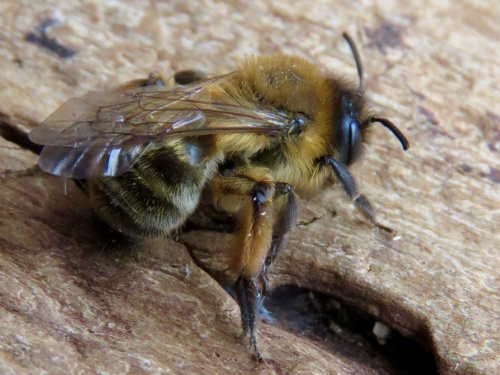 egaten
Thurlaston garden
13 April 2016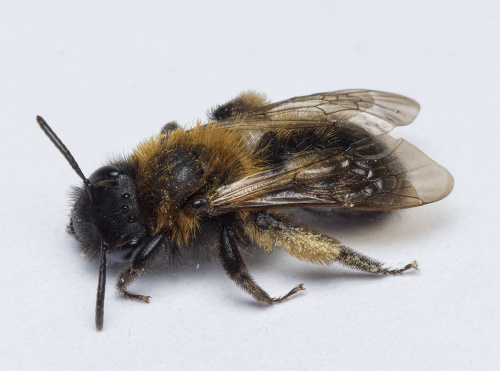 AJ Cann
Knighton
19 April 2026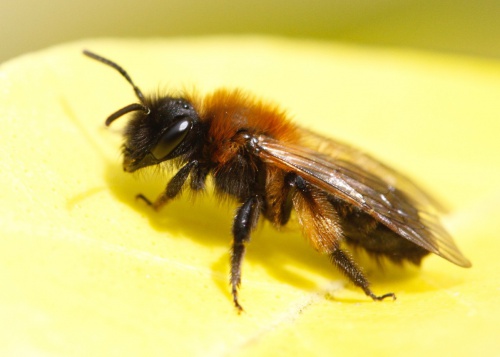 Matthew Berriman
Stocken
06 April 2020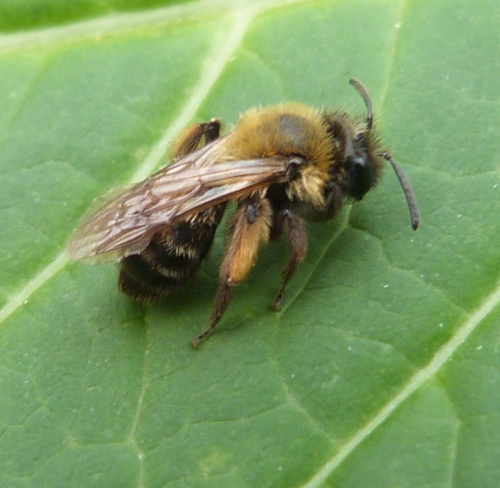 Graham Calow
Sapcote
26 August 2012
female - specimen examined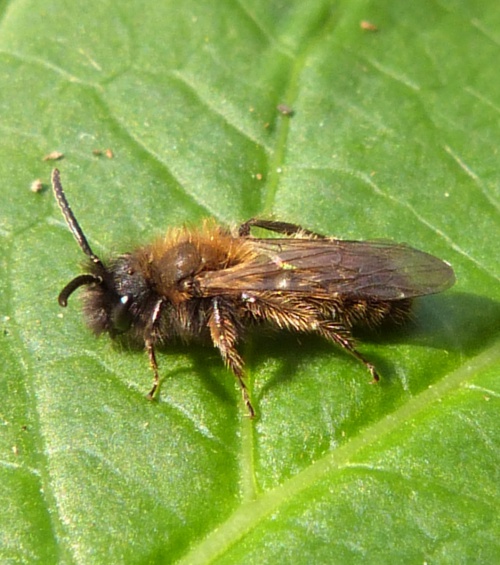 Graham Calow
Sapcote
29 March 2014
male - specimen examined
Leicestershire & Rutland Map
Enter a town or village to see local records
MAP KEY:
Yellow squares = NBN records (all known data)
Coloured squares = NatureSpot records: 2025+ | 2020-2024 | pre-2020
UK Map
Additional images