Trimorus
Trimorus
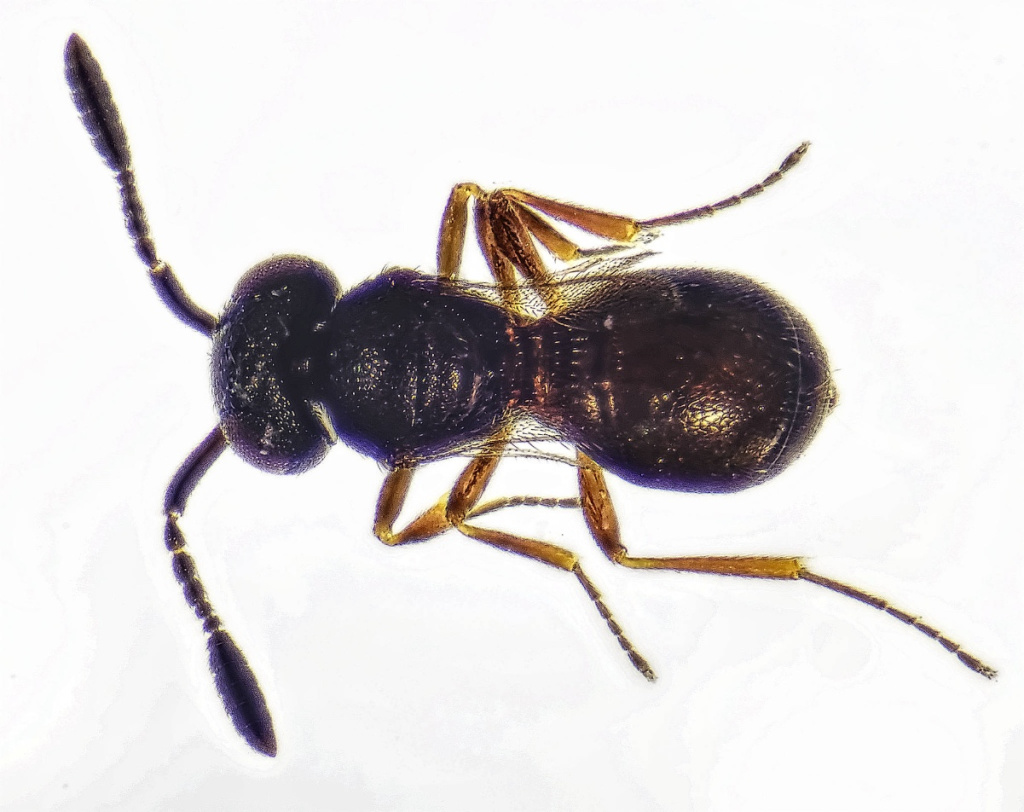
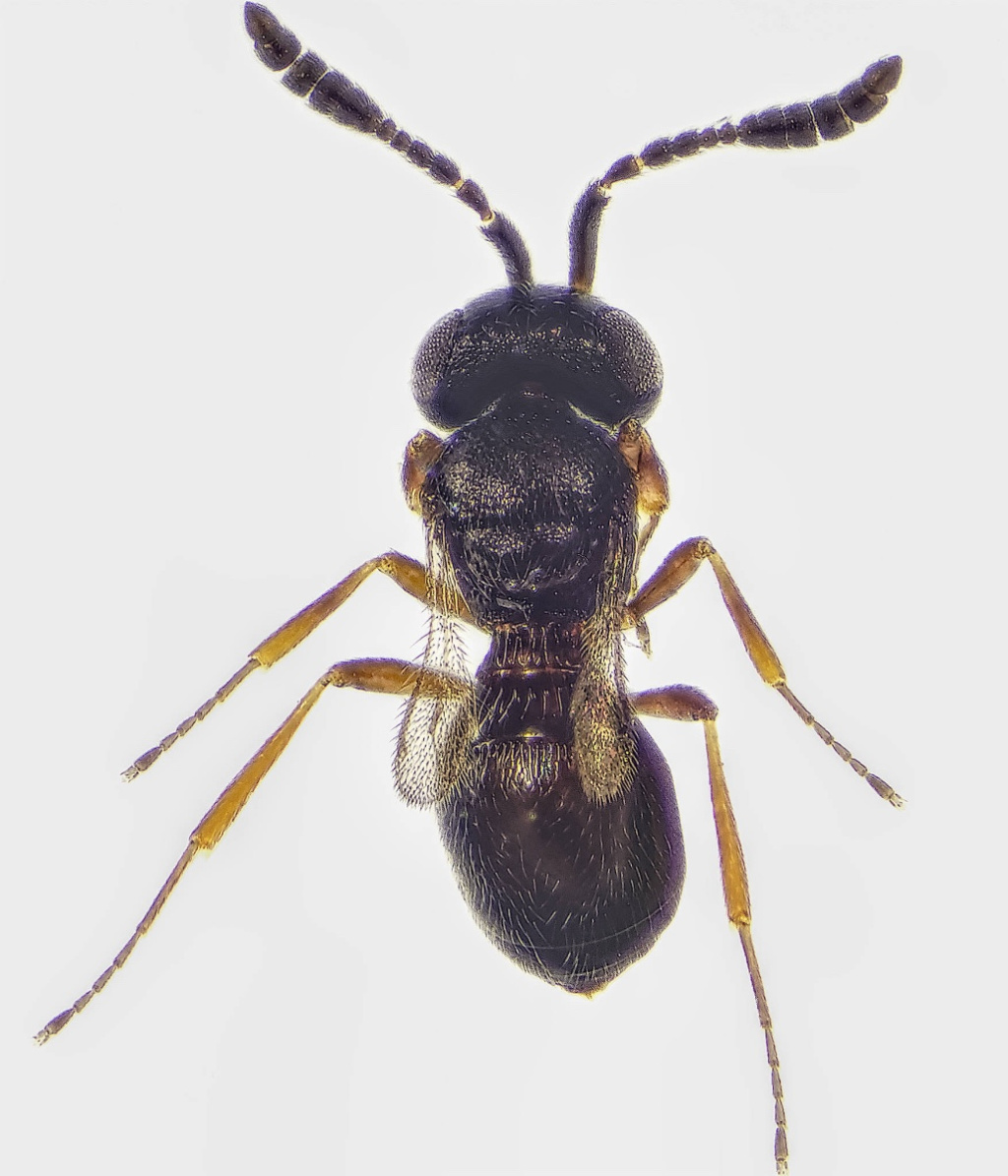
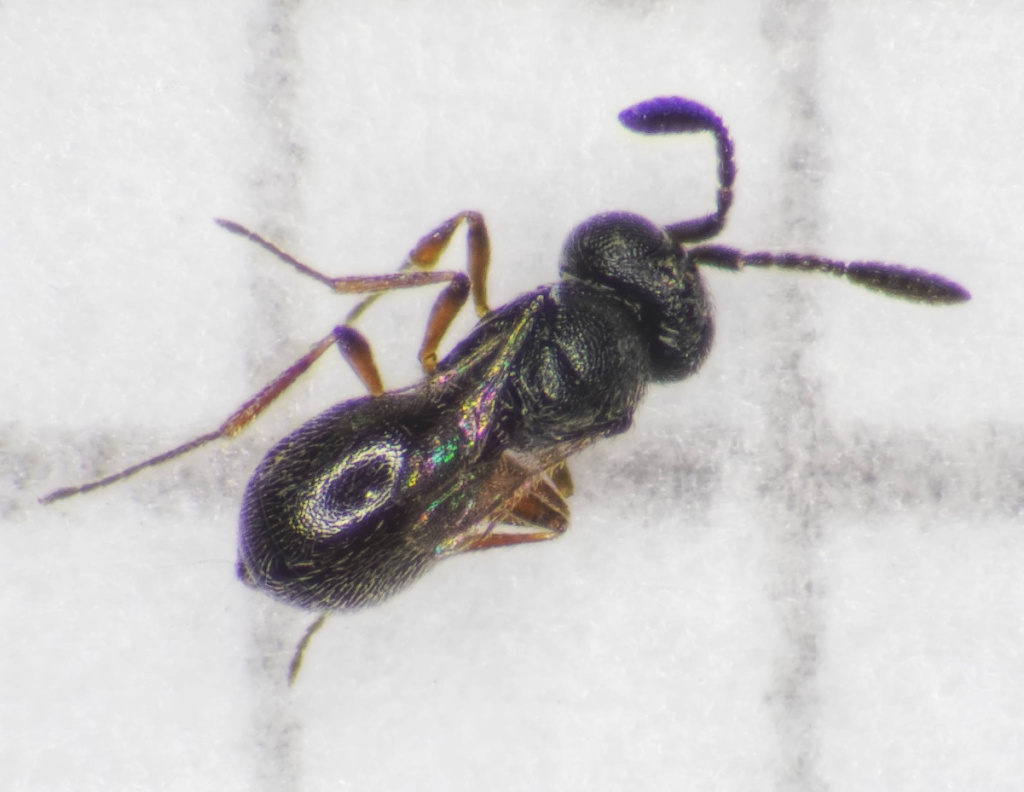
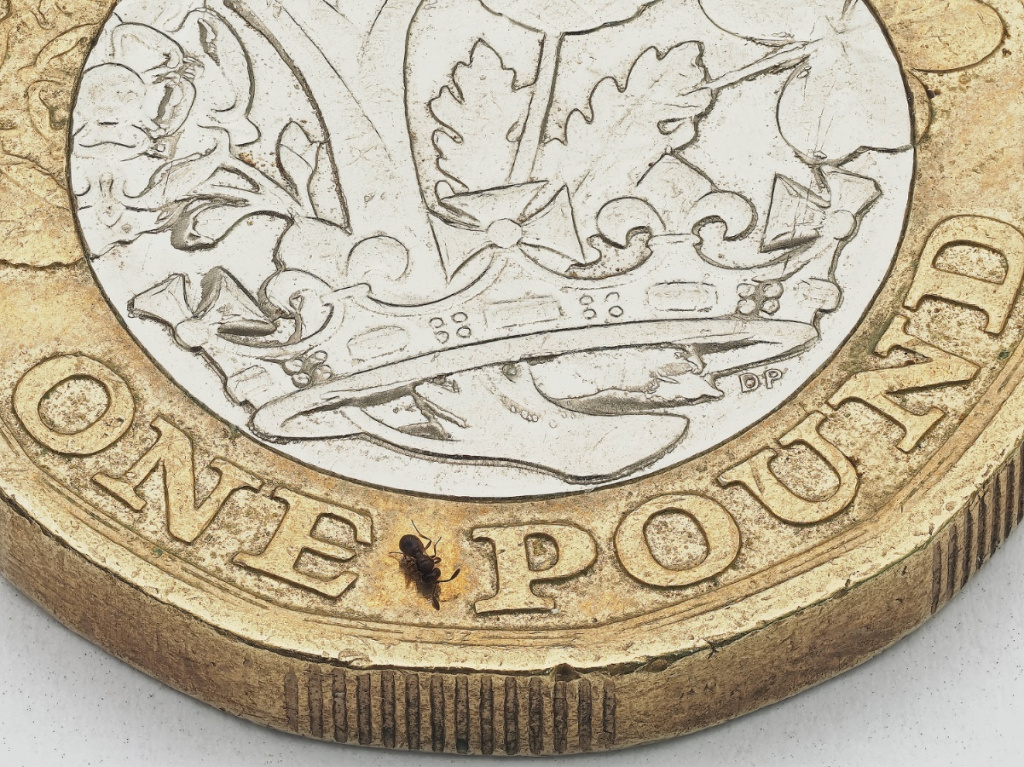
A genus of tiny wasps less than 2mm long. Females have clavate antennae (ending in a club), usually with 12 segments. Males have filiform (thread-like) antennae, also with 12 segments, which they use to detect female pheromones. Identifying this genus involves looking at the thorax and the wing venation which separate them from closely related genera like Teleas. The thorax has a small central spine or tooth-like projection on the metanotum (the small segment behind the scutellum). The surface of the thorax is often heavily "sculptured" with pits (punctures) or fine ridges (striae). The forewing marginal vein is typically quite long, often significantly longer than the stigmal vein. The postmarginal vein is usually very short or completely absent. The basal vein is often visible as a faint, darkened line forming a cell structure in the forewing.

Unless identified by a recognised expert, must be keyed out and photos of key features submitted.
All year.
Egg parasitoids, particularly of beetles. The female pierces the shell of a beetle egg and deposits her own egg inside. The wasp larva consumes the beetle embryo, pupates inside the egg shell, and eventually chews its way out as an adult.
There are nore than 50 Trimorus species in the UK, this genus is one of the most species-rich within the family Scelionidae. Very widely distributed wherever their hosts are found. Due to their size they are massively under-recorded compared to larger wasps or bees.
Unknown.
Masner, L. (1976) Revisionary notes and keys to world genera of Scelionidae (Hymenoptera: Proctotrupoidea). The Memoirs of the Entomological Society of Canada, 108(S97), 1-87.
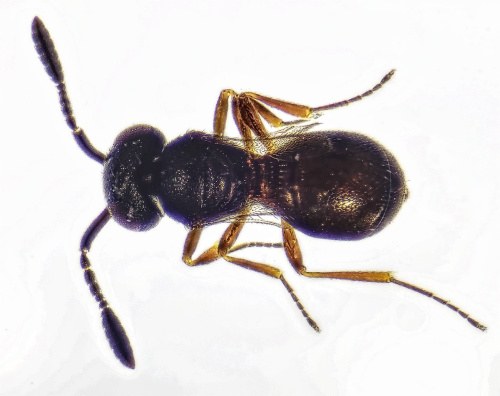 AJ Cann
Leicester Attenborough Arboretum
03 February 2026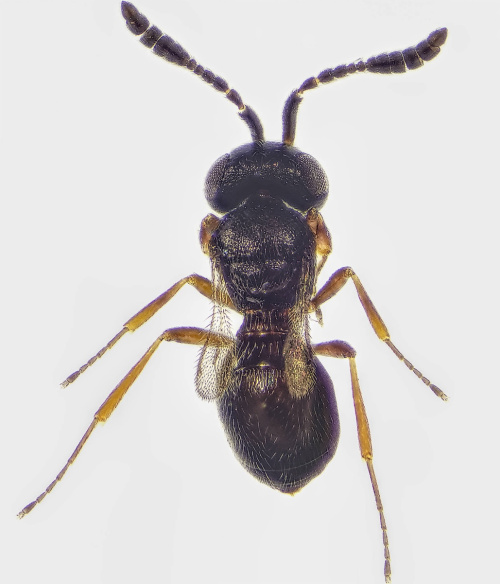 AJ Cann
Billesdon Woodland Pool
17 February 2026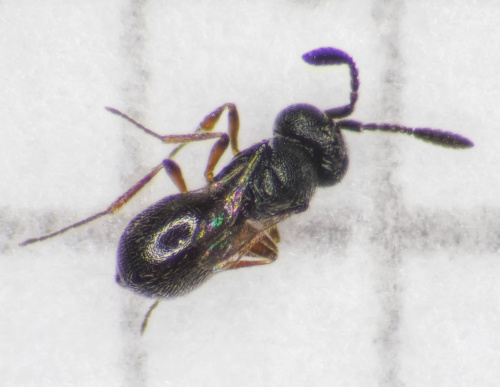 AJ Cann
Leicester Attenborough Arboretum
03 February 2026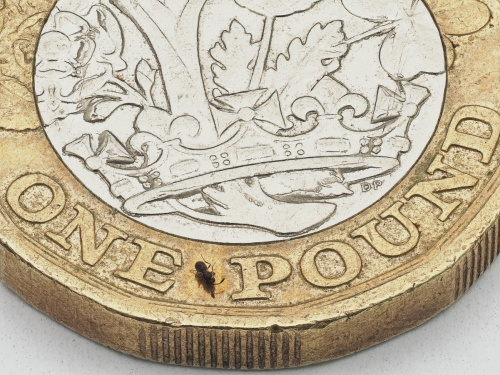 AJ Cann
Leicester Attenborough Arboretum
03 February 2026
Leicestershire & Rutland Map
Enter a town or village to see local records
MAP KEY:
Yellow squares = NBN records (all known data)
Coloured squares = NatureSpot records: 2025+ | 2020-2024 | pre-2020
UK Map
Additional images
No additional images available for this species.