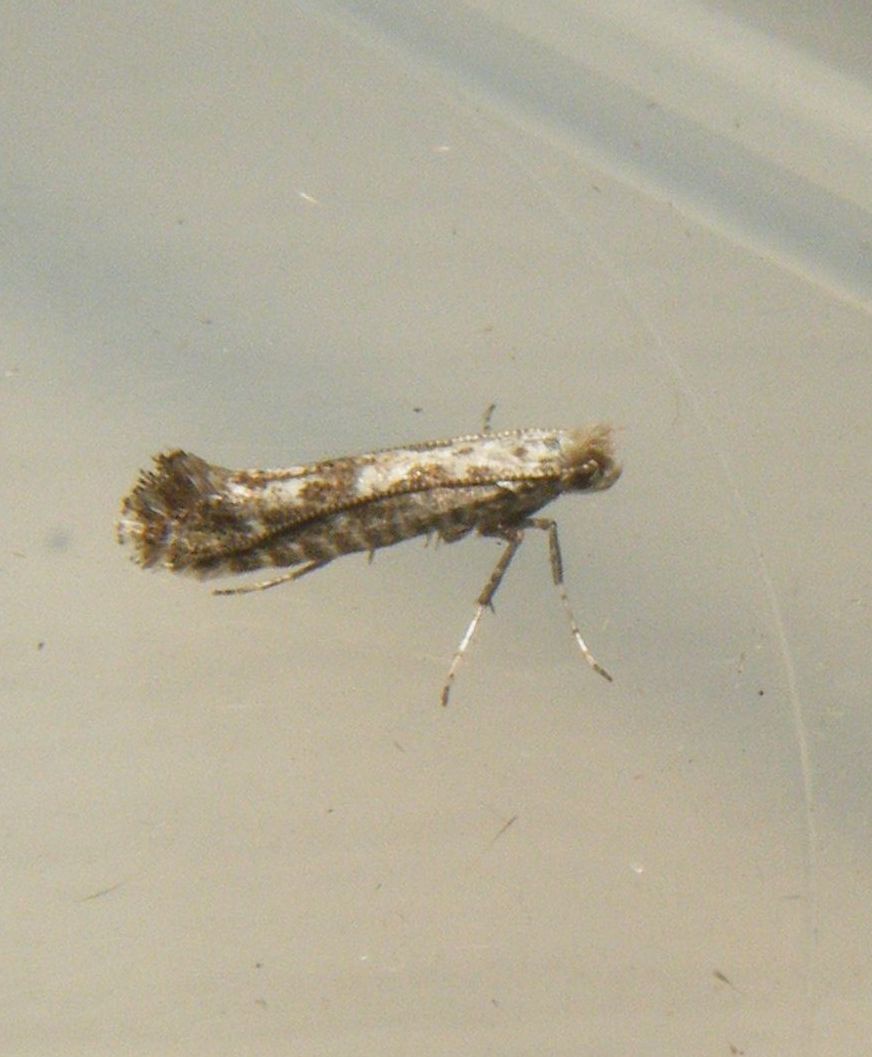
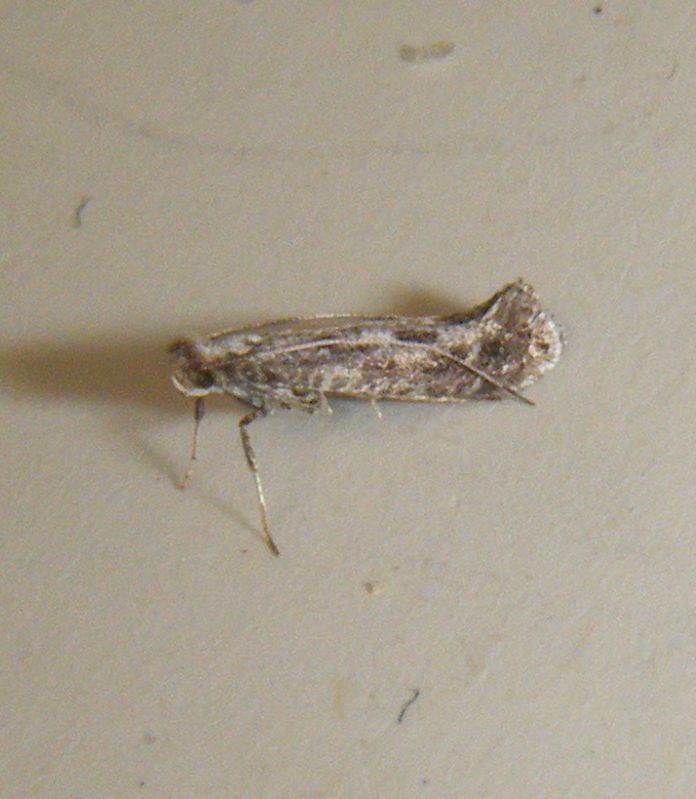
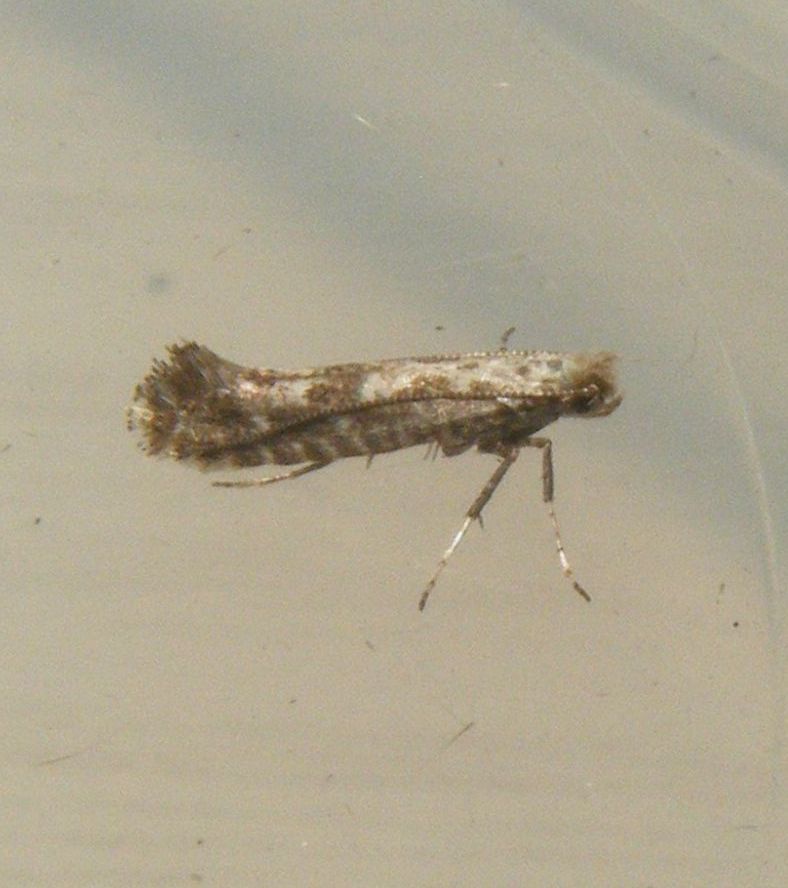
Parornix betulae
Parornix betulae
Brown Birch Slender
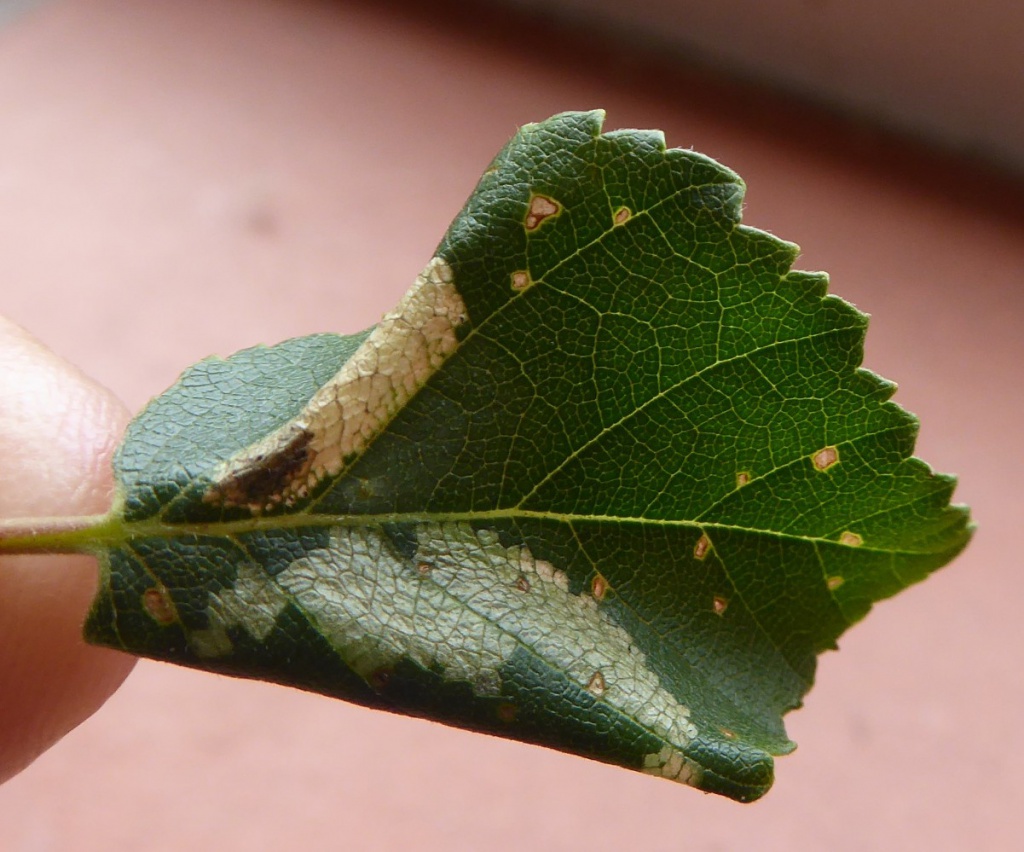
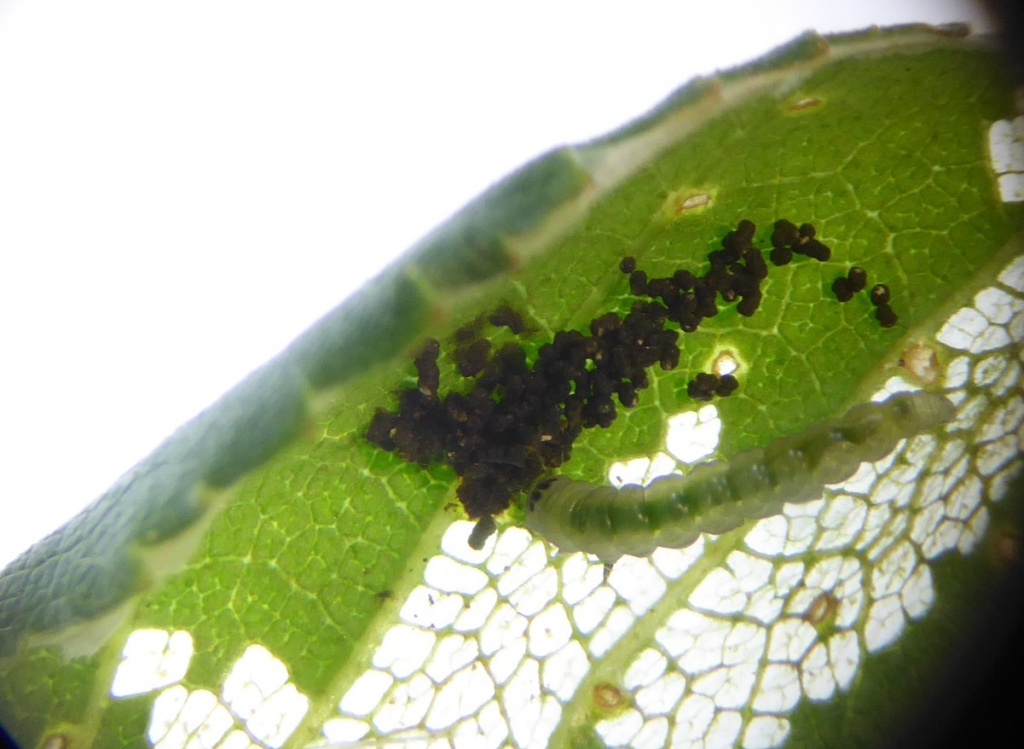
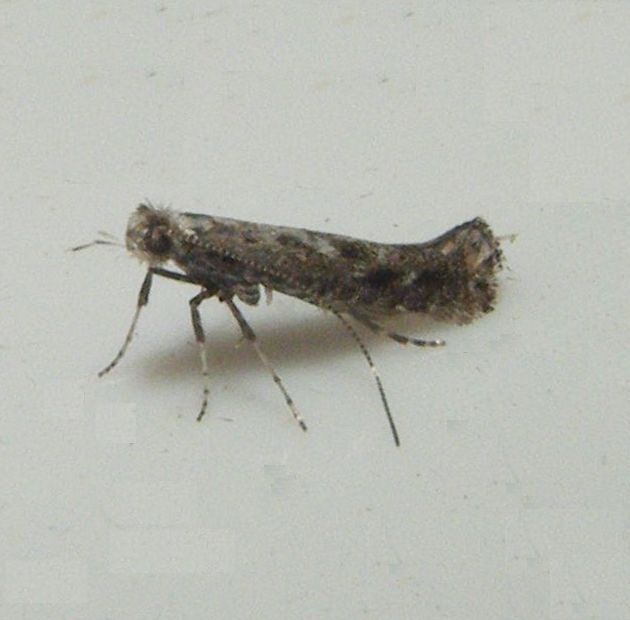
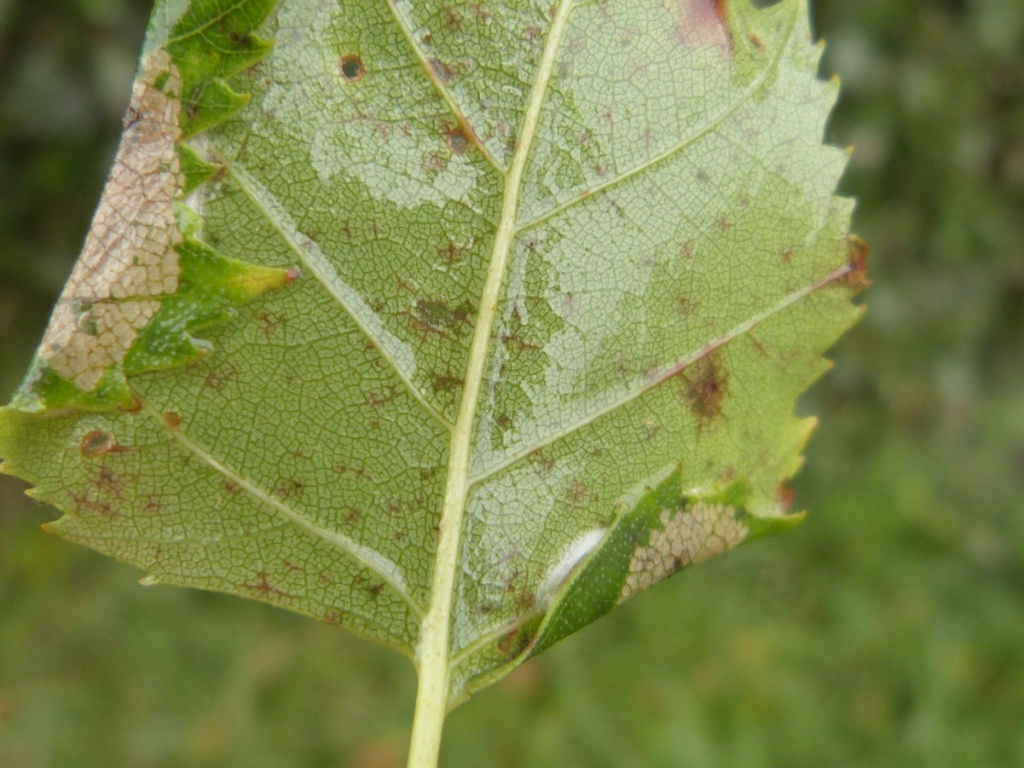
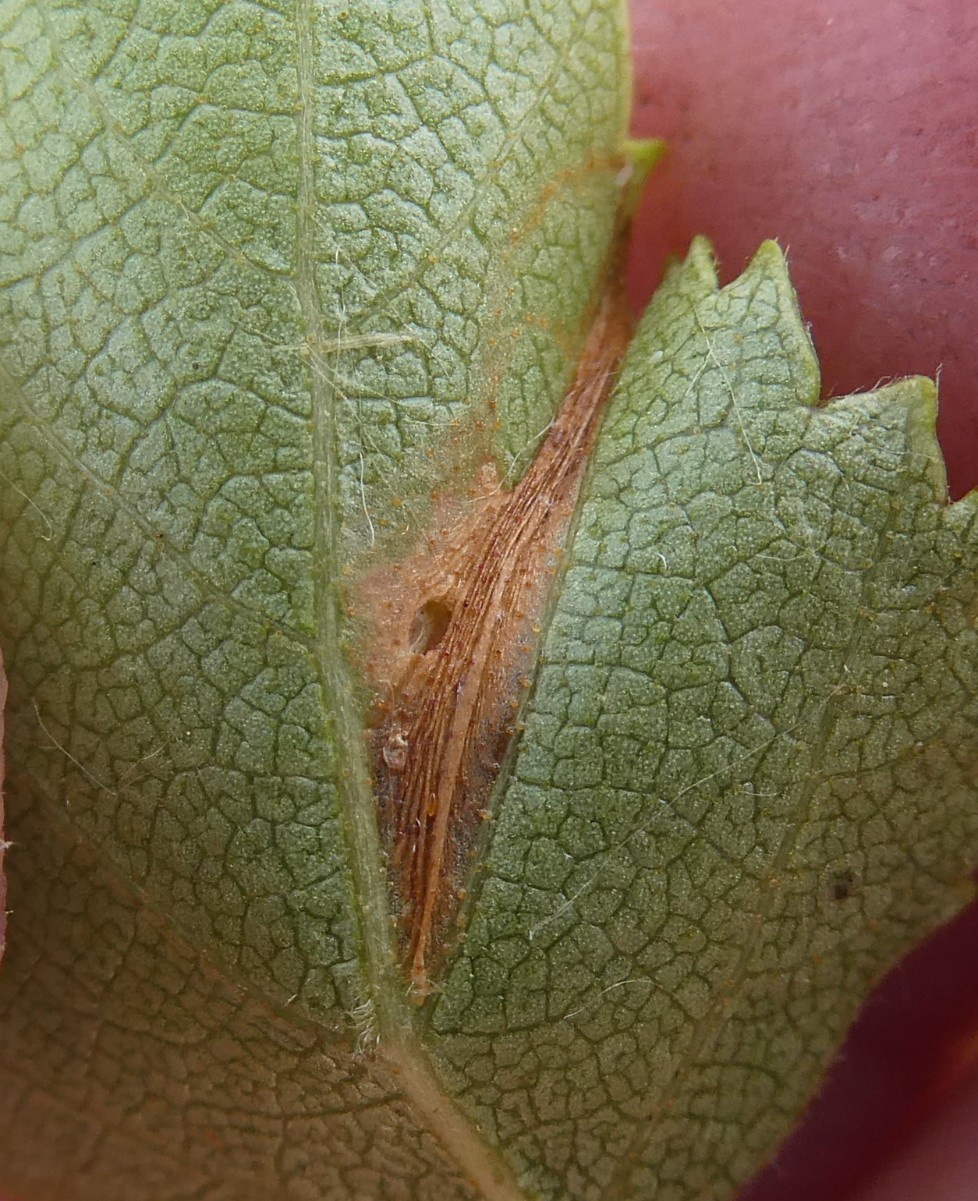
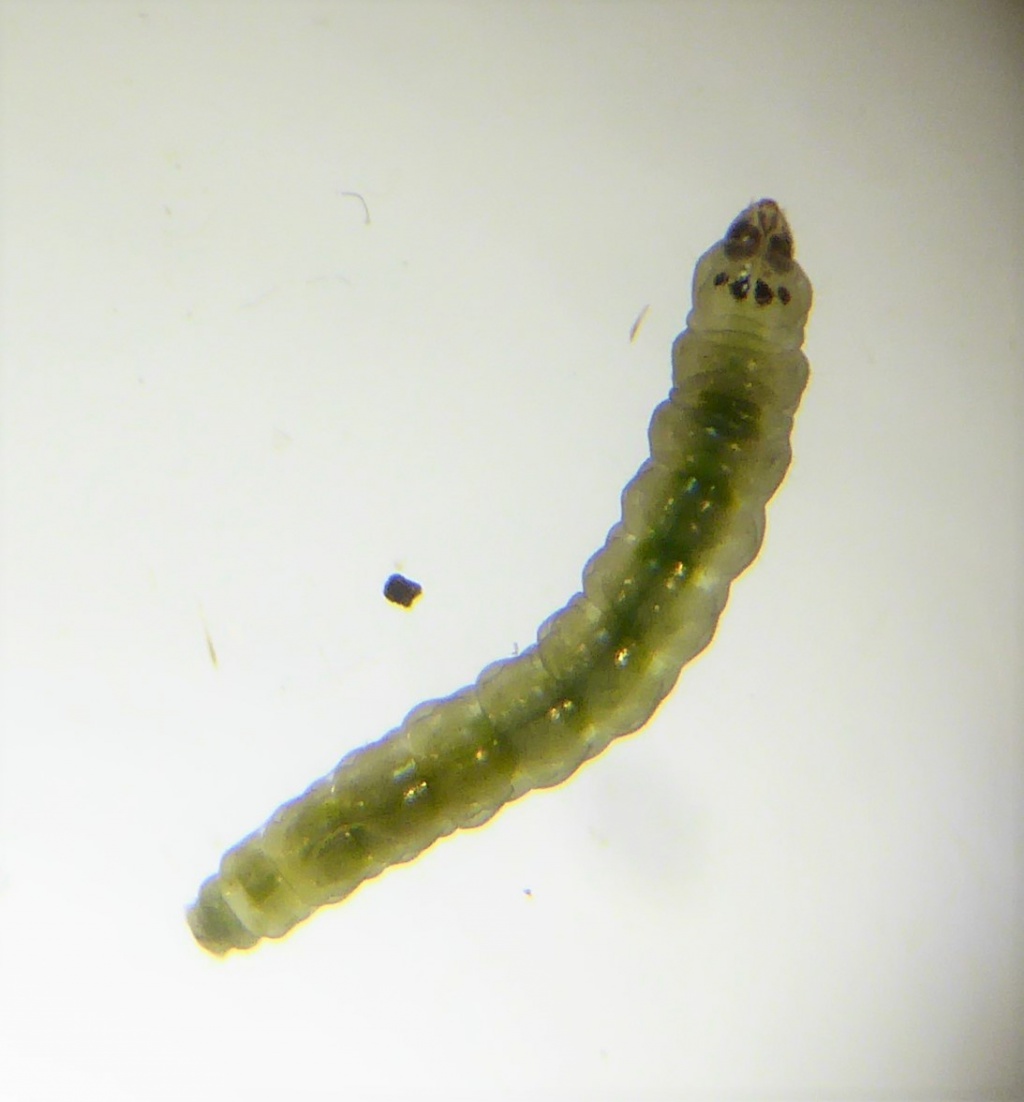
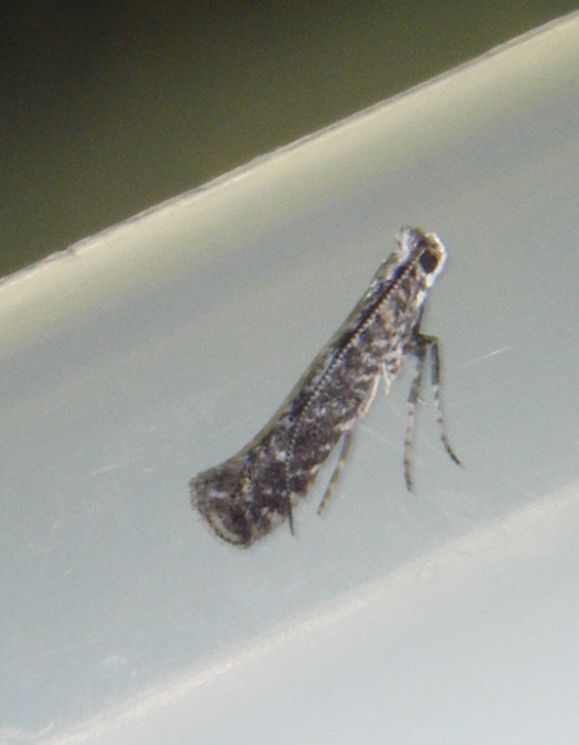
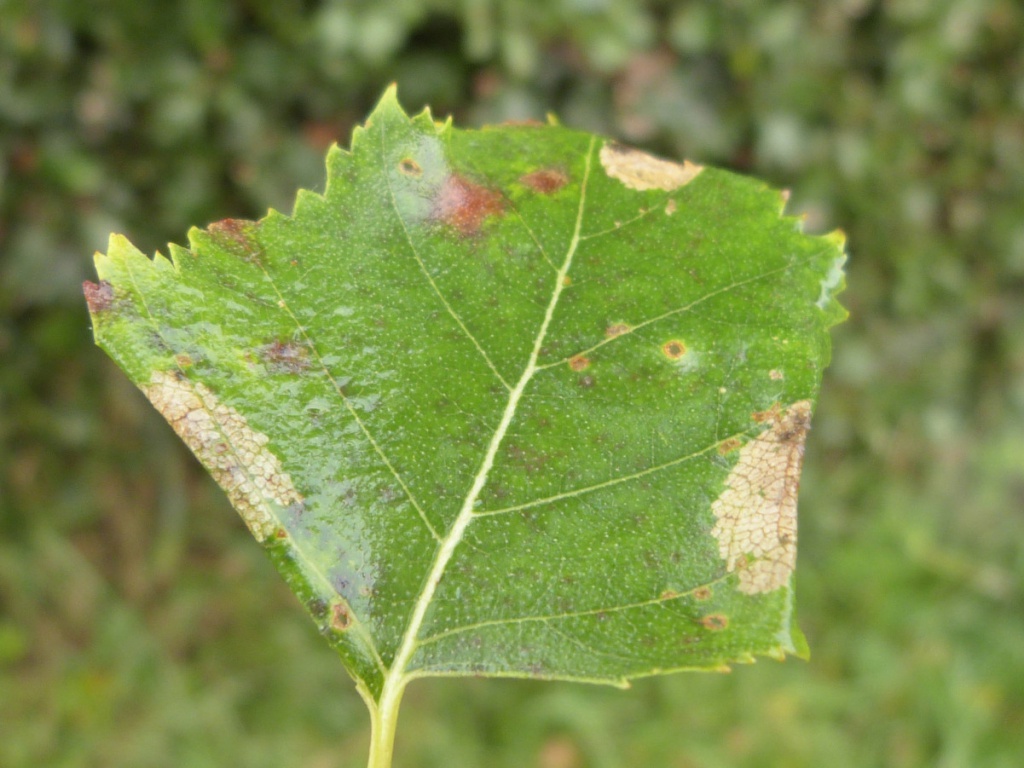
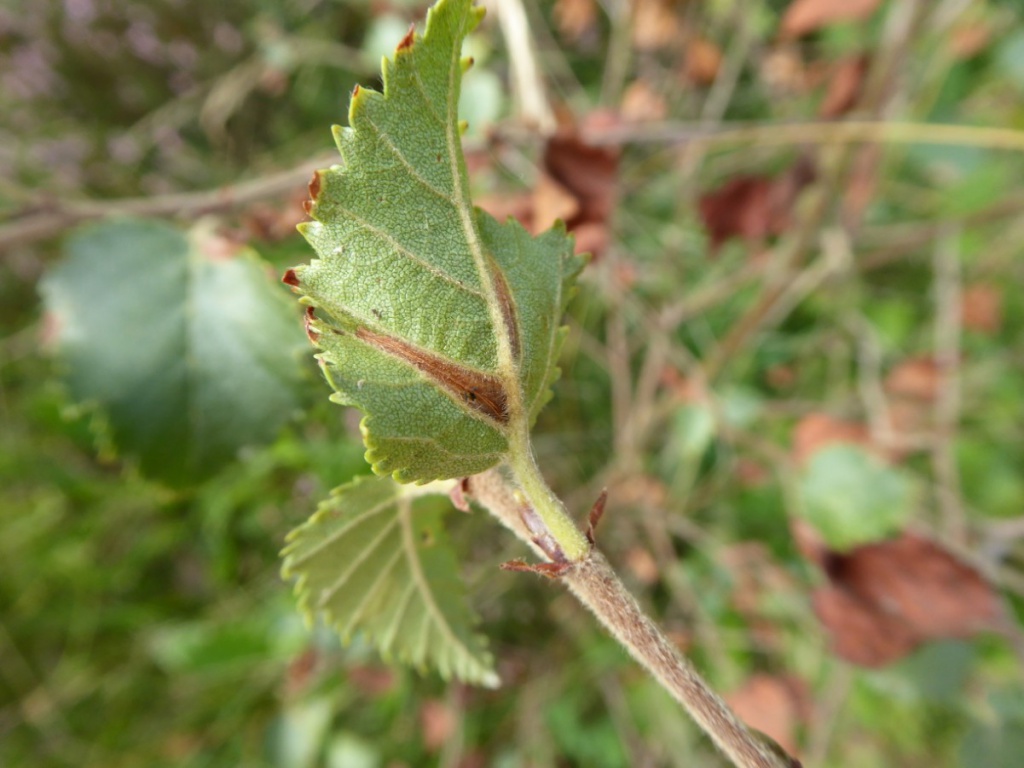
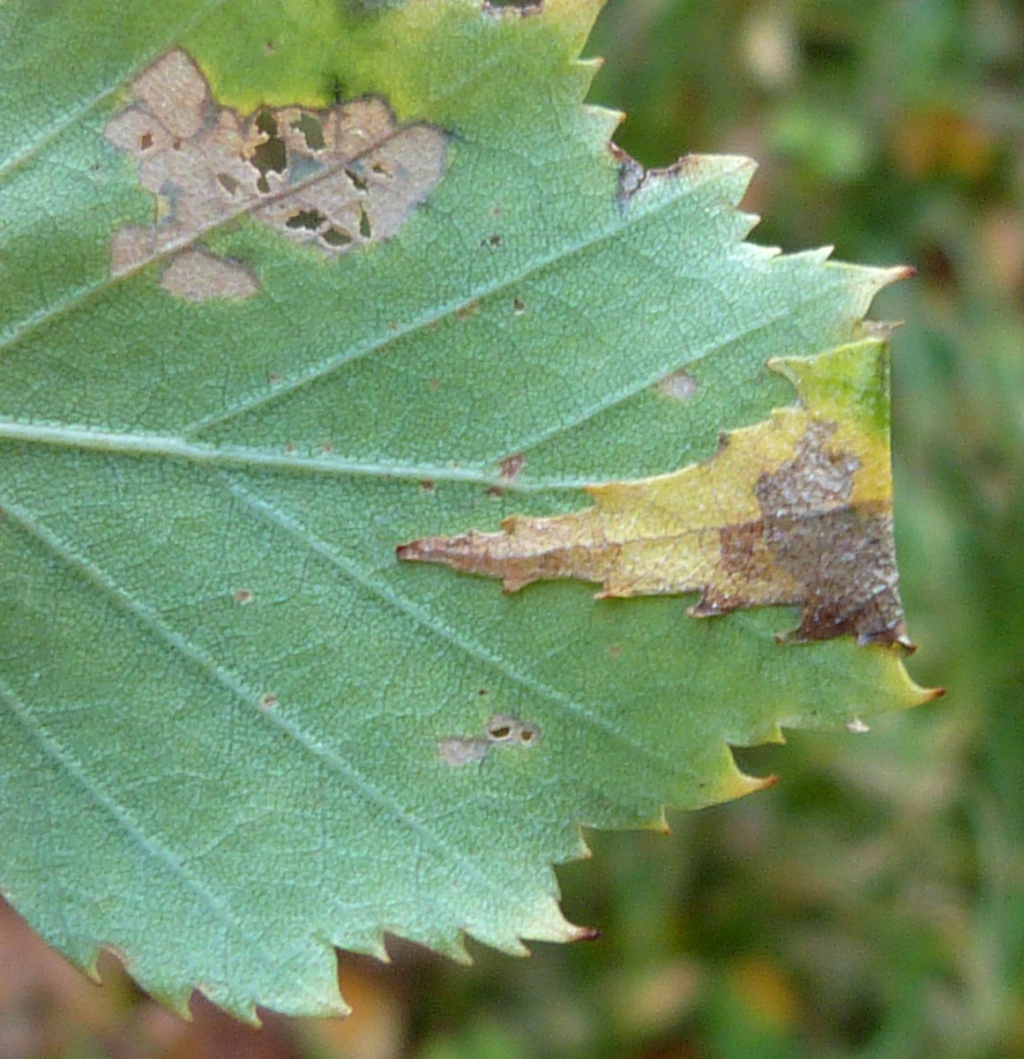
Wingspan 9 to10 mm. It cannot be separated from other Parornix species without dissection. The larva mines the leaves of Birch, initially creating a narrow inconspicuous gallery leading to small tentiform mine with a brown lower epidermis; later feeding in a folded leaf-edge or tip. Pupation is in leaf-fold on on ground. The larvae are whitish with 4 dark spots on the pronotum, as is typical of Parornix species.
Phyllonorycter also make tentiform mines in which they pupate, unlike Parornix. Caloptilia species on birch also mine and fold leaves in a similar way but the larvae do not have the 4 black spots
Adult  Leafmine
Photograph under-surface of tentiform mine, folds in leaves, and larvae. Note host species
Heaths and open woodland.
The adults fly in May and August.
The larvae later feed within downward folds, usually at the tip of the leaf, pupating in this site or on the ground. The mines can be found in June and again in September to October and are commonest on birch seedlings.
Widespread and fairly frequent in Britain. In the Butterfly Conservation's Microlepidoptera Report 2011 this species was classified as common.
It appears to be uncommon in Leicestershire and Rutland, where there are few records. L&R Moth Group status = D (rare or rarely recorded).
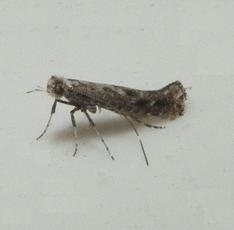 Graham Calow
Sapcote garden1
03 August 2011
confirmed by gen det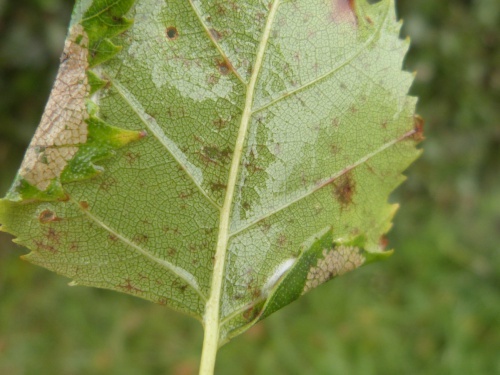 Graham Calow
Sapcote, near Donkey Lane
23 October 2019
leaf-folds on Silver Birch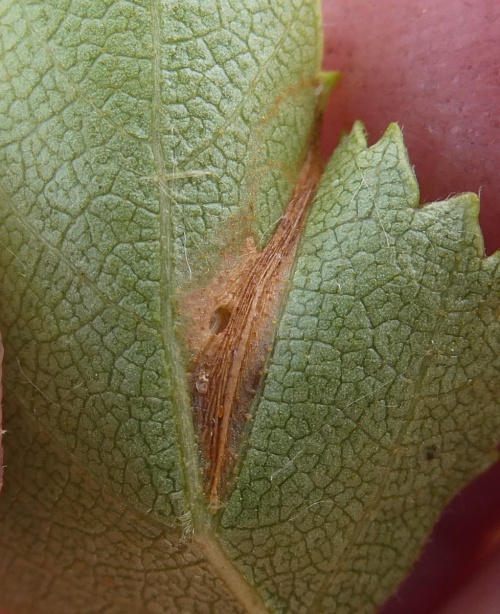 sue
sue
Bardon Hill, new heather area E of summit
26 July 2021
on birch, tentiform mine with exit hole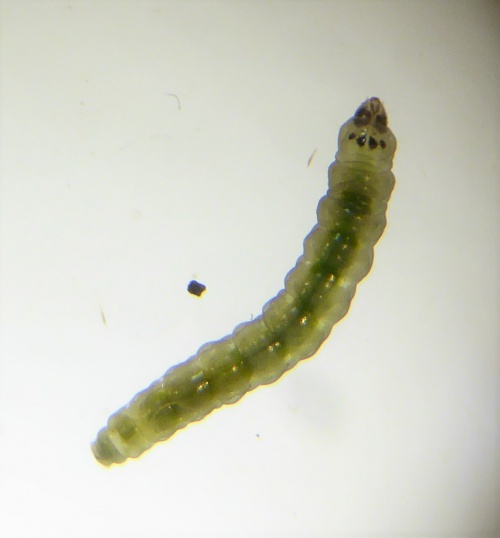 sue
sue
Bagworth, plantation south of Tigers Meadow
31 August 2020
ex. leaf fold on birch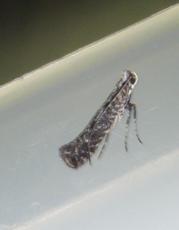 Graham Calow
Sapcote garden1
03 September 2011
confirmed by gen det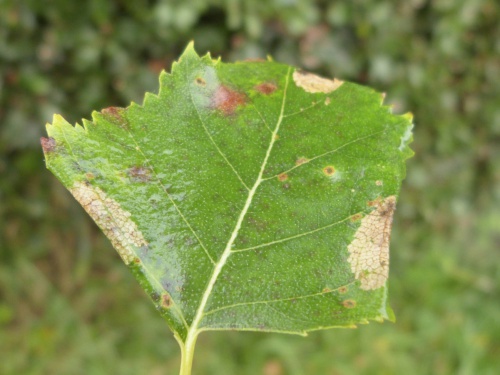 Graham Calow
Sapcote, near Donkey Lane
23 October 2019
leafmines on Silver Birch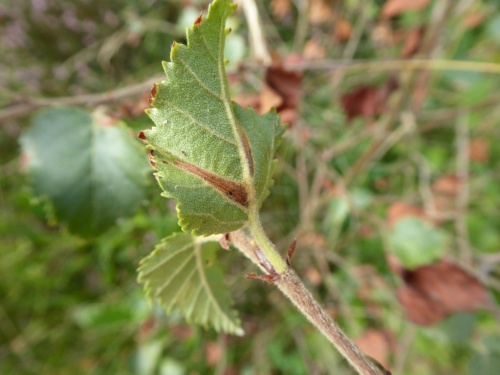 sue
sue
Bardon Hill, summit
15 September 2018
leafmine on Birch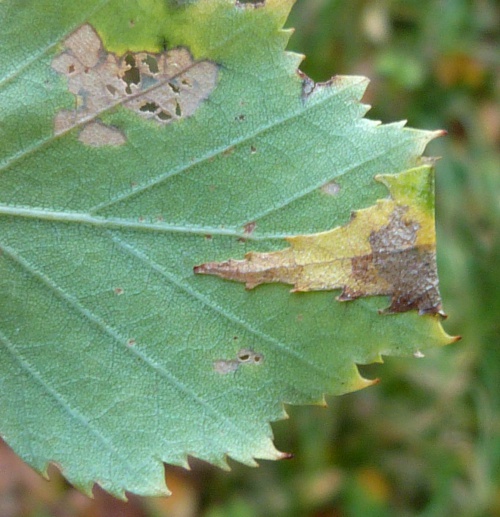 Graham Calow
Sapcote B4669
04 November 2020
leafmine on Birch
Leicestershire & Rutland Map
Enter a town or village to see local records
MAP KEY:
Yellow squares = NBN records (all known data)
Coloured squares = NatureSpot records: 2025+ | 2020-2024 | pre-2020
UK Map
Additional images