Platycheirus angustatus
Platycheirus angustatus
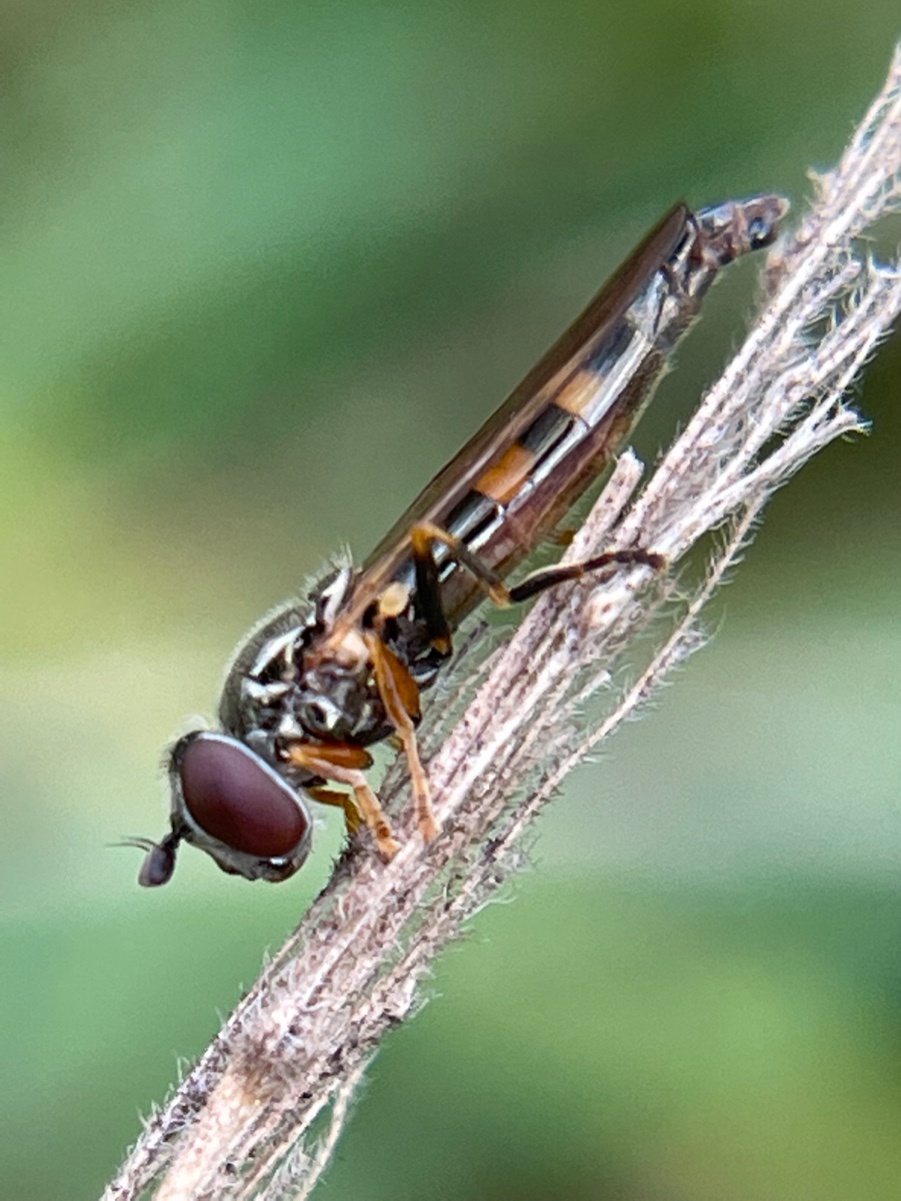
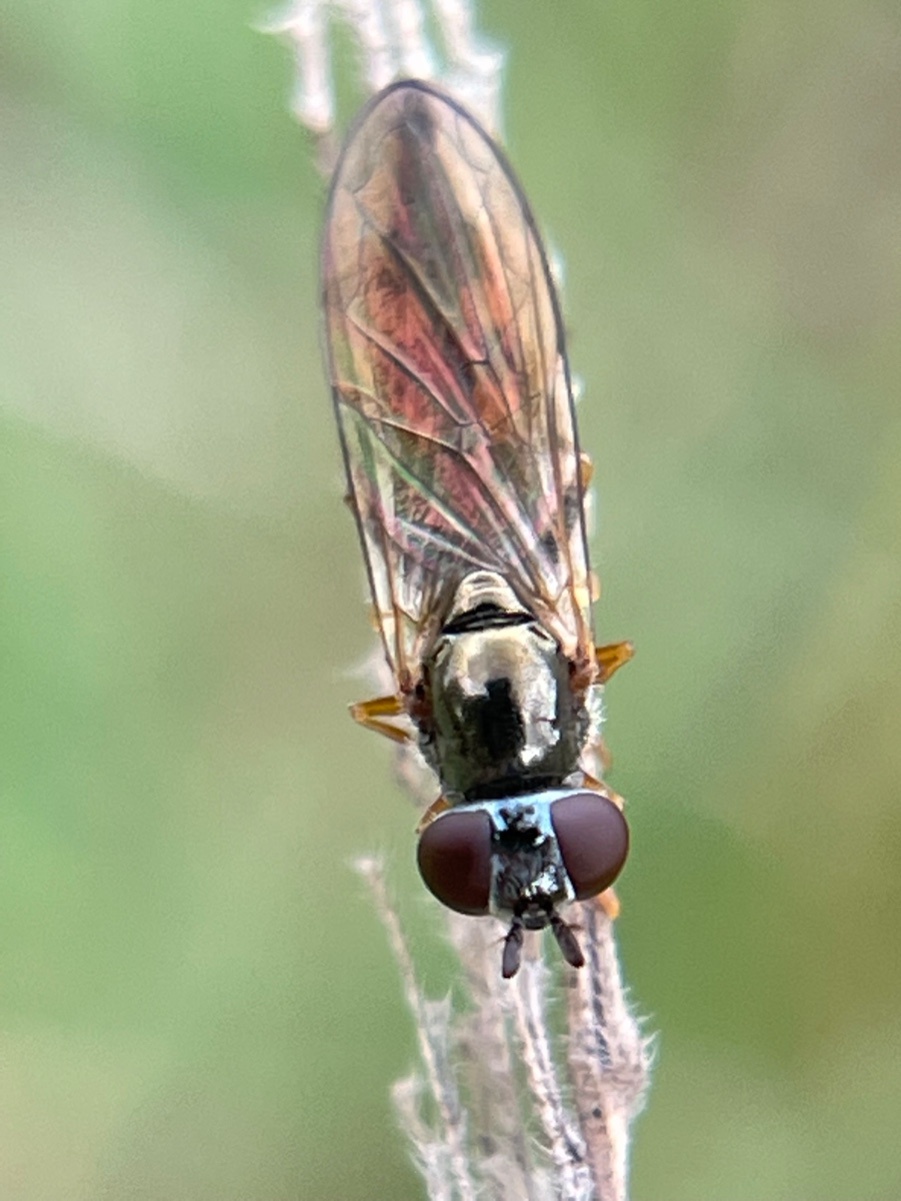
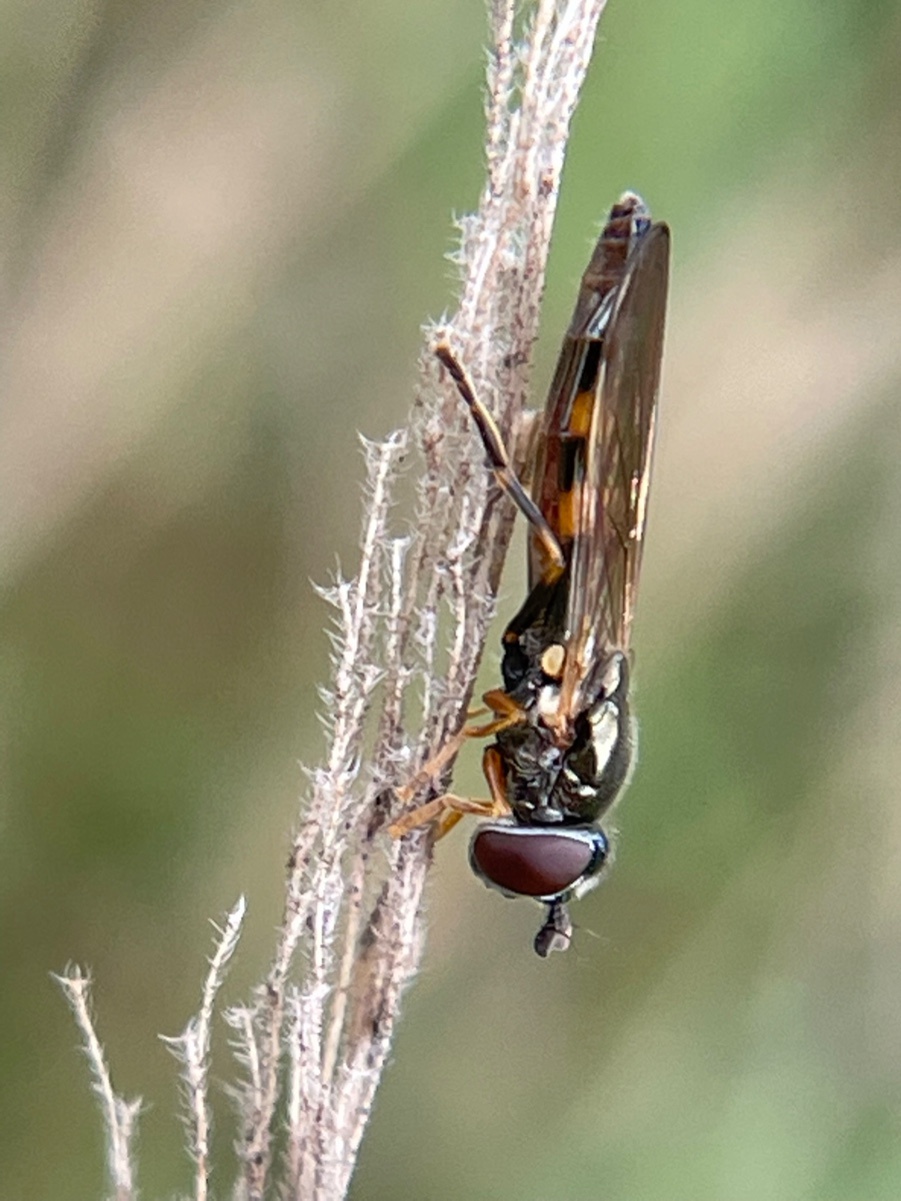
Our most narrowly-built Platycheirus with males that could be overlooked as Melanostoma mellinum in the field until the broadened front legs are seen. It belongs within the clypeatus group with front legs modified in much the same way as other members of the group, though the tergites are much narrower - tergite 3 is usually 1.5 times as long as broad. The male tarsi have distinct dark markings beneath unlike clypeatus and occultus. Separation from europaeus is most difficult. Female angustatus generally have the abdomen very narrow and tapering at the tip, and the spots on tergite 4 often missing. Like the male, the sides of the thorax are brightly shining, much more so than other members of the clypeatus complex.
P. europaeus is most similar species but is larger with a slightly broader build, more heavily dusted thorax sides, slightly different markings beneath the male front tarsi and a broader alula on the wings.

Unless identified by a recognised expert, a photo is required and the specimen should be examined with a microscope. In the comments box, state the key or ID method used and describe the size and identifying characters.
Found in a variety of grassy habitats and wetlands.
April to September.
The larvae are aphidophagous in low vegetation, including Winter Wheat.
This is a widespread and locally common species in Britain.
Status in Leicestershire and Rutland not known.
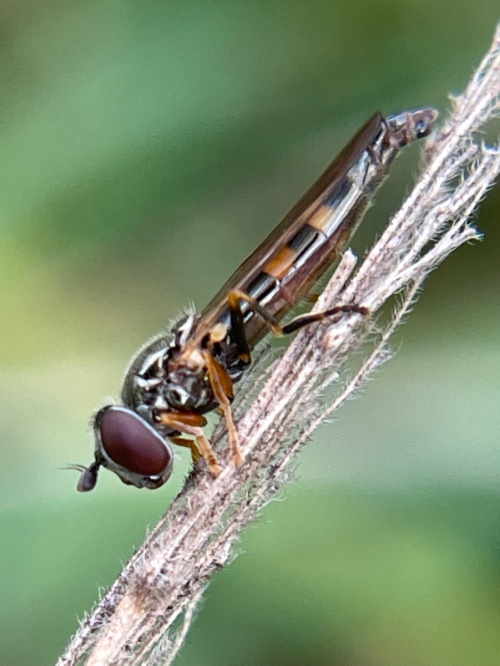 CAPochin
Piggy's Hollow, Evington
28 September 2022
Platycheirus angustatus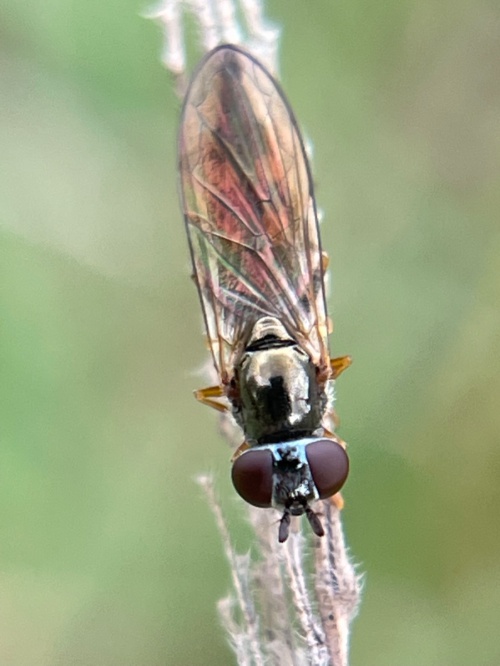 CAPochin
Piggy's Hollow, Evington
28 September 2022
Platycheirus angustatus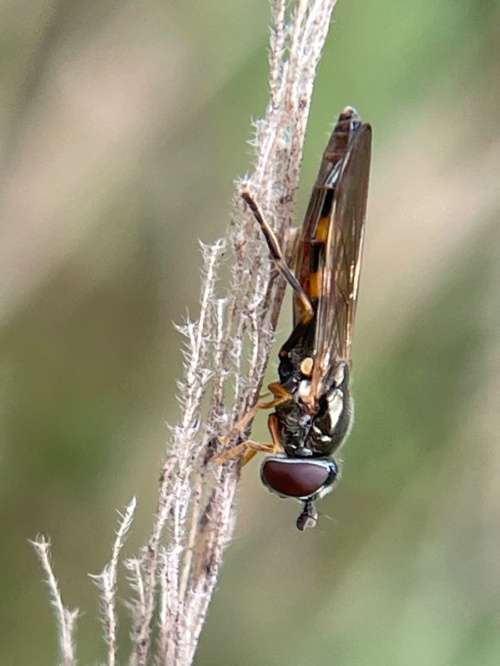 CAPochin
Piggy's Hollow, Evington
28 September 2022
Platycheirus angustatus
Leicestershire & Rutland Map
Enter a town or village to see local records
MAP KEY:
Yellow squares = NBN records (all known data)
Coloured squares = NatureSpot records: 2025+ | 2020-2024 | pre-2020
UK Map
Additional images
No additional images available for this species.