Nodding Thread-moss
Nodding Thread-moss - Pohlia nutans
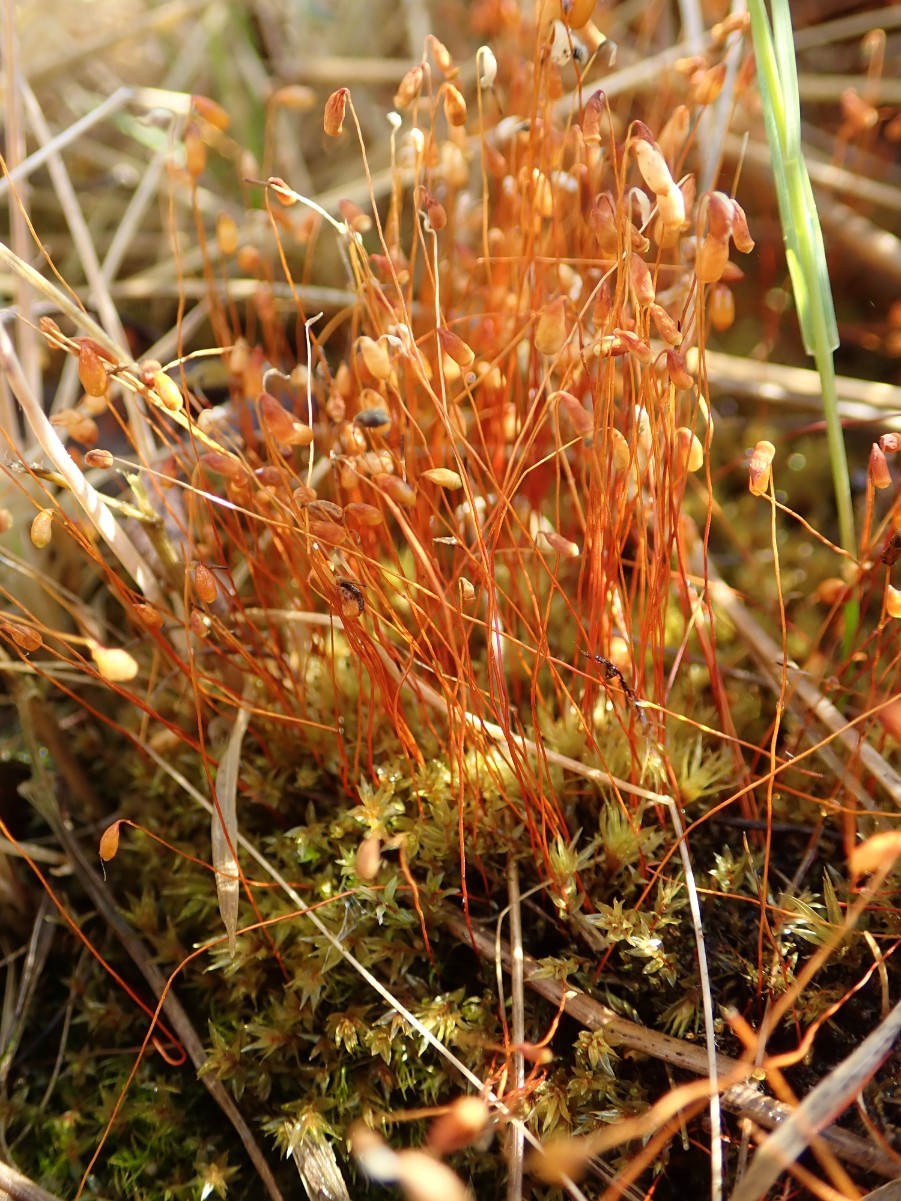
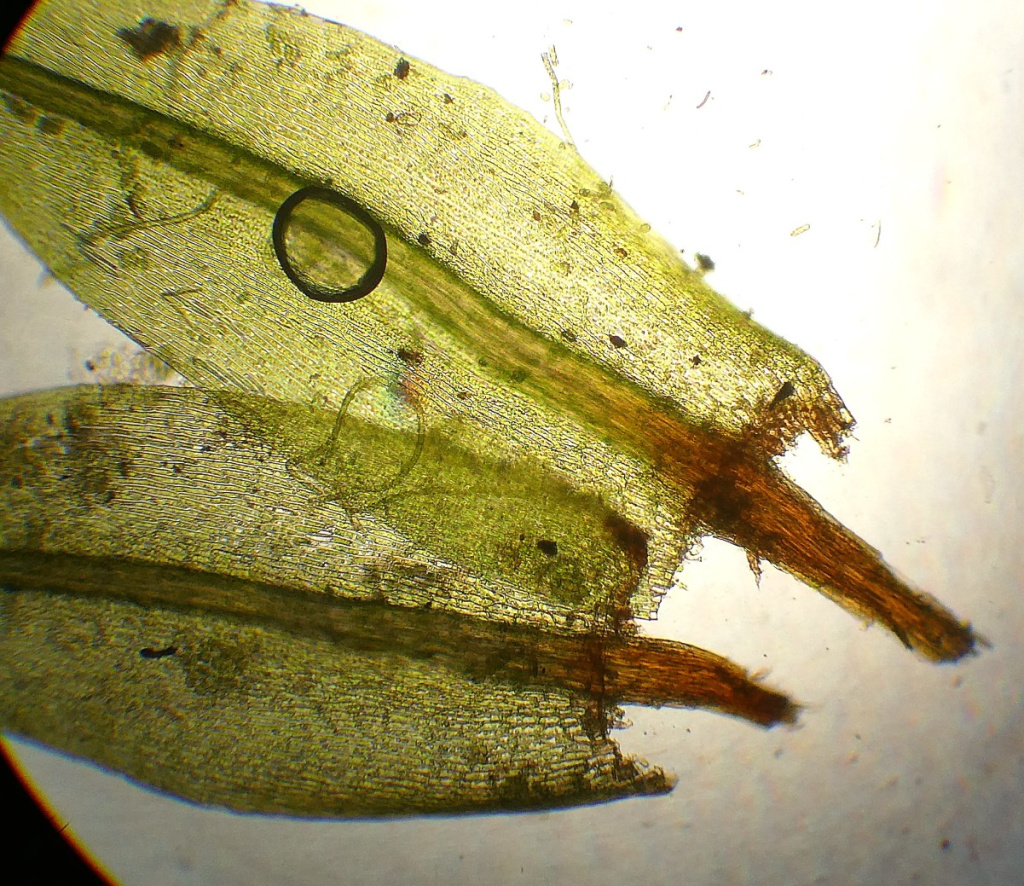
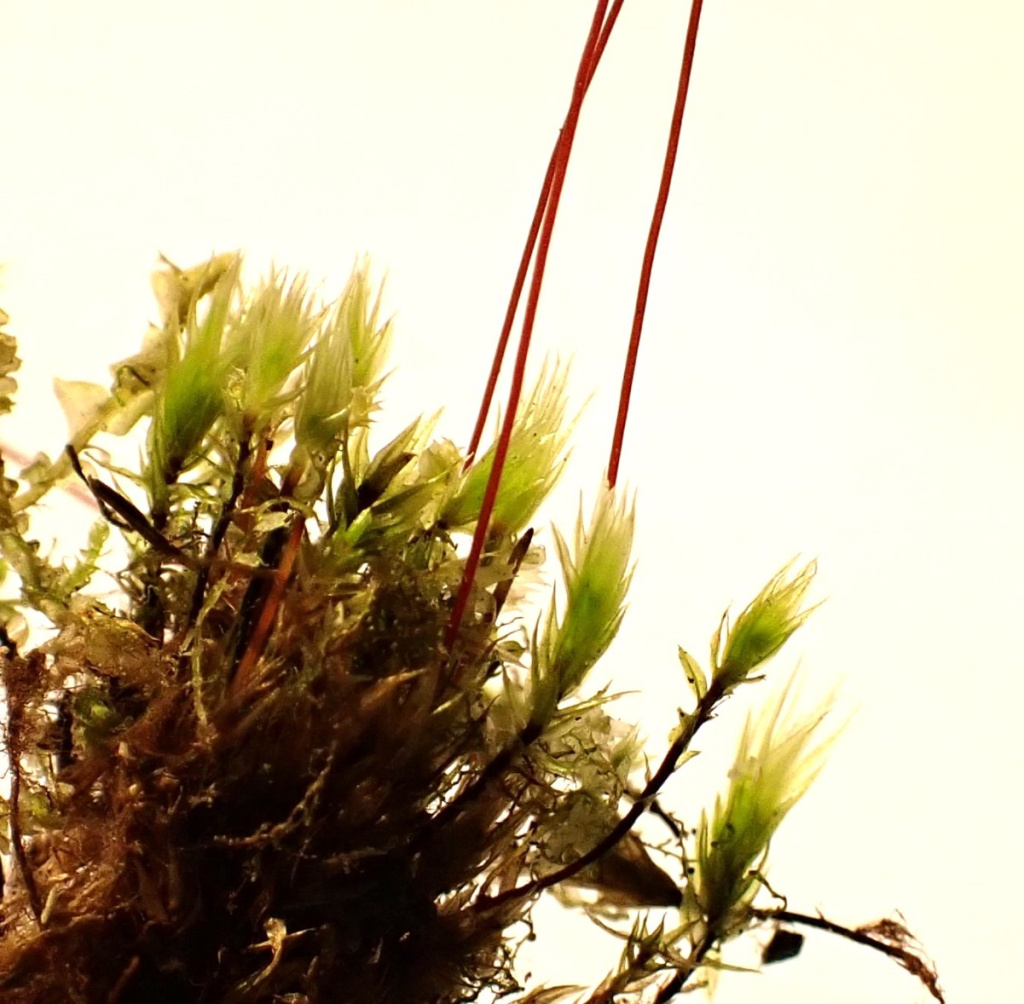
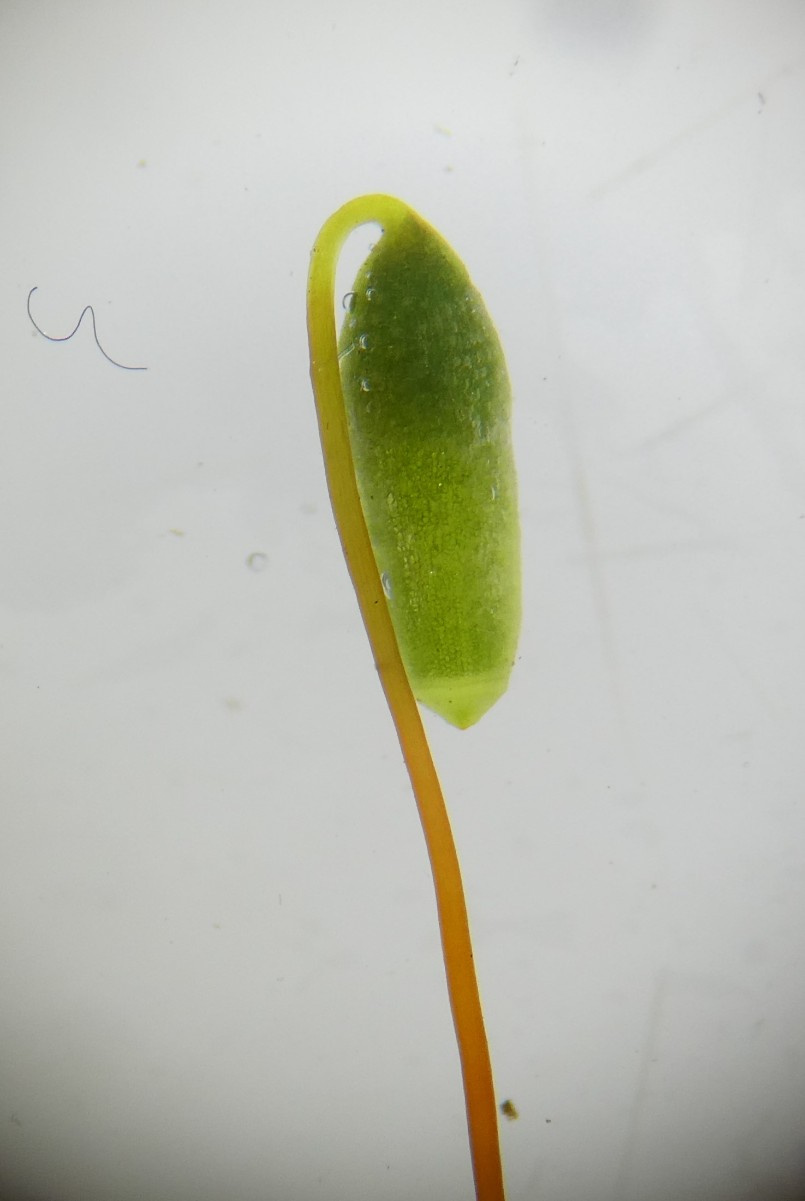
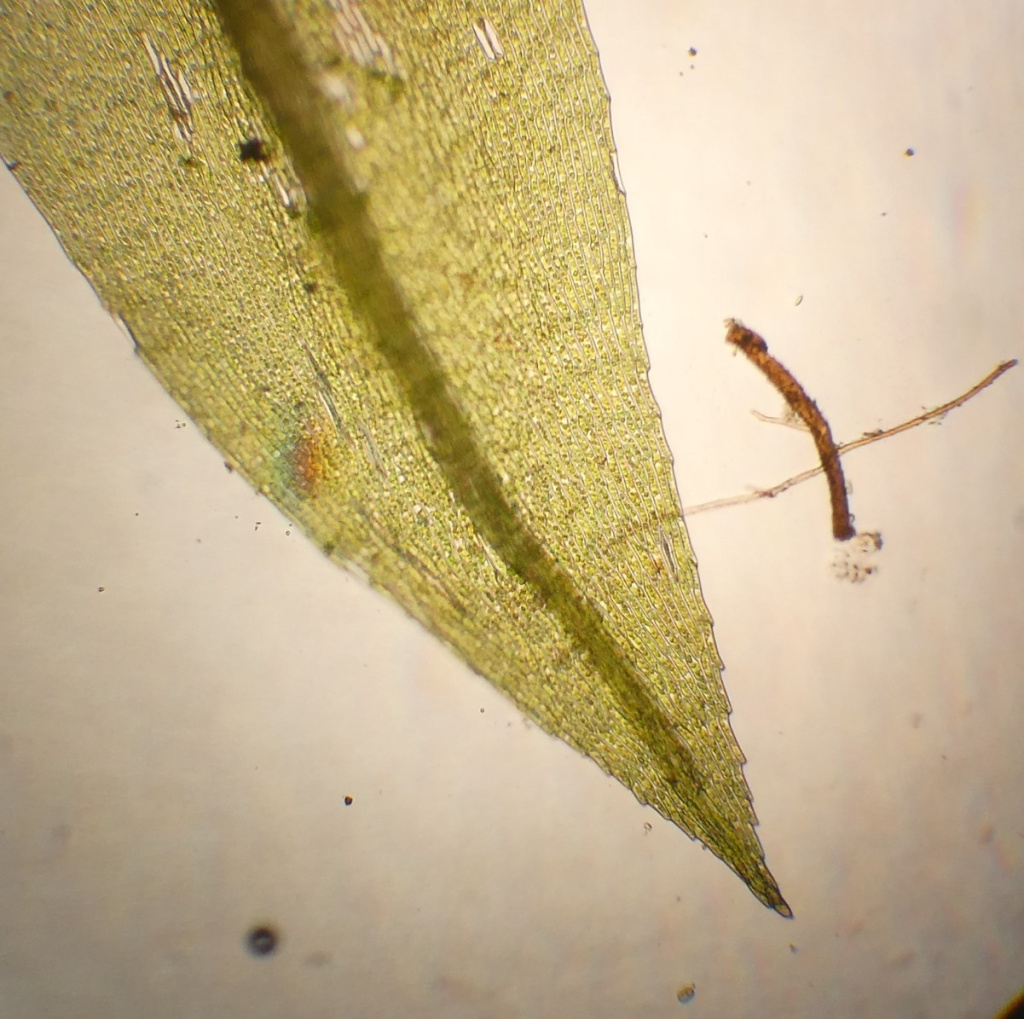
Rather variable in appearance, shoots are typically 1–2 cm tall, dull, dark green in the upper part and pale brown below, and form patches or tufts. The upper part of stems is reddish, with brown rhizoids on the lower part of stems. The spearhead-shaped leaves are larger (about 4.5 mm long) and more crowded towards the tops of shoots, and smaller below (about 2.5 mm long). The nerve ceases just below the leaf tip, and the leaves lack a border. Short-leaved branches often protrude above the cushions. Horizontal or pendulous capsules 3 mm long frequently form in spring and summer. Setae vary in length, but may be quite long.

P. nutans is common and often abundant on wet or dry, acidic, peaty, sandy or gravelly soil on heaths and moors, in acidic grassland, bogs, woods and sand dunes. It also grows in crevices of rock, on boulders, dry-stone walls, in gravel pits, sand pits and abandoned industrial sites.
All year round.
Although it is widespread in Britain and can be abundant where it occurs, it can also be rather local and may be declining.
Status in Leicestershire and Rutland not known.
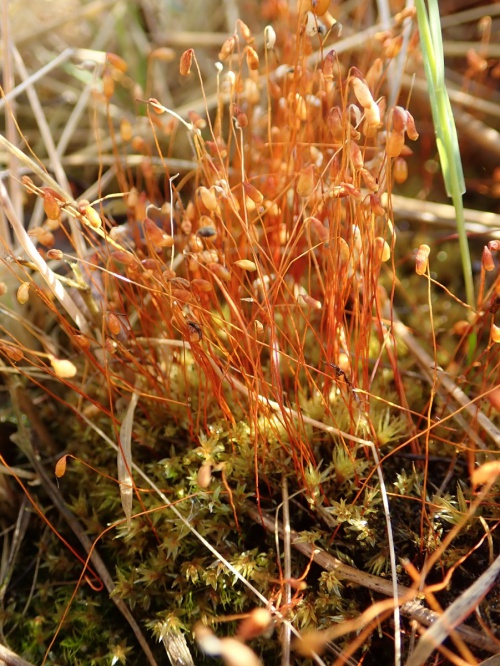 Uta Hamzaoui
Bagworth Heath
14 June 2020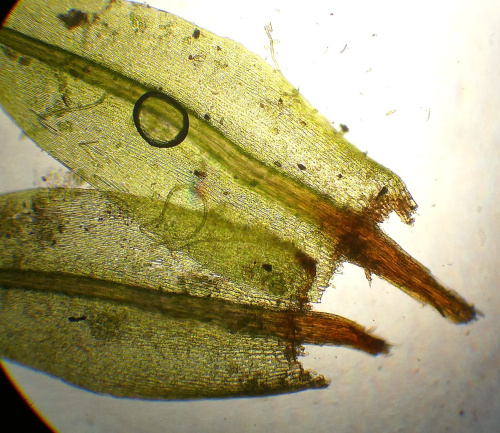 sue
sue
Newfield Colliery heathland
27 March 2025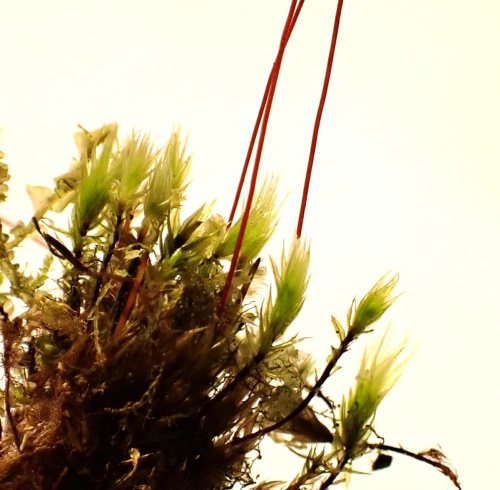 sue
sue
Newfield Colliery heathland
27 March 2025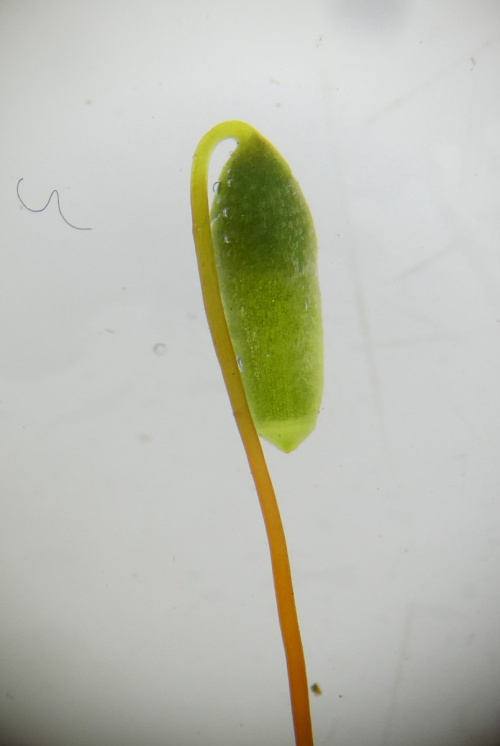 sue
sue
Newfield Colliery heathland
27 March 2025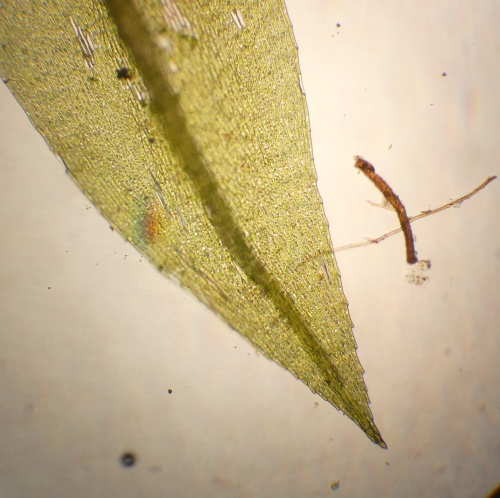 sue
sue
Newfield Colliery heathland
27 March 2025
Leicestershire & Rutland Map
Enter a town or village to see local records
MAP KEY:
Yellow squares = NBN records (all known data)
Coloured squares = NatureSpot records: 2025+ | 2020-2024 | pre-2020
UK Map
Additional images
No additional images available for this species.