Wild Parsnip
Wild Parsnip - Pastinaca sativa
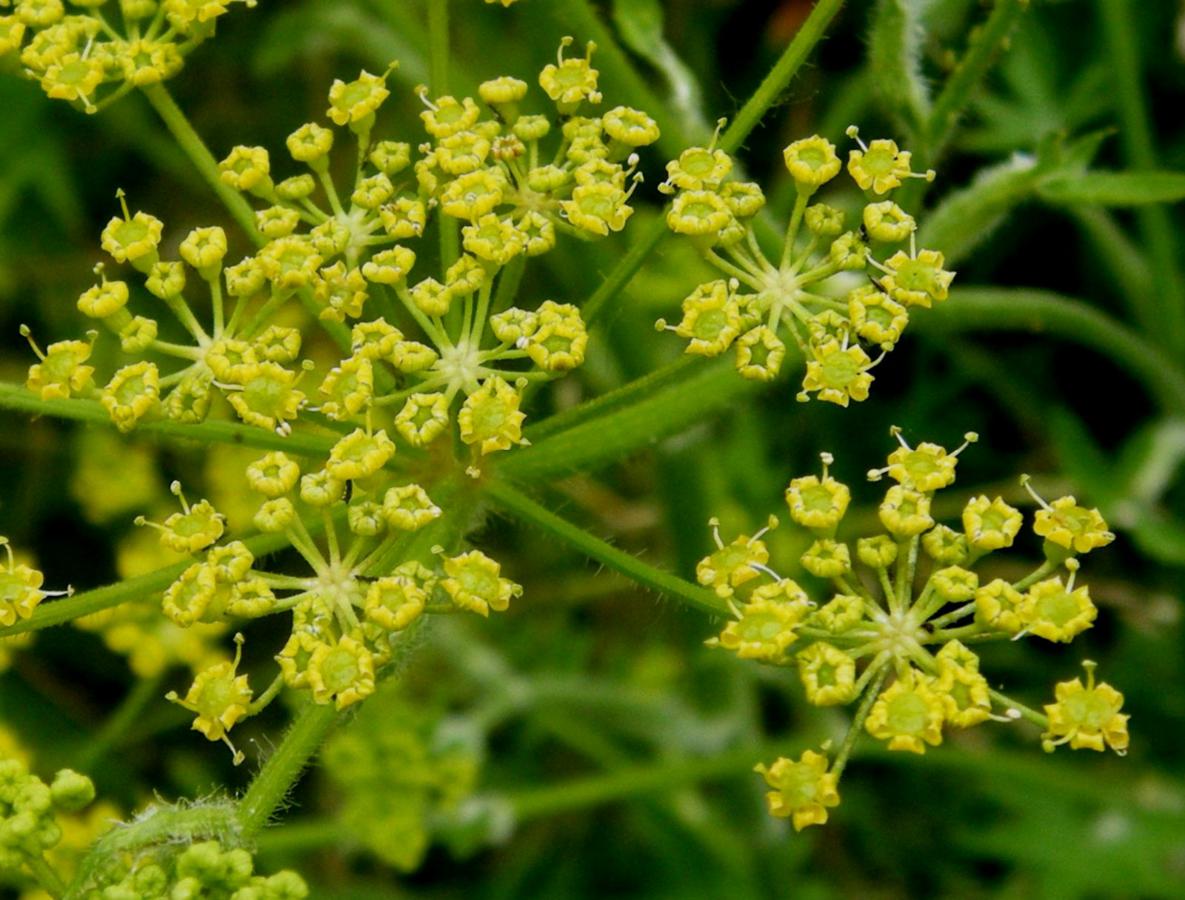
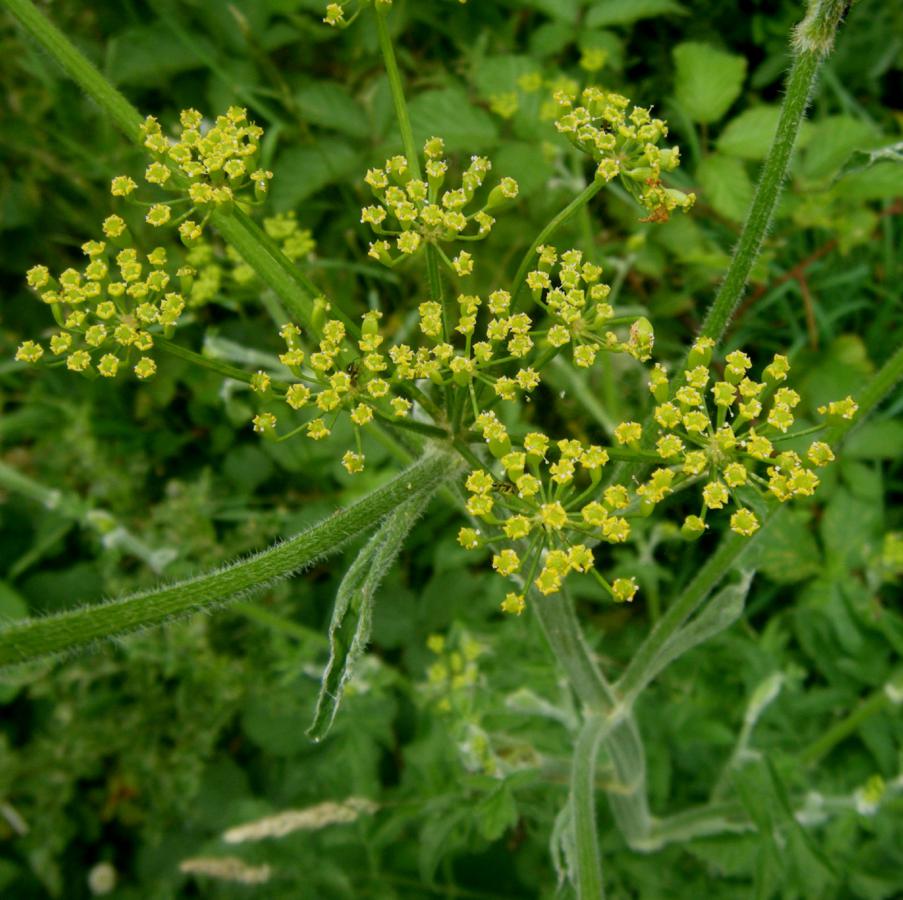
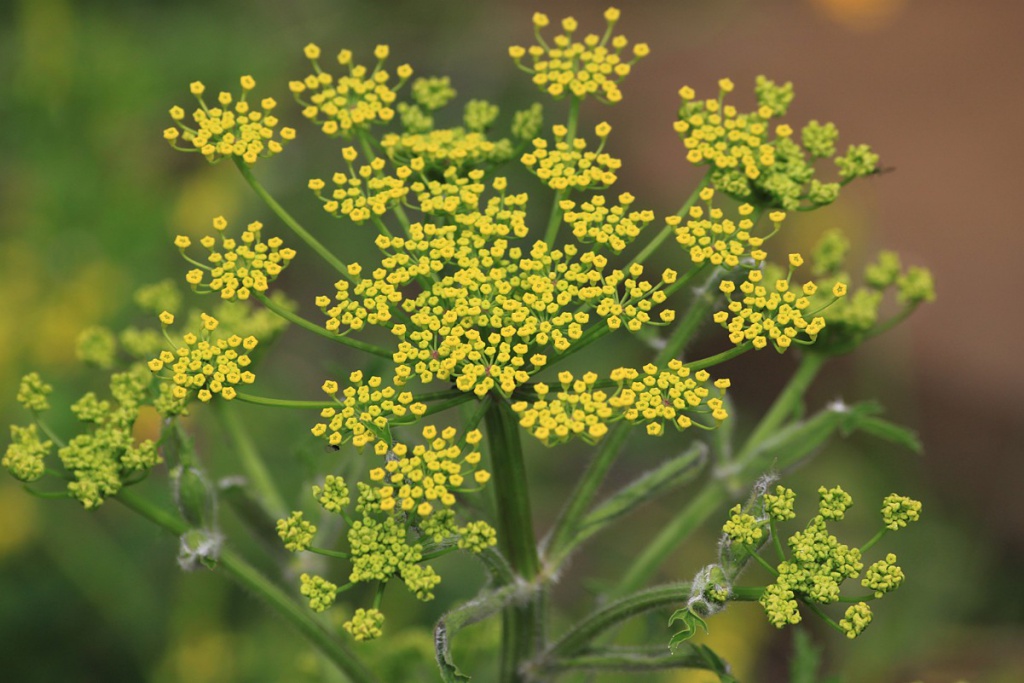
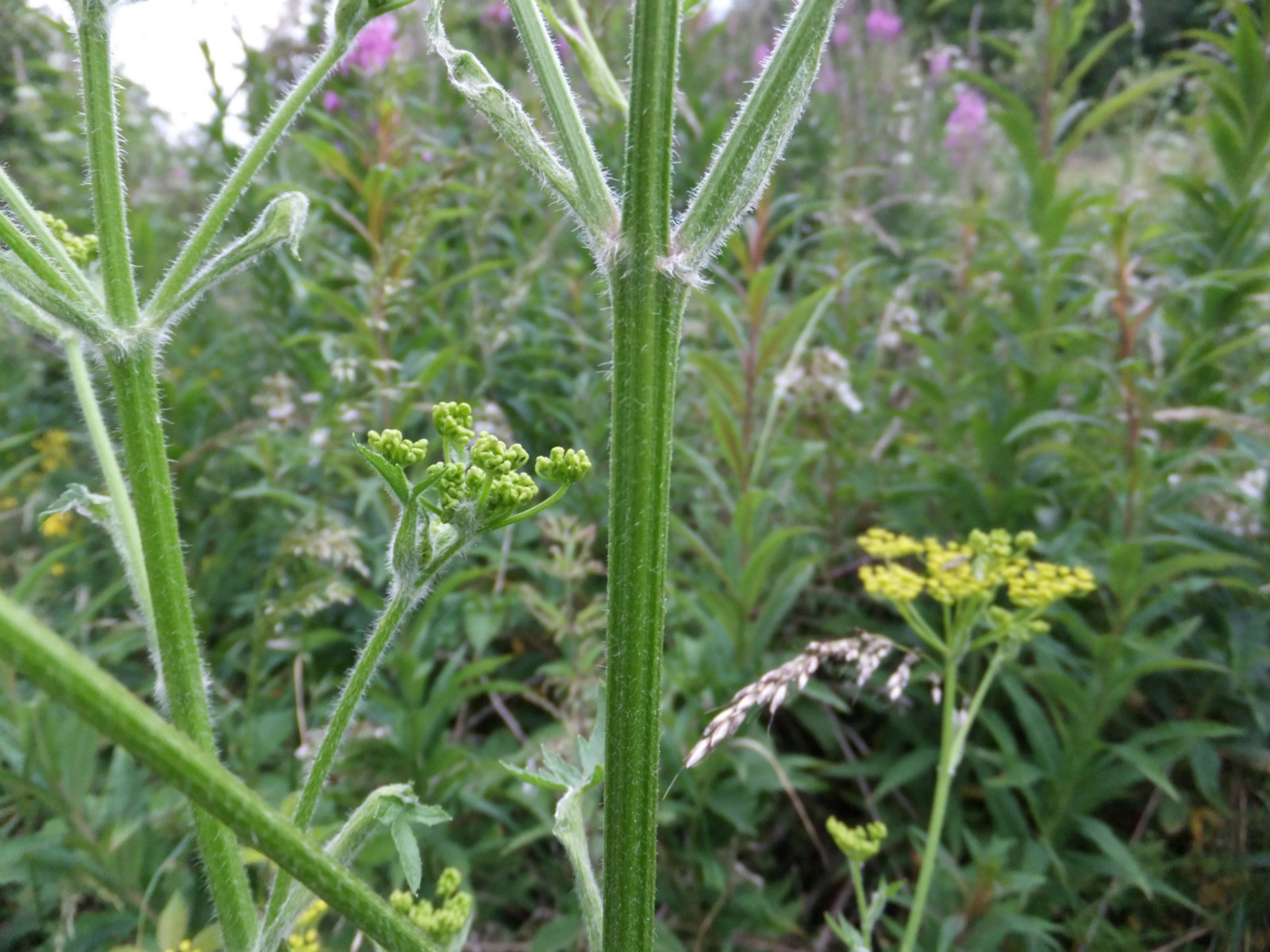
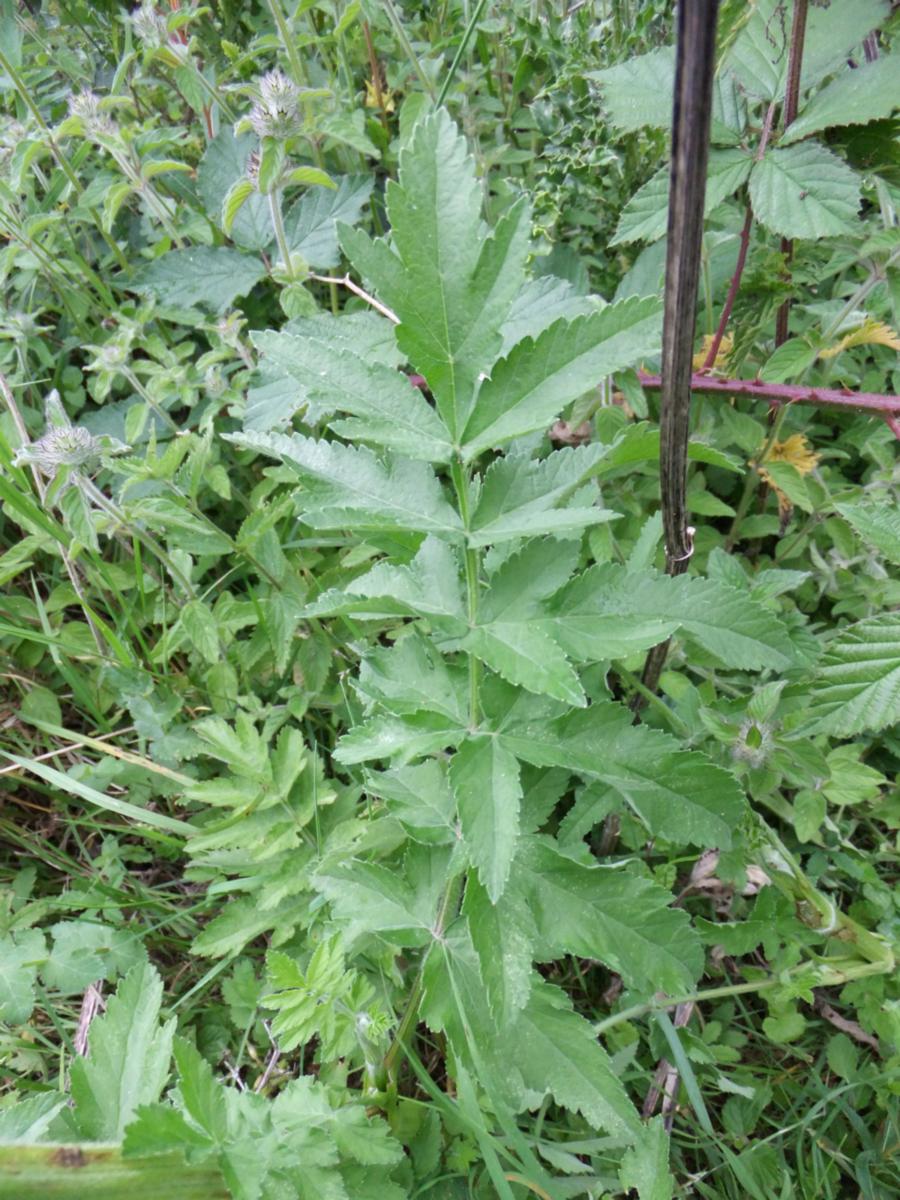
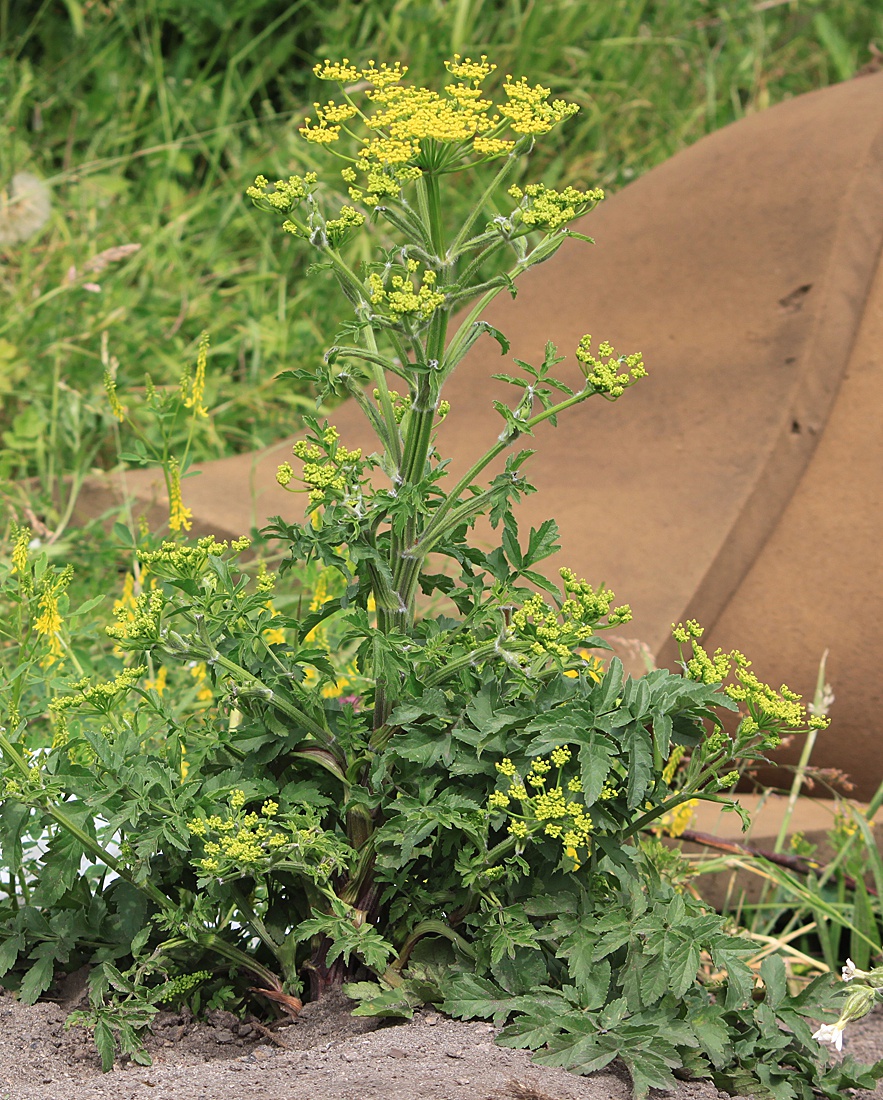
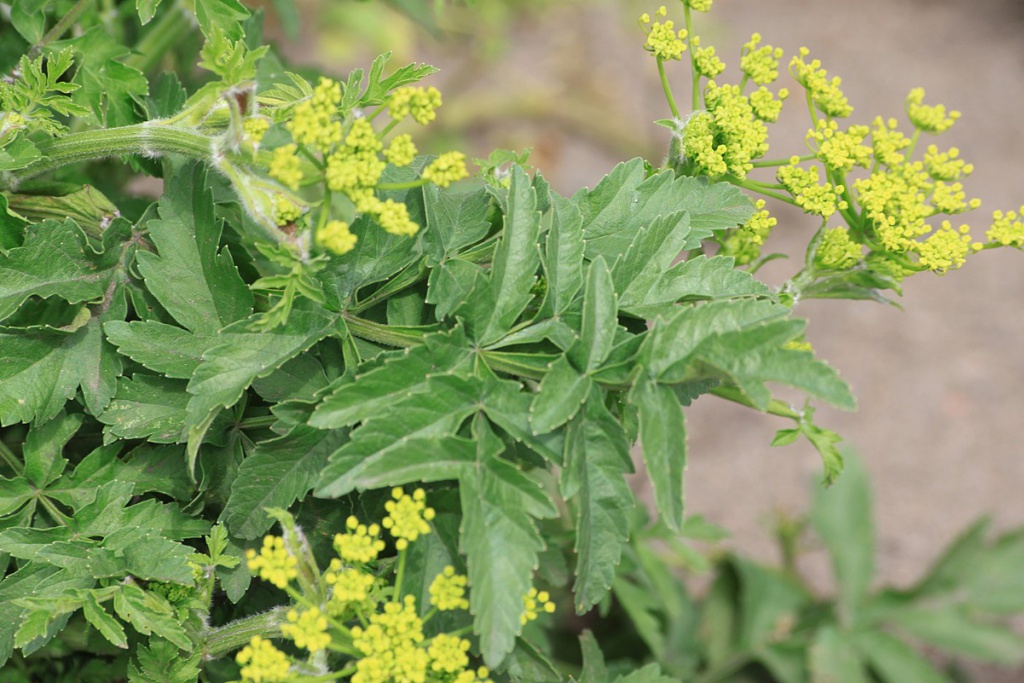
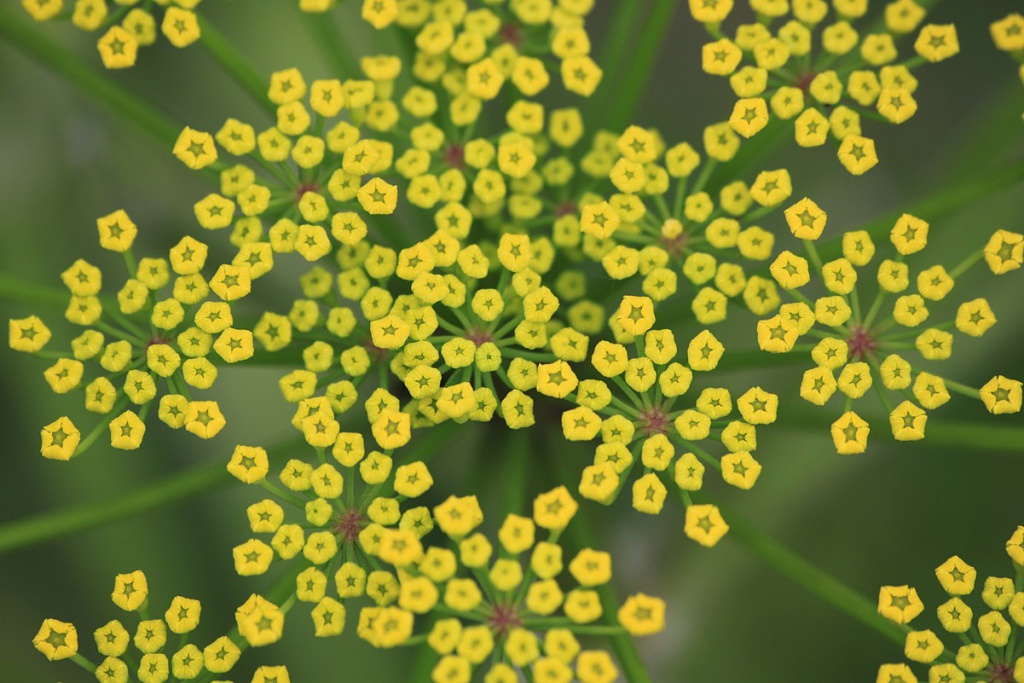
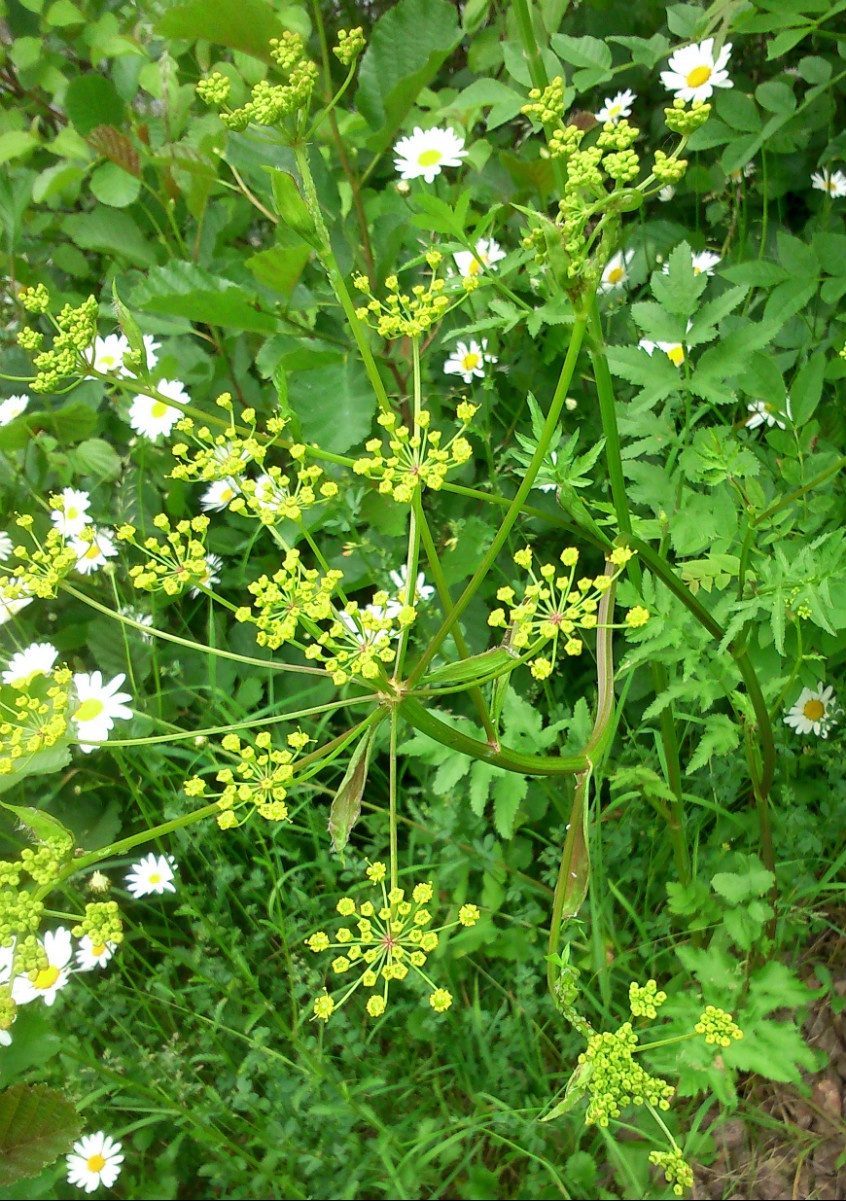
An erect, medium to tall, strong smelling, hairy plant. Stem angled or ridged. Leaves pinnate, with 5 to 11 oval, lobed and toothed segments. Flowers yellow 1.5 mm in umbels with 9 to 20 unequal rays.

Yellow flowers; hairy; leaves 1-pinnate; fruits flattened, rounded, with low ridges
Photo of the plant in its habitat
Rough grassy places, usually on dry calcareous soils.
Late June to August.
Biennial.
Occasional but widespread in central and southern England, local and often coastal elsewhere.
Mainly found in the north east of Leicestershire and parts of Rutland, just a few records from railway verges elsewhere in VC55. In the 1979 Flora survey of Leicestershire it was found in 61 of the 617 tetrads.
In the current Checklist (Jeeves, 2011) it is listed as Native, calcareous soils, locally frequent
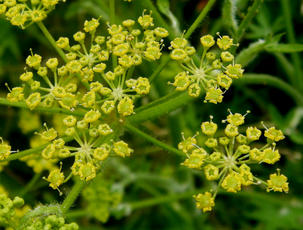 Graham Calow
Ketton Quarry
30 June 2011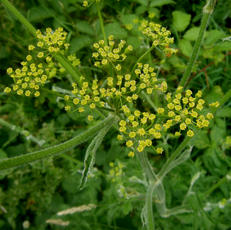 Graham Calow
Ketton Quarry
30 June 2011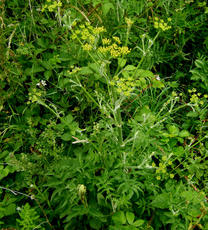 Graham Calow
Ketton Quarry
30 June 2011 Paul Ruddoch
Asfordby Hill
25 June 2015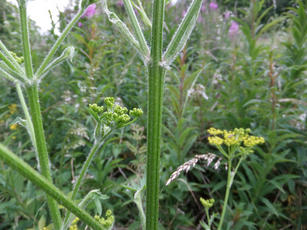 Ron.stevens
Ketton Quarry NR
30 June 2011
stem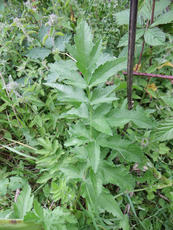 Ron.stevens
Ketton Quarry
30 June 2011
leaf

Leicestershire & Rutland Map
Enter a town or village to see local records
MAP KEY:
Yellow squares = NBN records (all known data)
Coloured squares = NatureSpot records: 2025+ | 2020-2024 | pre-2020
UK Map
Additional images


All NatureSpot records
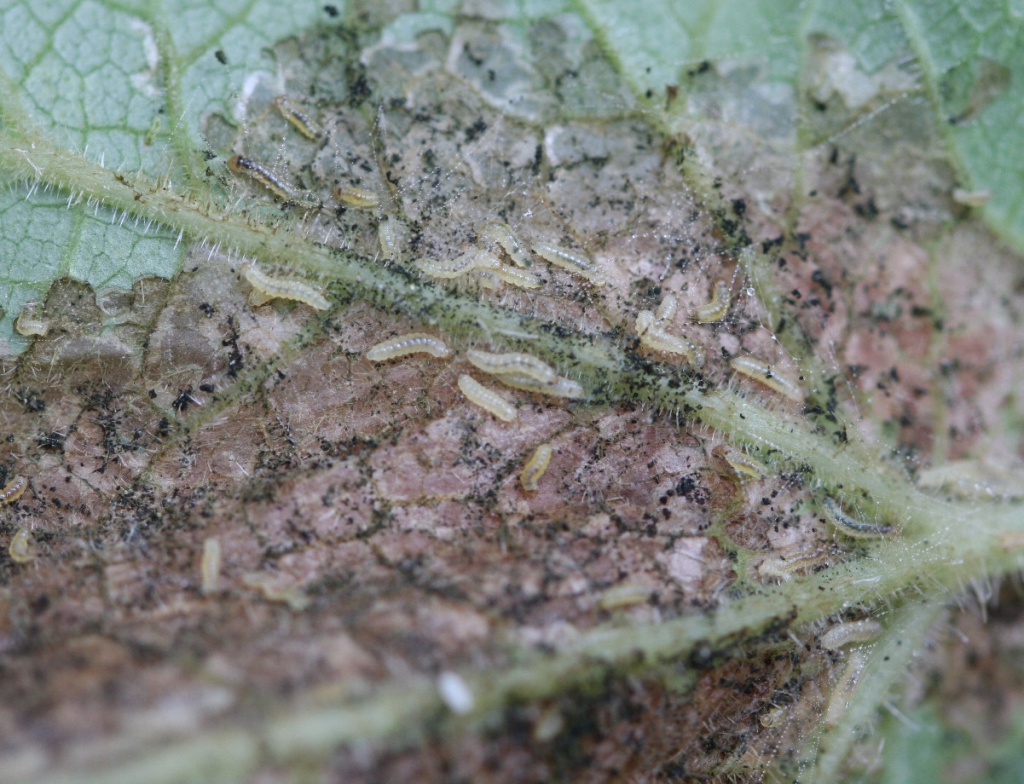
Epermenia chaerophyllella
The larvae of the moth Epermenia chaerophyllella feed on umbelliferous plants, perhaps most often Hogweed but also Wild Parsnip and Angelica among others. In later instars the larvae feed gregariously on the underside of the leaves, creating distinctive feeding windows.