Common Figwort
Common Figwort - Scrophularia nodosa
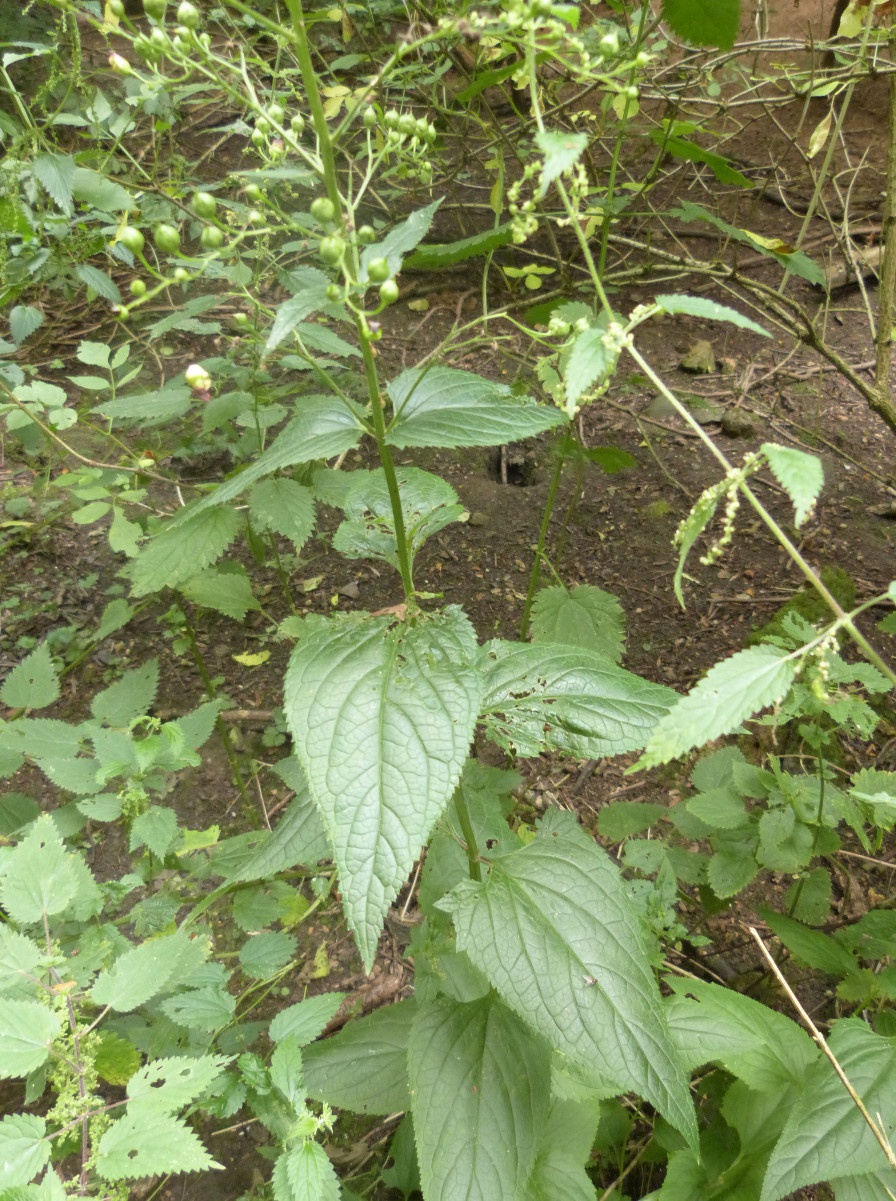
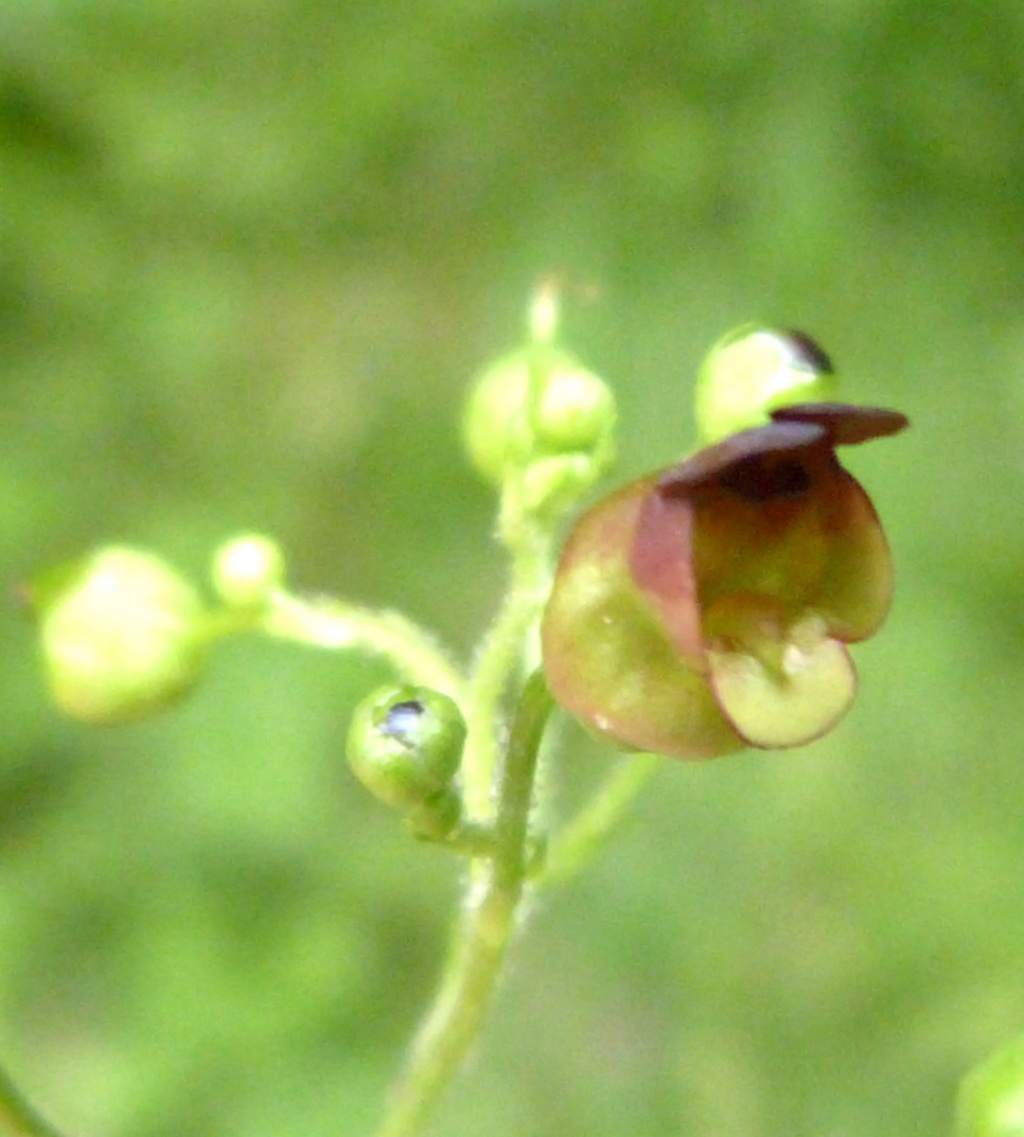
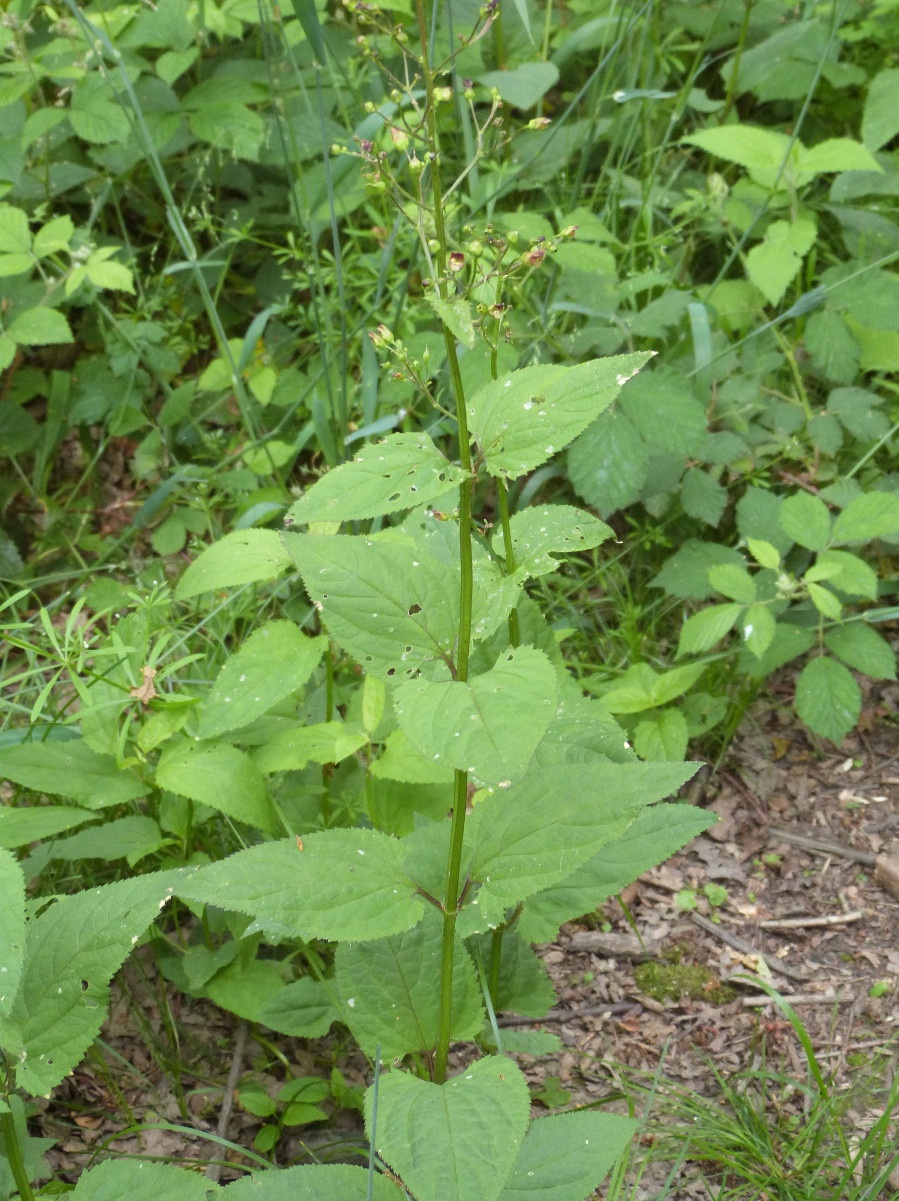
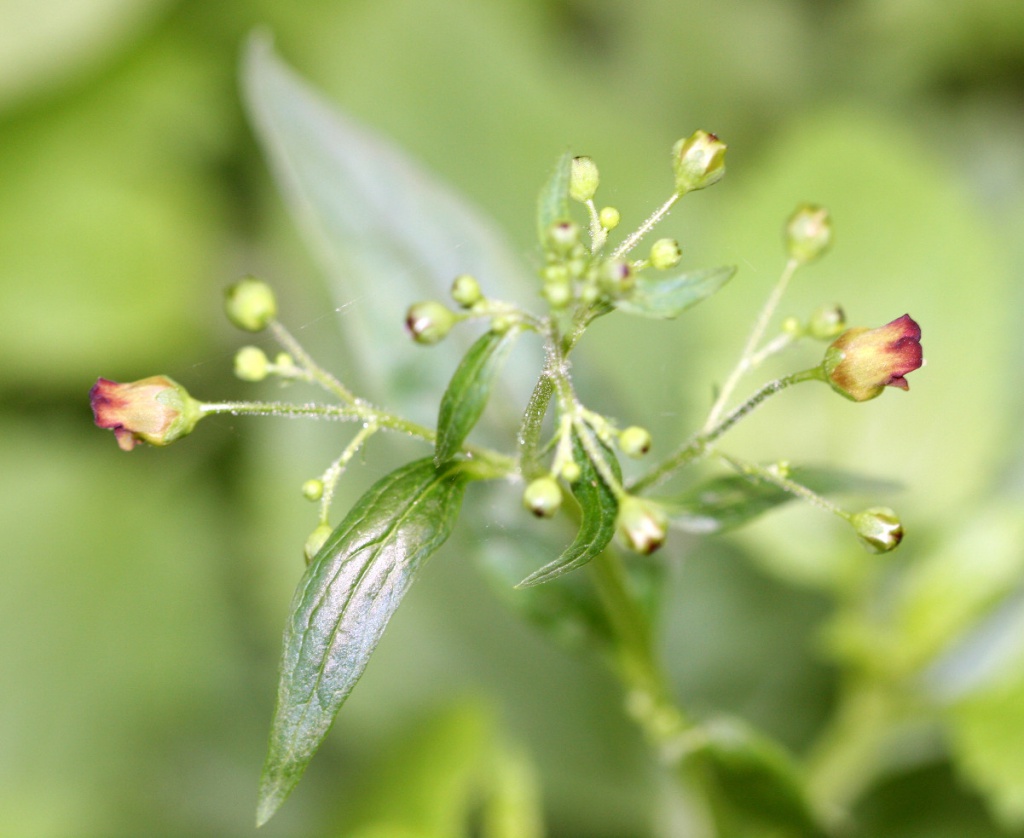
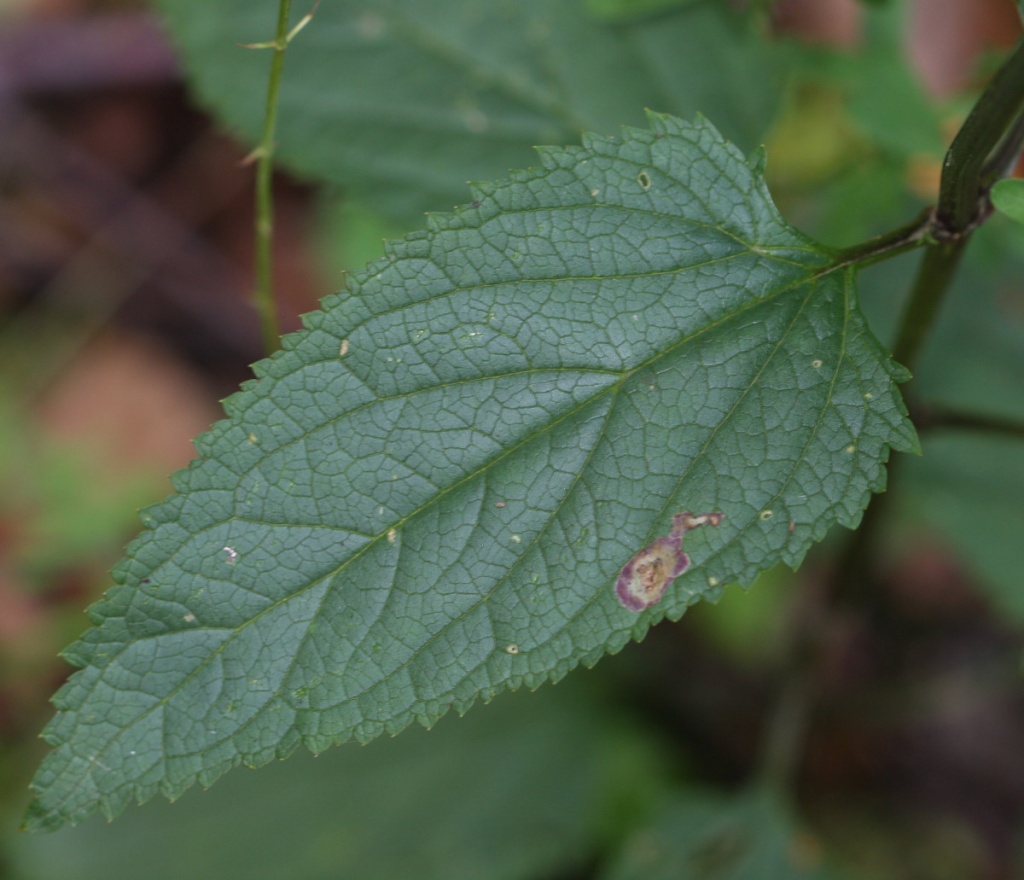
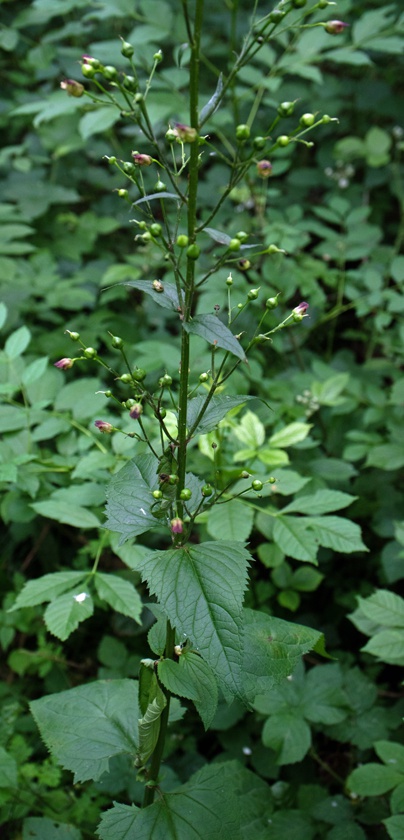
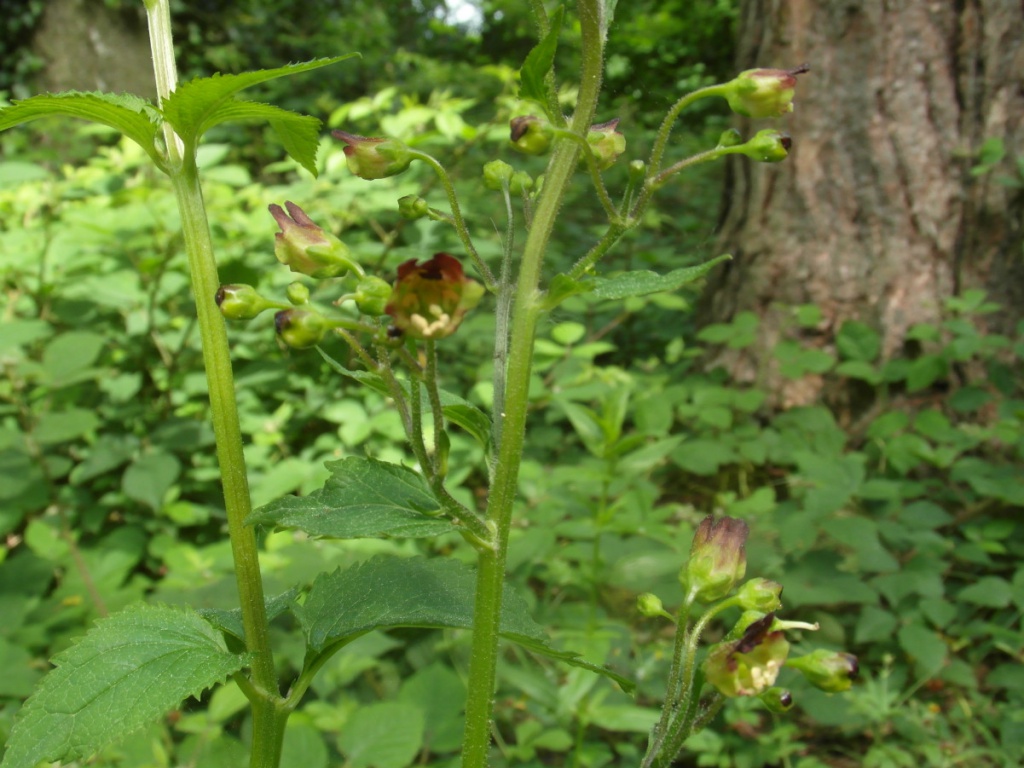
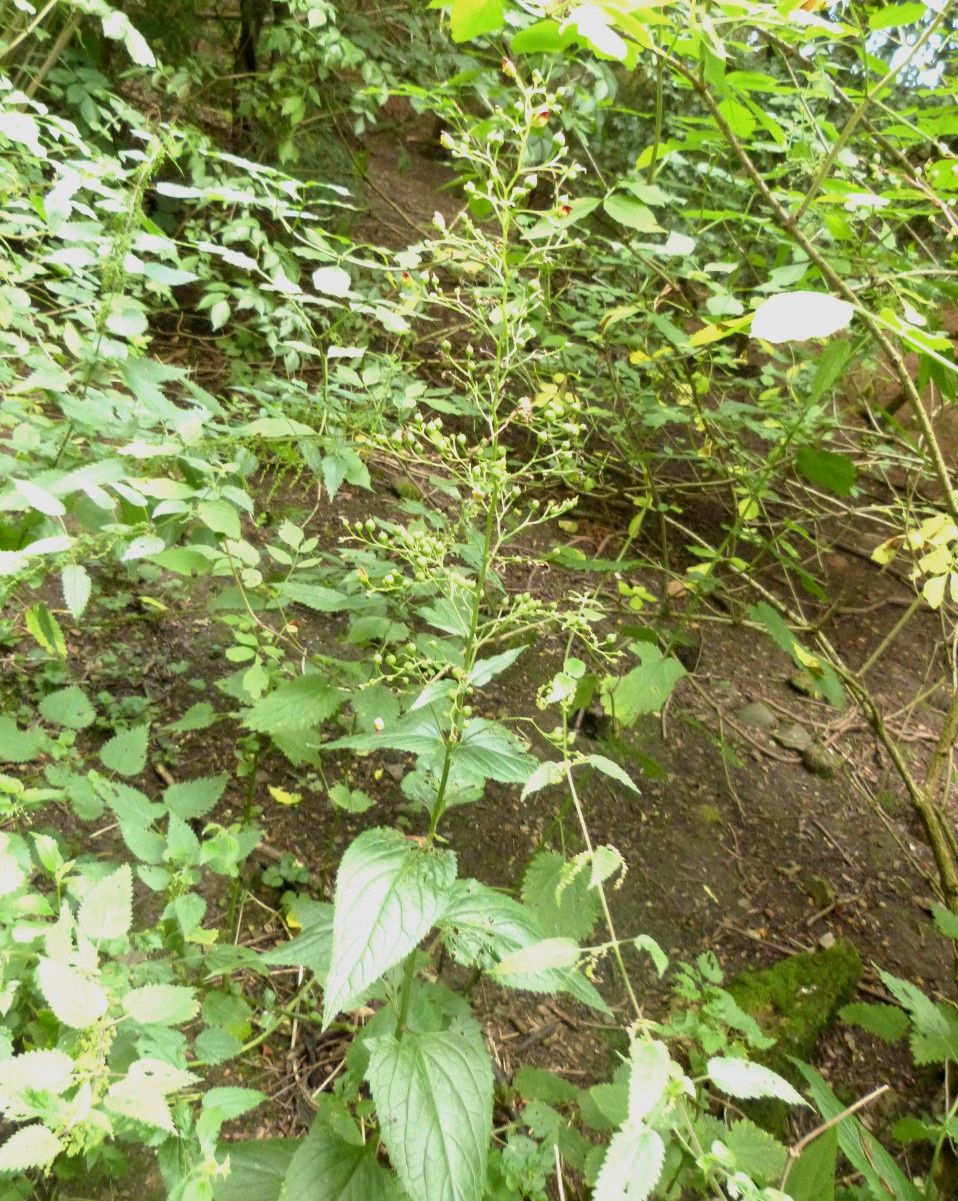
Medium to tall hairless plant. Stems square but without pronounced wings. Leaves ovate, acute and toothed. Flowers greenish with a purple brown upper lip.
Water Figwort (S auriculata) and Green Figwort (S umbrosa)

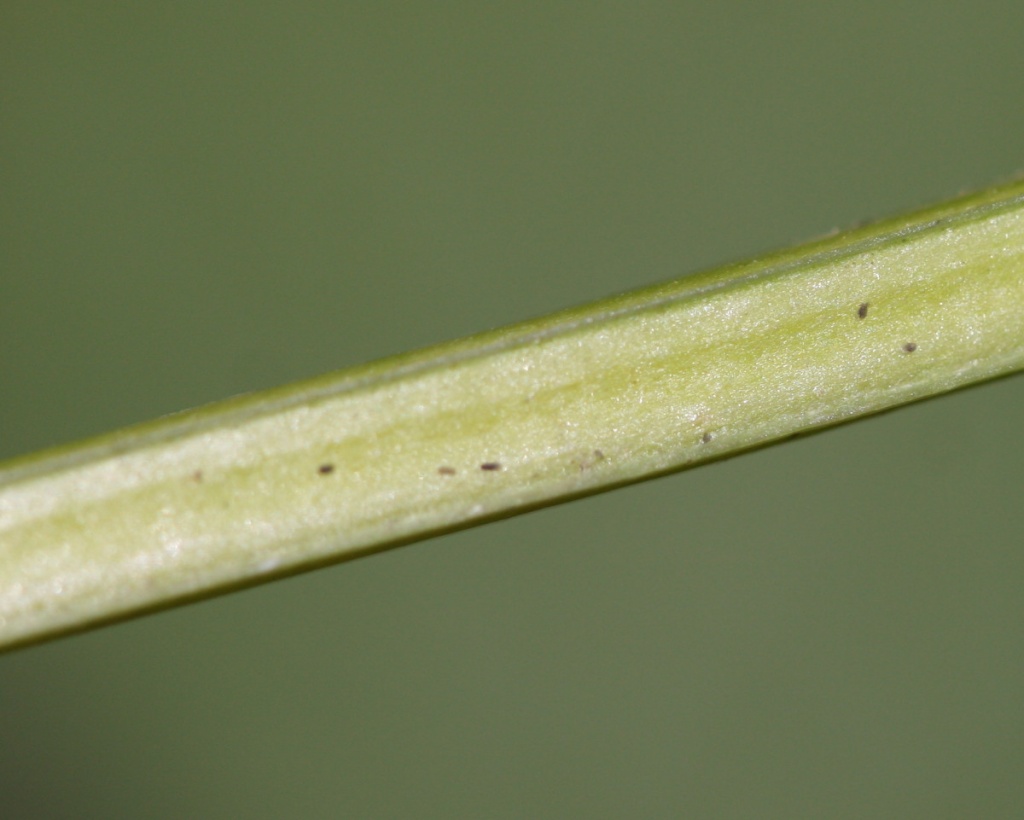
Square stems, not winged. Leaves acute. Calyx-lobes have a narrow scarious border (i.e. a thin papery whitish edge)
A photo of whole plant, including leaves as well as flowers.
Hedgerows and woodland preferring damper places.
Flowering June to September.
Perennial
Quite frequent and widespread throughout most of Britain.
Fairly frequent in Leicestershire and Rutland. In the 1979 Flora survey of Leicestershire it was found in 152 of the 617 tetrads.
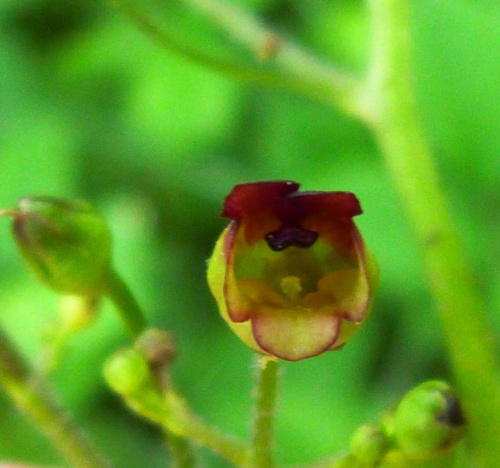 Graham Calow
Burbage Wood
30 May 2022 Graham Calow
Burbage Wood
30 May 2022 David Nicholls
New Lount
09 June 2011 AJ Cann
Cloud Wood
21 July 2015 Graham Calow
Jubilee Walk, Leire
30 July 2014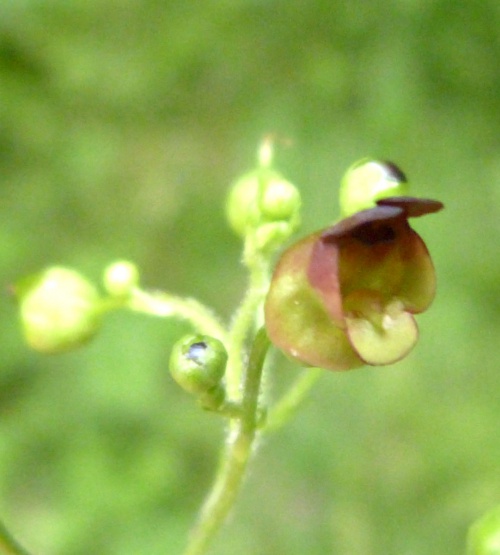 Graham Calow
Jubilee Walk, Leire
30 July 2014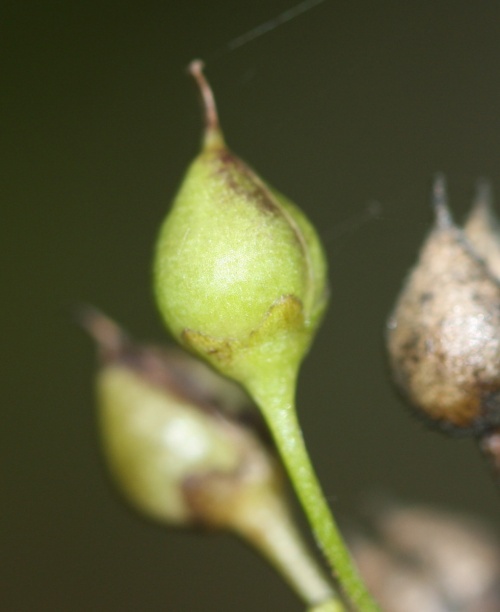 David Nicholls
New Lount
27 September 2012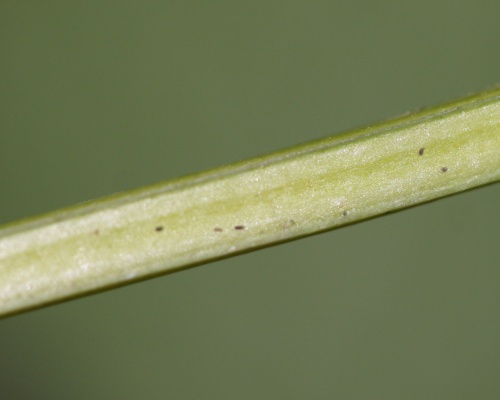 David Nicholls
New Lount
27 September 2012
square stems but without wings



Leicestershire & Rutland Map
Enter a town or village to see local records
MAP KEY:
Yellow squares = NBN records (all known data)
Coloured squares = NatureSpot records: 2025+ | 2020-2024 | pre-2020
UK Map
Additional images
All NatureSpot records

Figwort Sawfly
The larvae of the Figwort Sawfly (Tenthredo scrophulariae) are a dusty greyish white with black spots, and a generally creased appearance. They feed on plants in the Figwort family.
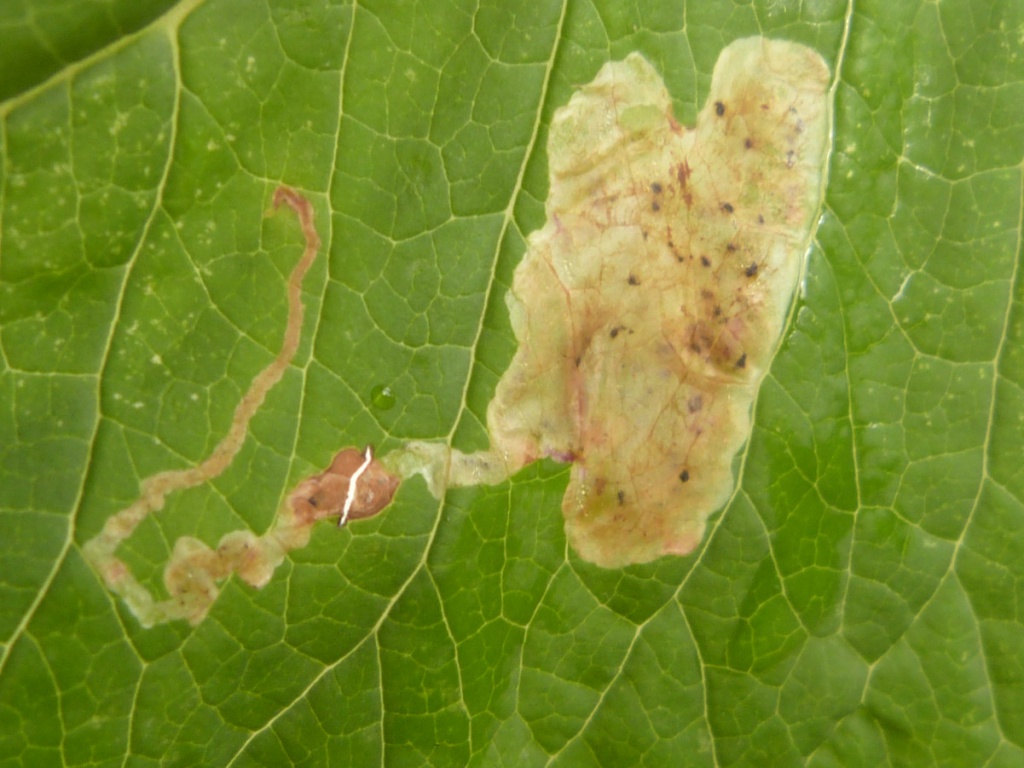
Amauromyza (Cephalomyza) verbasci
The larva of the Agromyzid fly Amauromyza verbasci causes a blotch mine on the upper surfaces of the leaves of Mullein, Common Figwort and Butterfly-bush. The mine is pale initially but turns brown later. Frass in sizeable dispersed grains.