Garden Mint
Garden Mint - Mentha
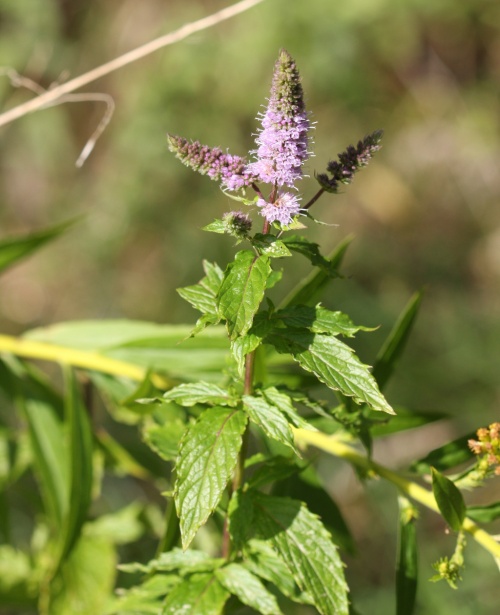
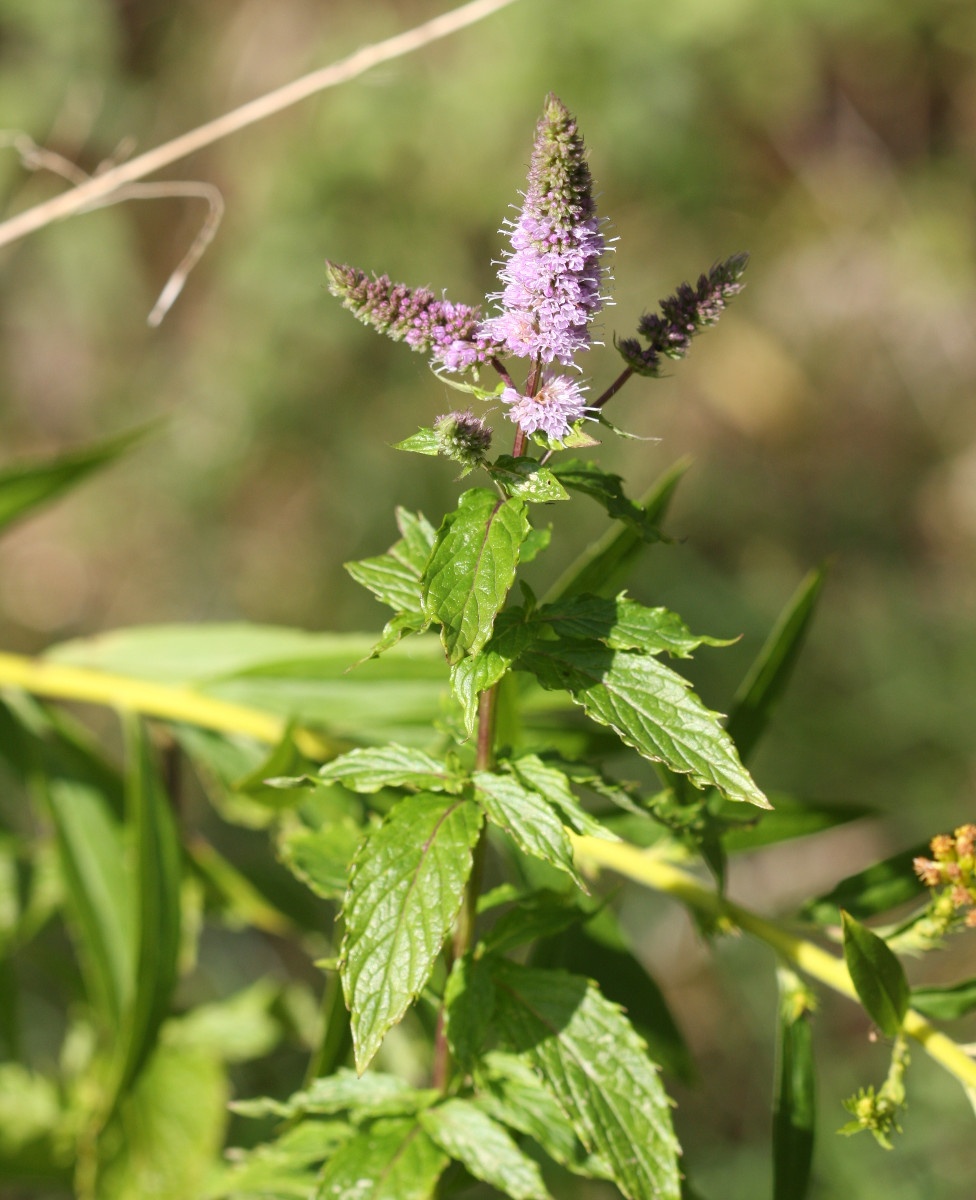
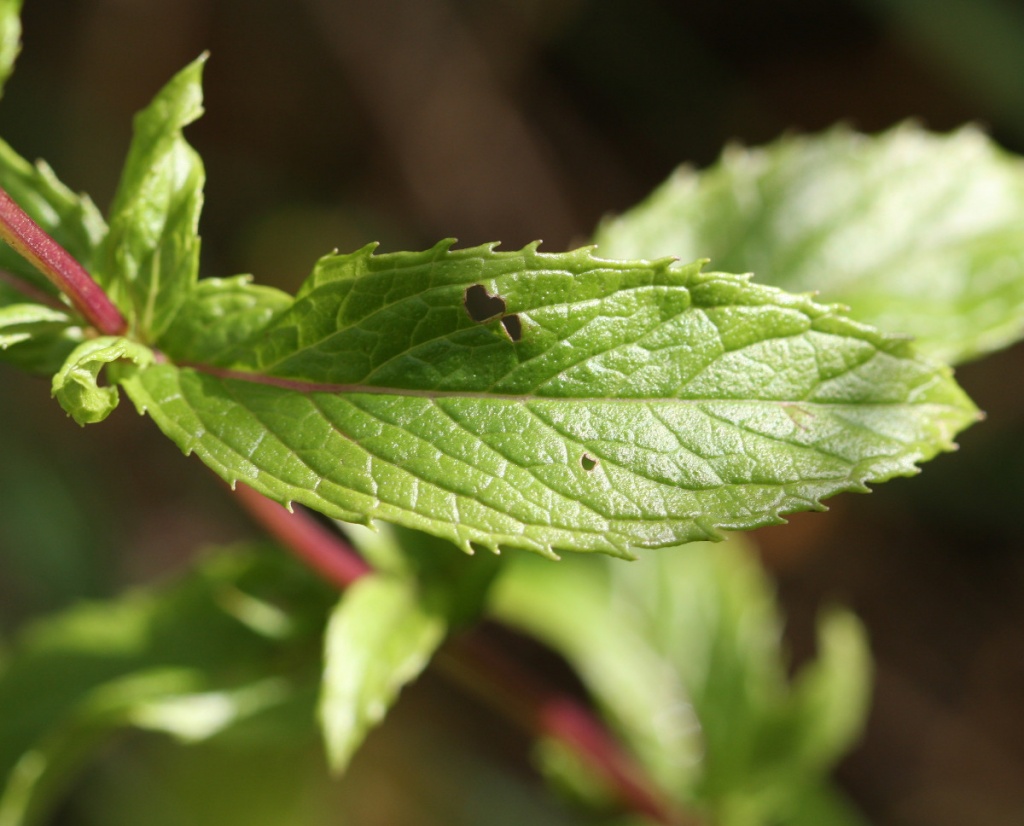
This incudes a number of species and hybrids in the Mentha spicata group, which are cultivated in gardens and often naturalised. They are very difficult to separate. Usually strongly and sweetly aromatic. Leaves lanceolate to narrowly ovate, sharply toothed, flowers pinkish, purplish or white 2 to 3.5 mm long in a long dense spike, sometimes branched.
other mints, including hybrids and garden varieties

Damp habitats, waster ground, former allotments.
July to October.
Perennial.
Widely naturalised in Britain, but rather occasional and local. It is classed as an 'archaeophyte' (ancient introduction).
 David Nicholls
St. Mary's Allotments
06 October 2012 Field near B4114 Sapcote SP 4890 9223 (taken 20.8.2007).JPG) Graham Calow
Graham Calow
Sapcote
27 August 2007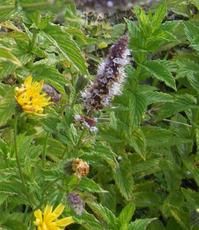 Graham Calow
Ellistown
19 August 2011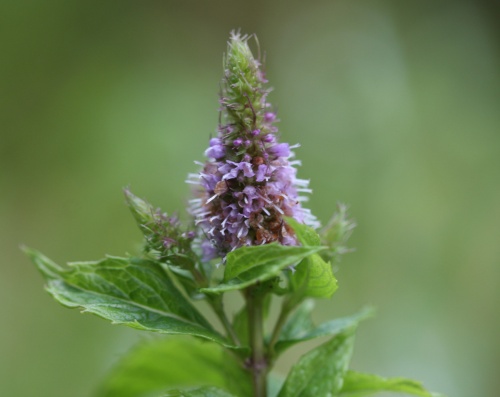 David Nicholls
St. Mary's Allotments, Leicester
06 October 2012 Field near B4114 Sapcote SP 4890 9223 (taken 20.8.2007),.JPG) Graham Calow
Graham Calow
Sapcote
27 August 2007
 Field near B4114 Sapcote SP 4890 9223 (taken 20.8.2007).JPG)
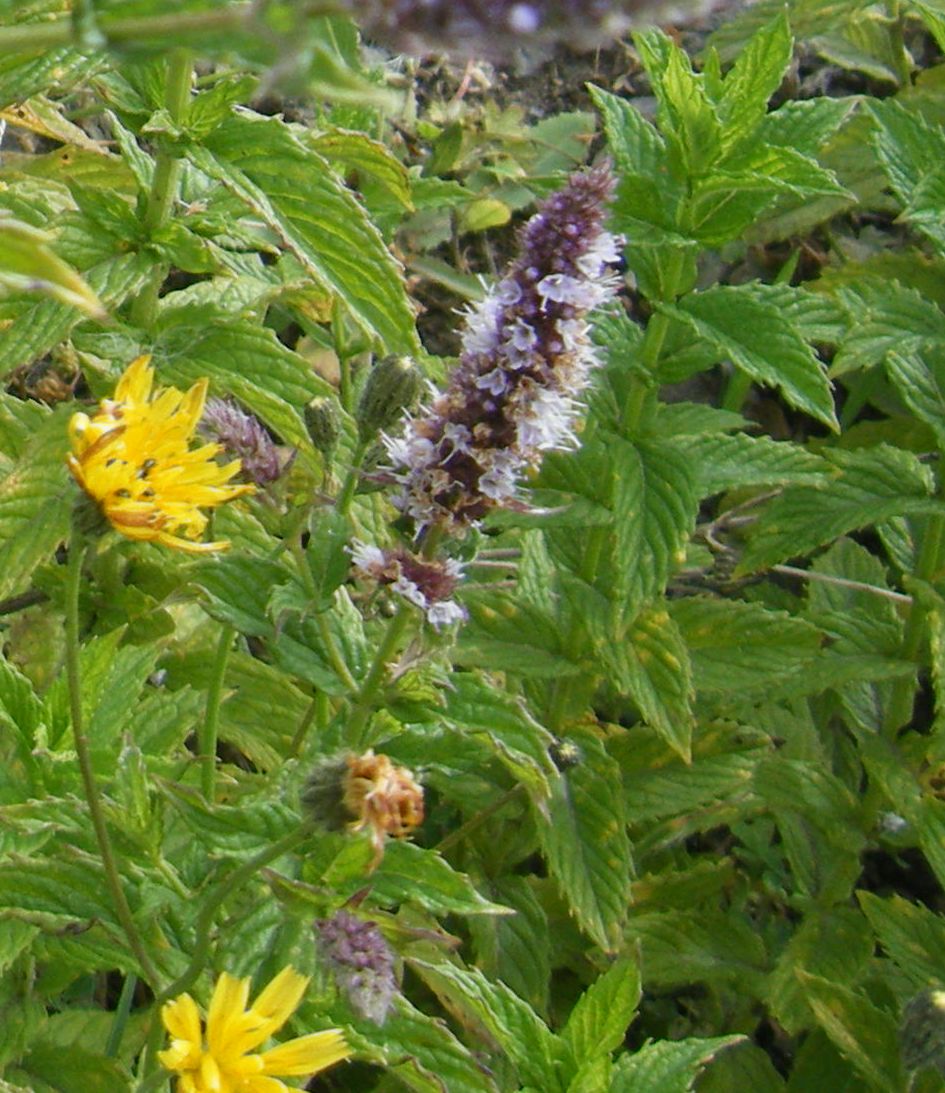
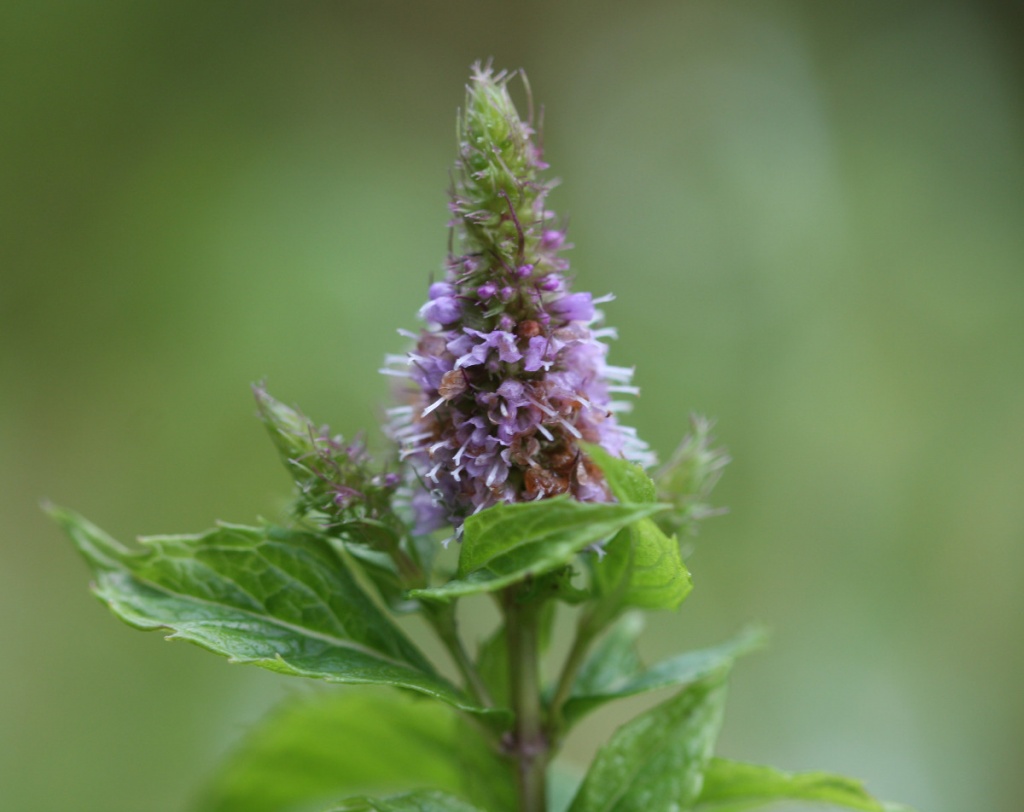
 Field near B4114 Sapcote SP 4890 9223 (taken 20.8.2007),.JPG)
Leicestershire & Rutland Map
Enter a town or village to see local records
MAP KEY:
Yellow squares = NBN records (all known data)
Coloured squares = NatureSpot records: 2025+ | 2020-2024 | pre-2020
UK Map
Additional images
 Field near B4114 Sapcote SP 4890 9223 (taken 27.8.2007).JPG)

All NatureSpot records
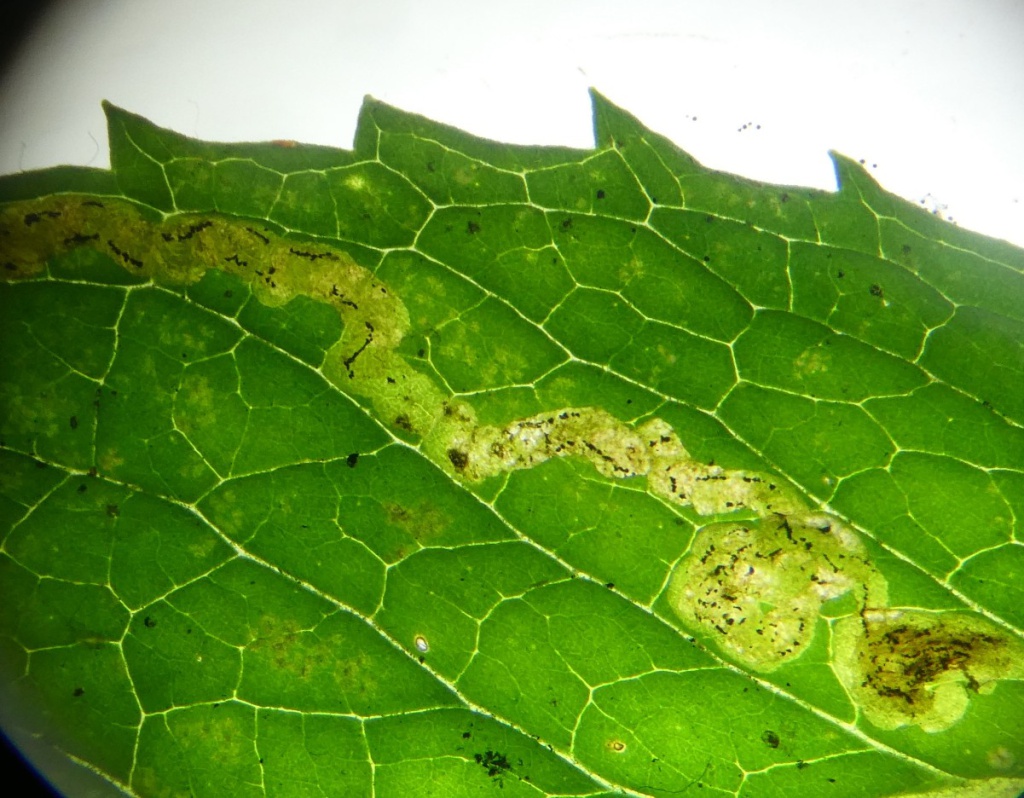
Phytomyza petoei
The larva of the Agromyzid fly Phytomyza petoei mines the leaves of various plants including members of the Mint, Balm and Basil families. The mine usually starts with a dark spot, then becomes an irregular linear mine, often then forming a secondary blotch.
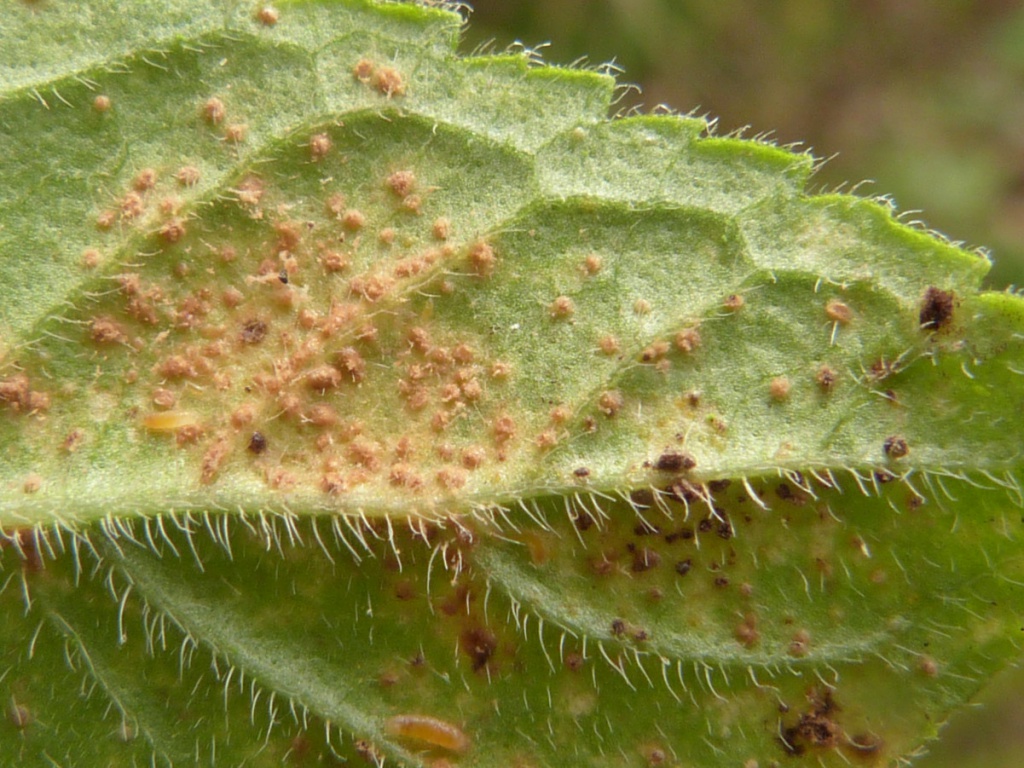
Mint Rust
Puccinia menthae is a rust fungus which galls the leaves of various Mints (Water Mint, etc.), and occasionally Marjoram or Wild Basil. Young leaves at shoot tip become thickened, distorted, with purple patches. carrying aecia and spermogonia; later uredinia and telia are present.