White Campion
White Campion - Silene latifolia
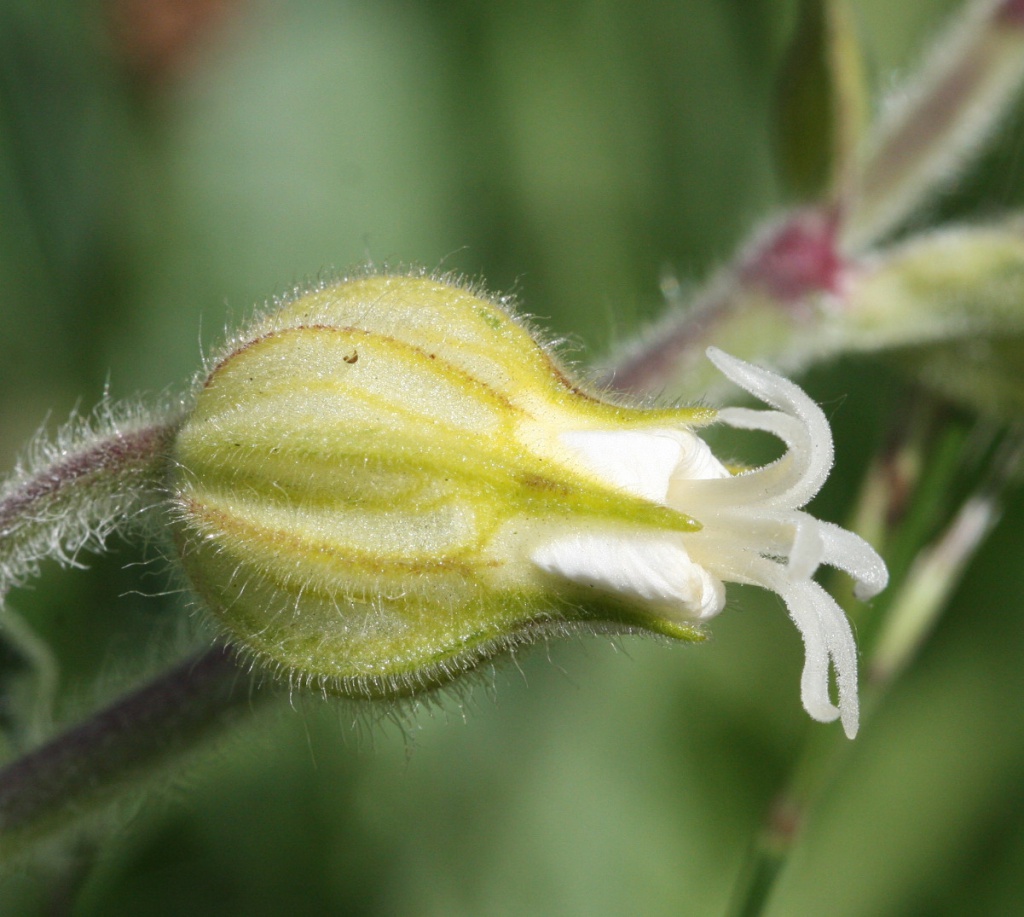
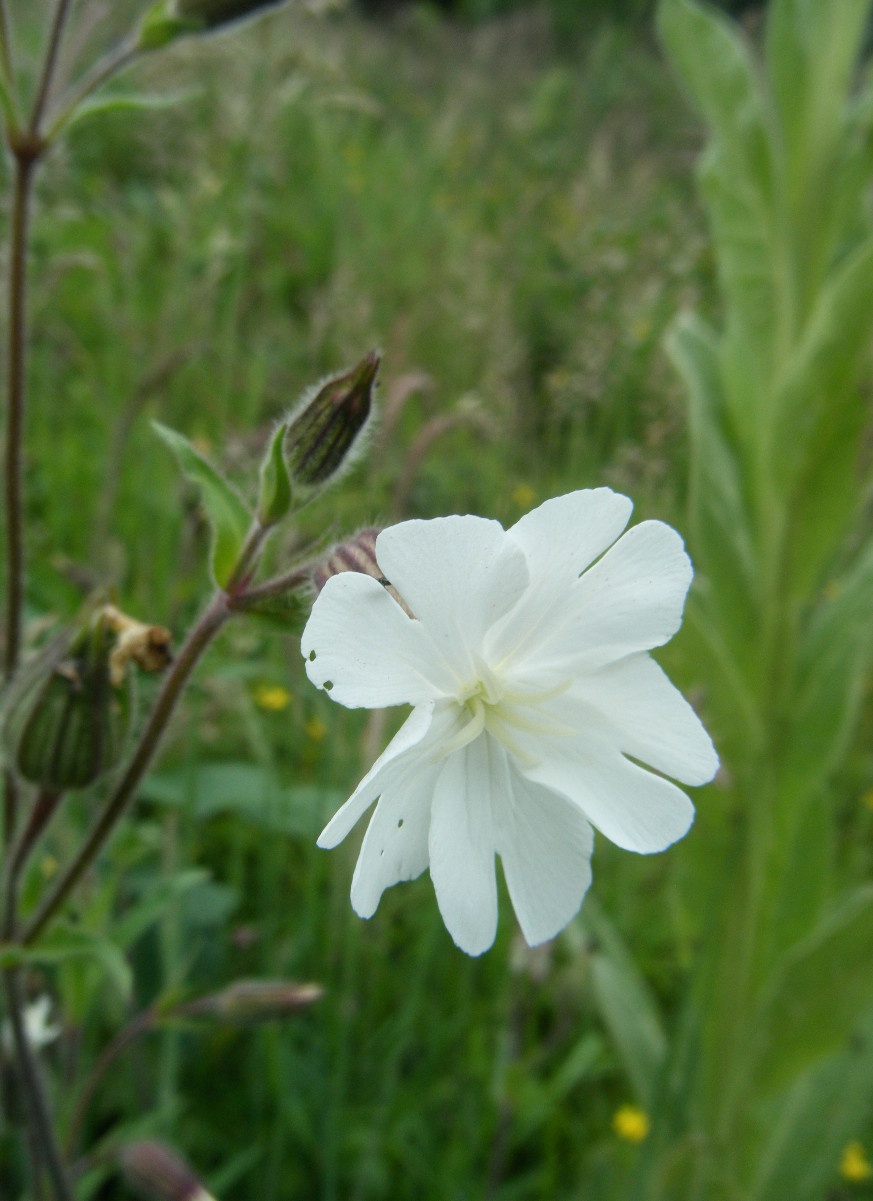
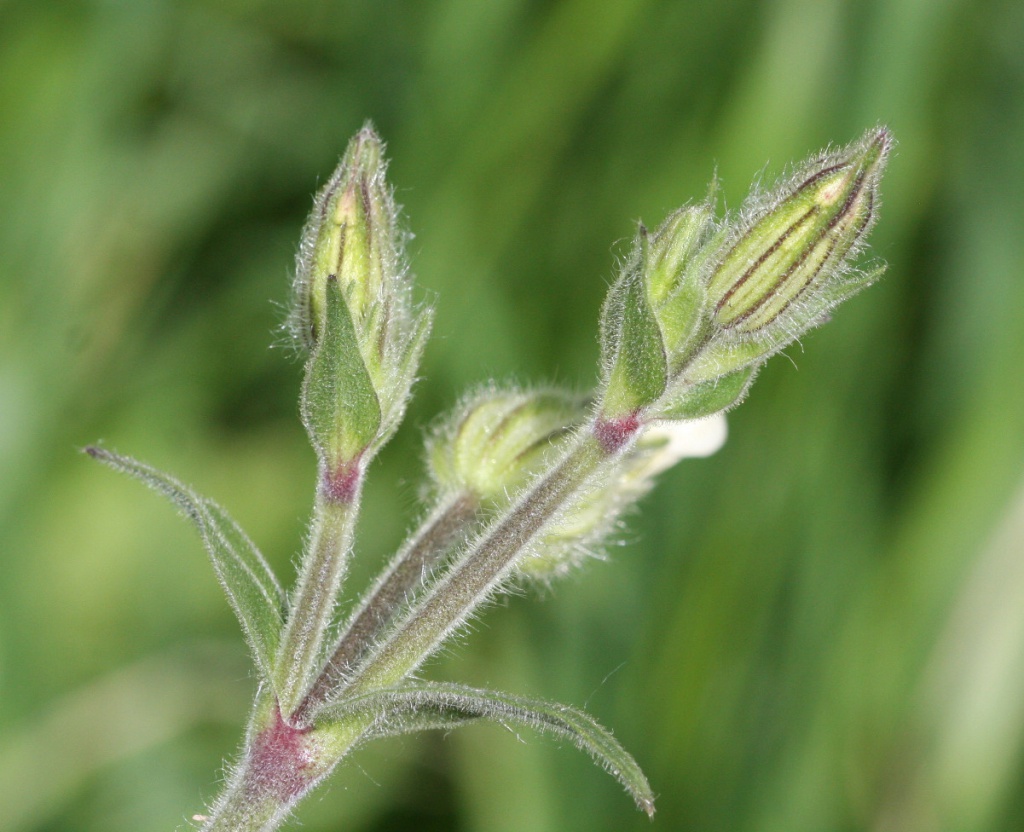
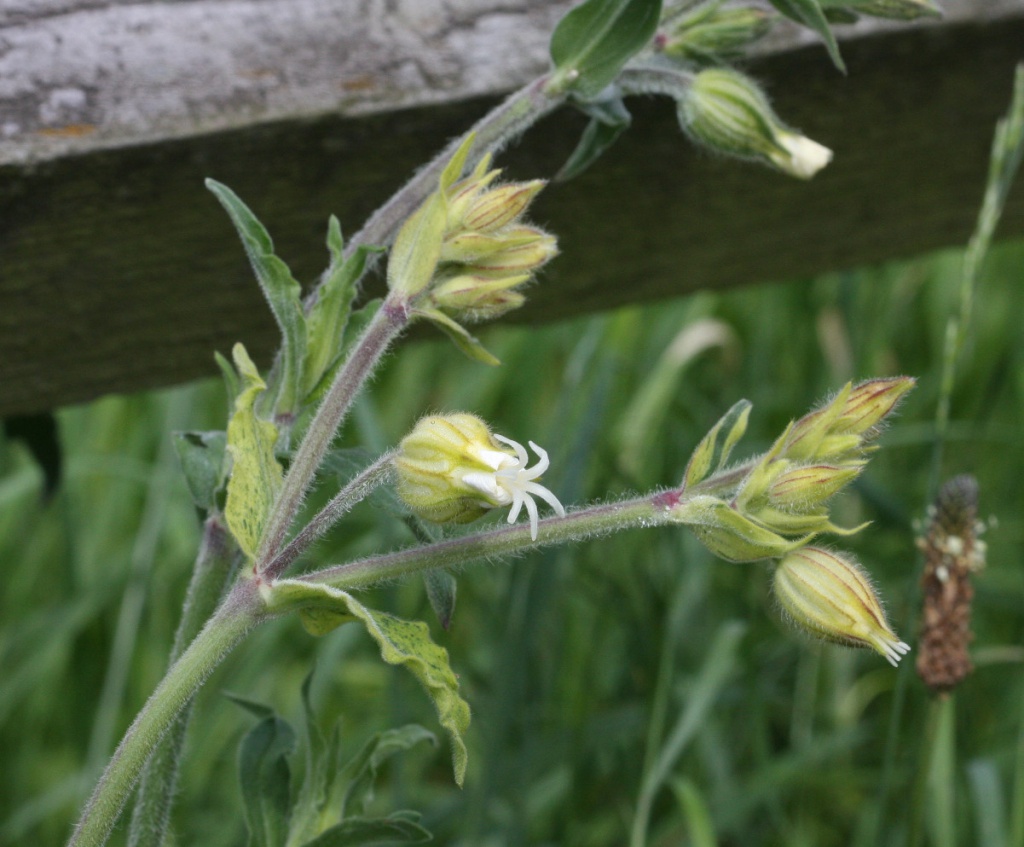
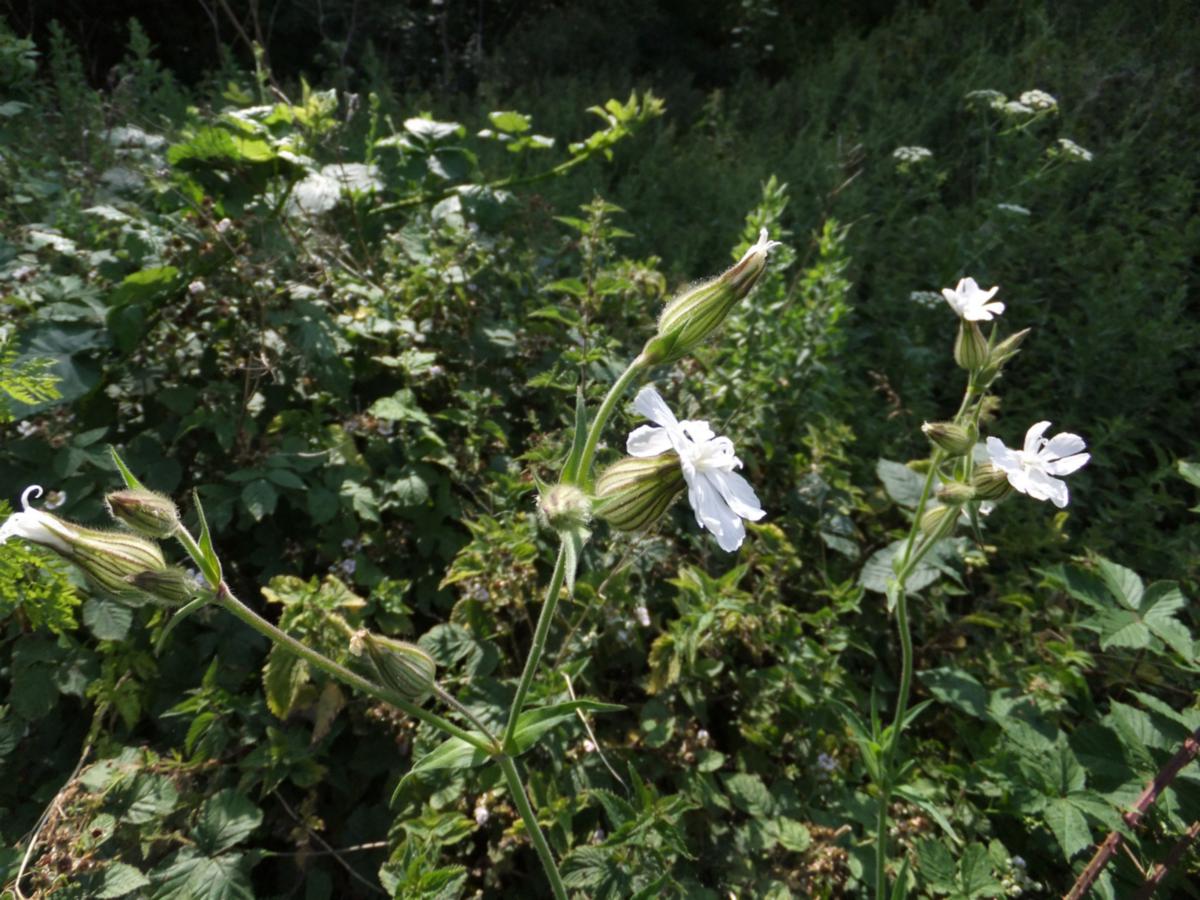
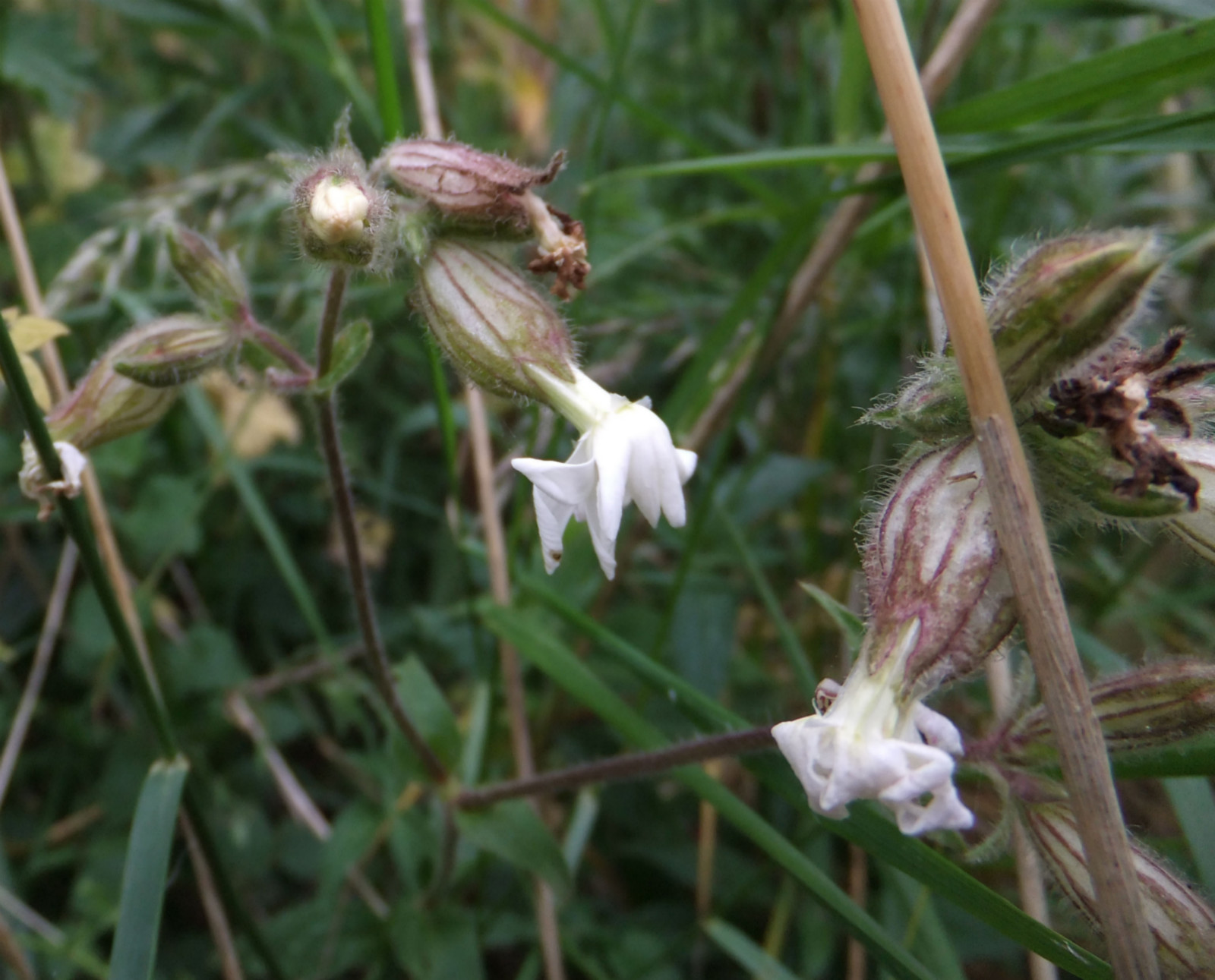
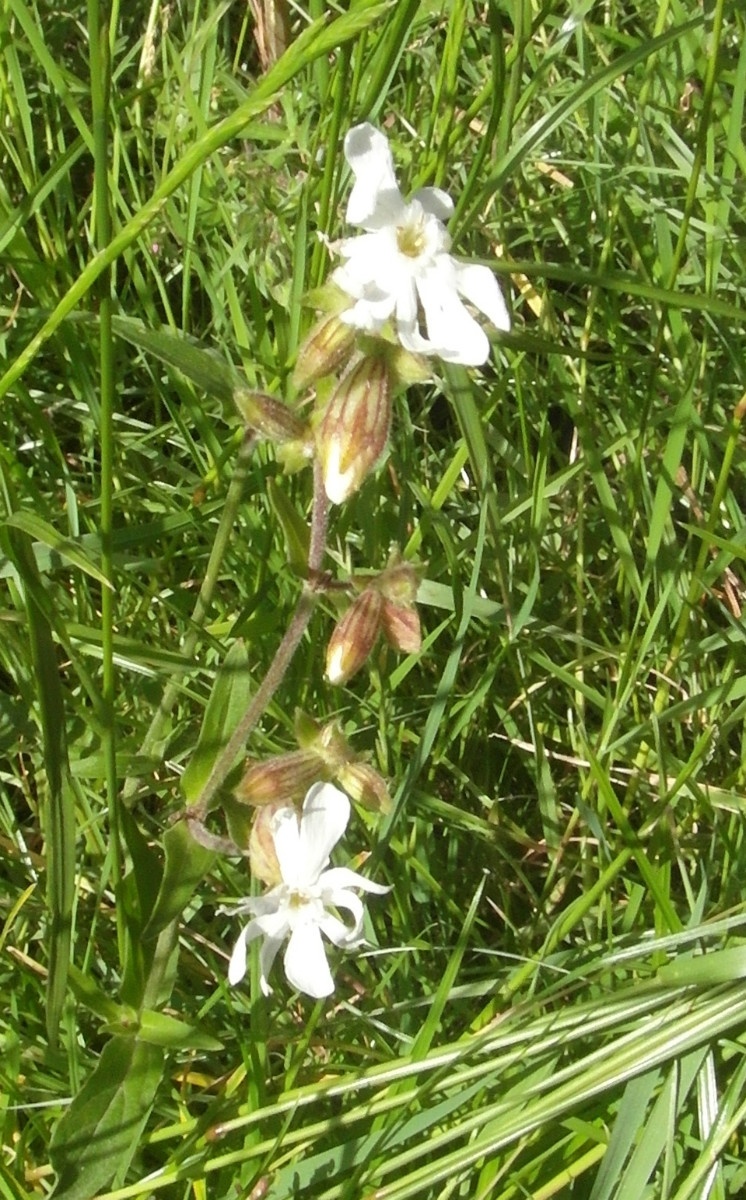
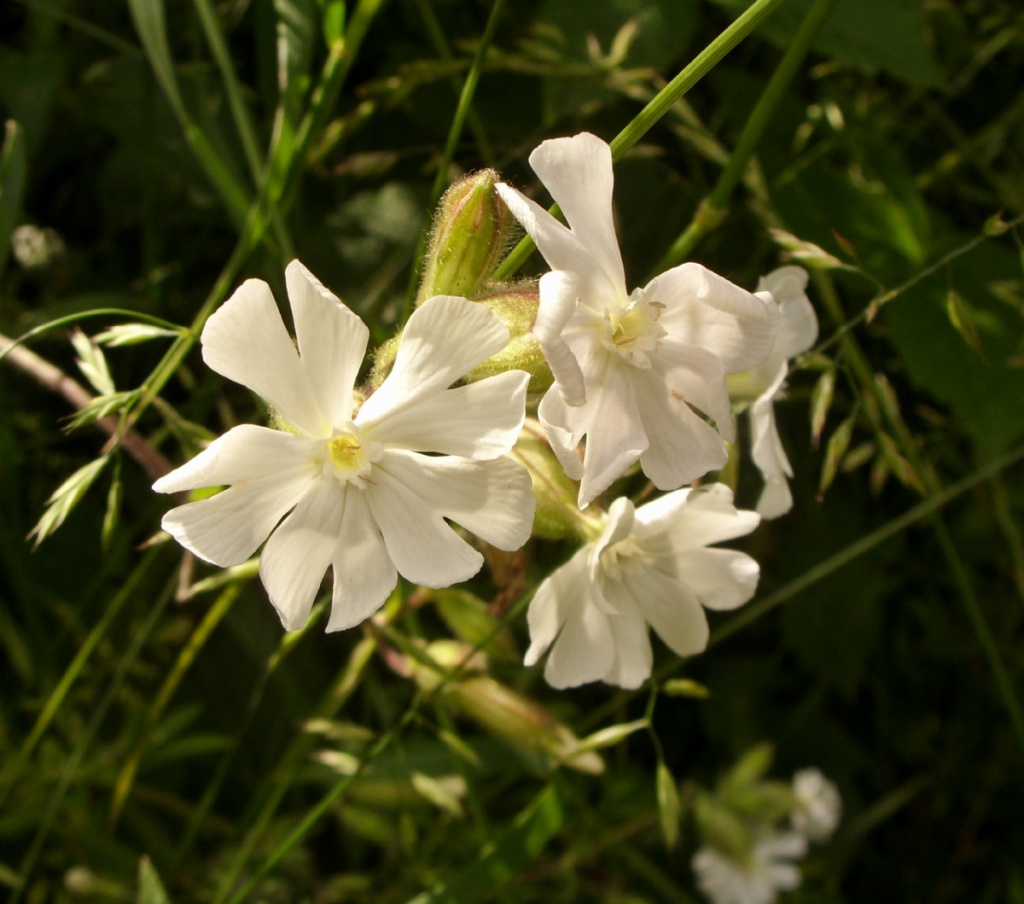
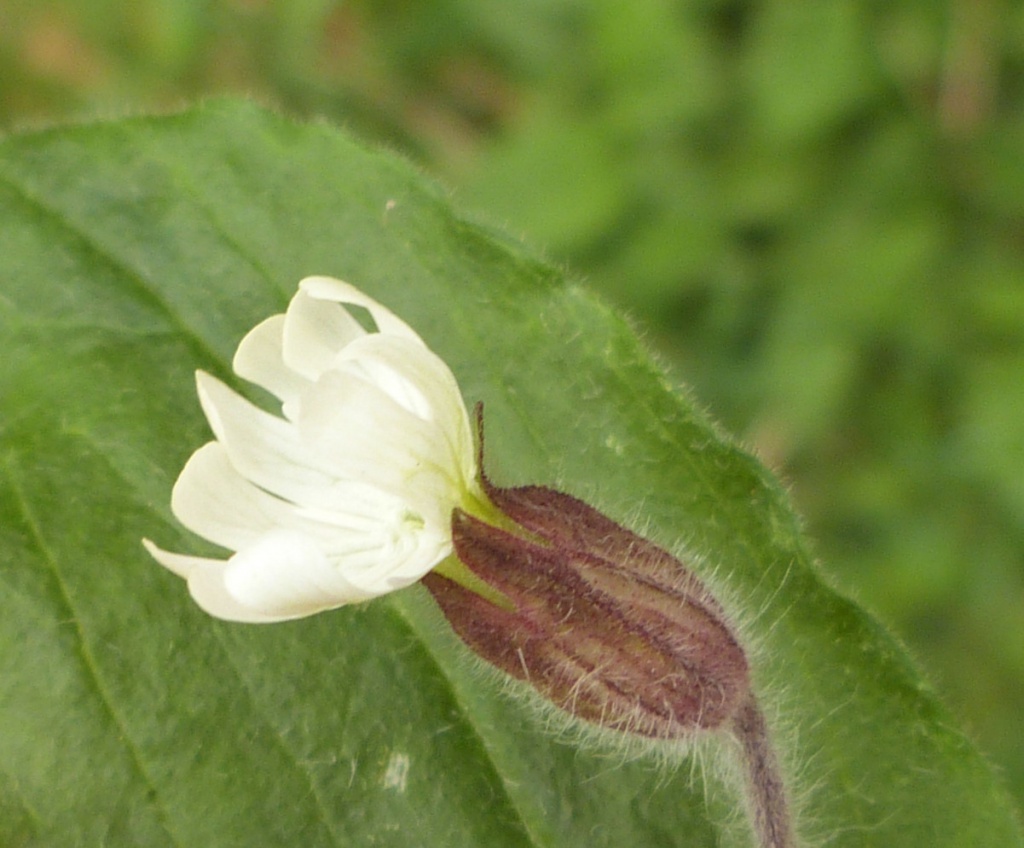
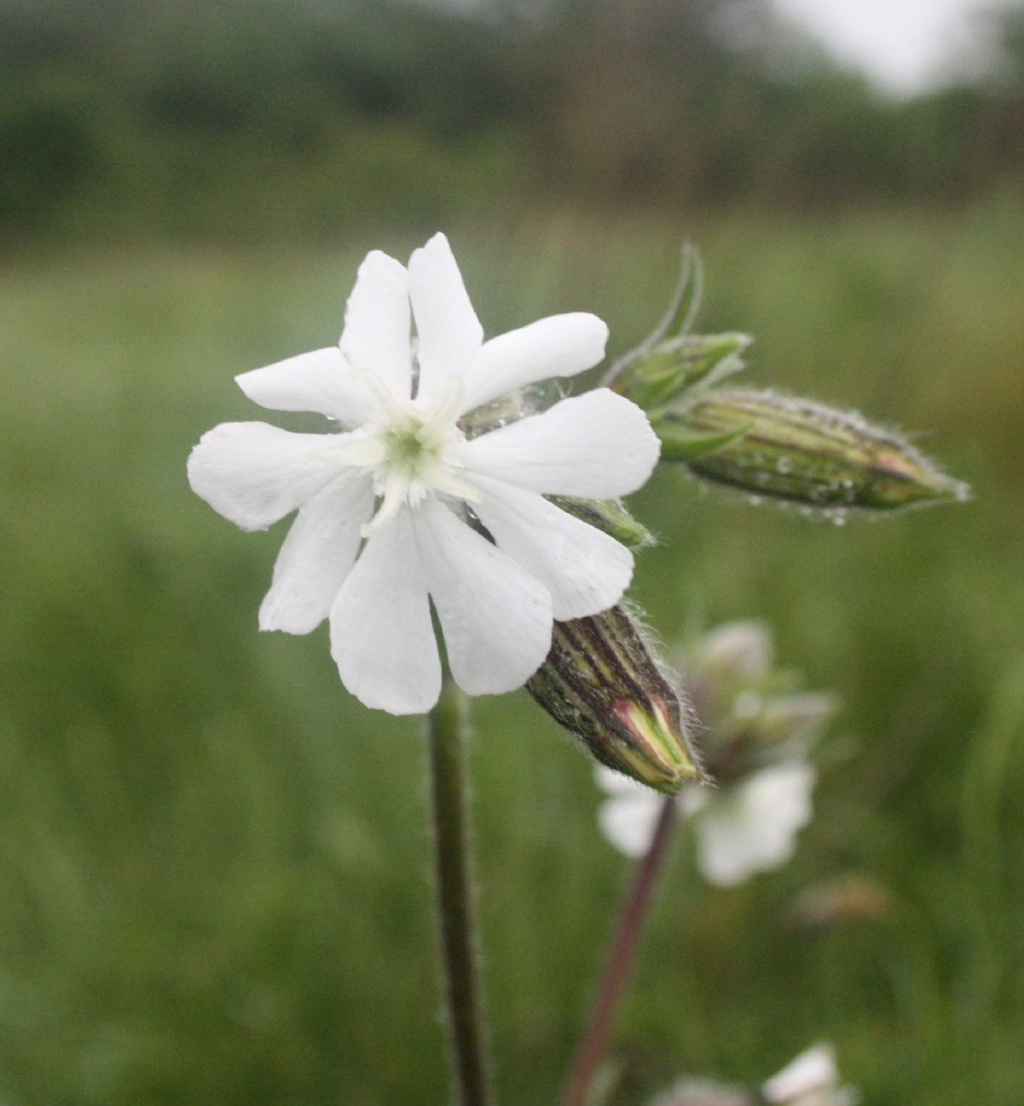
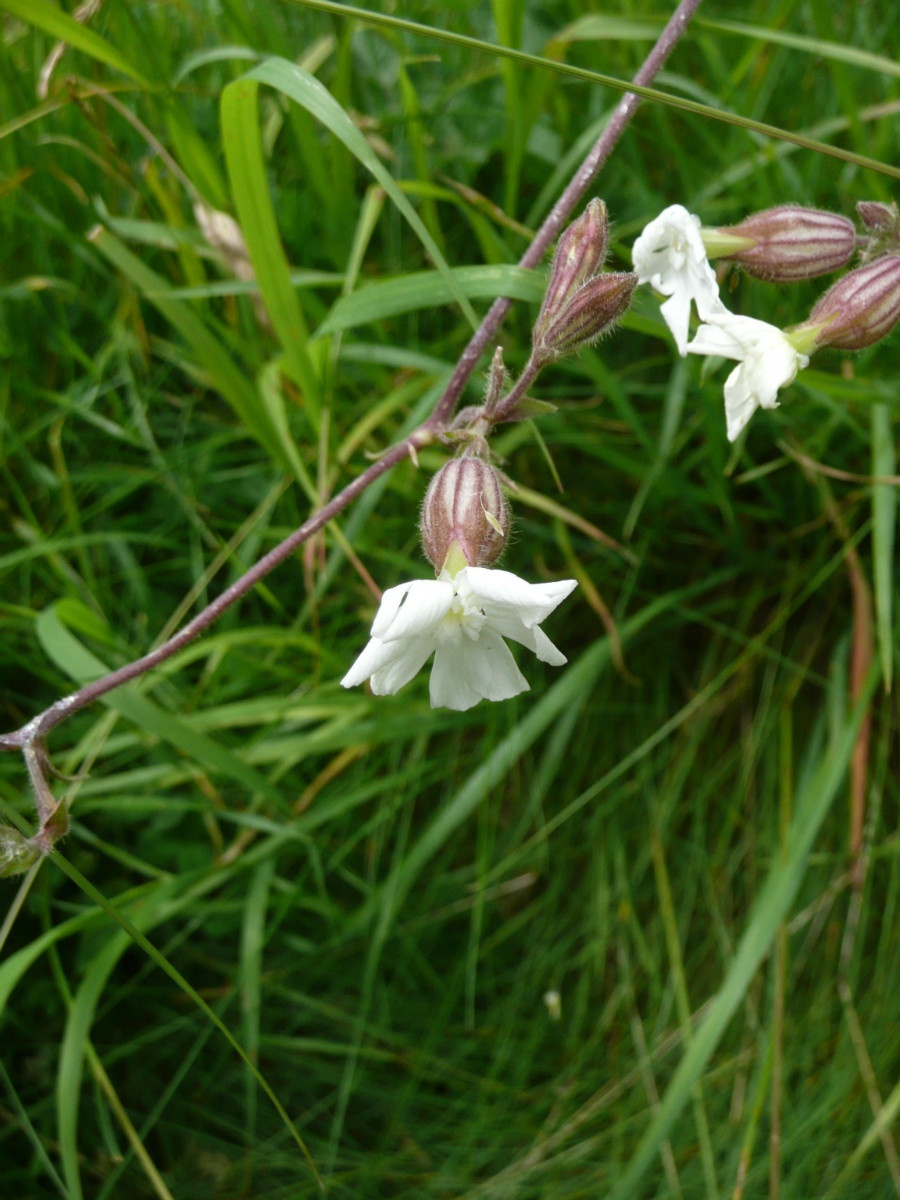
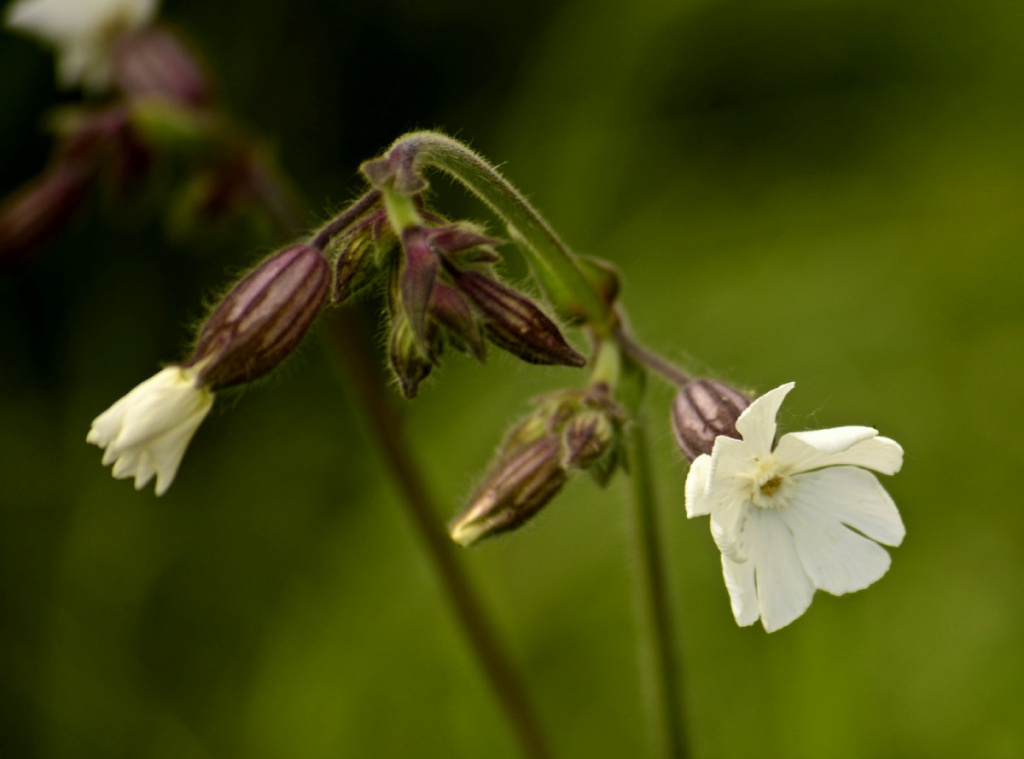
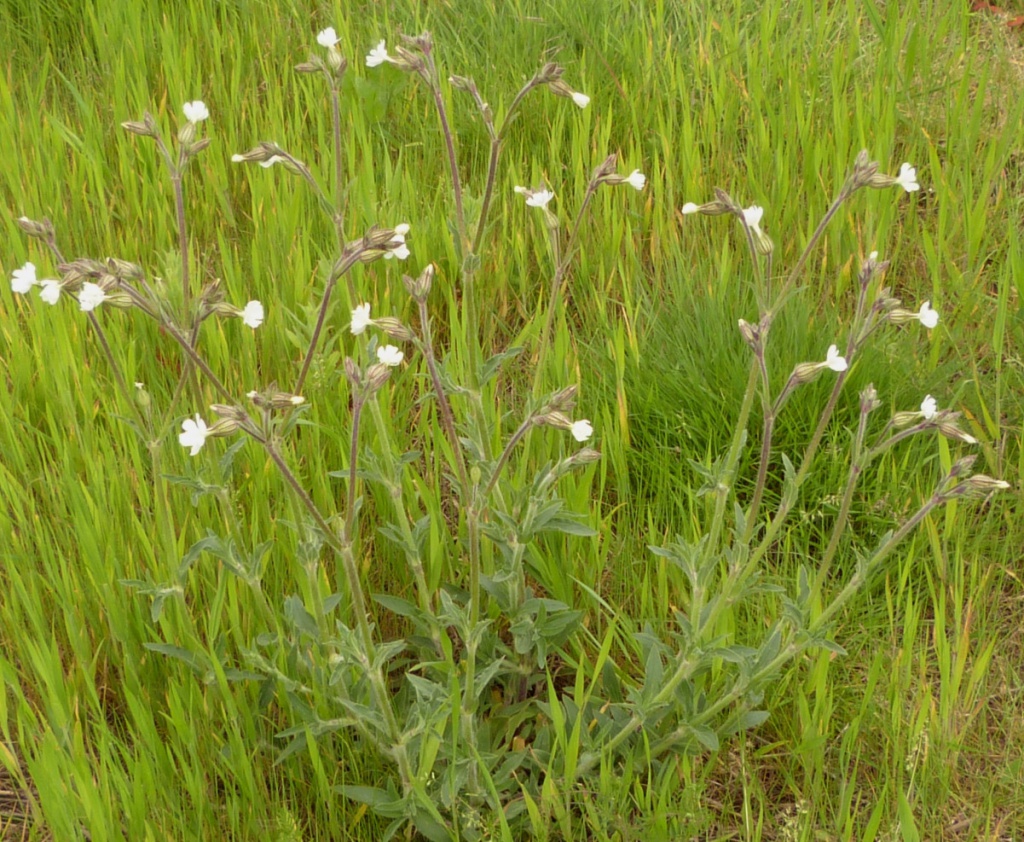
Medium to tall, stickily hairy plant, leaves oval lanceolate, the lowermost stalked the upper usually unstalked. Flowers white, 25 to 30 mm, in lax, branched clusters, the petals usually notched. Male and female flowers on separate plants. Calyx slightly expanded. Seed capsule with 10 erect teeth.
White flowered varieties of red campion, and the hybrid

Capsule teeth are erect
Arable and waste land, roadside verges.
May to October
Short lived perennial, sometimes annual
Common throughout most of Britain, scarcer in the west.
Common in Leicestershire and Rutland. In the 1979 Flora survey of Leicestershire it was found in 410 of the 617 tetrads.
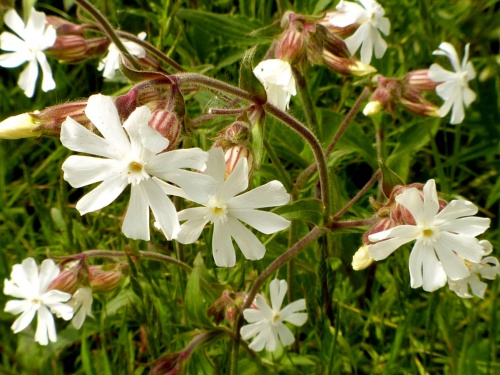 Graham Calow
Sapcote
15 May 2014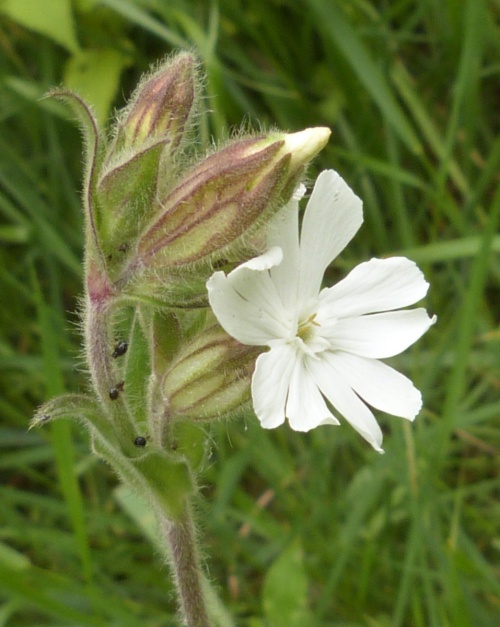 Graham Calow
Sapcote
22 May 2015 Field near Granitethorpe Quarry Sapcote SP 4930 9391 (taken 14.9.2008).JPG) Graham Calow
Graham Calow
Sapcote
14 September 2008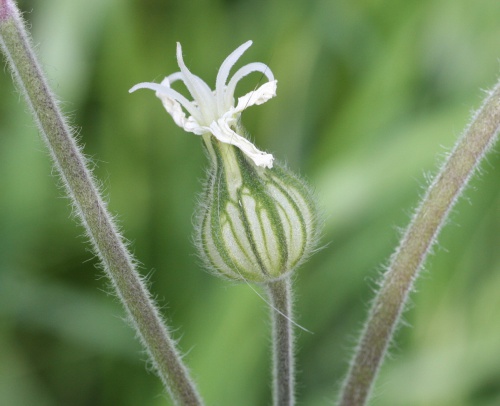 David Nicholls
Ratby
05 June 2014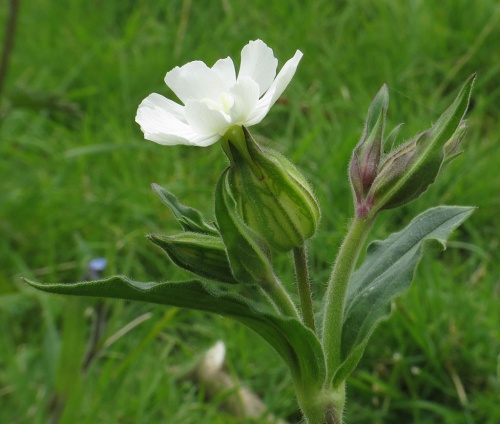 David Gould
Croft Hill, Leics.
22 May 2015
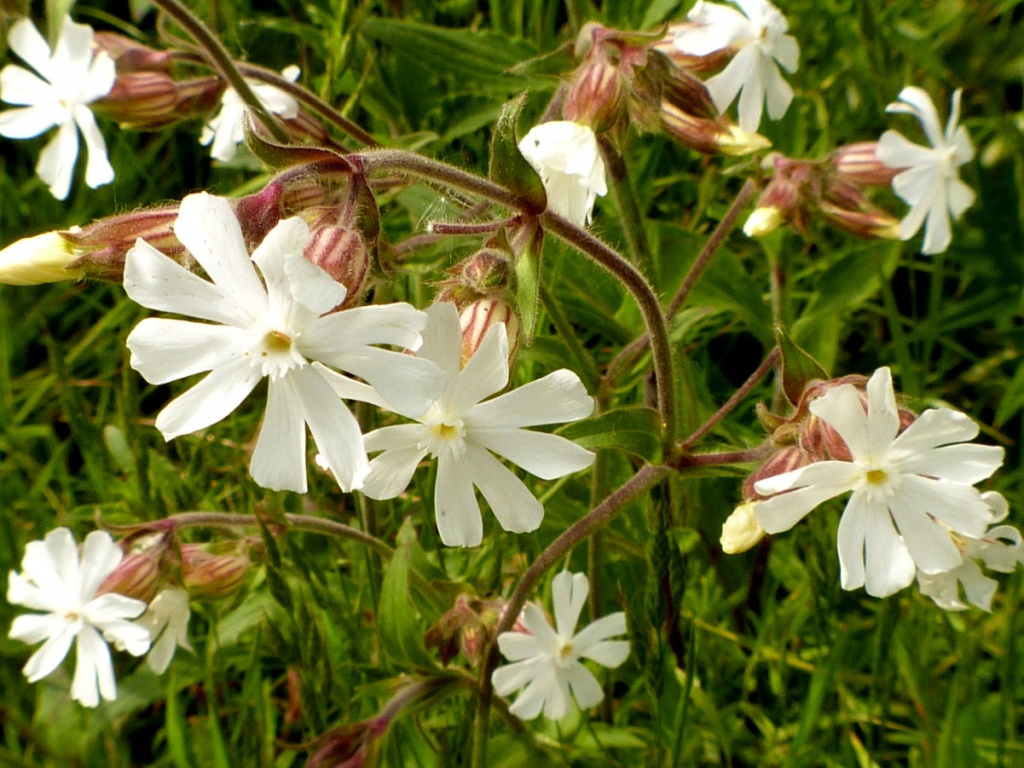
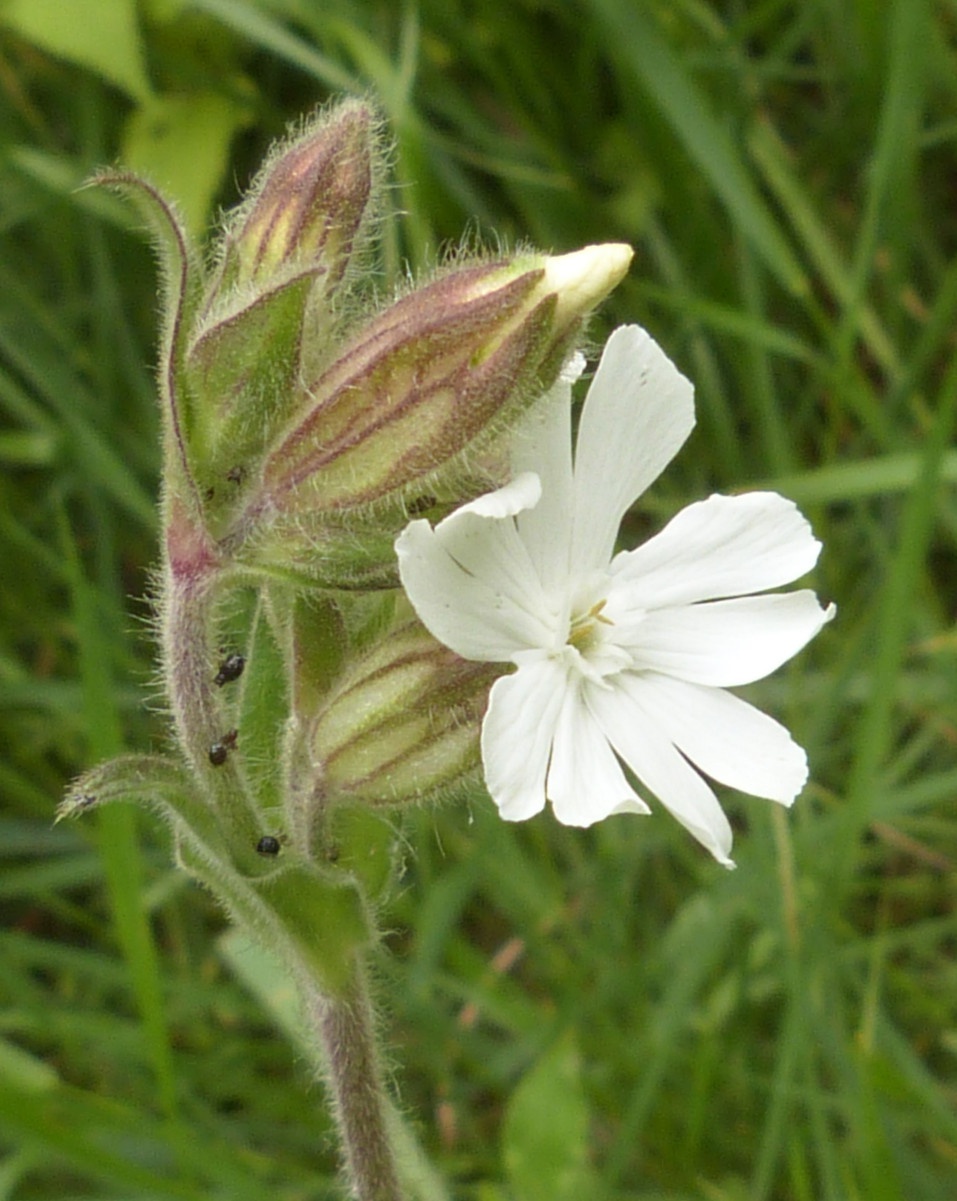
 Field near Granitethorpe Quarry Sapcote SP 4930 9391 (taken 14.9.2008).JPG)
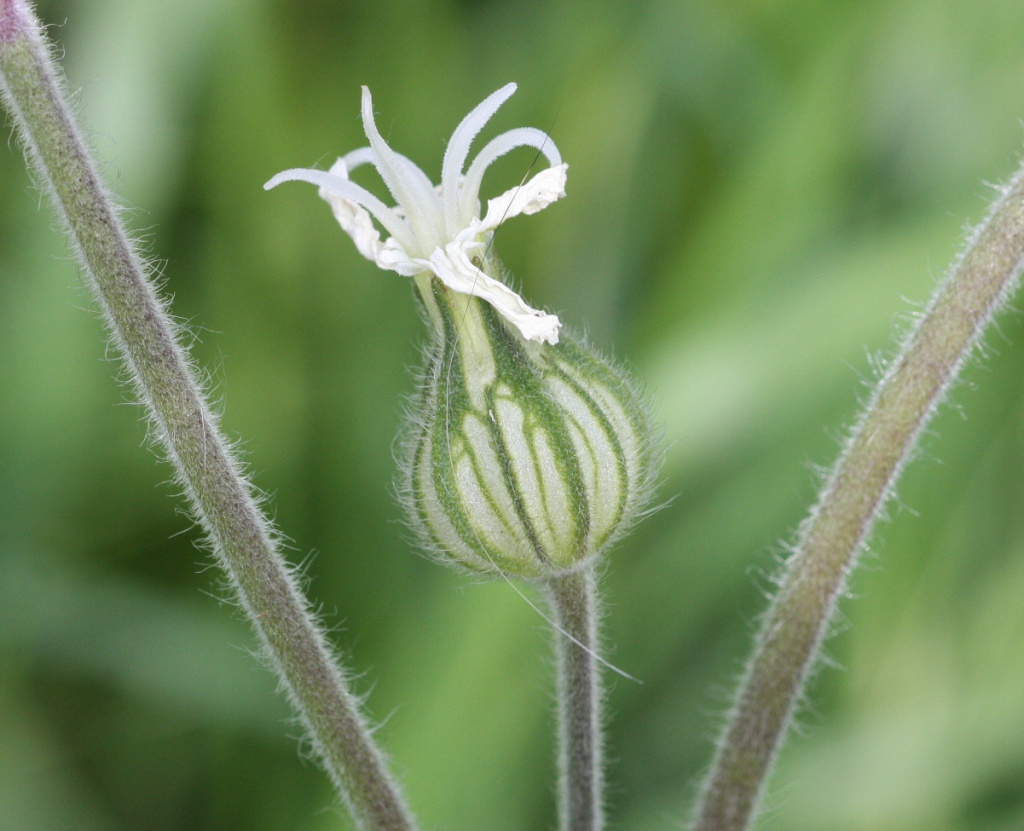
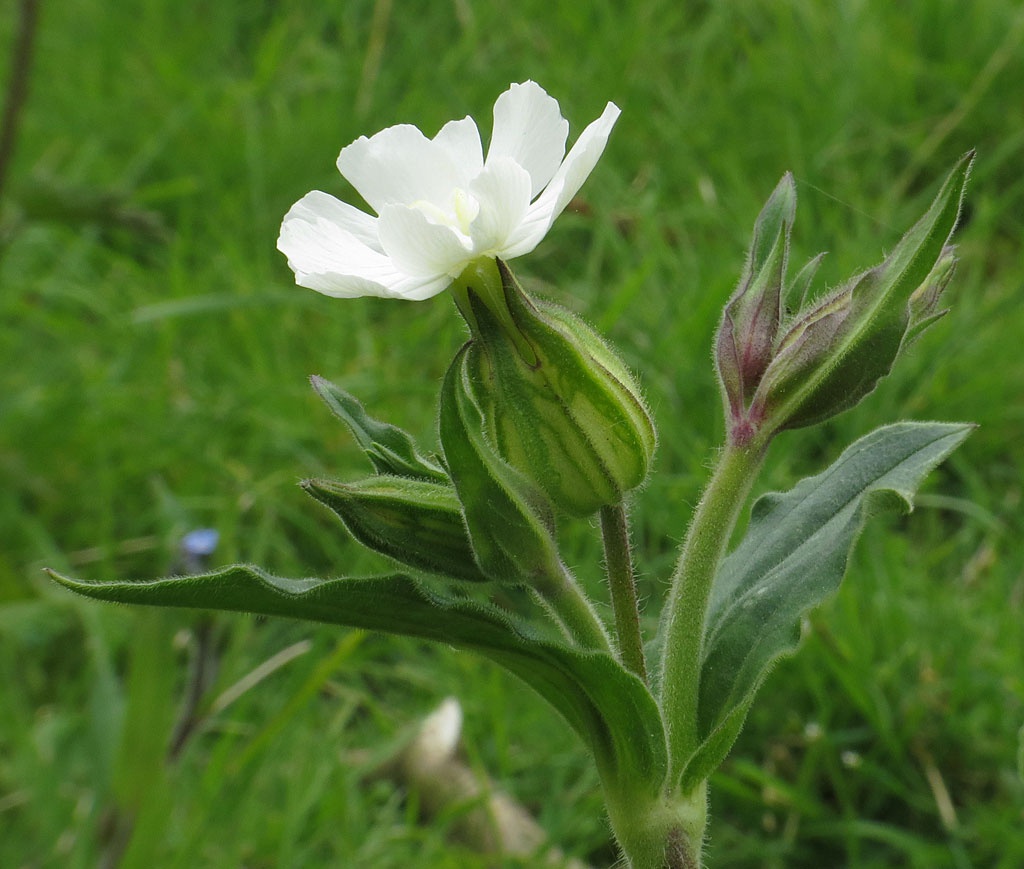
Leicestershire & Rutland Map
Enter a town or village to see local records
MAP KEY:
Yellow squares = NBN records (all known data)
Coloured squares = NatureSpot records: 2025+ | 2020-2024 | pre-2020
UK Map
Additional images
 B4114 Sapcote SP 4909 9229 (taken 3.6.2007)..JPG)
 B4114 Sapcote SP 4909 9229 (taken 3.6.2007).JPG)
All NatureSpot records
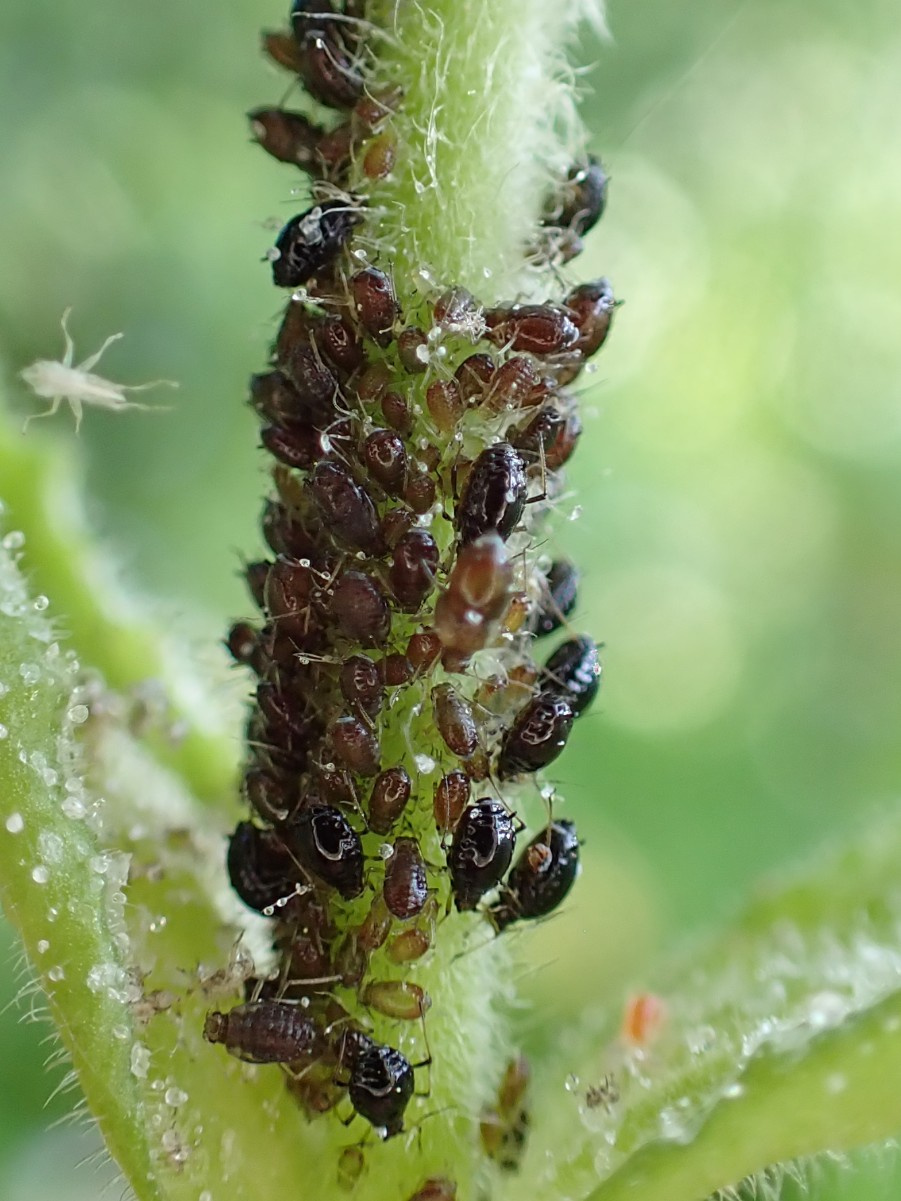
Campion Aphid Group
Aphids of the Brachycaudus lychnidis species group - (B. klugkisti, B. lychnicola and B. lychnidis sensu stricto) can usually be found living on the upper parts of Red Campion plants but it also uses White Campion.
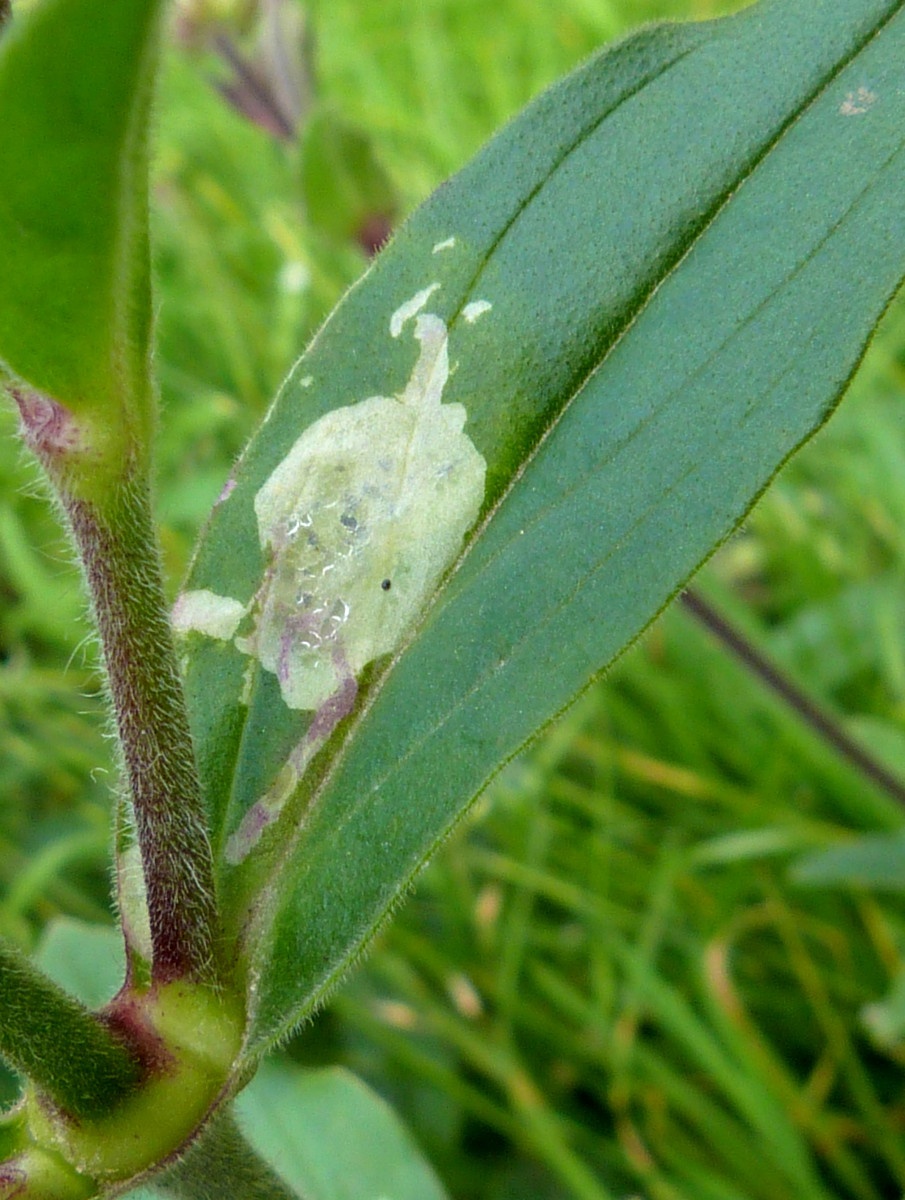
Amauromyza flavifrons
The larva of the Agromyzid fly Amauromyza flavifrons mines the leaves of various plants including Campion. A short linear mine is formed, then a white blotch mine, the linear section sometimes is not visible under the blotch that is formed later. The blotch has a few small black grains of frass.
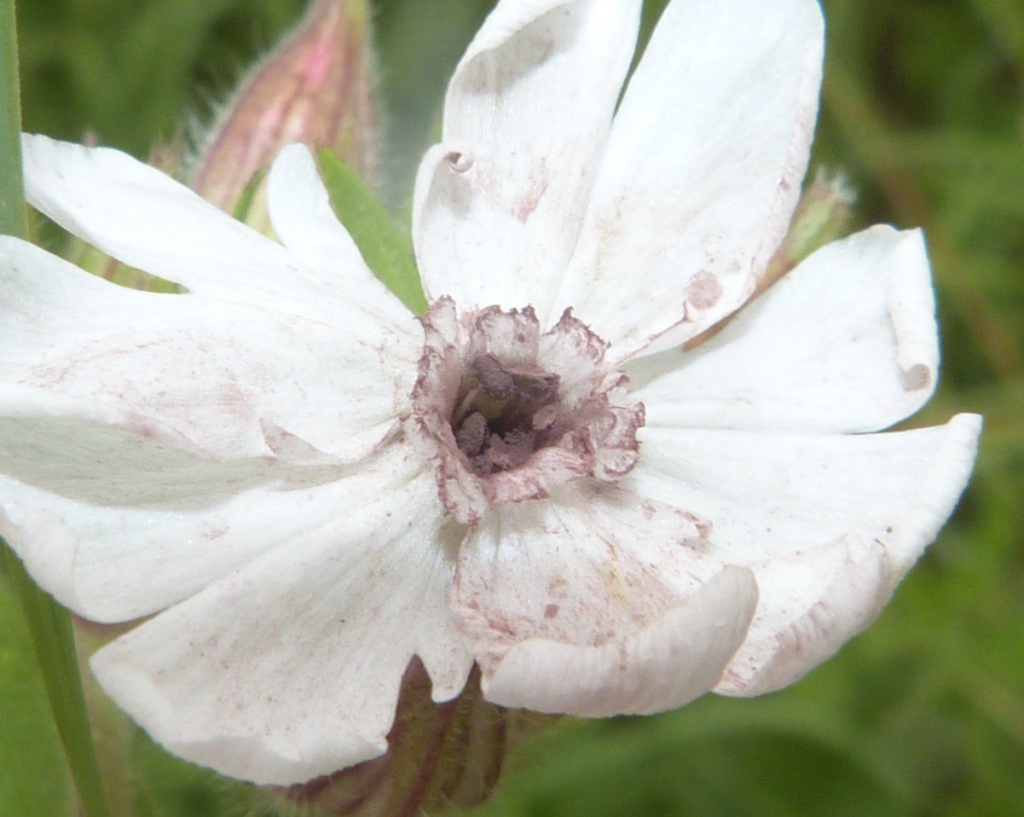
Microbotryum lychnidis-dioicae
Microbotryum lychnidis-dioicae is a gall-causing anther-smut fungus that coats the anthers of White Campion.
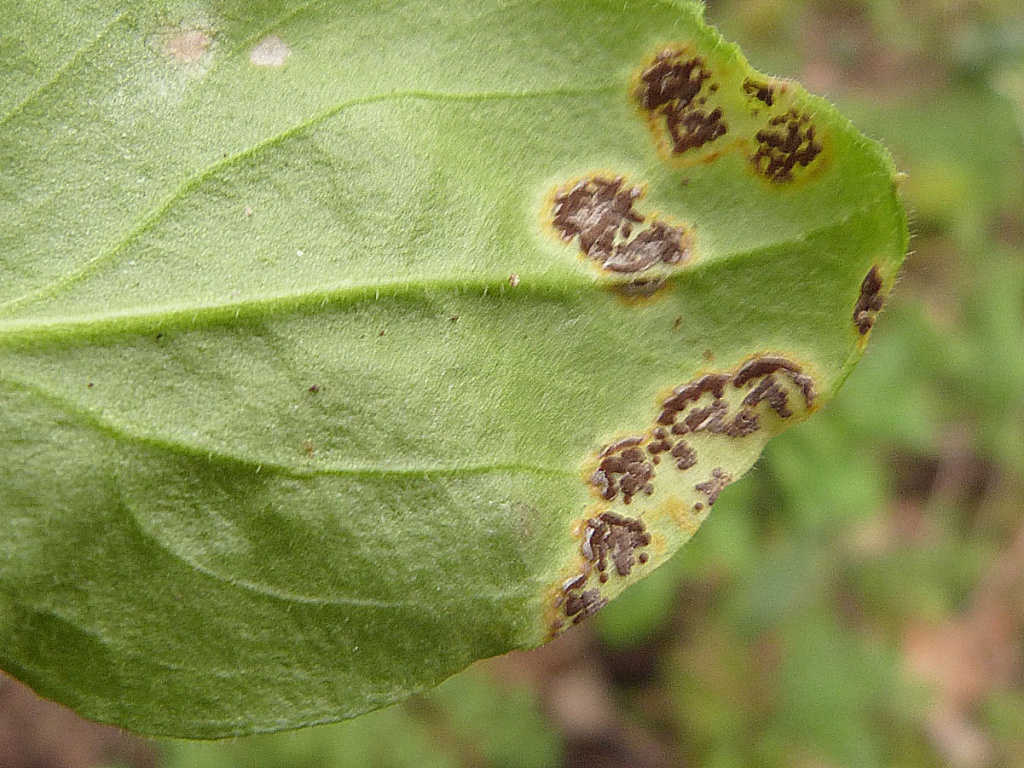
Puccinia arenariae
The fungus Puccinia arenariae affects the leaves and sometimes the stems of a wide range of plants, most often recorded on Campions, where it is not considered to be a gall-causer. Redfern & Shirley (2023) list Chickweed (Stellaria media) and Pearlwort (Sagina) as being galled by this species. Only brown telia are produced.