American Willowherb
American Willowherb - Epilobium ciliatum
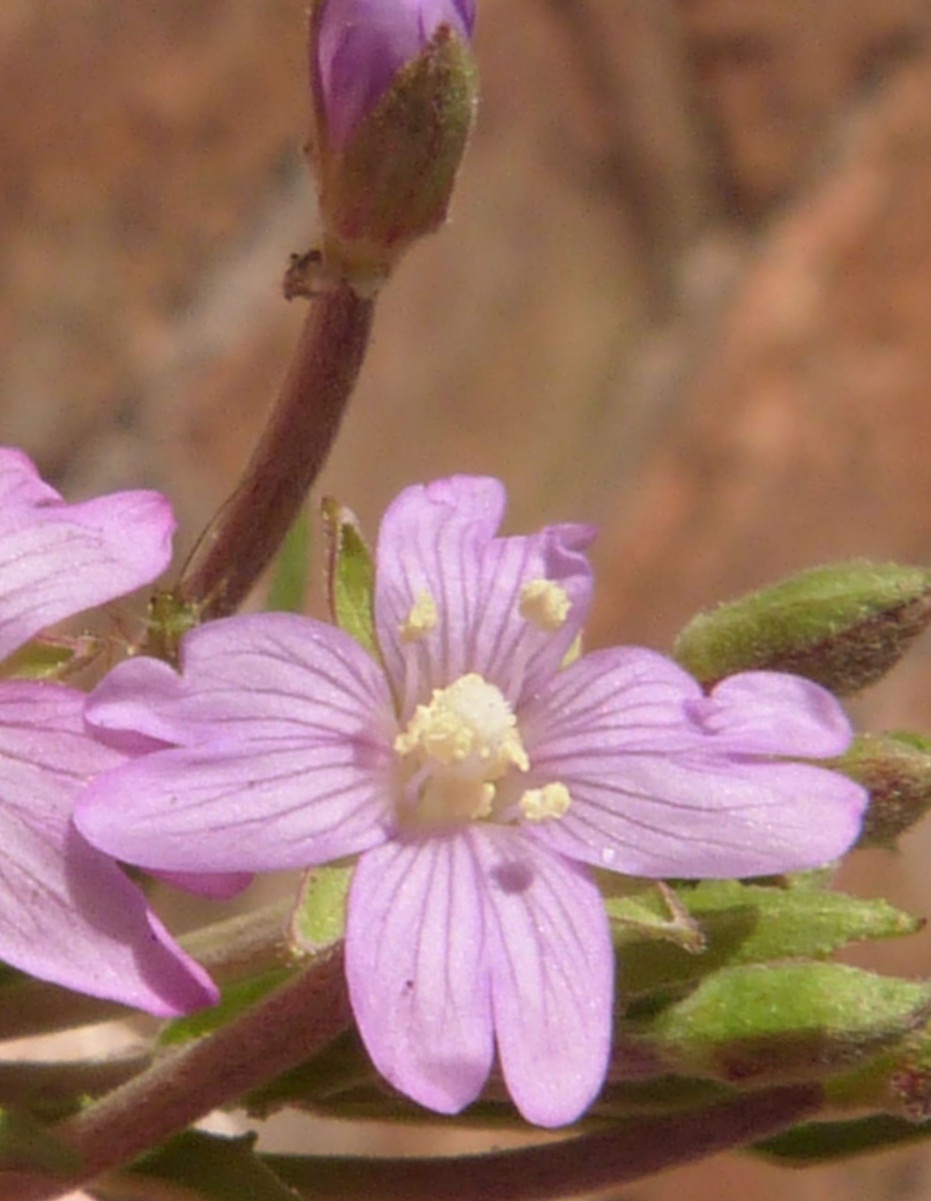
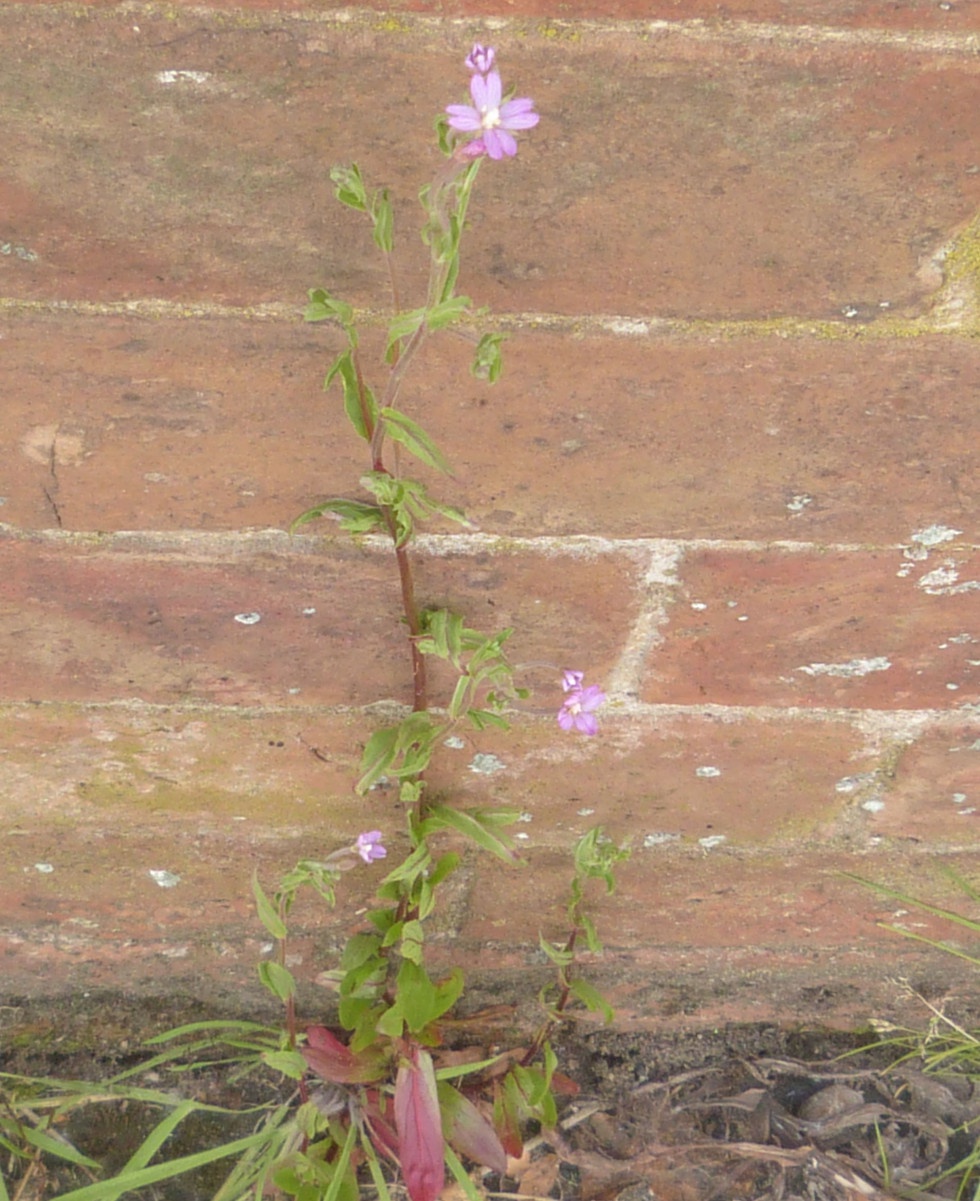
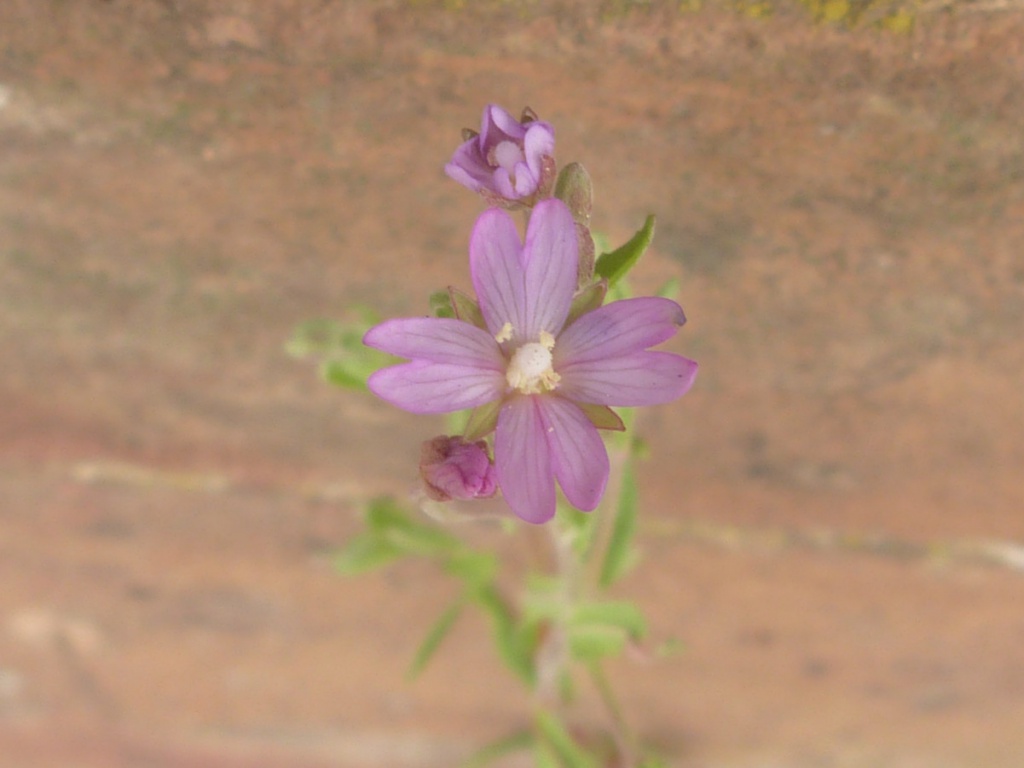
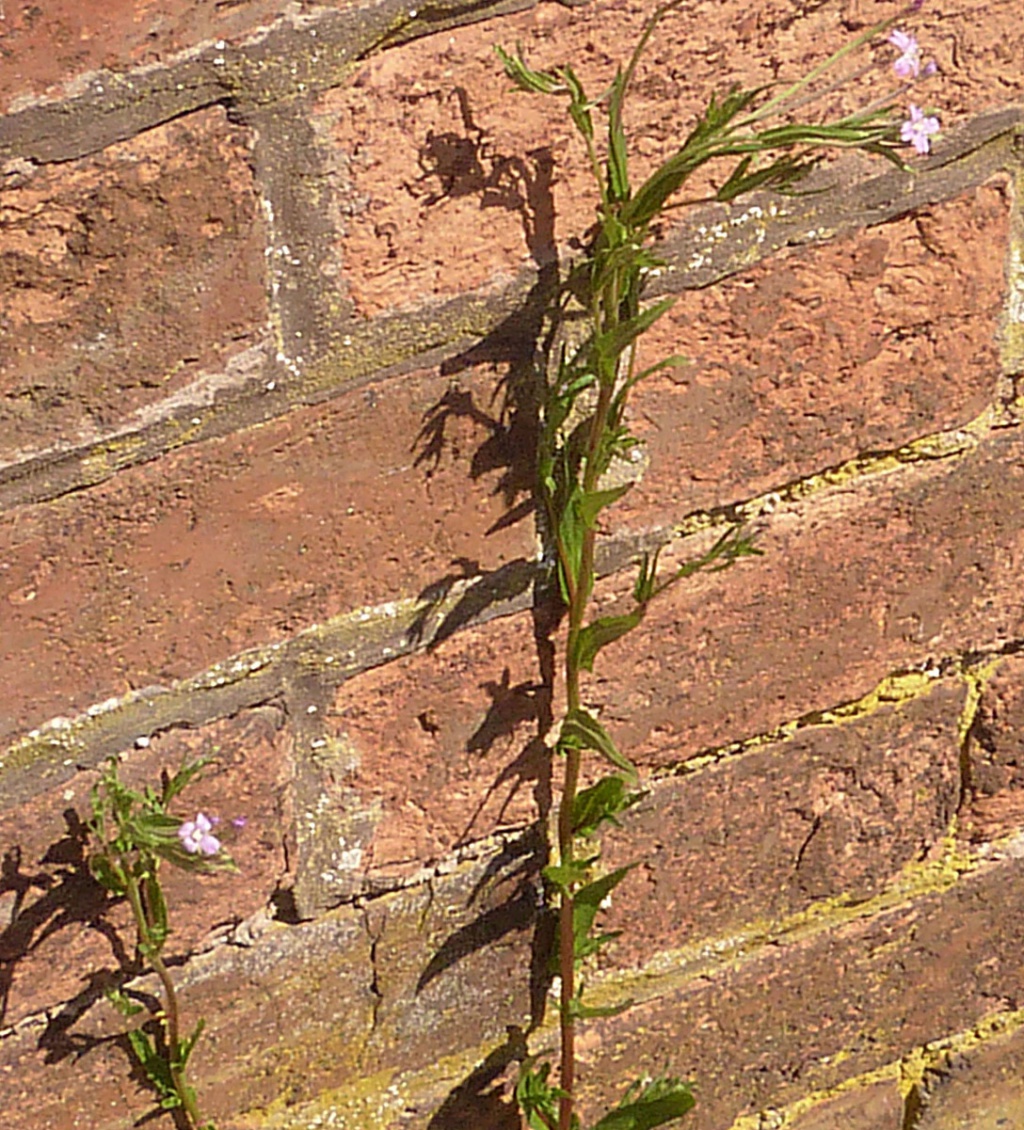
Medium to tall, often reddish plant, without stolons, stems erect with four raised lines. Produces leafy rosettes at the base during autumn. Leaves mostly opposite, oblong lanceolate, toothed. Flowers purplish pink, 8 to 9 mm, erect in bud, the petals deeply notched. Stigma club shaped. Many glandular hairs on the upper stem, sepals and parts of the fruiting structure
One of four similar species; E obscurum, E tetragonum and E roseum also have club-shaped stigma. E tetragonum has no glandular hairs and perennates with loose leaf-rosettes. E obscurum has few glandular hairs and perennates with leafy stolons. E roseum is very similar to E ciliatum but has longer petioles. Hybrids also occur.

A photo showing the plant in situ, plus images showing the key features and/or a description in the comments box. A voucher specimen may be needed.
Waste ground, roadsides, cultivated land.
June to August.
Perennial.
Has spread rapidly, and is now fairly common over much of Britain except the northern half of Scotland.
Fairly common in Leicestershire and Rutland. In the 1979 Flora survey of Leicestershire it was found in 191 of the 617 tetrads.
 All Saints Church Yard Sapcote SP 4882 9321 (taken 7.6.2006)..JPG) Graham Calow
Graham Calow
All Saints Chuch, Sapcote
07 June 2006 All Saints Church Yard Sapcote SP 4882 9321 (taken 7.6.2006).JPG) Graham Calow
Graham Calow
All Saints Chuch, Sapcote
07 June 2006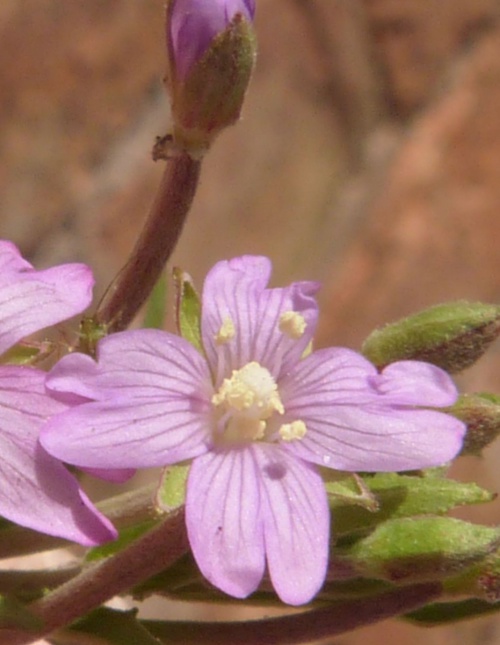 Graham Calow
Higham on the Hill
11 June 2015
club shaped stigma
 All Saints Church Yard Sapcote SP 4882 9321 (taken 7.6.2006)..JPG)
 All Saints Church Yard Sapcote SP 4882 9321 (taken 7.6.2006).JPG)
Leicestershire & Rutland Map
Enter a town or village to see local records
MAP KEY:
Yellow squares = NBN records (all known data)
Coloured squares = NatureSpot records: 2025+ | 2020-2024 | pre-2020
UK Map
Additional images
All NatureSpot records
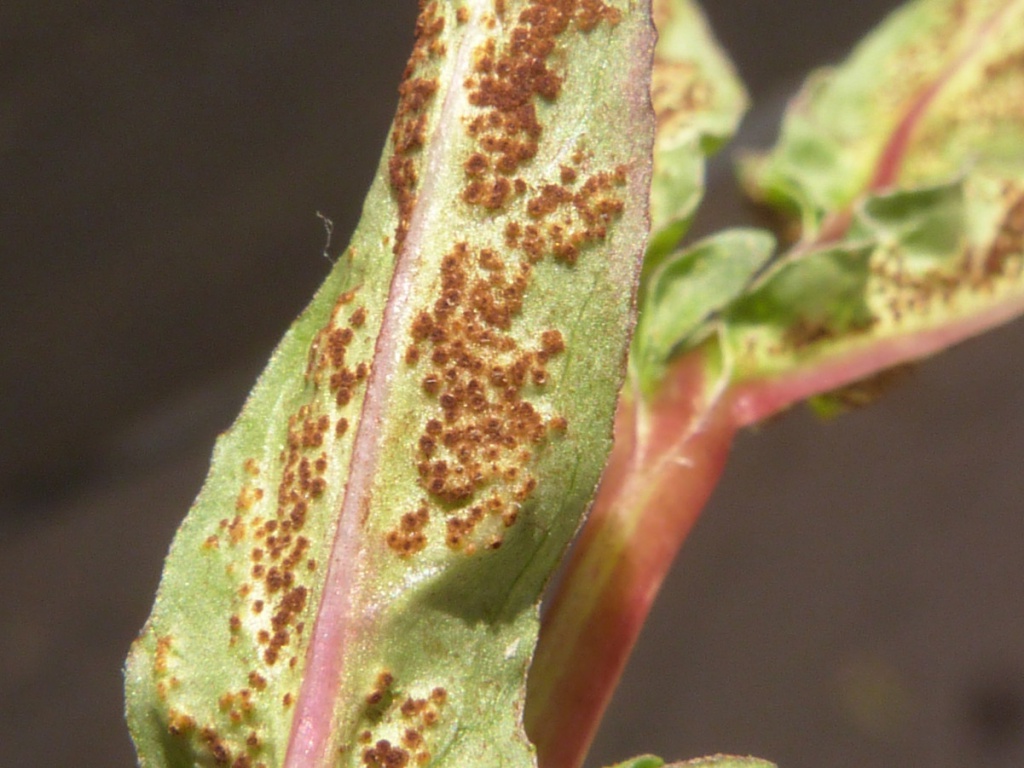
Willowherb Rust
The rust causes galls on the leaves of Willowherbs (Epilobium species) and the whole plant appears paler than usual, with curled leaves. There is no host alternation. Raised yellowish blotches bear orange aecia, usually on underside of leaf; brown uredinia and telia are present later.