Broad-leaved Willowherb
Broad-leaved Willowherb - Epilobium montanum
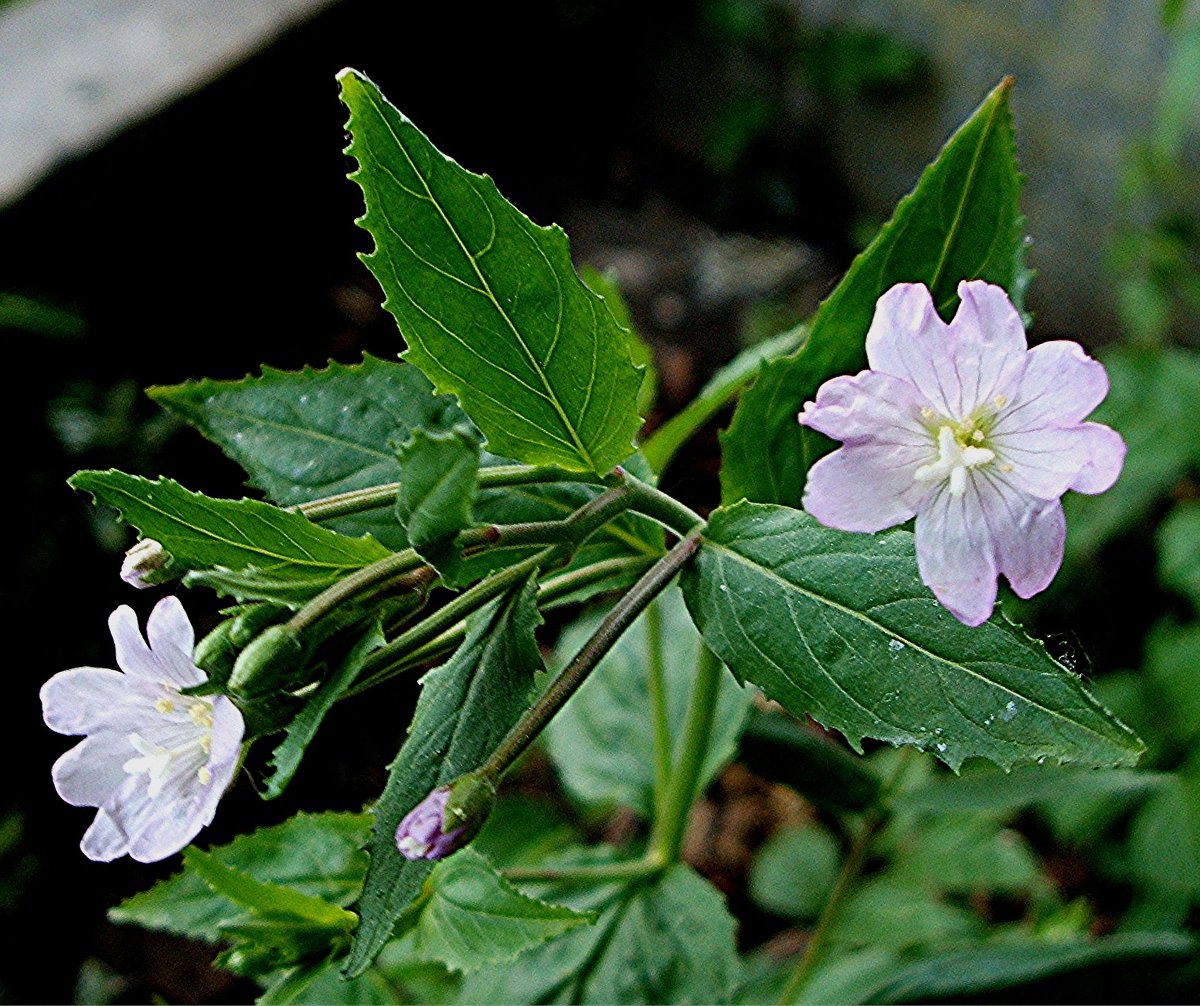
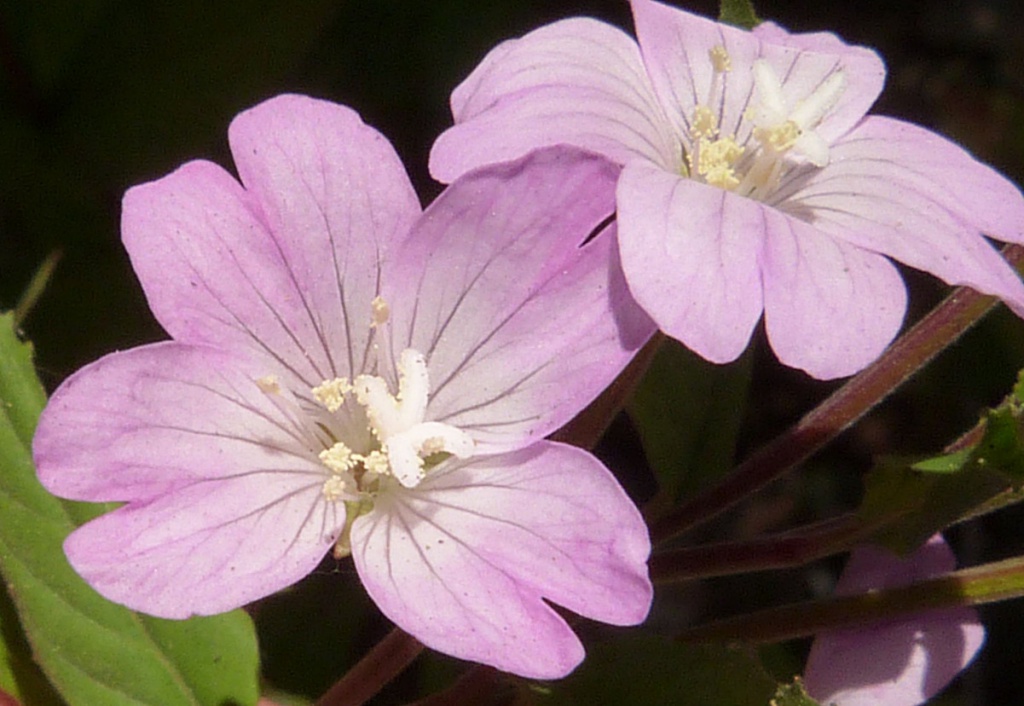
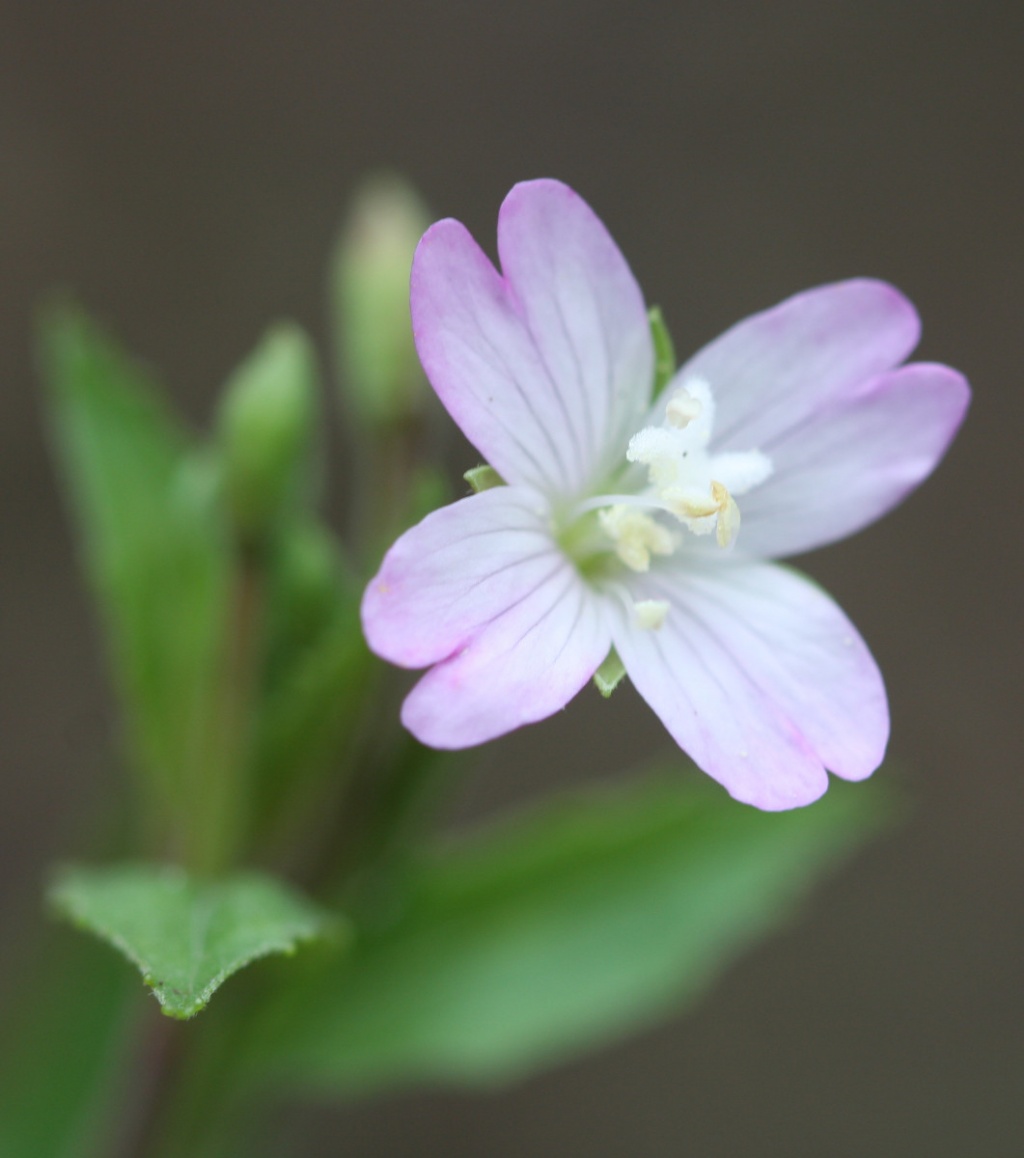
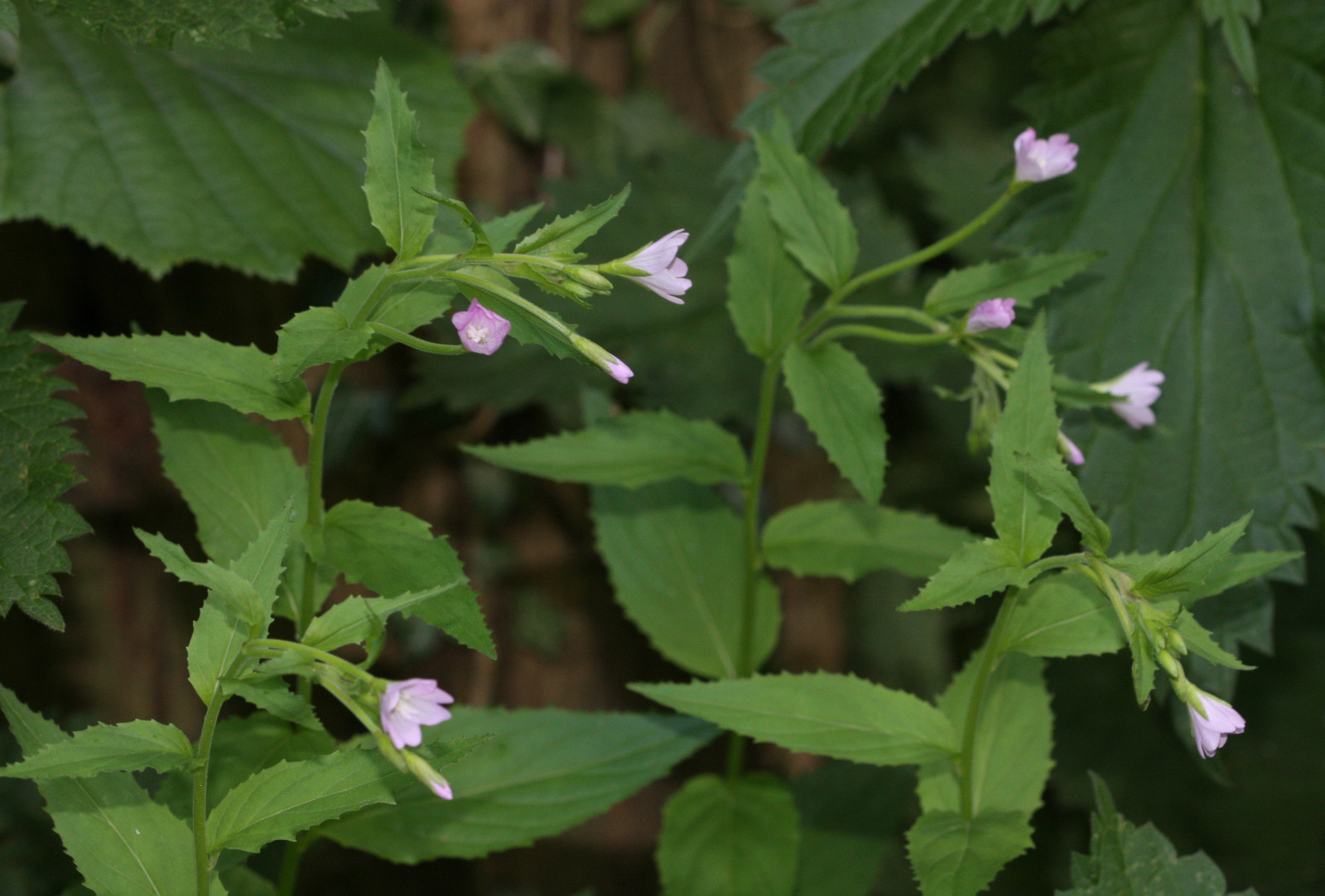
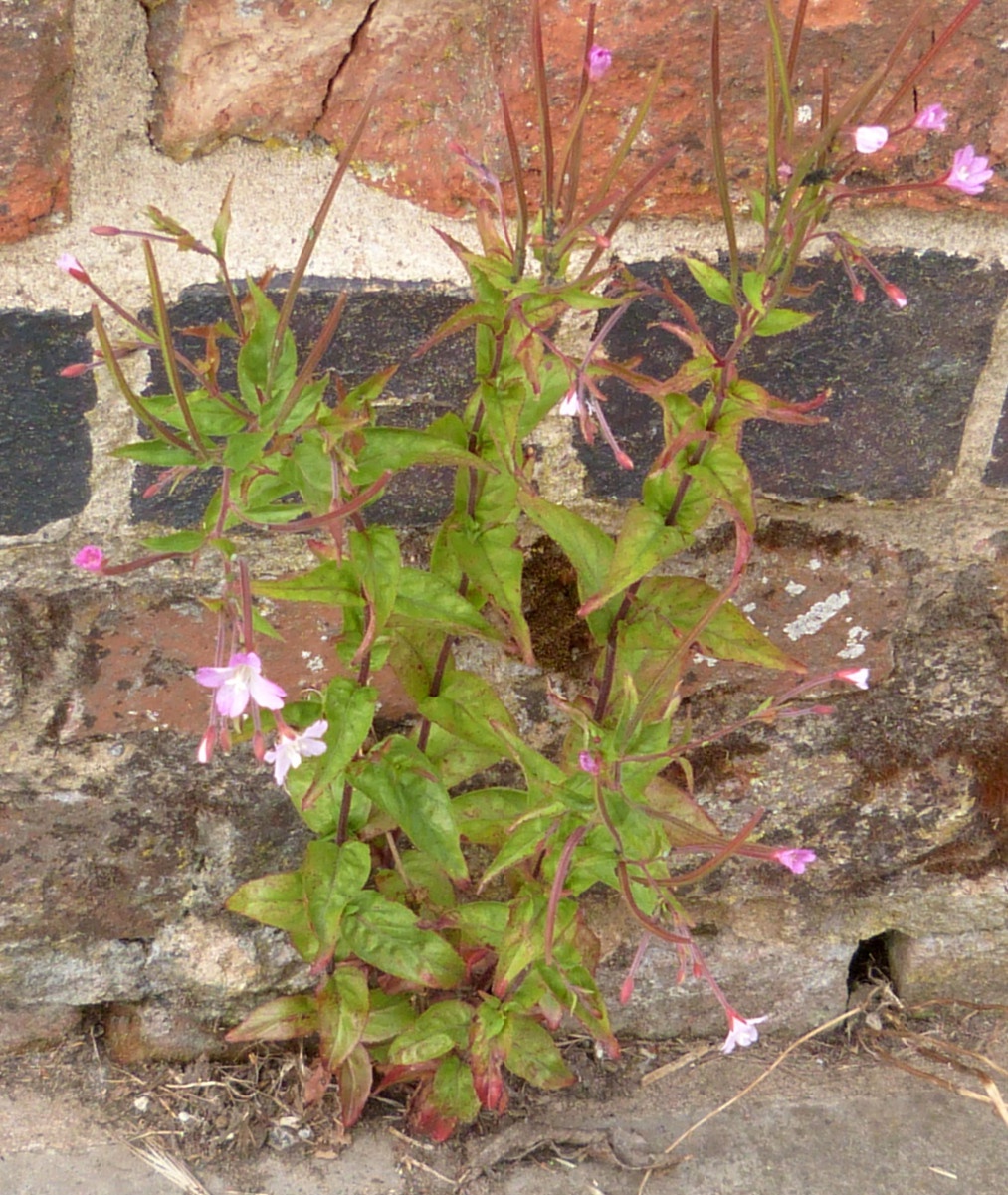
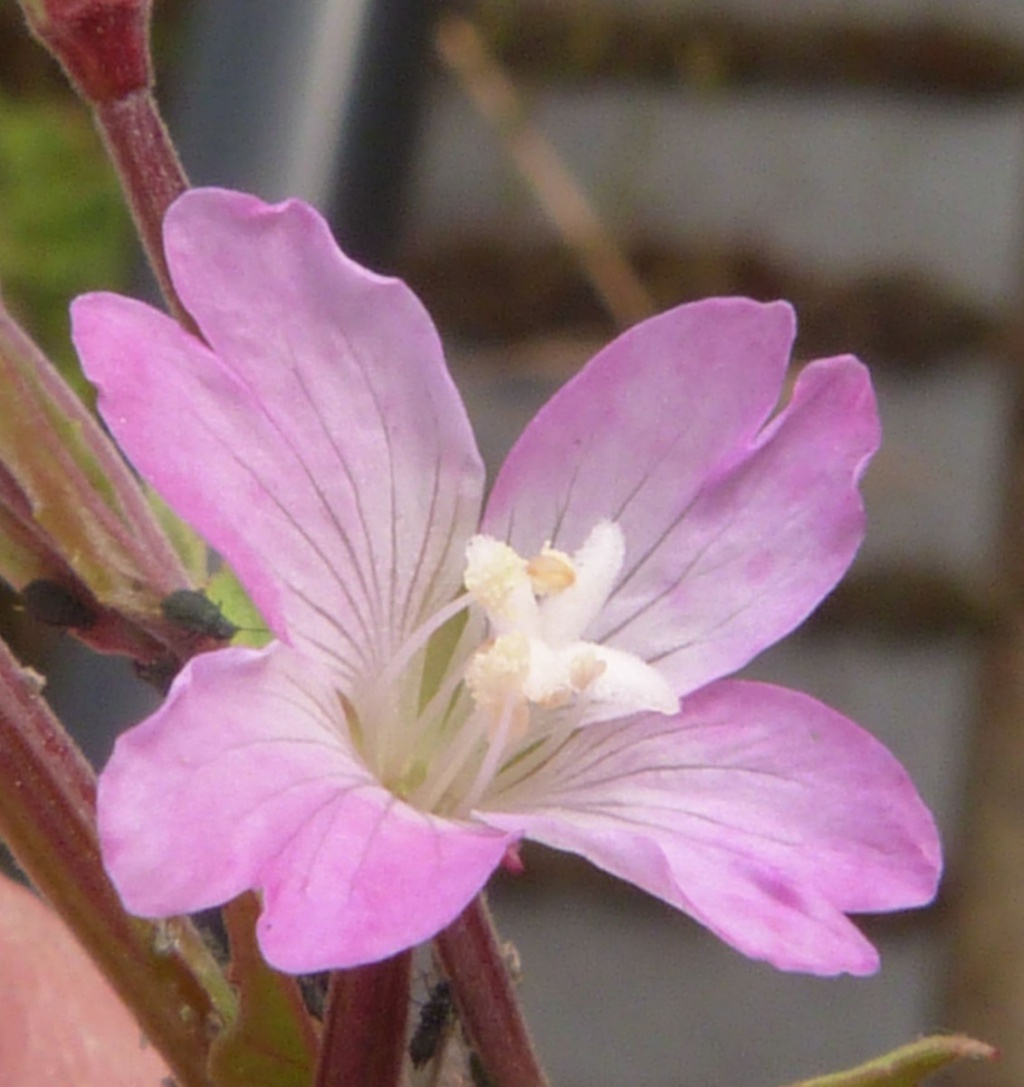
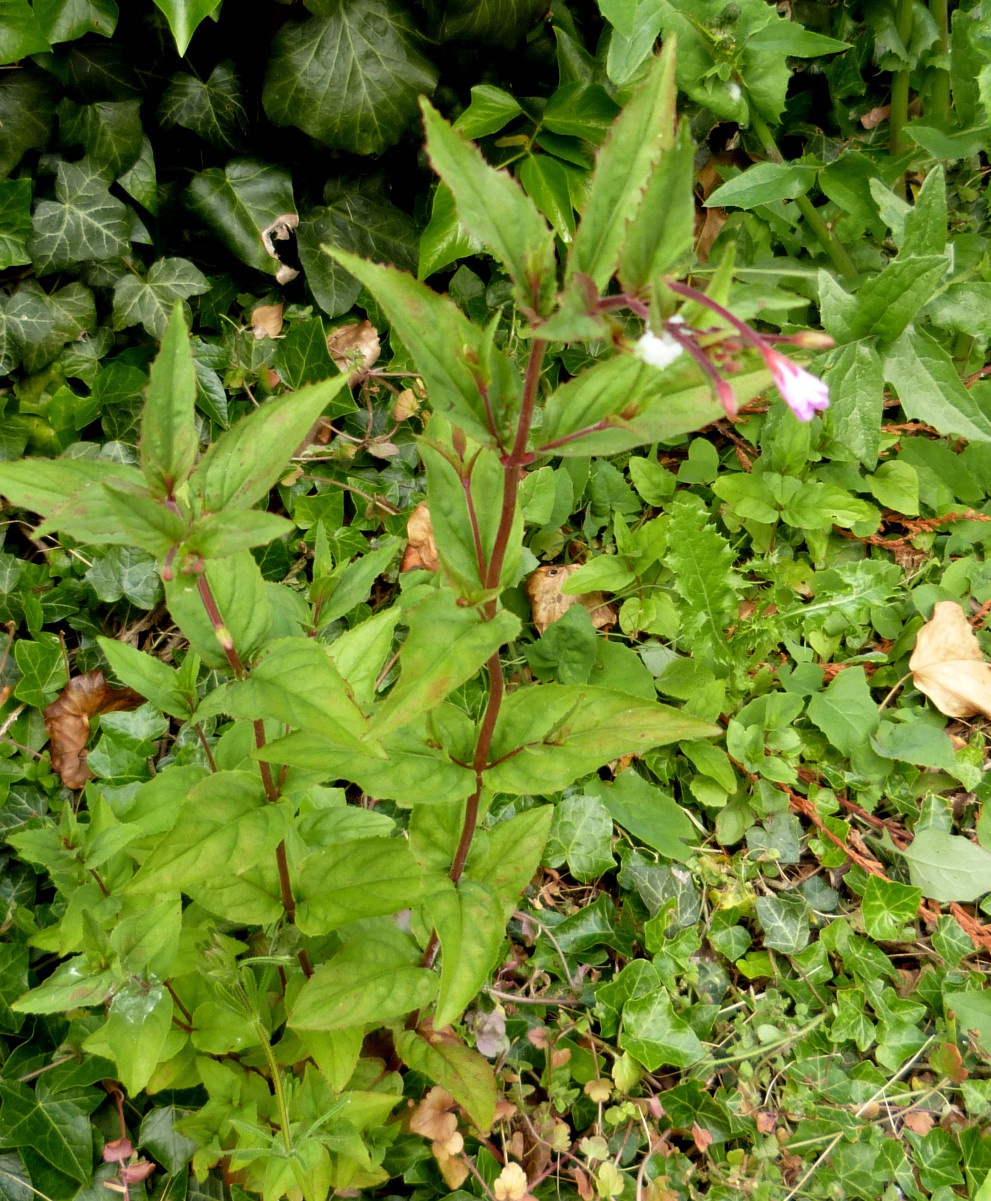
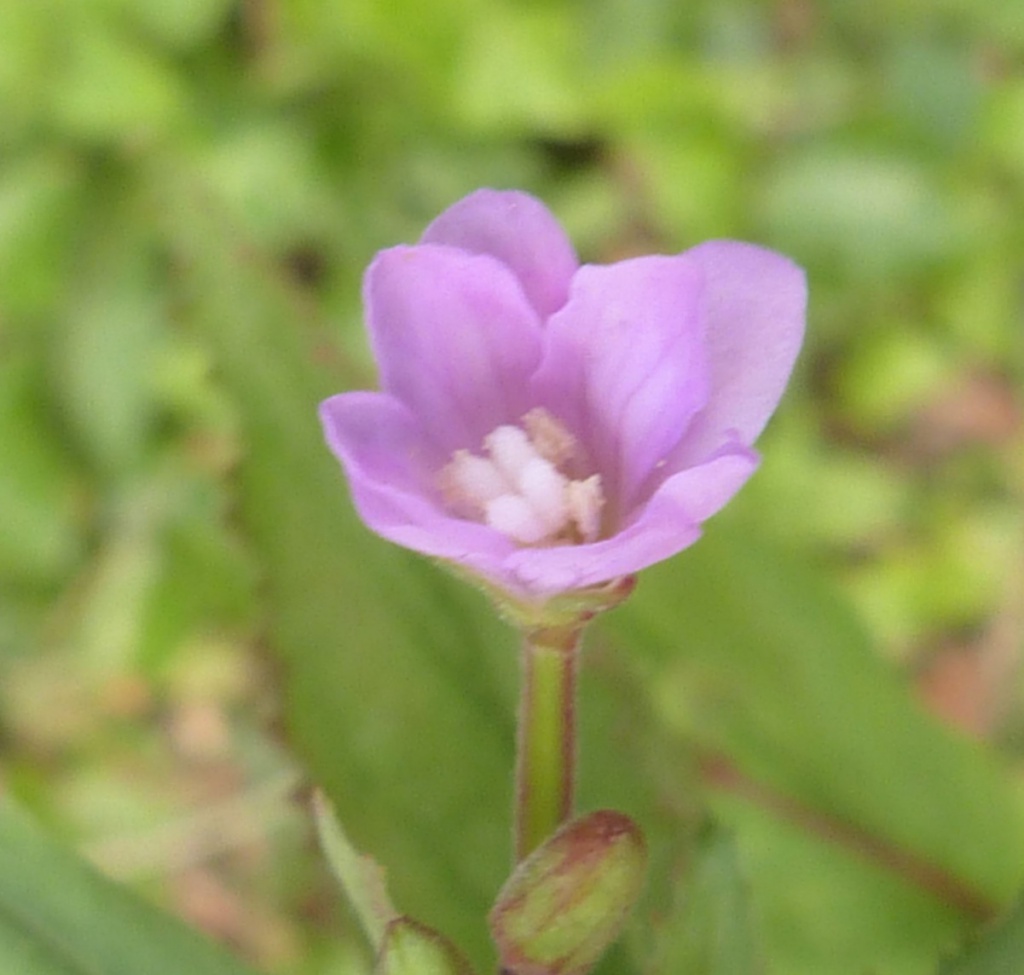
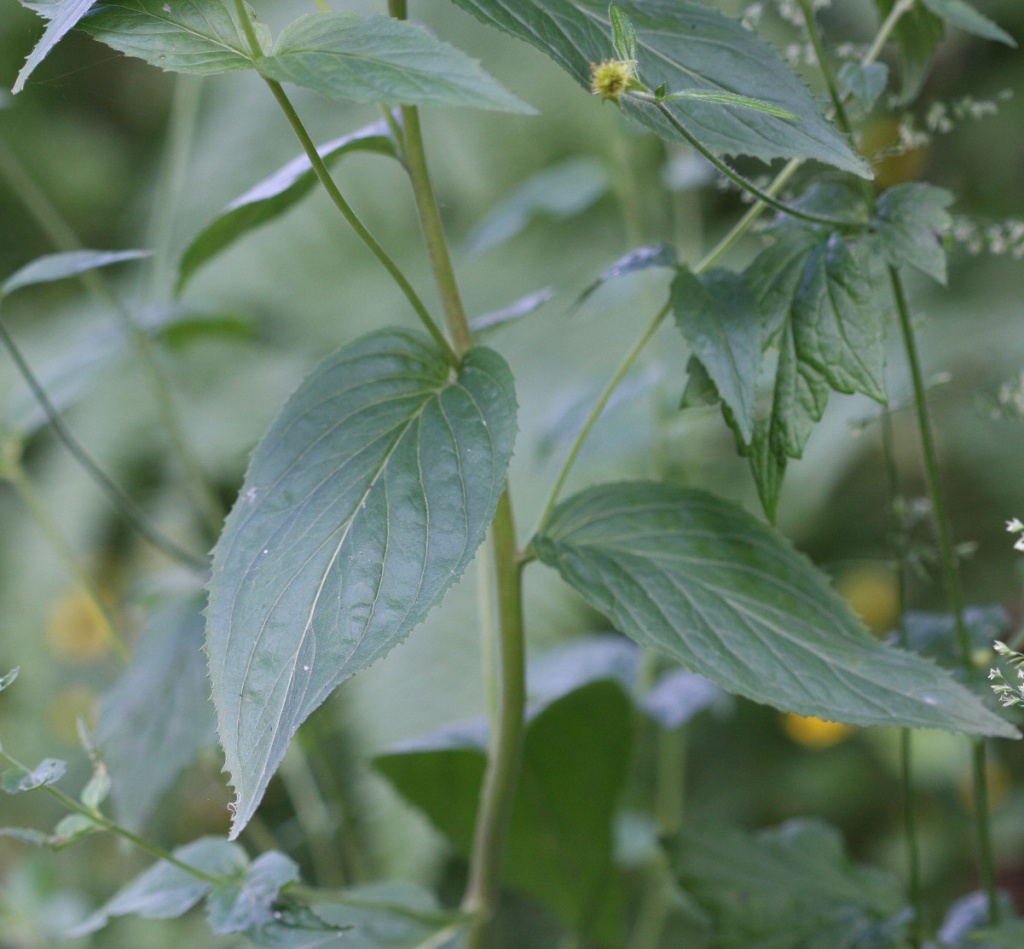
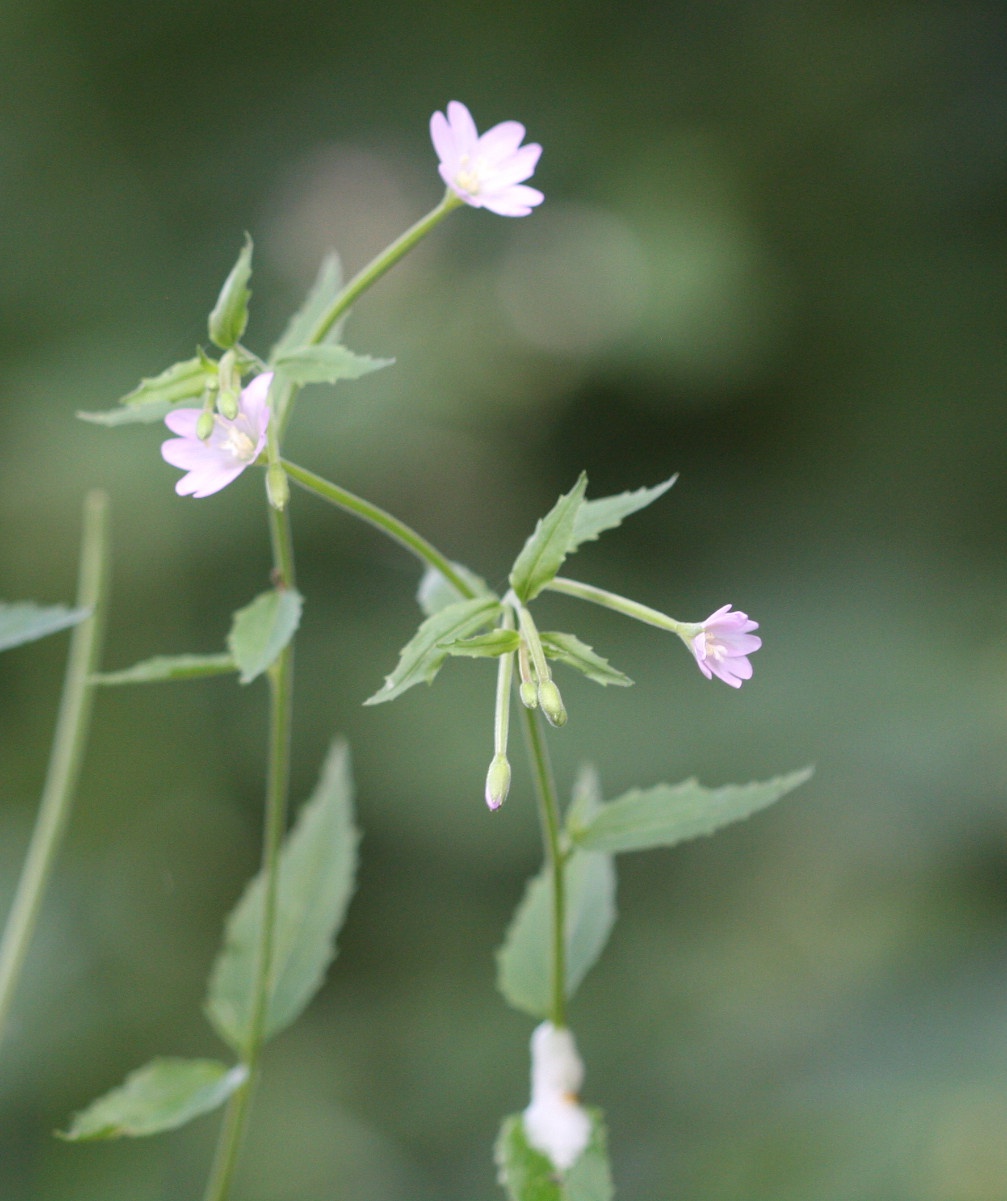
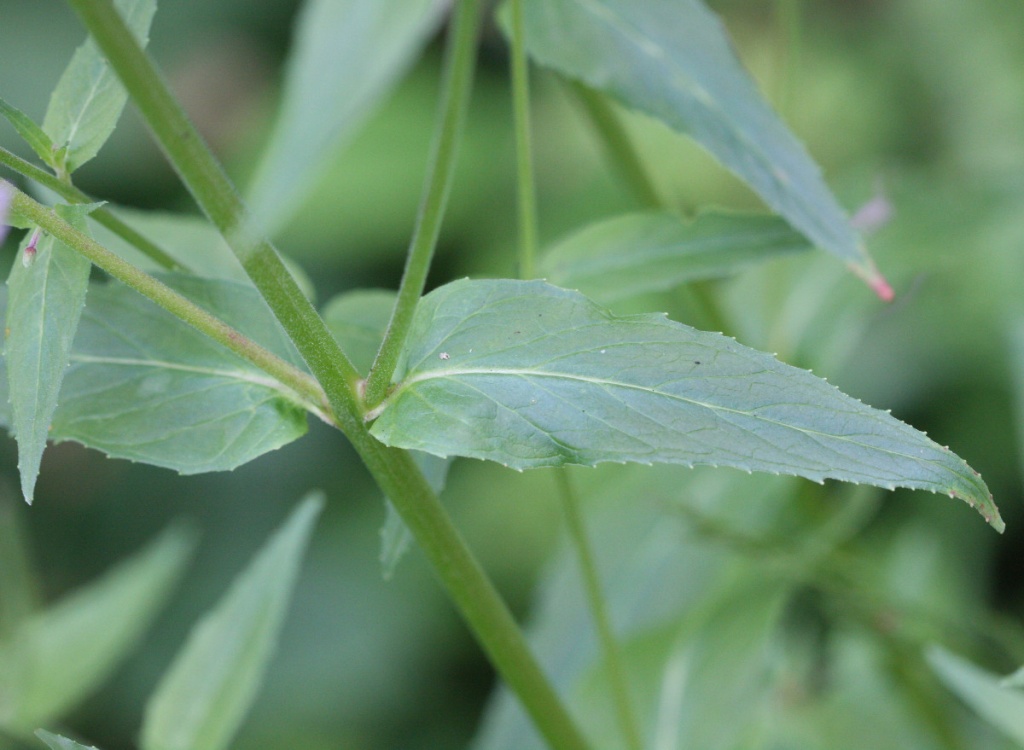
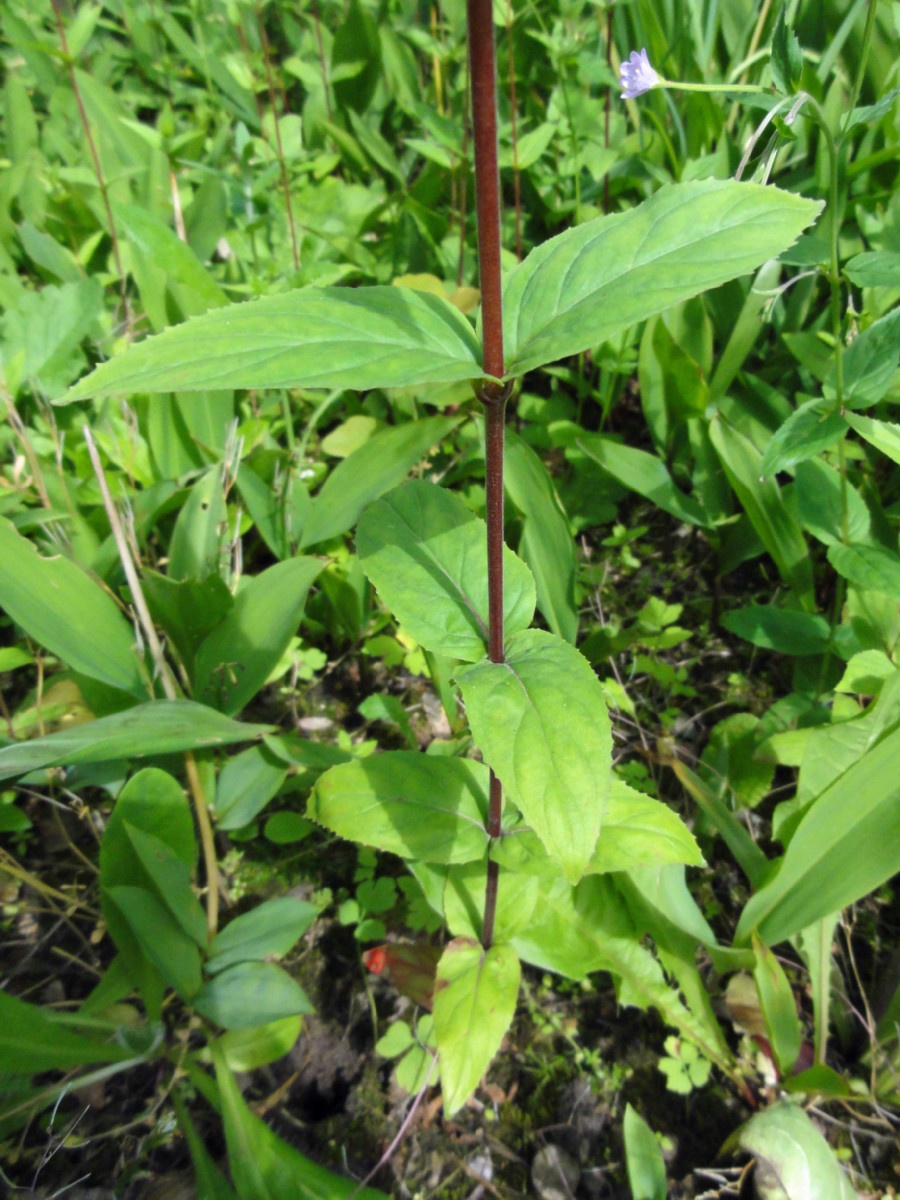
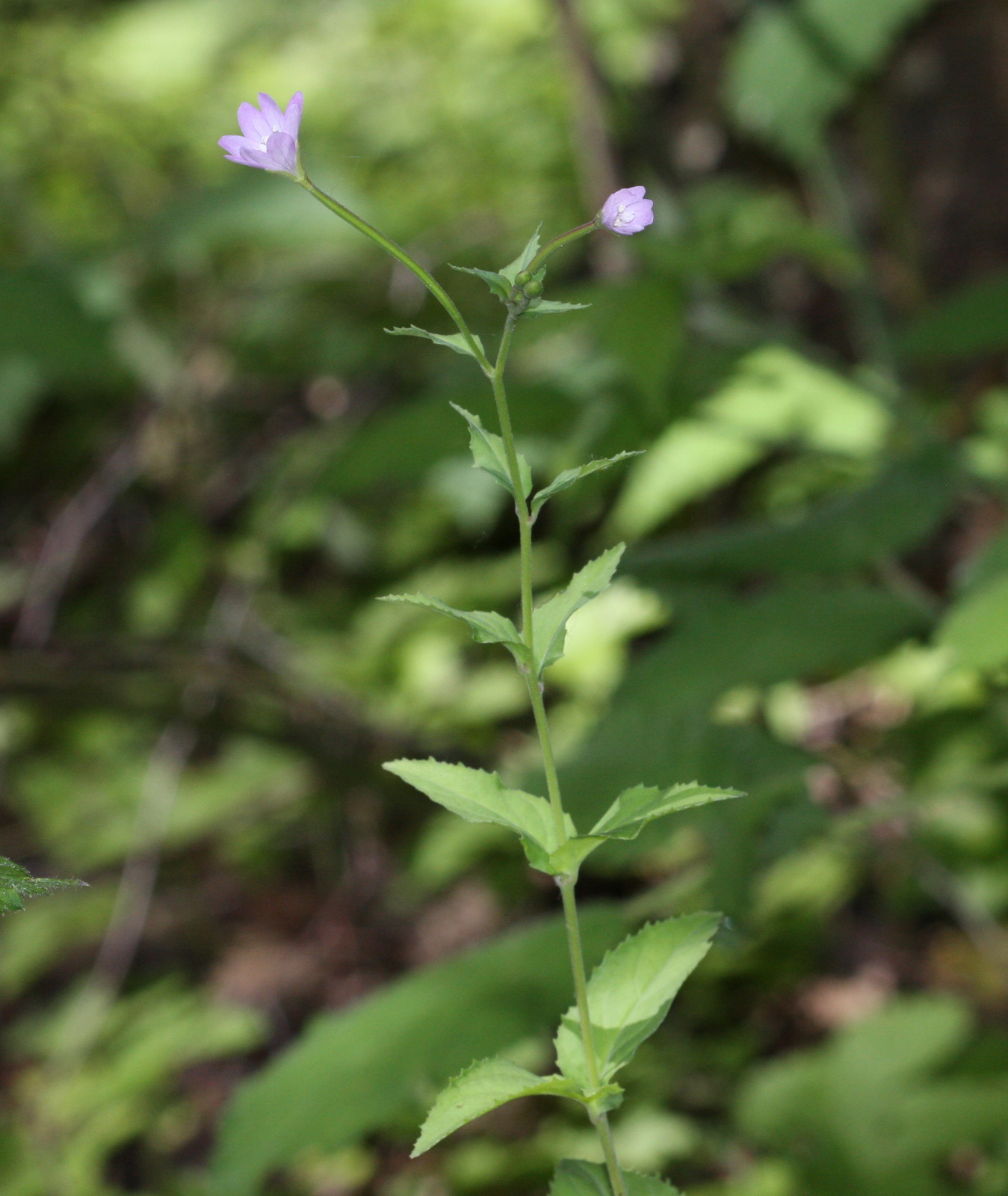
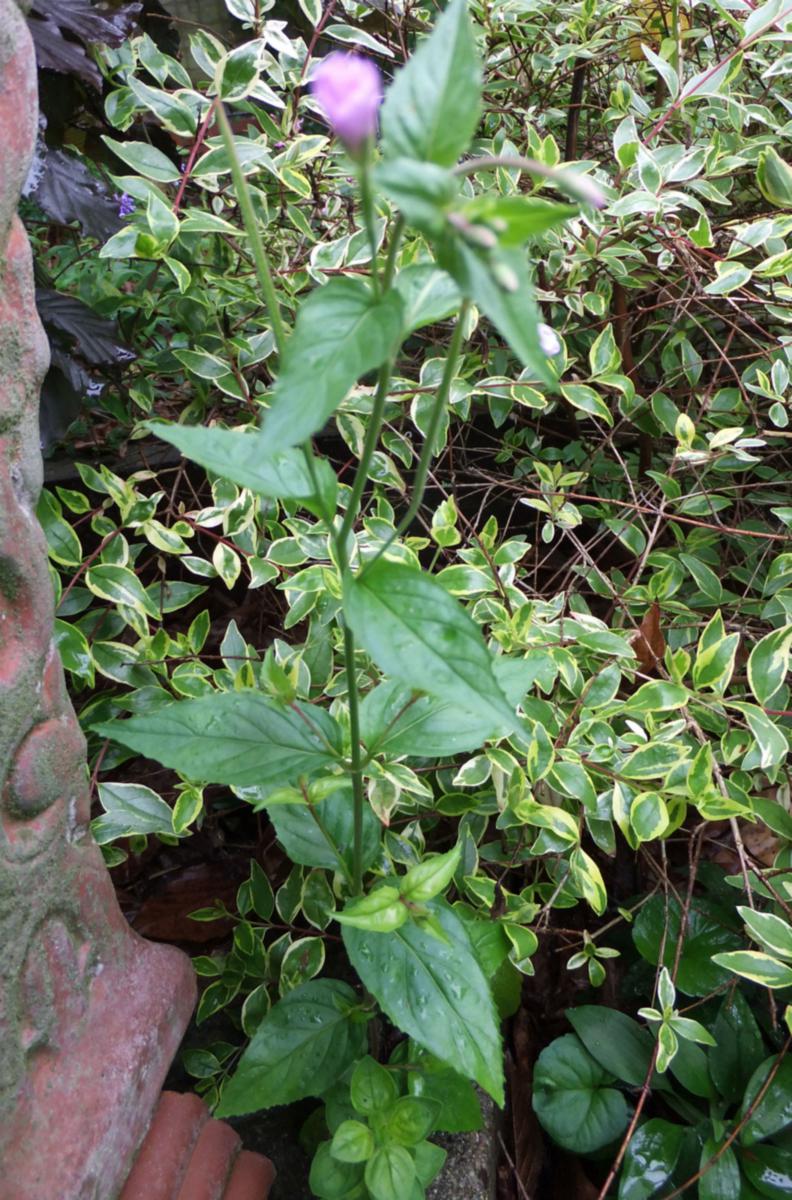
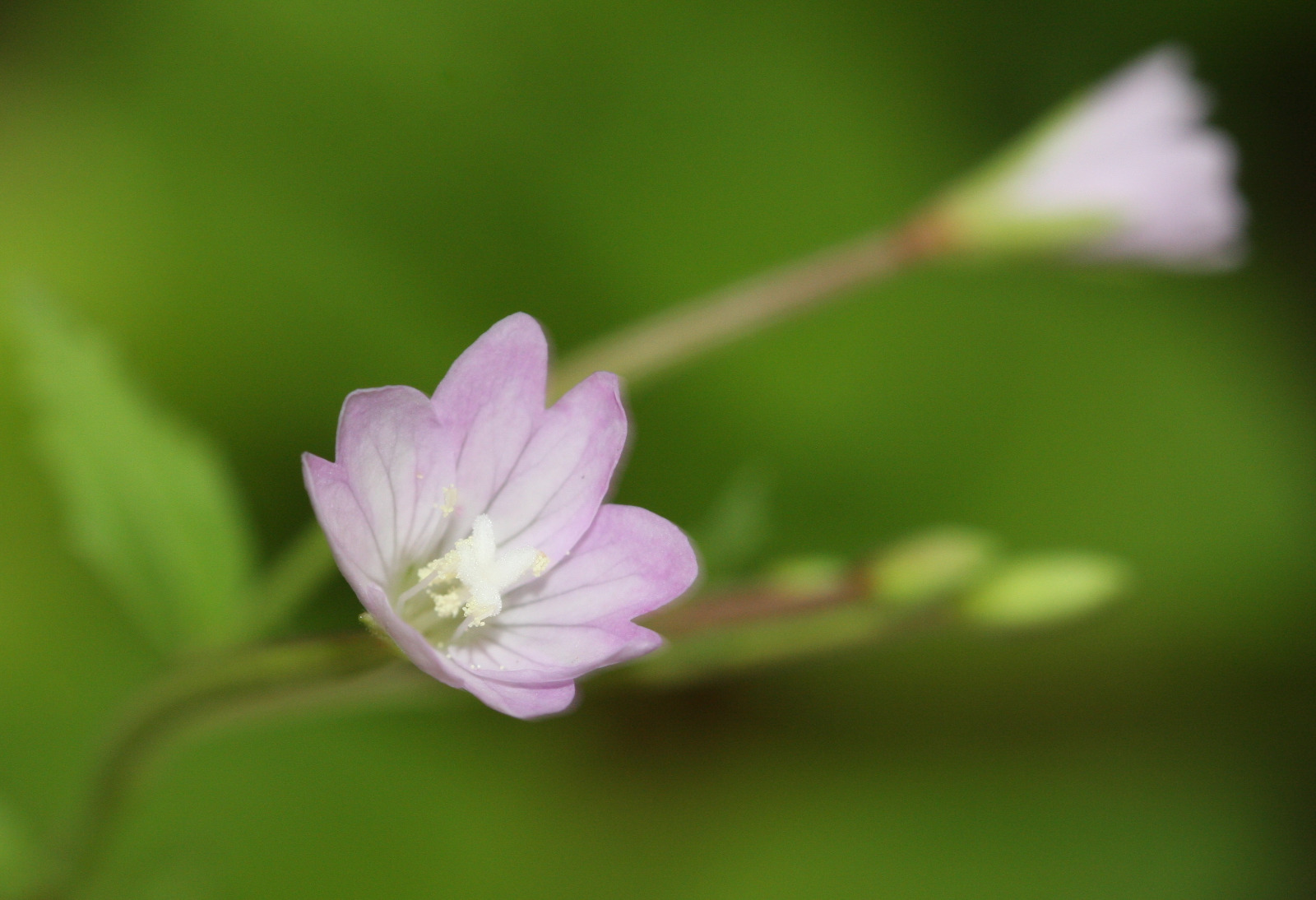
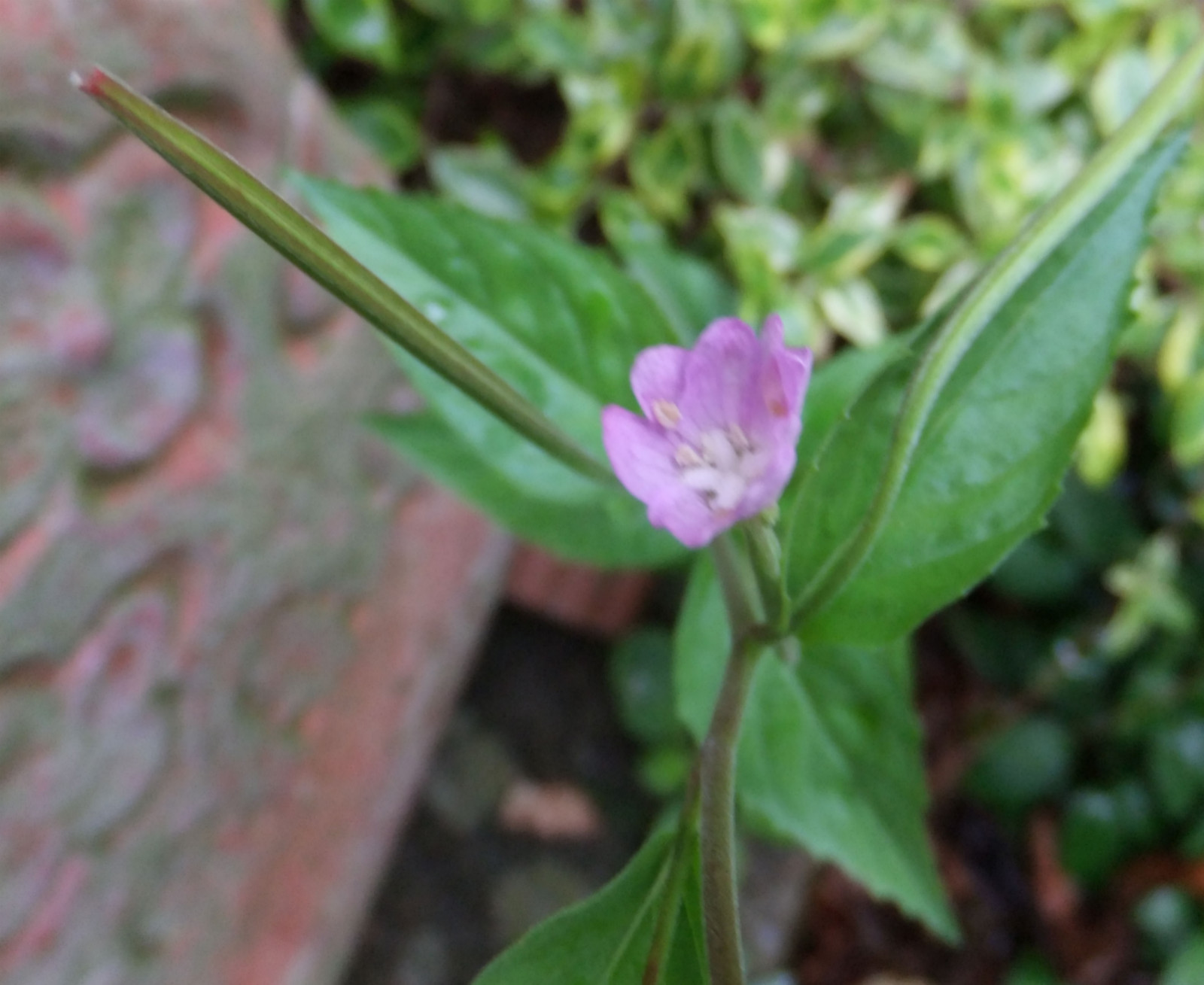
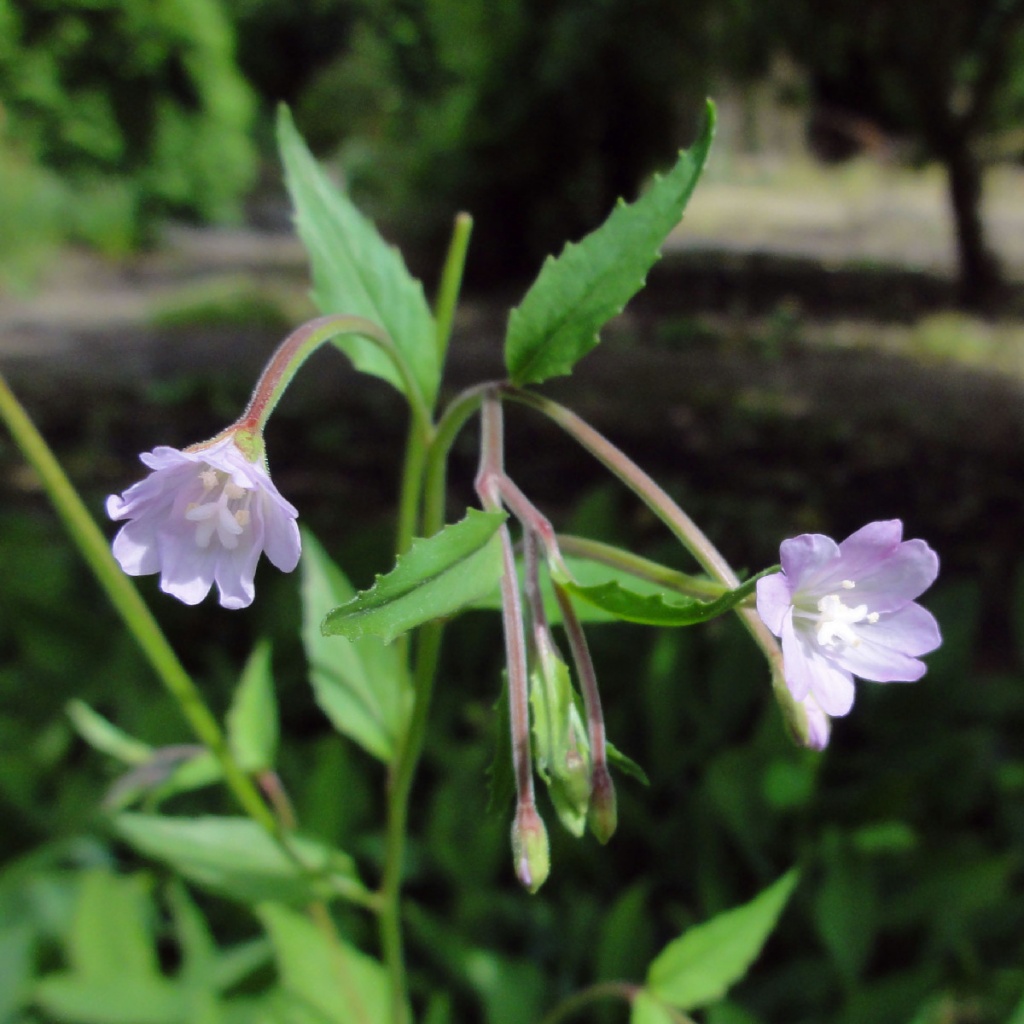
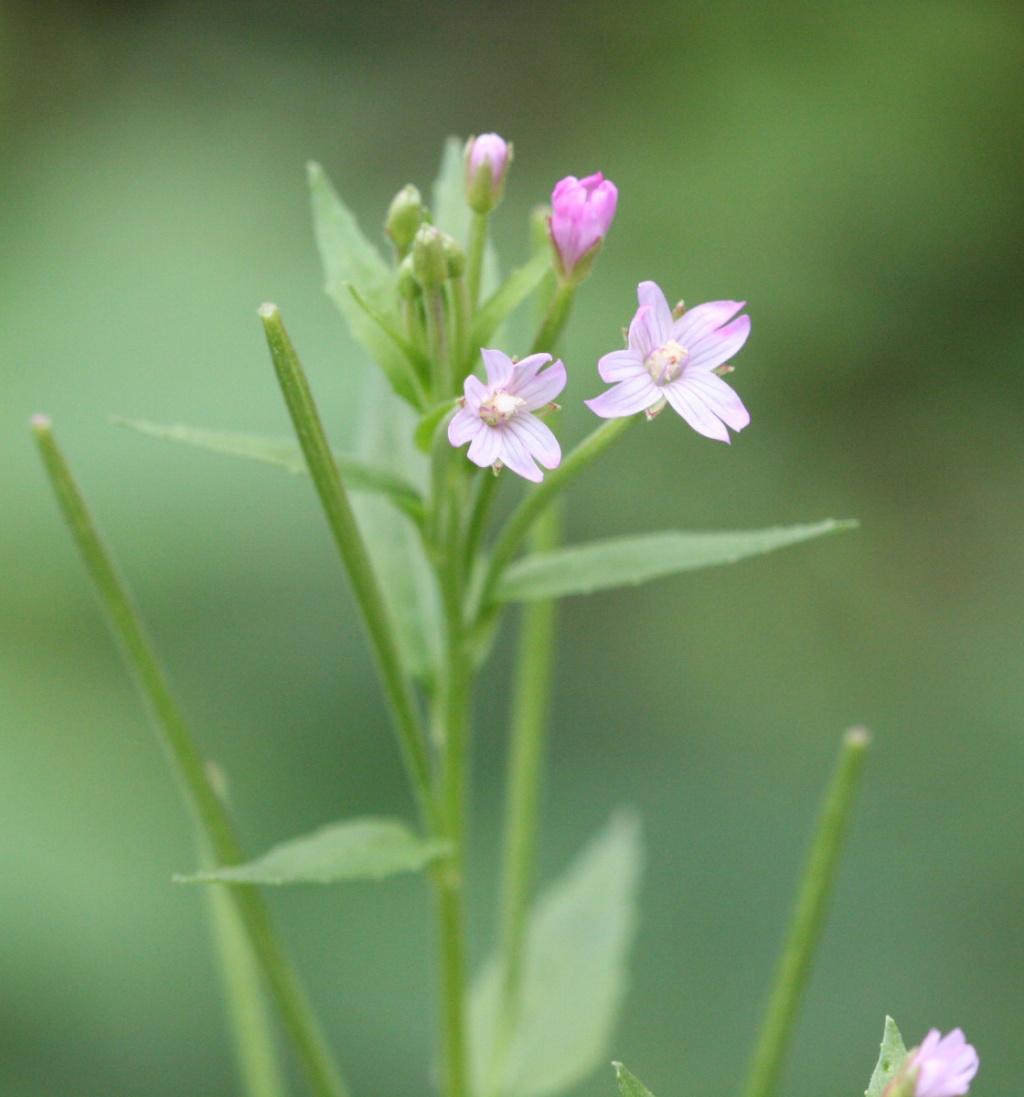
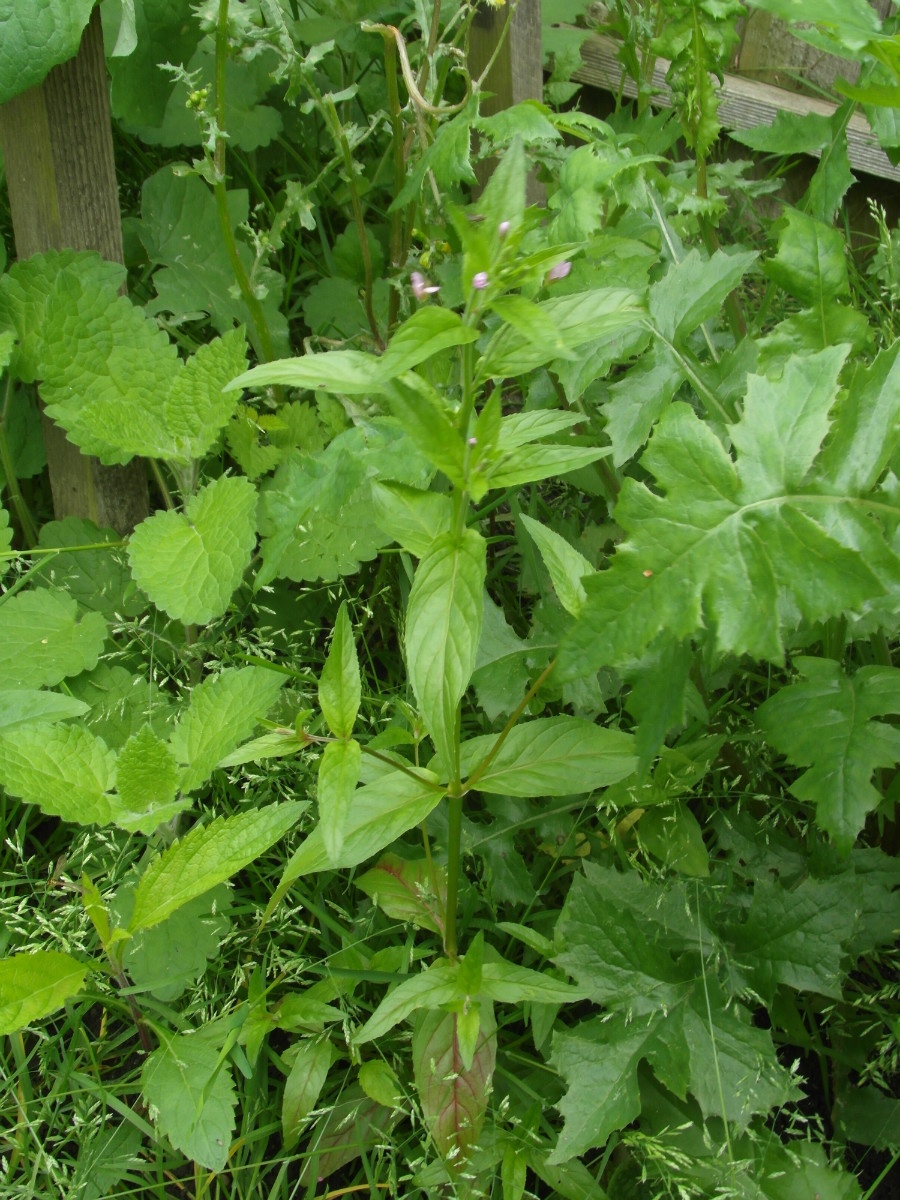
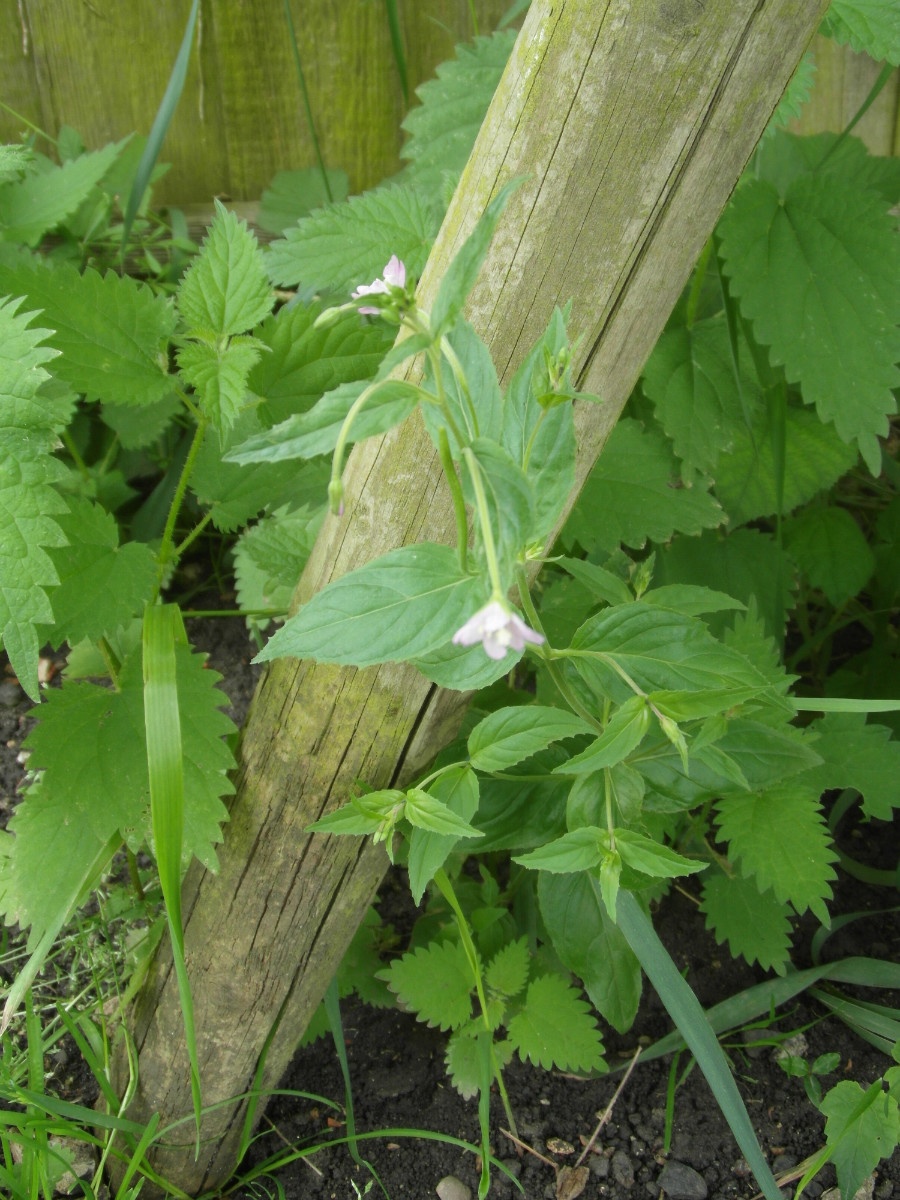
Short to medium plant with a rounded stem. Leaves all opposite, the upper alternate, oval, usually toothed, and very short stalked. Flowers purplish pink, 6 to 12 mm, in lax racemes, the petals notched. Stigma four lobed.
A species on the VC55 Rare Plant Register, E lanceolatum, also has 4-lobed stigma and is similar, but with narrow leaves gradually narrowing to the petiole. Epilobium commonly hybridise, and specimens that do not meet all the characteristic of E montanum may be hybrids.

Photos showing 4-lobed stigma and leaf-shape are needed
Waste places, pathways and cultivated ground.
May to August.
Perennial.
Common and widespread throughout Britain.
Common in Leicestershire and Rutland. In the 1979 Flora survey of Leicestershire it was found in 431 of the 617 tetrads.
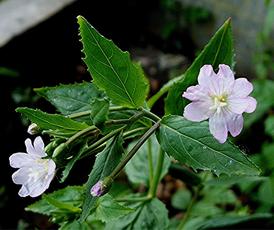 Graham Calow
Sapcote
06 June 2006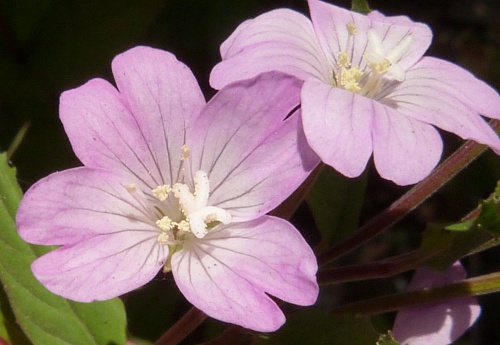 Graham Calow
Higham on the Hill
11 June 2015
four lobed stigma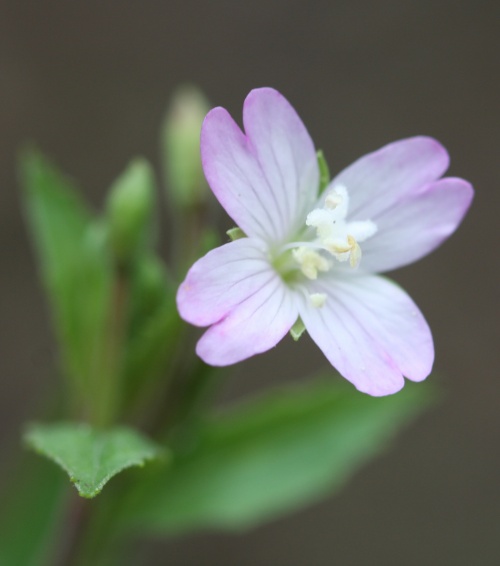 David Nicholls
Burroughs Road, Ratby
18 August 2012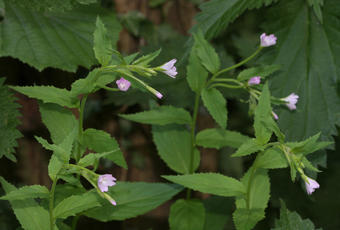 David Nicholls
New Lount
09 June 2011
Leicestershire & Rutland Map
Enter a town or village to see local records
MAP KEY:
Yellow squares = NBN records (all known data)
Coloured squares = NatureSpot records: 2025+ | 2020-2024 | pre-2020
UK Map
Additional images
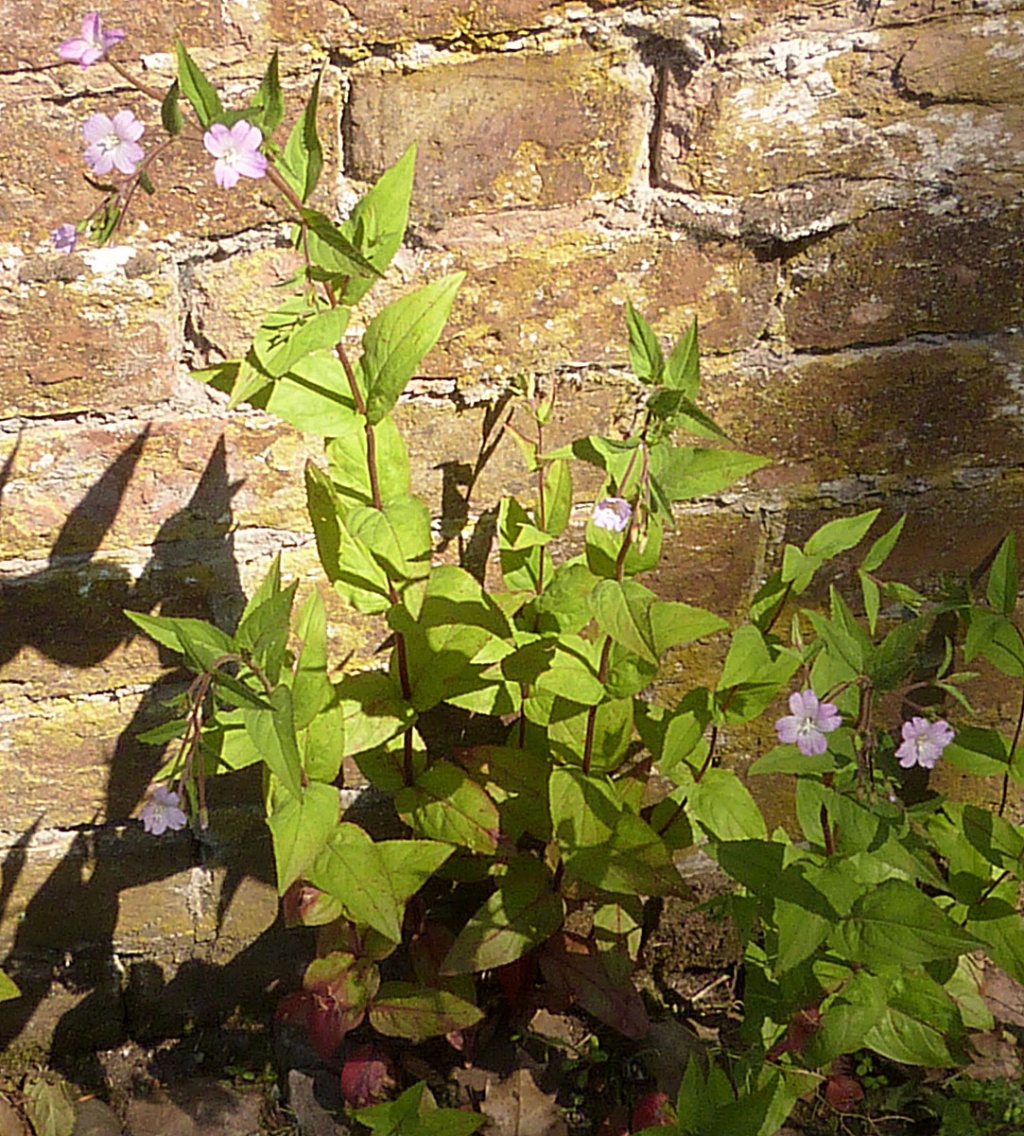
 All Saints Church Yard Sapcote SP 4882 9320 (taken 6.6.2006)...JPG)
All NatureSpot records
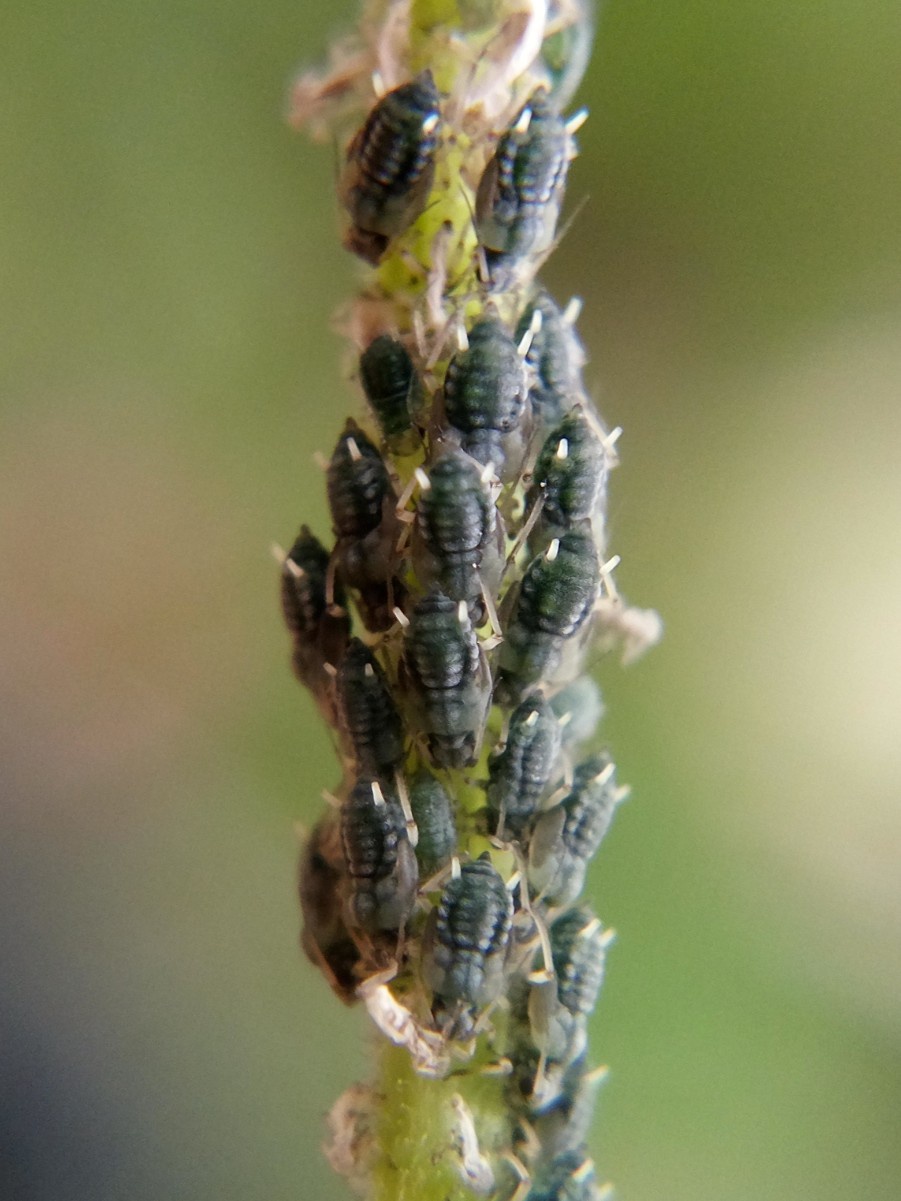
Aphis epilobii
The aphid Aphis epilobii feeds on Broad-leaved Willowherb or more rarely other Willowherb species. Adult apterae of Aphis epilobii are dark blackish-green to reddish-brown, but often appear dark-grey to pinkish-brown because of a rather uniform powdering of wax. The alate has marginal postsiphuncular and small marginal sclerites, but no dorsal cross bands in front of the siphunculi.
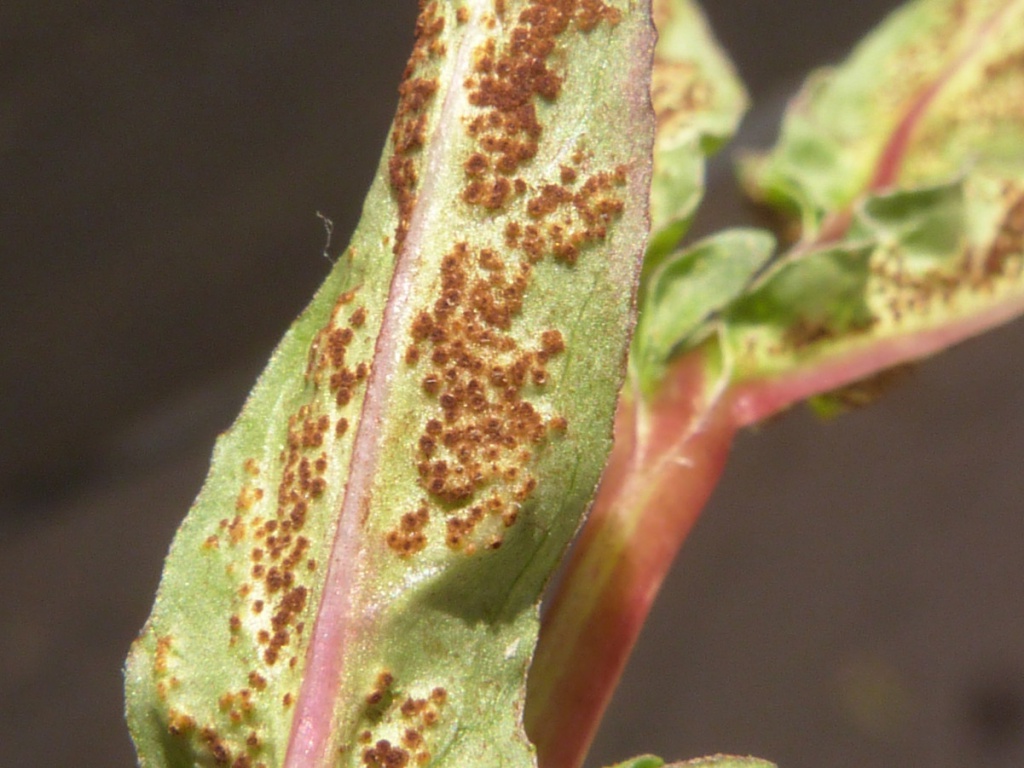
Willowherb Rust
The rust causes galls on the leaves of Willowherbs (Epilobium species) and the whole plant appears paler than usual, with curled leaves. There is no host alternation. Raised yellowish blotches bear orange aecia, usually on underside of leaf; brown uredinia and telia are present later.