Little Clusterfly
Little Clusterfly - Pollenia griseotomentosa
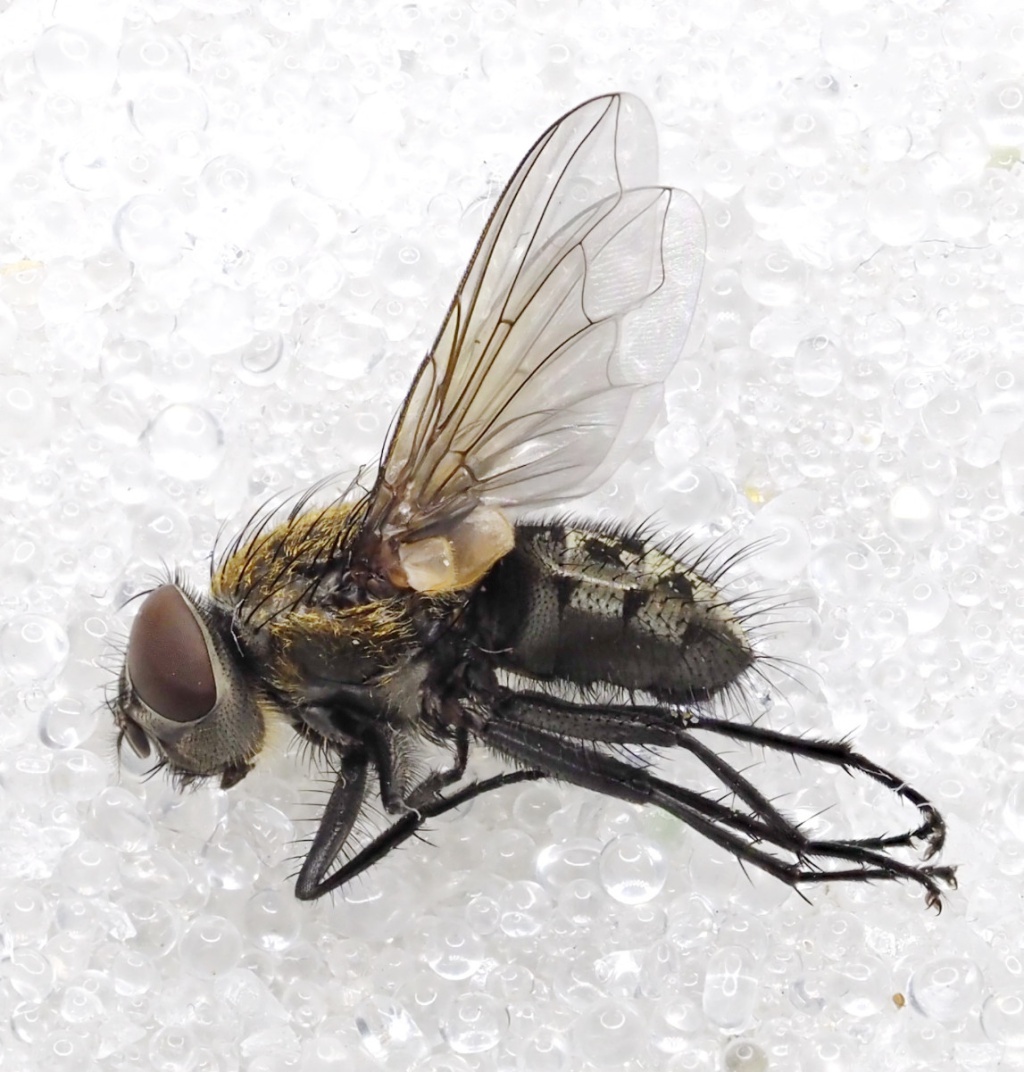
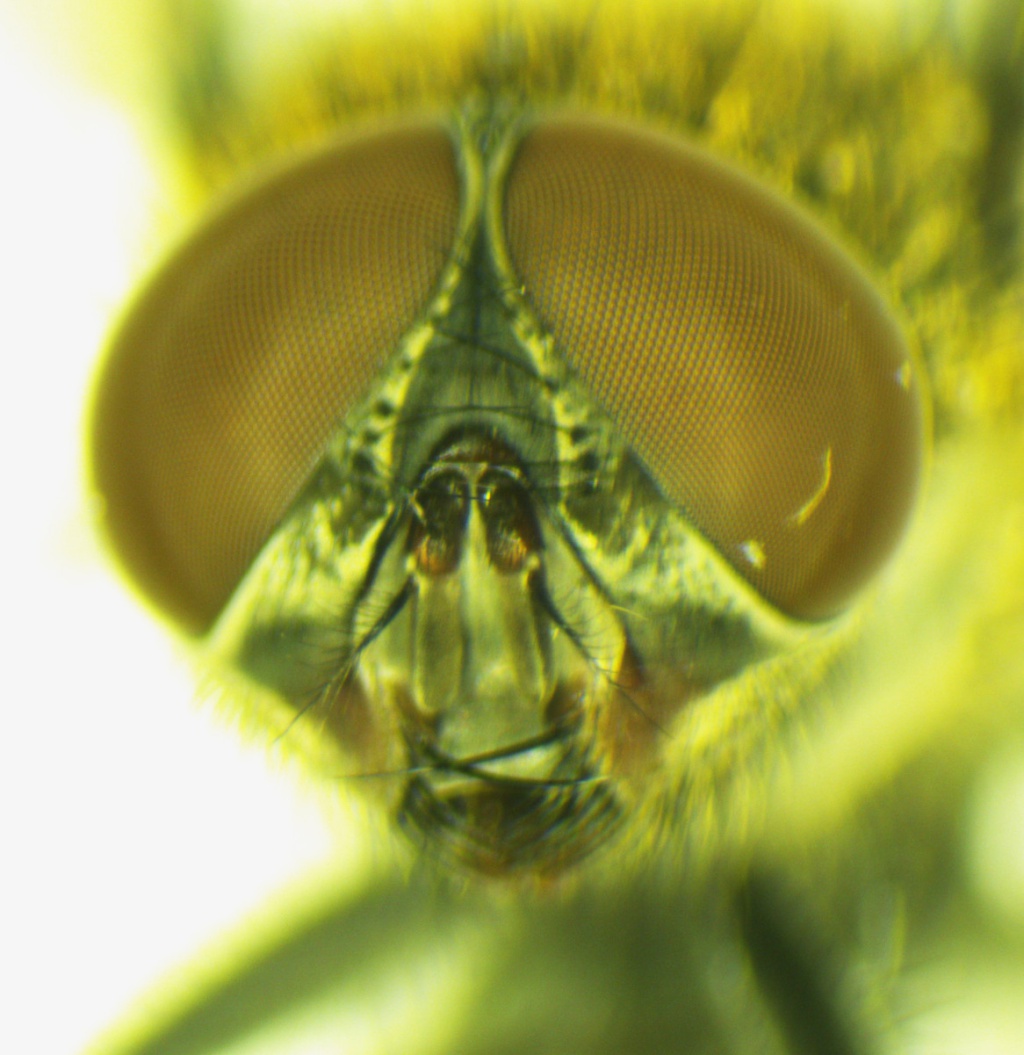
Pollenia griseotomentosa averages as our smallest clusterfly and has proportionately short legs, with the front tarsi only about the length of the front tibiae. The tergites are less conspicuously tessellated than most clusterflies, with a conspicuous dark median stripe evident from some angles. Males have a noticeably large and globose head, with the eyes only narrowly separated.
There are 8 Pollenia species recorded in Britain, most of which can't be identified without microscopic examination to key out complex features.

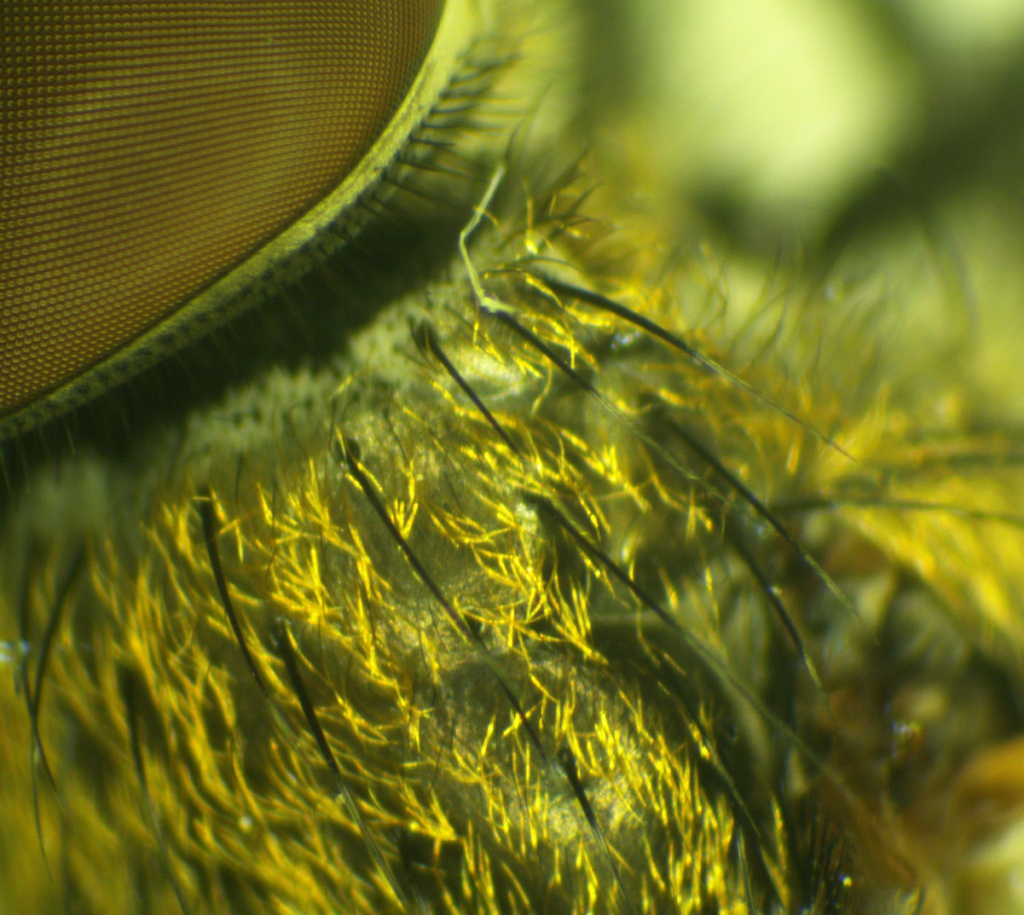
- no pale hairs on the underside of the wing (at the base of the humeral crossvein)
- yellow rear spiracle
- the ridge between the antennae is absent or highly reduced
- no posthumeral bristle on the sides of the thorax behind the humeri (resulting in three rather than four bristles here)
- the mid tibia has a single anterodorsal bristle (as in P. angustigena)
- the scutellum usually has three pairs of strong marginal bristles (four pairs are present in other Pollenia species)
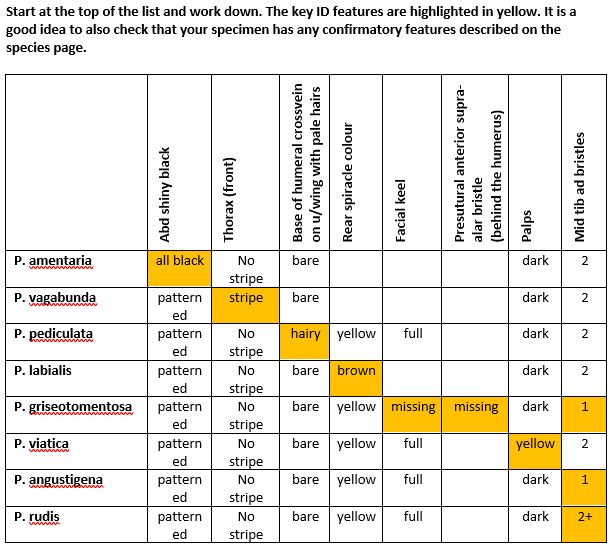
Unless identified by a recognised expert, a photo is required and the specimen should be examined with a microscope. In the comments box, state the key or ID method used and describe the size and identifying characters.
This species is usually found in and around wetlands and wet woods.
Peak time is late spring to late summer.
The larvae are presumed to attack worms, as in other Pollenia species.
This a widespread though rather localised species in Britain.
Status in Leicestershire and Rutland not known.
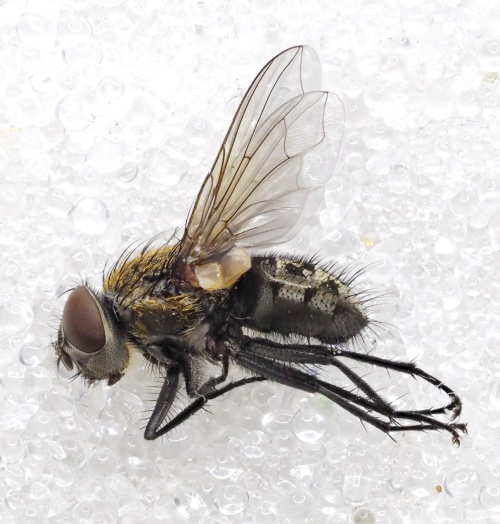 David Nicholls
Rutland Water, Egleton
14 October 2023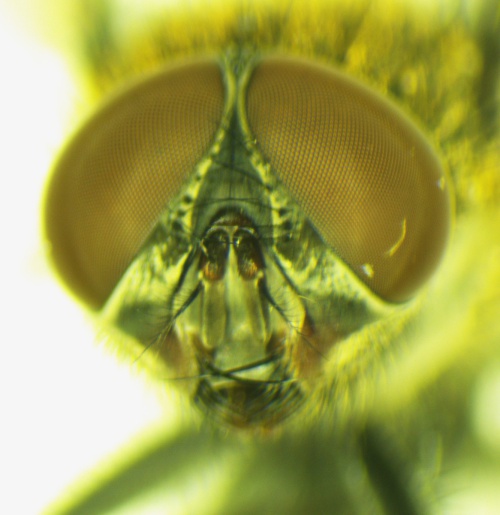 David Nicholls
Rutland Water, Egleton
14 October 2023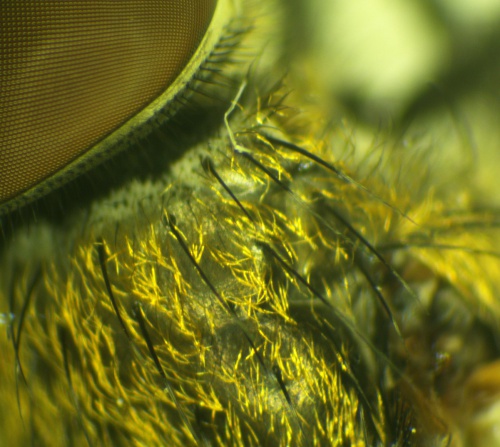 David Nicholls
Rutland Water, Egleton
14 October 2023
Leicestershire & Rutland Map
Enter a town or village to see local records
MAP KEY:
Yellow squares = NBN records (all known data)
Coloured squares = NatureSpot records: 2025+ | 2020-2024 | pre-2020
UK Map
Additional images
No additional images available for this species.