Alexanders
Alexanders - Smyrnium olusatrum
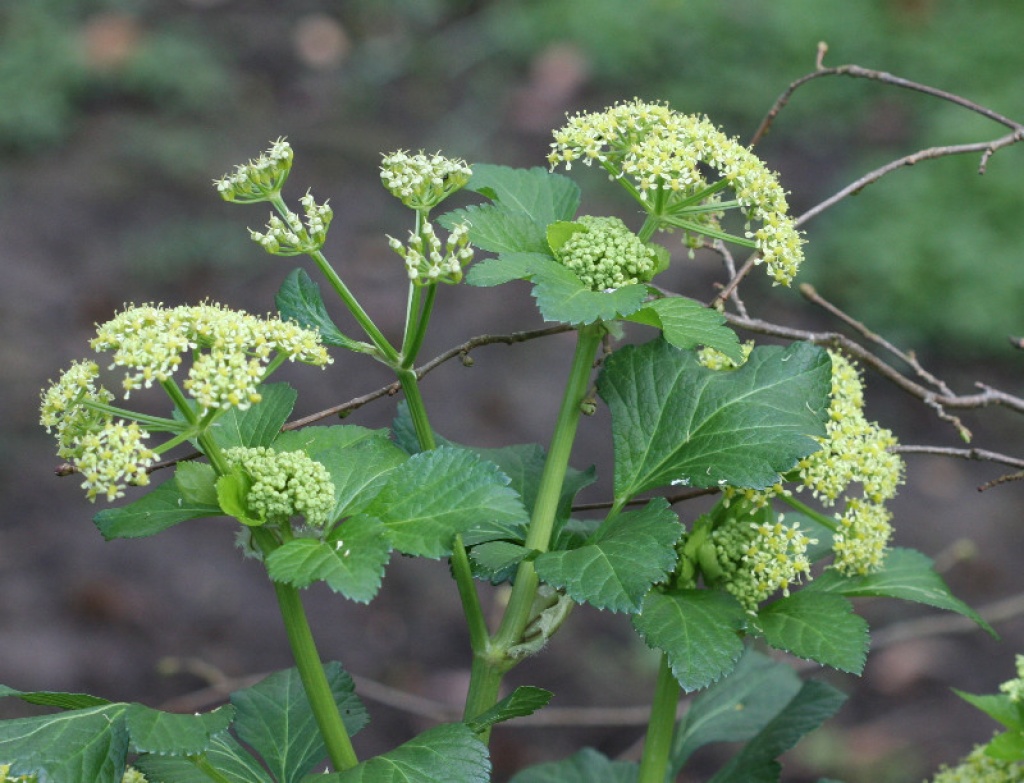
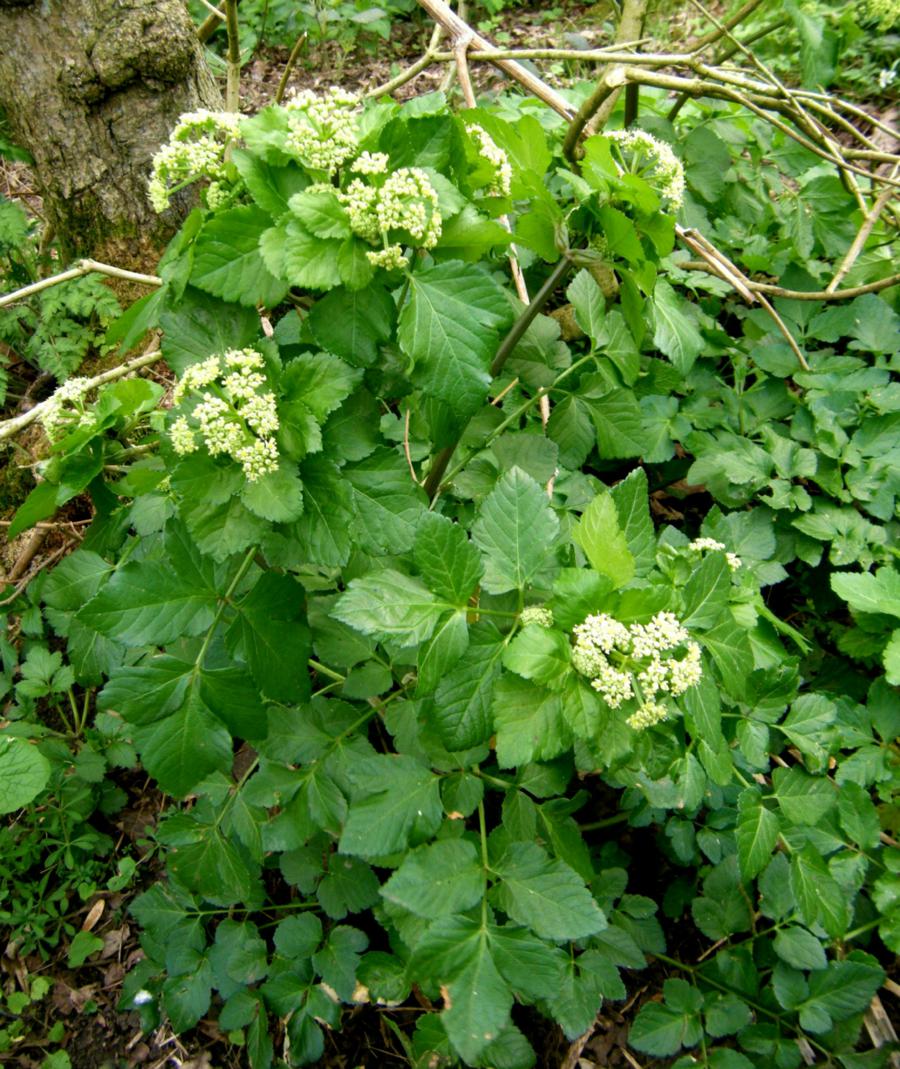
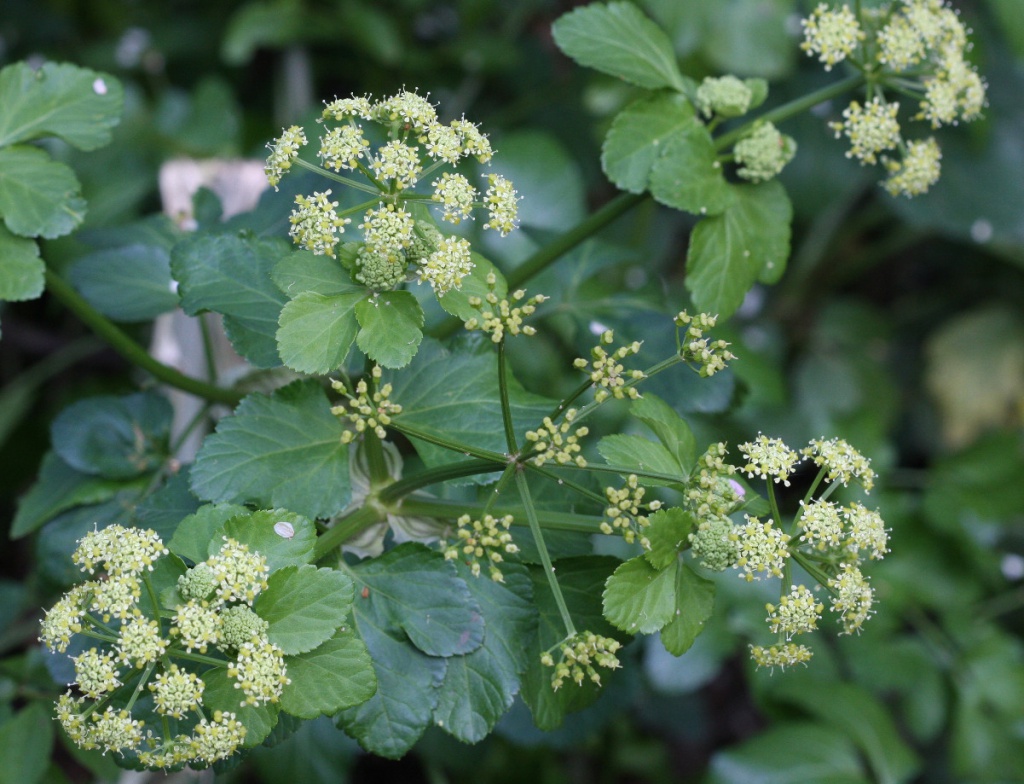
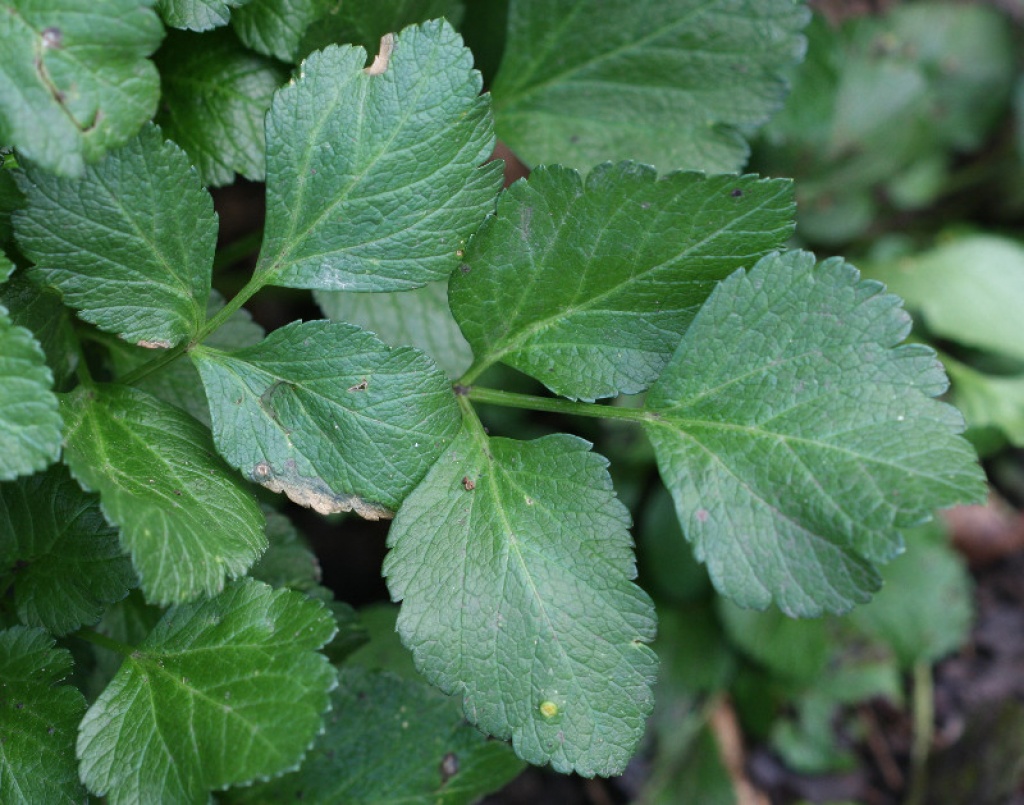
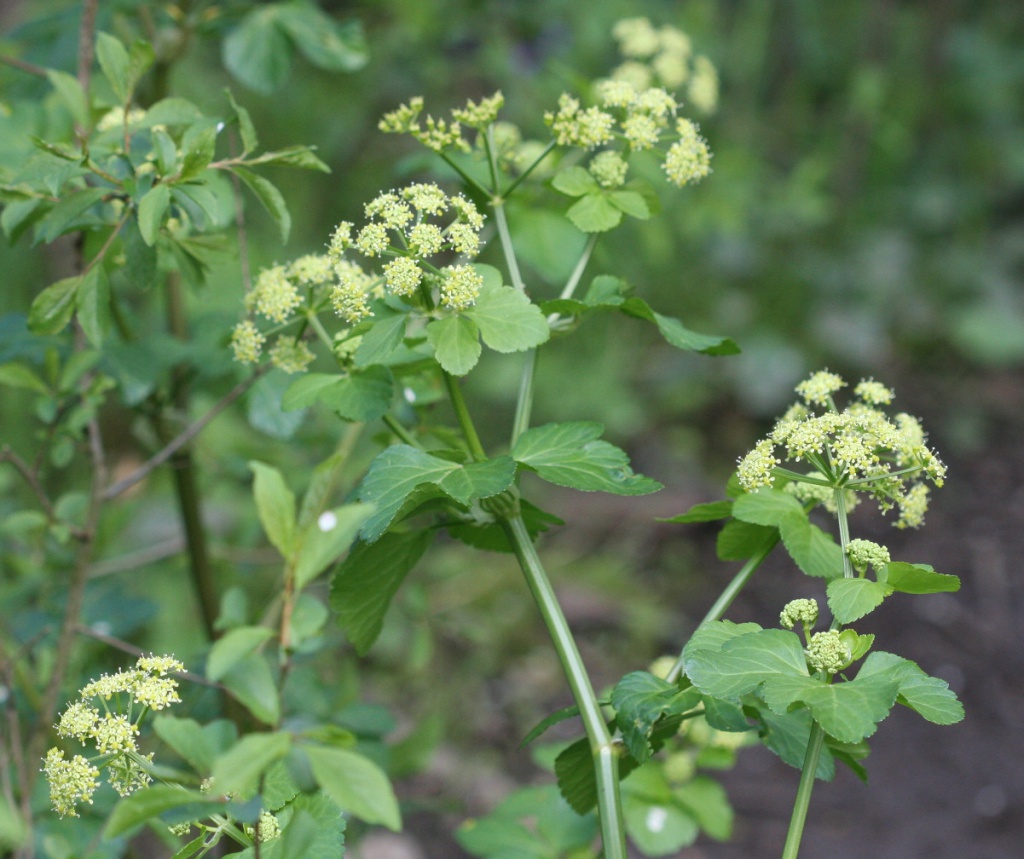
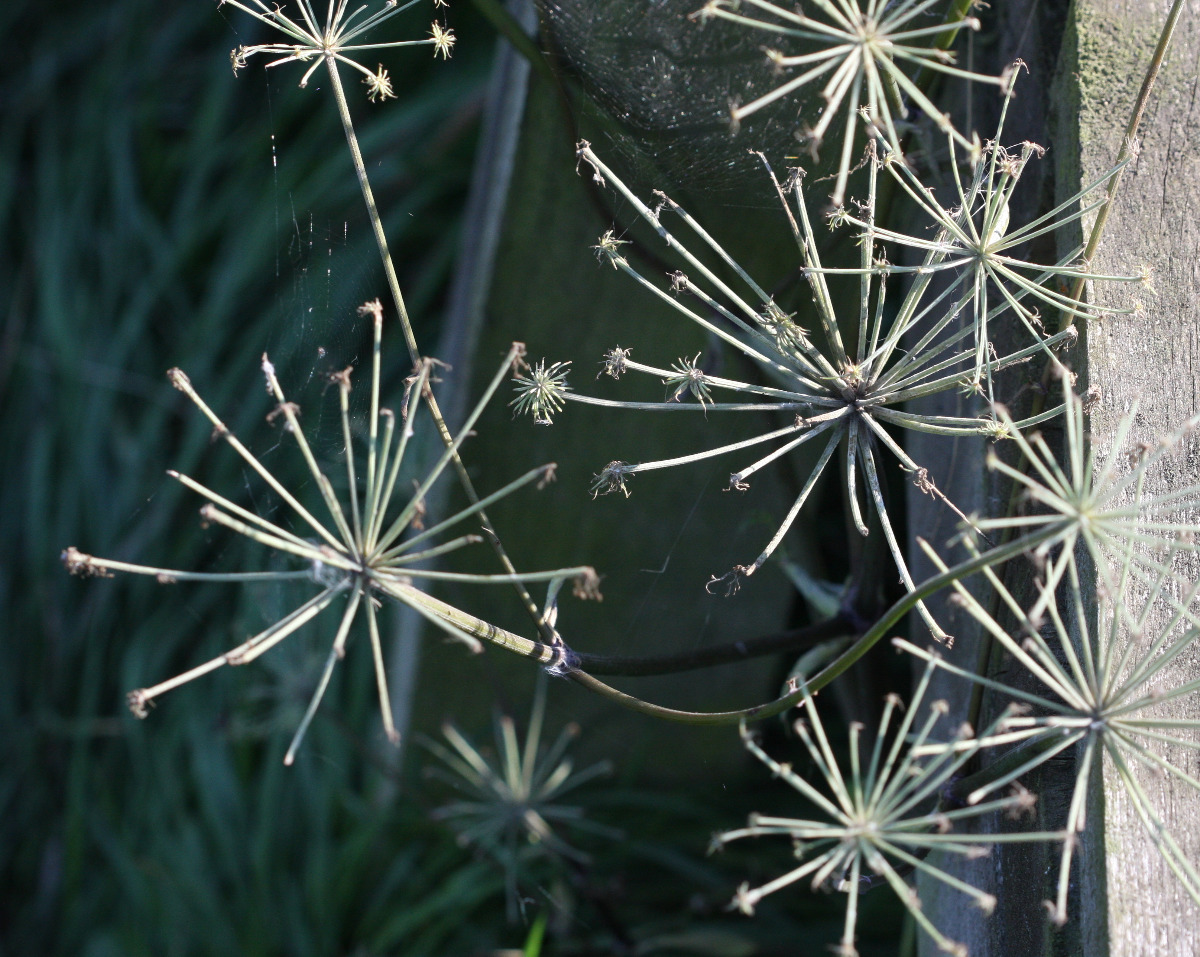
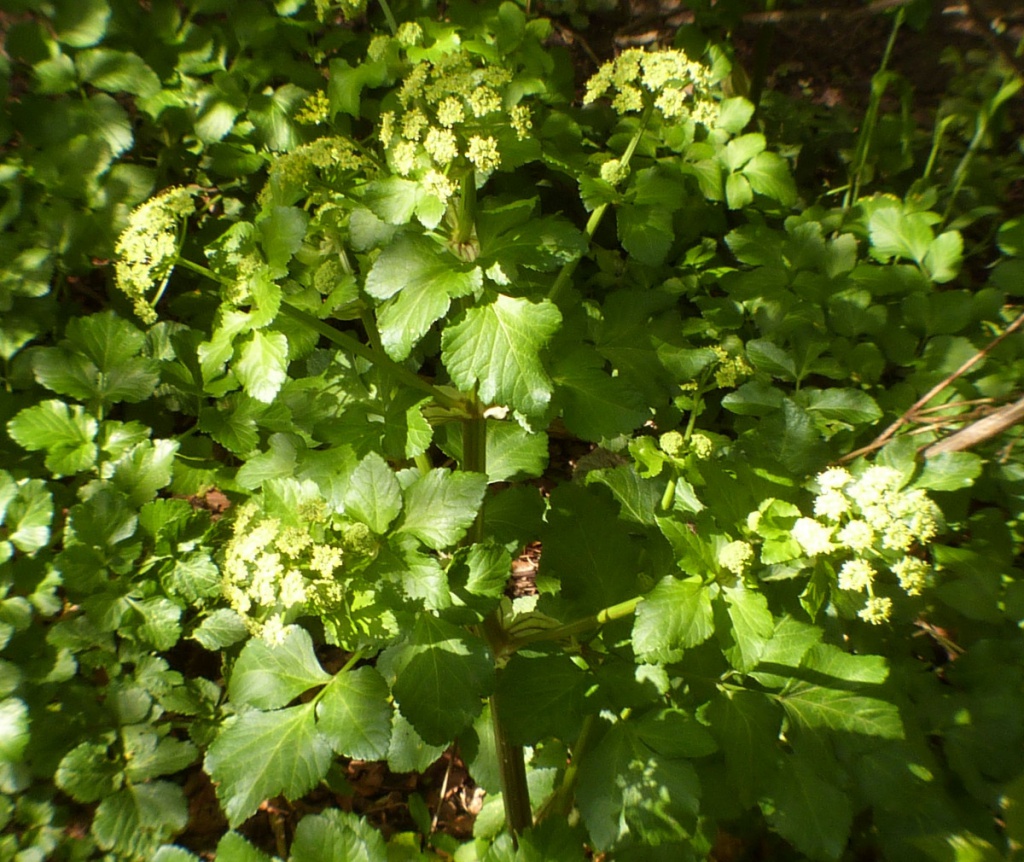
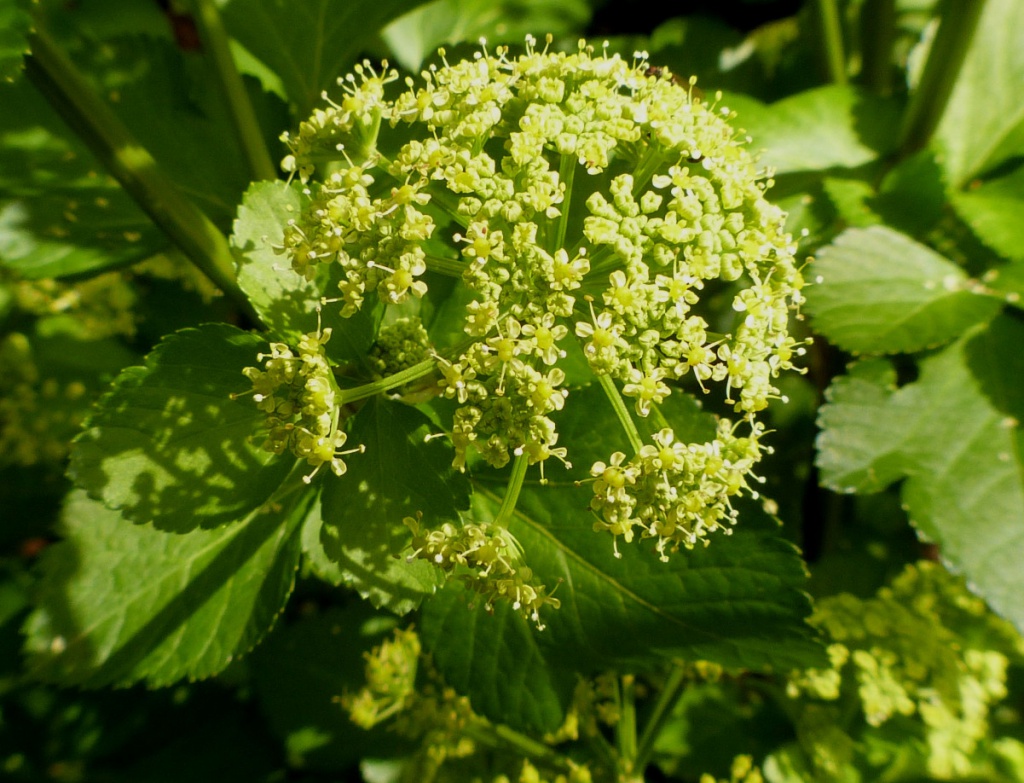
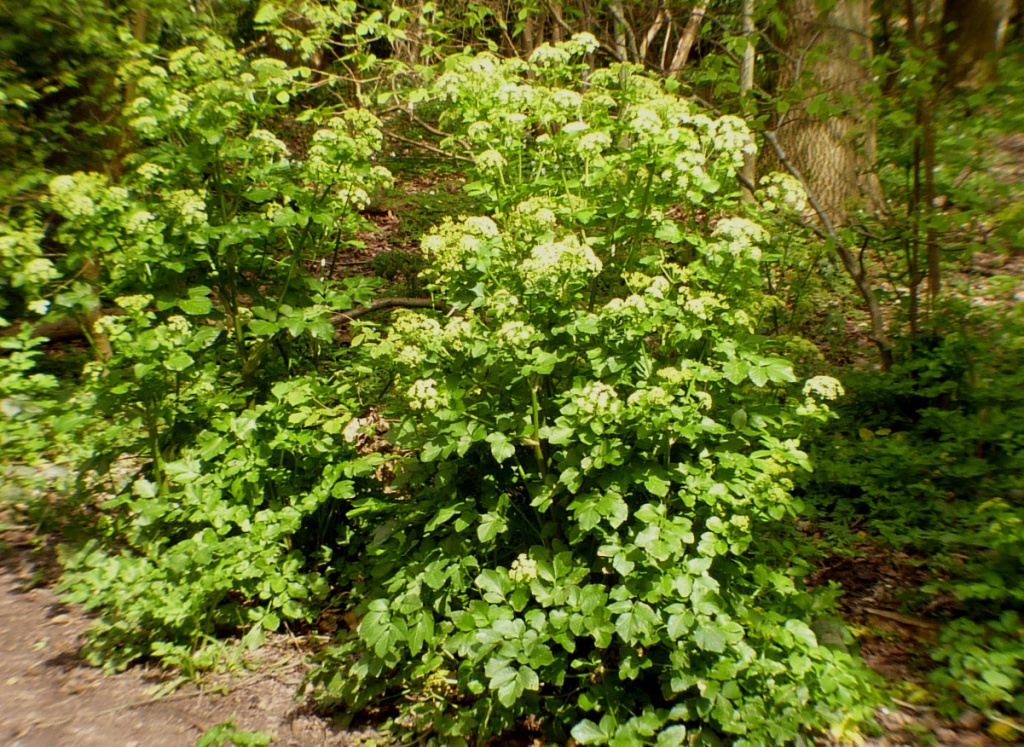
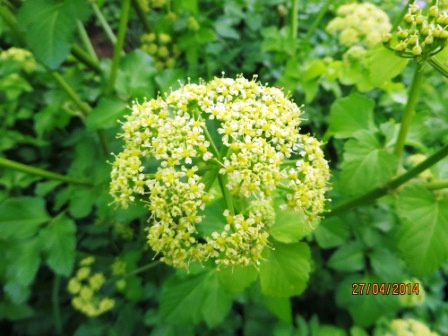
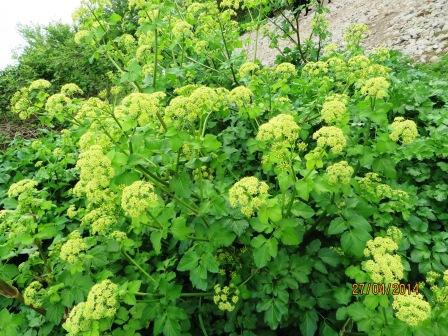
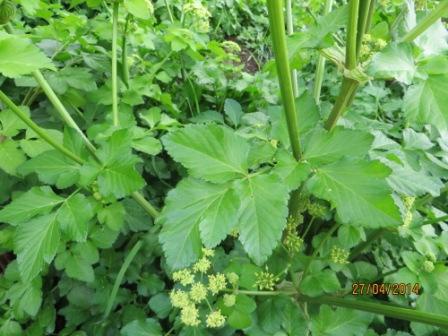
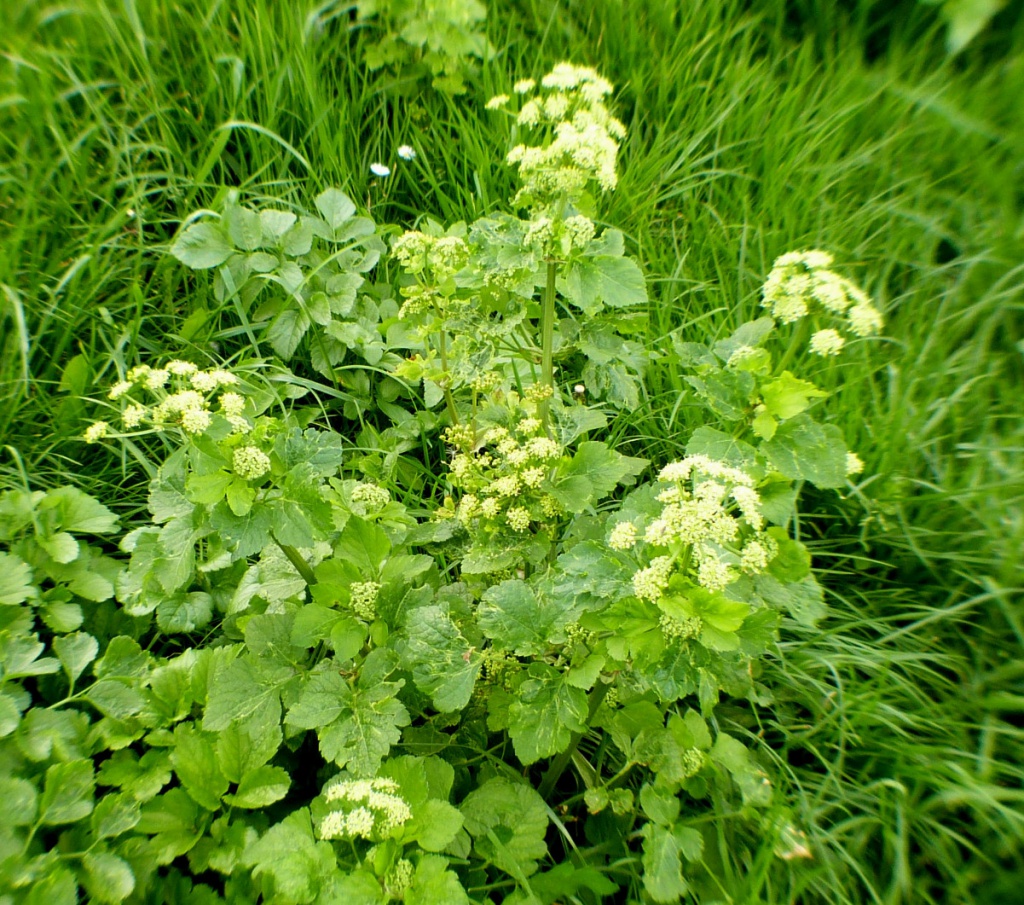
Pungent hairless plant reaching over one metre in height. Stems stout, becoming hollow when old. Upper branches usually opposite. Flowers yellowish in dense umbels without sepals.

Photograph of the plant in habitat
Hedge-banks, woodland margins and roadsides. Often seen near the sea.
April to June.
Biennial.
Fairly common near to the coast in England and Wales it is now spreading inland, probably aided by heavy salting of roads which seems to reproduce coastal conditions on the roadside verges.
Becoming more common in Leicestershire and Rutland especially near to well salted roads. In the 1979 Flora survey of Leicestershire it was found in only 4 of the 617 tetrads.
In the current Checklist (Jeeves, 2011) it is listed as Alien (archaeophyte); rare but locally frequent where it occurs
 M69 Roundabout Sapcote SP 4625 9385..JPG) Graham Calow
Graham Calow
M69 Island, Sapcote
26 April 2006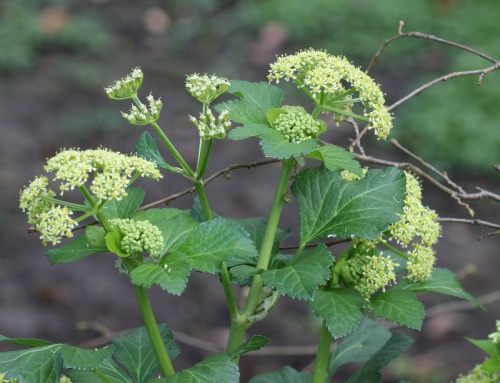 David Nicholls
Burbage Wood
12 April 2012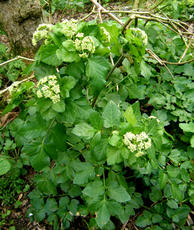 Graham Calow
Burbage Common and Woods
11 April 2011 M69 Roundabout Sapcote SP 4625 9385(taken 26.4.2006).JPG) Graham Calow
Graham Calow
M69 Island, Sapcote
26 April 2006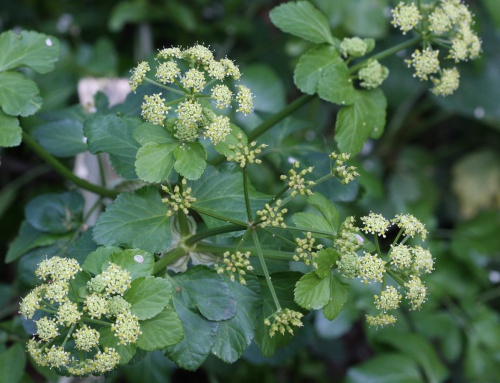 David Nicholls
Burbage Common and Woods
26 April 2014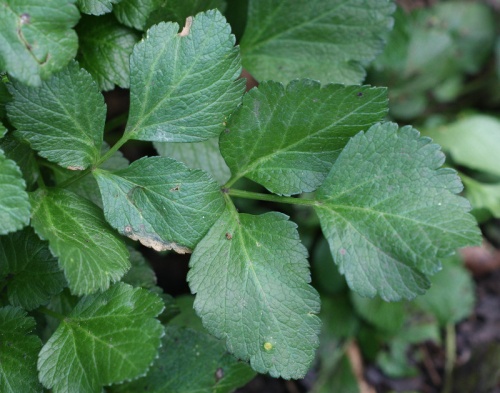 David Nicholls
Burbage Wood
12 April 2012
 M69 Roundabout Sapcote SP 4625 9385..JPG)
 M69 Roundabout Sapcote SP 4625 9385(taken 26.4.2006).JPG)
Leicestershire & Rutland Map
Enter a town or village to see local records
MAP KEY:
Yellow squares = NBN records (all known data)
Coloured squares = NatureSpot records: 2025+ | 2020-2024 | pre-2020
UK Map
Additional images
All NatureSpot records
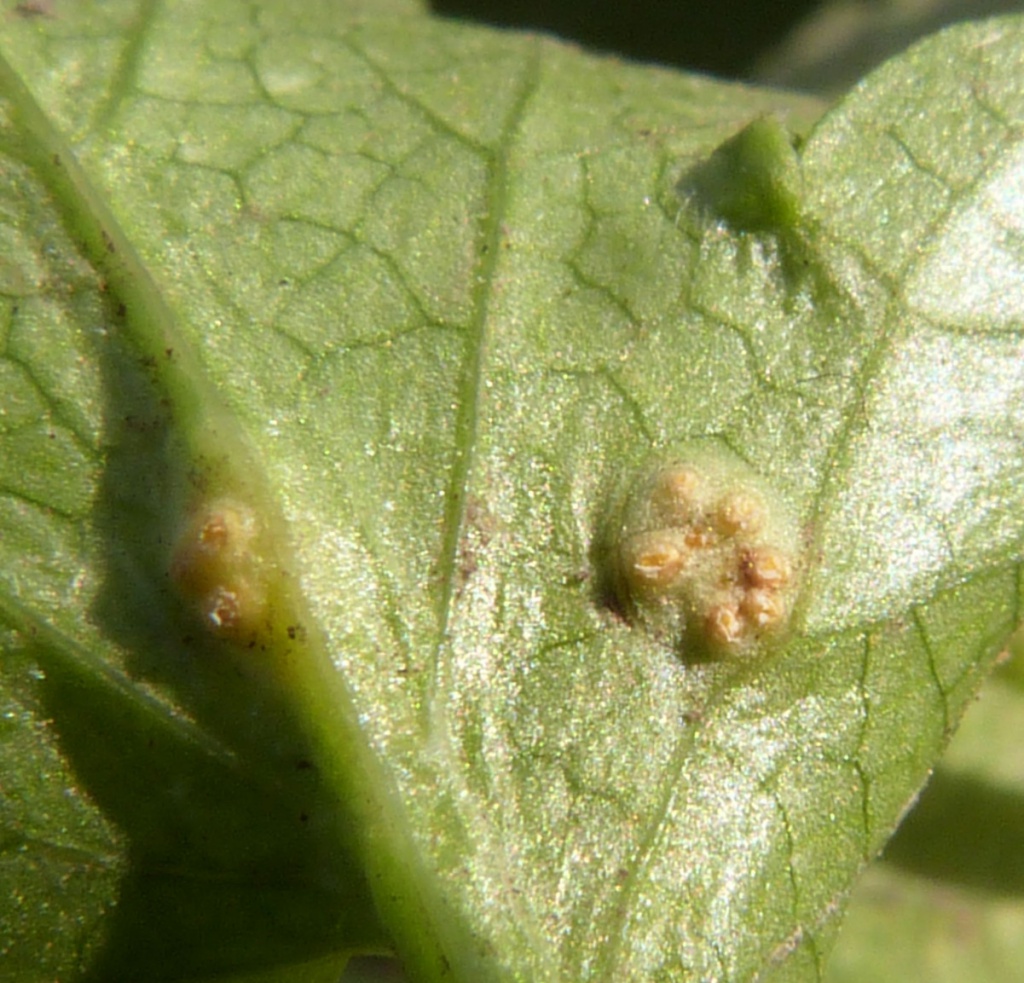
Alexanders Rust
Puccinia smyrnii is a rust fungus that causes galls on Alexanders. Both surfaces of the leaves, and the stem may be thickened and blistered by spermogonia and aecia, followed by dark brown telia on the leaf underside. There is no host alternation, and no uredinia are produced.