Red Valerian
Red Valerian - Centranthus ruber
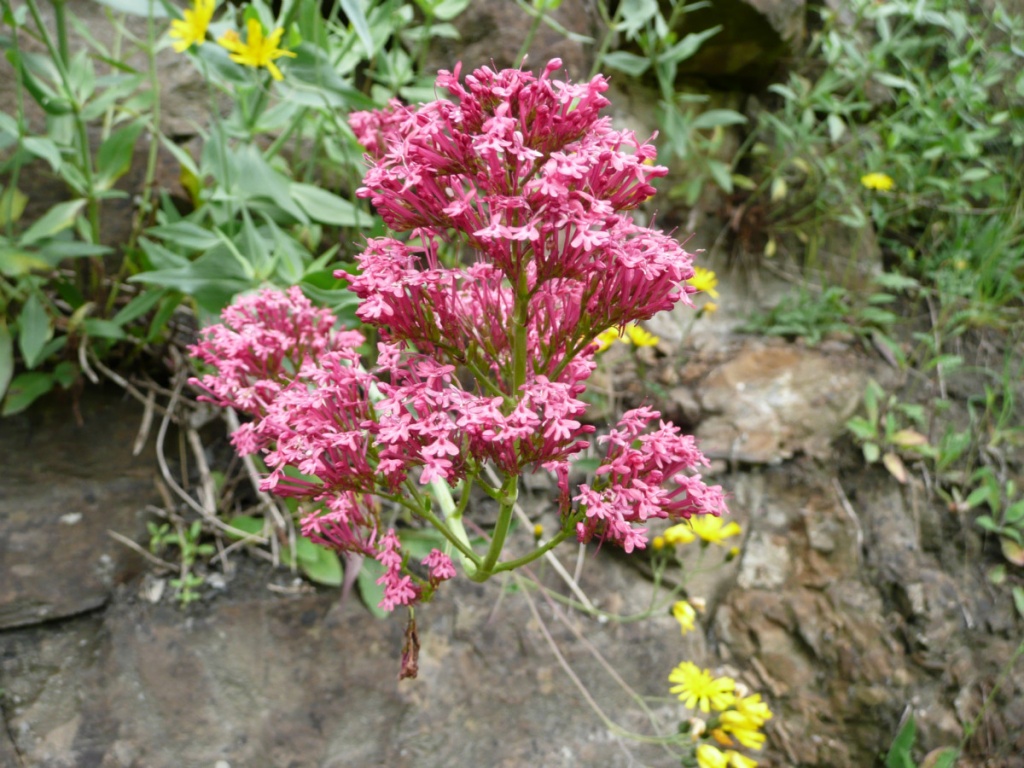
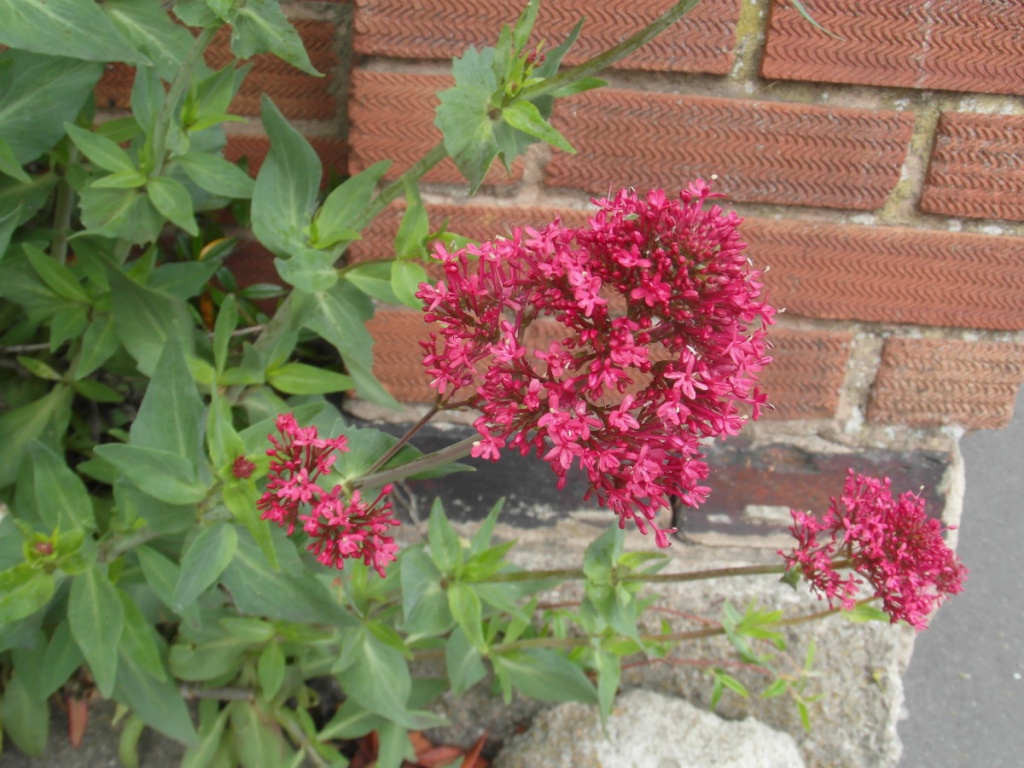
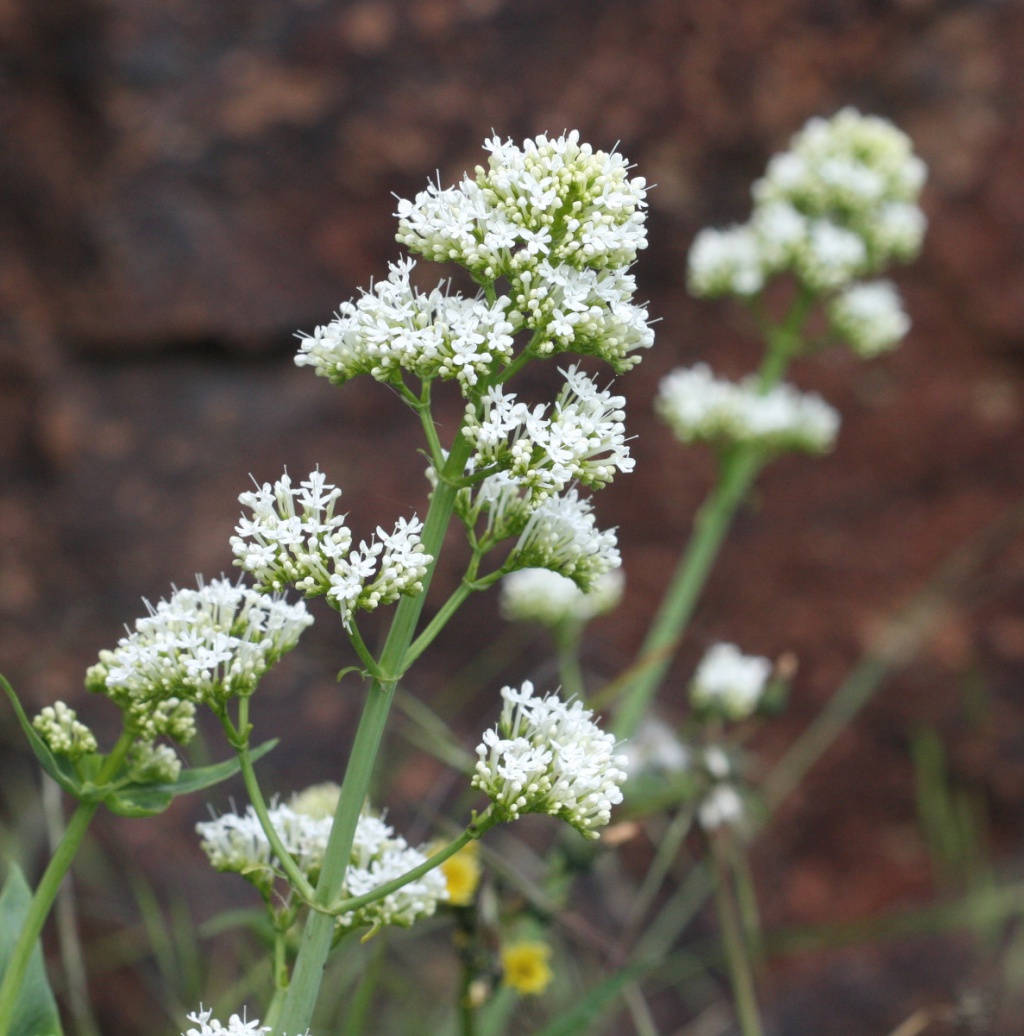
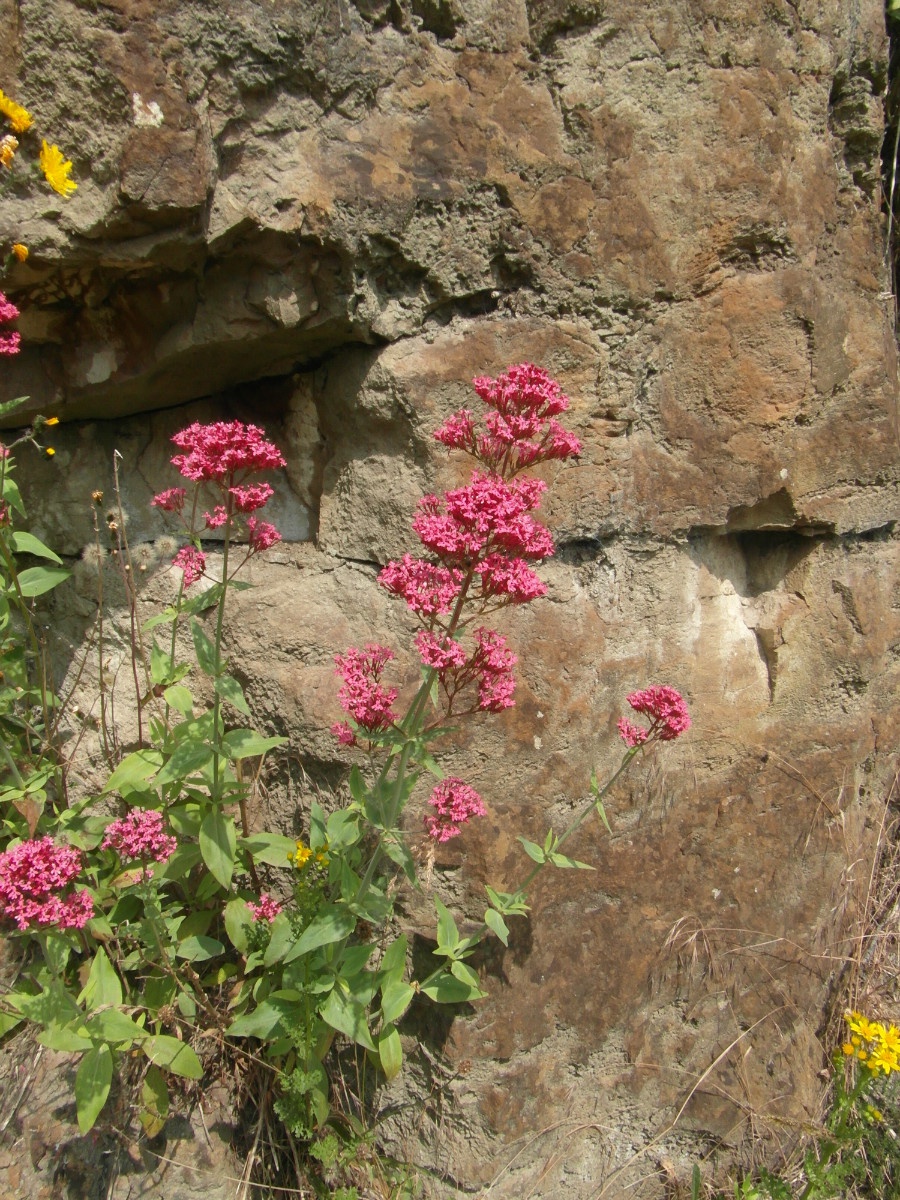
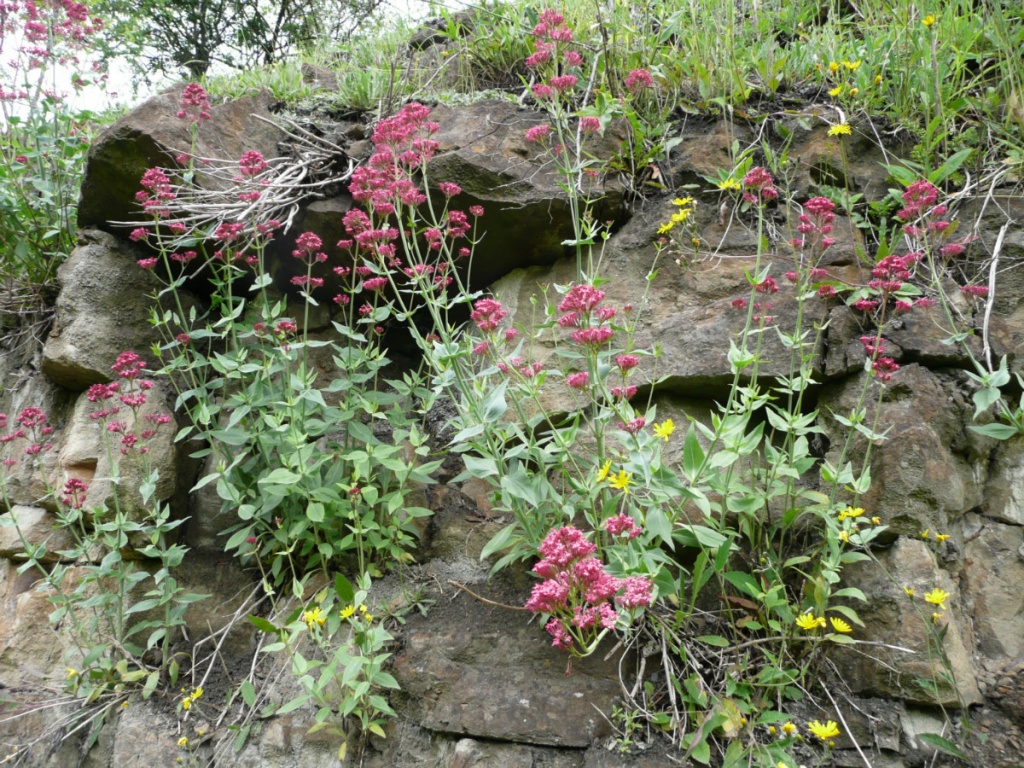
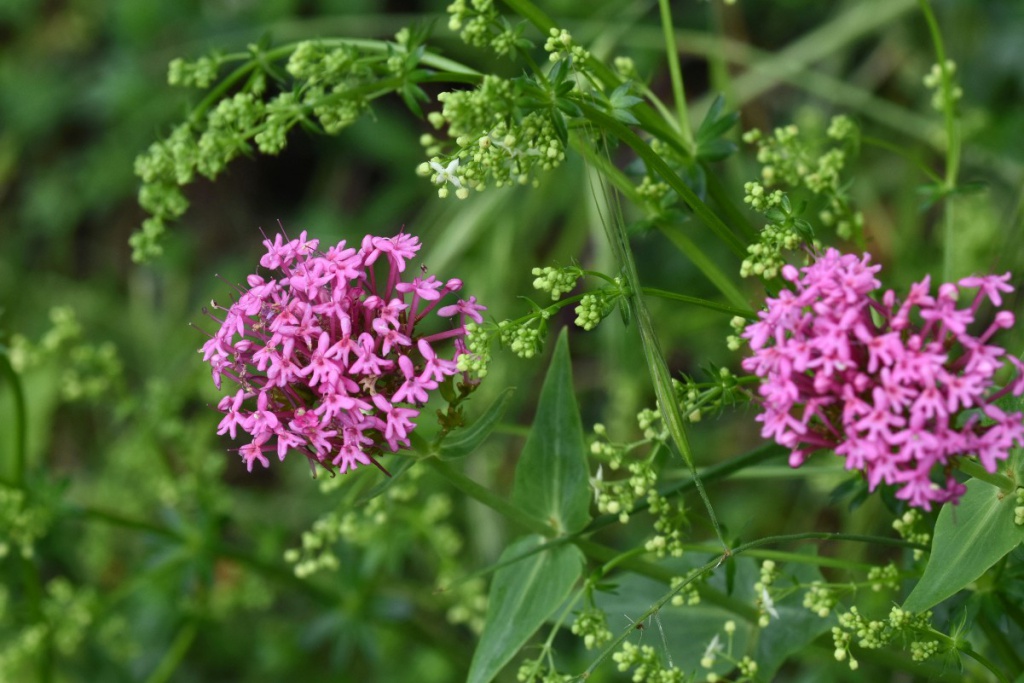
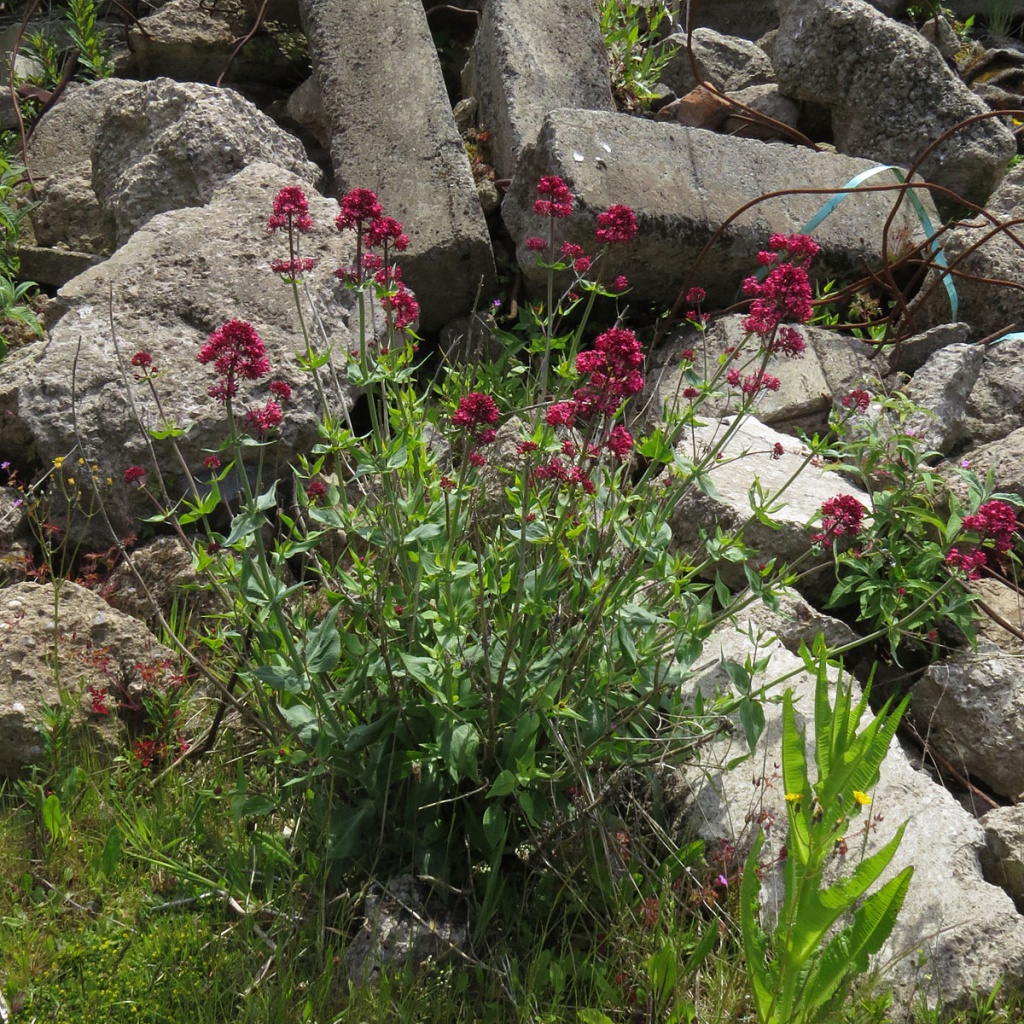
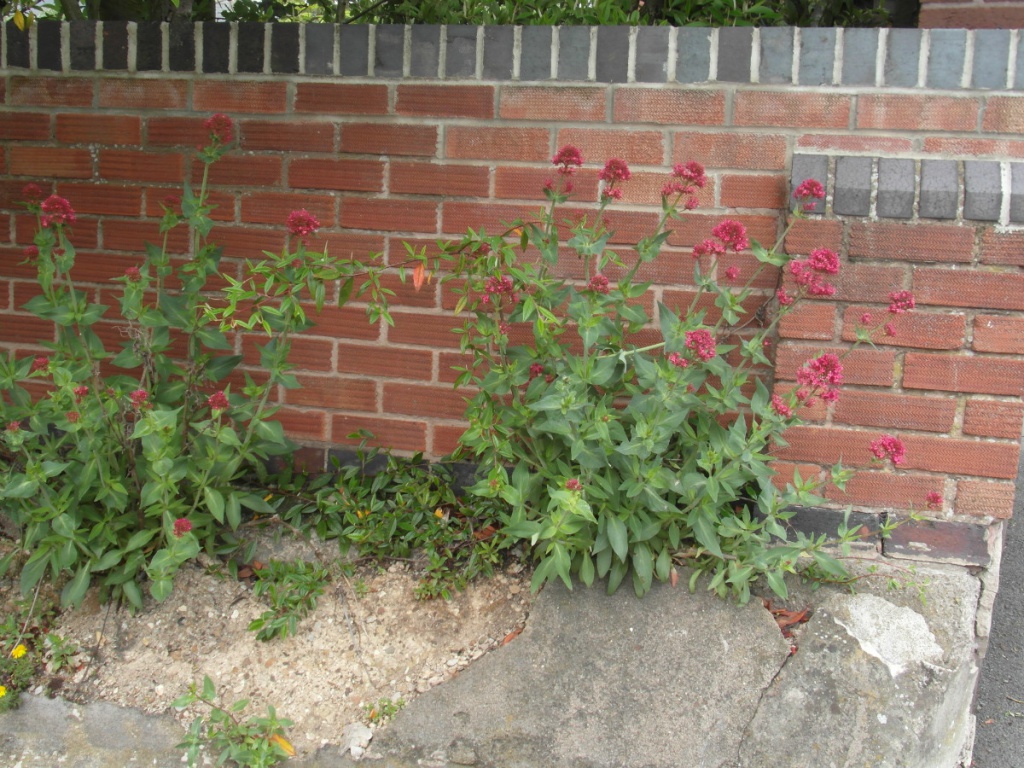
Tufted medium to tall greyish and somewhat fleshy and waxy looking plant. Leaves lanceolate to oval, pointed or blunt, the uppermost slightly toothed at the base and clasping the stem. Flowers red (can be pink or white) funnel shaped, 8 to 12 mm, in large panicles, fragrant, spurred at the base.

Walls and banks.
June to August.
Perennial - Sometimes becomes established in the wild as a garden escape. It can be seen on the stone faces of some disused quarries in our area.
Naturalised in Britain north to southern Scotland, especially in south-western areas.
Occasional in Leicestershire and Rutland. In the 1979 Flora survey of Leicestershire it was found in 22 of the 617 tetrads.
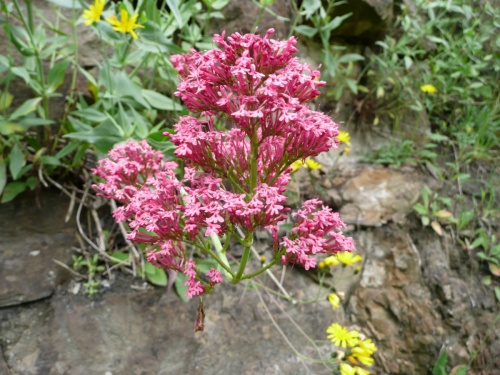 Barbara Cooper
Holwell Nature Reserve
21 June 2012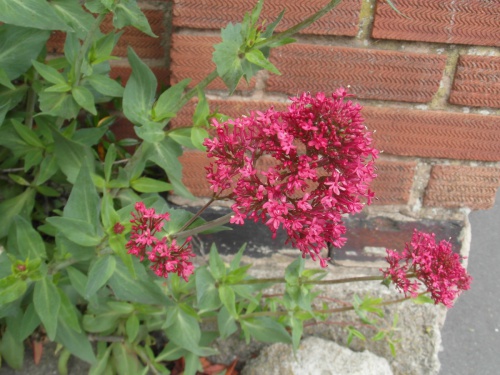 Alan Semper
Melton Street
04 June 2013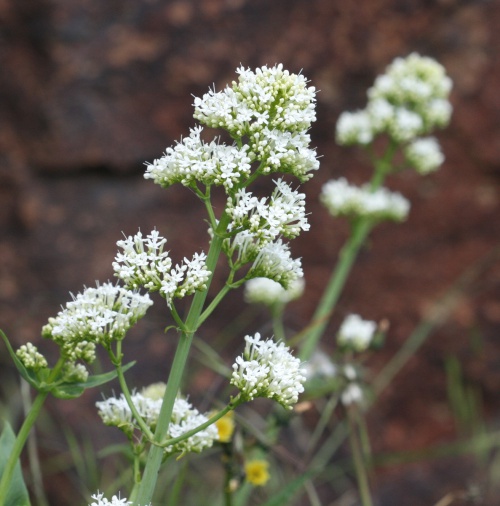 David Nicholls
Croft Pasture
09 May 2014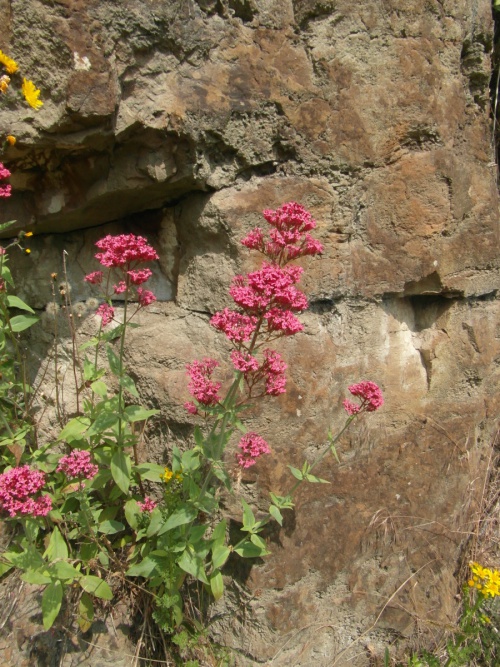 Alan Semper
Holwell Browns Hill Quarry
12 July 2013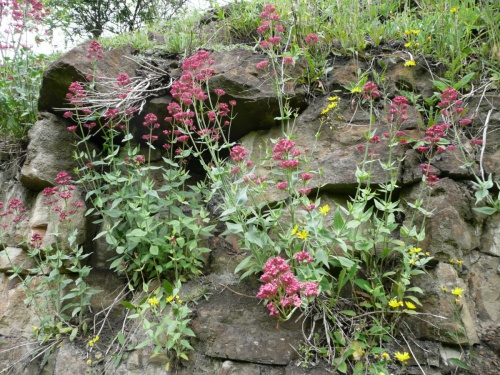 Barbara Cooper
Holwell Nature Reserve
21 June 2012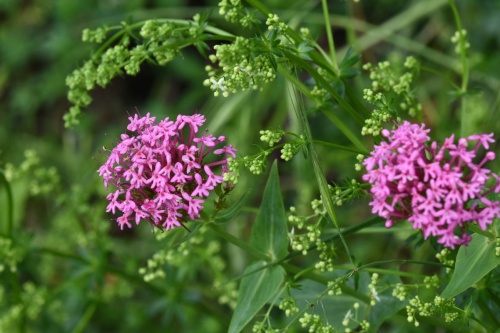 Andy's Rutland
Exton Road-Empingham
09 June 2022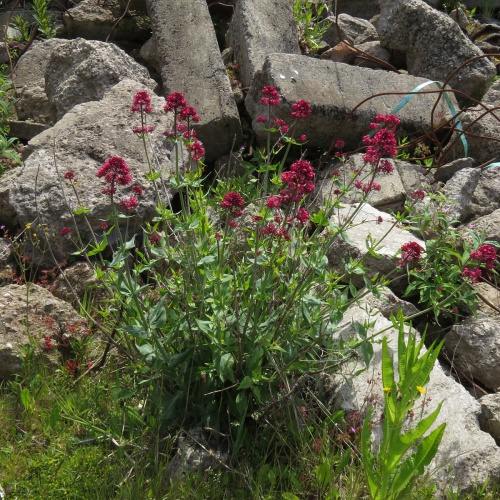 David Gould
Wolsey Island, Leicester
05 June 2015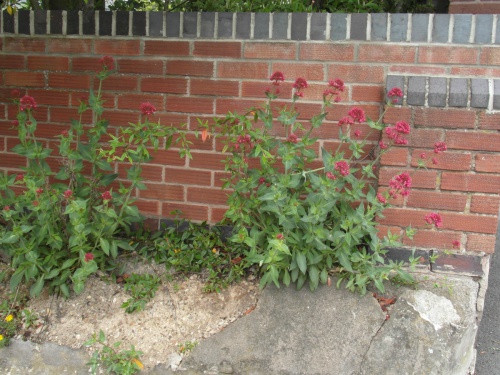 Alan Semper
Melton Street
04 June 2013
Leicestershire & Rutland Map
Enter a town or village to see local records
MAP KEY:
Yellow squares = NBN records (all known data)
Coloured squares = NatureSpot records: 2025+ | 2020-2024 | pre-2020
UK Map
Additional images
No additional images available for this species.
All NatureSpot records
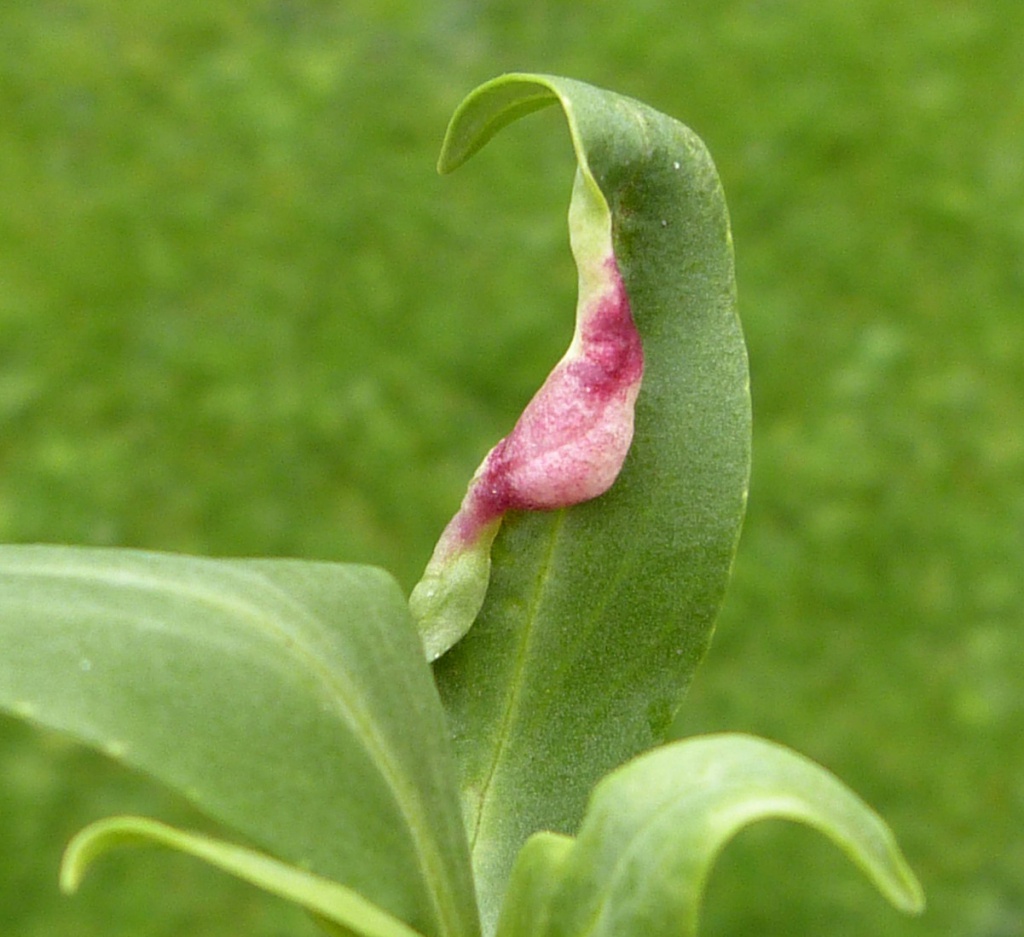
Trioza centranthi
The larva of Valerian Psyllid (Trioza centranthi) produce distinctive, reddish leaf roll galls on Valerian.
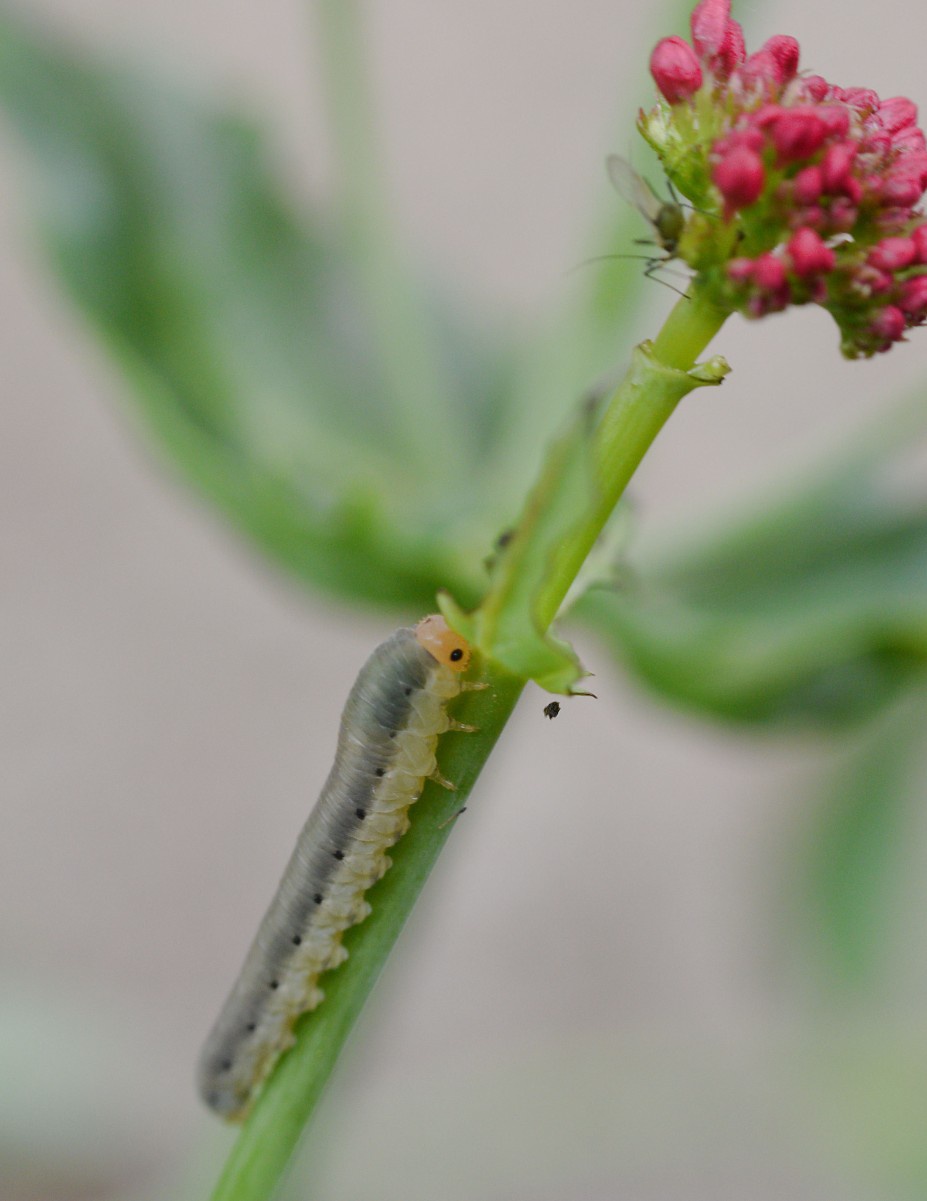
Macrophya albicincta
The larvae of the sawfly Macrophya albicincta feed on Elder as do those of Macrophya ribis and Macrophya alboannulata, but only Macrophya albicincta is also reported as feeding on Valerian.
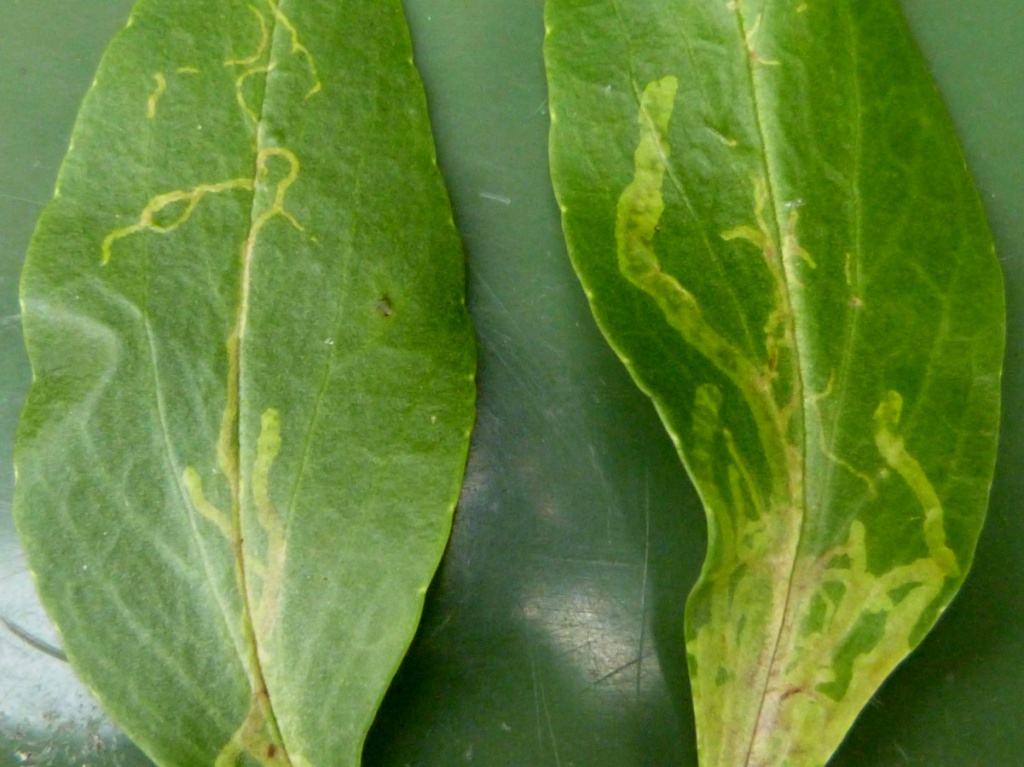
Liriomyza strigata
The larva of the Agromyzid fly Liriomyza strigata mines the leaves of a wide variety of plants, with records from 47 plant genera in 15 plant families in Britain. It is an upper surface mine usually following the midrib and showing side branches along the veins, but the mine can be variable depending on the host plant used. Frass appears in long strings.