Common Mallow
Common Mallow - Malva sylvestris
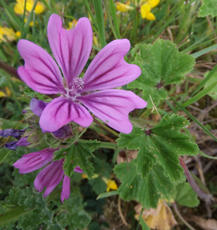
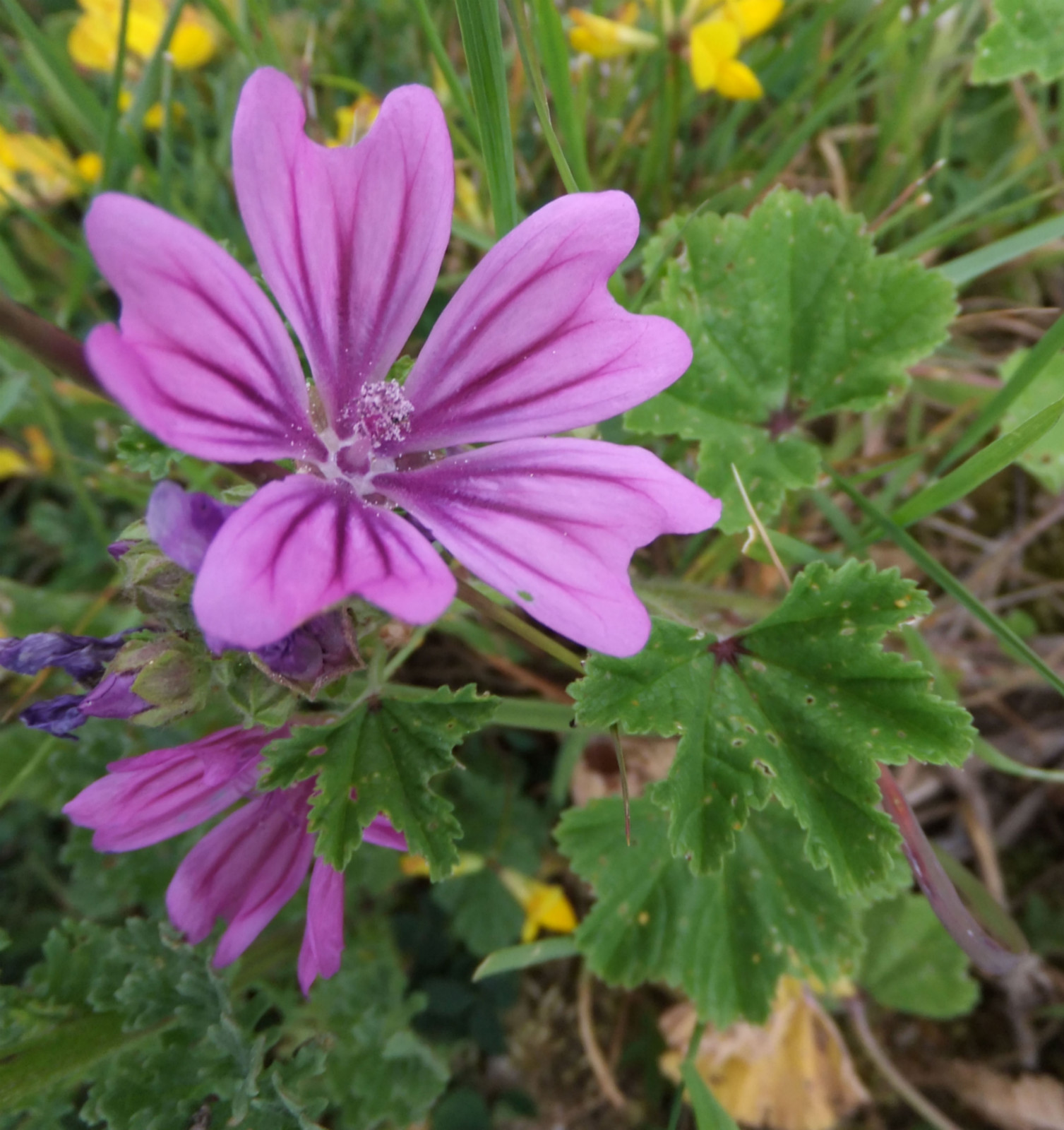
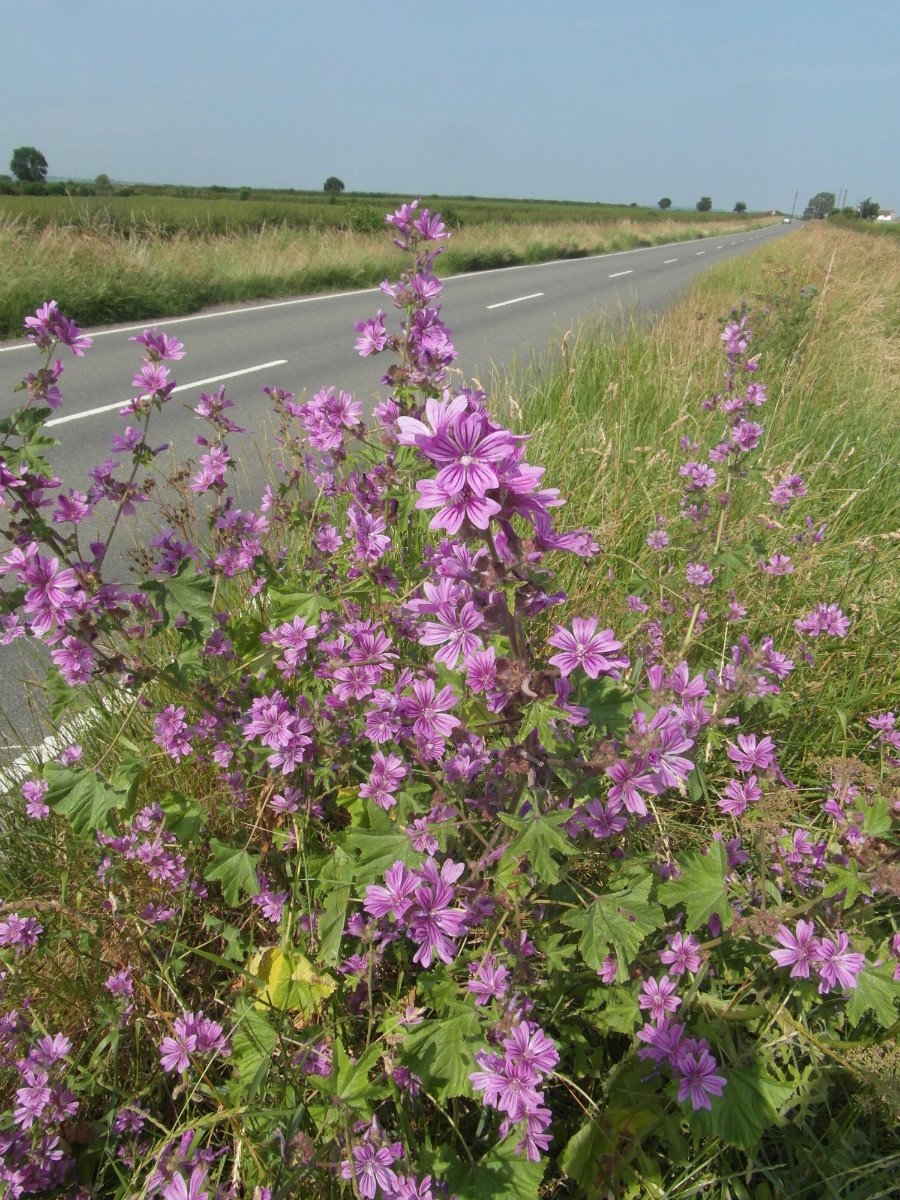
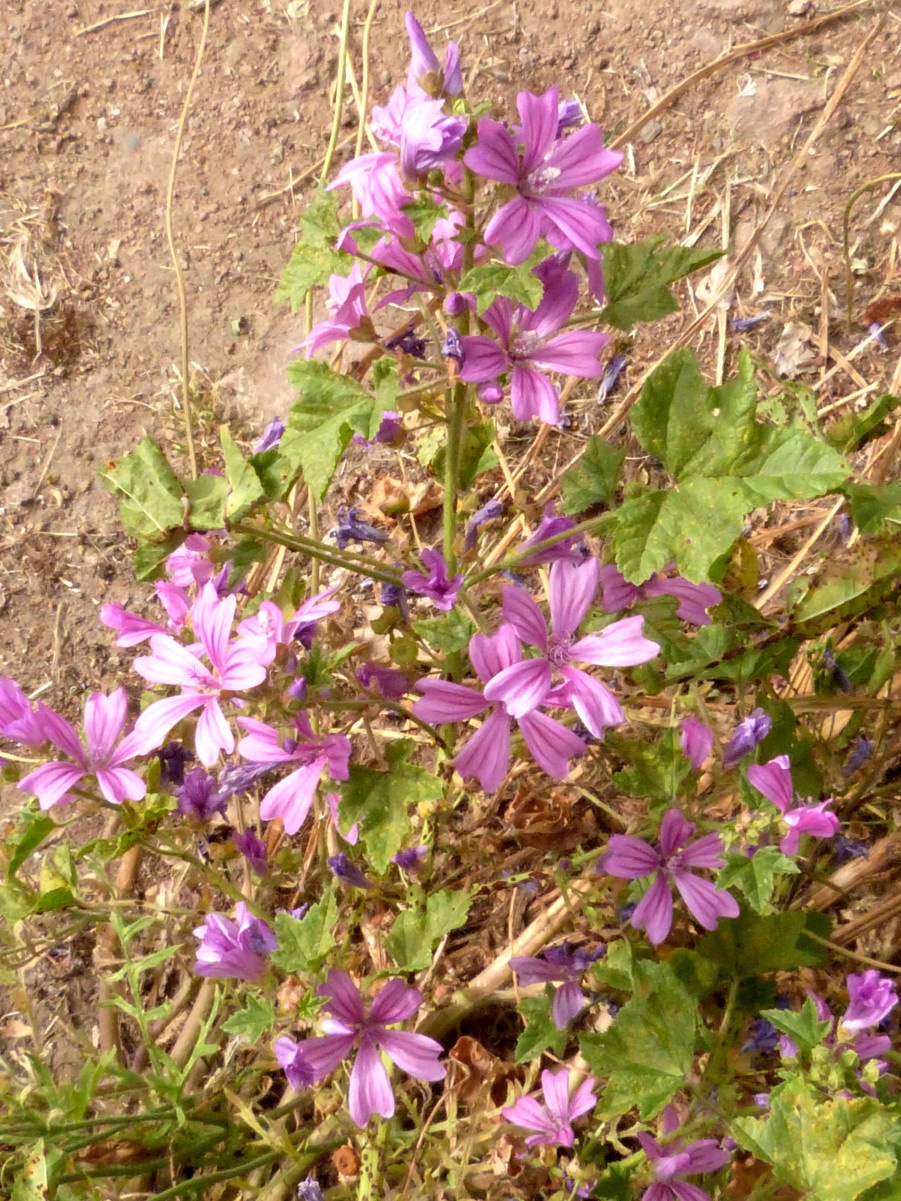
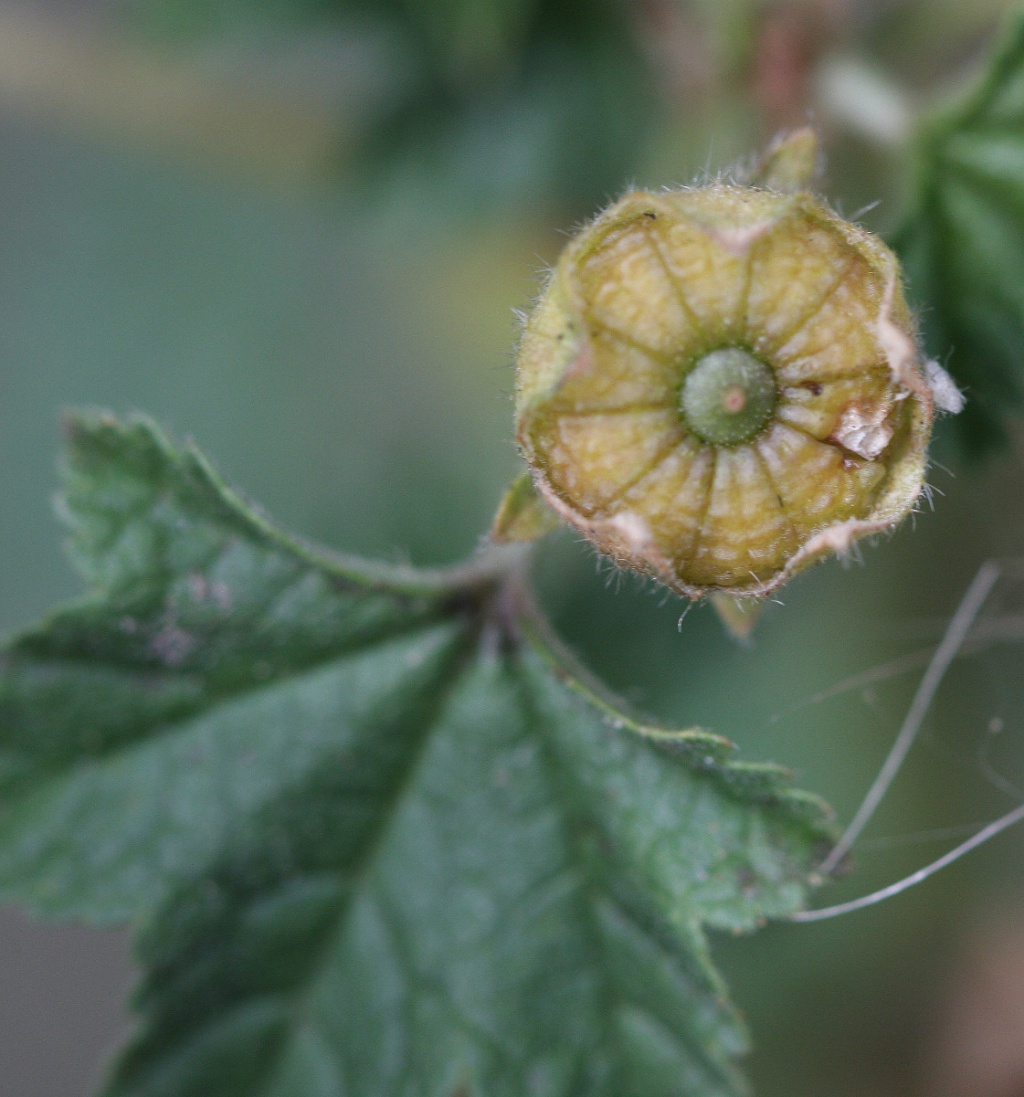
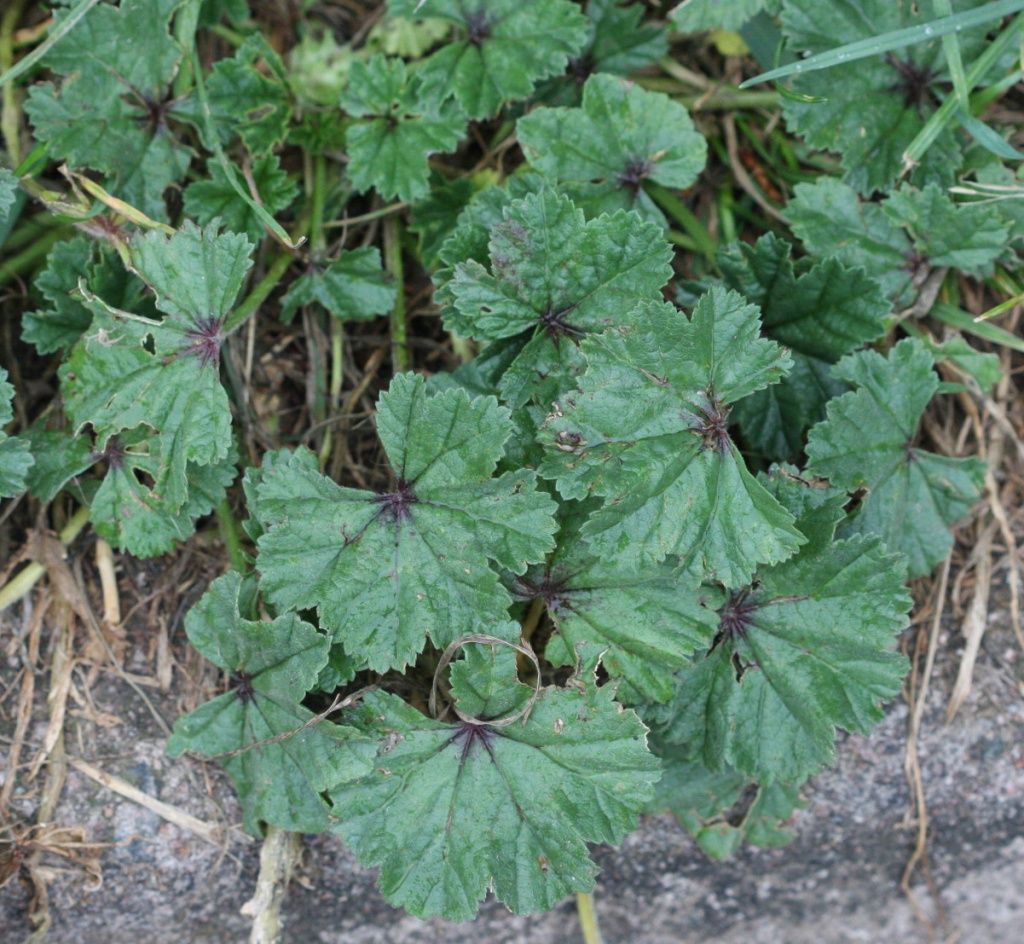
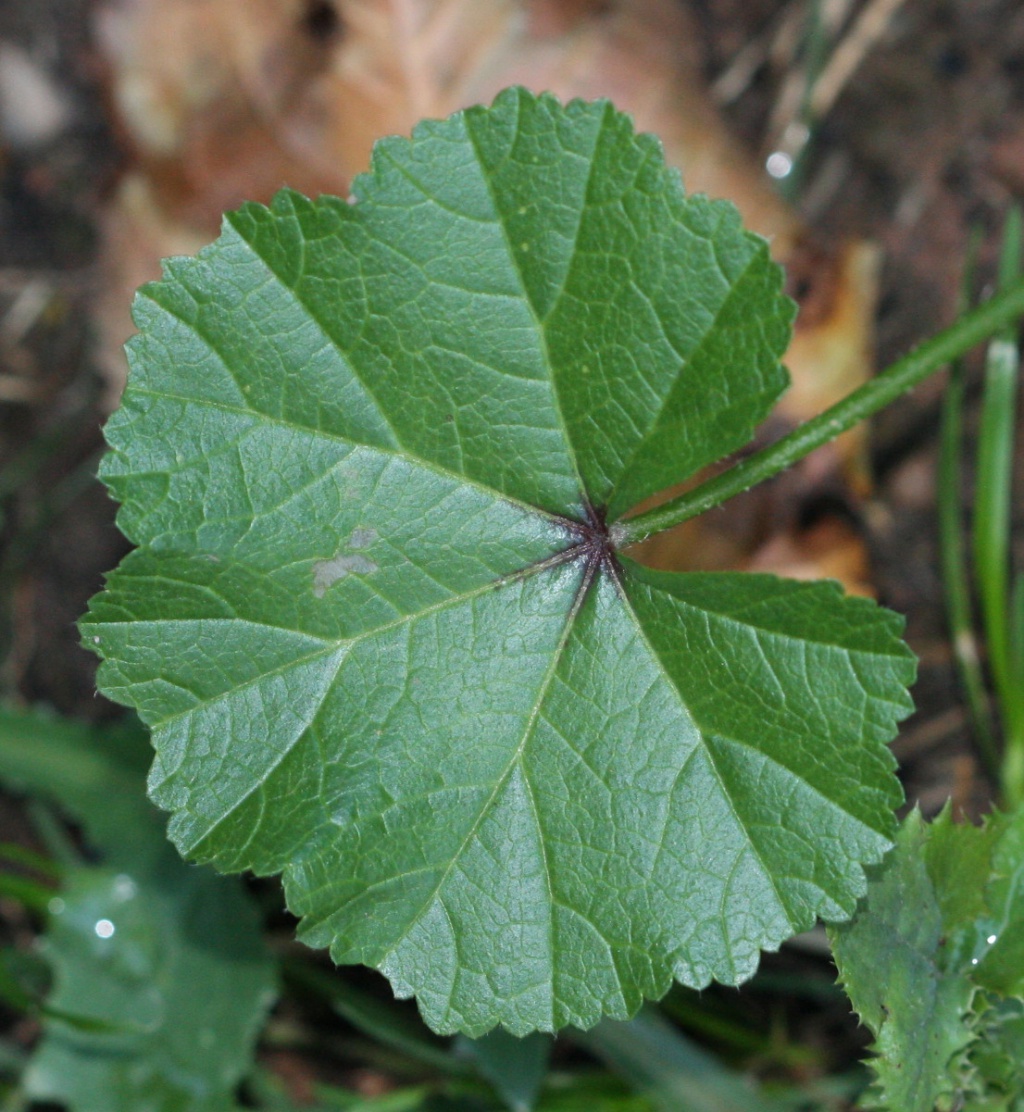
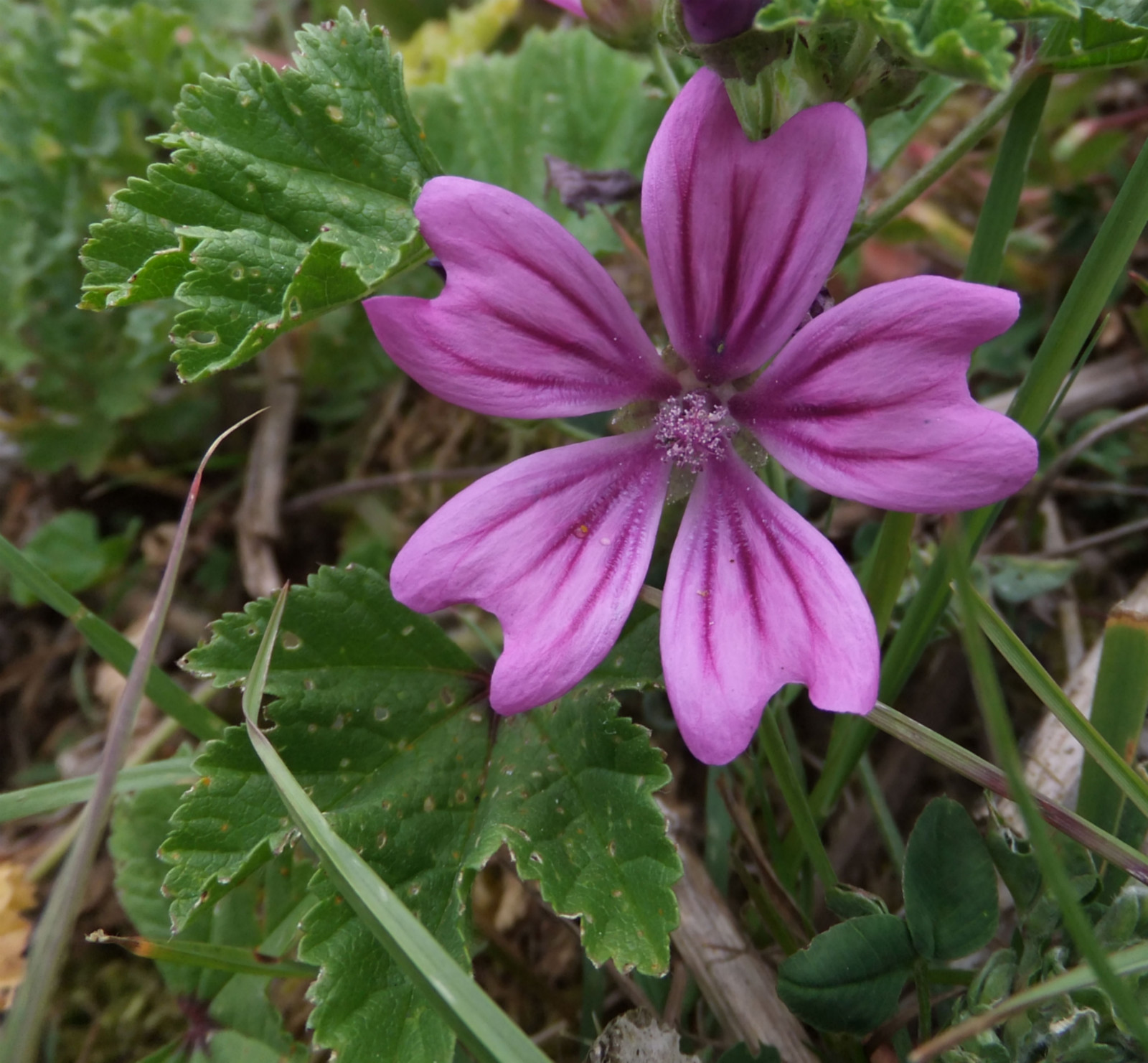
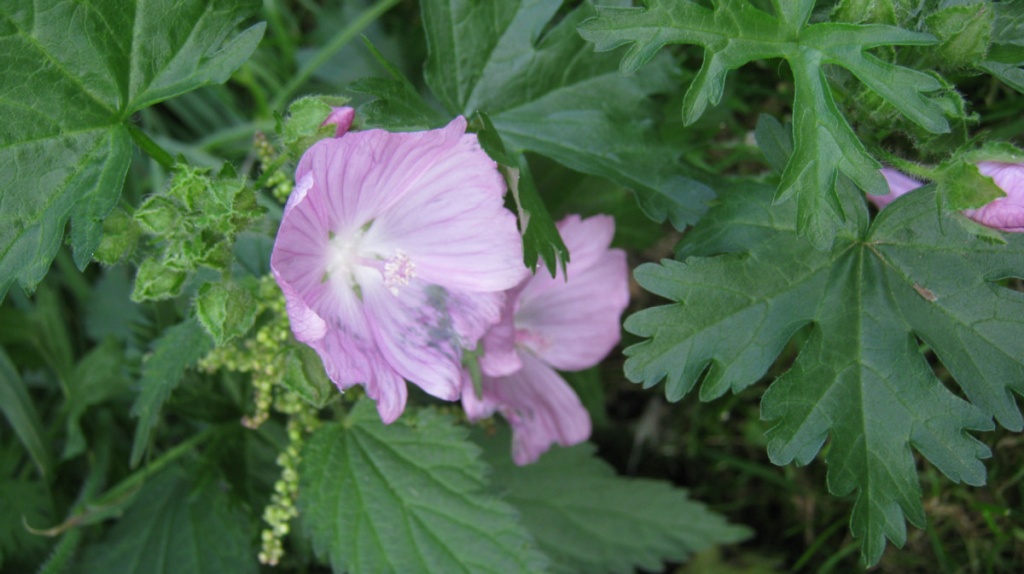
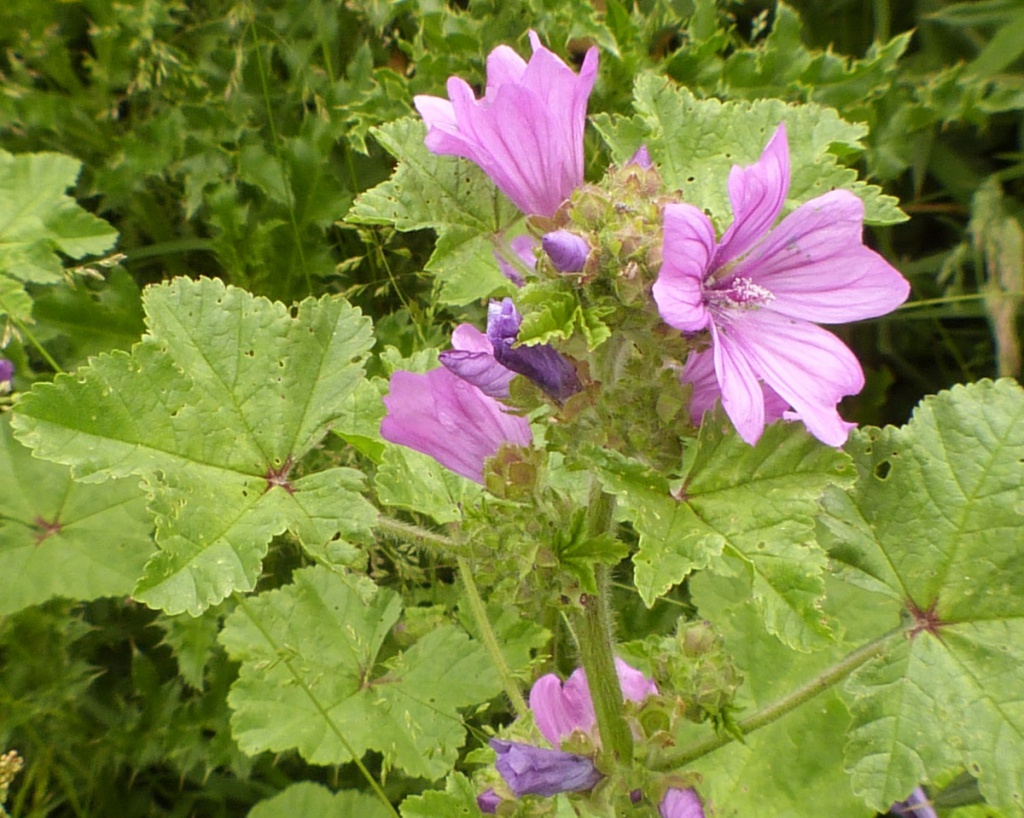
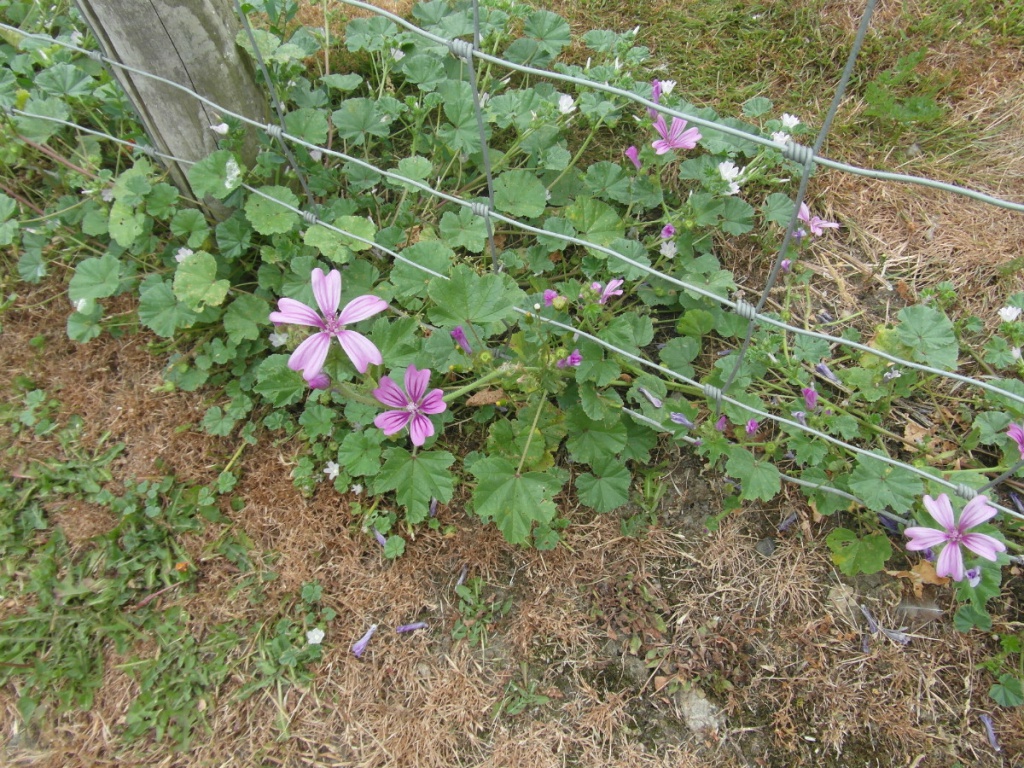
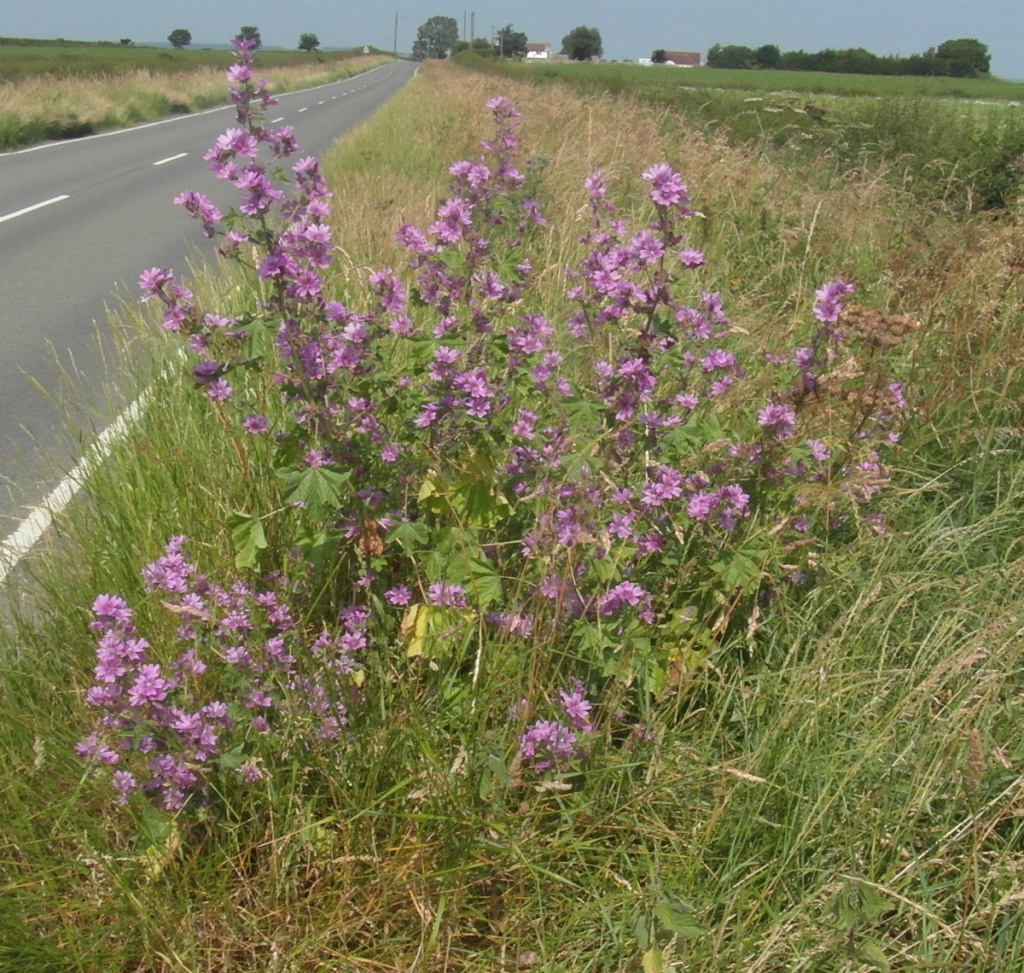
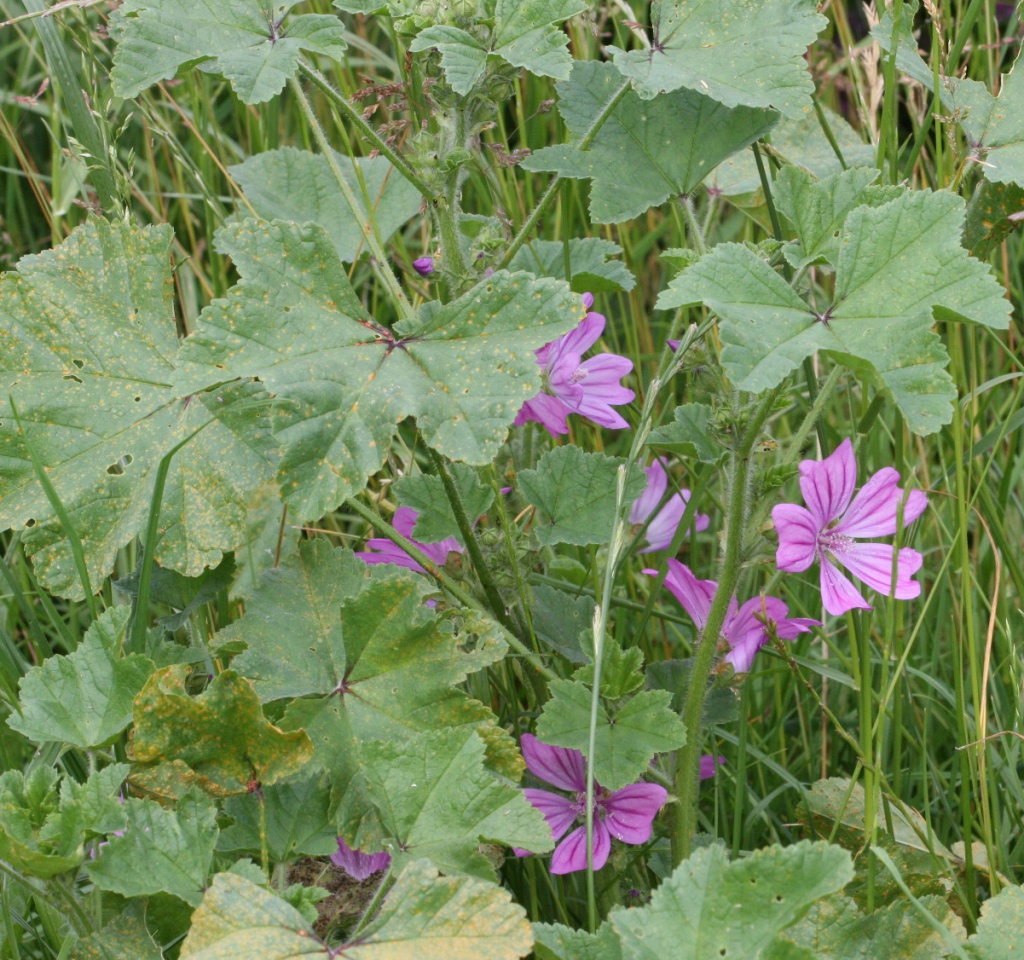
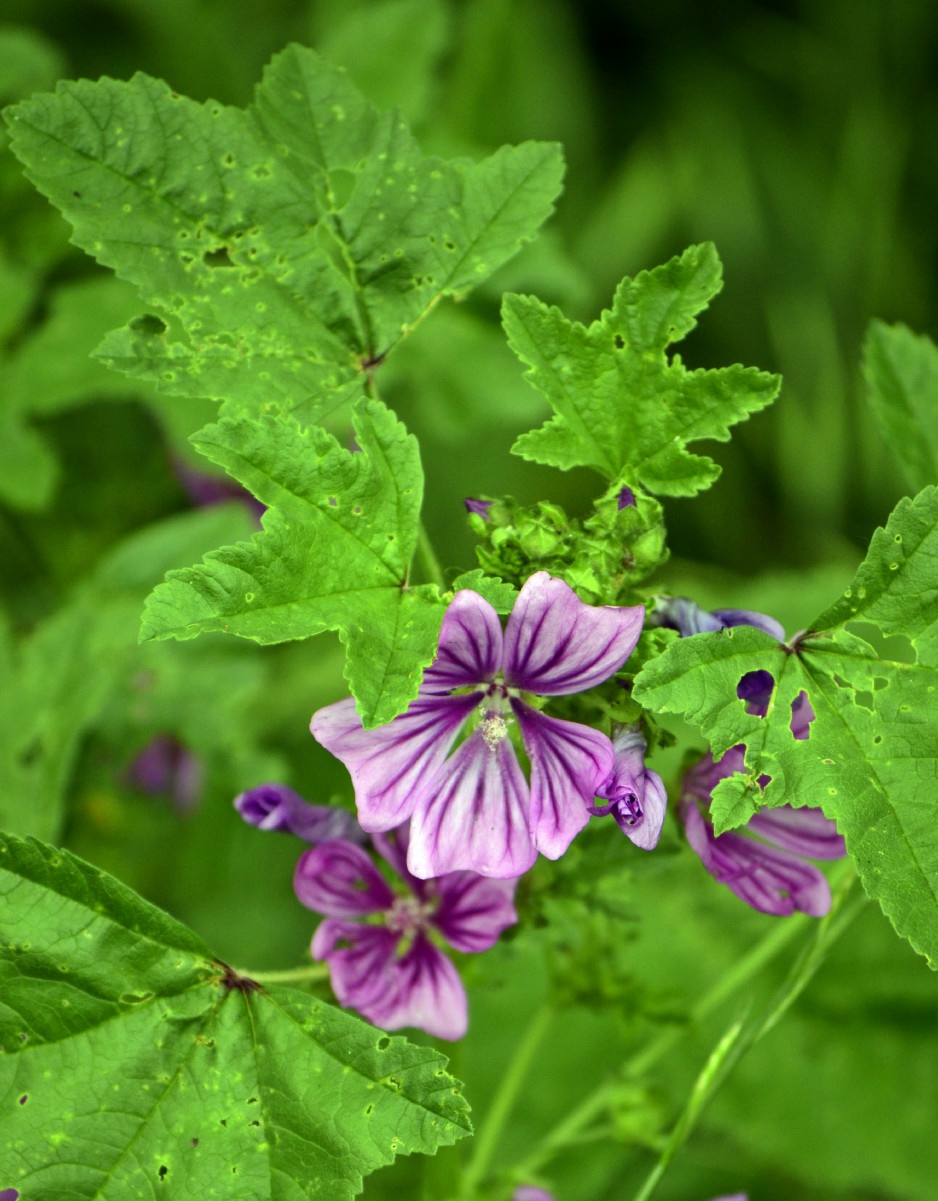
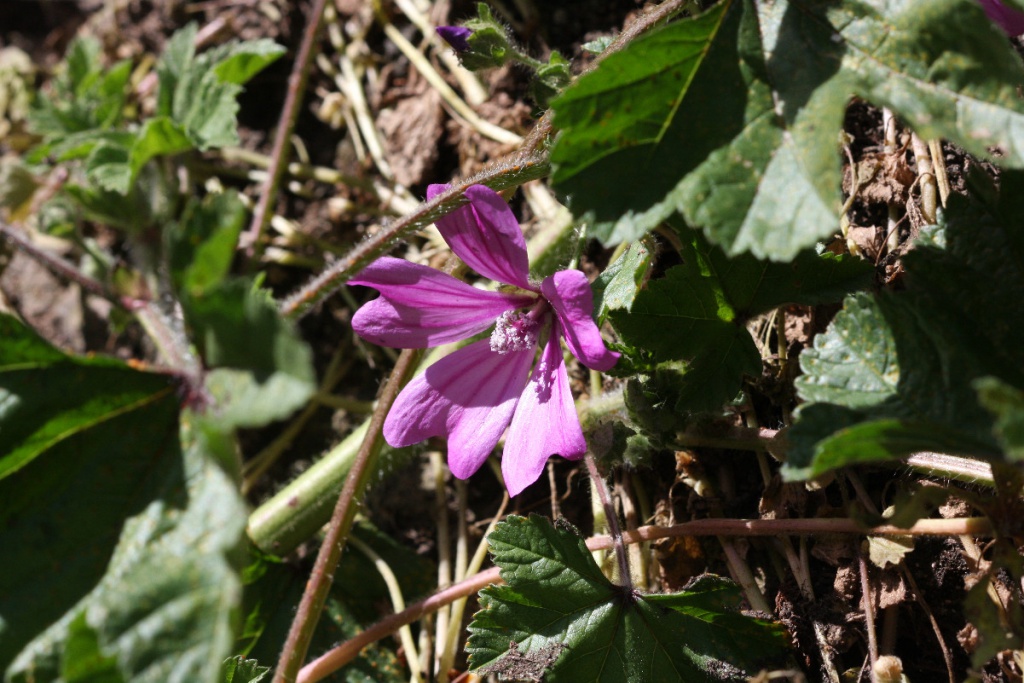
Medium to tall, hairy plant to 1.5 metres, but often with sprawling stems. Leaves kidney shaped to rounded-heart-shaped in outline with 3 to 7 shallow, rather rounded toothed lobes. Flowers pink to purple with darker veins. 20 to 50 mm in clusters of 2 or more at the leaf axils.

Meadows , road verges and waste places.
June to September.
Biennial.
Fairly common throughout Britain, though less so in Scotland.
Fairly common in Leicestershire and Rutland. In the 1979 Flora survey of Leicestershire it was found in 368 of the 617 tetrads.
 Ron.stevens
Broughton Astley
15 June 2011 Leicester Road Sapcote SP 4994 9322 (taken 19.6.2006).JPG) Graham Calow
Graham Calow
Sapcote
19 June 2006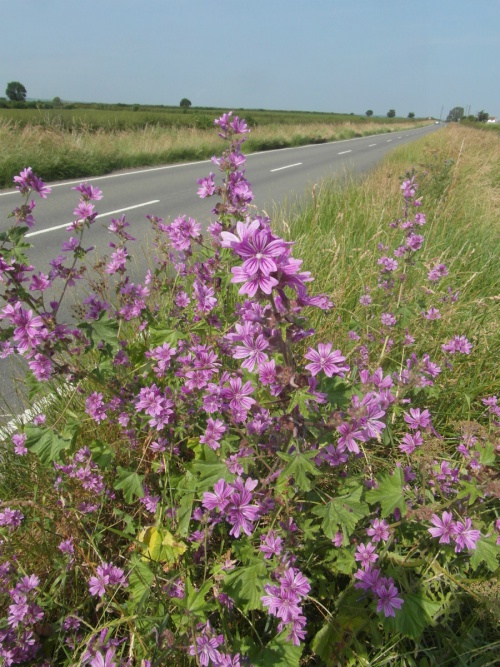 Alan Semper
Harby roadside
16 July 2013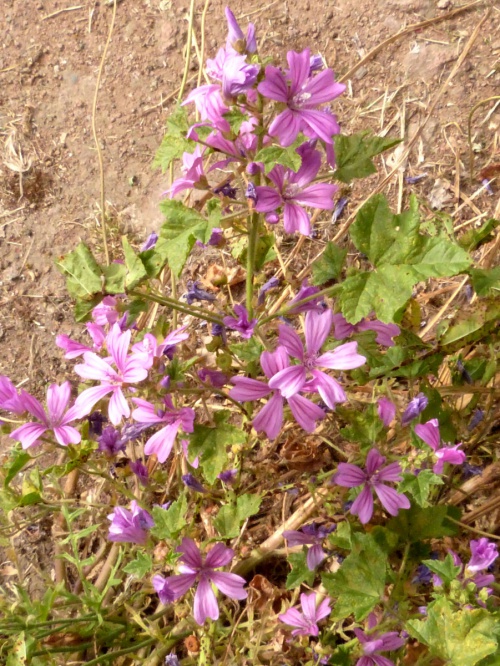 Graham Calow
Croft
26 June 2014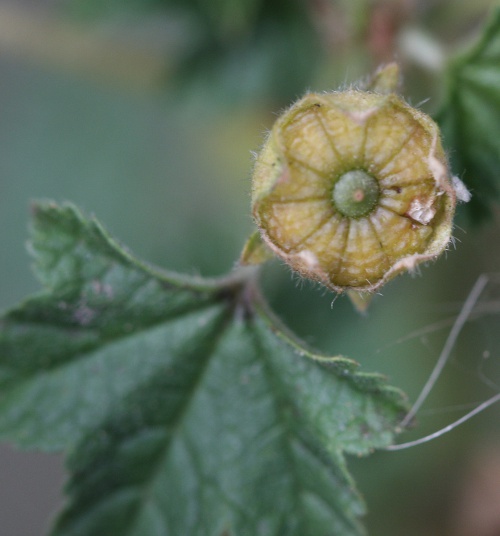 David Nicholls
Kirby Muxloe Castle
13 September 2013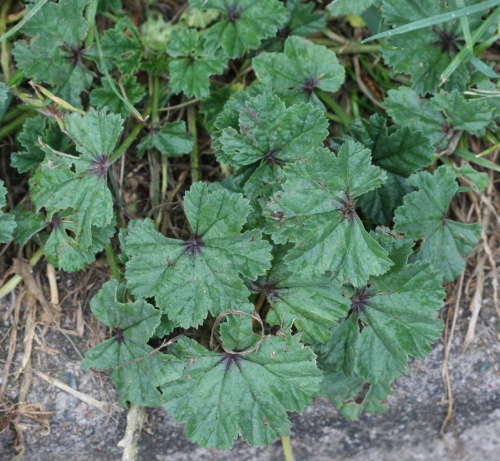 David Nicholls
Kirby Muxloe Castle
13 September 2013
 Leicester Road Sapcote SP 4994 9322 (taken 19.6.2006).JPG)
Leicestershire & Rutland Map
Enter a town or village to see local records
MAP KEY:
Yellow squares = NBN records (all known data)
Coloured squares = NatureSpot records: 2025+ | 2020-2024 | pre-2020
UK Map
Additional images
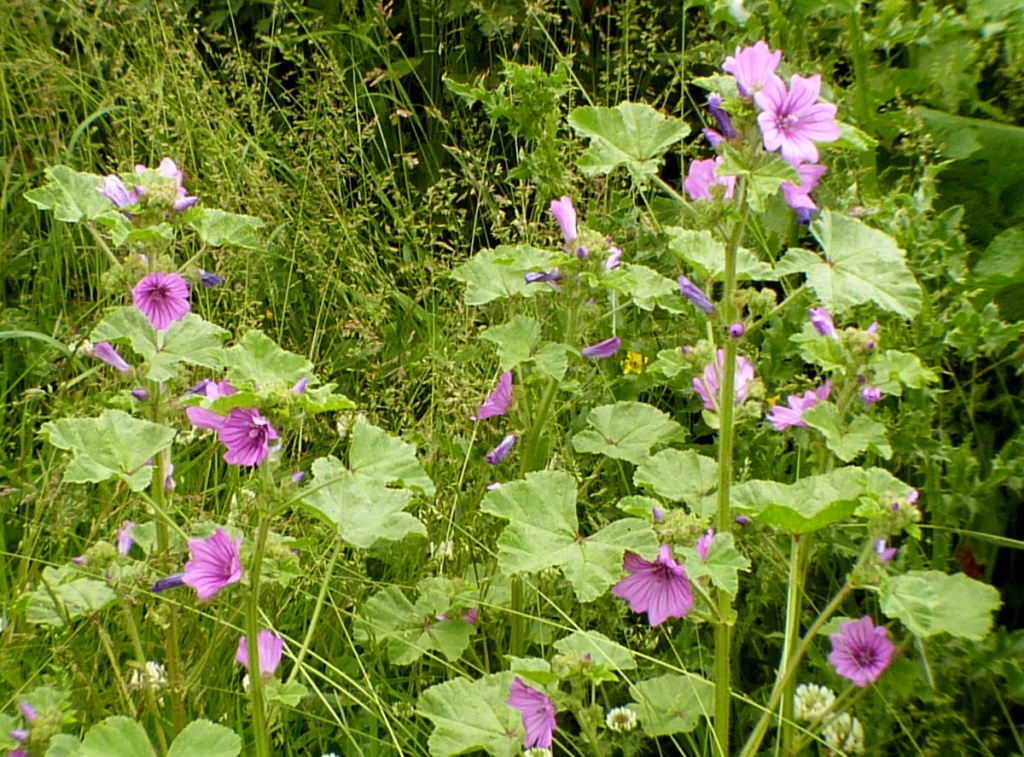
 outside London Leys Farm Yard Sharnford Road Sapcote SP 4923 9296 (taken 30.6.2008).JPG)
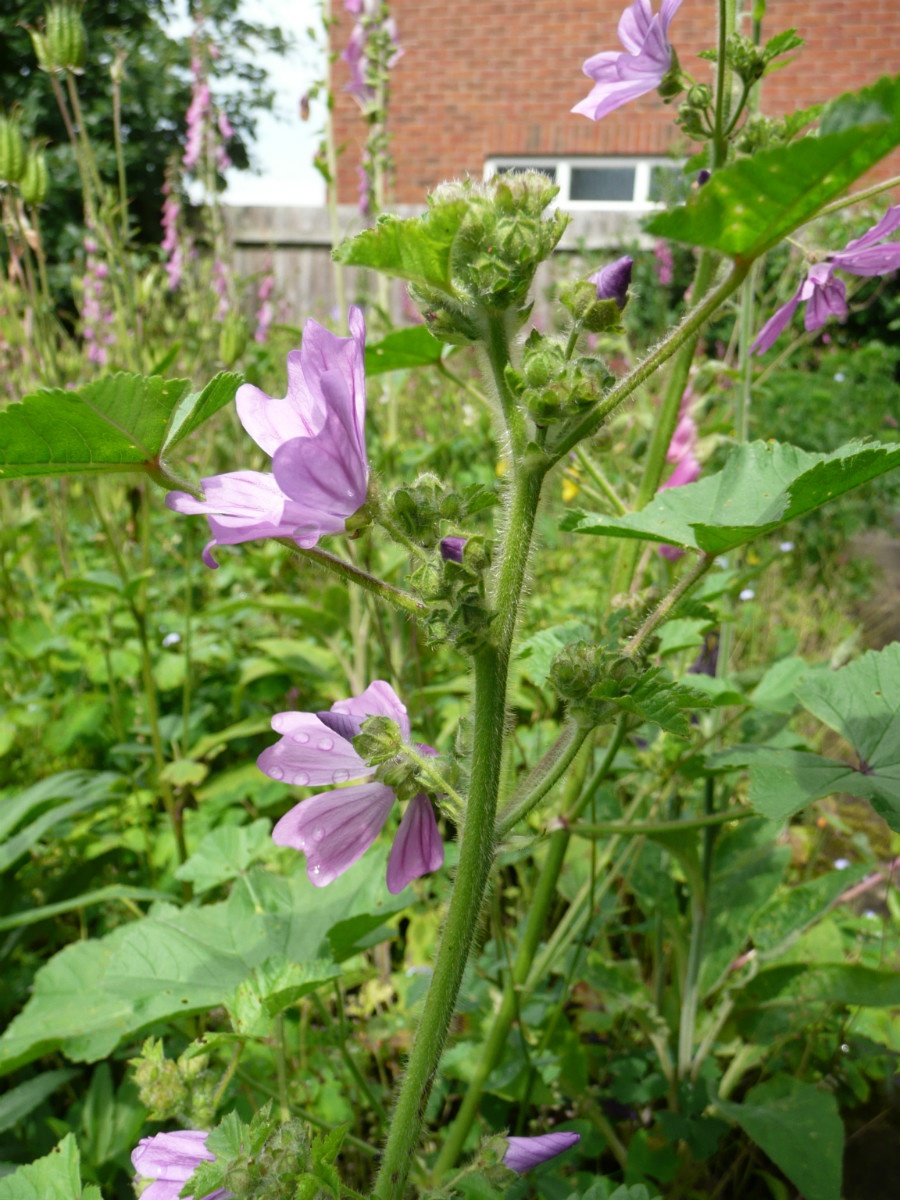
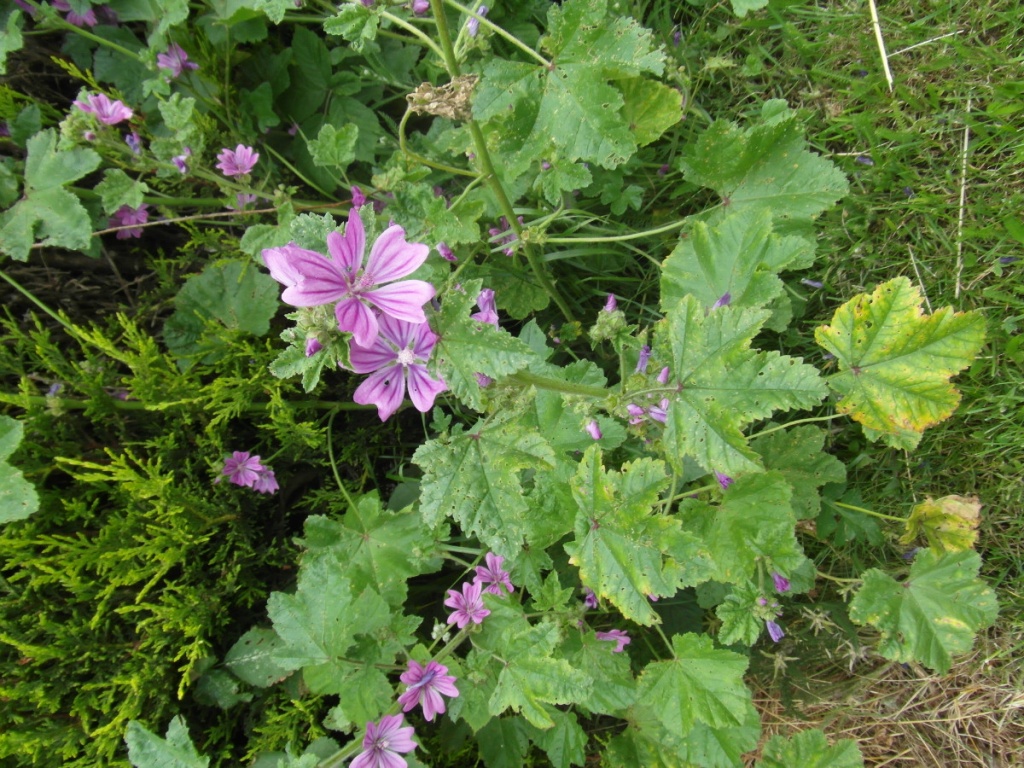
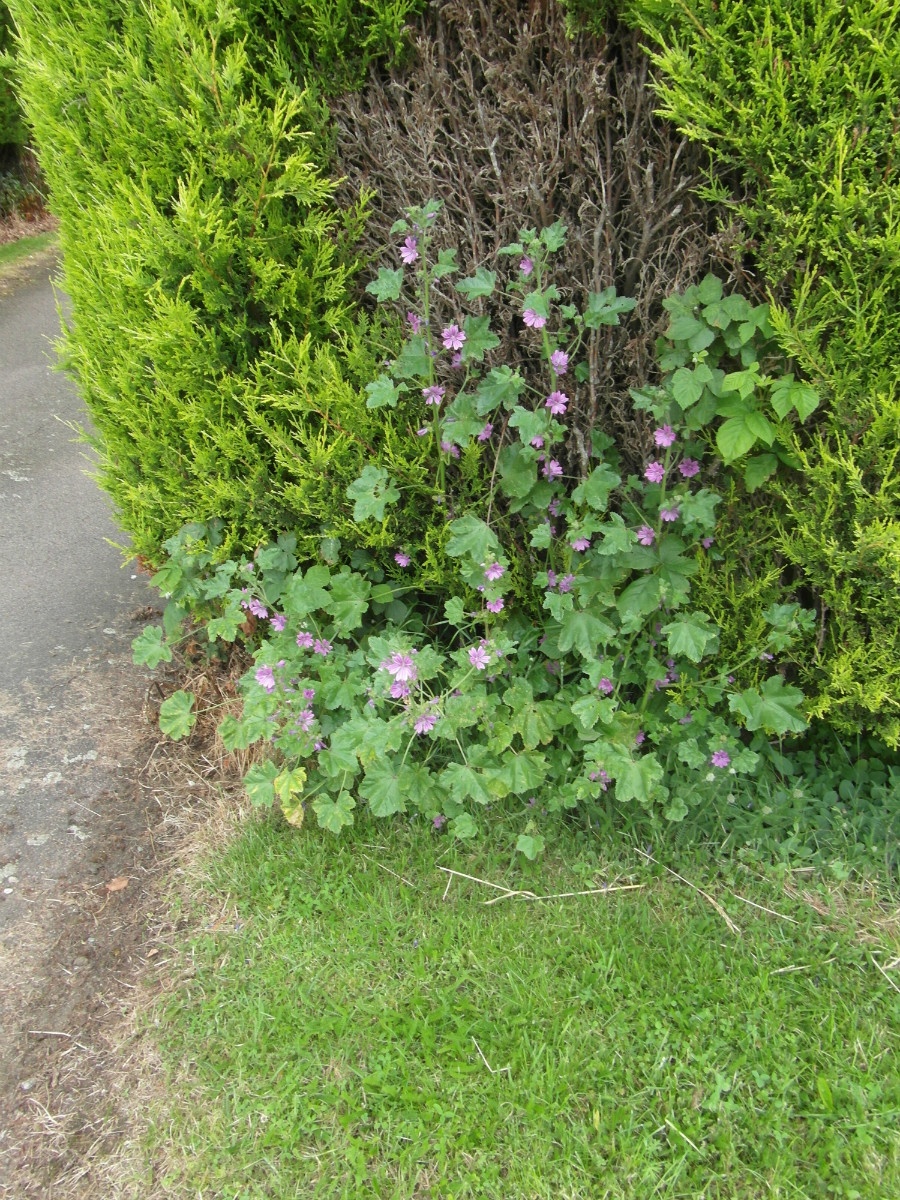
All NatureSpot records
Mallow Rust
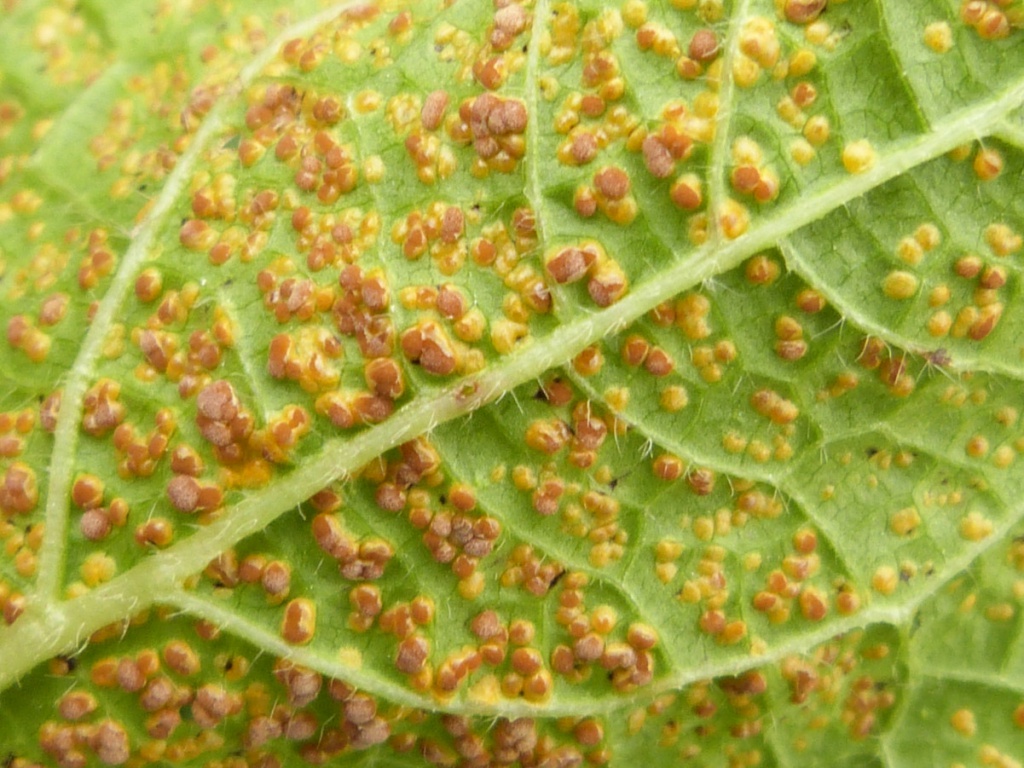
Puccinia malvacearum is a rust fungus that galls the leaves and petioles of members of the Malvaceae family including Hollyhock and Mallows (such as Common Mallow). There is no host alternation, and only telia are produced. Numerous yellow spots occur on the upper surfaces of the leaves, whilst on the underside of the leaves and on the petioles it causes hard rounded swellings, occasionally yellowish but most often reddish brown and later powder grey.
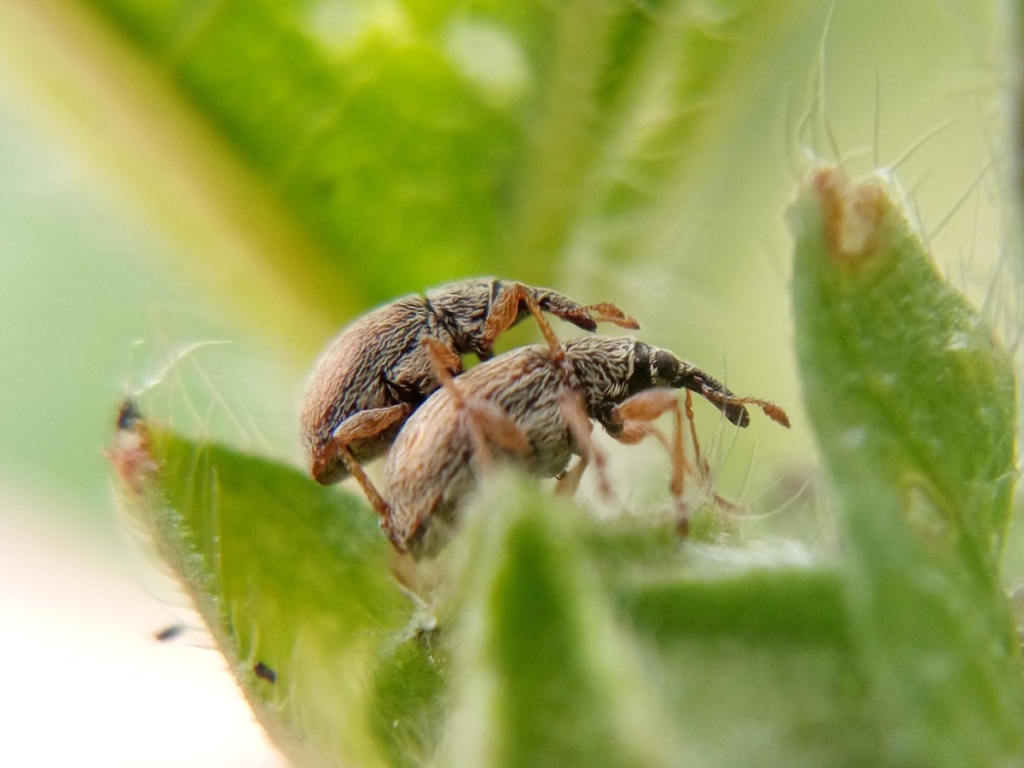
Malvapion malvae
1.8 to 2.4mm. This small weevil feeds on Mallows, especially on waste ground or brownfield sites. It is orange-brown with yellow-orange legs and covered in a dense pubescence.