Bluebell
Bluebell - Hyacinthoides non-scripta
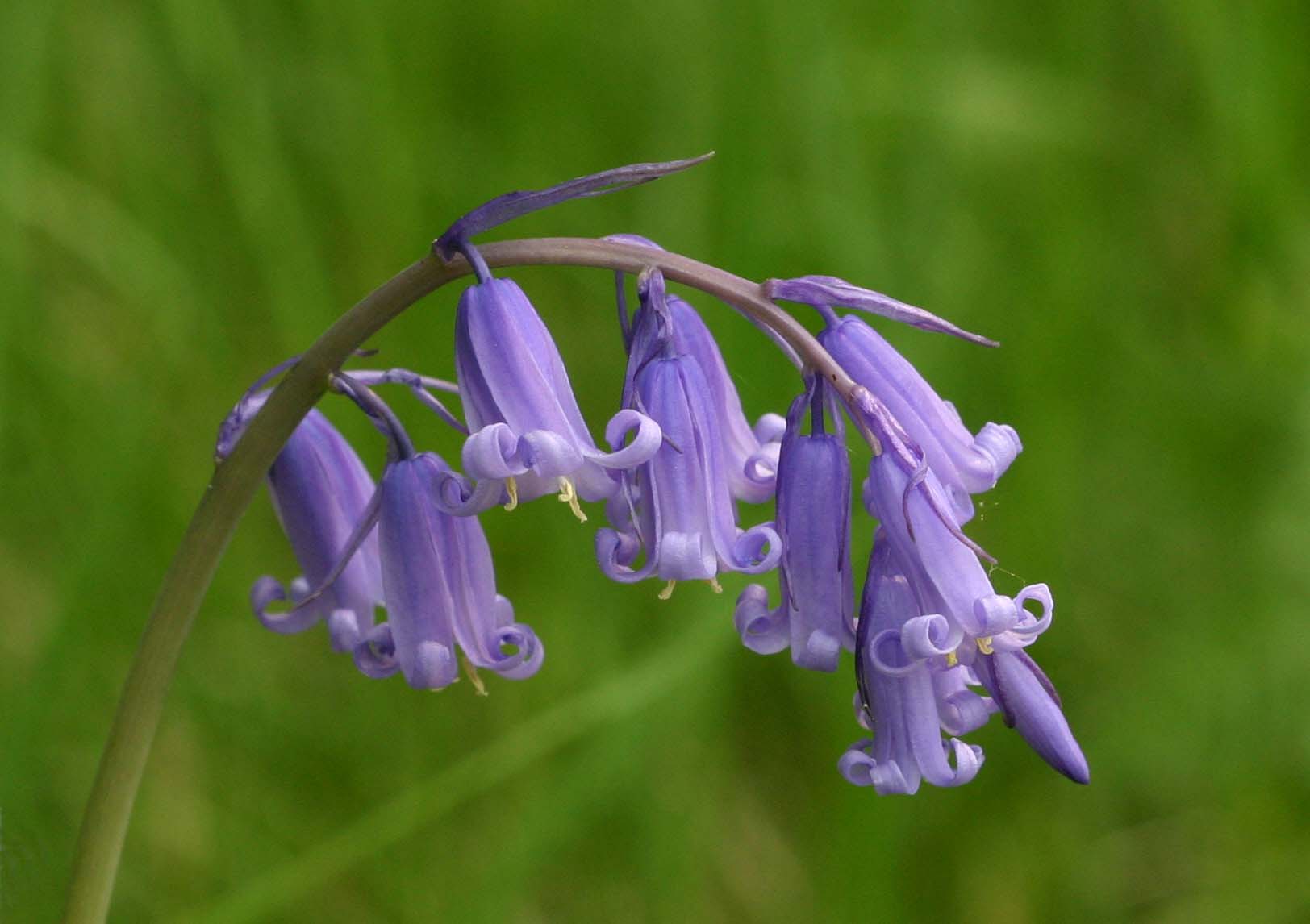
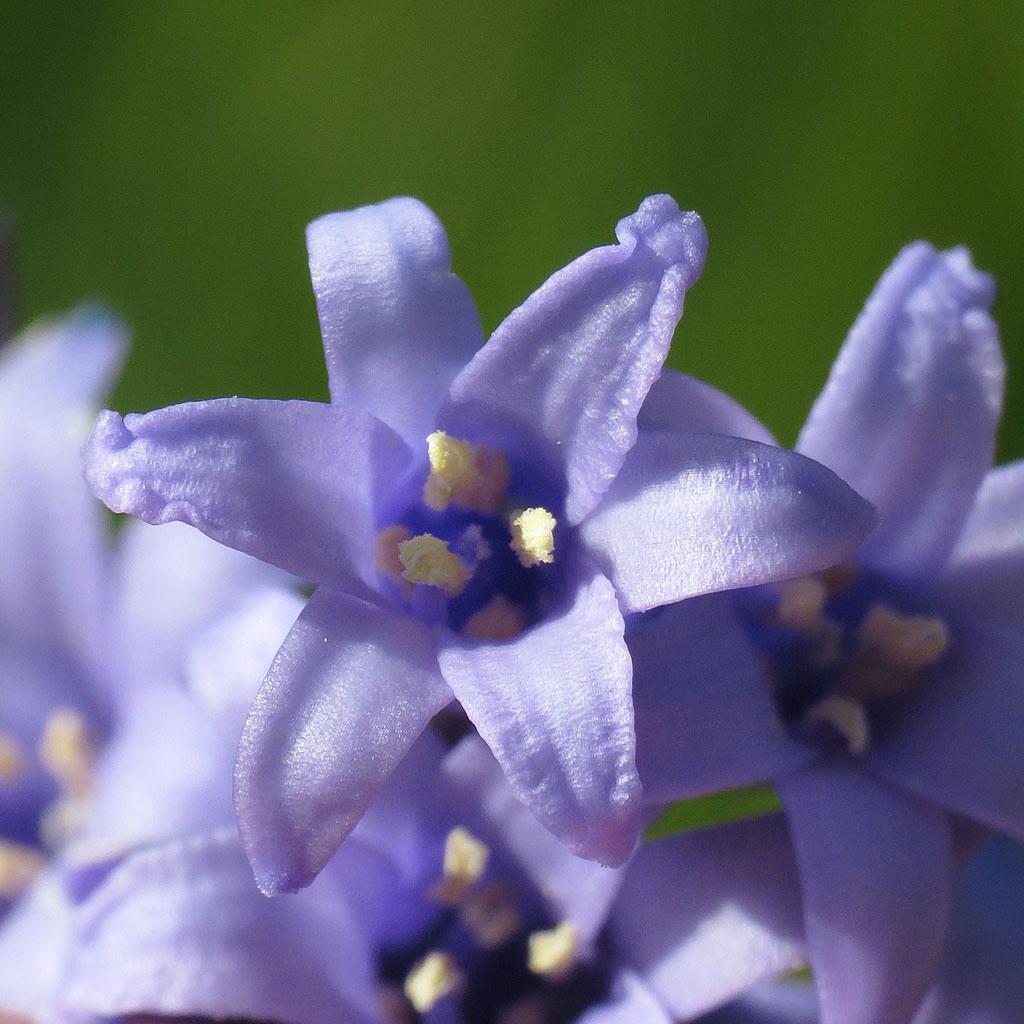
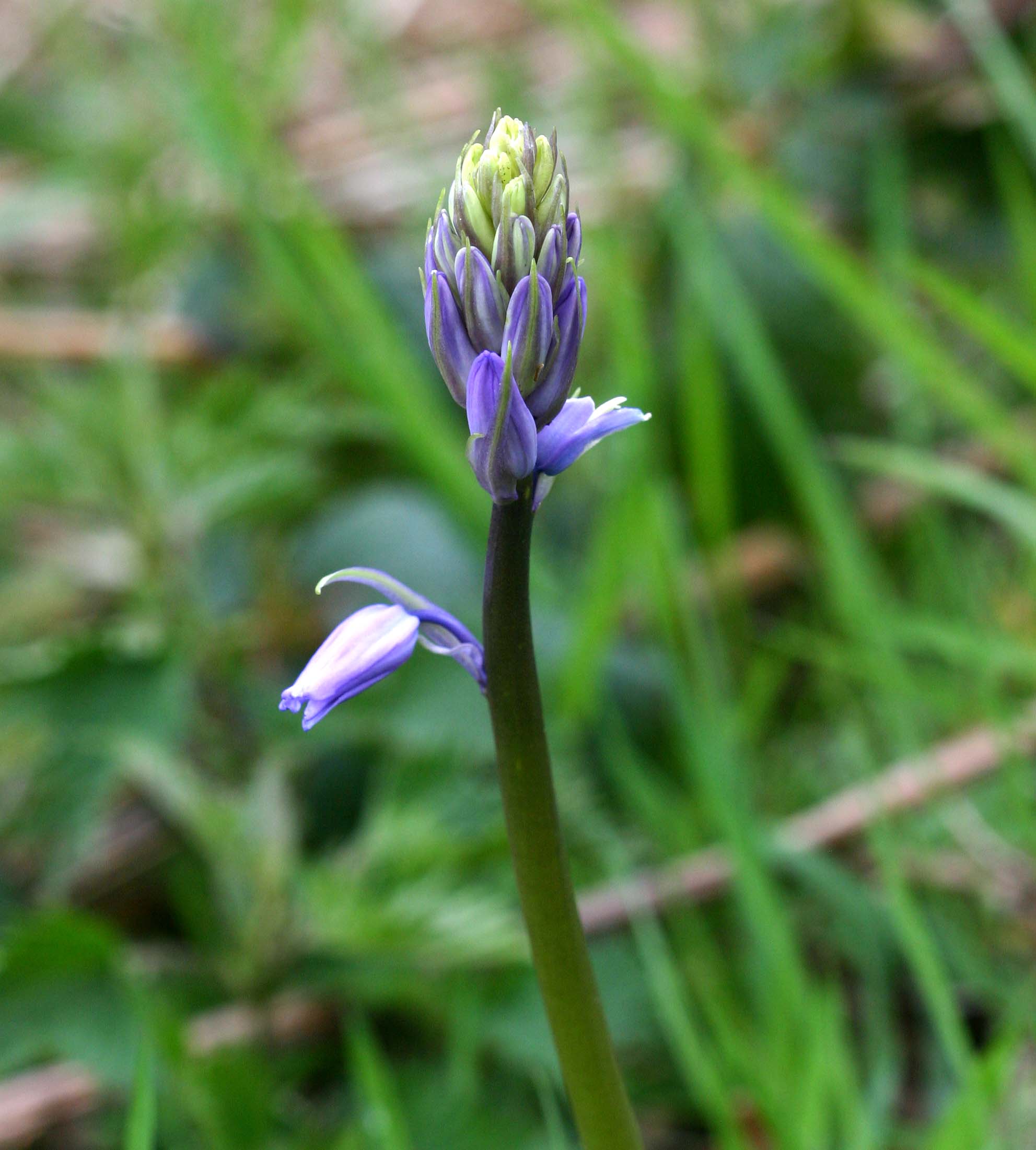
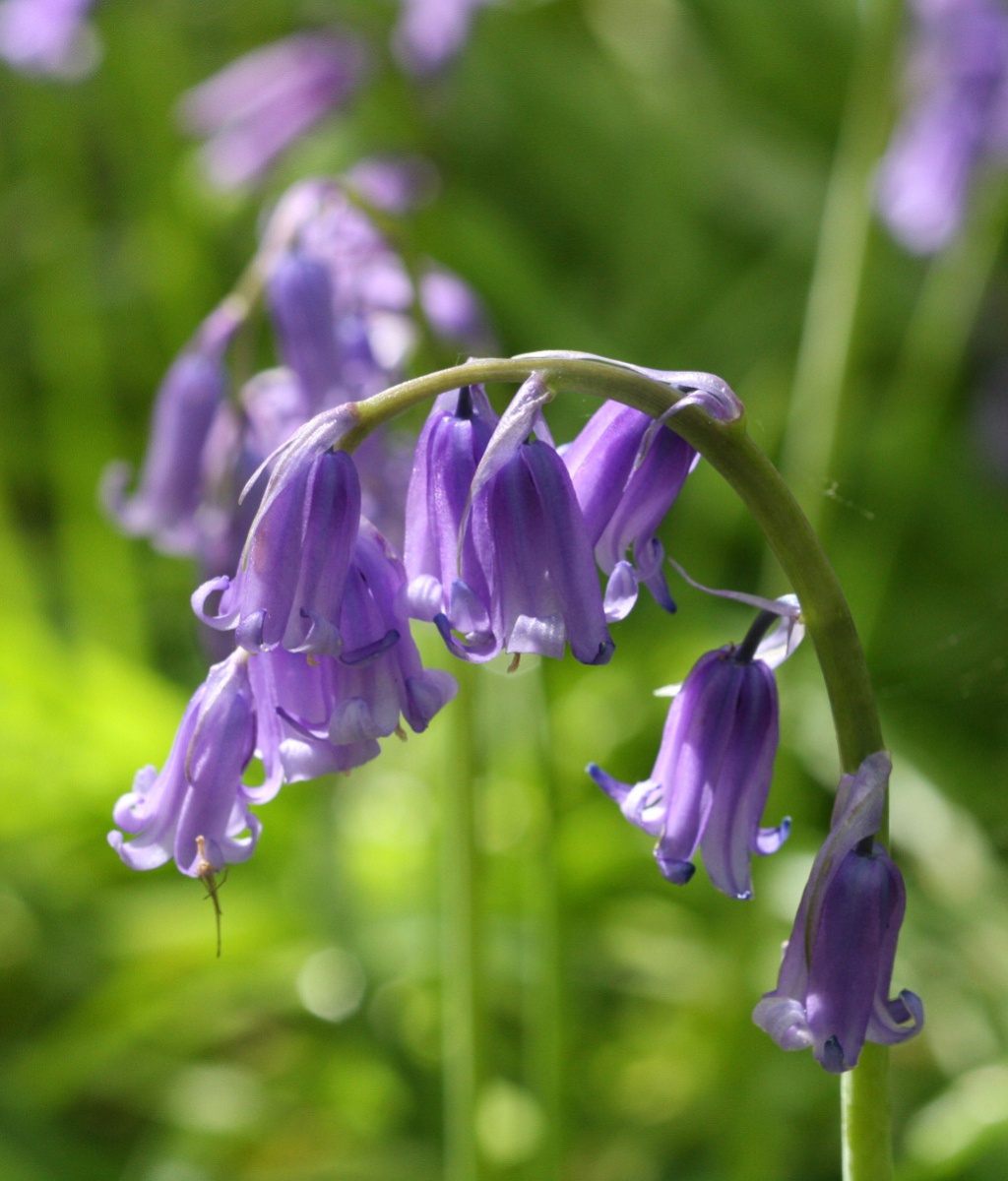
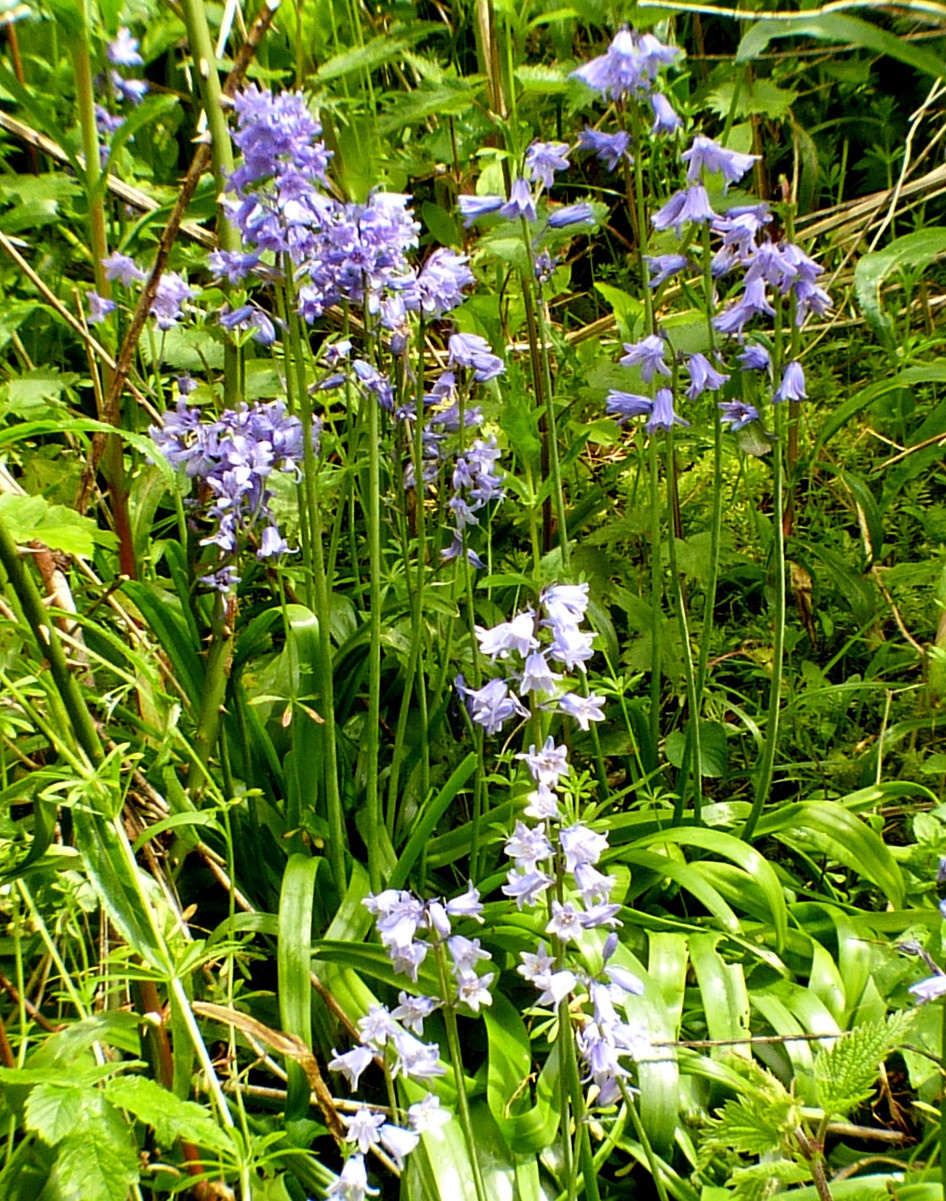
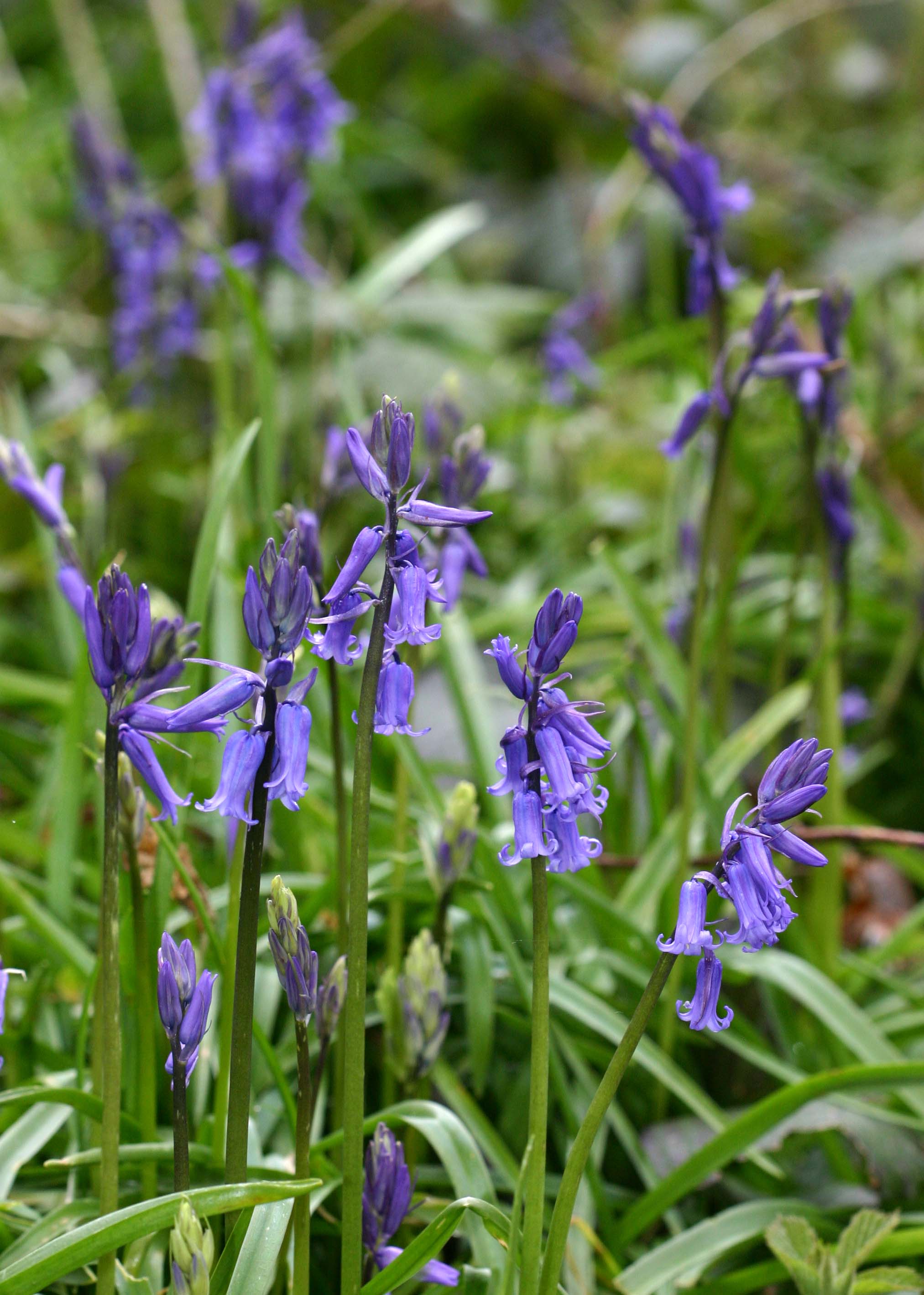
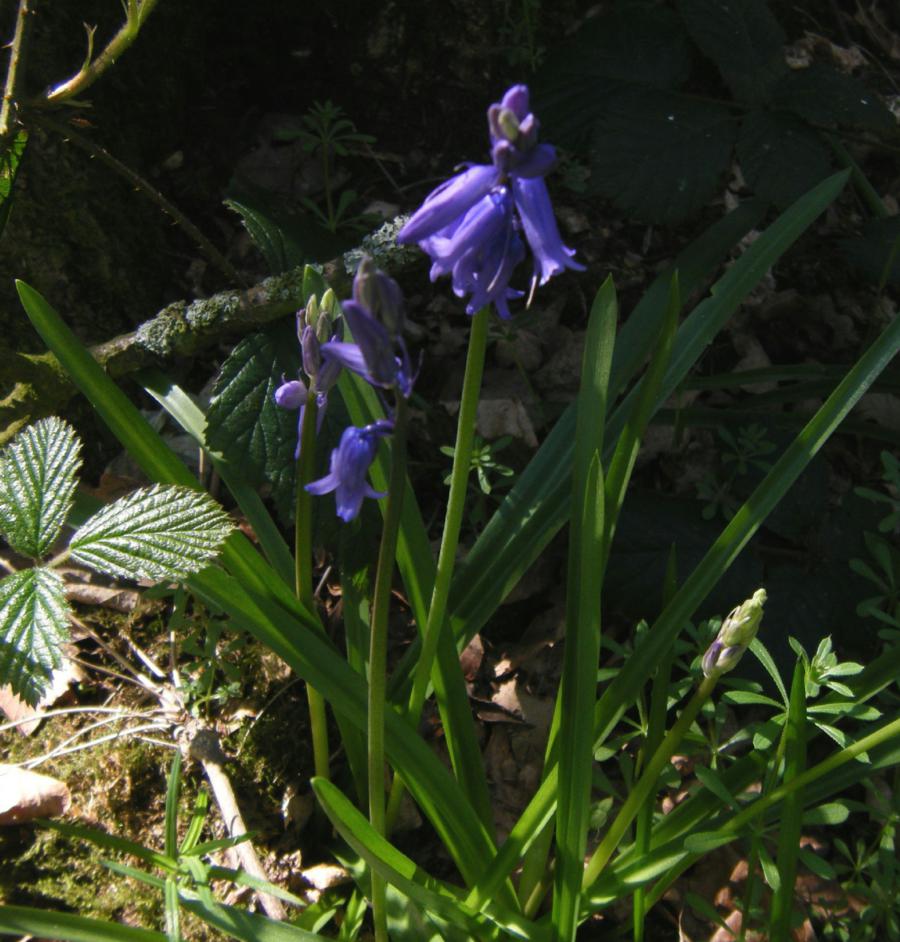
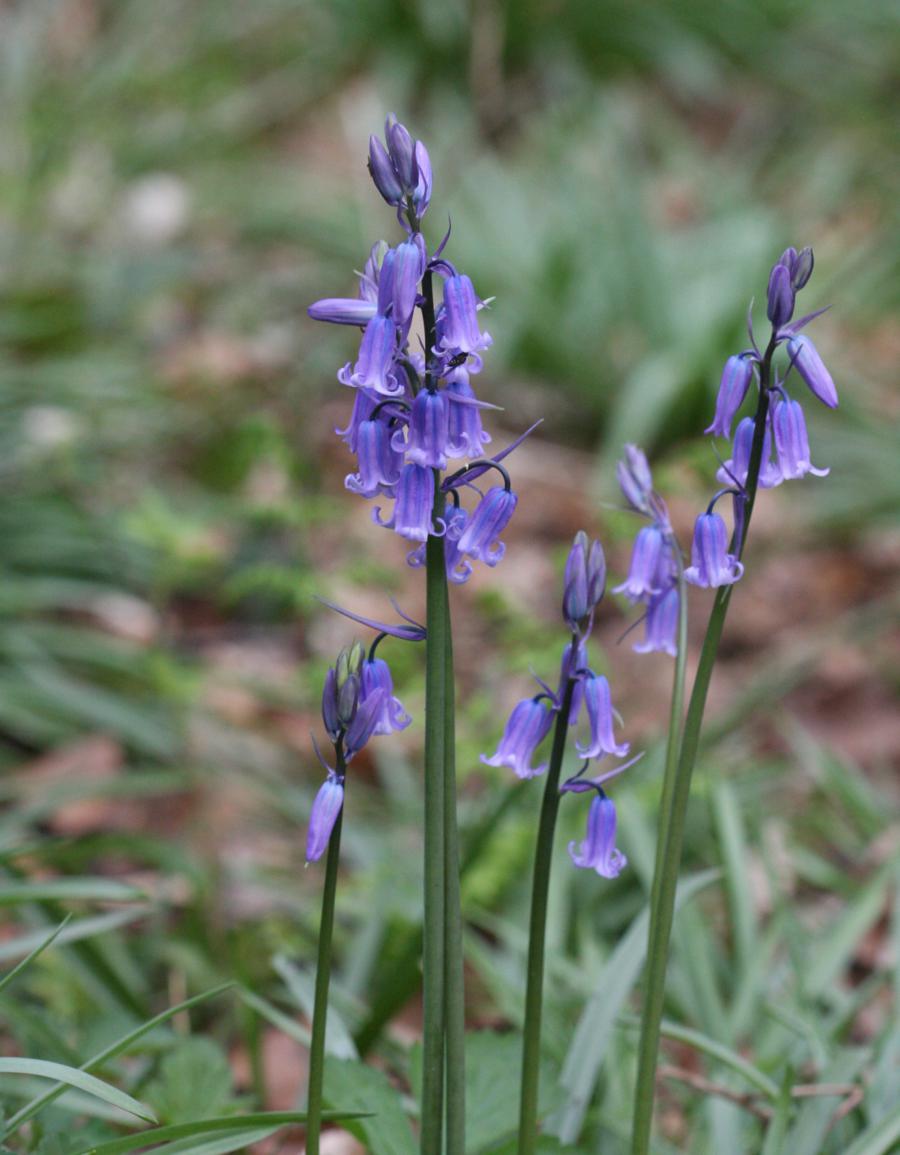
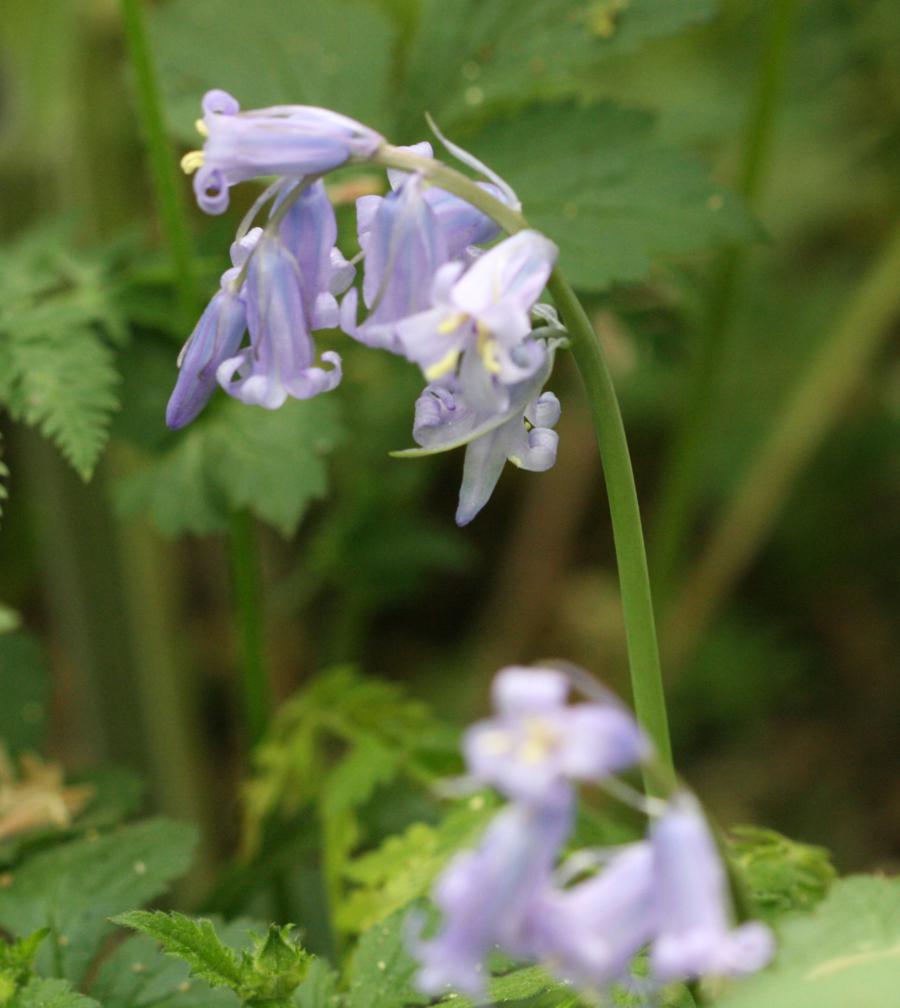
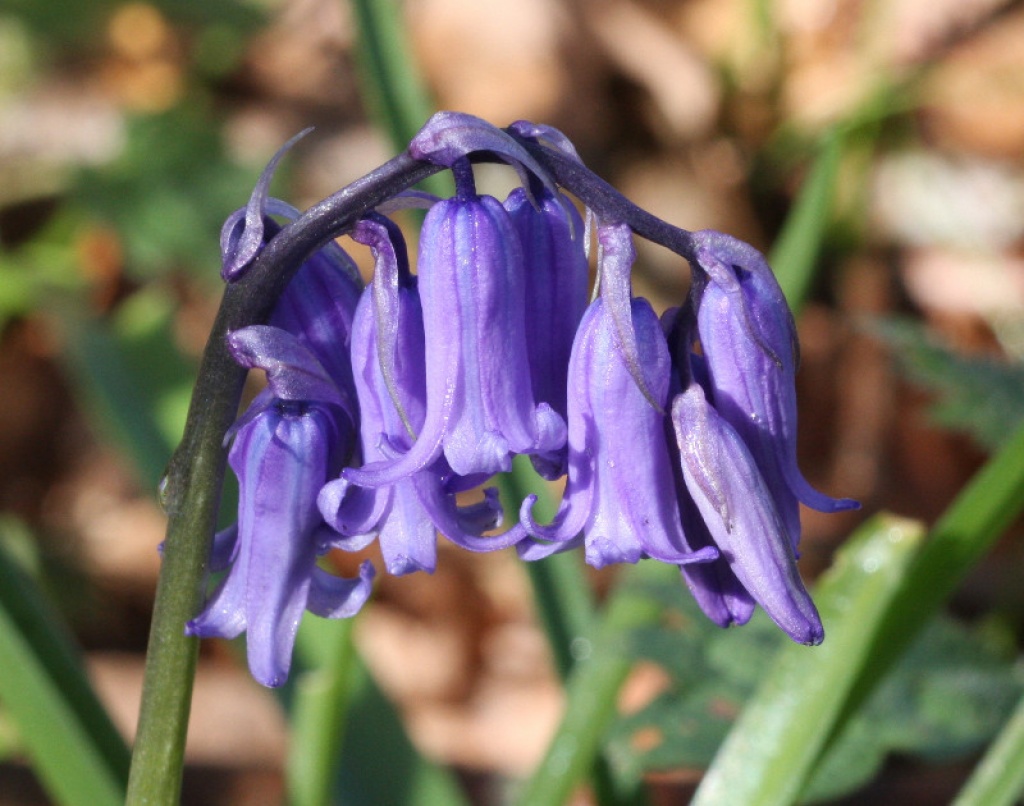
Height up to 30 cm. Flowers violet blue, occasionally pinkish or white, nodding tubular bells 14 to 20 mm long, borne in a one sided raceme drooping towards the tip. Leaves 3 to 6 linear-lanceolate. The anthers are creamy white in this species.
Indicator Species - Leicestershire, Leicester & Rutland Local Nature Recovery Strategy.
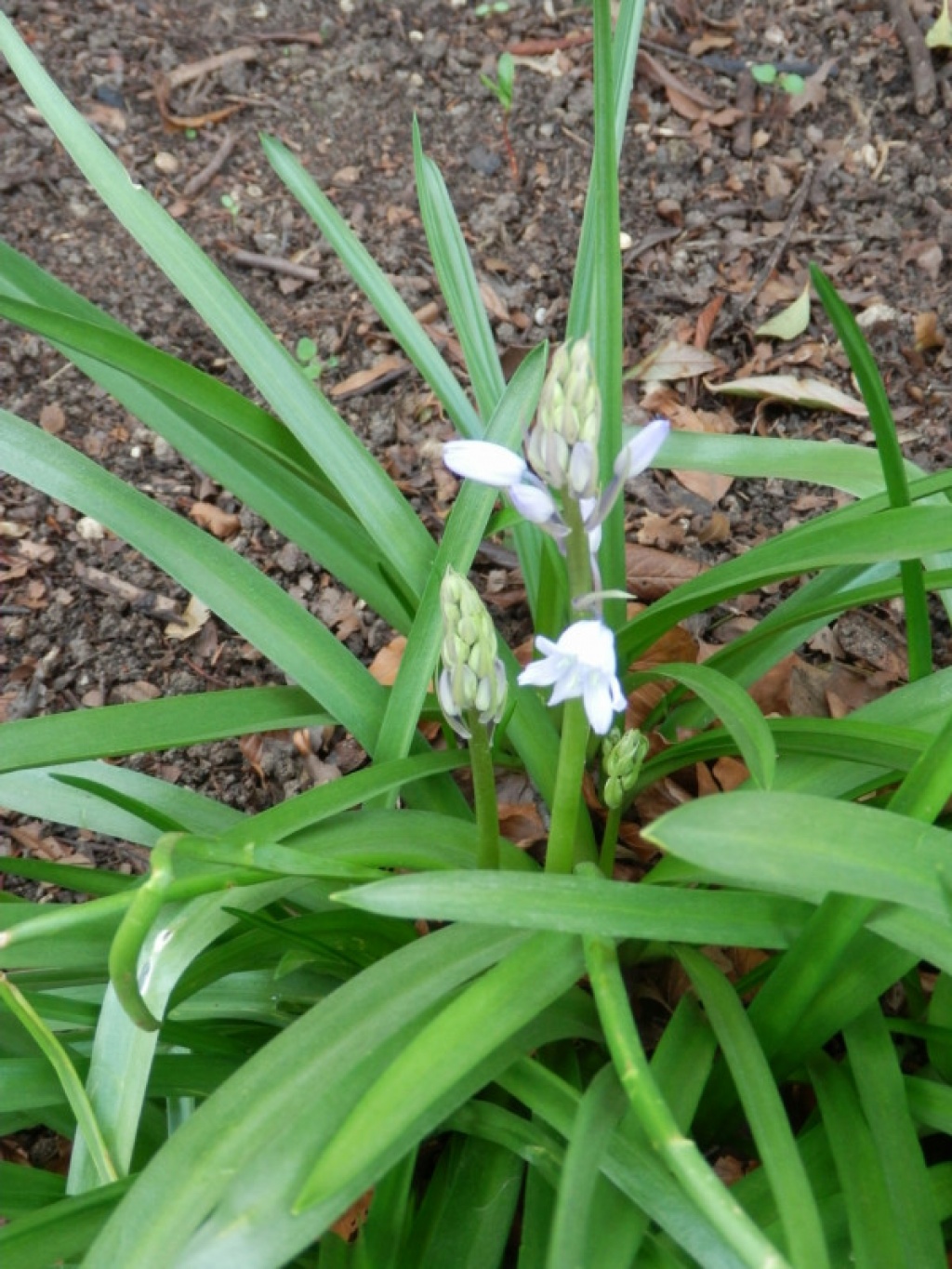
The hybrid with Spanish Bluebell is becoming more common and is easily confused. Spanish Bluebell has blue anthers and a more trumpet-shaped flower. The native Bluebell has flowers that are more tubular and parallel-sided. The two species hybridise - see our page for Hybrid Bluebell for details.

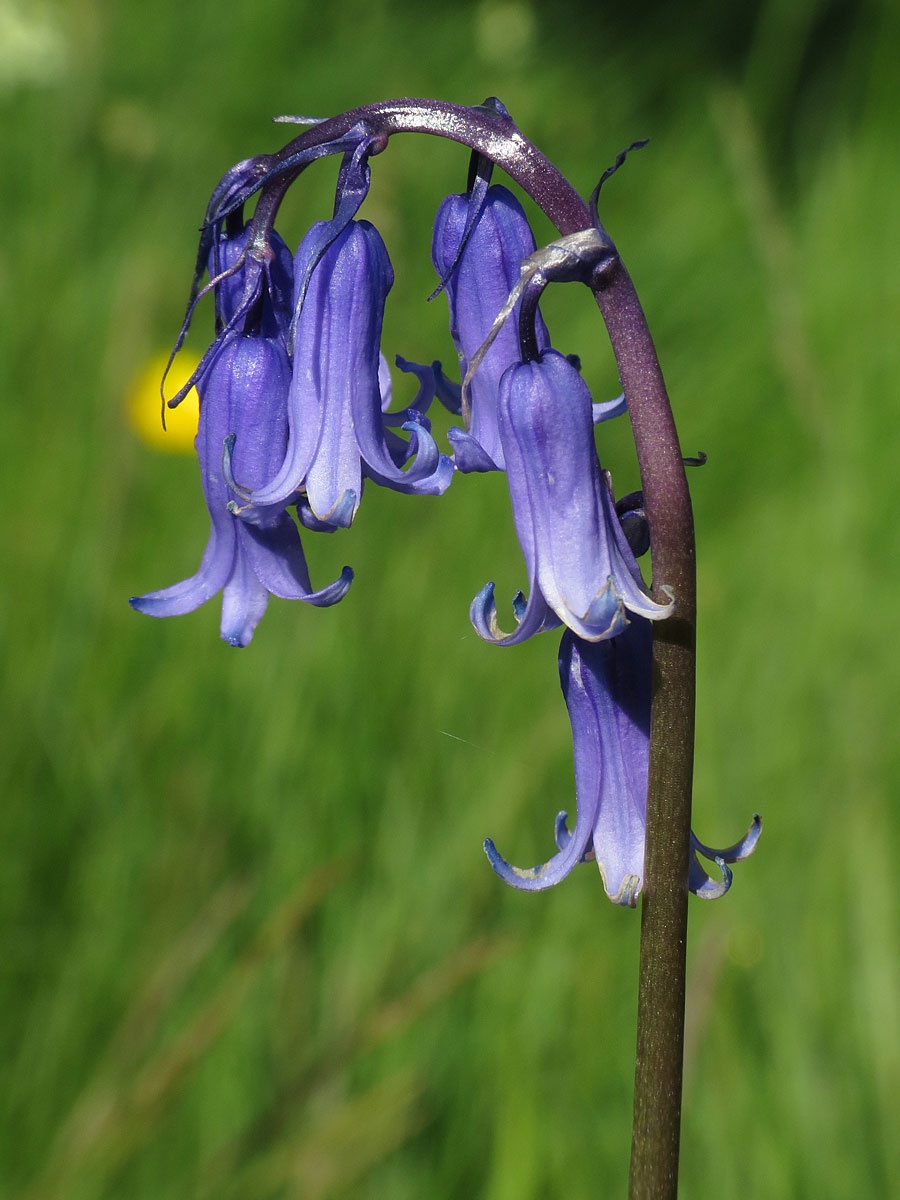
Narrow leaves, anthers cream, raceme drooping at tip, flowers tubular (parallel-sided) and with strongly recurved petals.
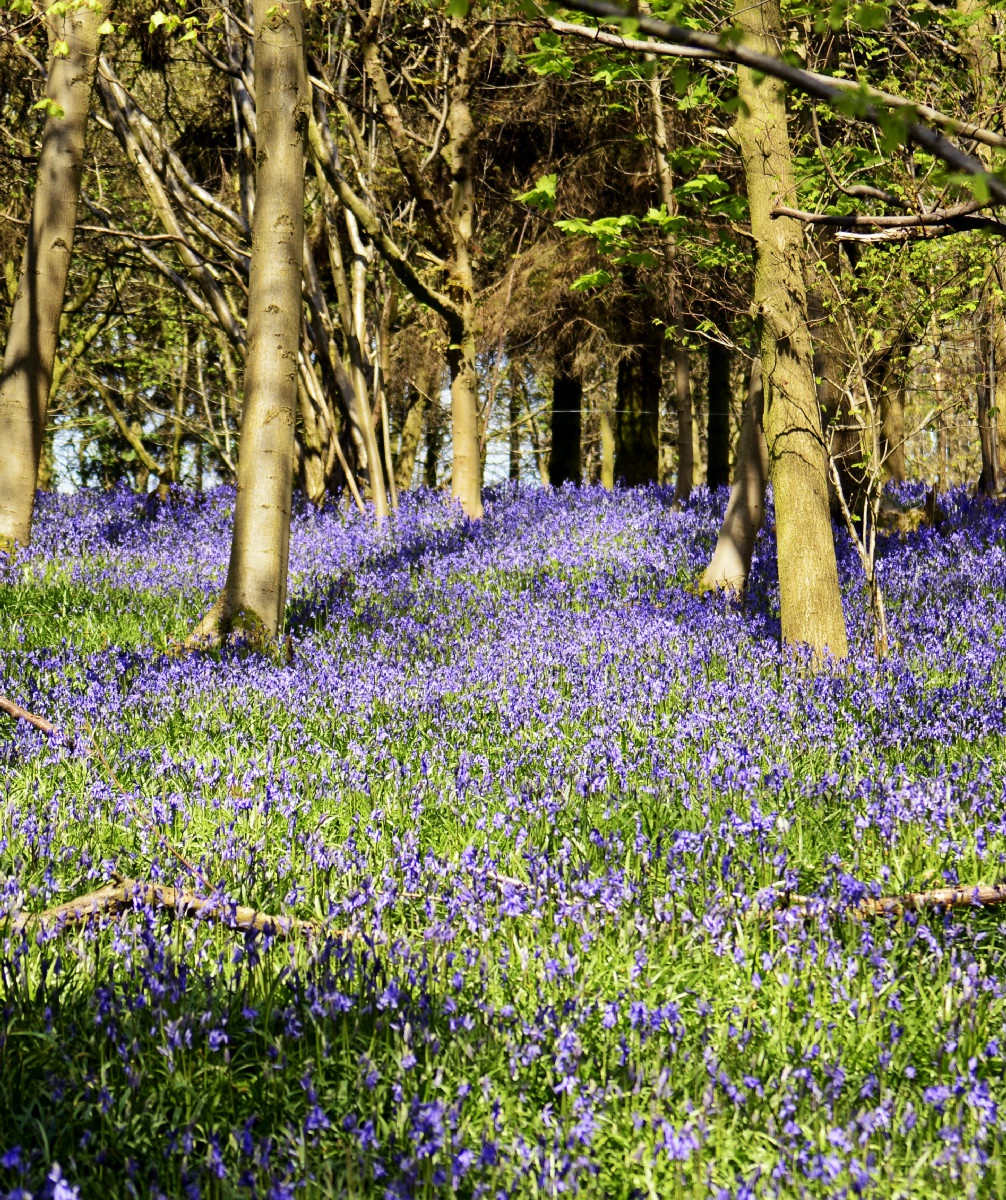
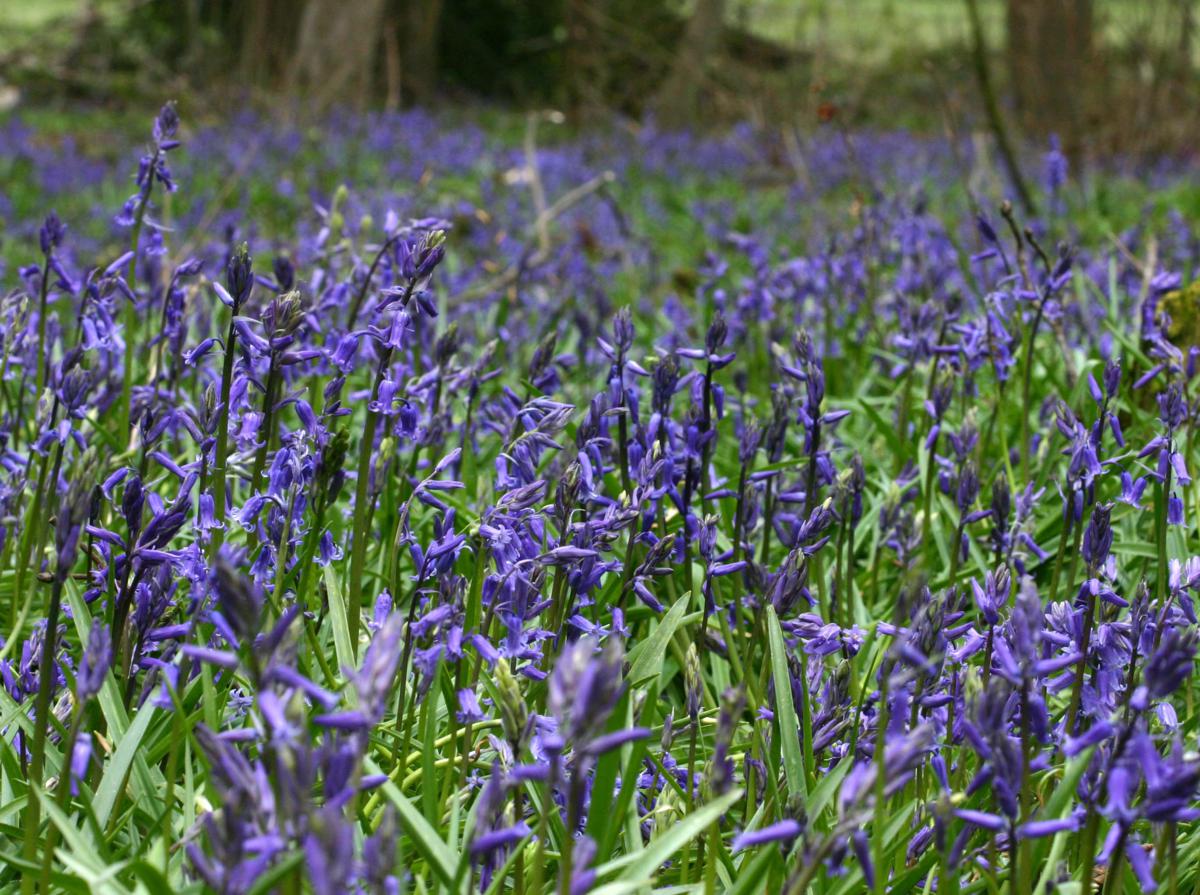
Photo of the flowering plant in its habitat, plus closeup of flower and stamens (a side-on view of some flowers is helpful). Plants in currently or previously wooded habitats are likely to be this. Photos in leaf or of seed-heads cannot be accepted. (RPR)
Woods, sometimes in shady ditches, etc.
April to June.
Perennial.
Common and widespread throughout Britain.
Common in suitable locations in Leicestershire and Rutland.
In the current Checklist (Jeeves, 2011) it is listed as native, woodland; usually on at least moderately acid soils, locally abundant.
It is listed on the current VC55 Rare Plant Register (Hall and Woodward 2022) because of its legal protection
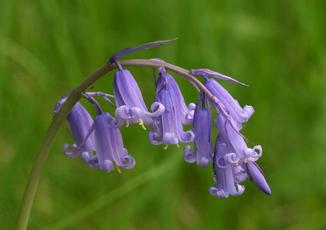 David Nicholls
Groby Pool
10 May 2008
one sided, drooping raceme Freeholt Wood Sapcote SP 4605 9415 (taken 11.4.2007).JPG) Graham Calow
Graham Calow
Sapcote
11 April 2007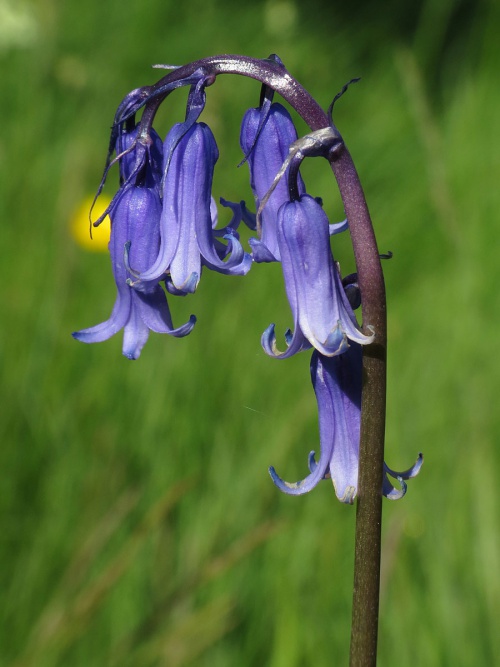 David Gould
Croft Pasture, Leics.
22 May 2015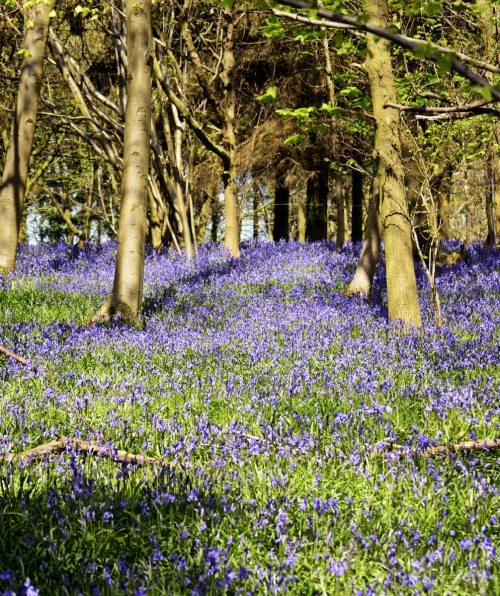 Lostash
Barnsdale Woods
19 April 2014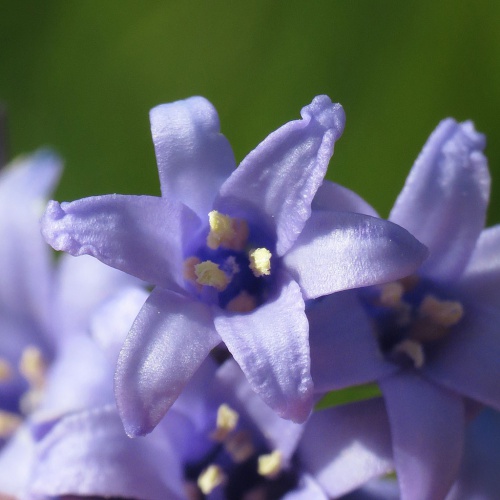 David Gould
Croft Pasture, Leics.
22 May 2015
clean white/cream anthers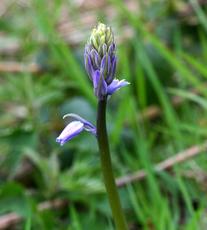 David Nicholls
Ulverscroft NR
02 May 2008
 Freeholt Wood Sapcote SP 4605 9415 (taken 11.4.2007).JPG)
Leicestershire & Rutland Map
Enter a town or village to see local records
MAP KEY:
Yellow squares = NBN records (all known data)
Coloured squares = NatureSpot records: 2025+ | 2020-2024 | pre-2020
UK Map
Additional images
 Freeholt Wood Sapcote SP 4605 9415 (taken 17.5.2006).JPG)
All NatureSpot records
Bluebell Rust
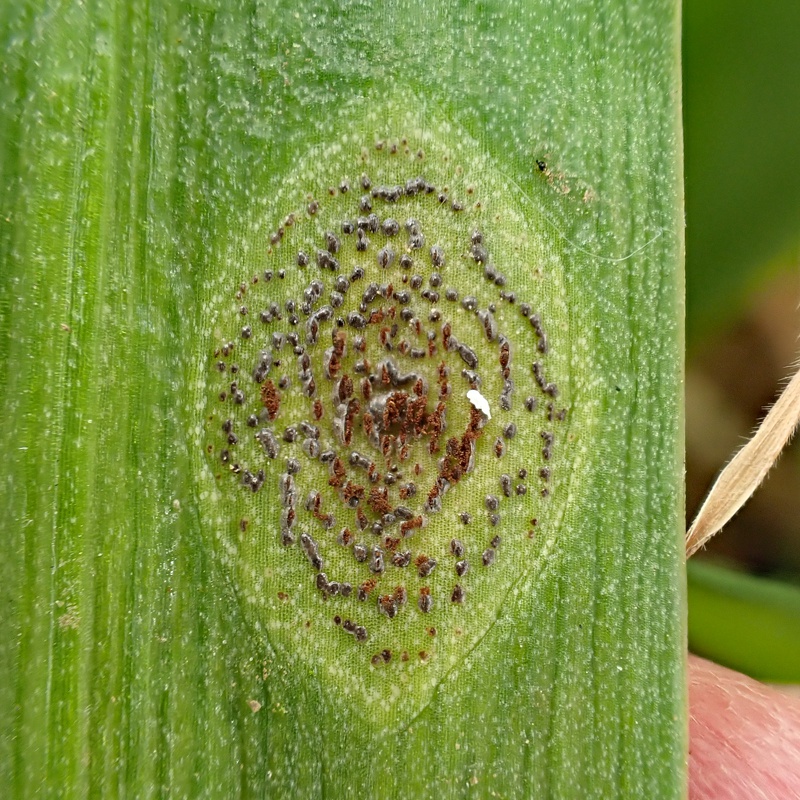
Bluebell Rust (Uromyces muscari) affects various Bluebell species and causes yellowed areas on the leaves filled with dark brown/black telia. There is no host-plant alternation, and only telia are known.
Note that Bluebell Rust is given the scientific name Uromyces hyacinthi in other parts of Europe, but this is currently treated as a synonym of U. muscari in the UK.