Hedge Mustard
Hedge Mustard - Sisymbrium officinale
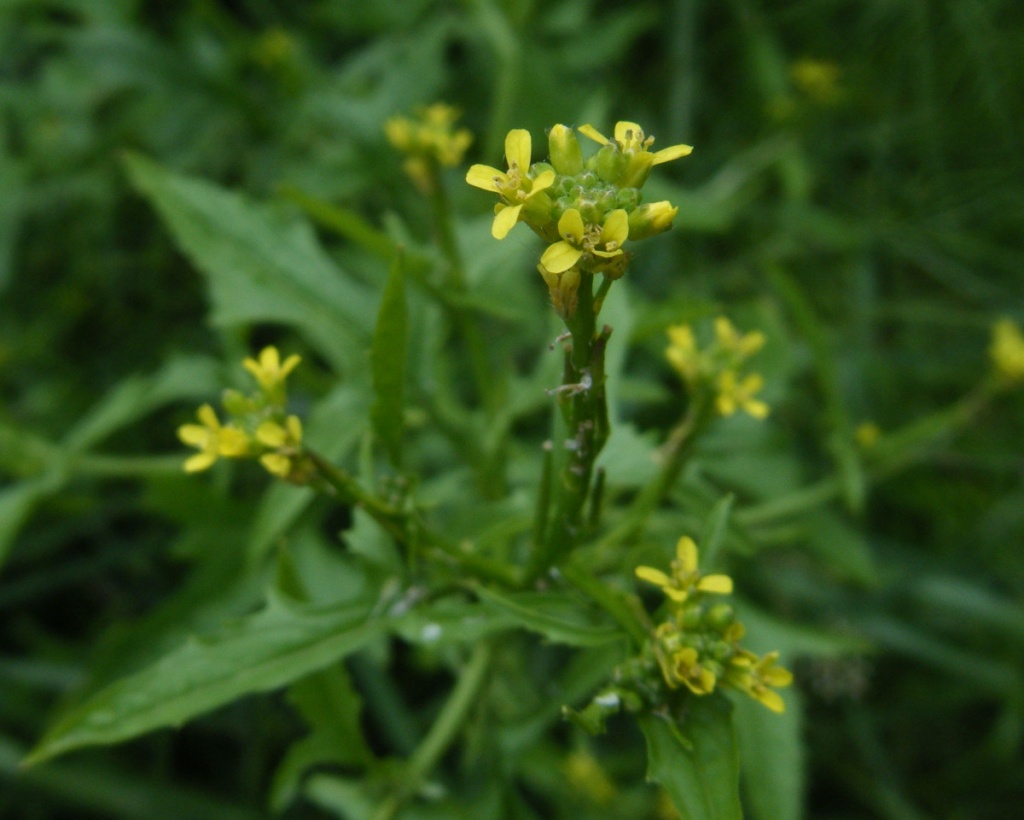
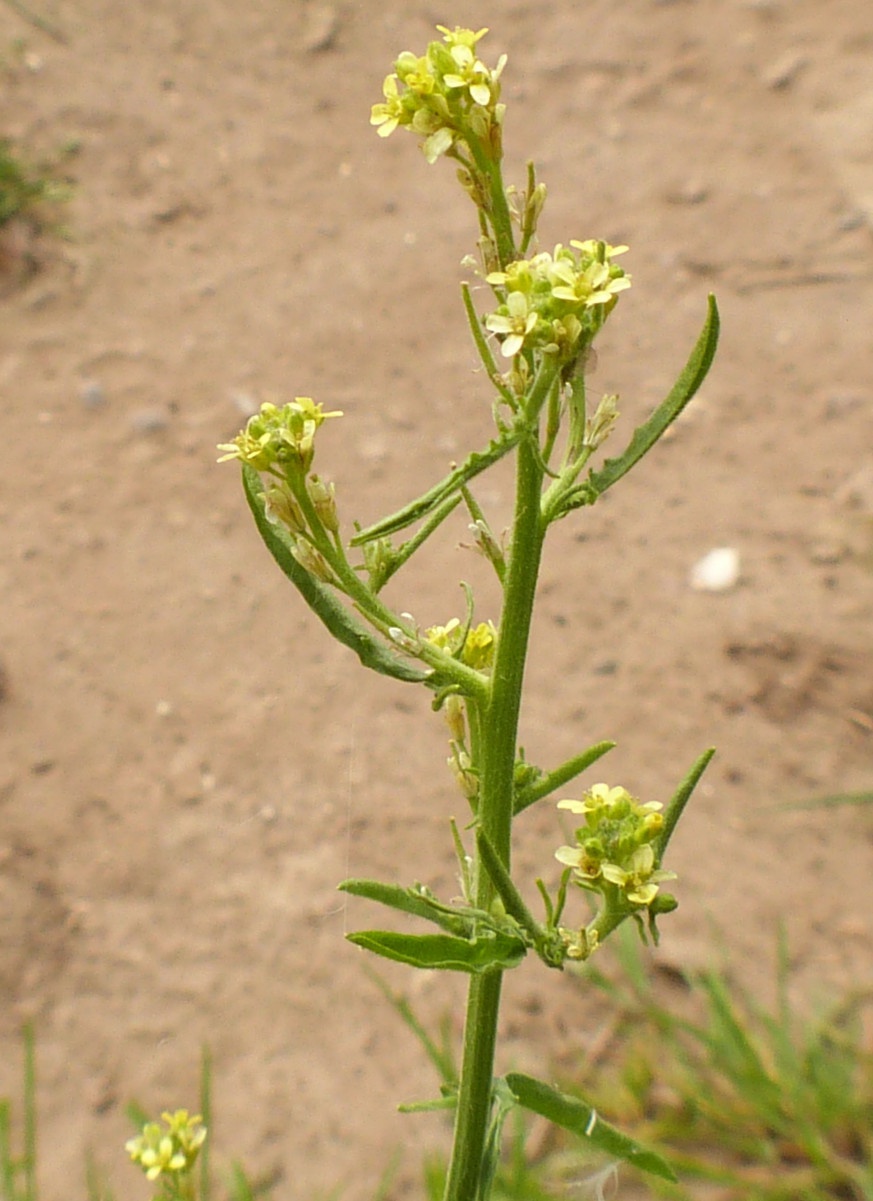
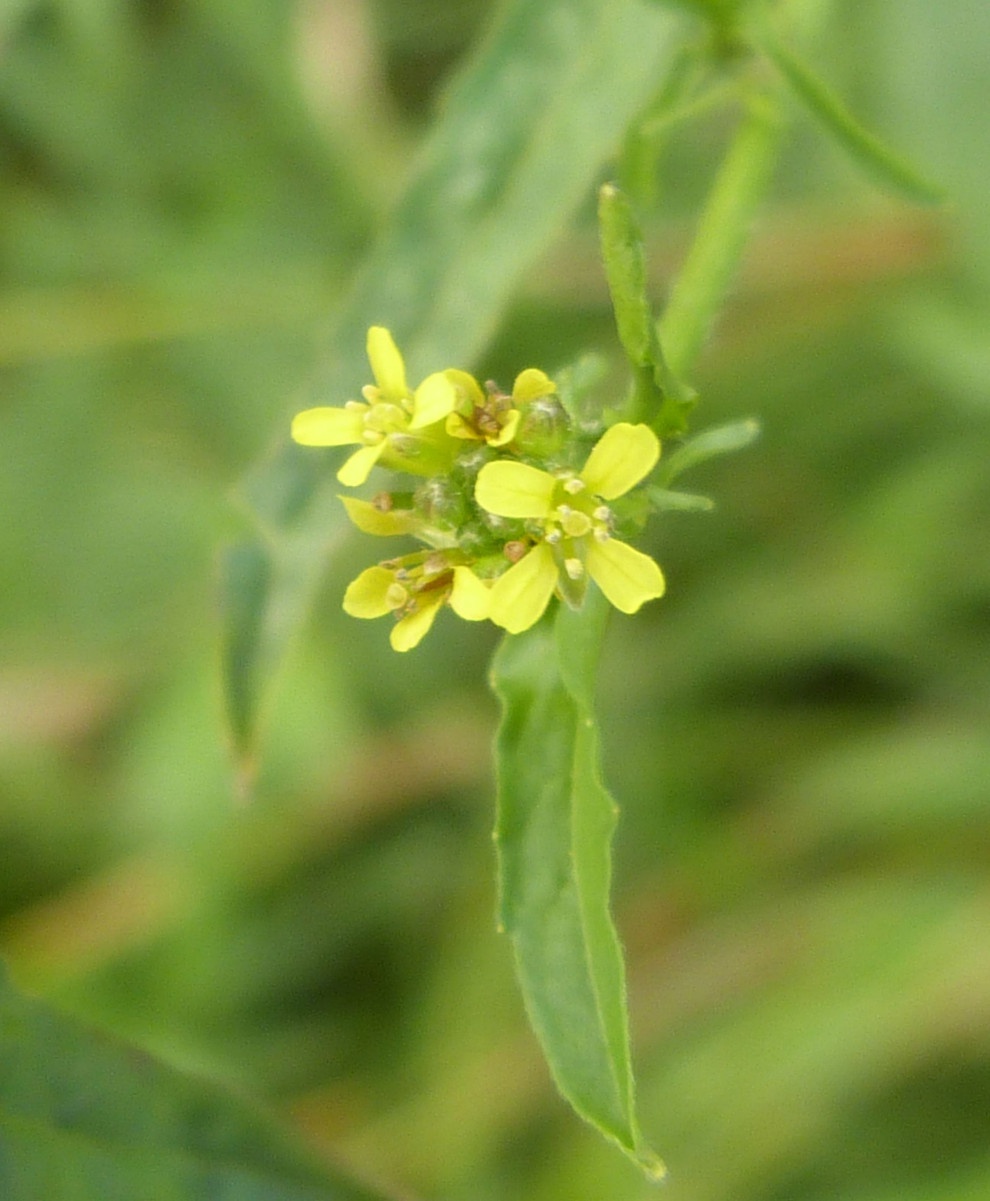
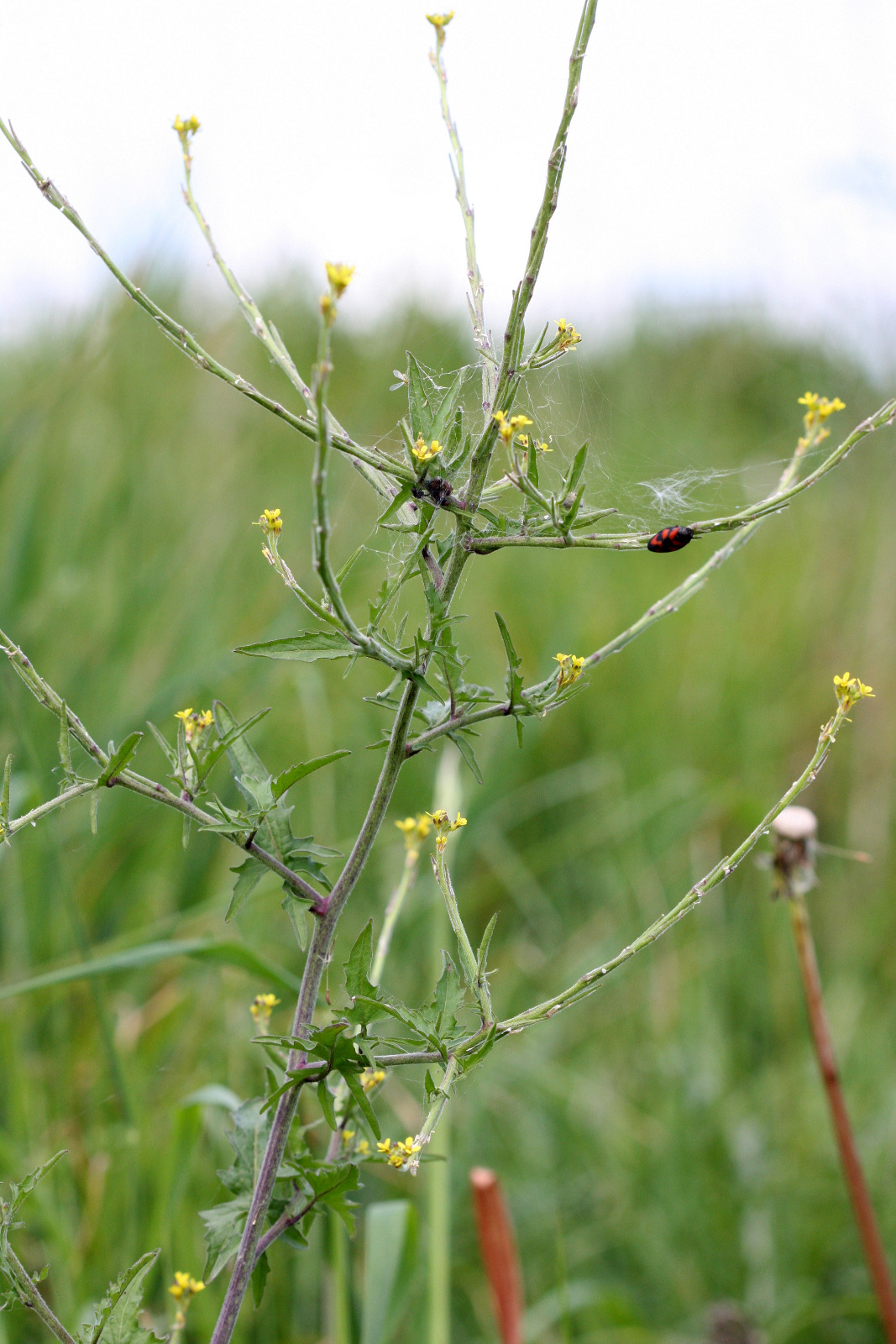
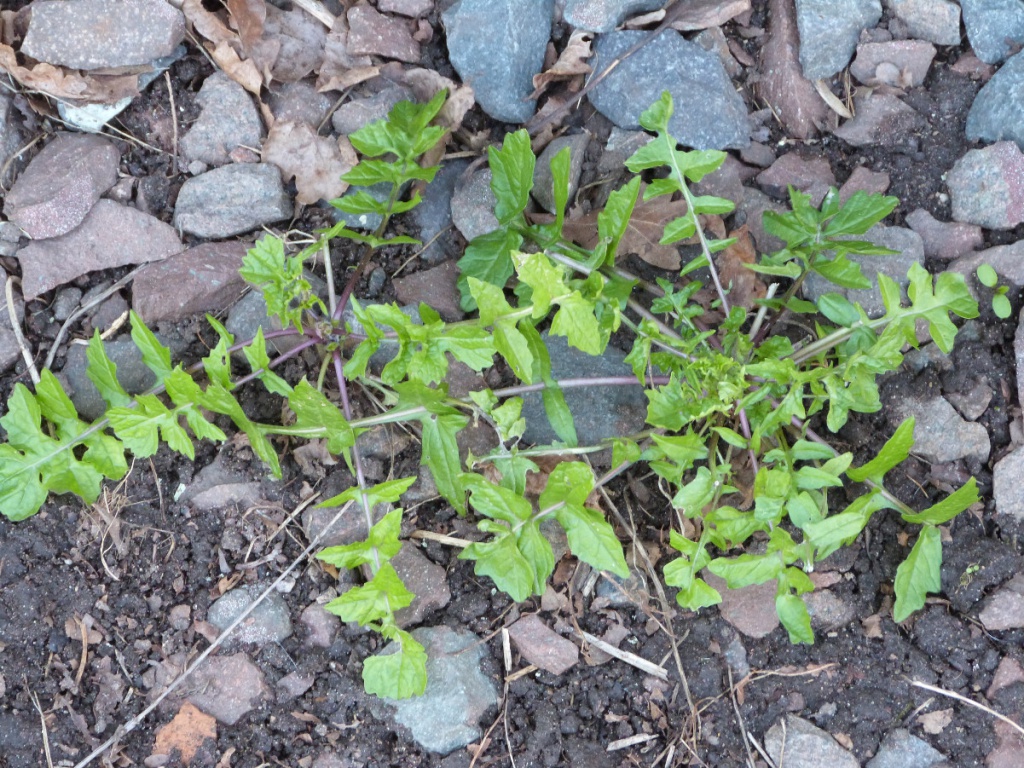
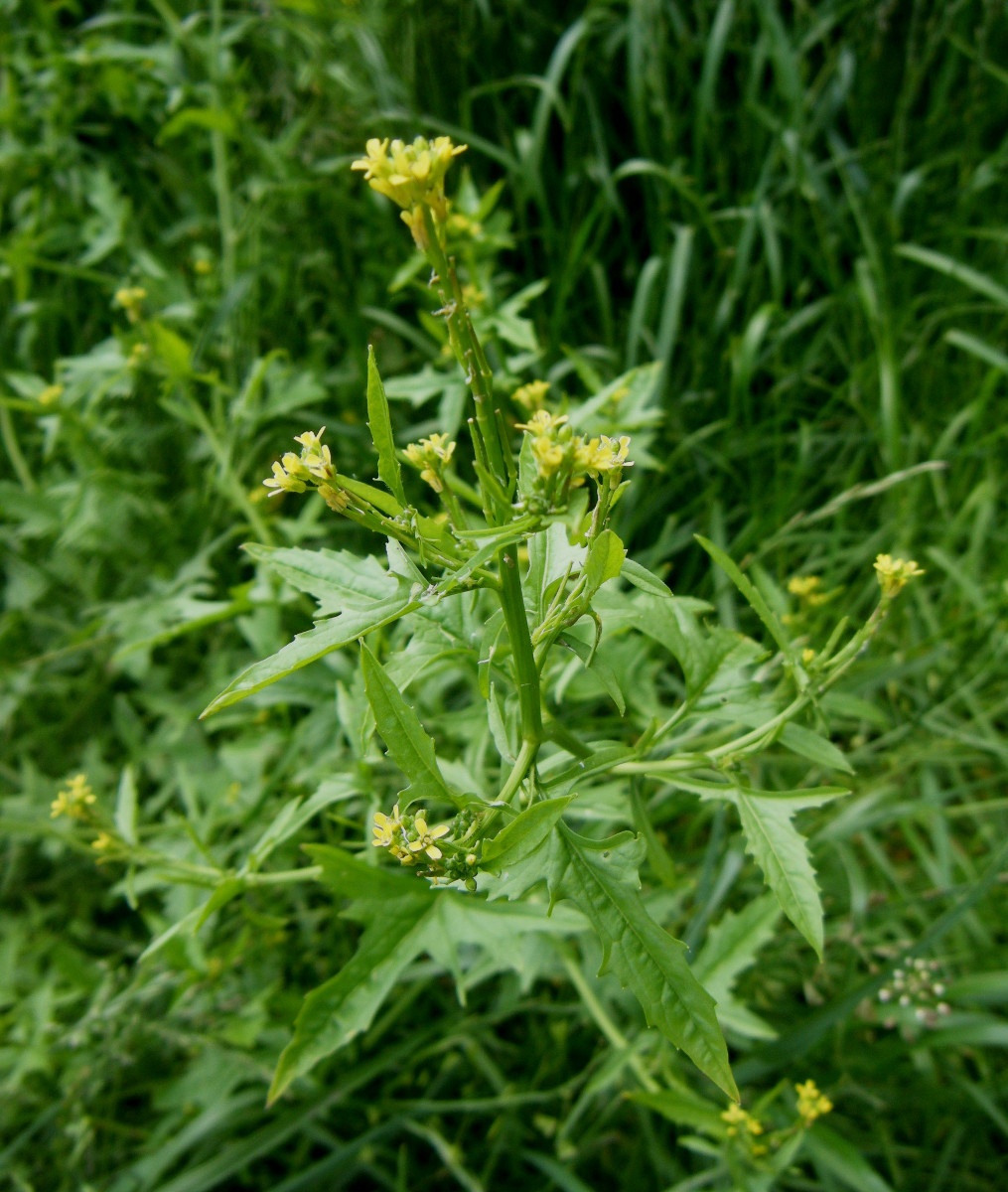
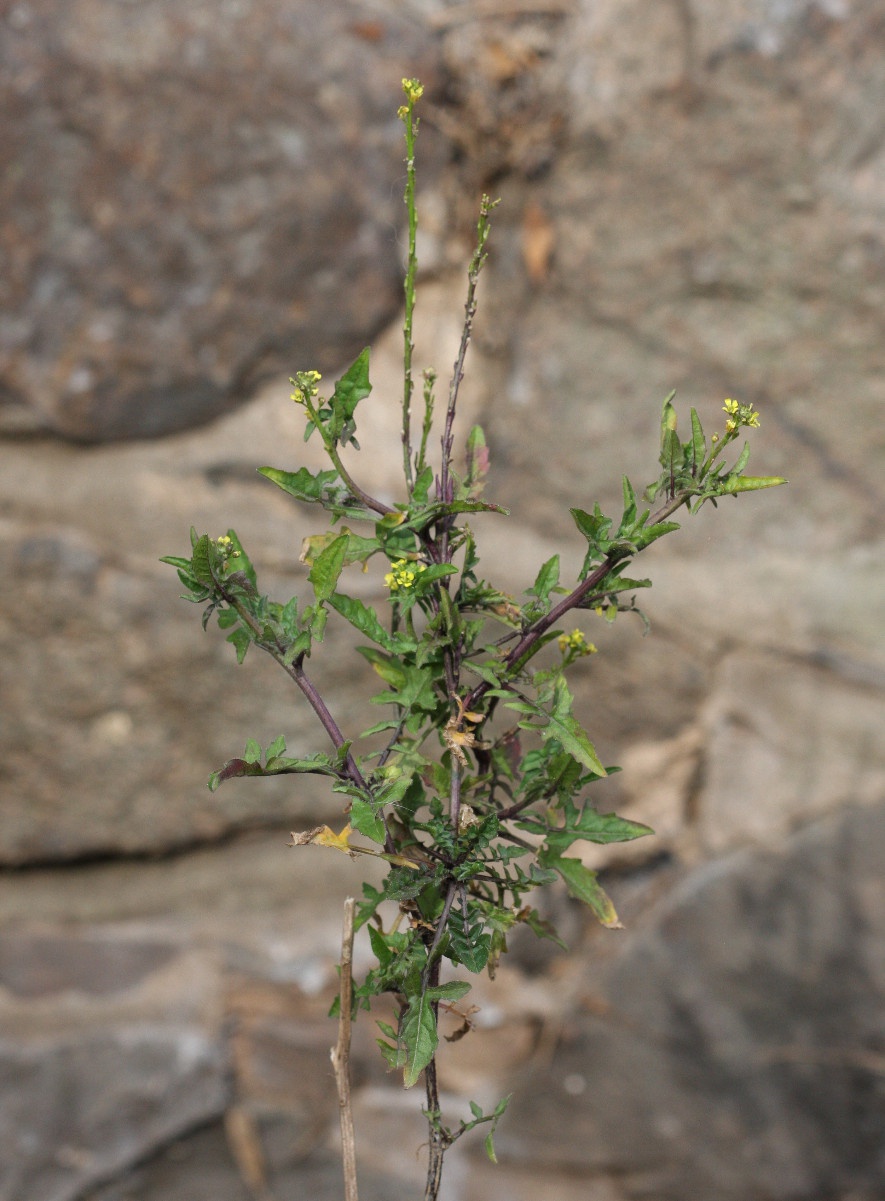
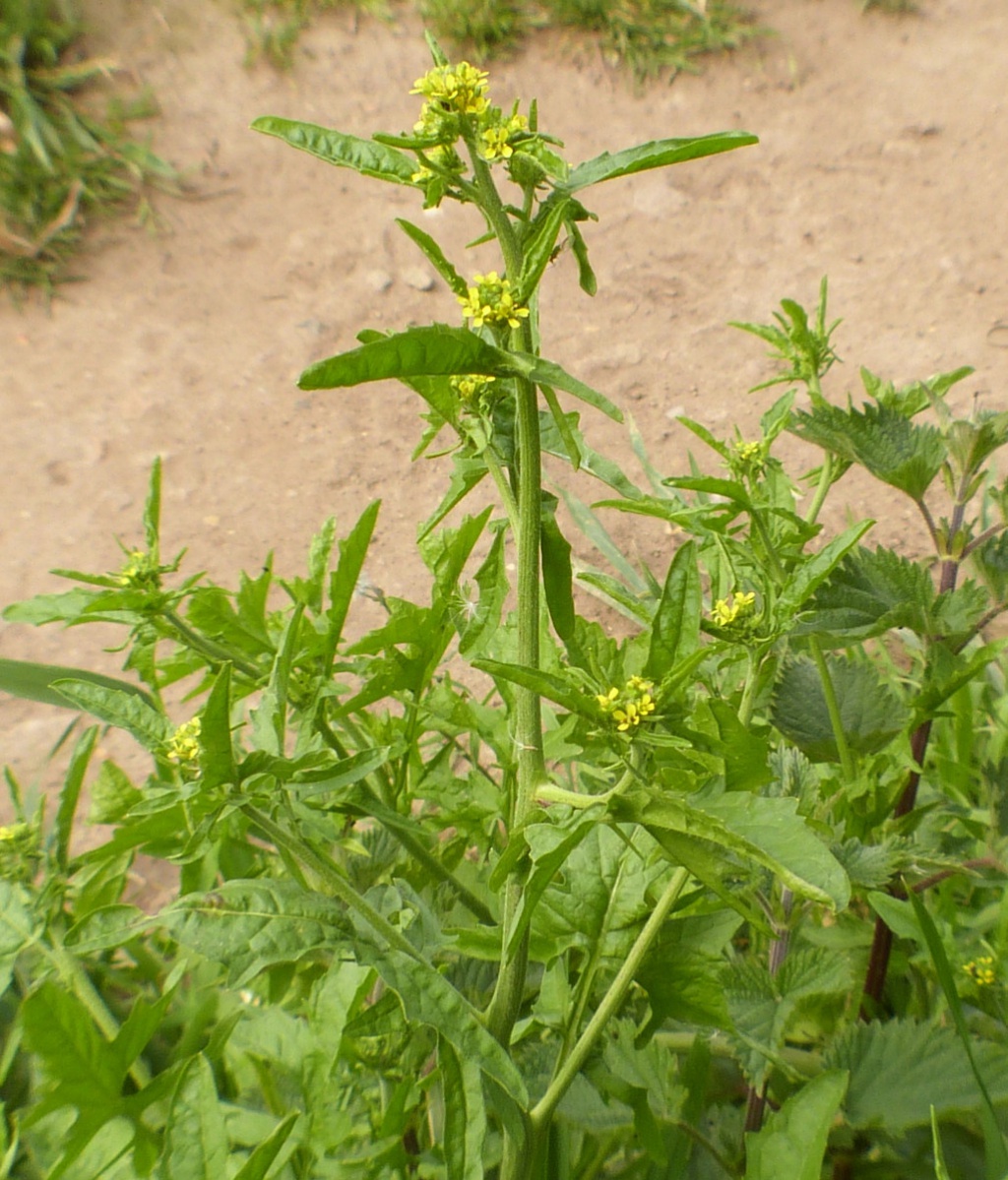
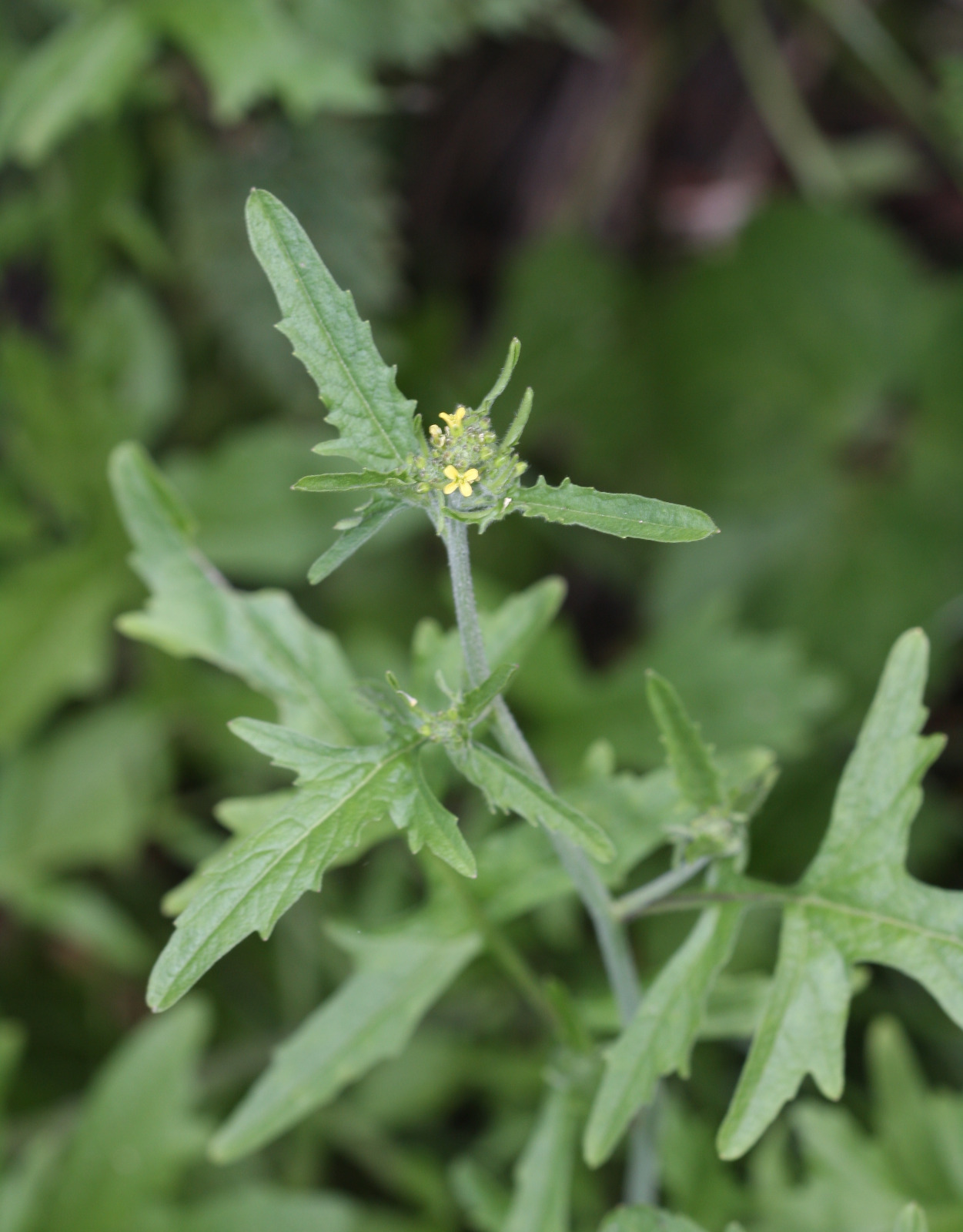
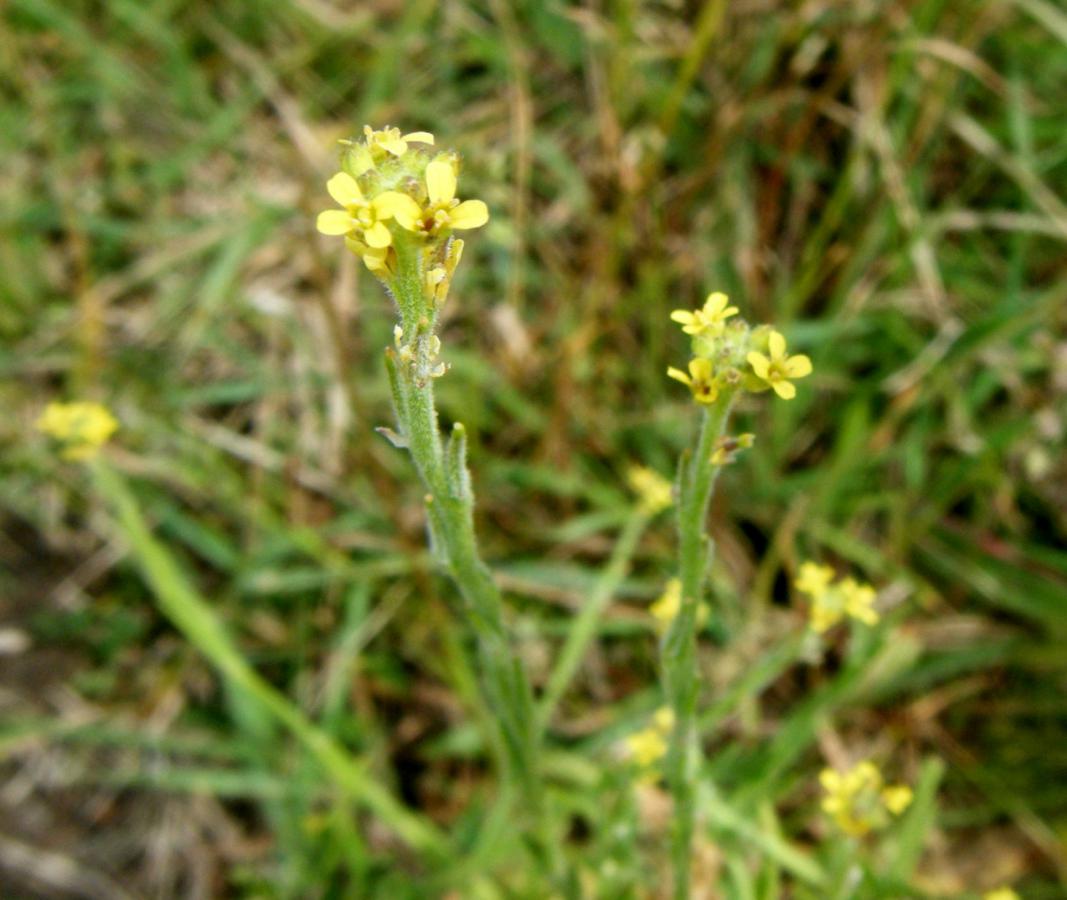
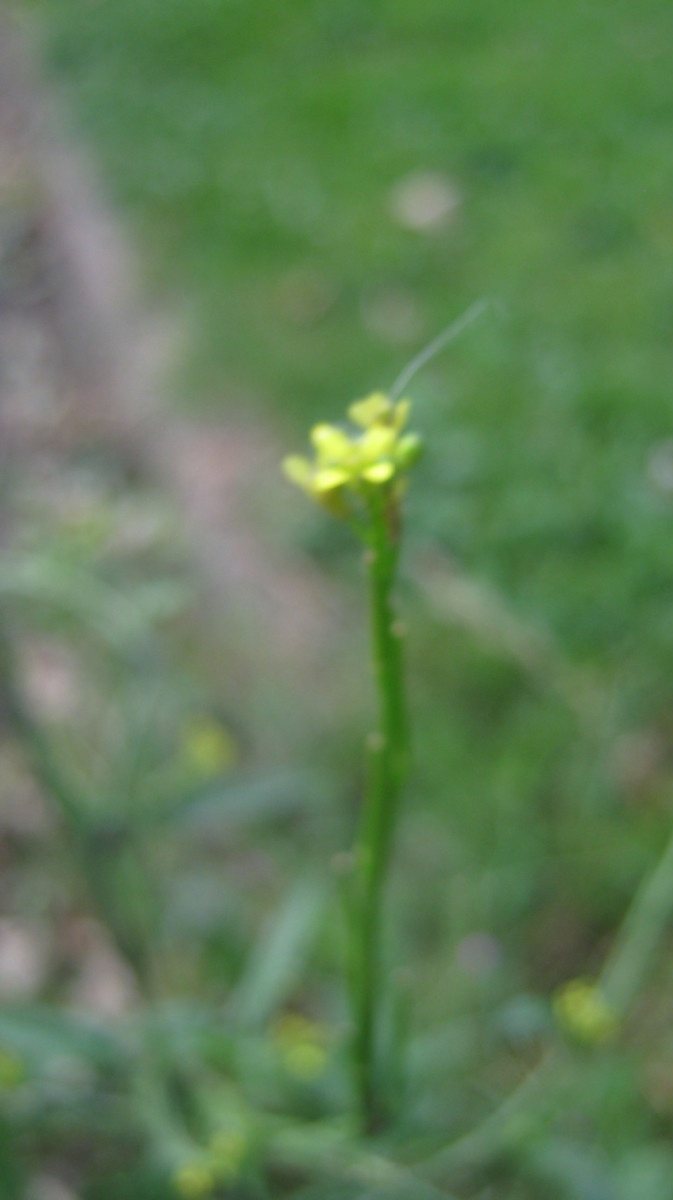
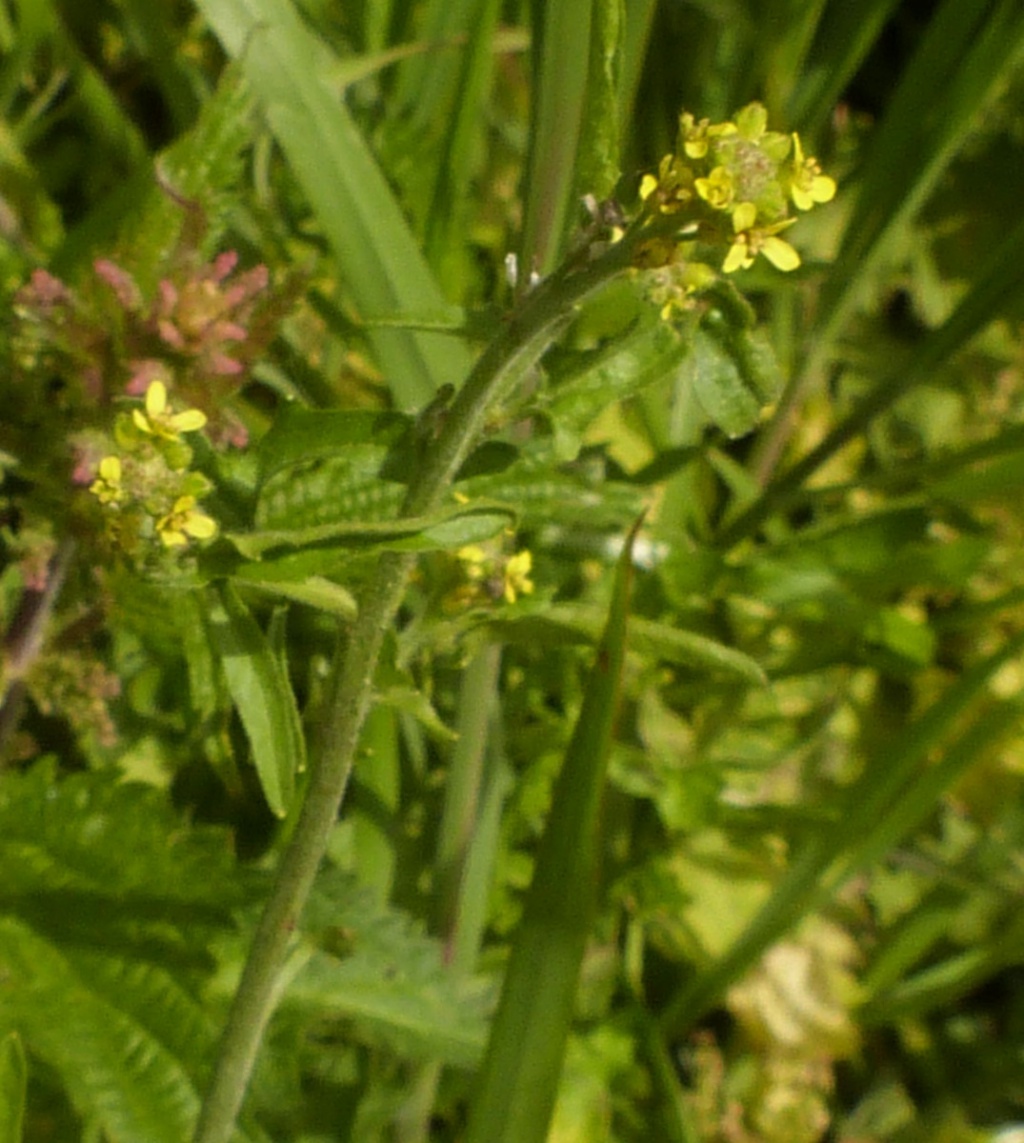
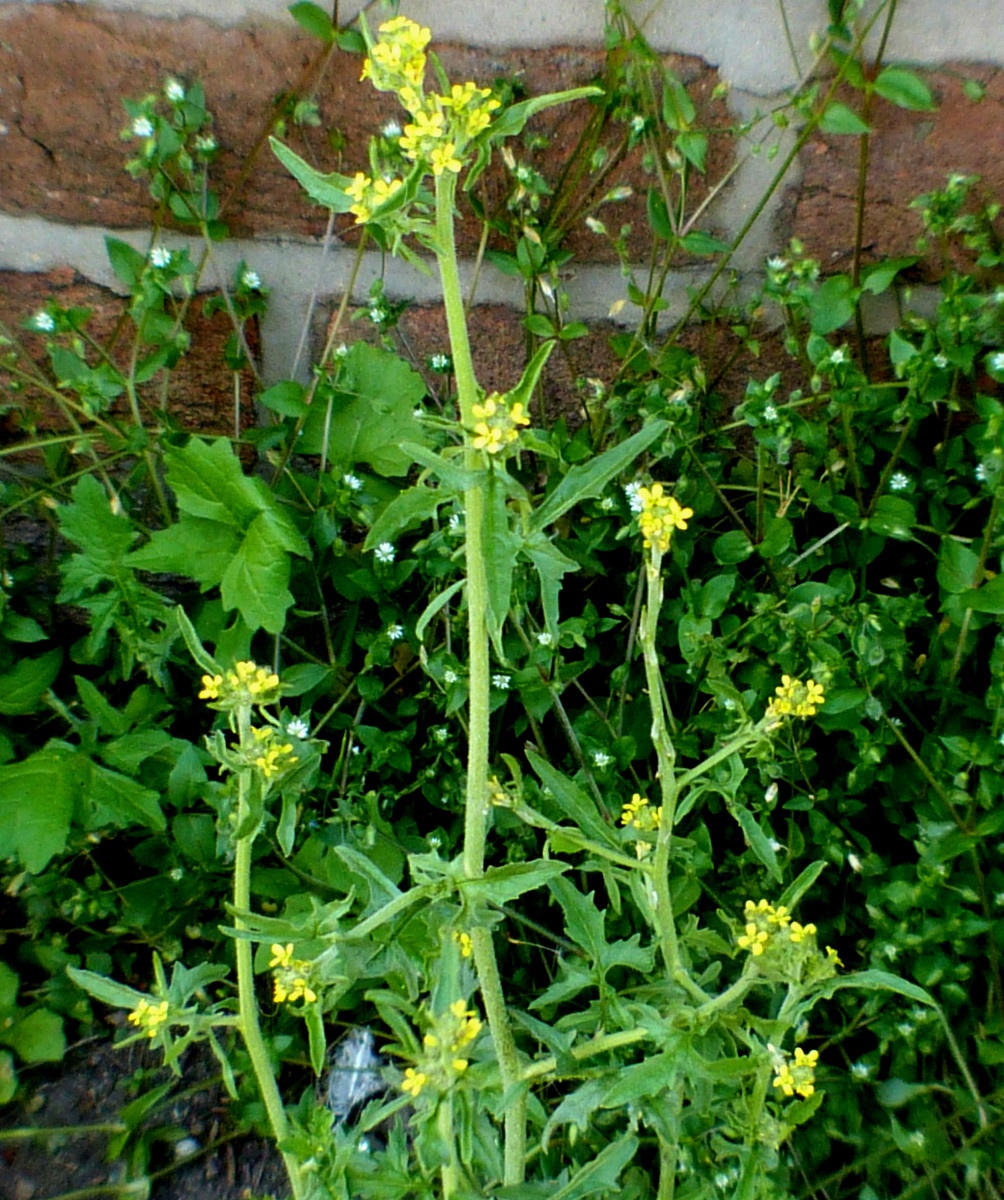
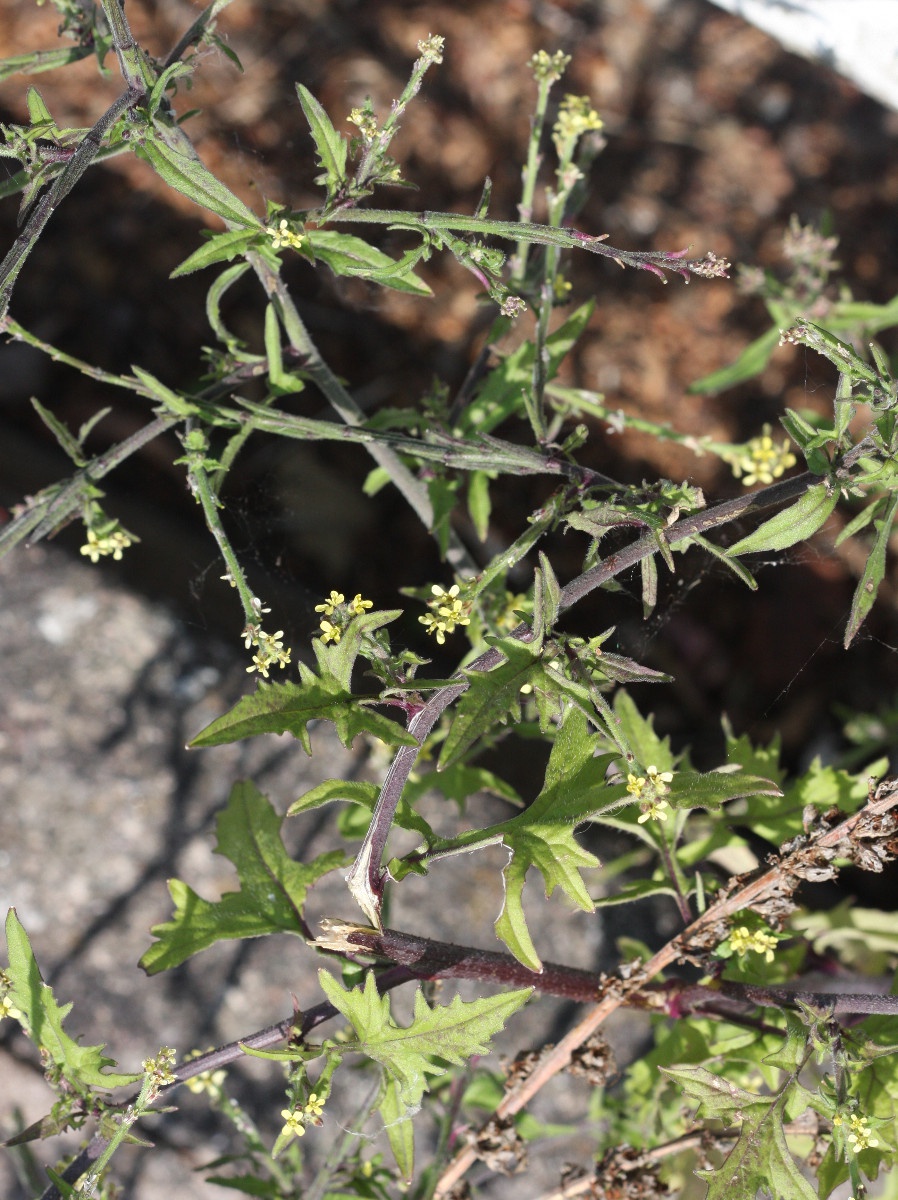
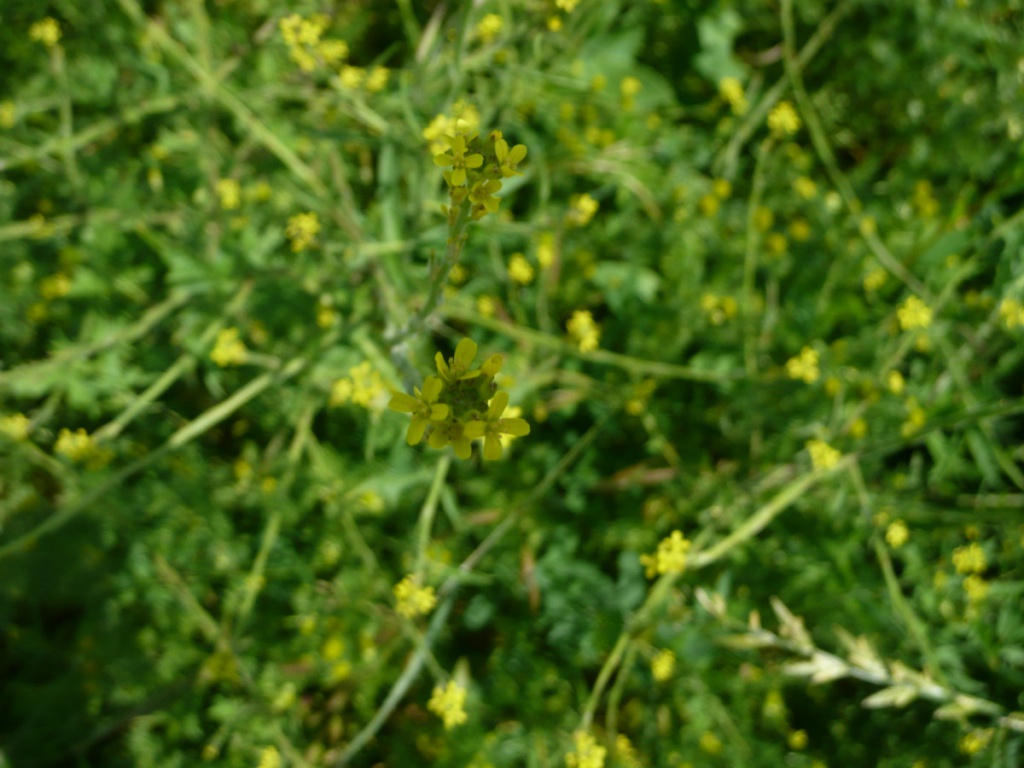
Medium to tall plant with spreading branches. Lower leaves deeply pinnately lobed, with a large terminal lobe. Flowers pale yellow, small 3 mm. Fruits short 10 to 20 mm closely pressed to the stem.

Seed-pods long, without beak, splitting into 2 valves with one row of seeds in each valve; appressed to stem (i.e folded up to lie alongside stem)
Waste places, roadsides, occasionally on arable land.
May to September.
Annual or biennial.
Fairly common throughout much of Britain though scarcer in central and northern Scotland.
Common in Leicestershire and Rutland. In the 1979 Flora survey of Leicestershire it was found in 474 of the 617 tetrads.
In the current Checklist (Jeeves, 2011) it is listed as Alien (archaeophyte), frequent
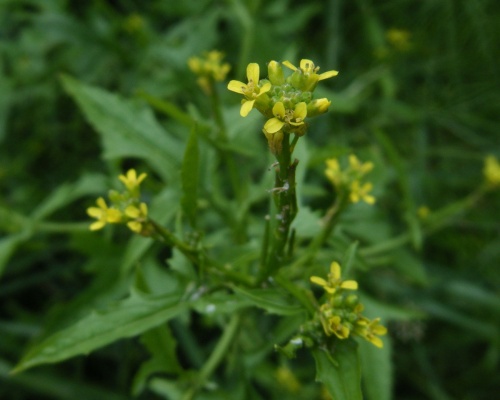 Graham Calow
Sapcote
18 June 2012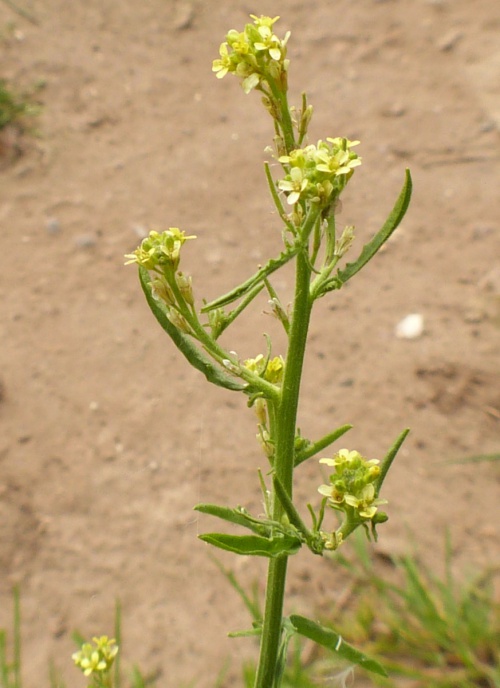 Graham Calow
Sapcote
15 May 2014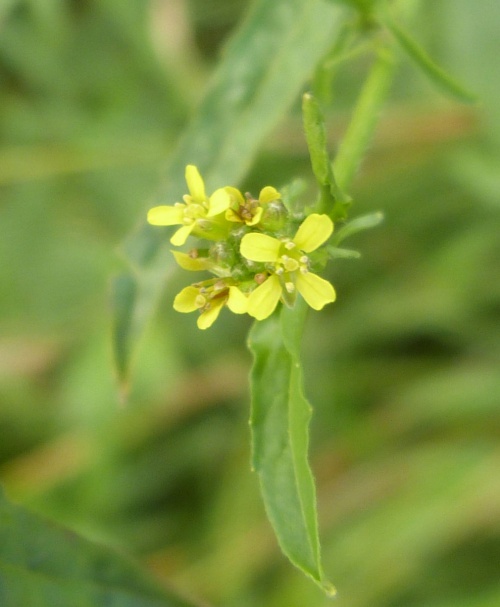 Graham Calow
Sapcote
20 September 2013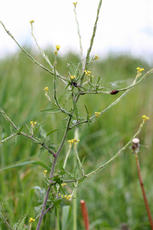 David Nicholls
Bagworth Heath
19 May 2011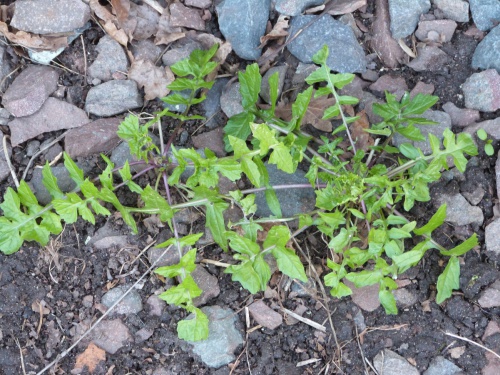 Graham Calow
Whistle Way, Narborough
25 March 2017
Basal rosette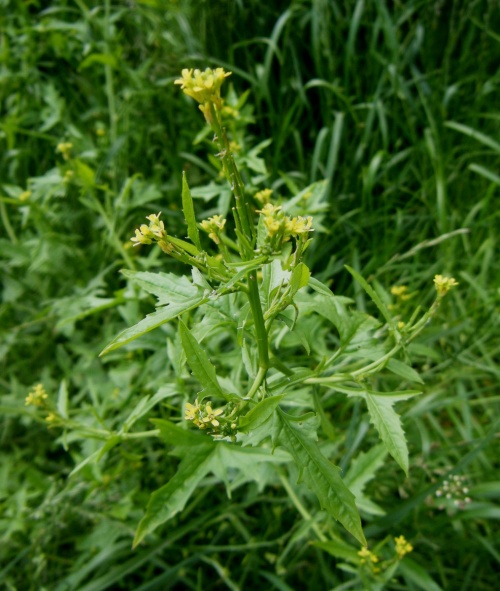 Graham Calow
Sapcote
18 June 2012
Leicestershire & Rutland Map
Enter a town or village to see local records
MAP KEY:
Yellow squares = NBN records (all known data)
Coloured squares = NatureSpot records: 2025+ | 2020-2024 | pre-2020
UK Map
Additional images
 Church Walk Sapcote SP 4894 9320 (taken 21.5.2007).JPG)
 By Working Men's Club Sapcote SP 4884 9346 (taken 12.5.2006) 2.JPG)
 By Working Men's Club Sapcote SP 4884 9346 (taken 12.5.2006).JPG)
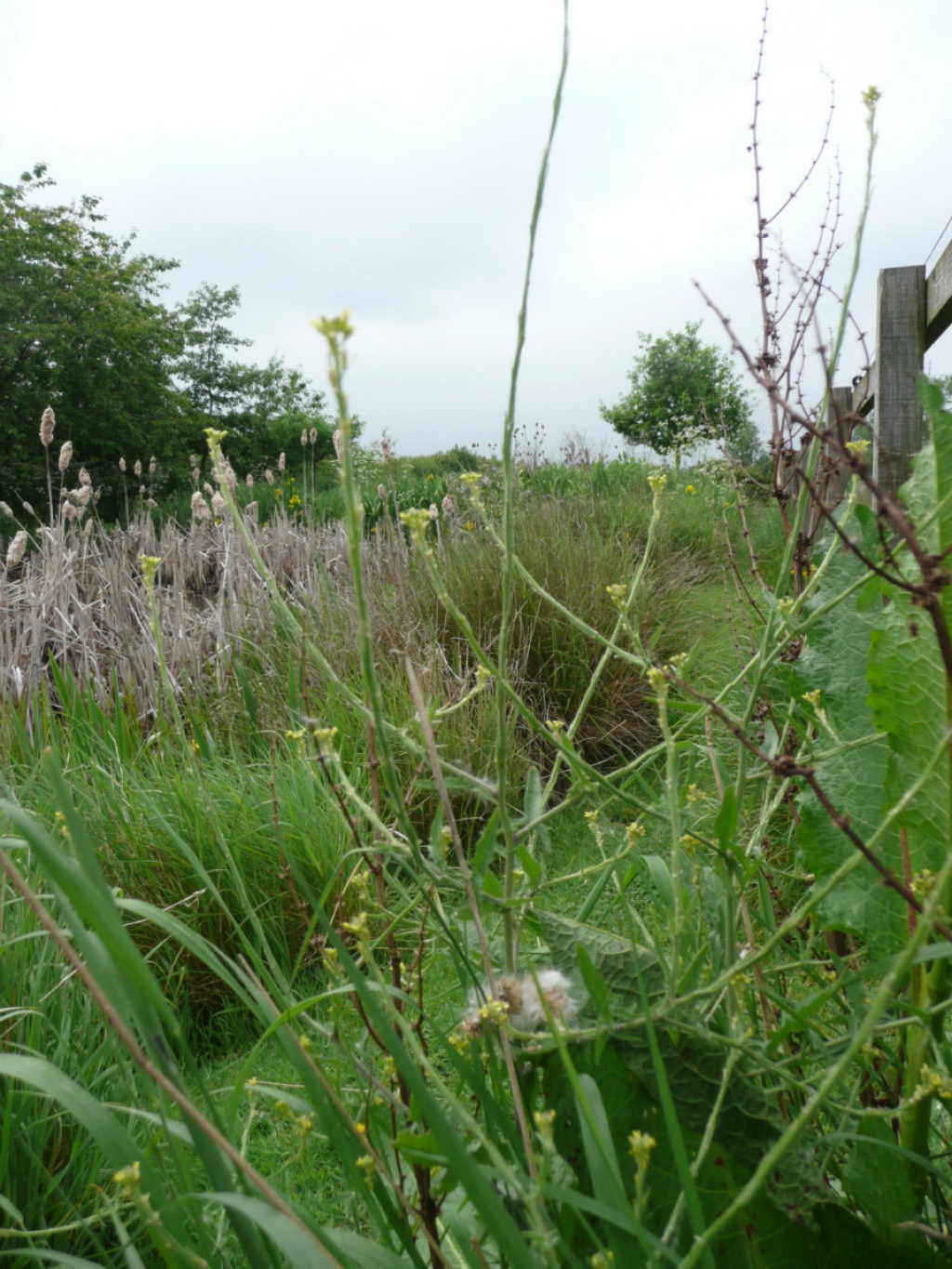
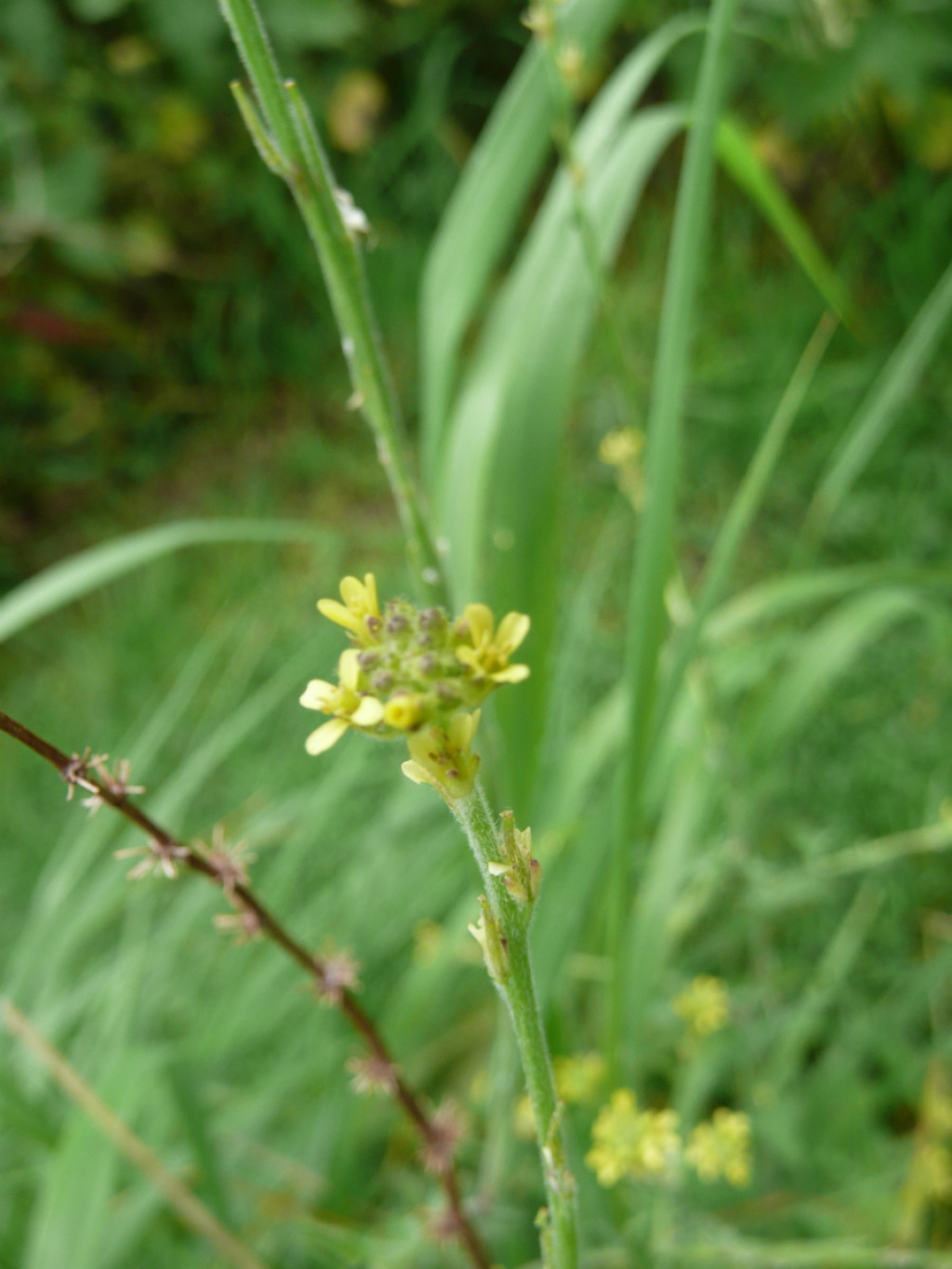
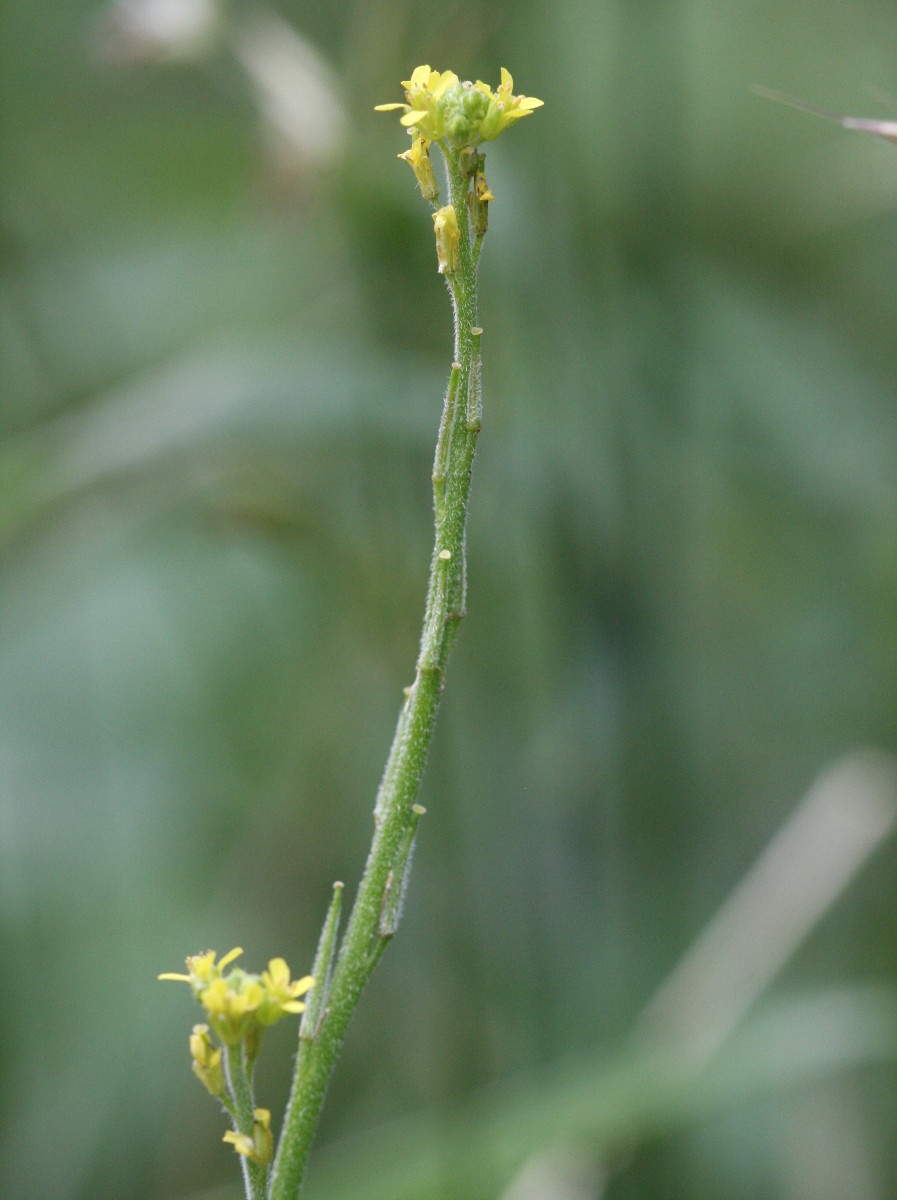
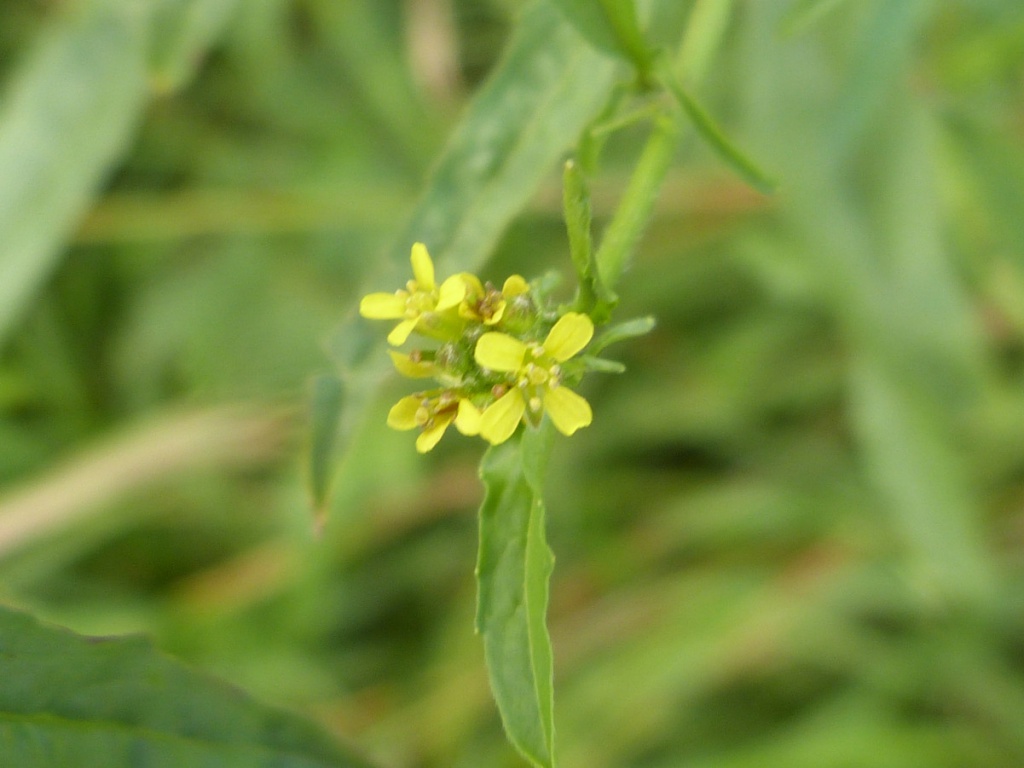
All NatureSpot records
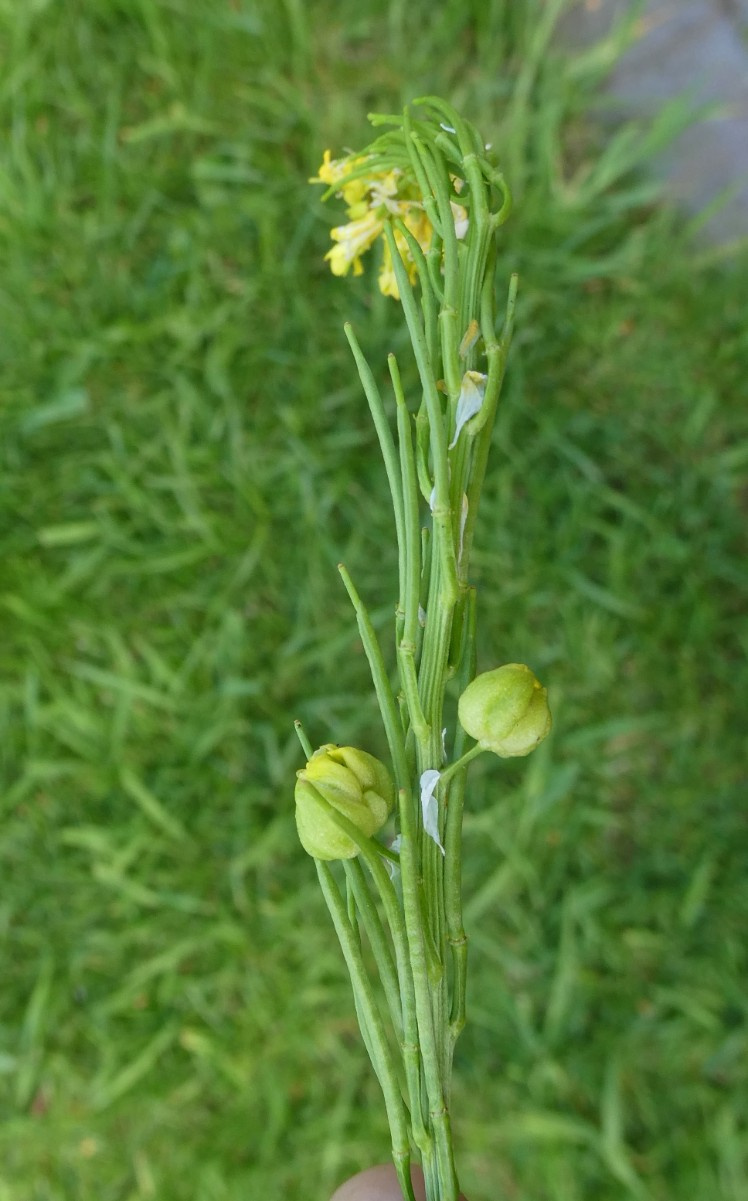
Dasineura sisymbrii
A gall caused by the larva of the gall midge Dasineura sisymbrii is found on various crucifers, including Winter-cress) and Hedge-mustard. Flower buds and parts of the inforescence swollen, soft and spongy. Orange larvae or orange pupae in papery white cocoons inside.