Yellow Iris
Yellow Iris - Iris pseudacorus
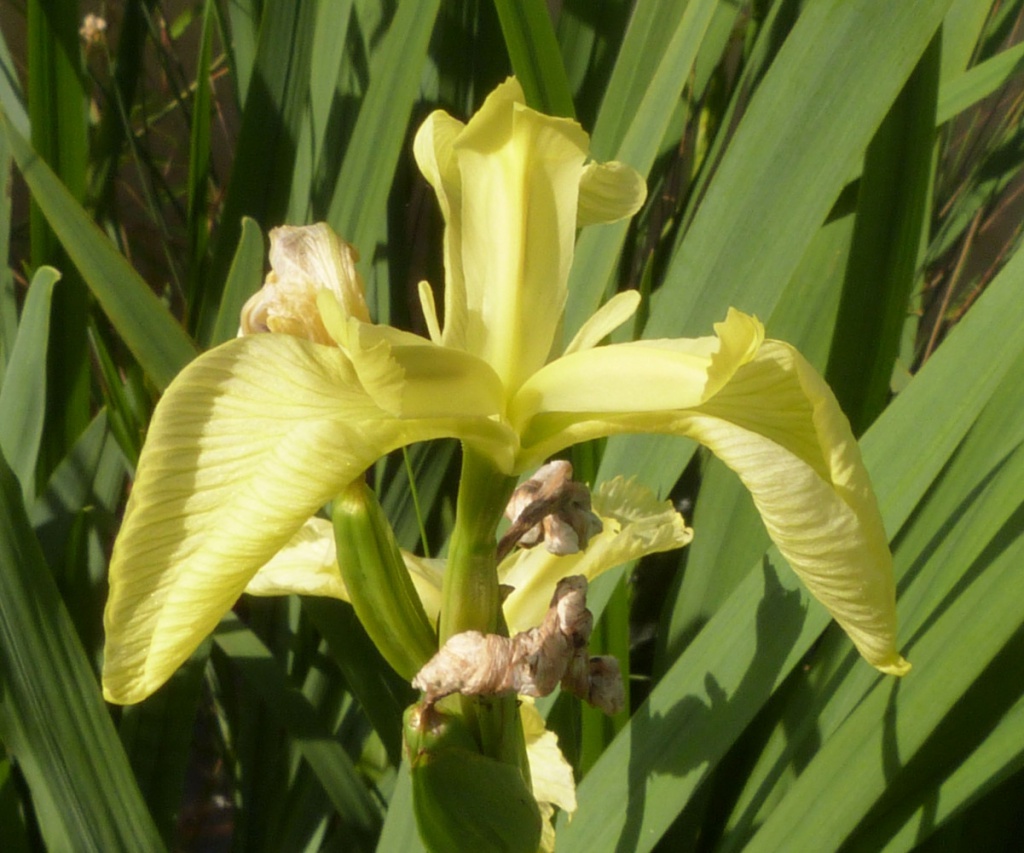
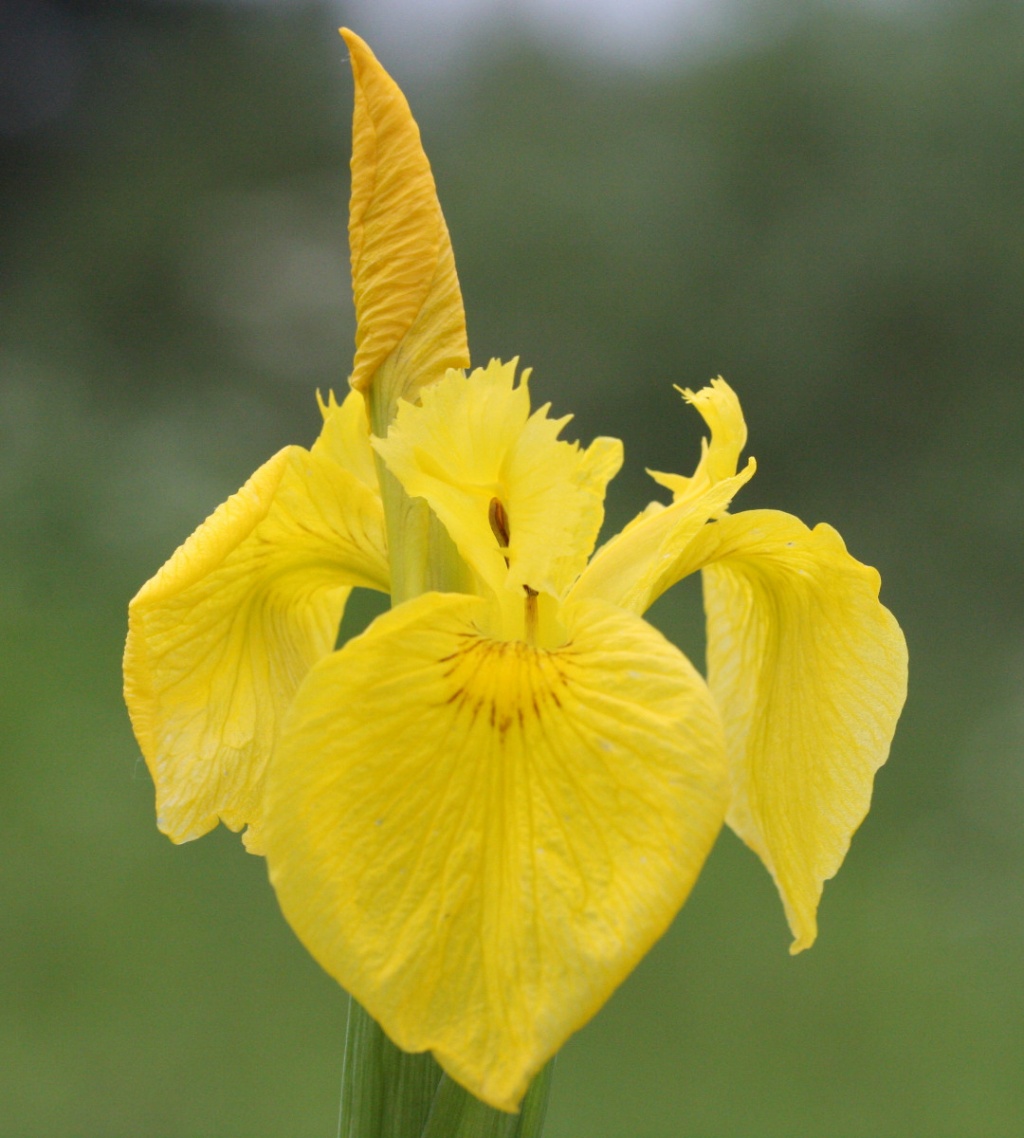
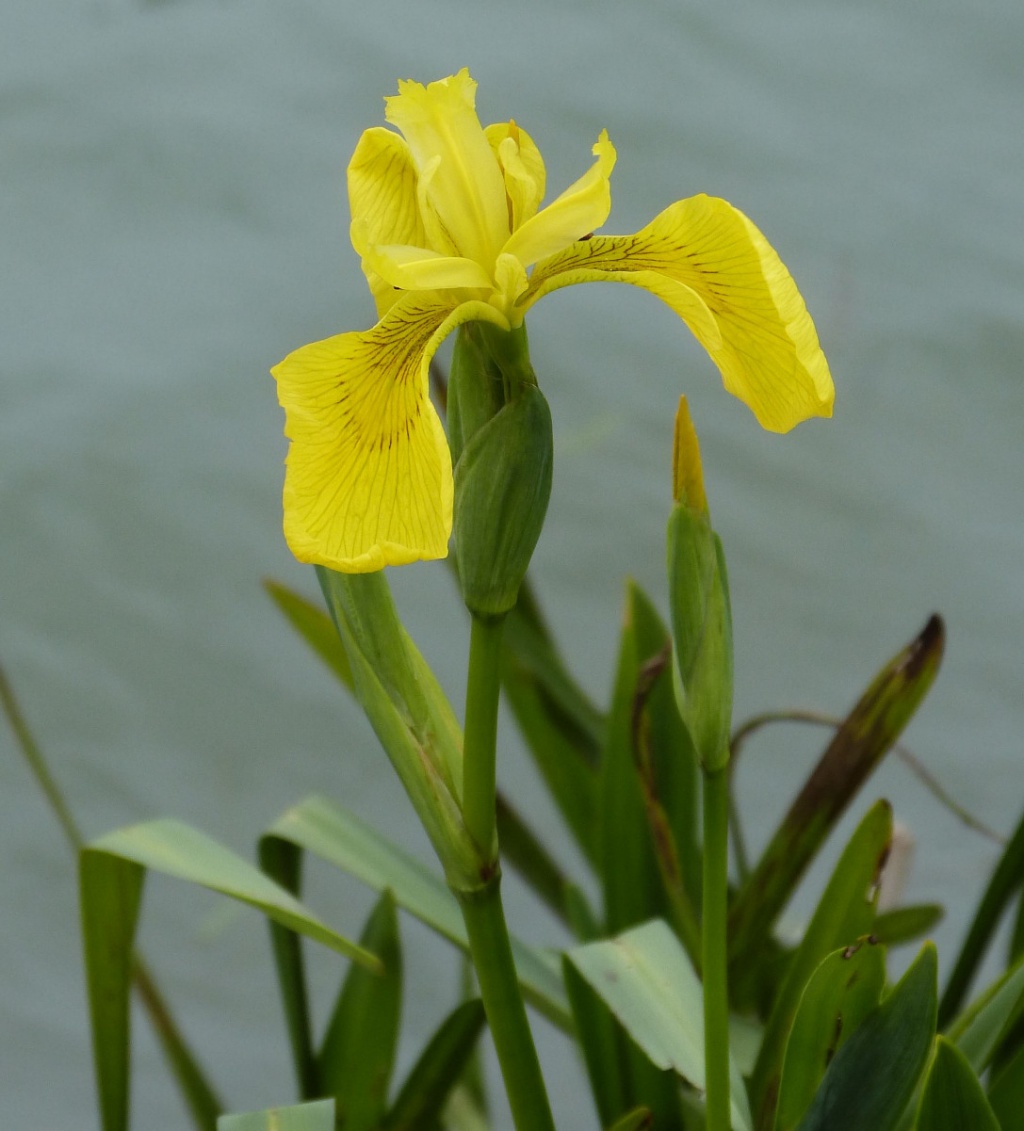
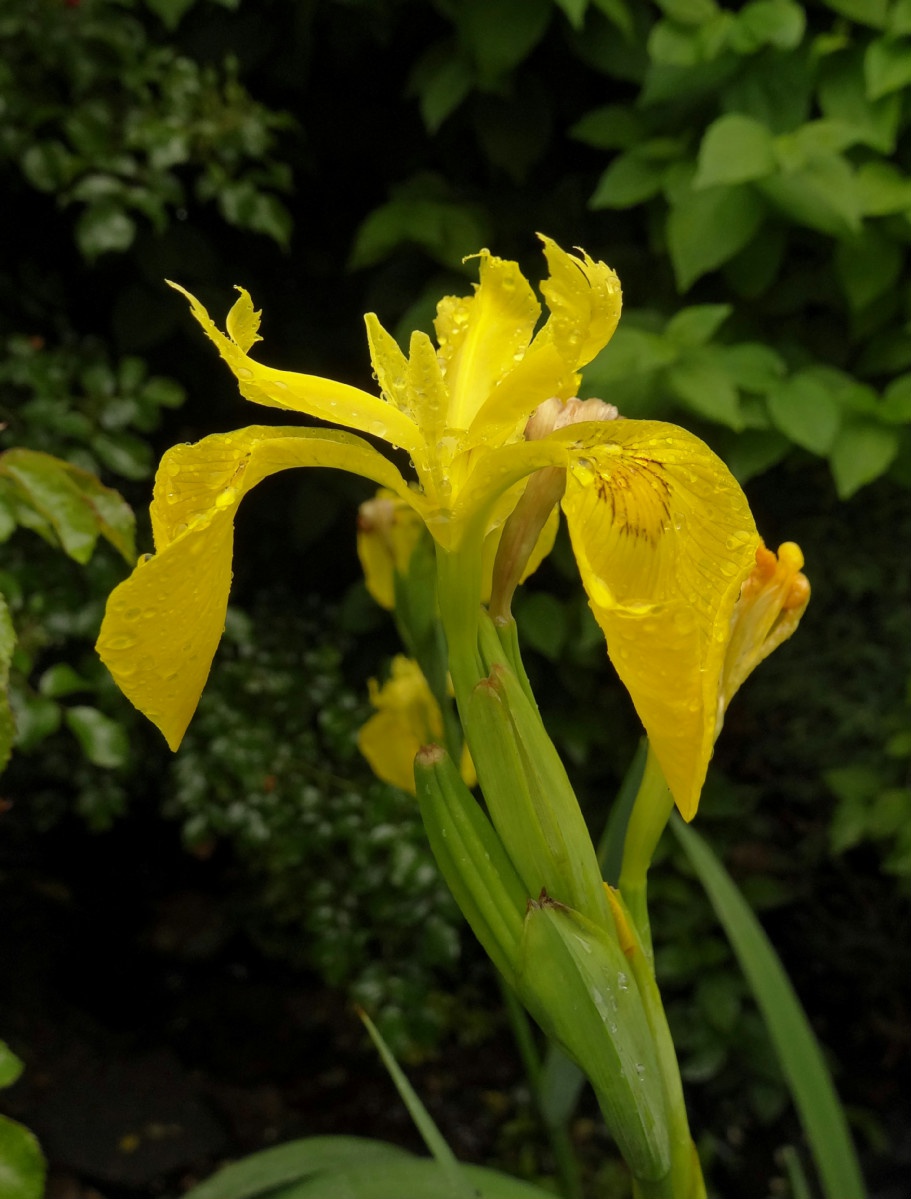
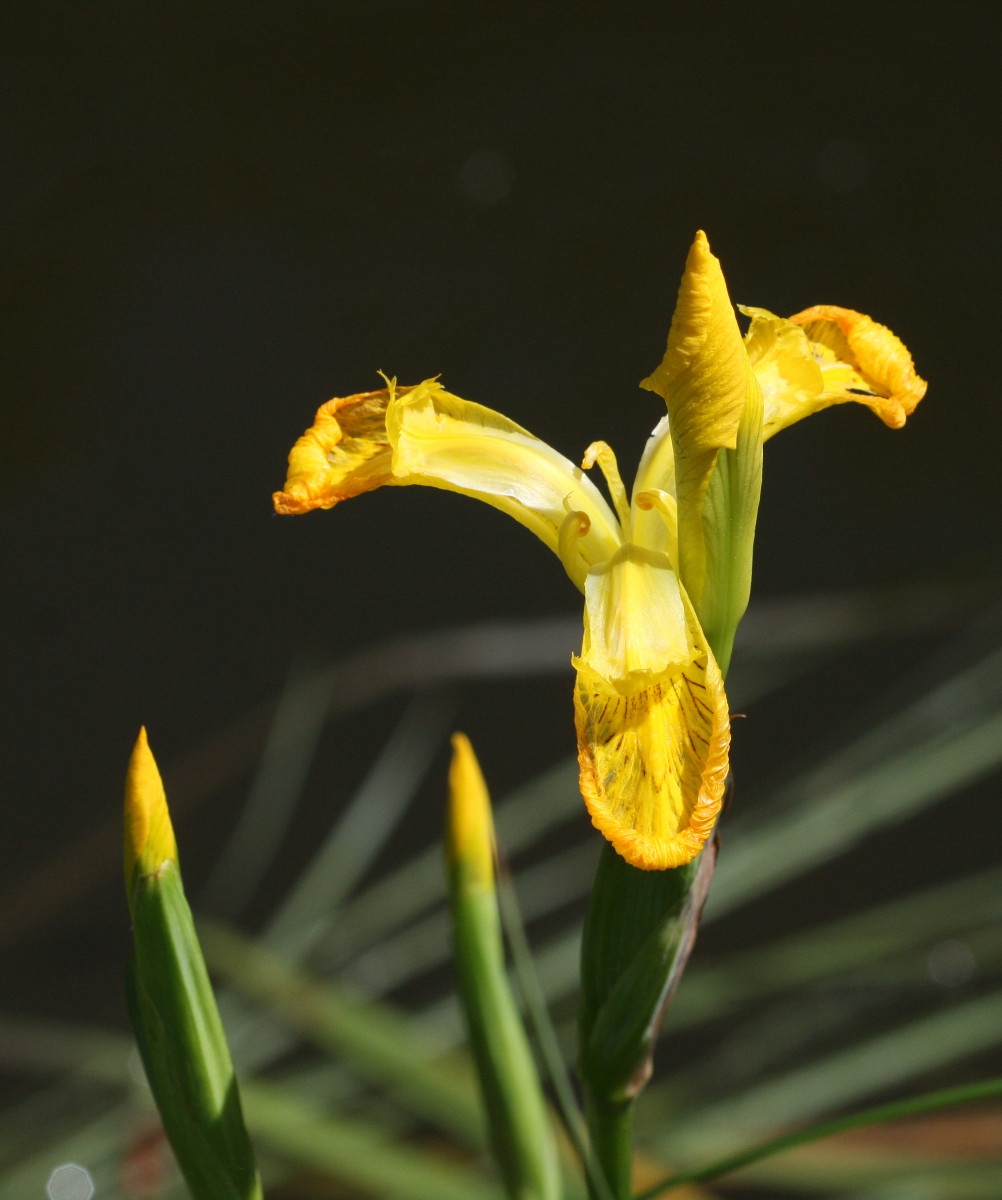
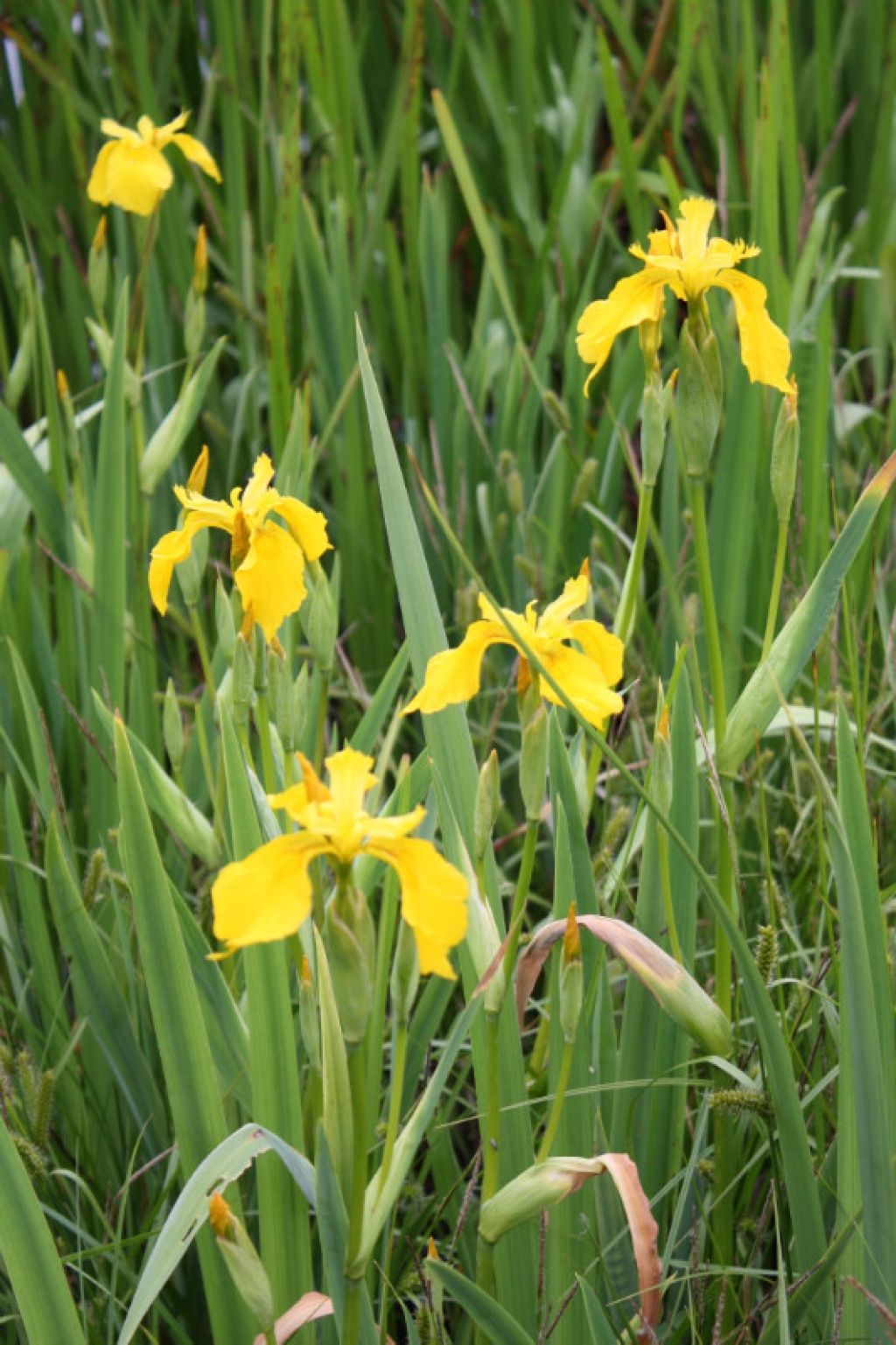
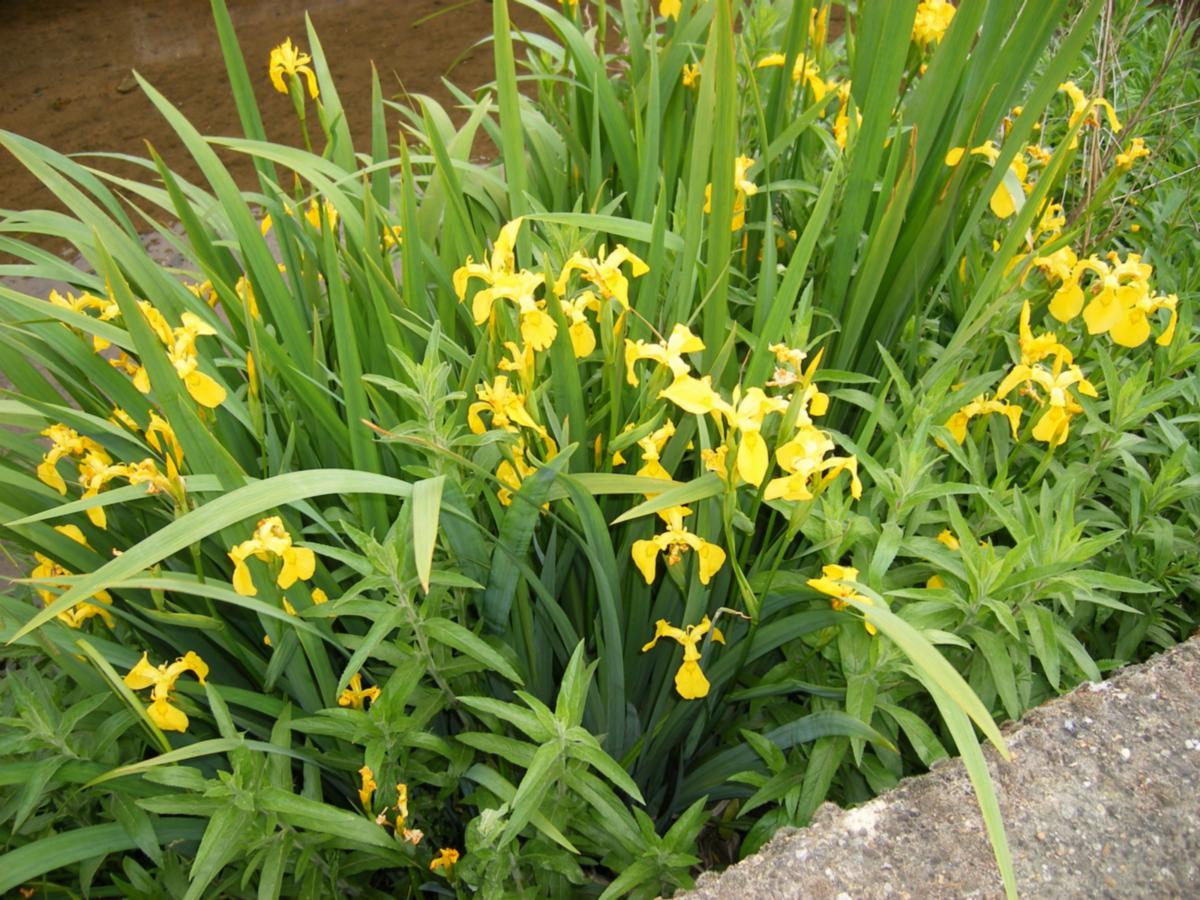
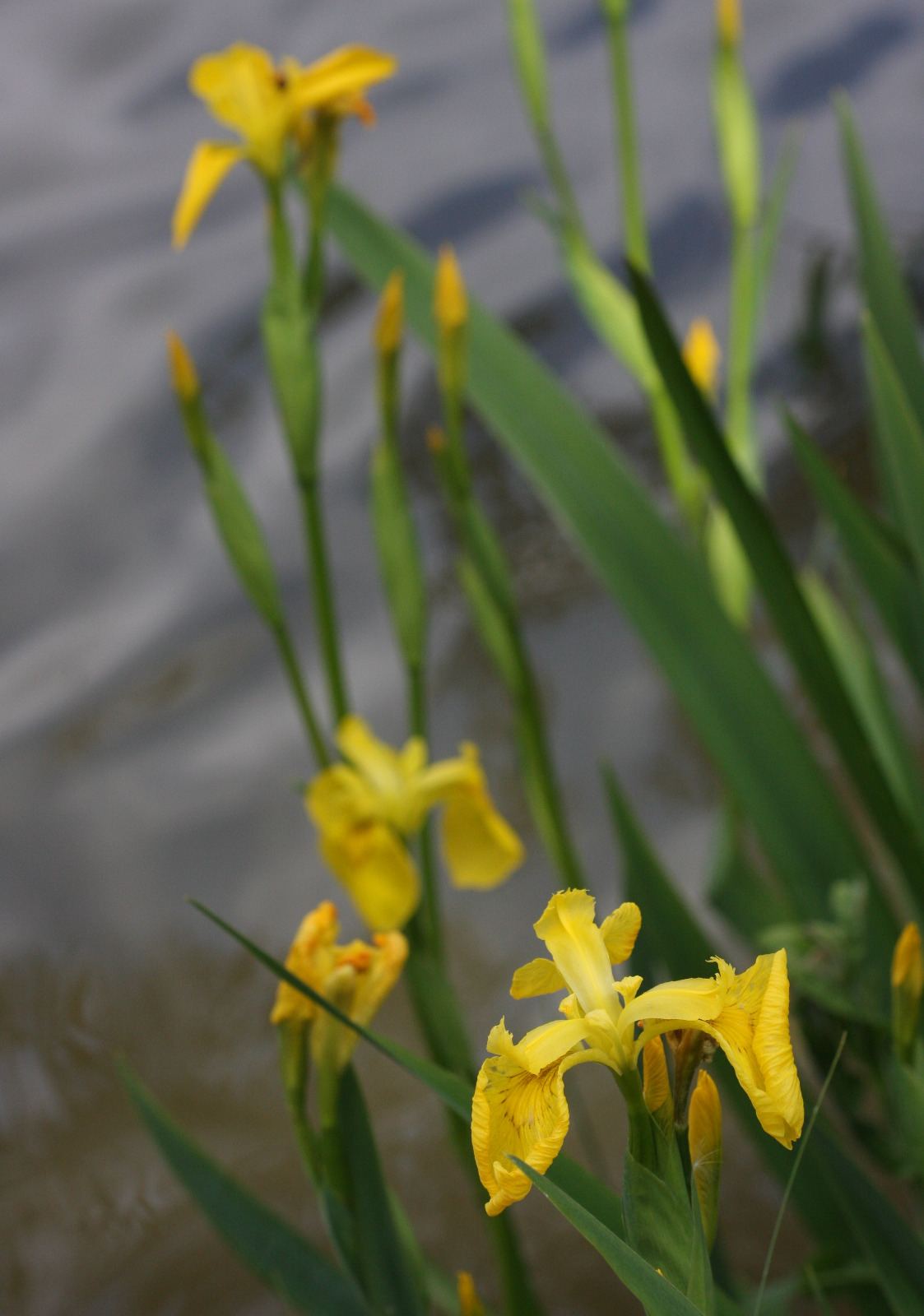
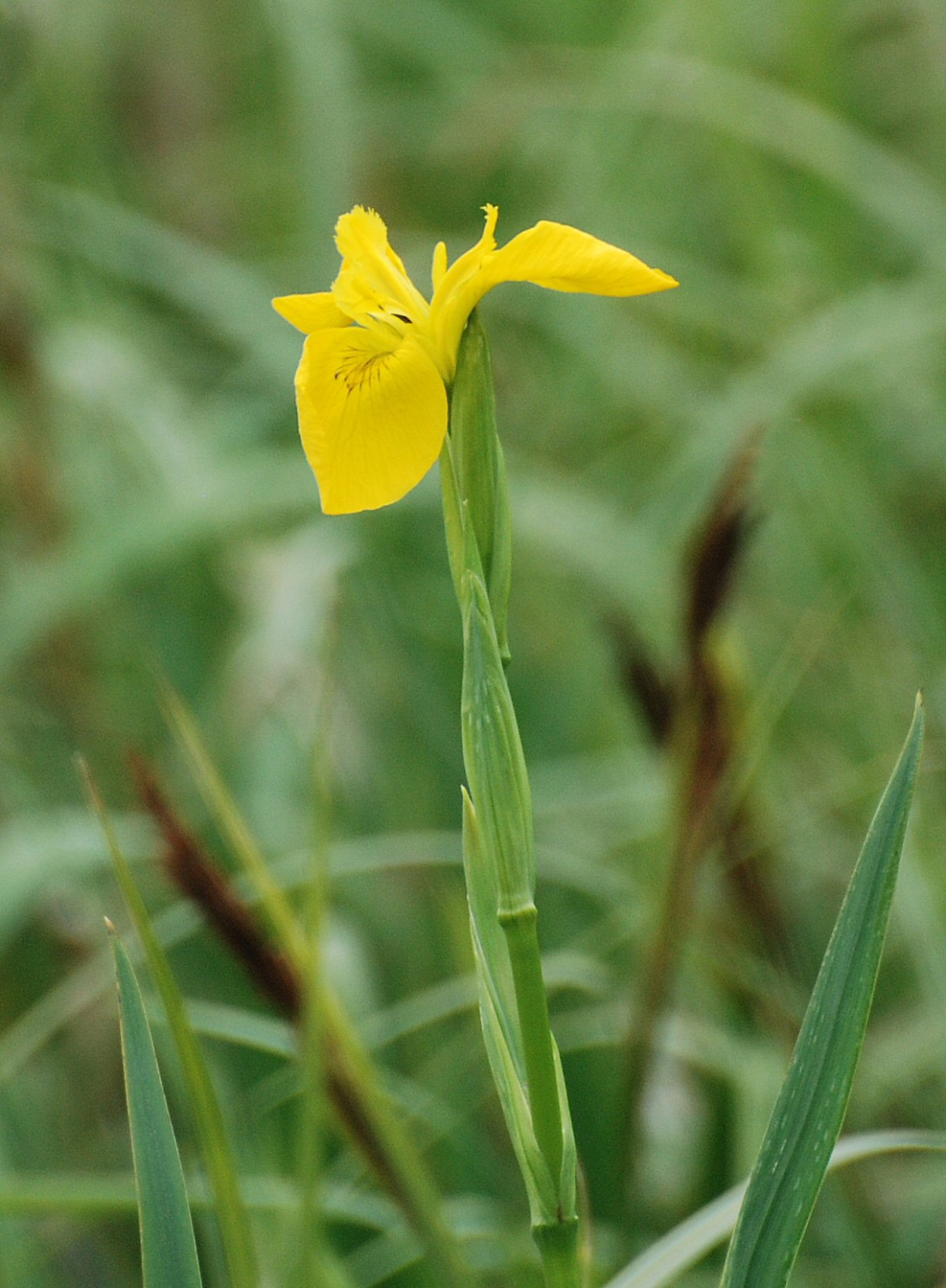
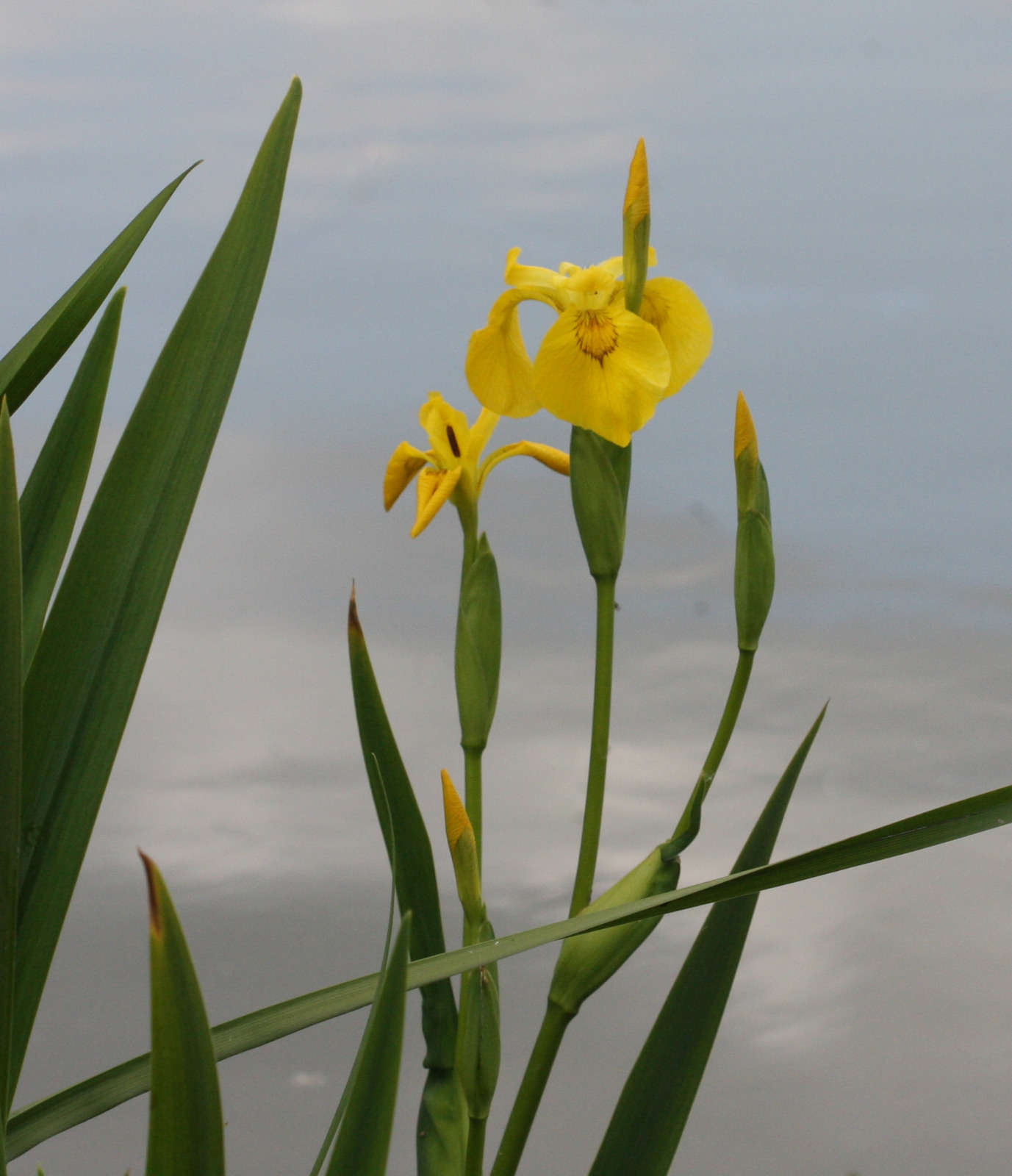
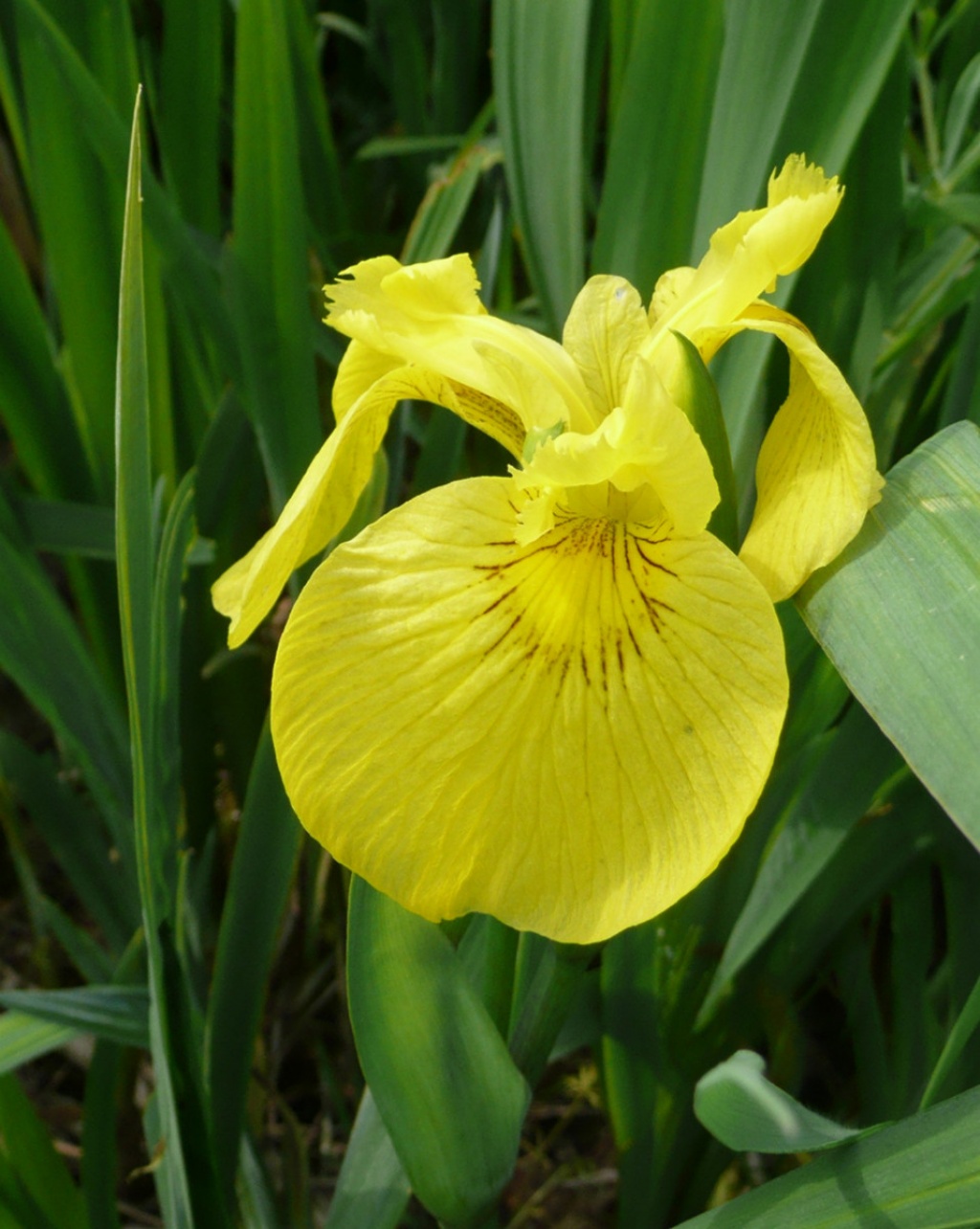
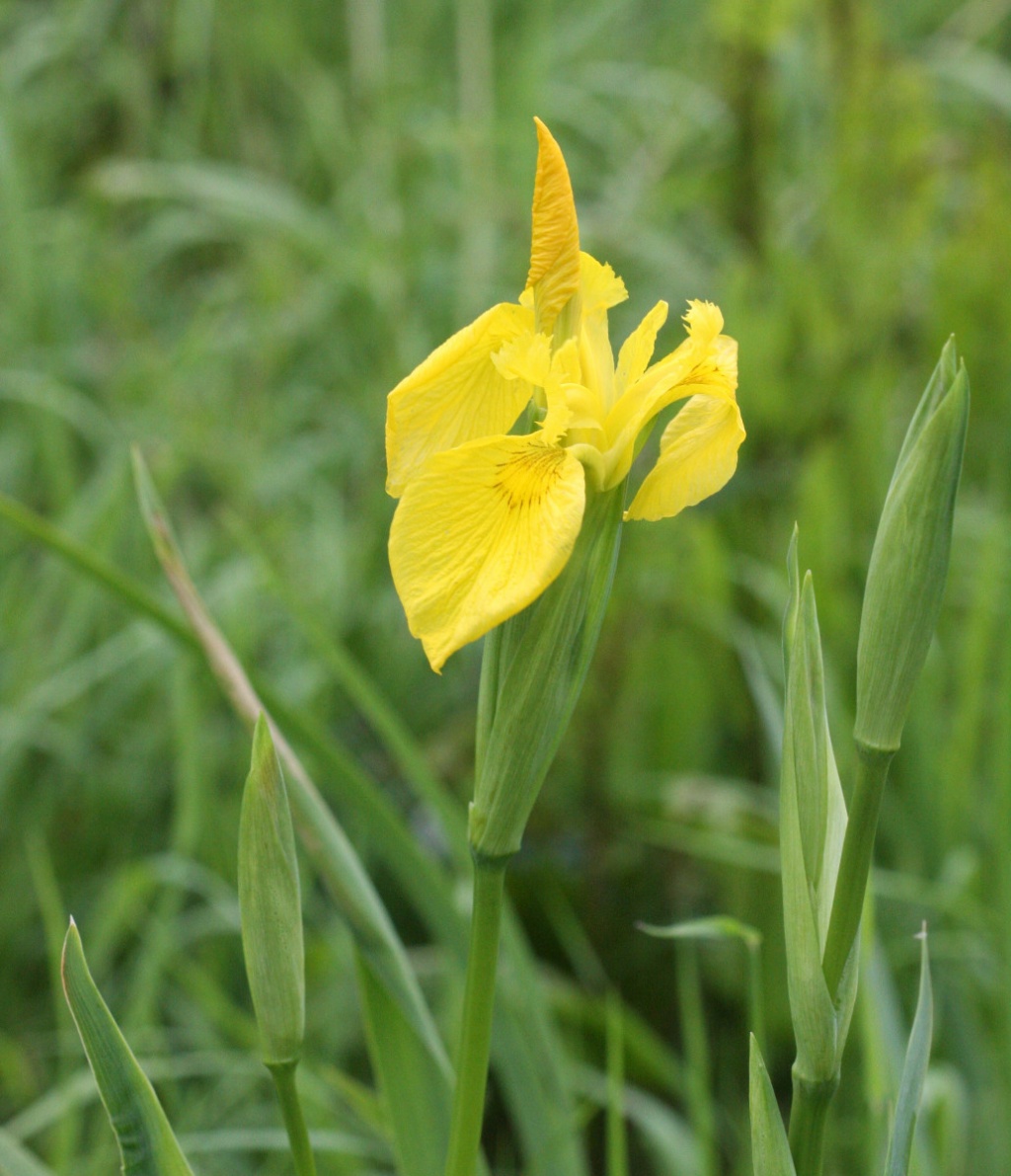
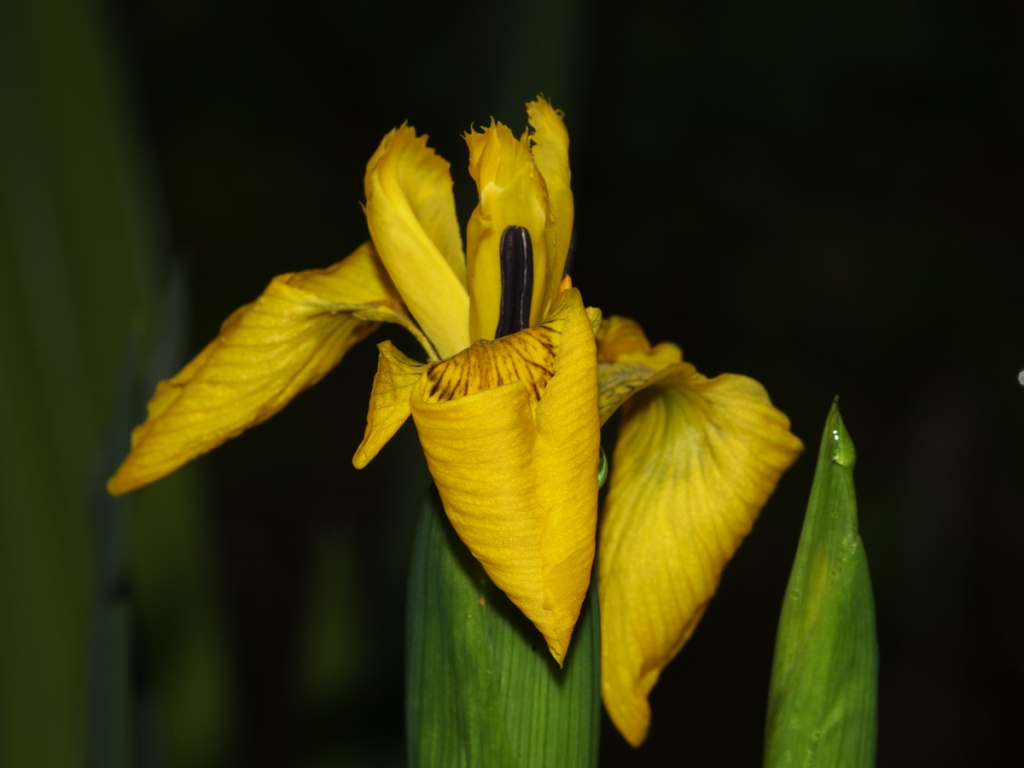
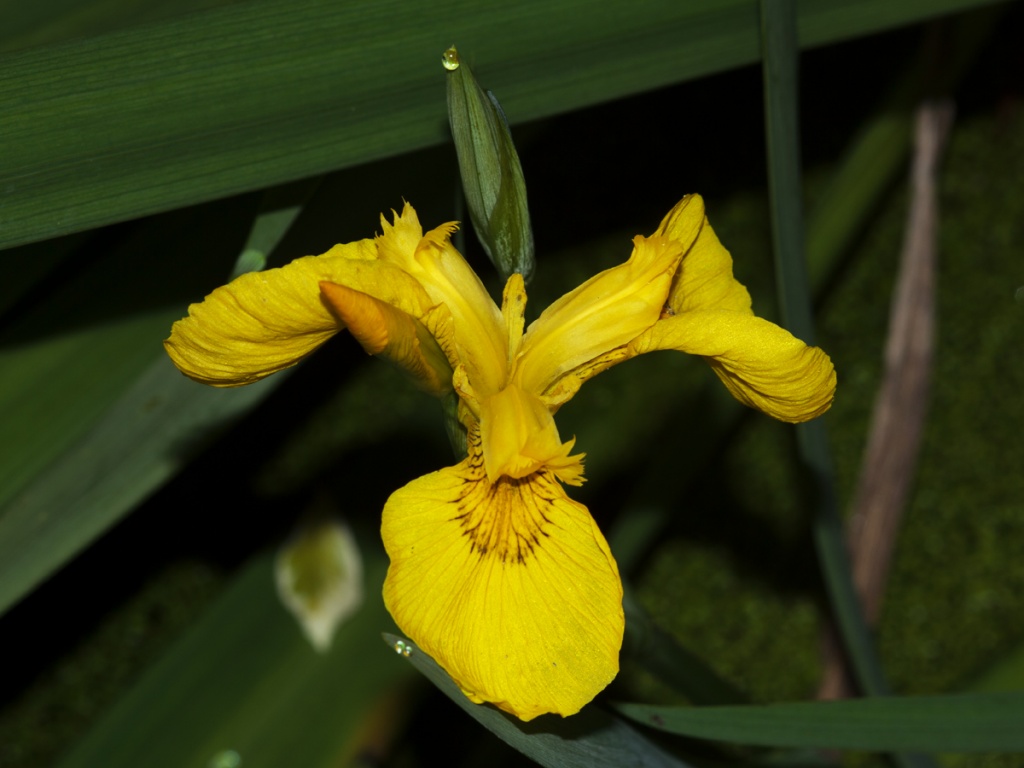
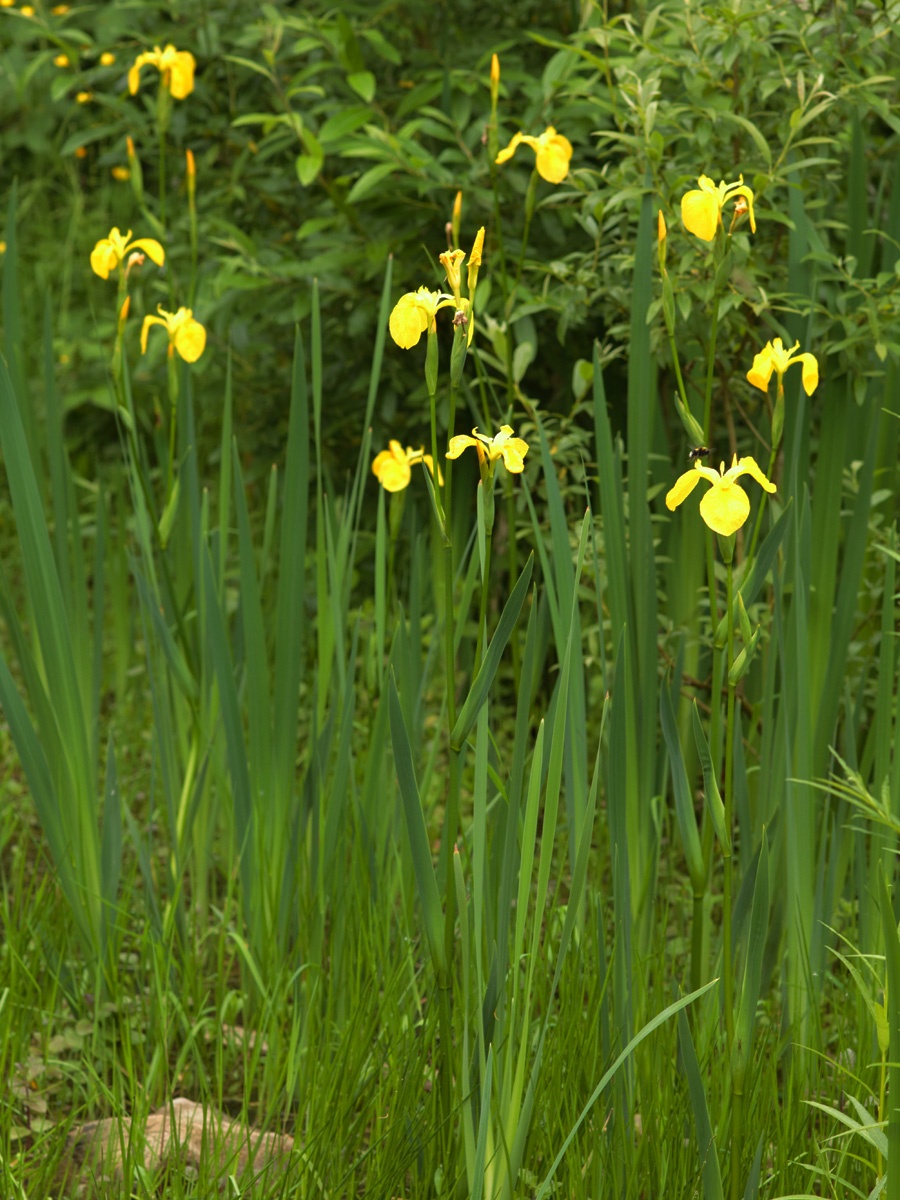
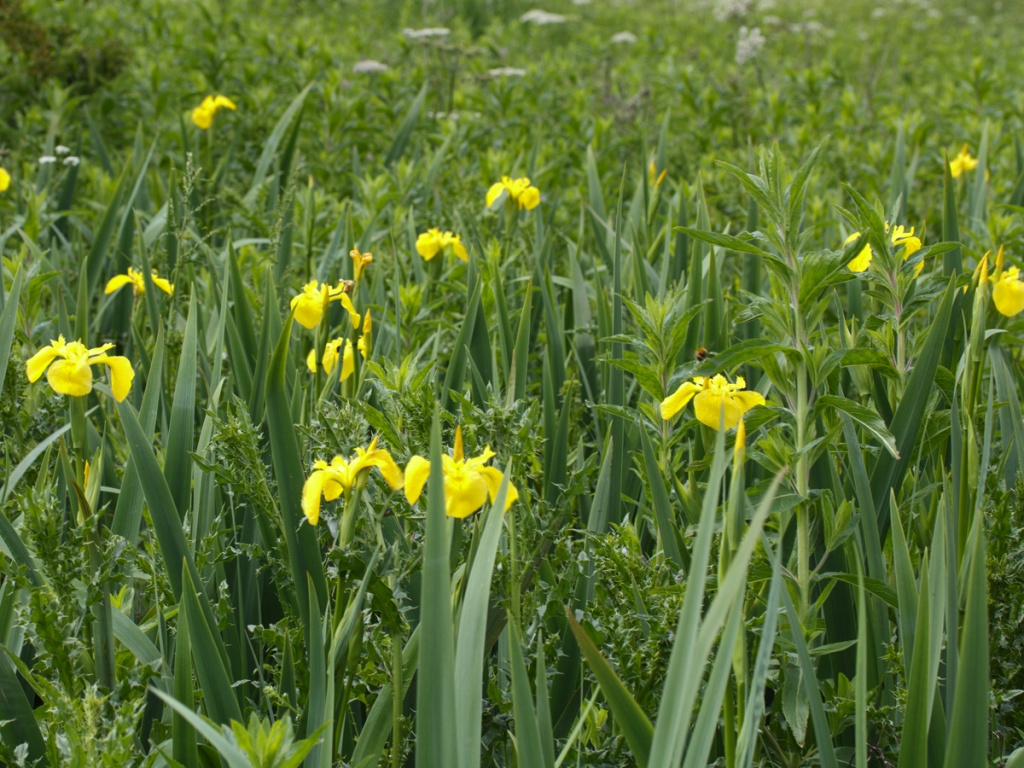
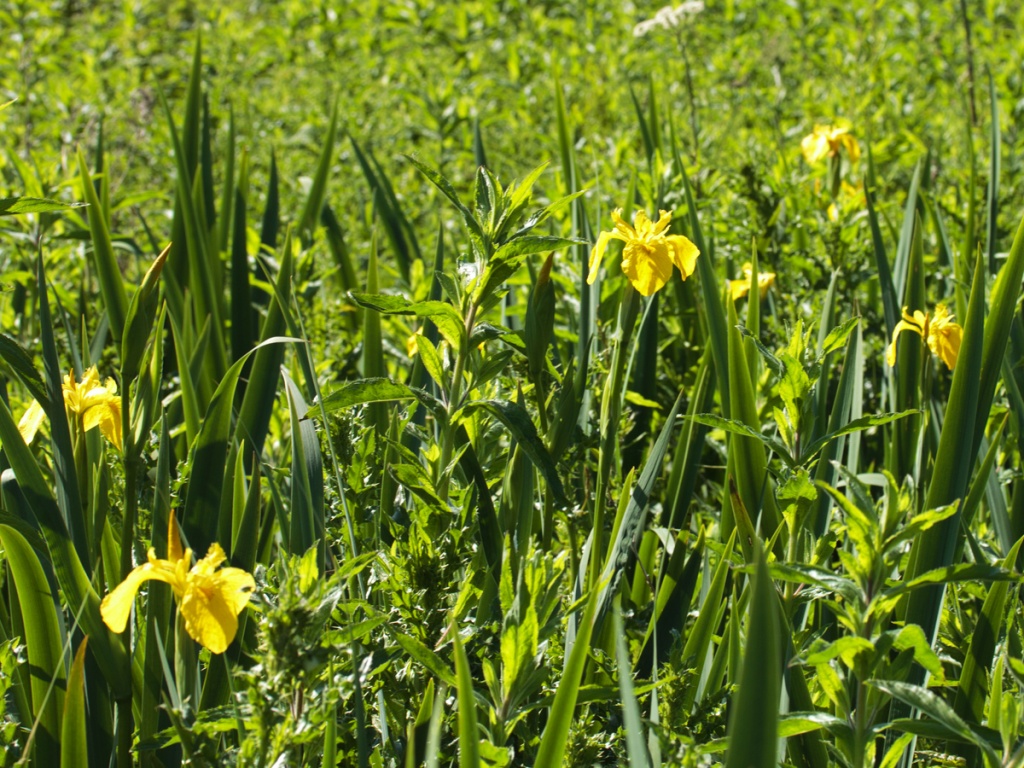
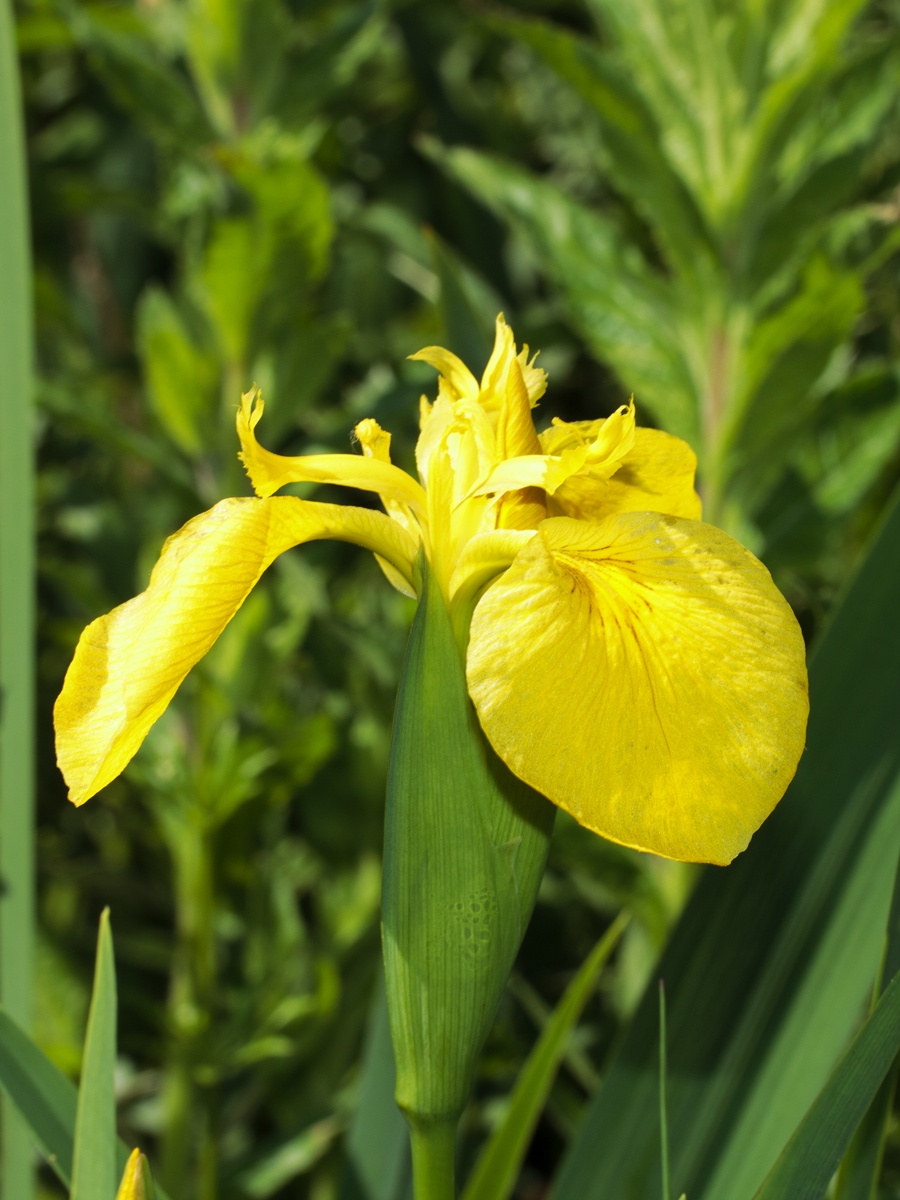
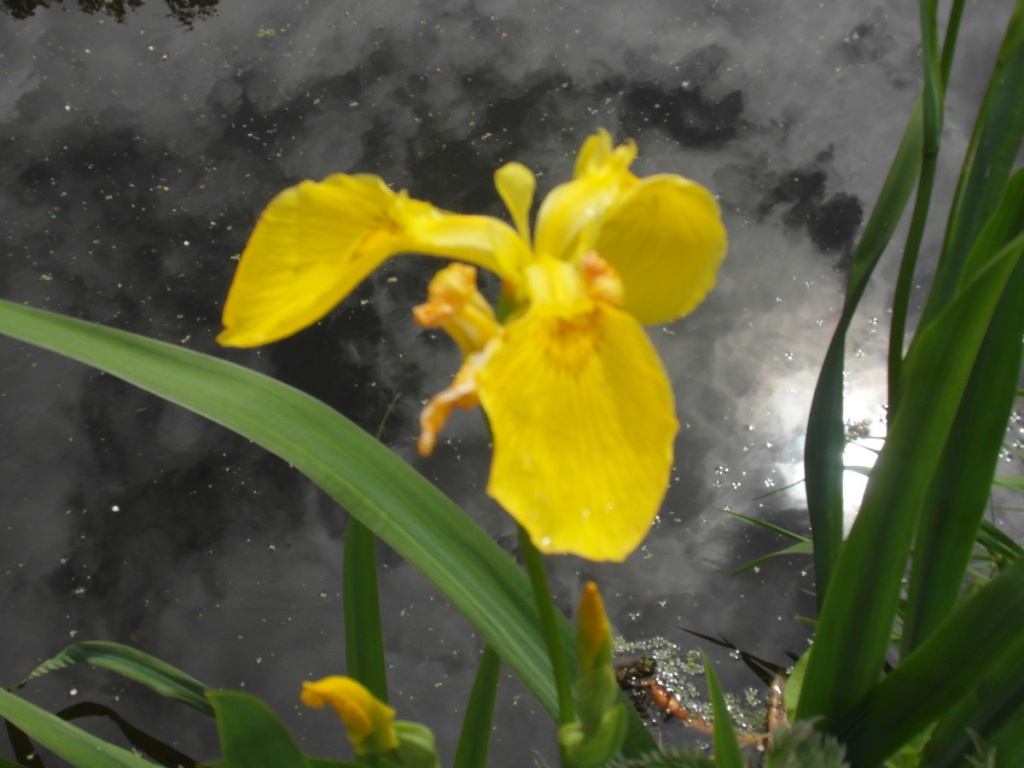
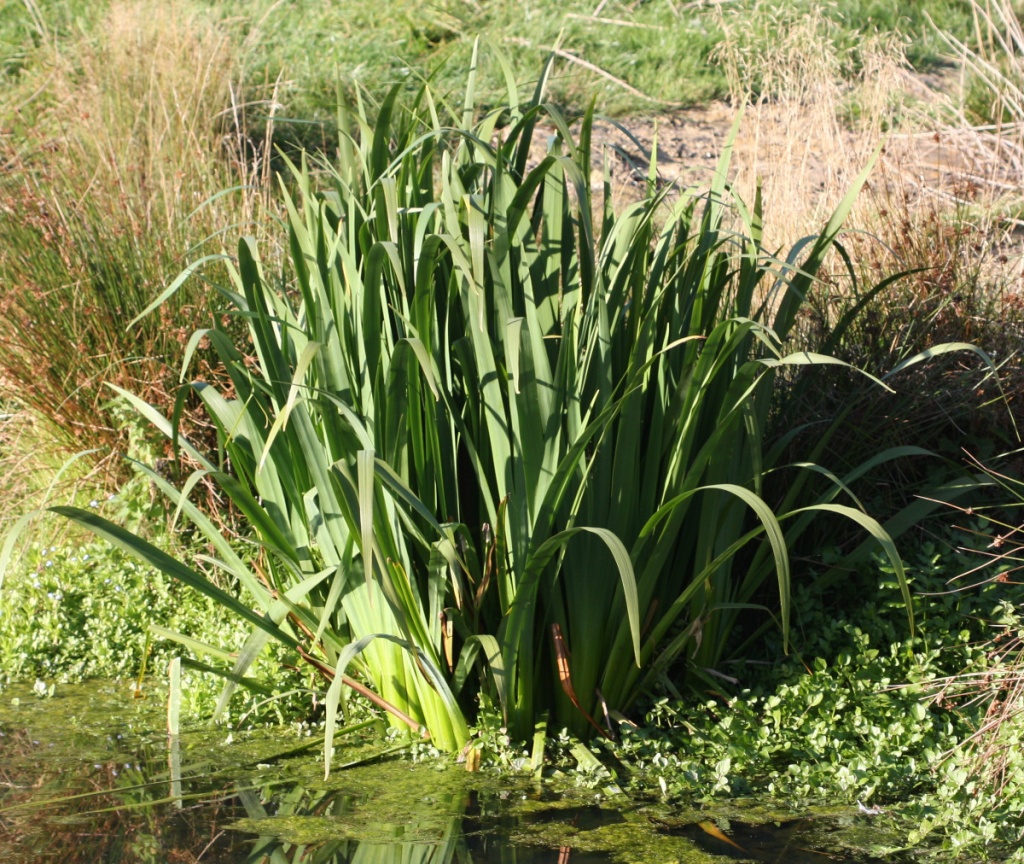
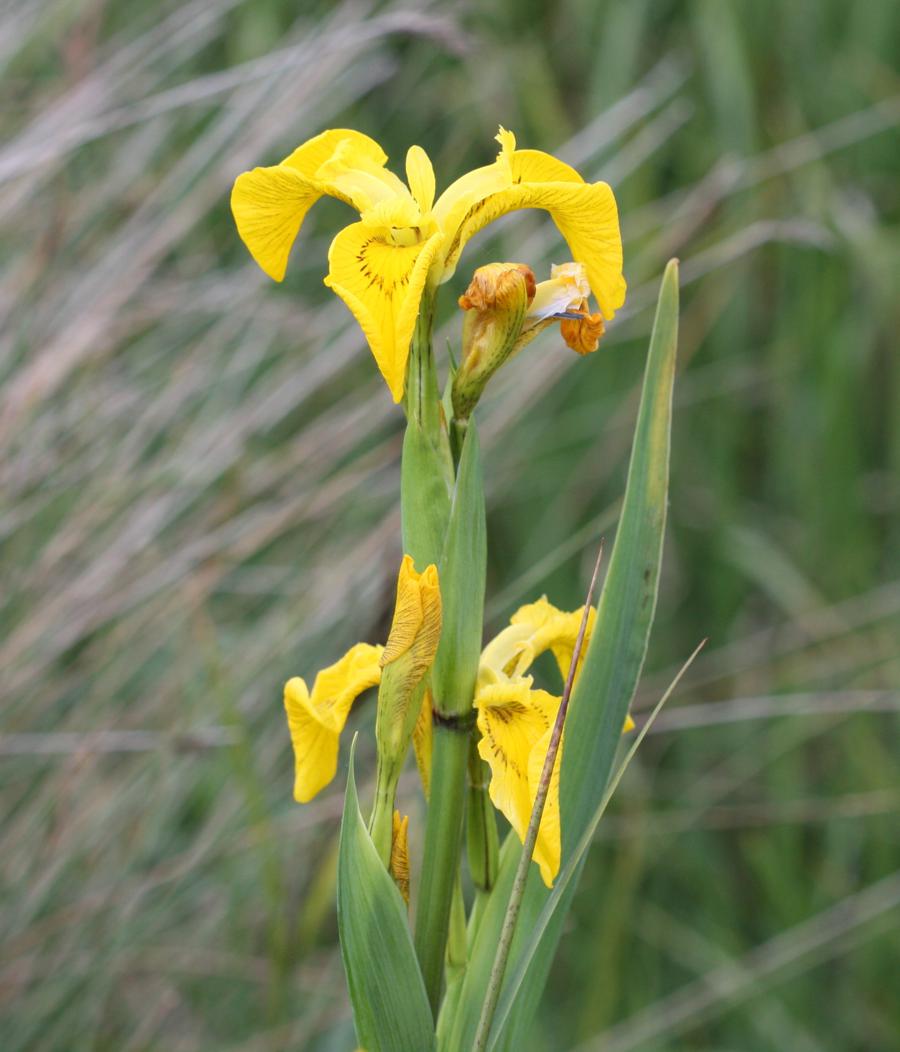
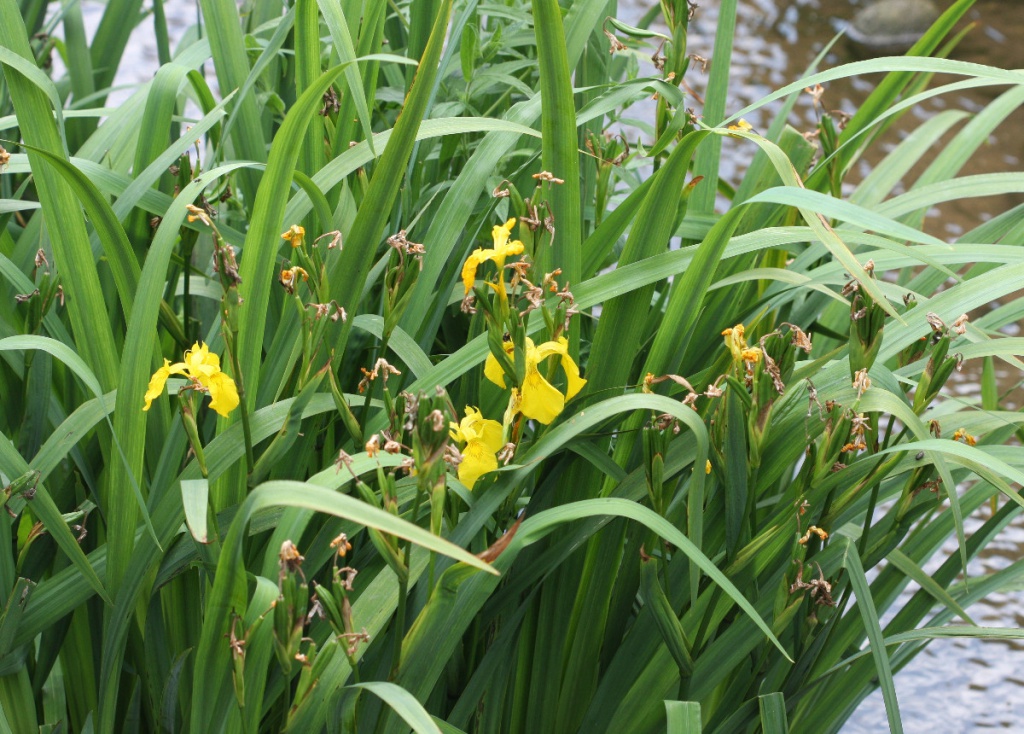
Stout, medium to tall tufted, rhizomatous plant. Leaves long, sword shaped, 10 to 30 mm wide, with a conspicuous raised mid-rib, slightly grey-green. Flowers 4 to 12 yellow, 70 to 100 mm the broad oval falls, veined and dotted with green.

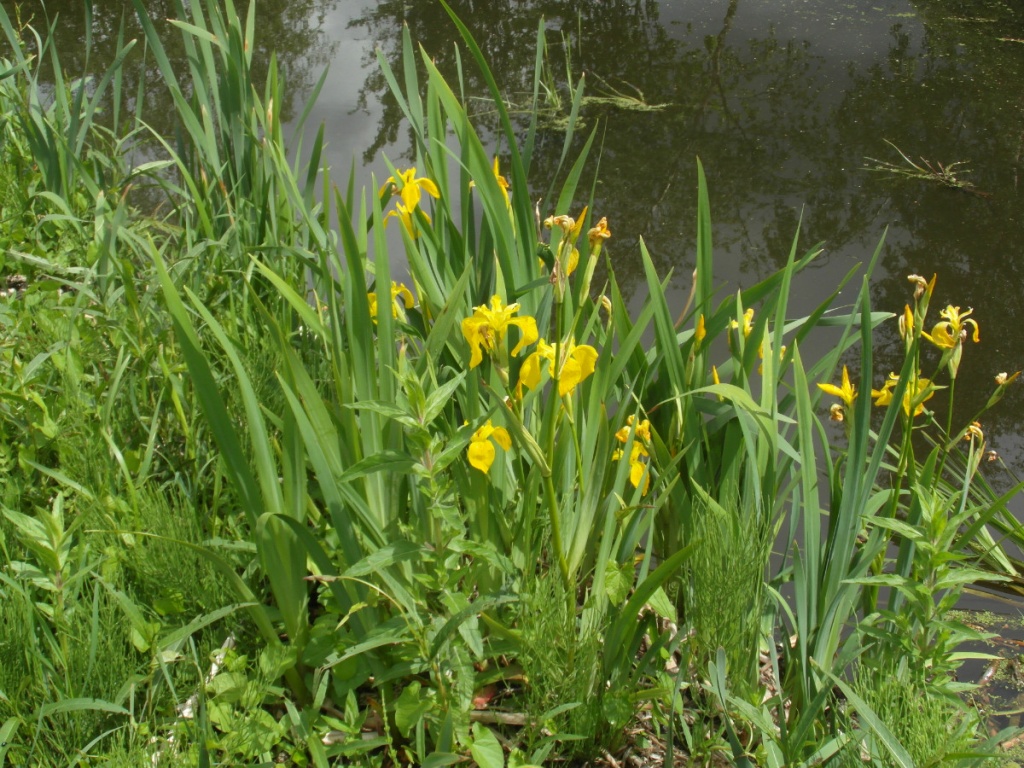
Freshwater margins.
June to August.
Perennial.
Quite common throughout Britain.
Fairly frequent in Leicestershire and Rutland. In the 1979 Flora survey of Leicestershire it was found in 166 of the 617 tetrads.
 Edge of the 'Wash Pit' Sapcote SP 4848 9366 (taken 14.6.2006)..JPG) Graham Calow
Graham Calow
Wash Pit, Sapcote
14 June 2006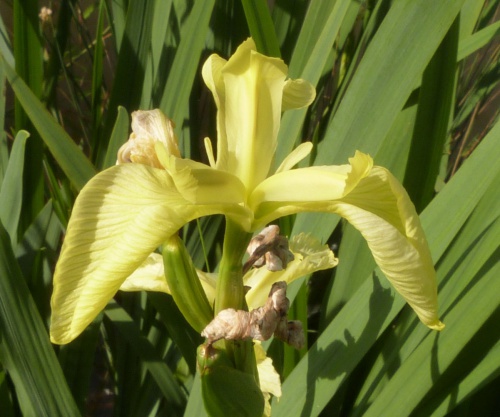 Graham Calow
Maynes Lakes, Stoke Golding
01 June 2017
var. bastardii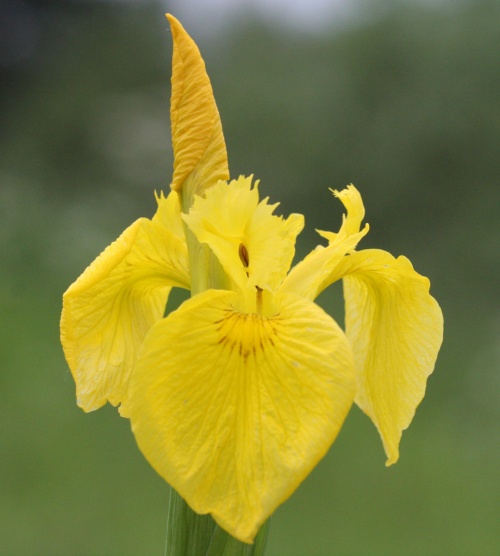 David Nicholls
Thornton Reservoir
05 June 2012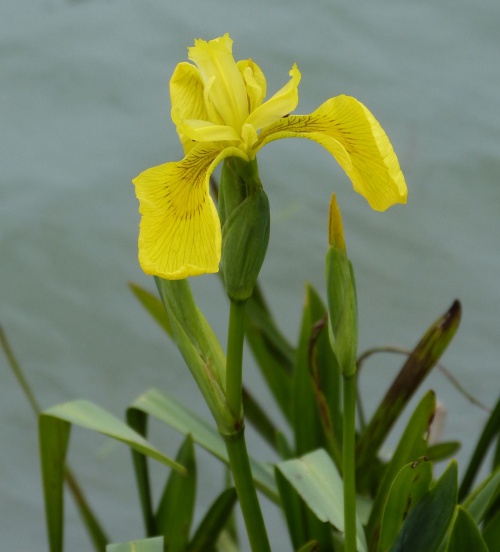 Graham Calow
Frolesworth
01 June 2015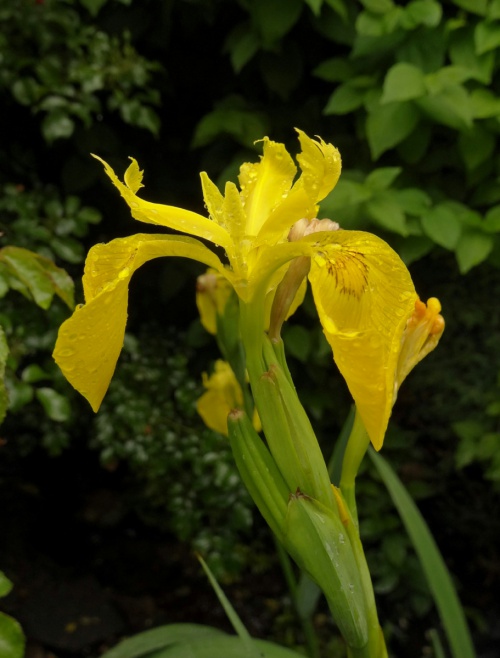 Lostash
Whetstone Garden 154
28 June 2013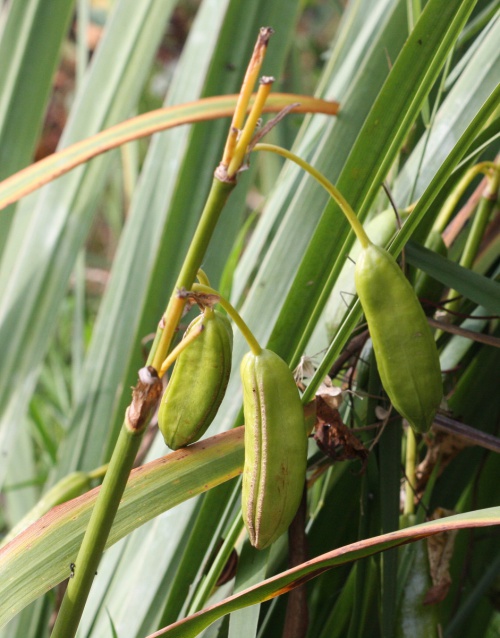 David Nicholls
Watermead
27 September 2013
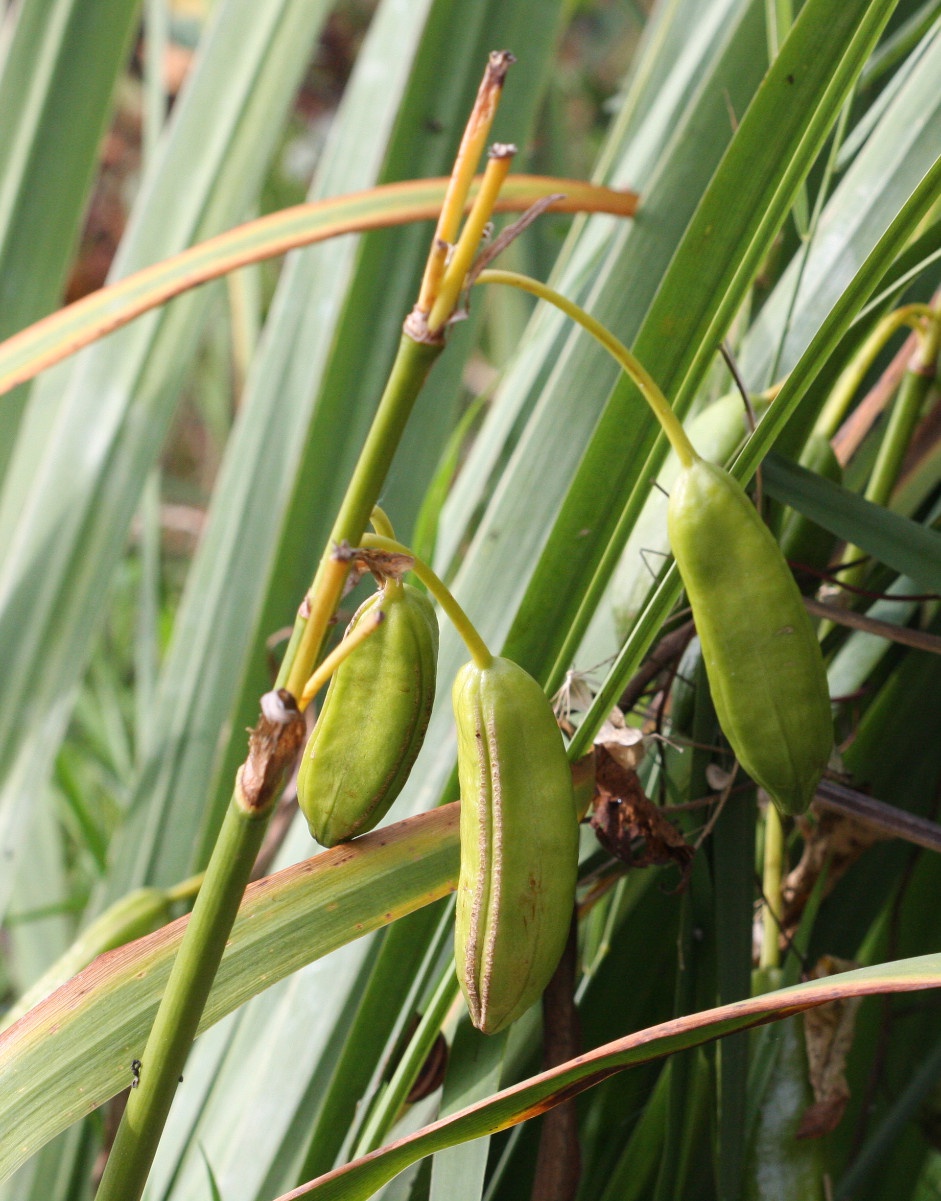
seed pods
 Edge of the 'Wash Pit' Sapcote SP 4848 9366 (taken 14.6.2006)..JPG)
Leicestershire & Rutland Map
Enter a town or village to see local records
MAP KEY:
Yellow squares = NBN records (all known data)
Coloured squares = NatureSpot records: 2025+ | 2020-2024 | pre-2020
UK Map
Additional images
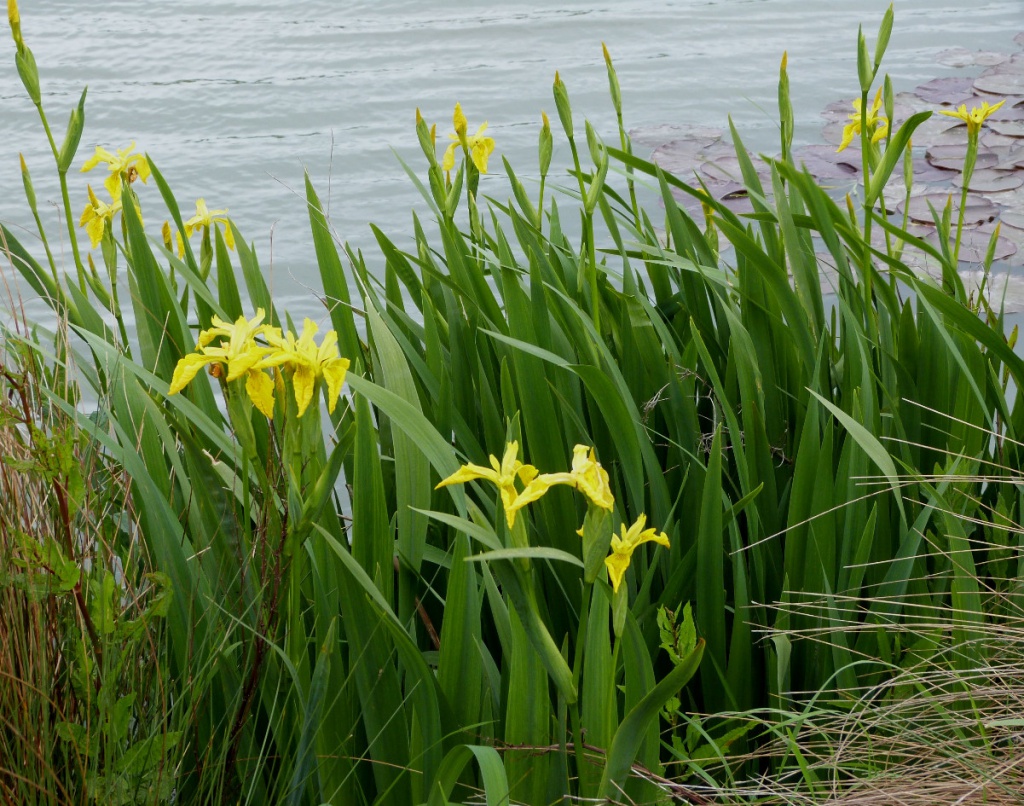
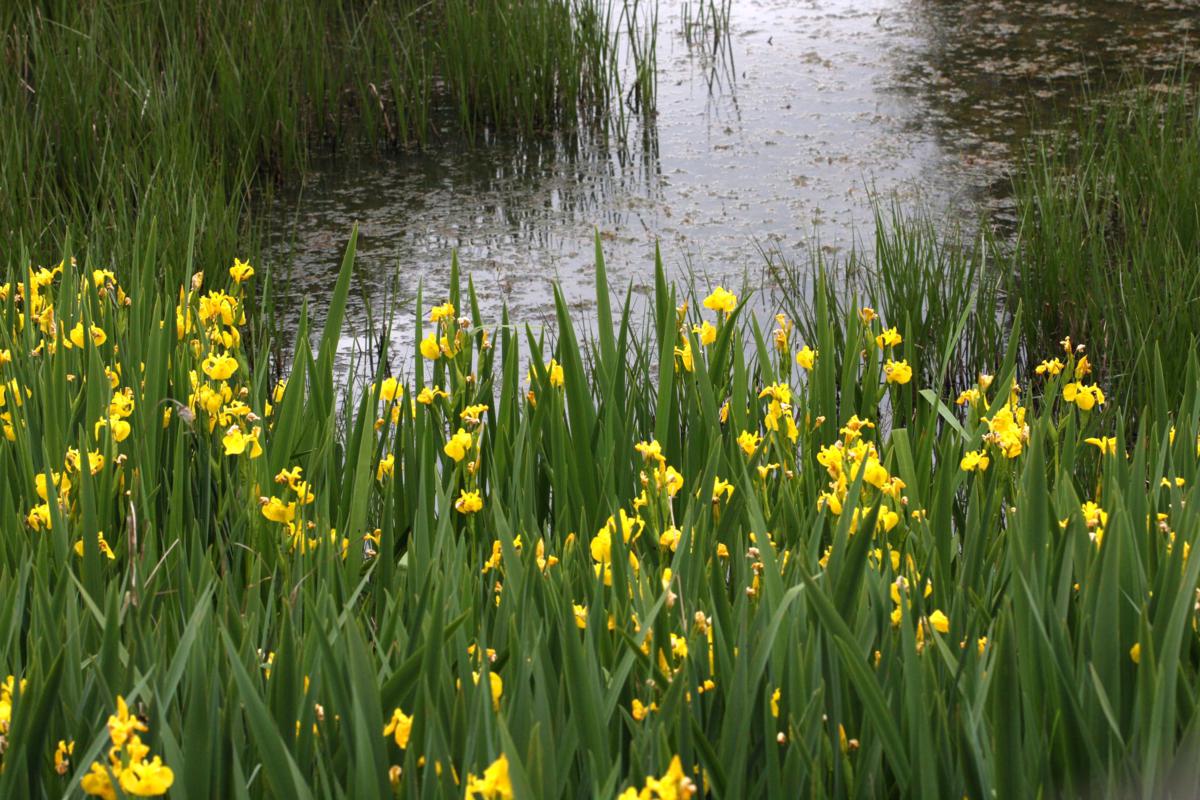
 Edge of the 'Wash Pit' Sapcote SP 4848 9366 (taken 31.5.2006).JPG)
All NatureSpot records
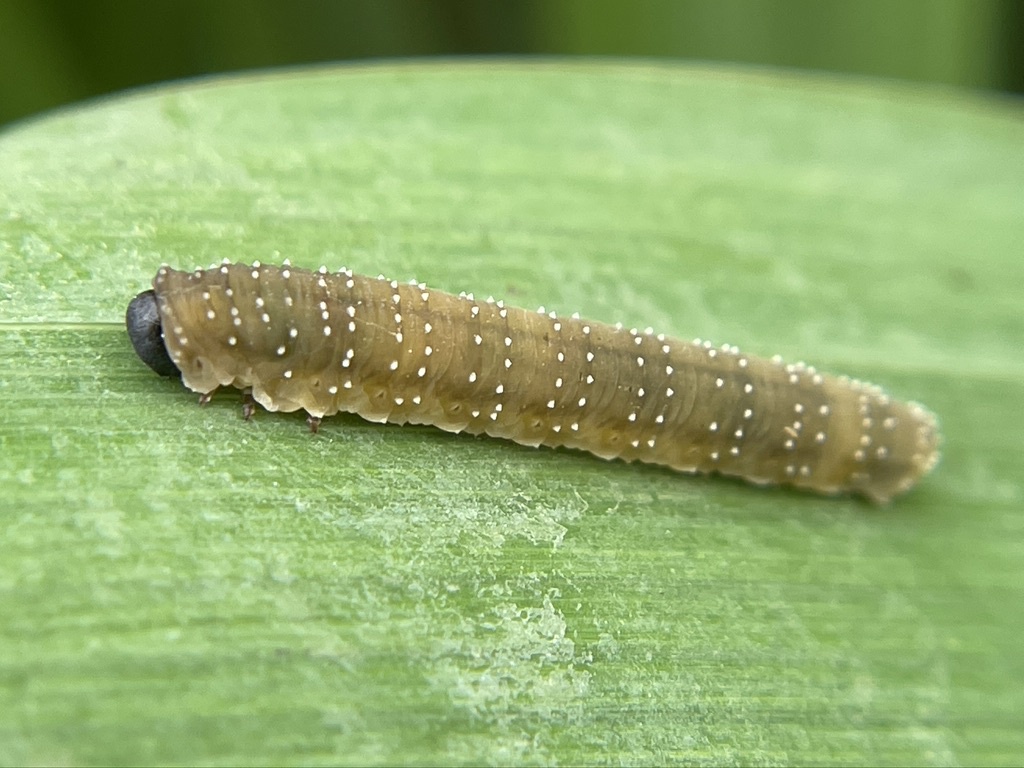
Iris Sawfly
The larvae of the Iris Sawfly (Rhadinoceraea micans) feed on members of the iris family noteably Yellow Iris (Iris pseudacorus), but only on plants growing in damp conditions or near to water. They eat strips from the edge of the leaves.
Iris Aphid
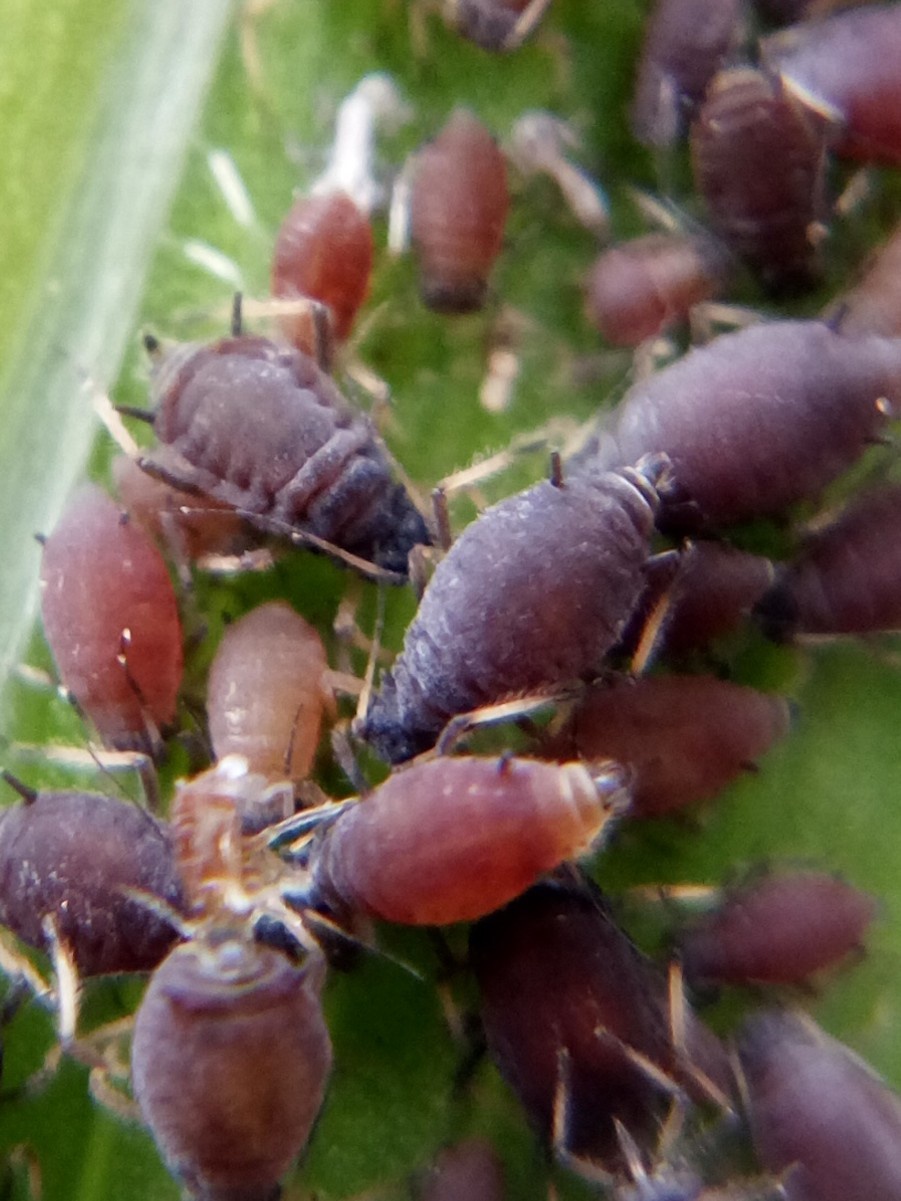
The Iris Aphid (Aphis newtoni) feeds in large ant-attended colonies on Iris, often Yellow Iris. The body length of the Aphis newtoni aptera is around 2 mm and they vary from reddish brown to almost black.
Cerodontha (Dizygomyza) iraeos
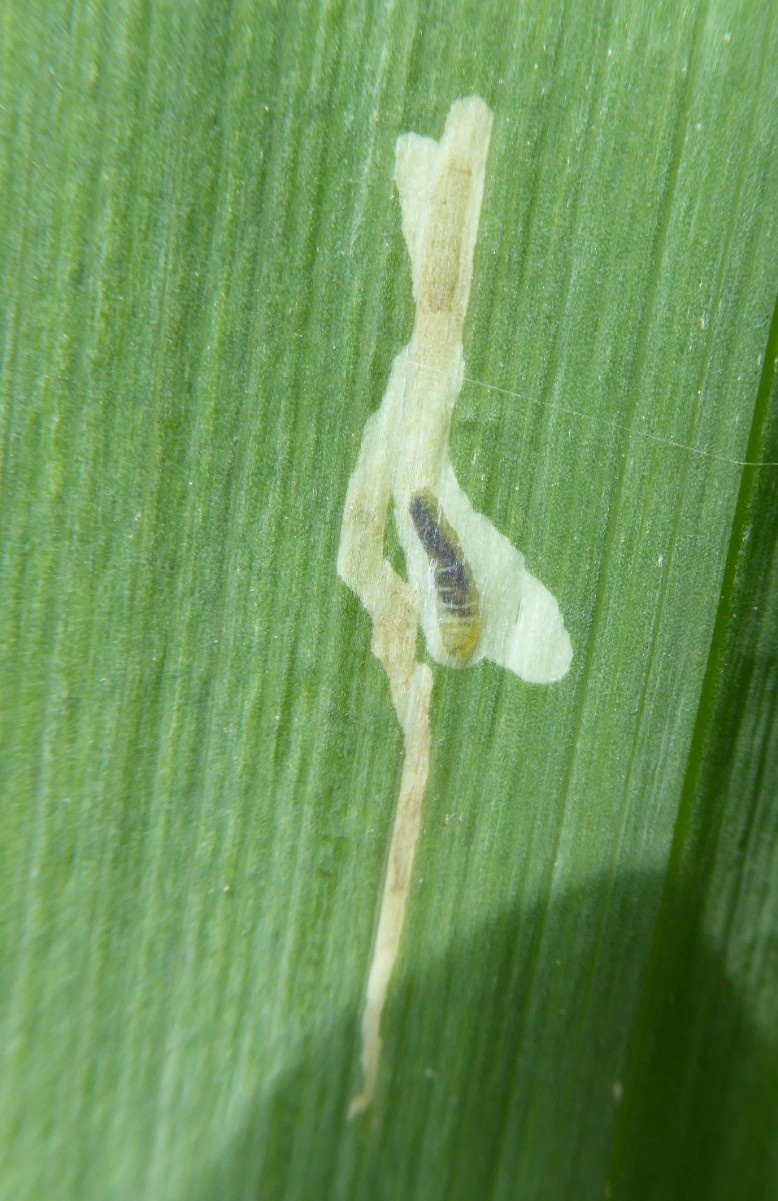
The larva of the Agromyzid fly Cerodontha iraeos mines the leaves of Yellow Iris and other related plants. The mine takes the form of a short, white, irregular corridor, parallel to the leaf blade.

Orthotelia sparganella
The larva of the moth Orthotelia sparganella mines the stems or leaves of waterside plants such as Bur-reed, Iris, Reed Sweet-grass and other rushes.