Gooseberry
Gooseberry - Ribes uva-crispa
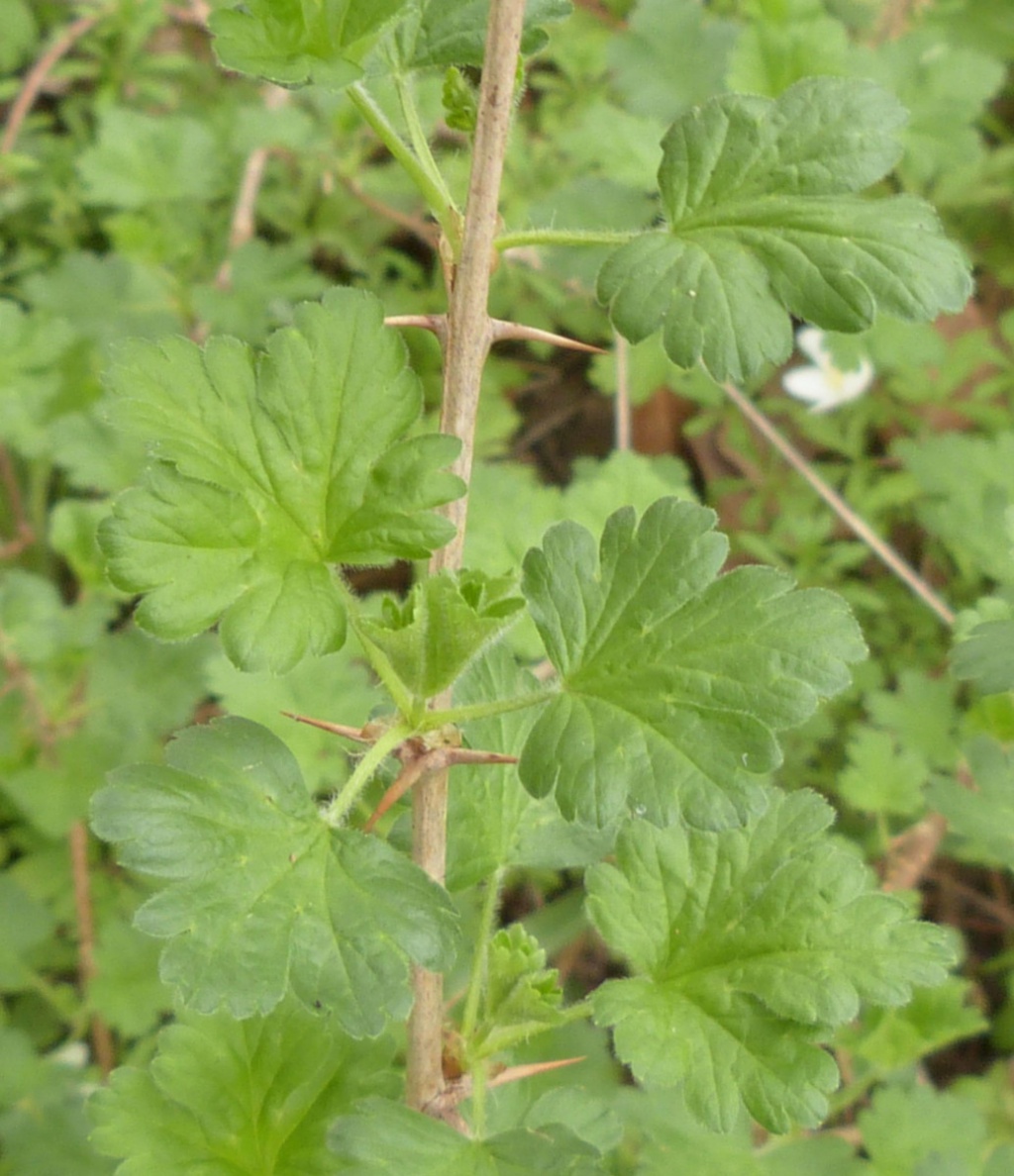
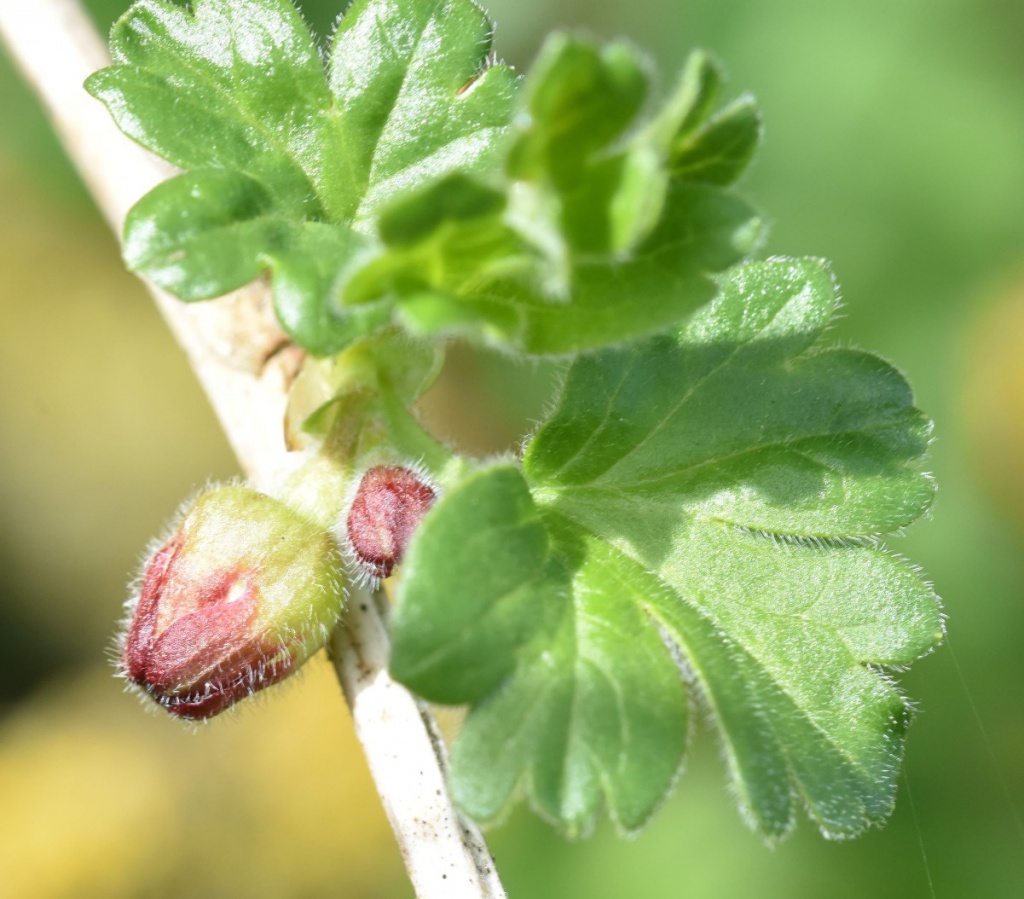
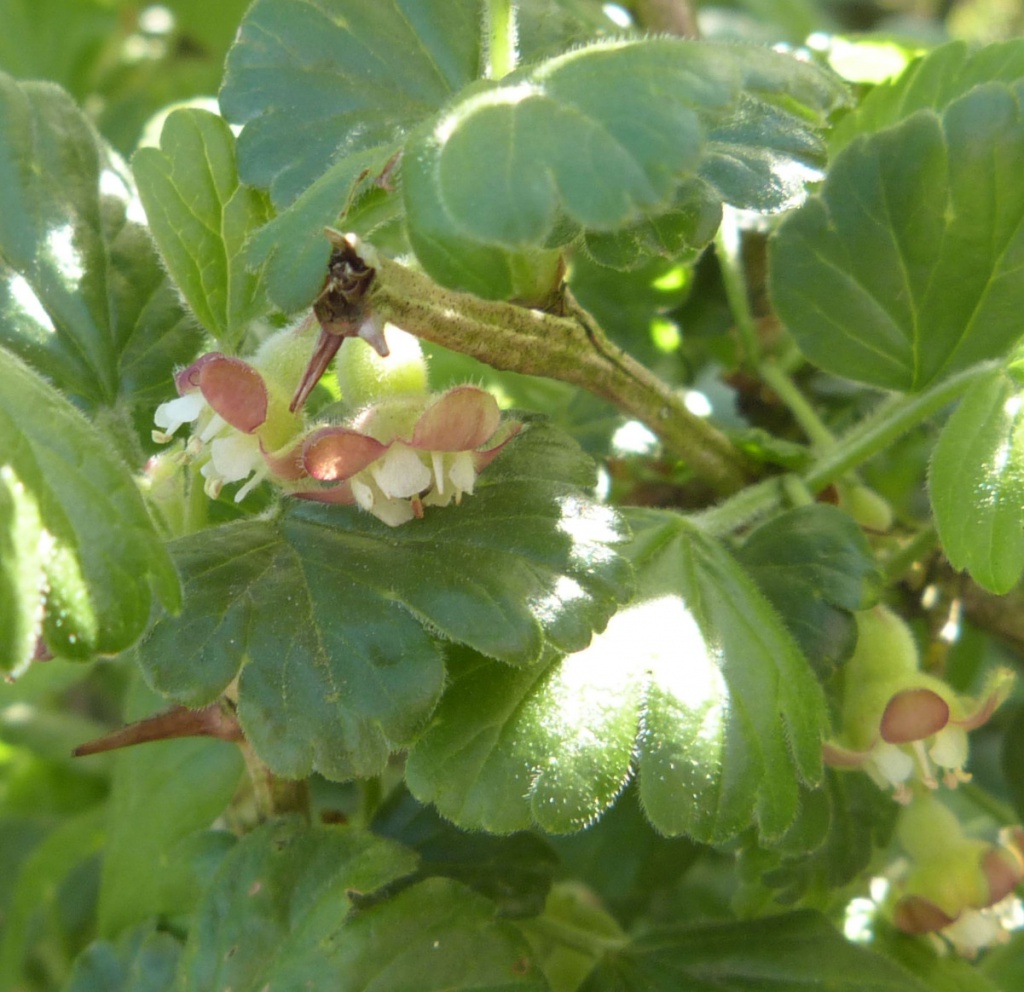
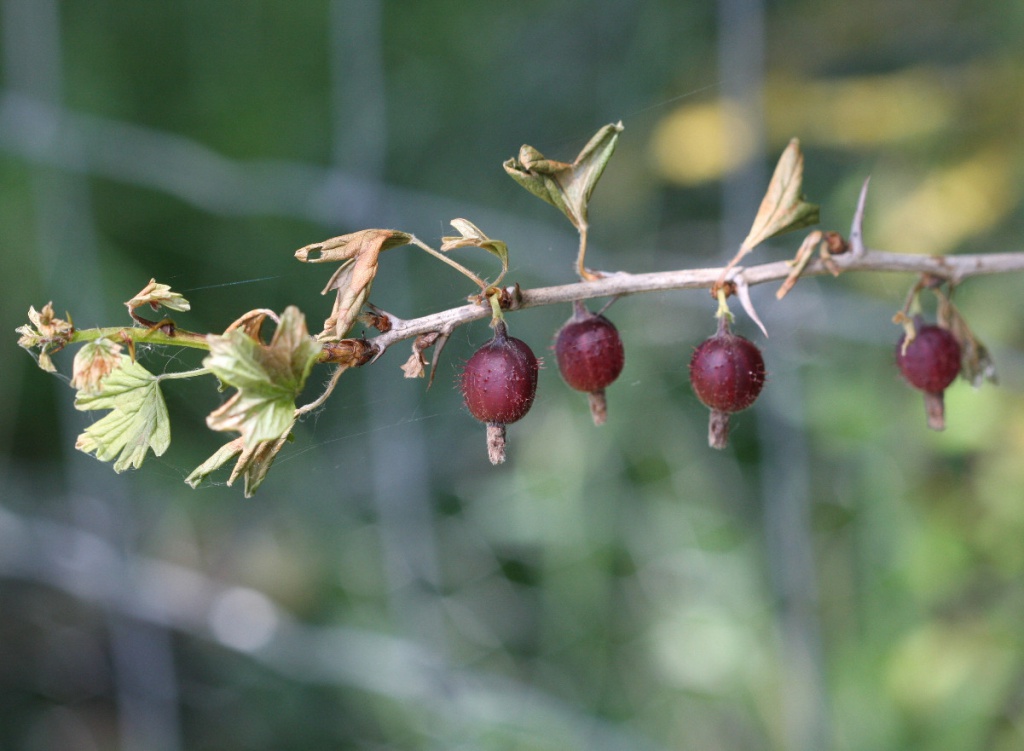
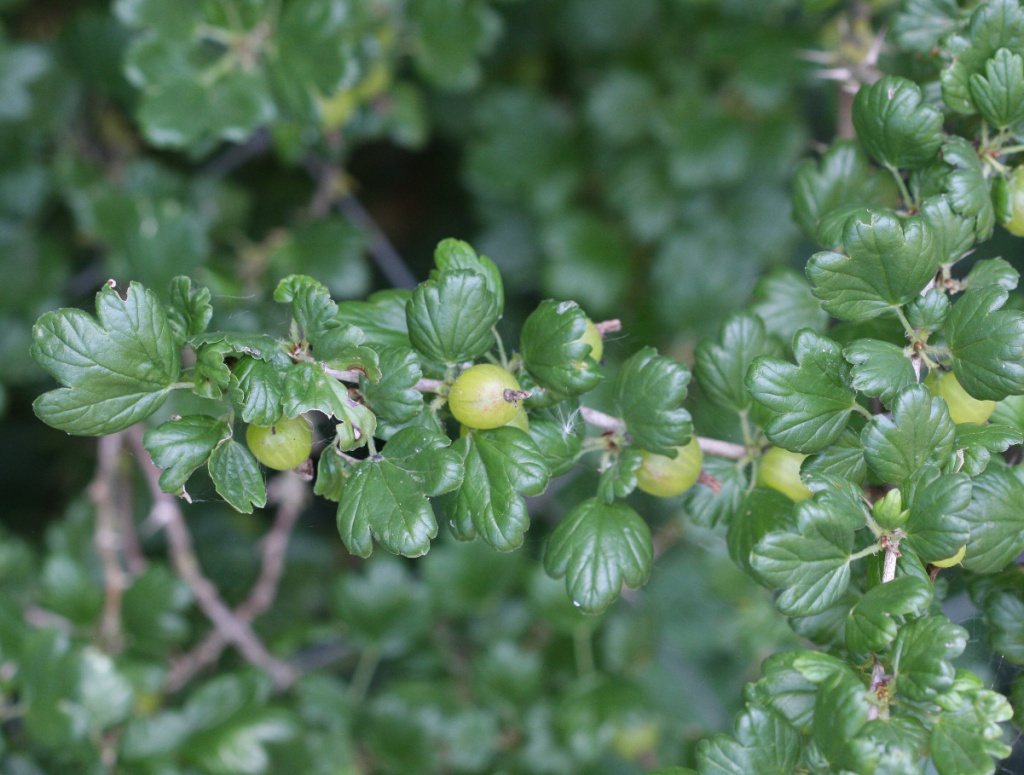
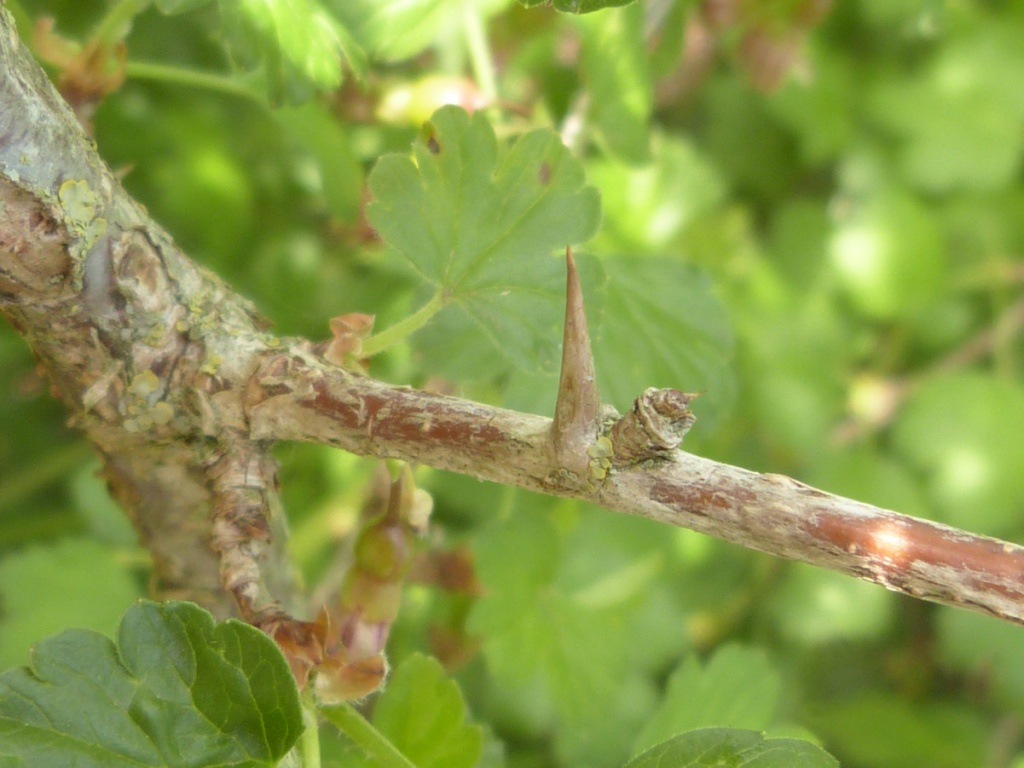
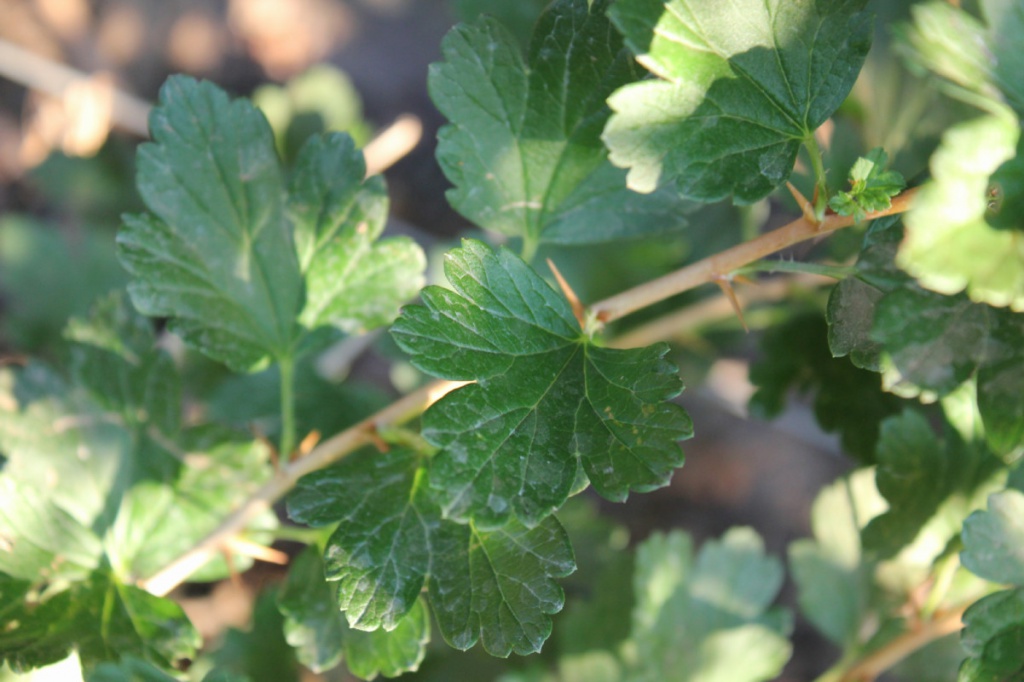
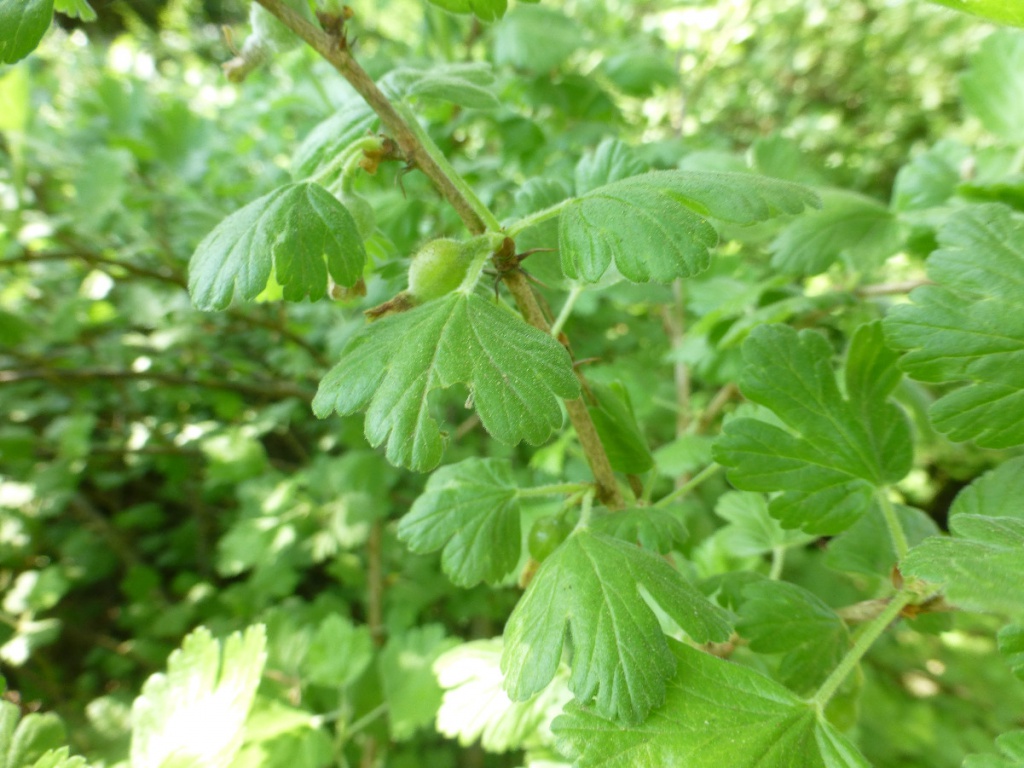
Densely branched spiny shrub to 1.5 metres. Leaves rather small, deeply lobed. Flowers pale pinkish green often edged with purple in small clusters of 1 to 3. Berry large (10 to 20 mm) globose, greenish yellow or purplish red bristly and edible.

Waste ground and sundry other places.
April and May.
Deciduous.
Fairly frequent throughout Britain except in the north of Scotland.
Surprisingly frequent away from gardens in Leicestershire and Rutland. In the 1979 Flora survey of Leicestershire it was found in 114 of the 617 tetrads.
 Footpath to Granitethorpe Sapcote SP4942 9355 (taken 18.4.2010).JPG) Graham Calow
Graham Calow
Granitethorpe Quarry, Sapcote
18 April 2010
Flowers Graham Calow
Burbage Wood
28 March 2017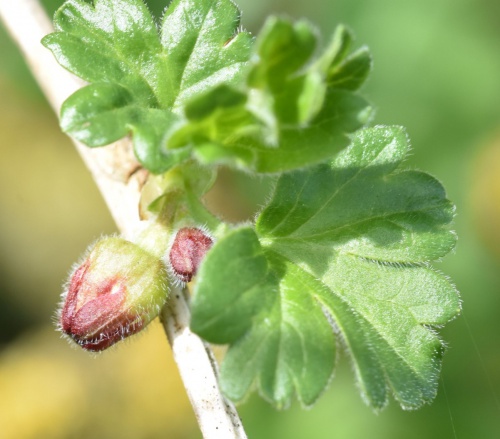 stepgray4
Wymeswold Woodland Edge
30 March 2021 Graham Calow
Highcross Road, Claybrook Magna
20 April 2016 by Leicester Road Quarry Sapcote SP 4963 9337 (taken 27.4.2008),..JPG) Graham Calow
Graham Calow
Leicester Road Quarry, Sapcote
27 April 2008
Flower and Thorns David Nicholls
Ketton Quarry
13 June 2014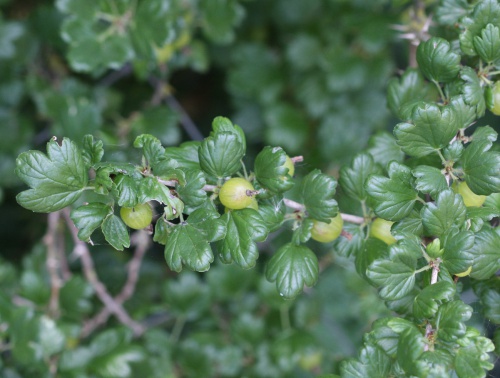 David Nicholls
Ketton Quarry
13 June 2014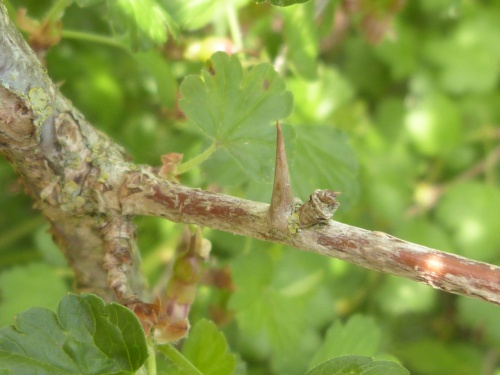 Graham Calow
Sapcote, Footpath to Granitethorpe
16 April 2020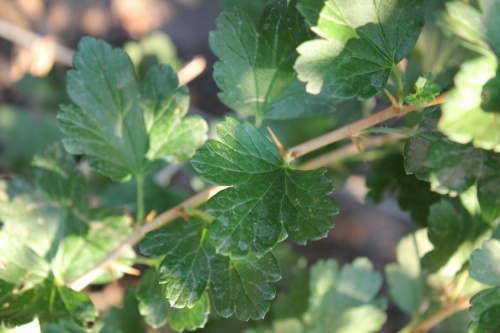 PhilipCrowfoot
Woodgate
29 August 2013
Goosberry
 Footpath to Granitethorpe Sapcote SP4942 9355 (taken 18.4.2010).JPG)
 by Leicester Road Quarry Sapcote SP 4963 9337 (taken 27.4.2008),..JPG)
Leicestershire & Rutland Map
Enter a town or village to see local records
MAP KEY:
Yellow squares = NBN records (all known data)
Coloured squares = NatureSpot records: 2025+ | 2020-2024 | pre-2020
UK Map
Additional images

All NatureSpot records
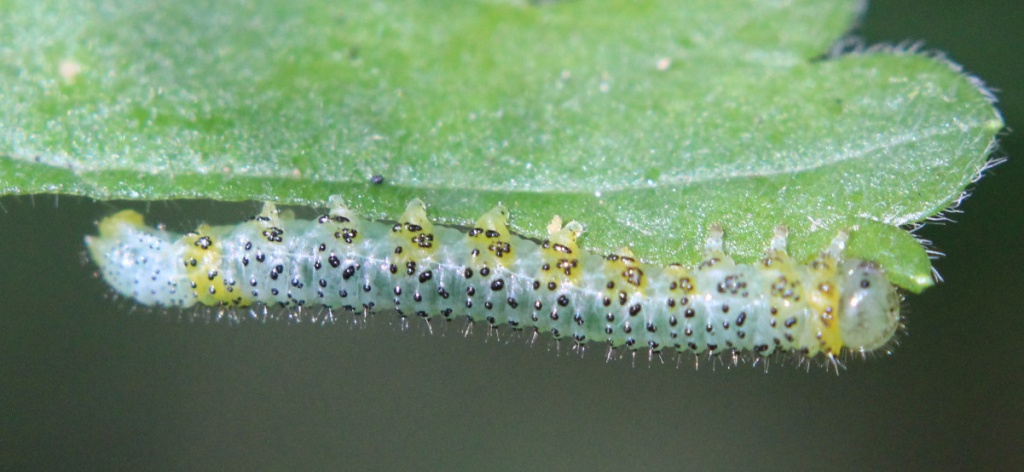
Pale-spotted Gooseberry Sawfly
The larvae of the Pale-spotted Gooseberry Sawfly (Euura leucotrocha) feed on Gooseberry and can defolate the plant. The larva is pale green with small black spots all over the bod.
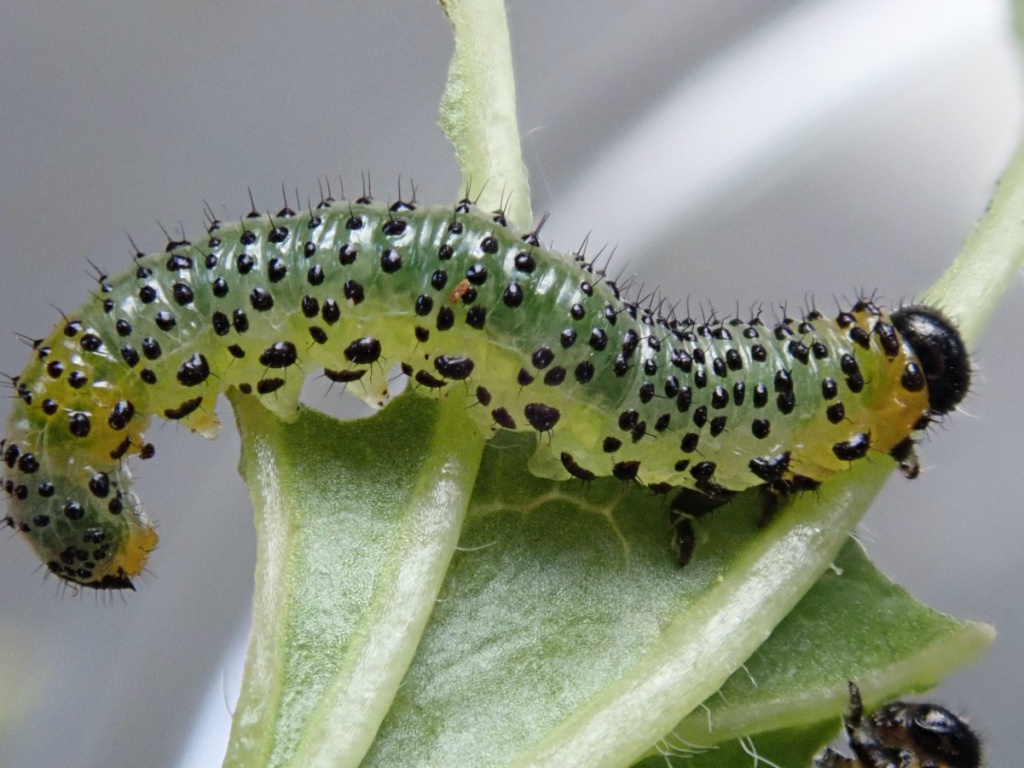
Gooseberry Sawfly
The larvae of the Gooseberry Sawfly (Euura ribesii) feed on the leaves of Gooseberry also those of Red Currant and White Currant bushes. The appearance of the larva changes as it matures.
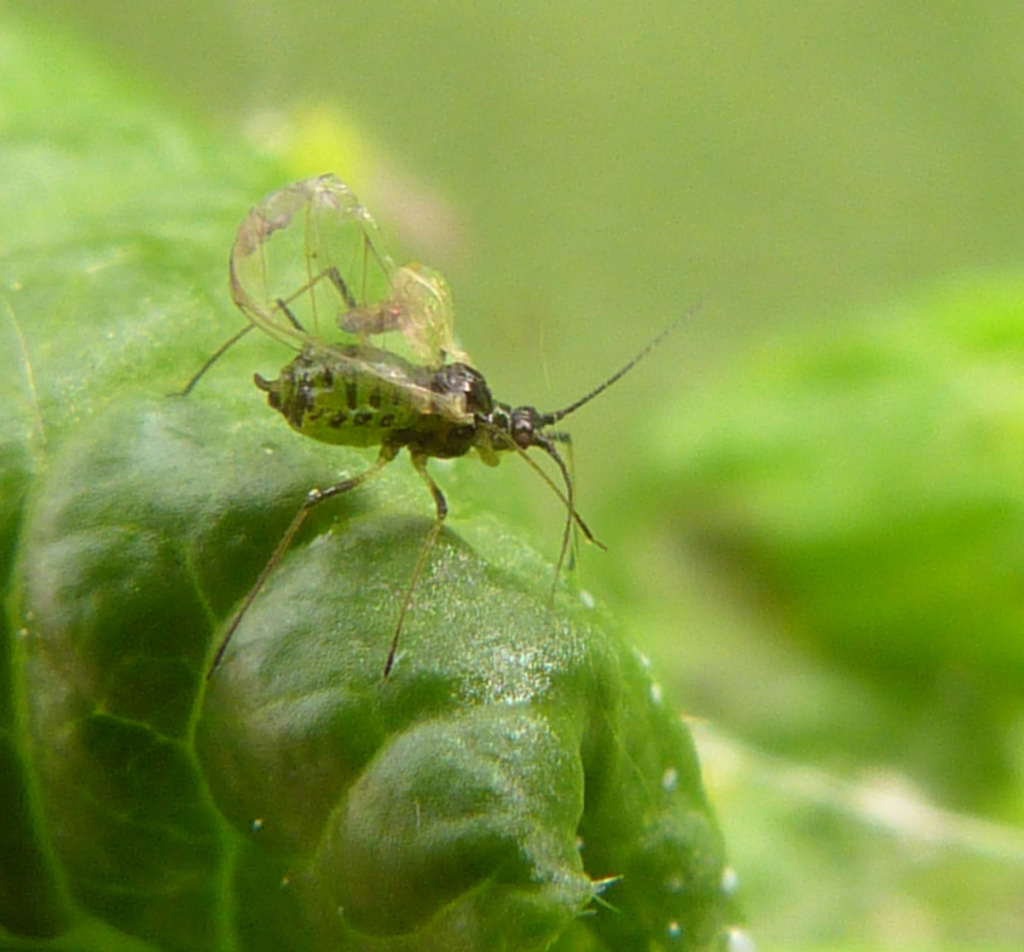
Aphis grossulariae
Dense colonies of the aphid Aphis grossulariae at the growing tips of Gooseberry cause severe deformation and clumping of young leaves. The adult aptera is dull green to dark green and is slightly to moderately wax powdered. The antennae are shorter than the body. The alate has the head and thorax black, the abdomen green with dark stripes, the siphunculi and antennae dark and the cauda pale. It host alternates between Gooseberry and Willowherbs (Epilobium species).
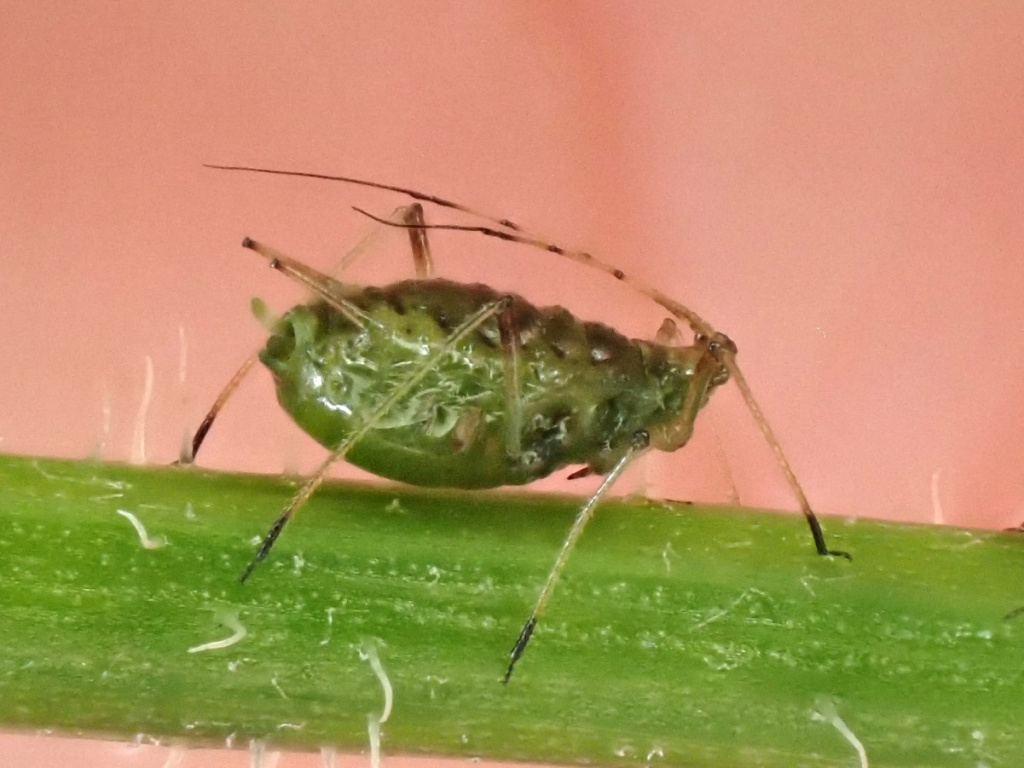
Nasonovia ribisnigri
On the primary hosts, Gooseberry and Blackcurrant, the wingless apterae are bright shiny green. Winged adults have black markings on abdomen. On the secondary host (plant in Daisy family, Asteraceae, including Lettuce) apterae can be green, pink or yellow.