Horse-chestnut
Horse-chestnut - Aesculus hippocastanum
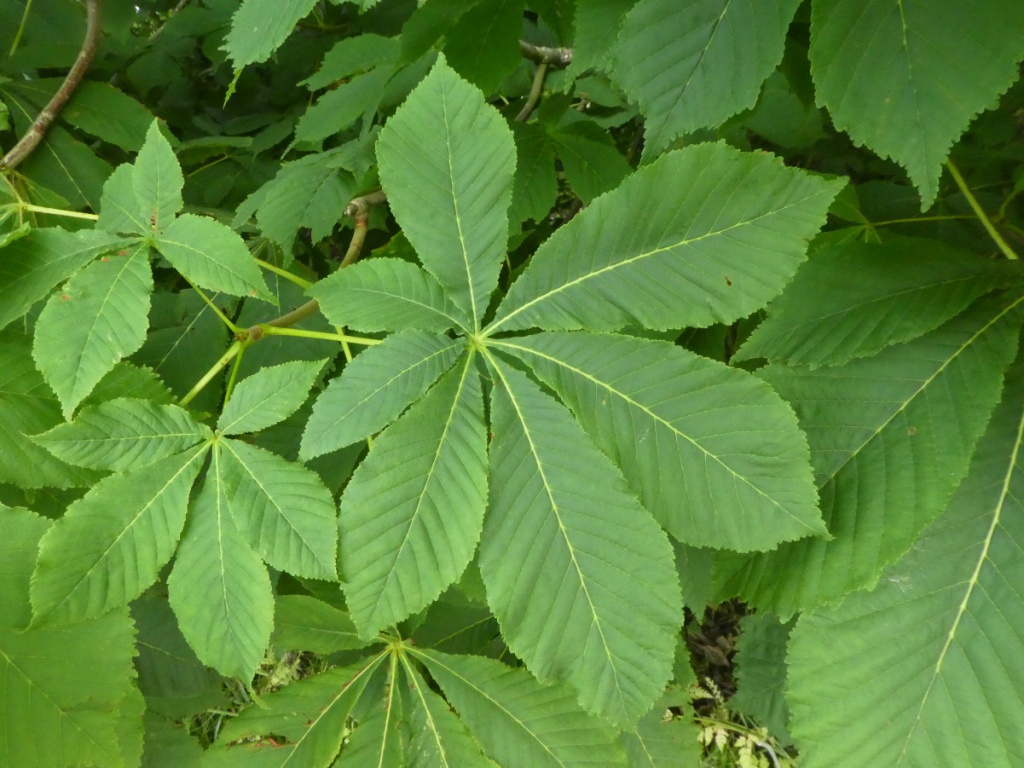
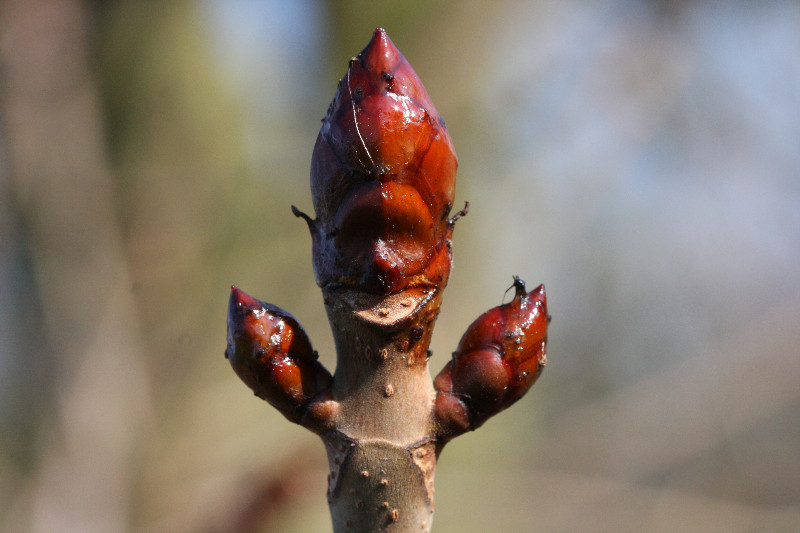
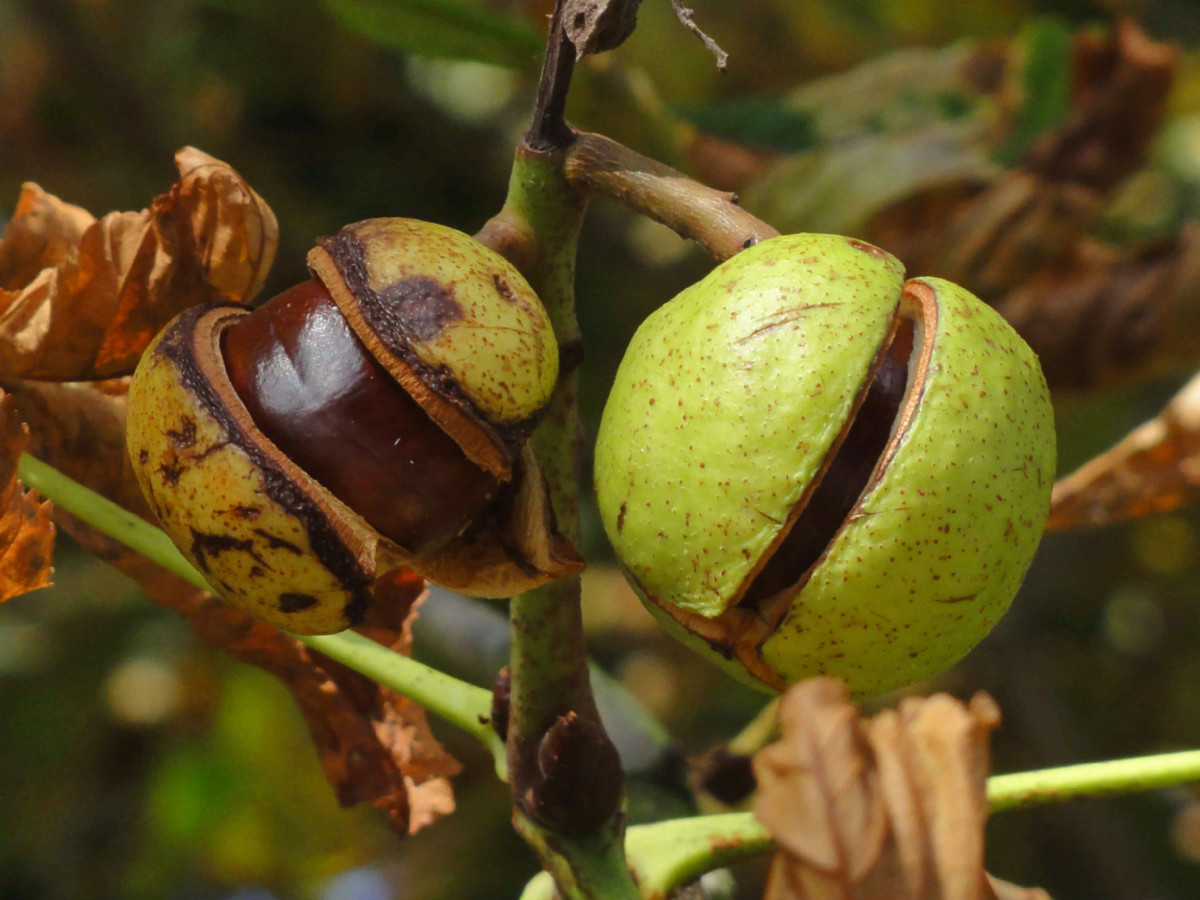
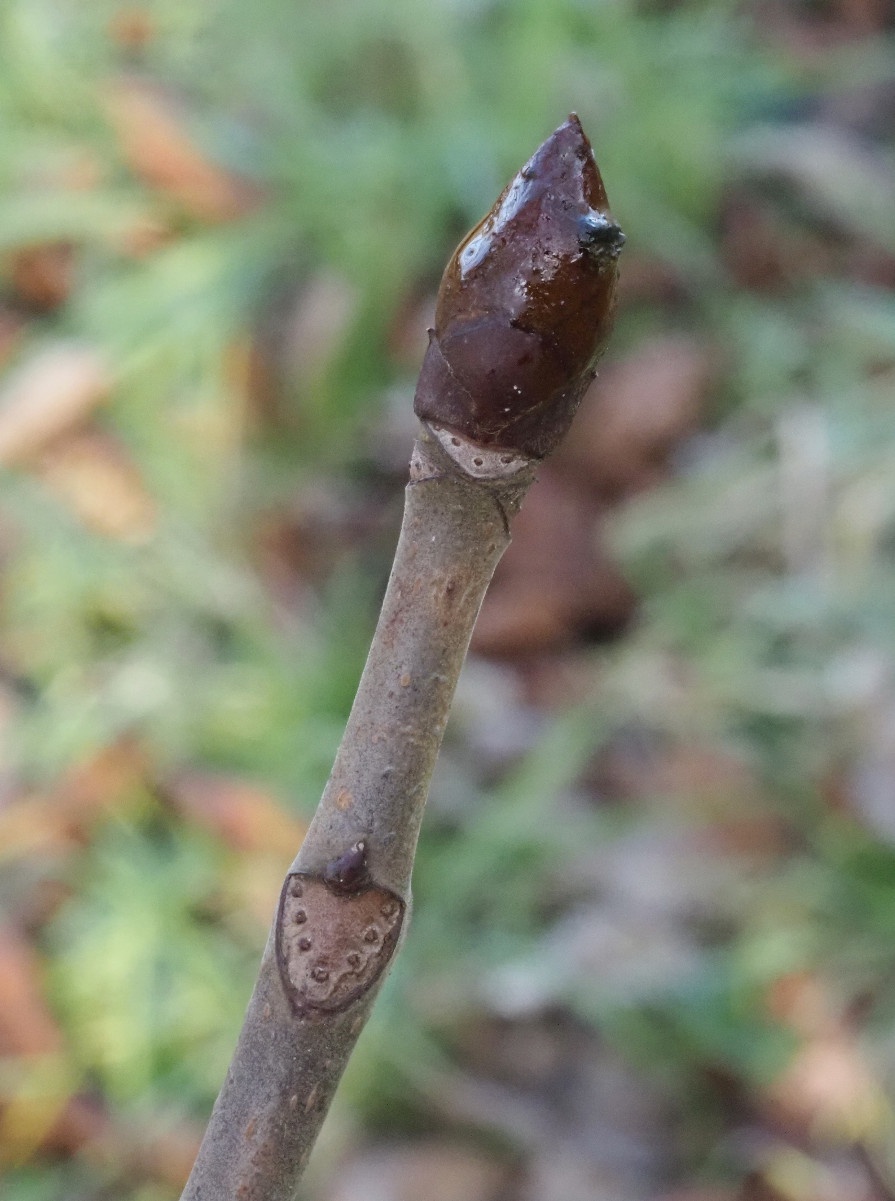
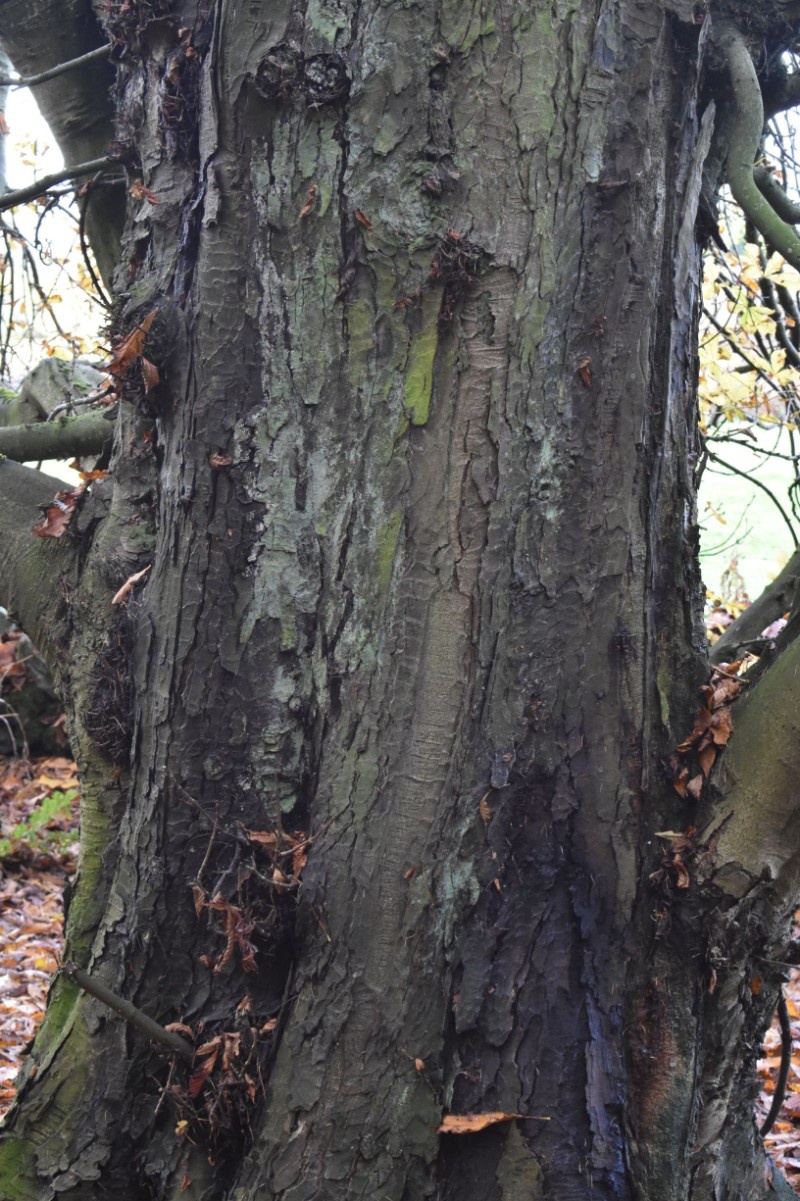
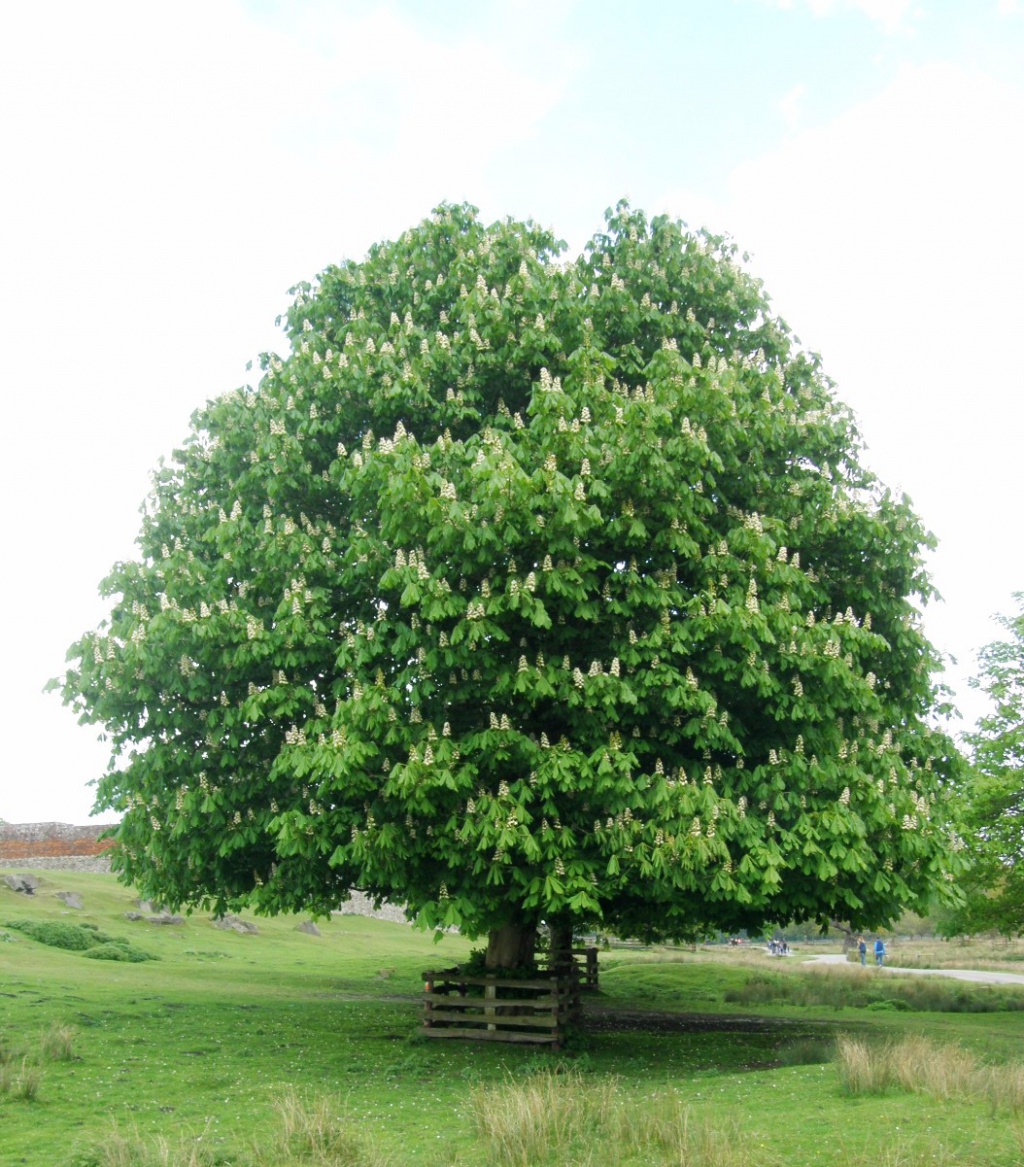
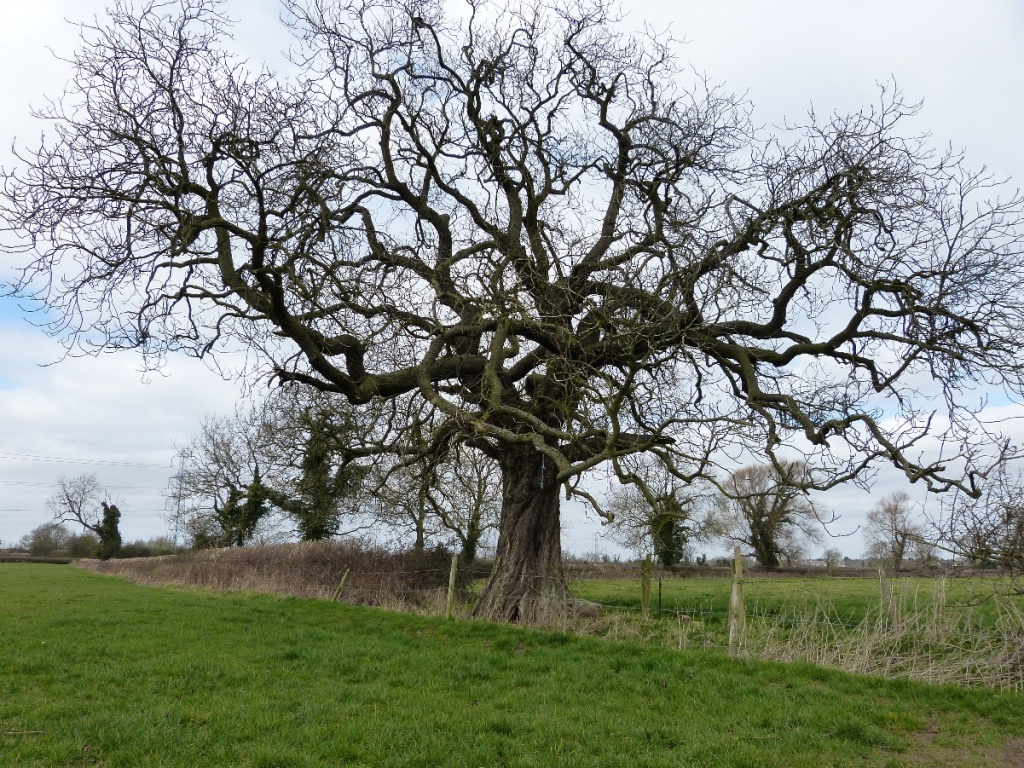
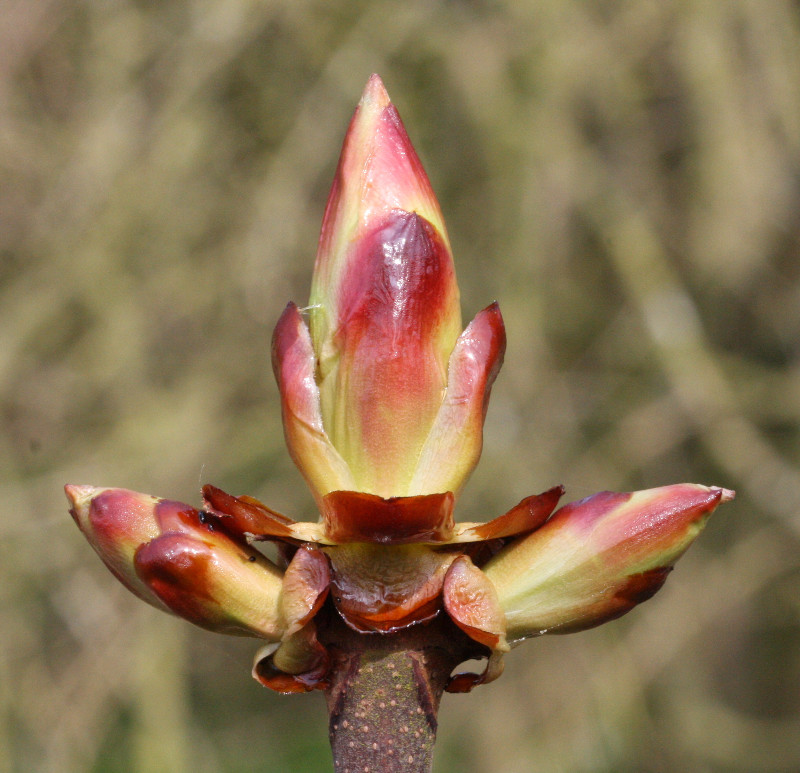
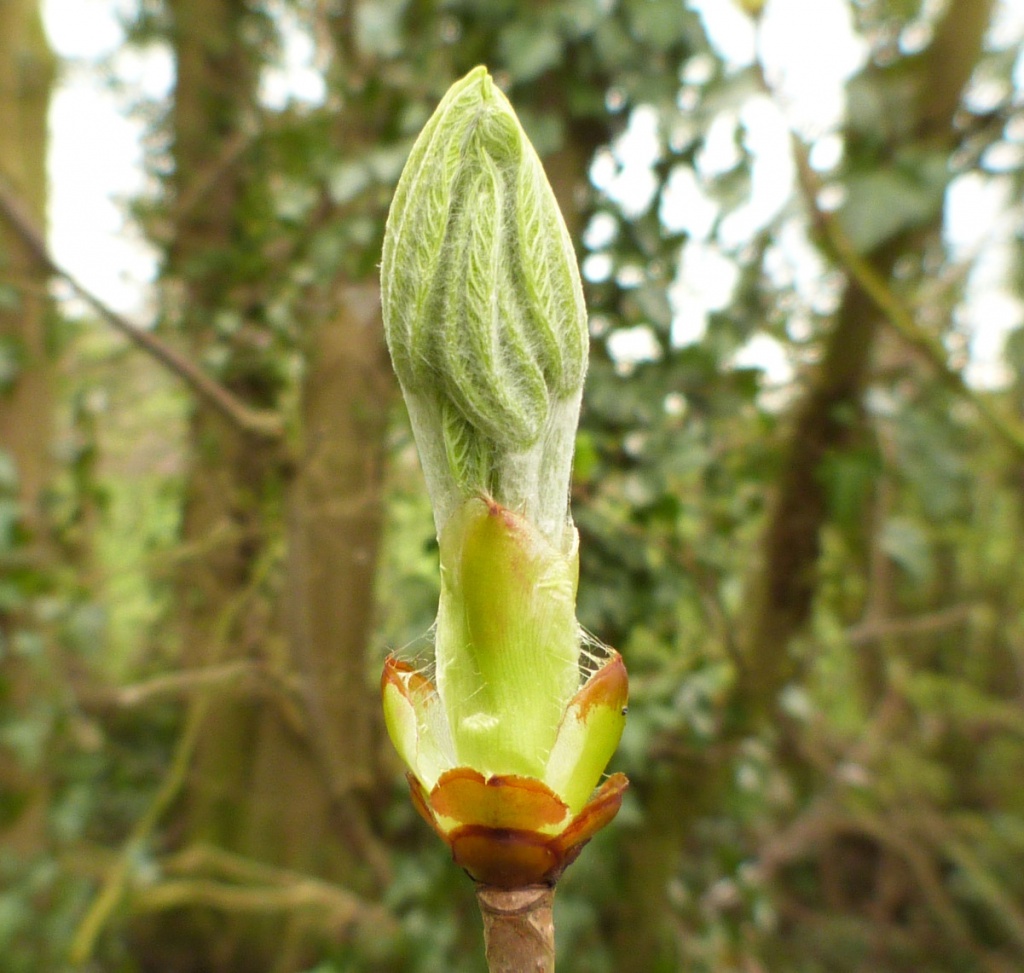
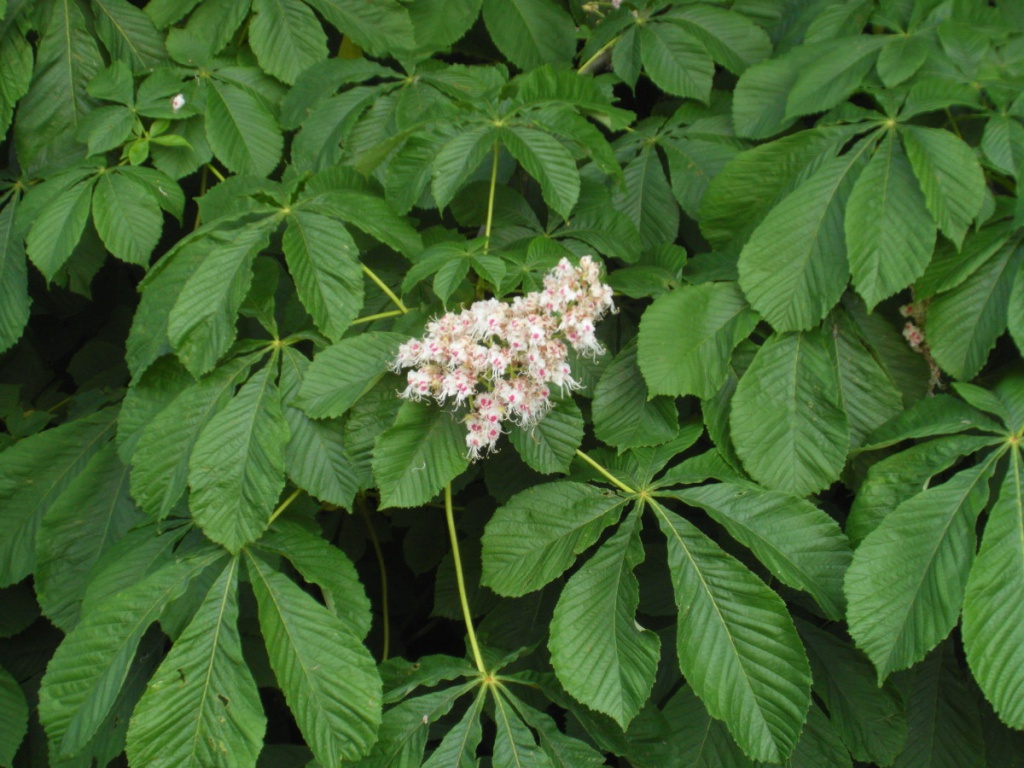
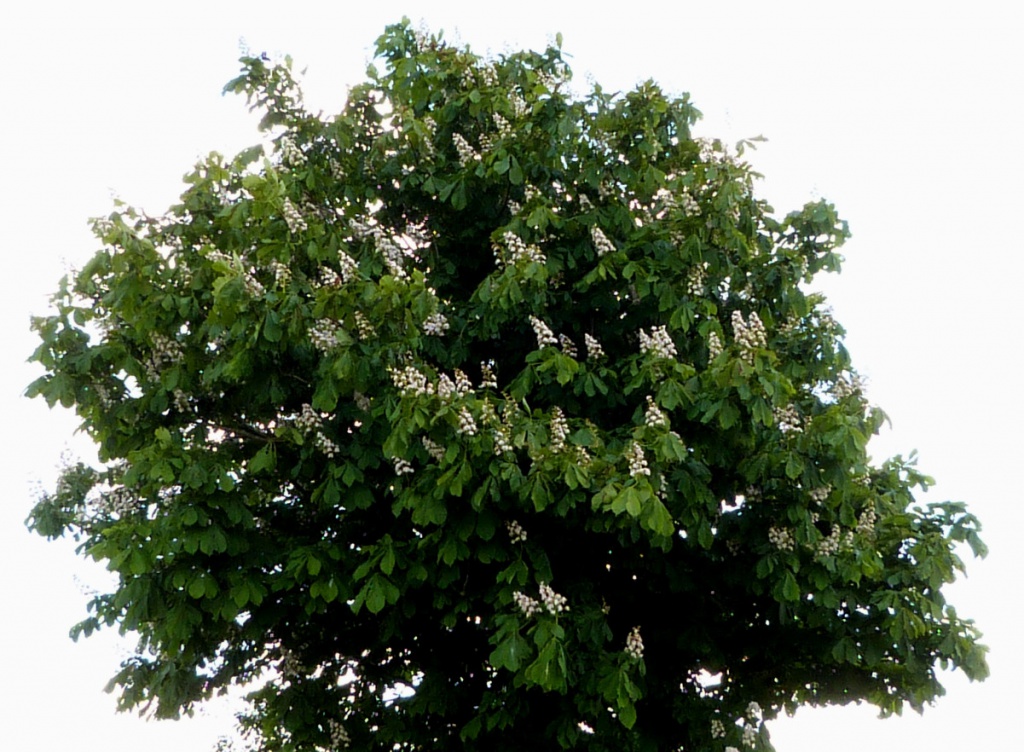
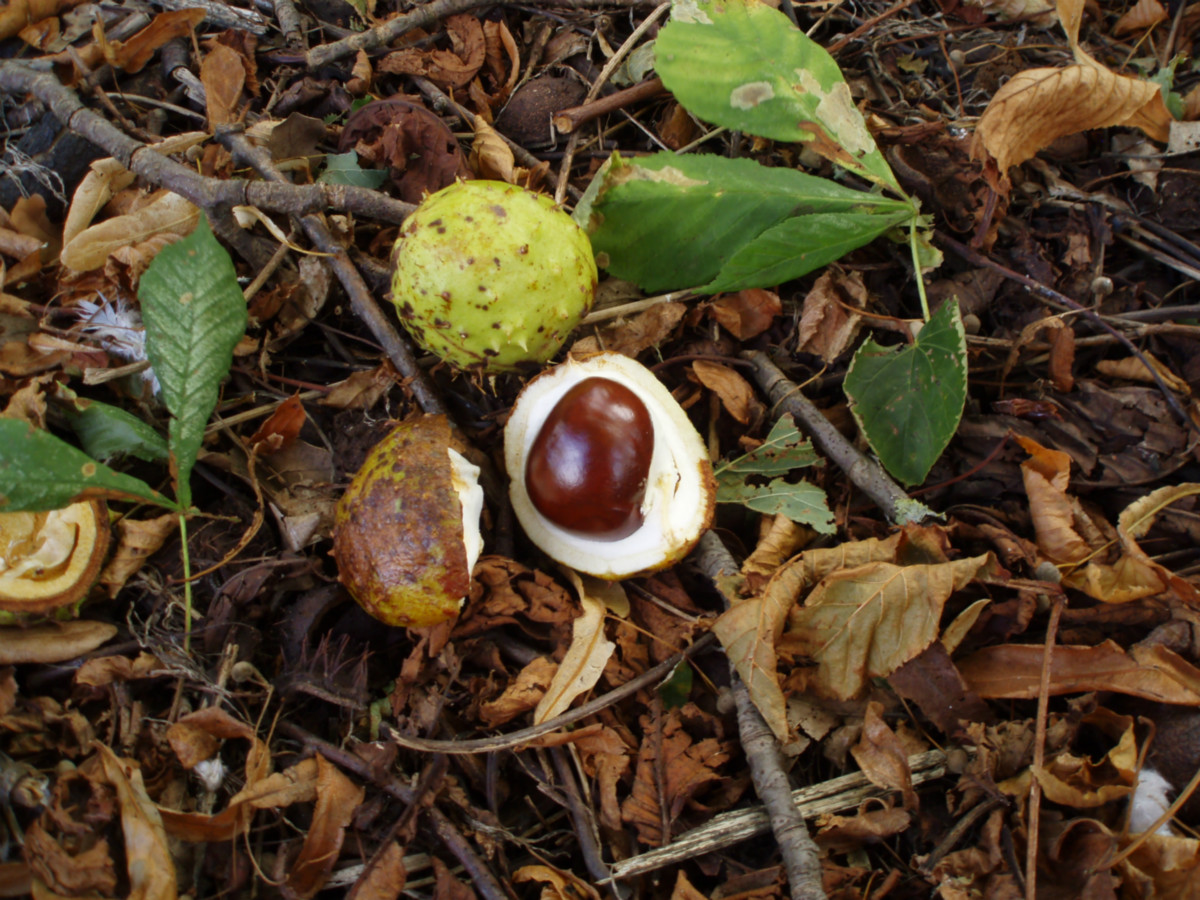
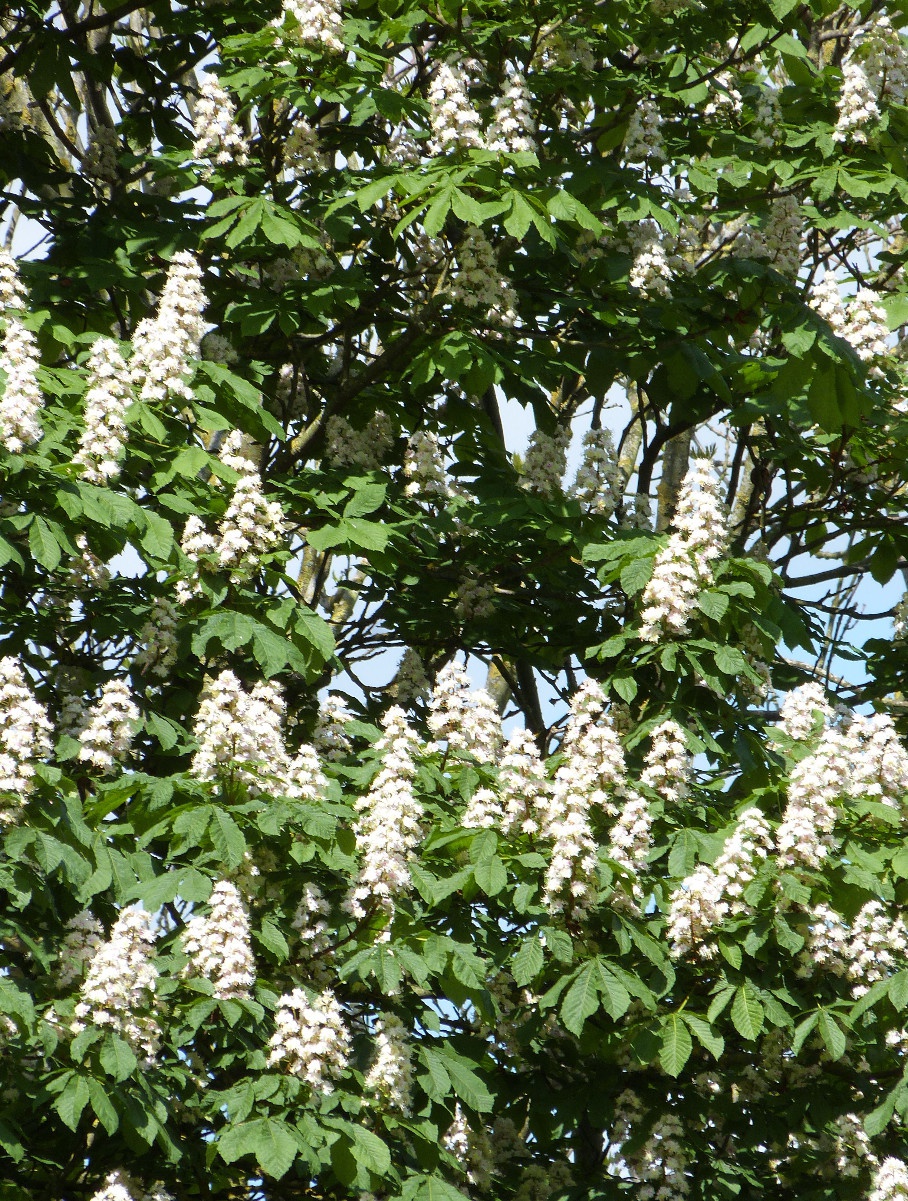
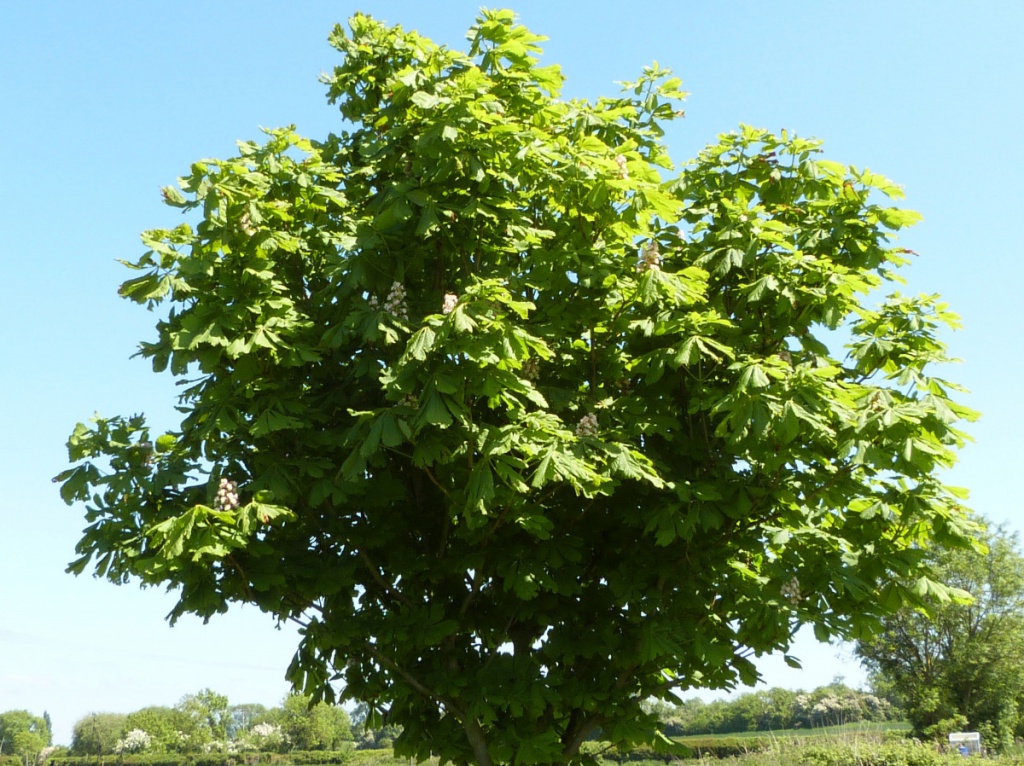
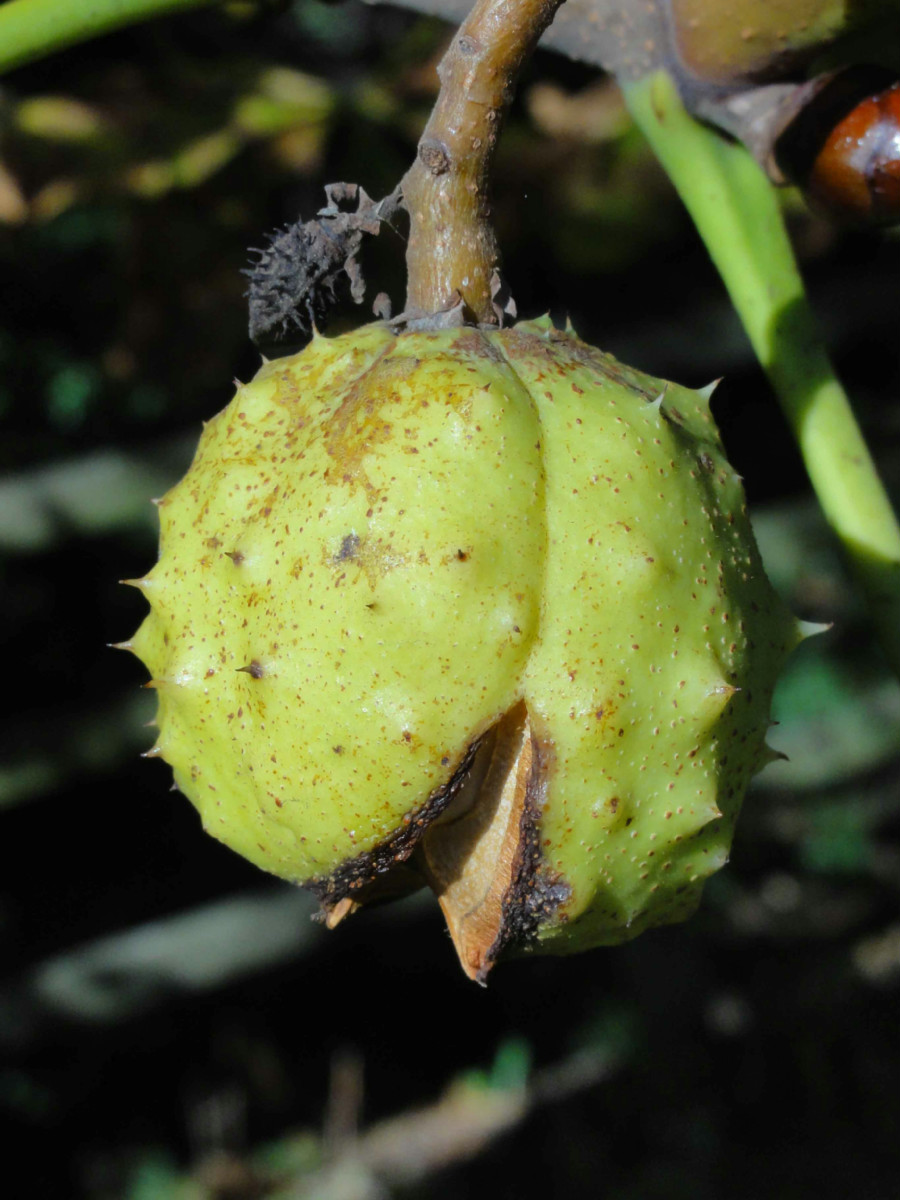
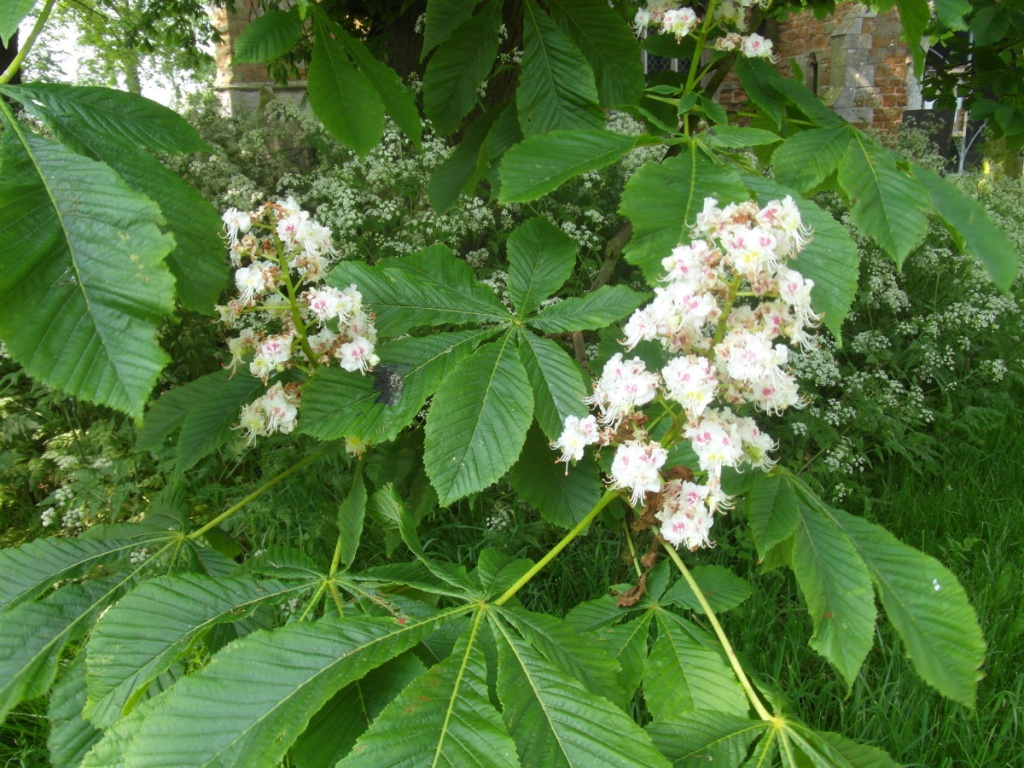
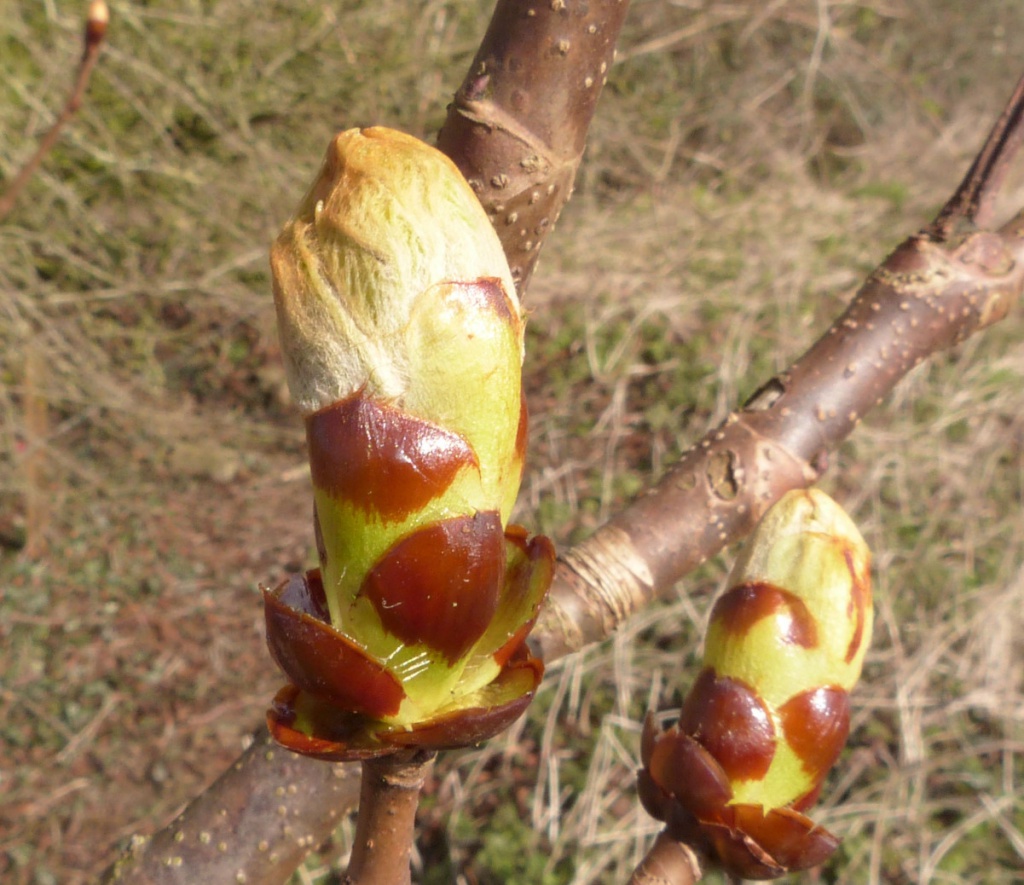
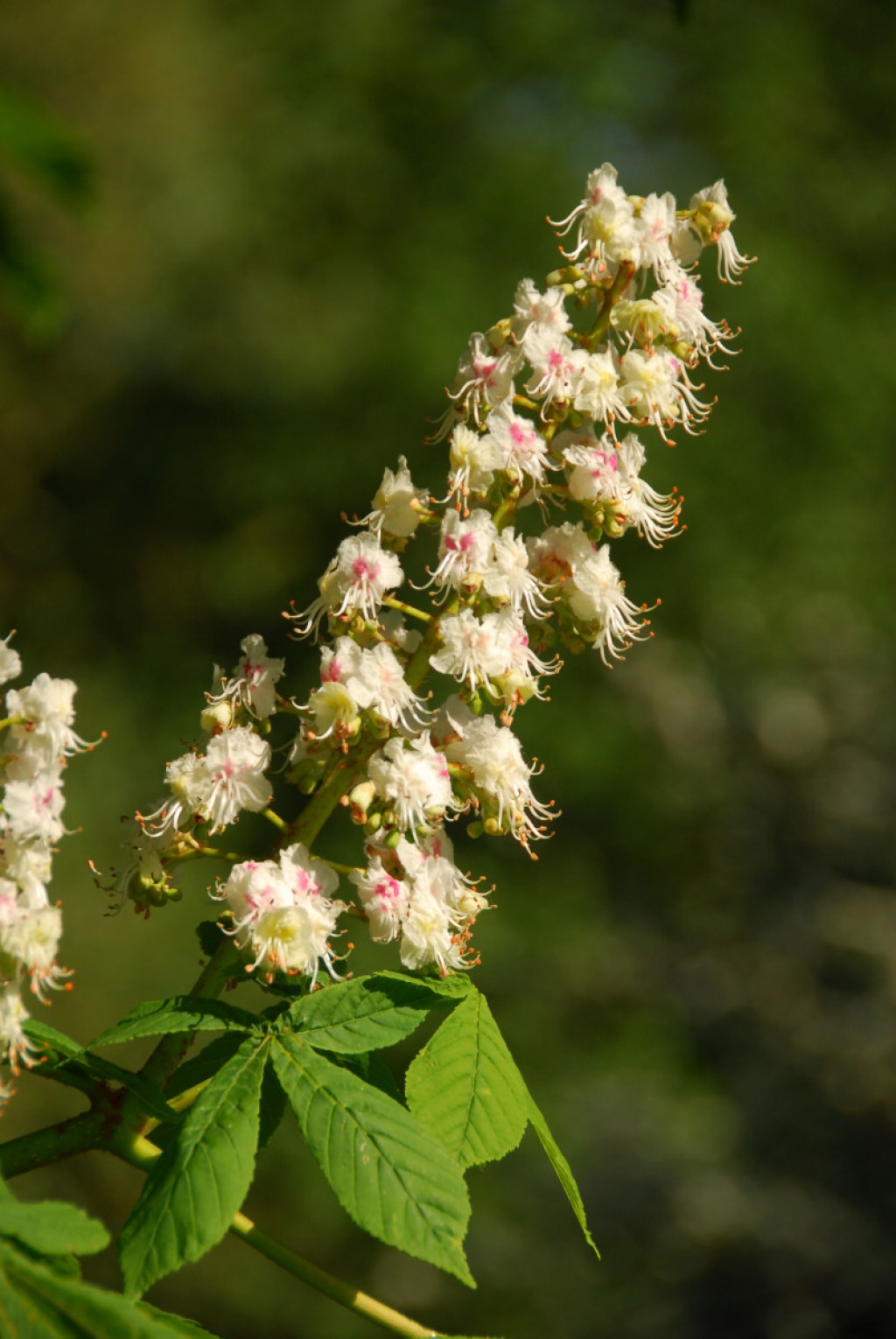
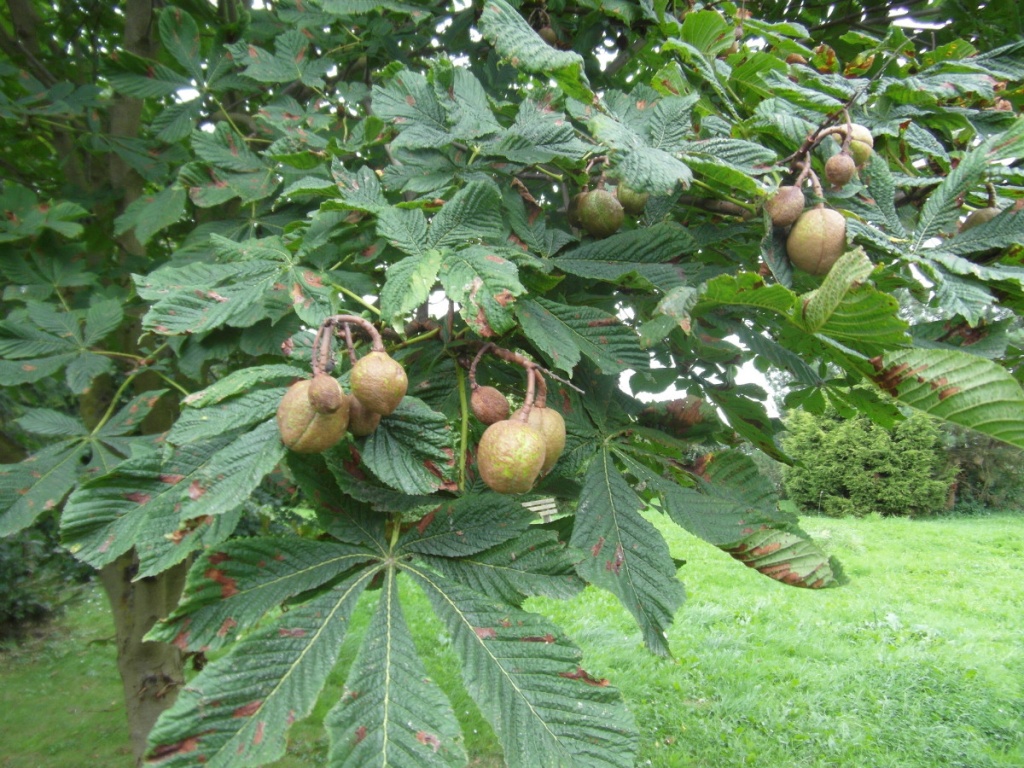
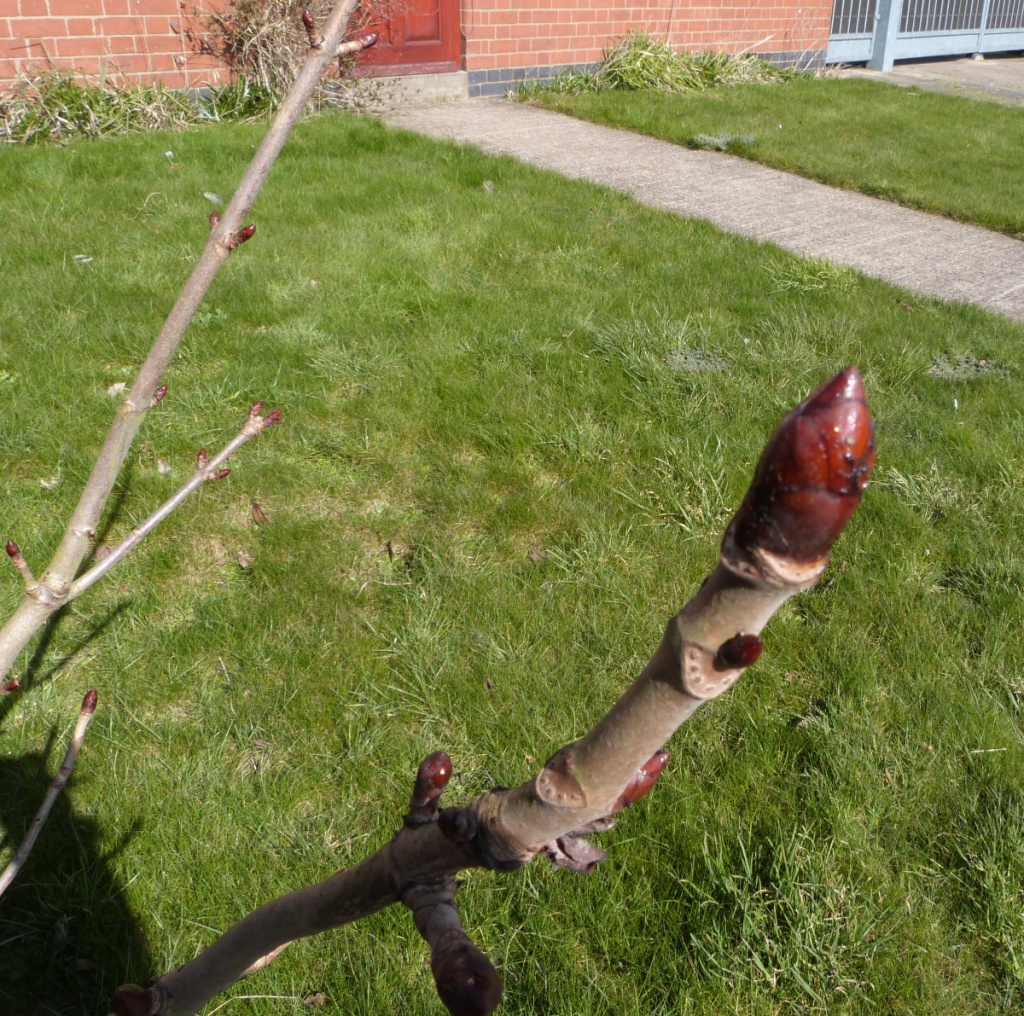
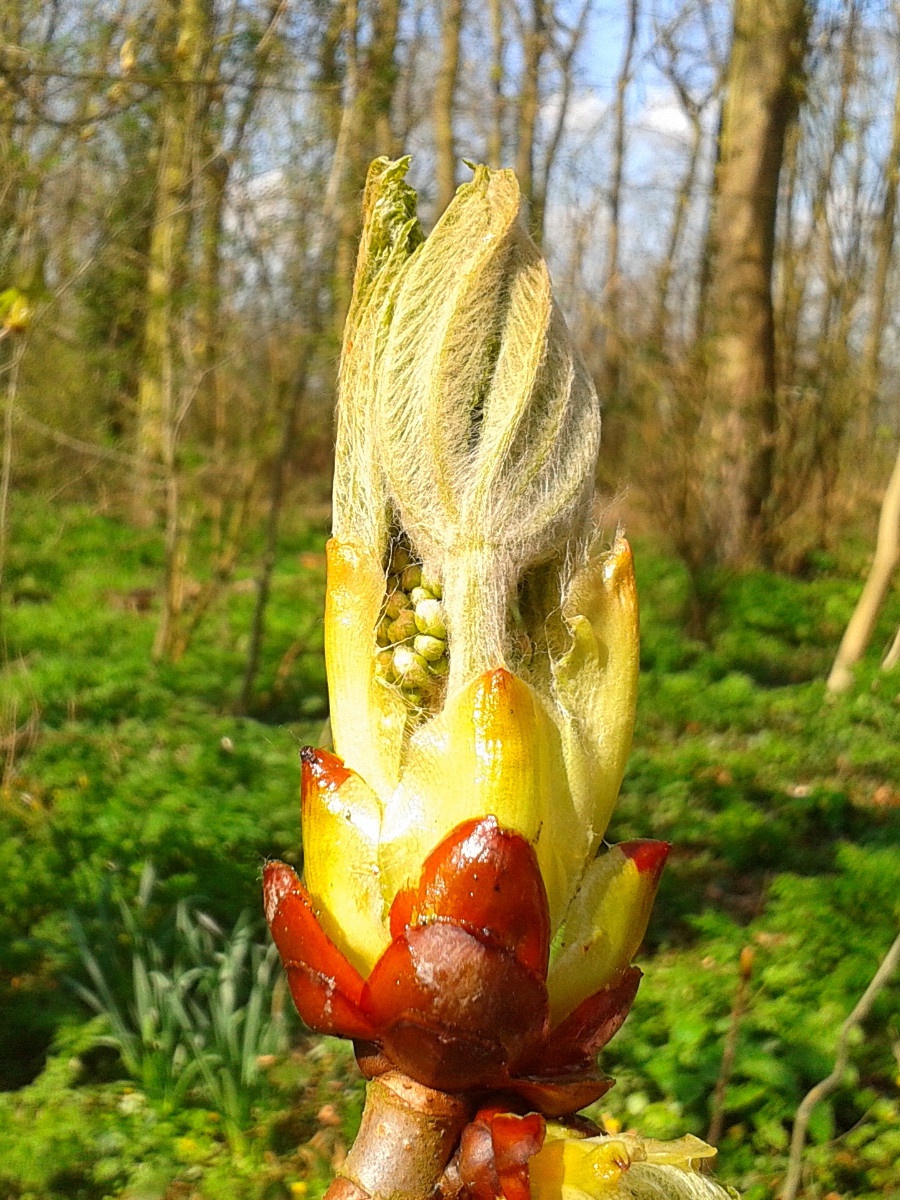
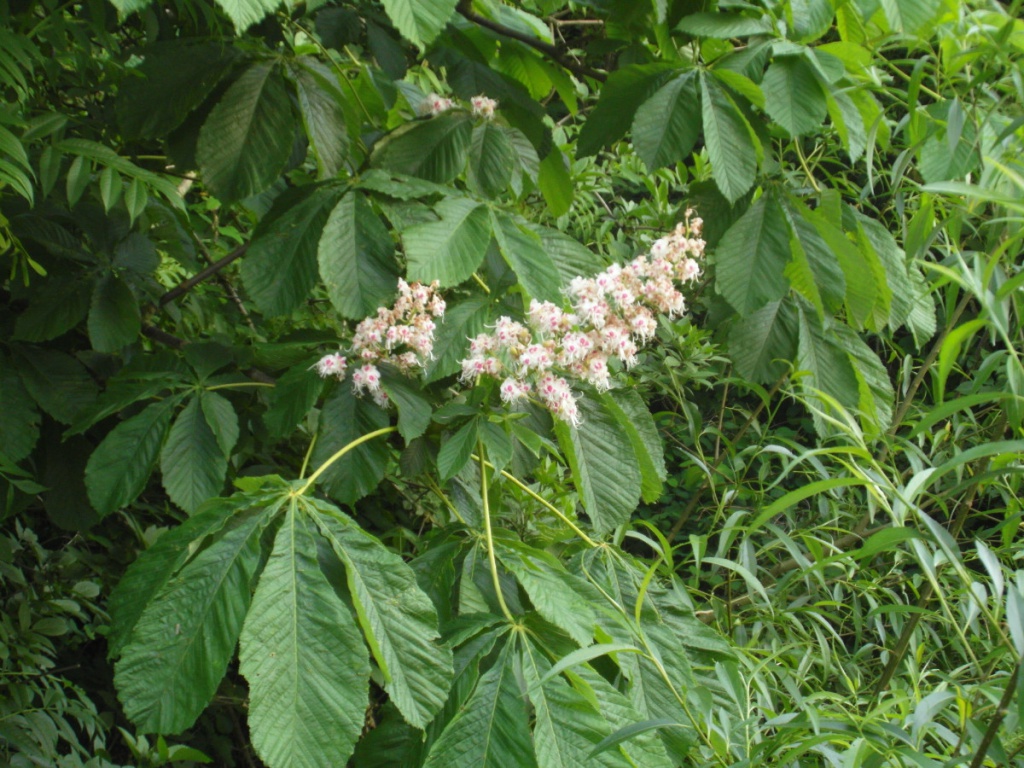
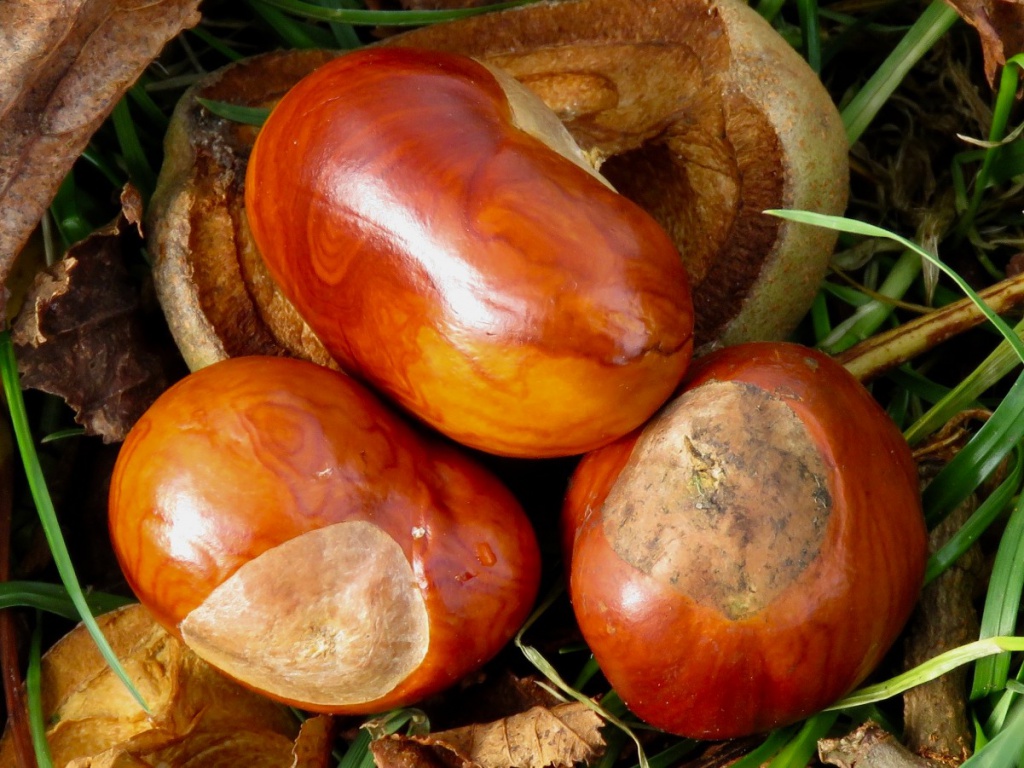
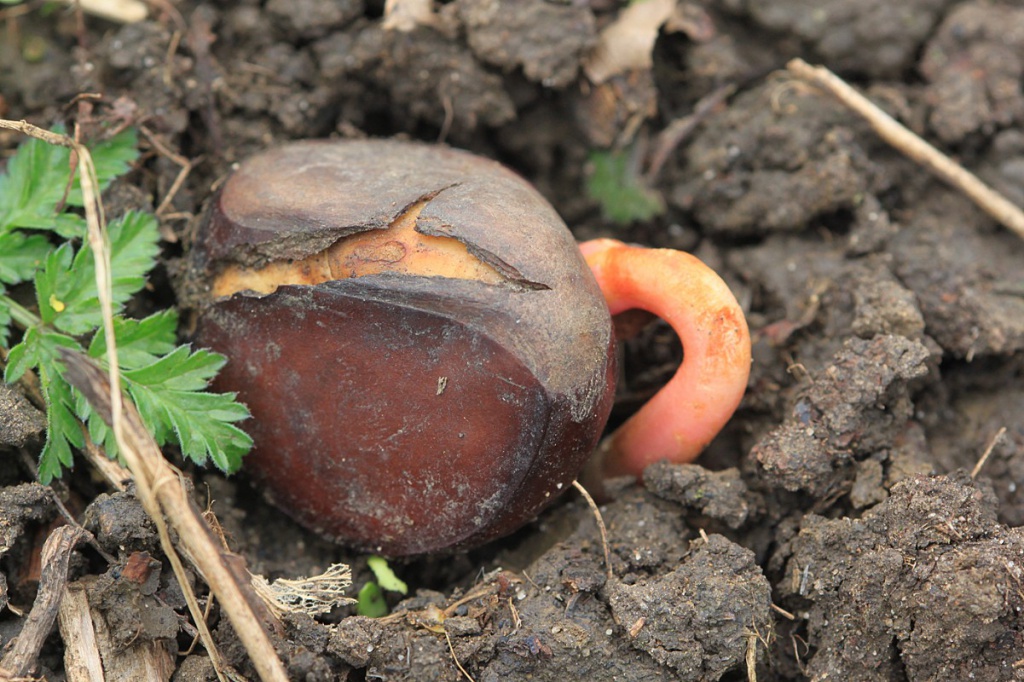
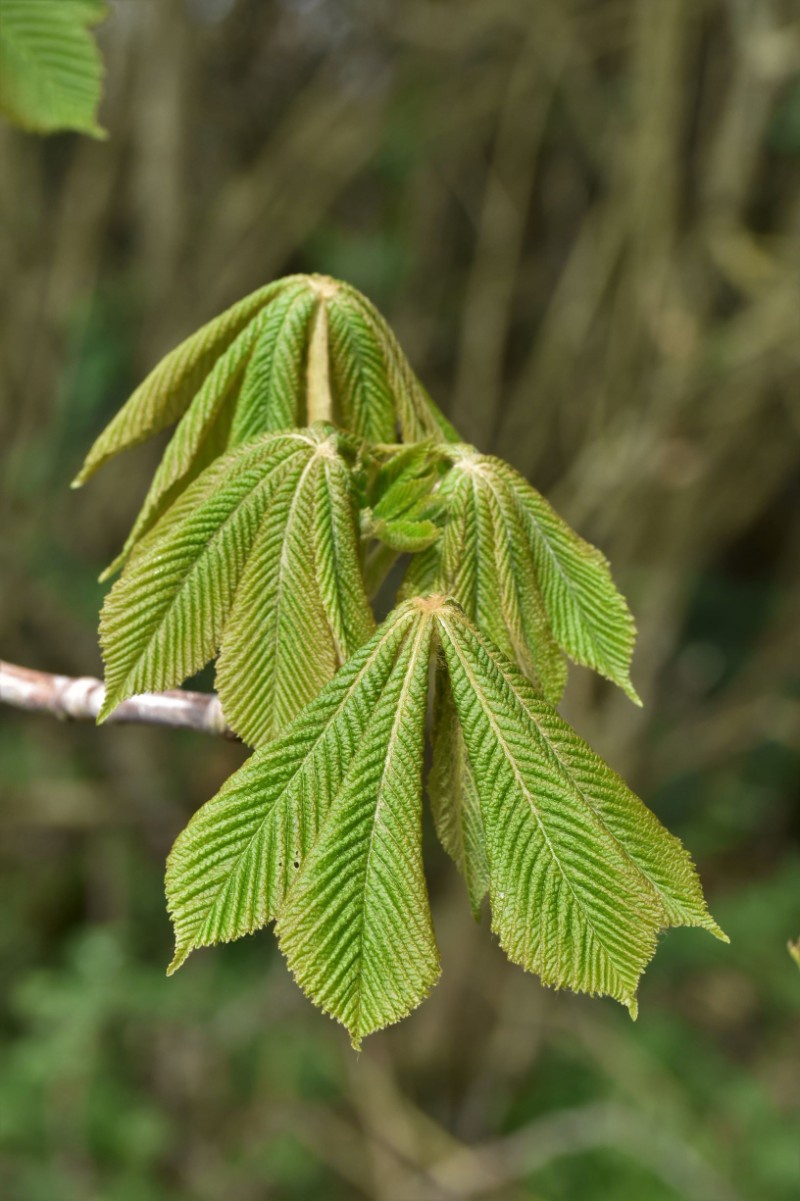
Large tree to 25 metres. Buds large, deep brown and sticky. Leaves pinnate with 5 to 7 leaflets, coarse toothed. Flowers white each of the 4 petals with a yellow or pink blotch at the base 9 to 11 mm in large erect conical panicles. Fruit globose up to 6 cm yellowish green when ripe, spiny splitting to reveal 1 or 2 shiny brown seeds (conkers).

Open wooded areas.
May and June.
Deciduous.
Common in Britain though slightly less so in Scotland
Quite common in Leicestershire and Rutland. In the 1979 Flora survey of Leicestershire it was found in 417 of the 617 tetrads.
 Copse at end of Donkey Lane Sapcote SP 4851 9292 (taken 24.5.2006).JPG) Graham Calow
Graham Calow
Donkey Lane Copse, Sapcote
24 May 2006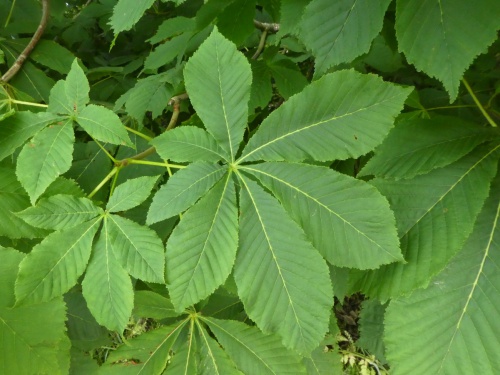 Melinda Bell
Heather, QEDJWood
15 June 2020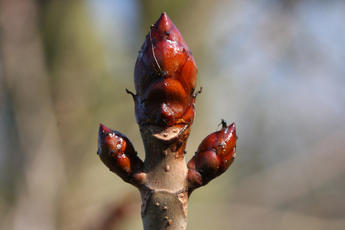 David Nicholls
Market Bosworth Country Park
01 March 2012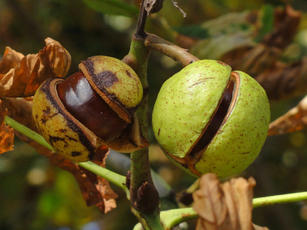 Peter Smith
Cropston Reservoir
17 September 2011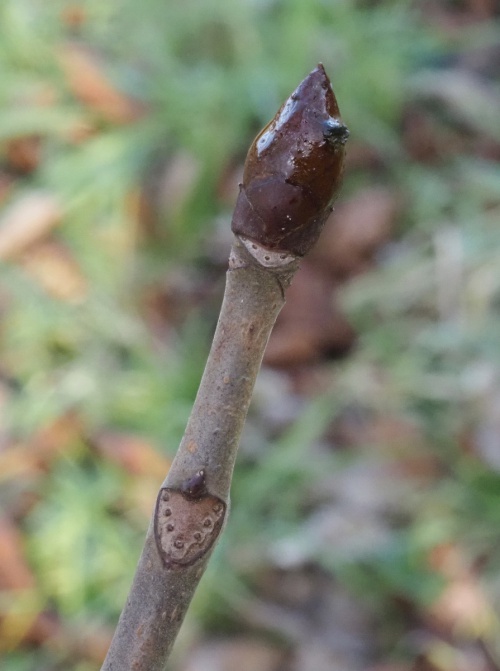 David Nicholls
Leicester, former Western golf course
31 January 2022
bud + horseshoe leaf scar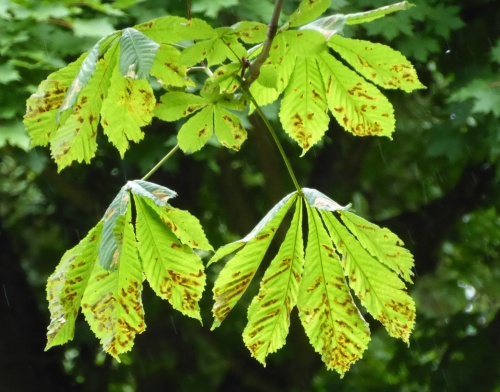 Saharima Roenisch
Leicester Victoria Park
07 July 2020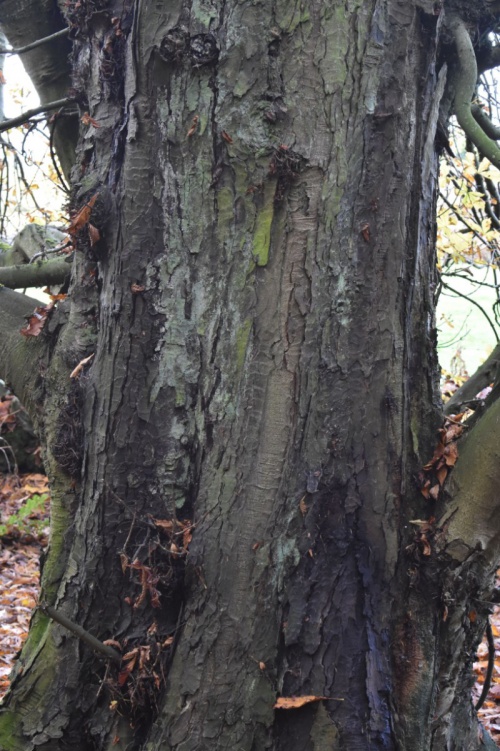 stepgray4
Charnwood Lodge
25 October 2020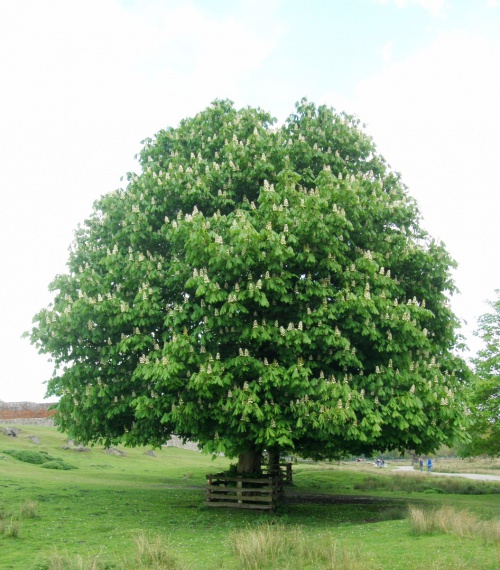 Saharima Roenisch
Bradgate Park
01 May 2017
overall form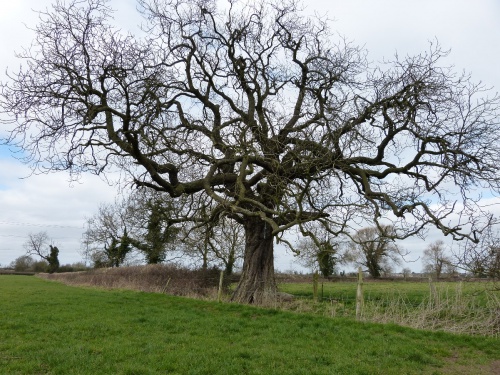 rodmcmichael
Broughton Walk
22 March 2015
 Copse at end of Donkey Lane Sapcote SP 4851 9292 (taken 24.5.2006).JPG)
Leicestershire & Rutland Map
Enter a town or village to see local records
MAP KEY:
Yellow squares = NBN records (all known data)
Coloured squares = NatureSpot records: 2025+ | 2020-2024 | pre-2020
UK Map
Additional images
All NatureSpot records
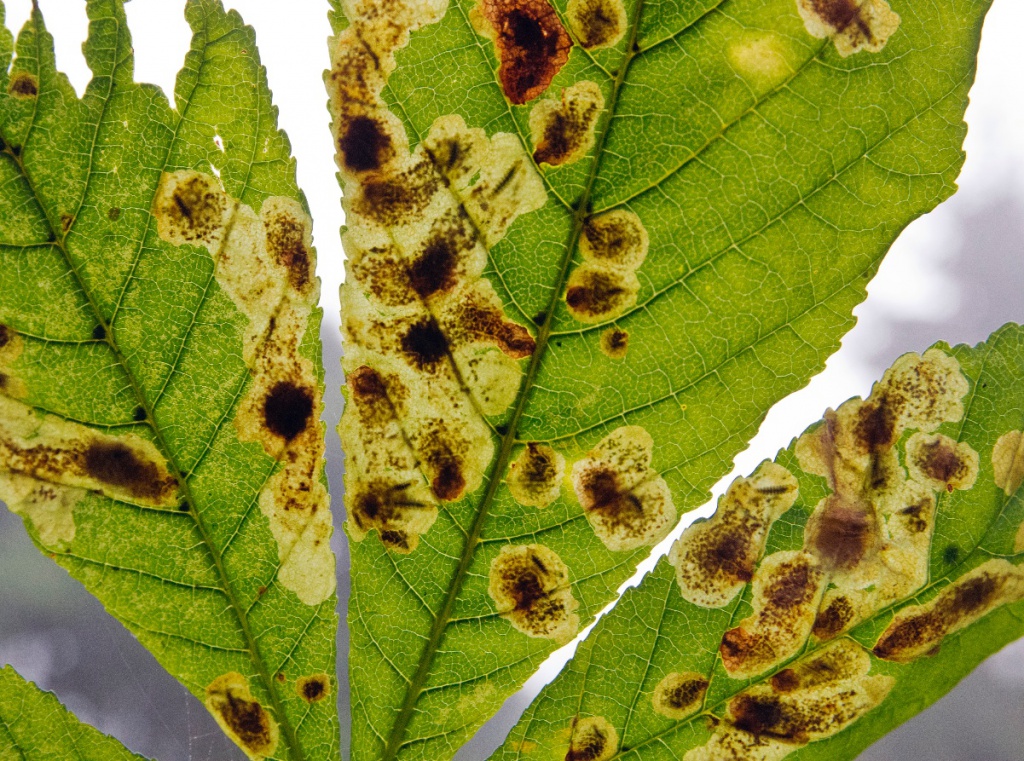
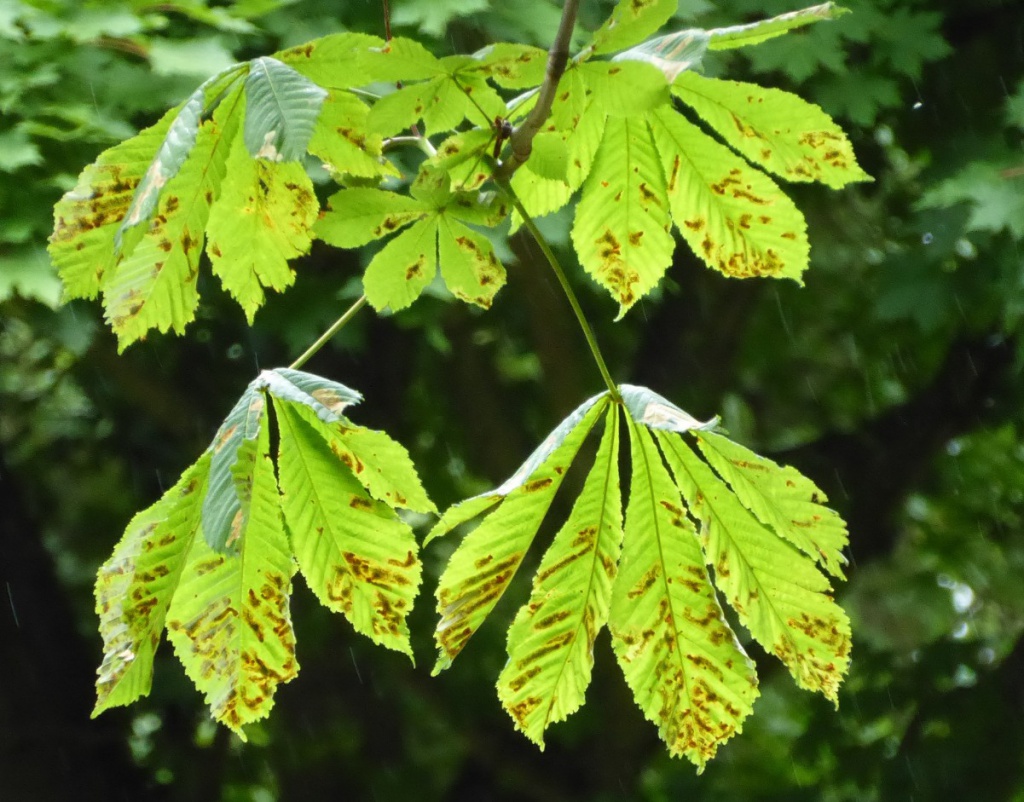
Horse-chestnut Leaf-miner
The larva of the Horse-chestnut Leaf-miner moth (Cameraria ohridella) mines the leaves of Horse-chestnut and occasionally Sycamore and other species. On its main host, Horse-chestnut, there can be many mines on a leaf and this moth can cause serious defoliation.
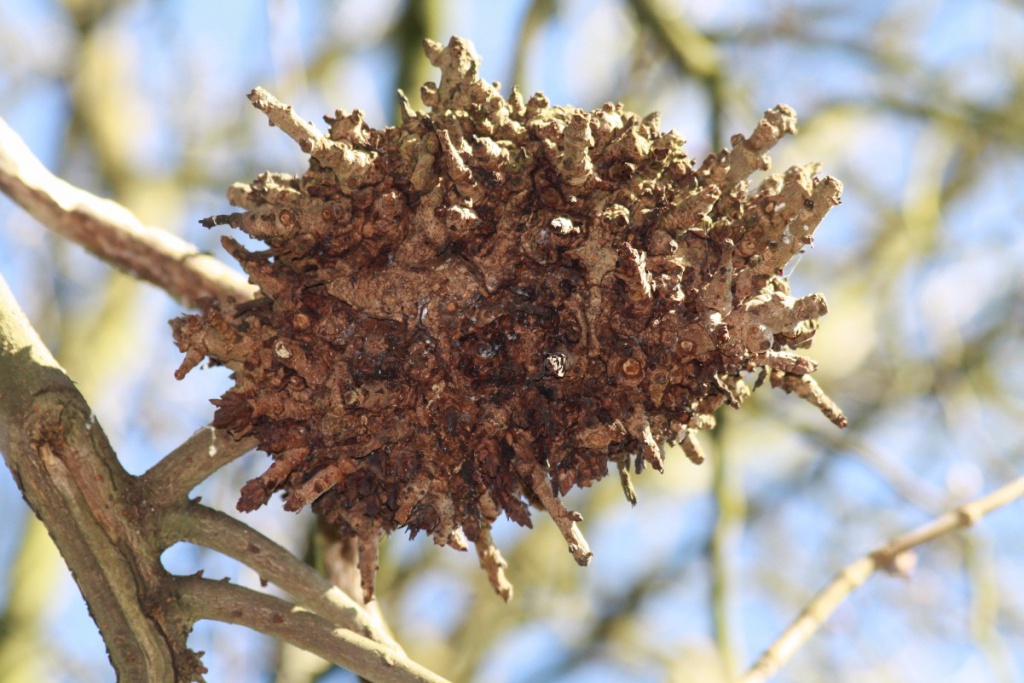
Rhizobium radiobacter
The Rhizobium radiobacter bacterium causes irregular woody masses known as crown galls to form on the roots, trunks or branches of various species of tree including the Horse-chestnut.