Cinara pinea
Cinara pinea
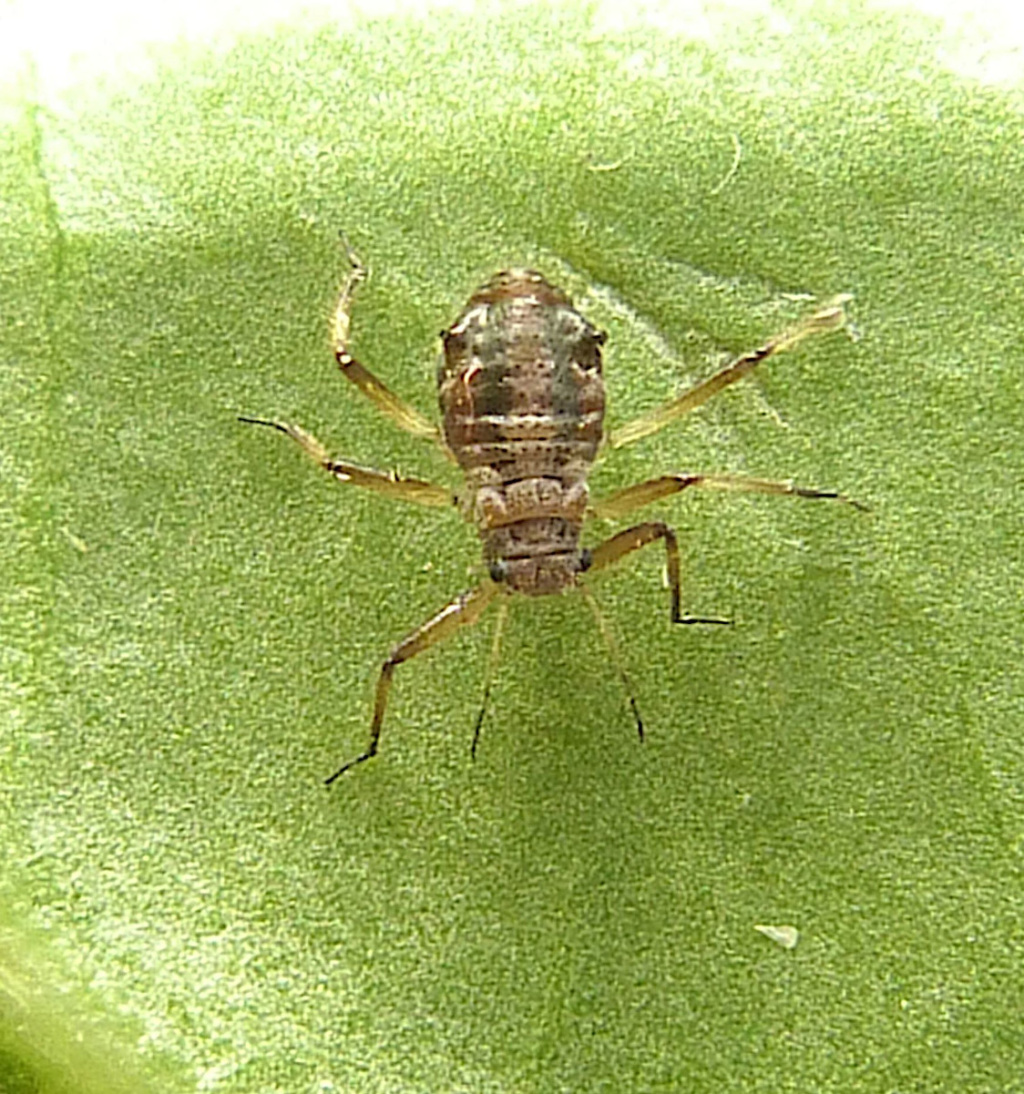
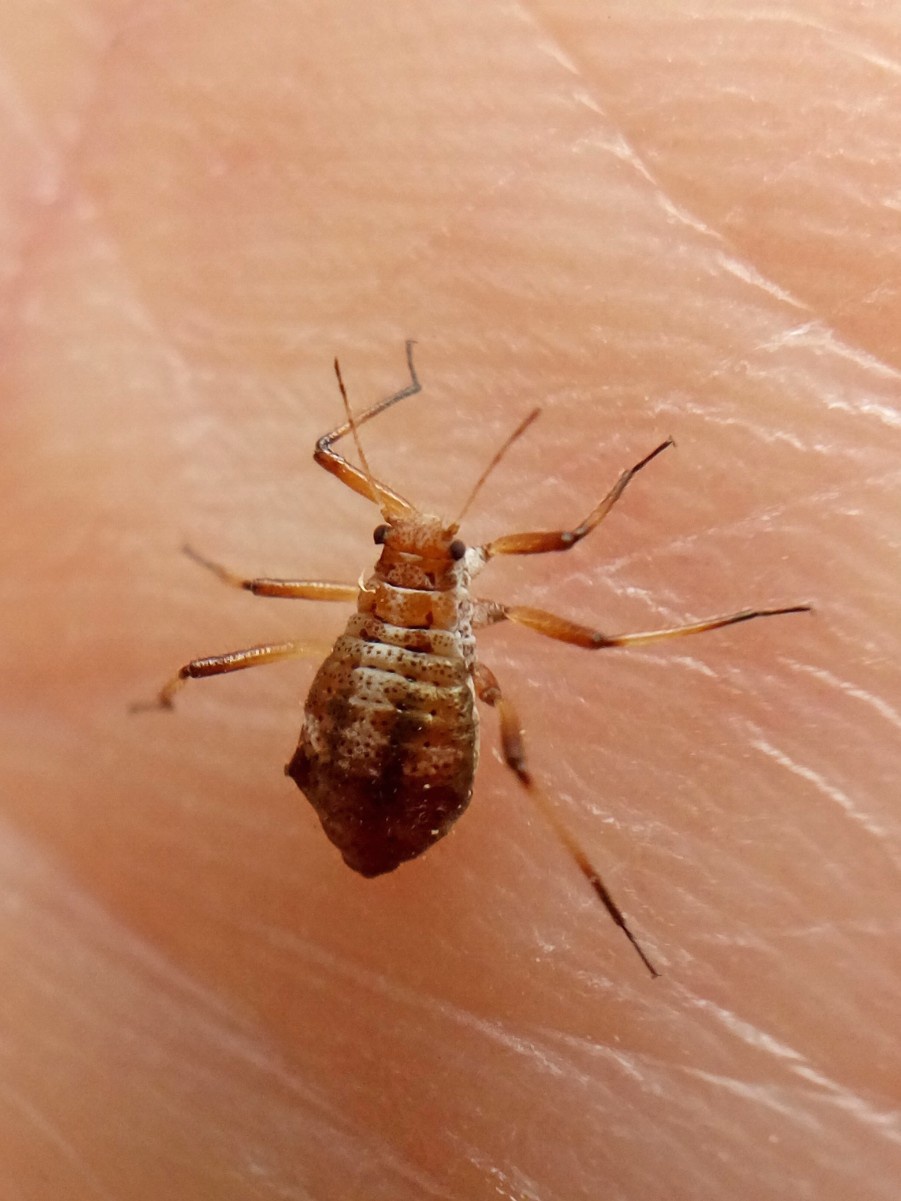
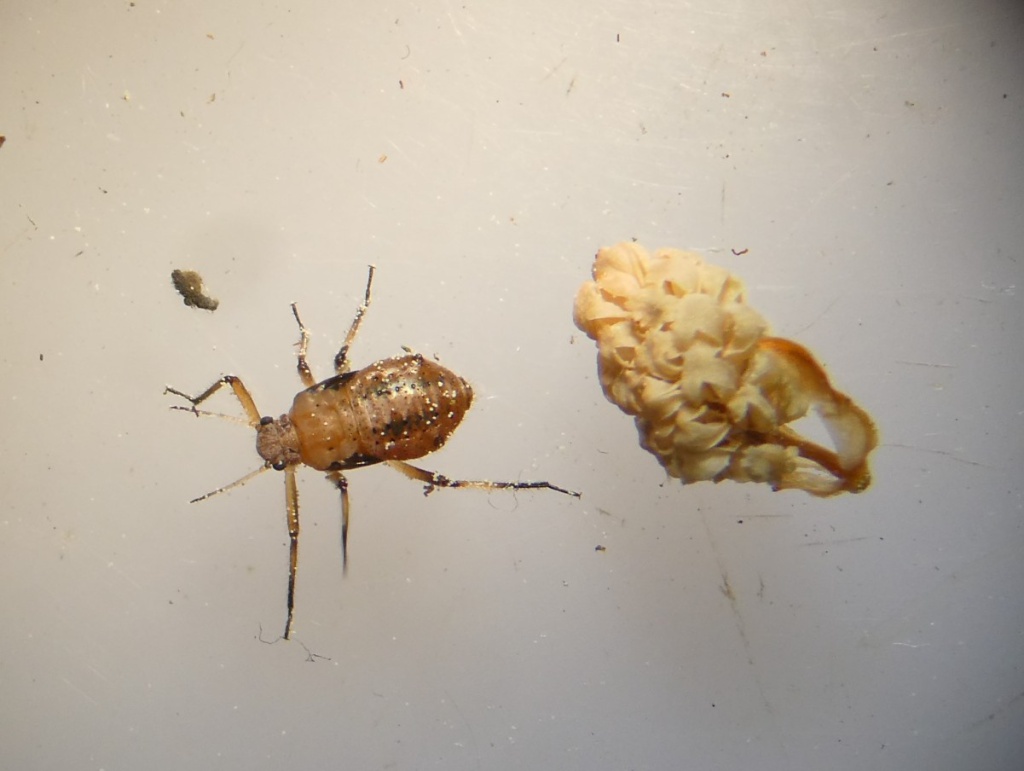
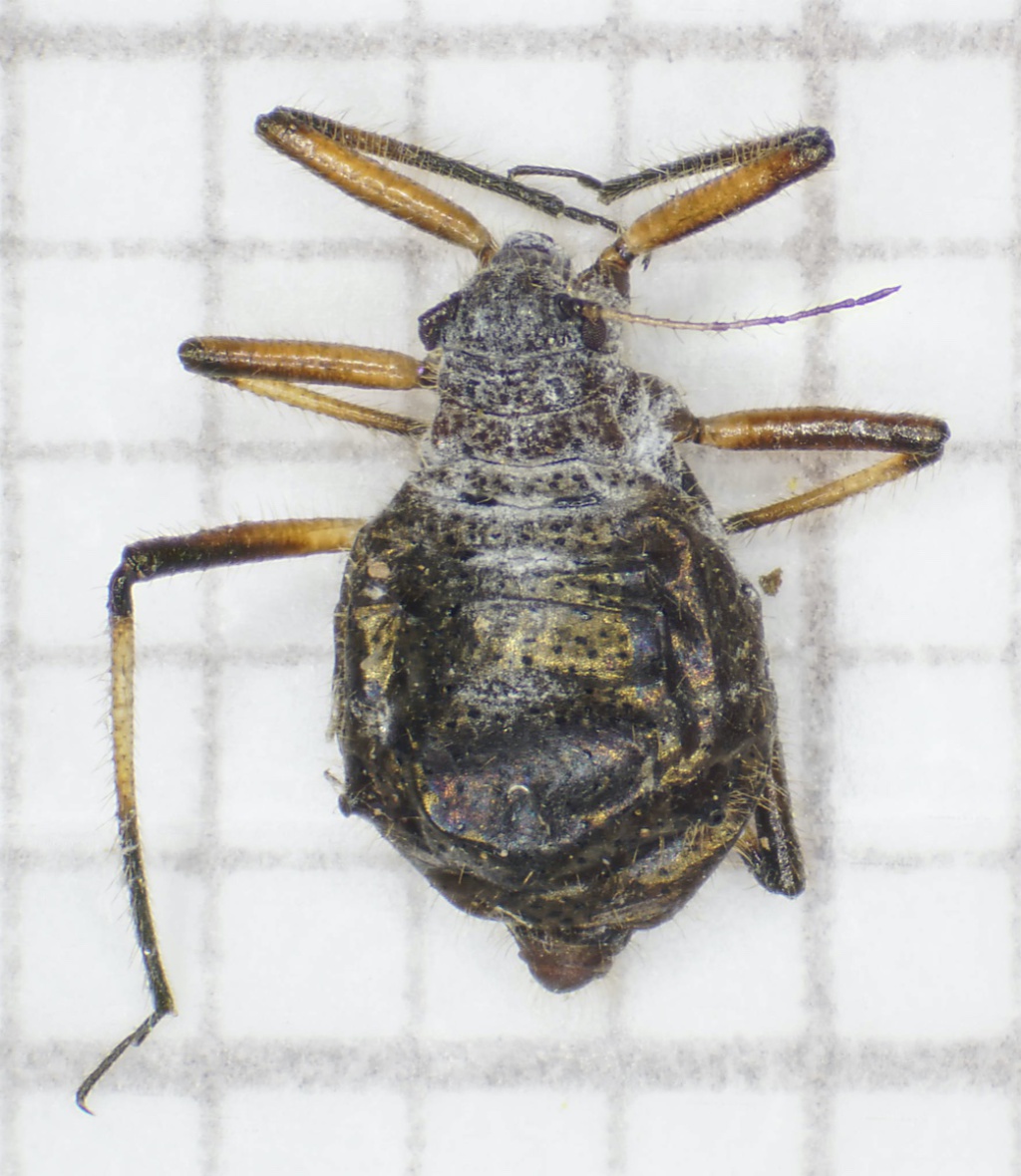
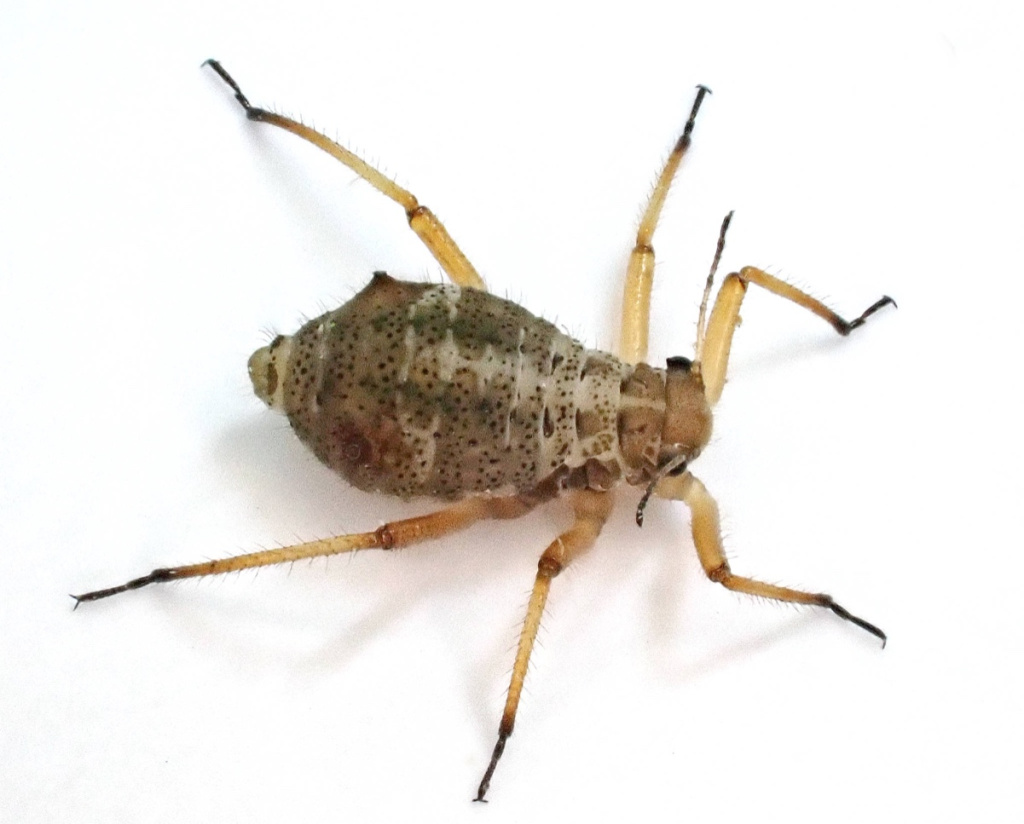
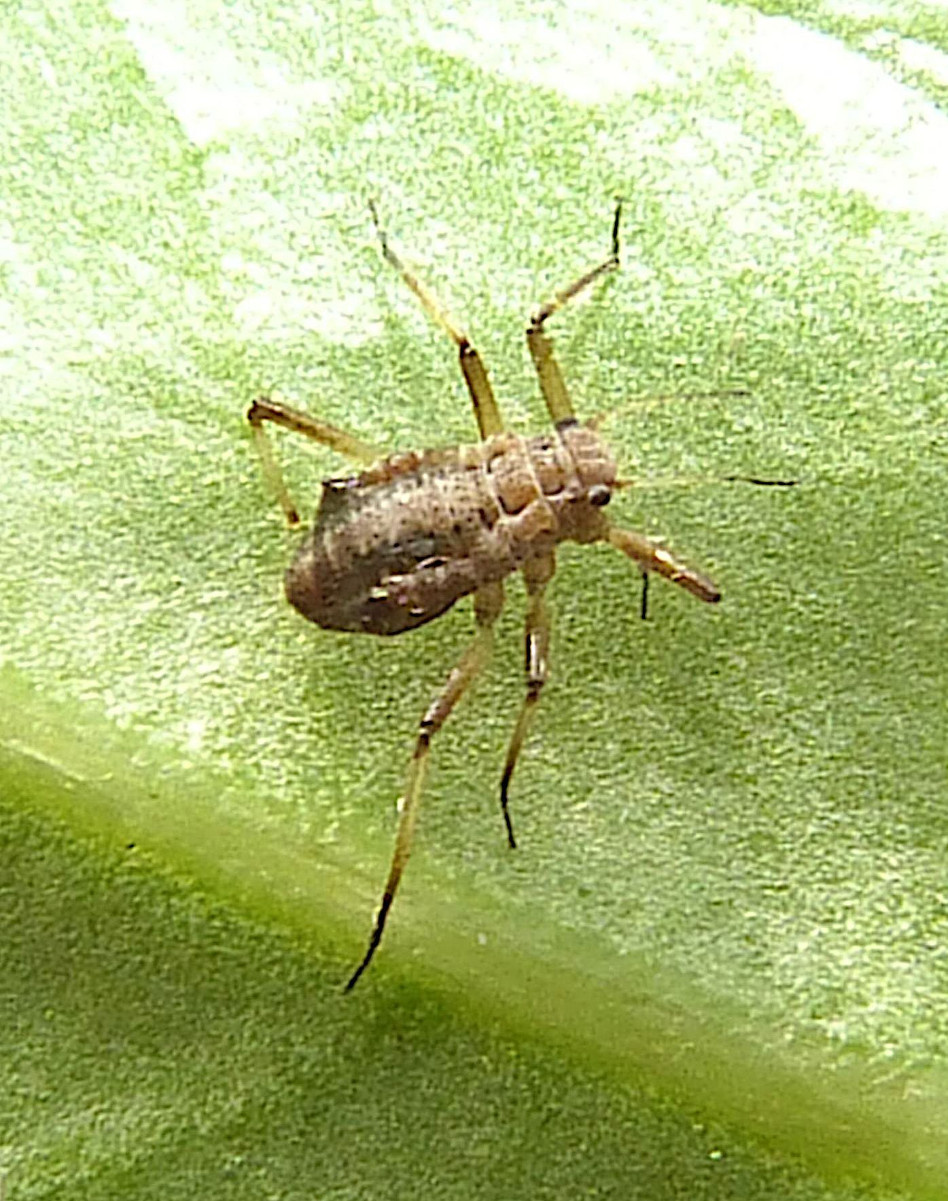
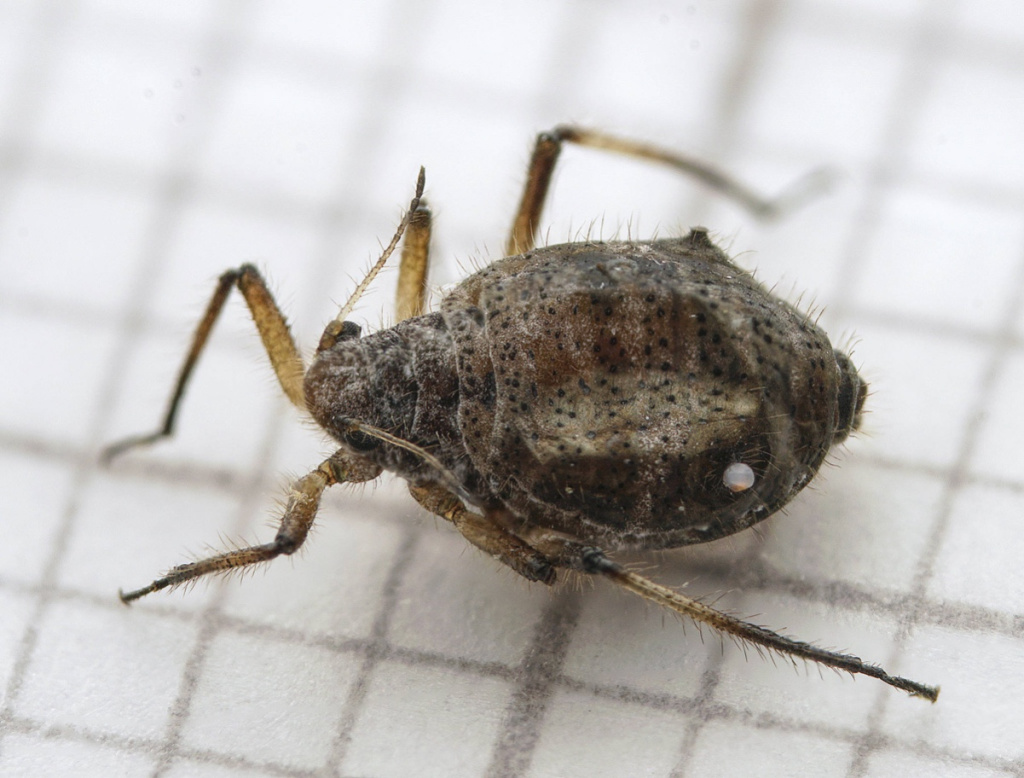
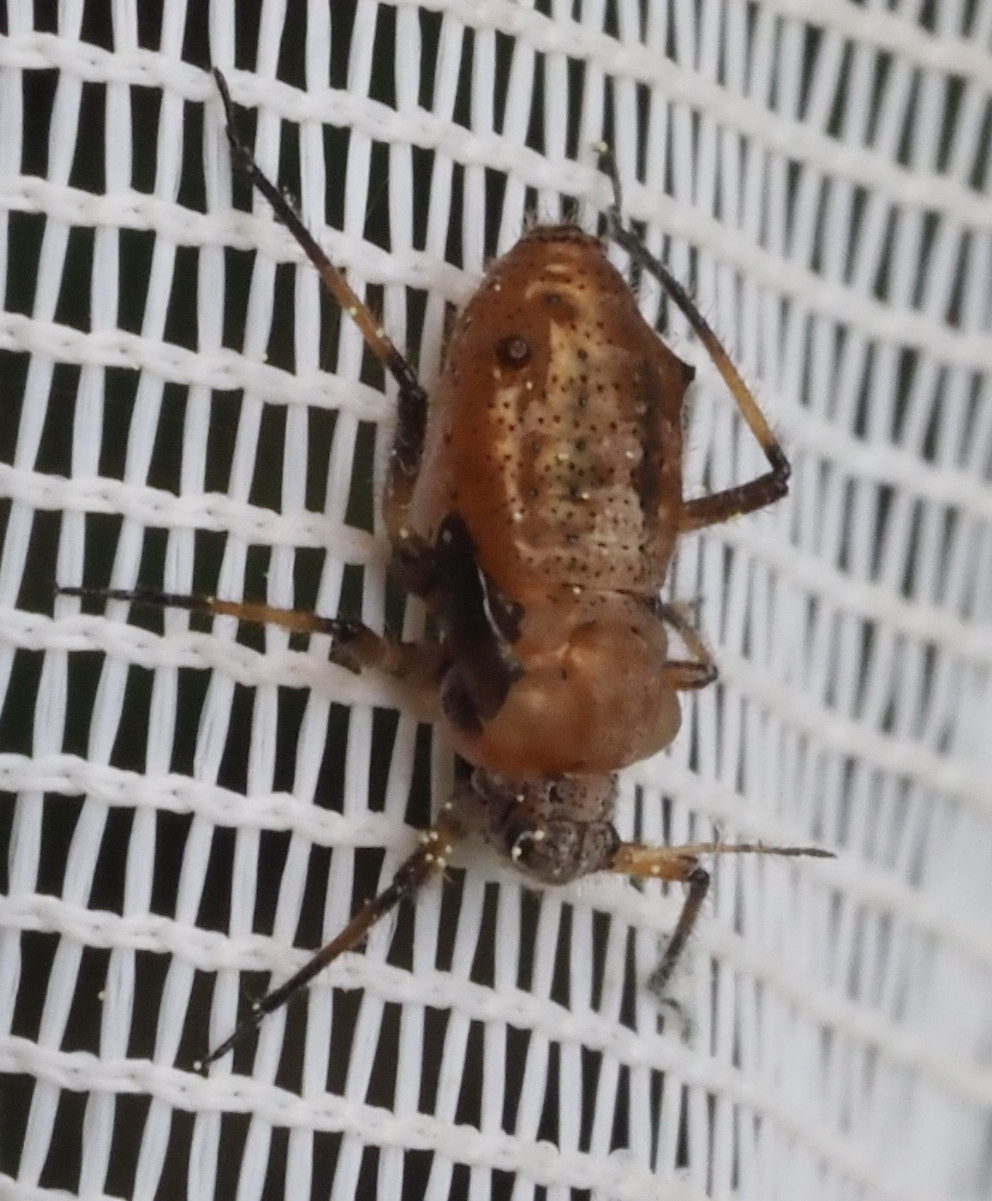
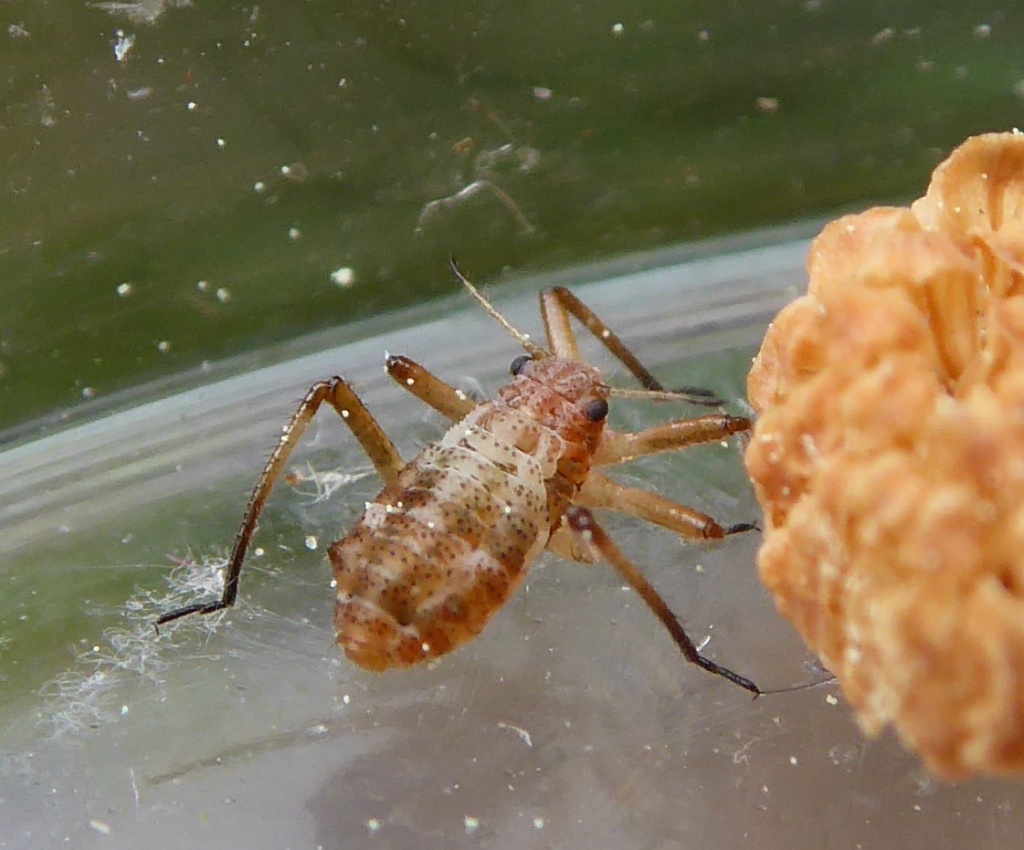
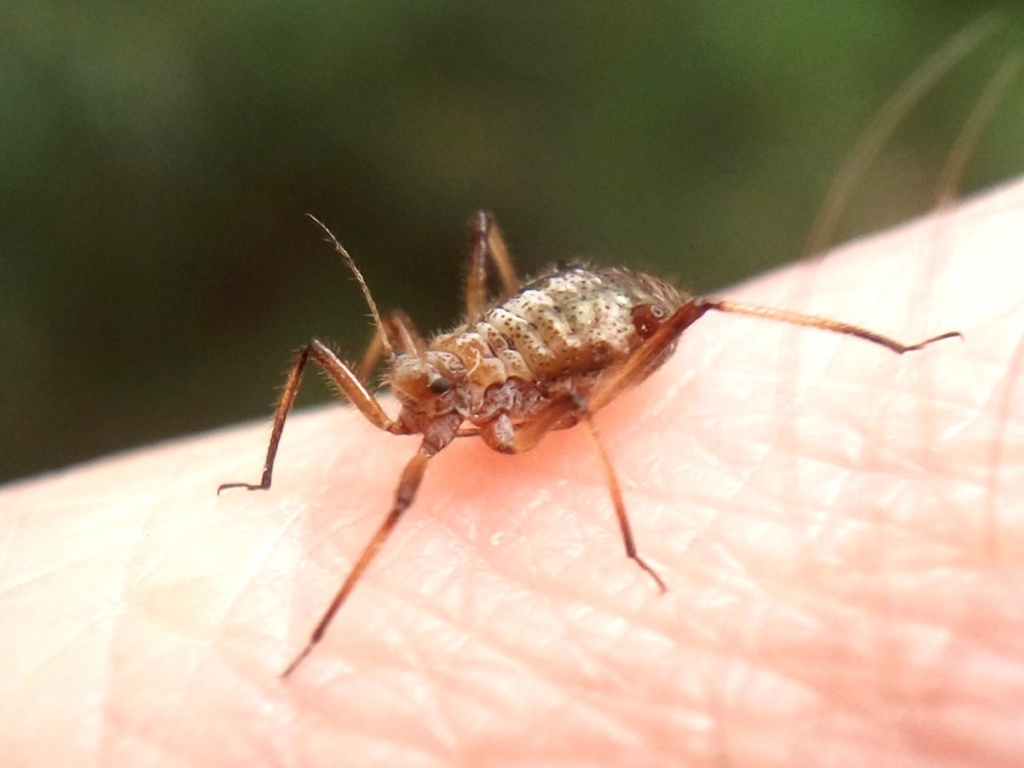
Apterae of Cinara pinea are shiny orange-brown early in the year and grey or dark brown later on. The body is finely spotted with black and dusted with wax especially along the dorsal midline and laterally. The spots are black scleroite plates at the base of many of the hairs and they are irregular, often confluent and of varying size. Siphuncular cones are small to medium sized and reddish-brown or dark brown. The body size of Cinara pinea apterae is unusually large at 3.1 to 5.2 mm. The alate Cinara pinea has pronounced wax spots along the centre line of the dorsum, and the size and number of the dorsal scleroites are often reduced.

Unless identified by a recognised expert, a photo is required. If the photo doesn't show the key ID features then in the comments box describe the size and identifying characters you have observed.
Cinara pinea are found on young trees and new shoots of Scots pine (Pinus sylvestris) although sometimes on other pine species including Corsican pine (Pinus nigra) in dry areas.
May to October.
Cinara pinea overwinters as eggs on the current year's needles of Scots pine. The freshly laid eggs are yellow brown but soon change to shiny black.
True status of this species in Britain is difficult to determine due to lack of records.
Status in Leicestershire and Rutland not known.
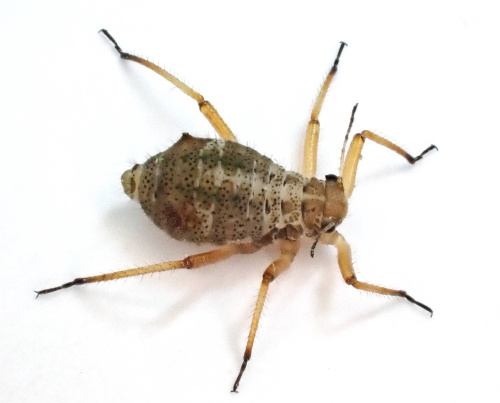 AJ Cann
Shady Lane Arboretum
04 March 2024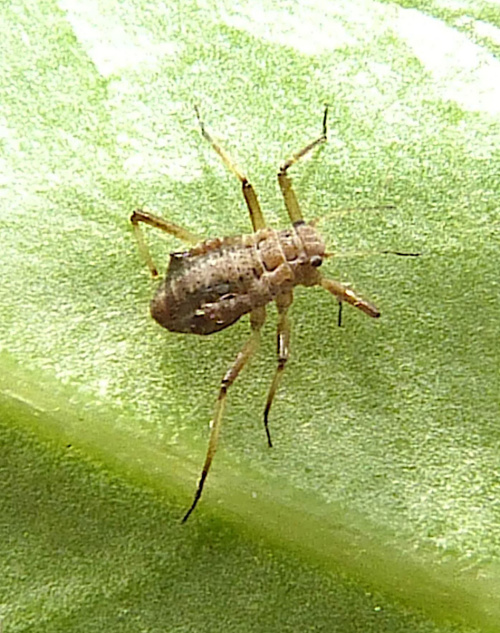 Graham Calow
Sapcote, land off Grace Road
19 June 2024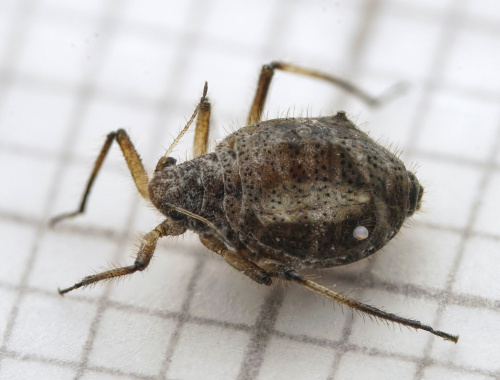 AJ Cann
Leicester Knighton Park
19 February 2024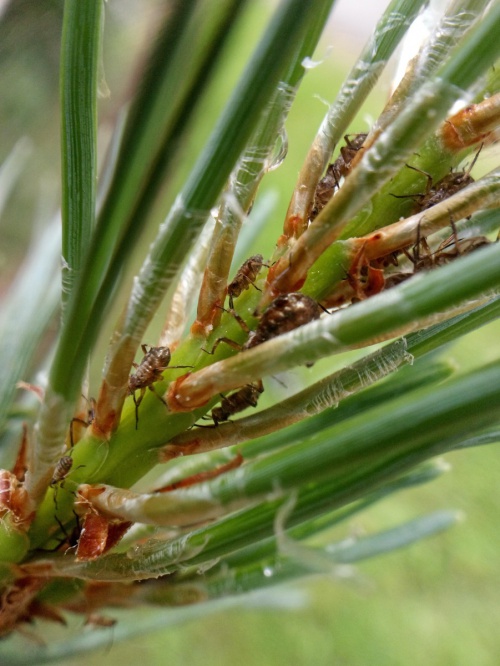 Peter Smith
Cropston, Thurcaston Lane
17 June 2021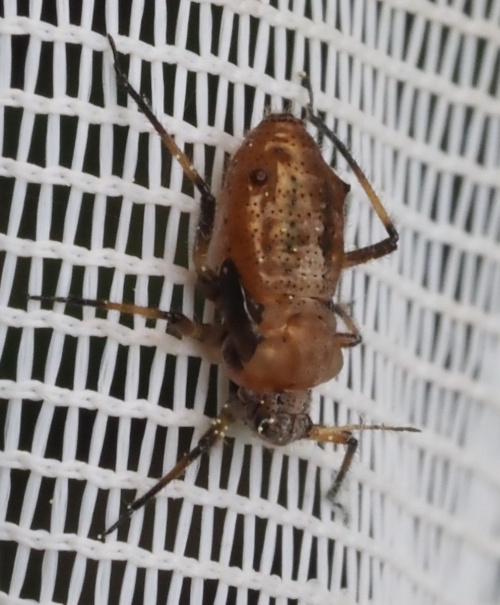 David Nicholls
Bloody Oaks Quarry NR
07 June 2023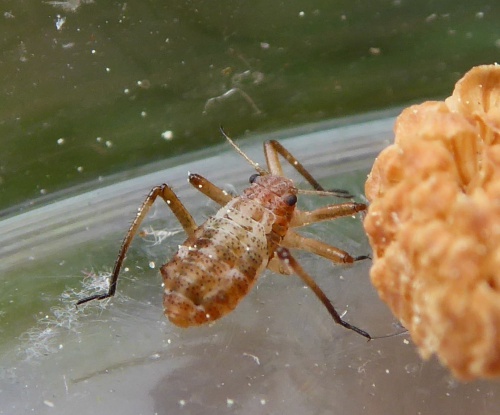 sue
sue
Glenfield, adj Gynsills pub car-park
04 June 2019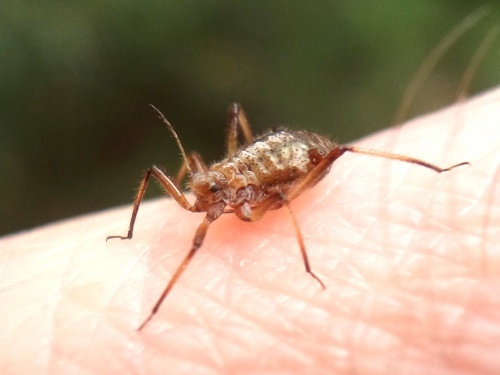 Peter Smith
Cropston, Thurcaston Lane
17 June 2021

Leicestershire & Rutland Map
Enter a town or village to see local records
MAP KEY:
Yellow squares = NBN records (all known data)
Coloured squares = NatureSpot records: 2025+ | 2020-2024 | pre-2020
UK Map
Additional images