Eriophyes tiliae
Eriophyes tiliae
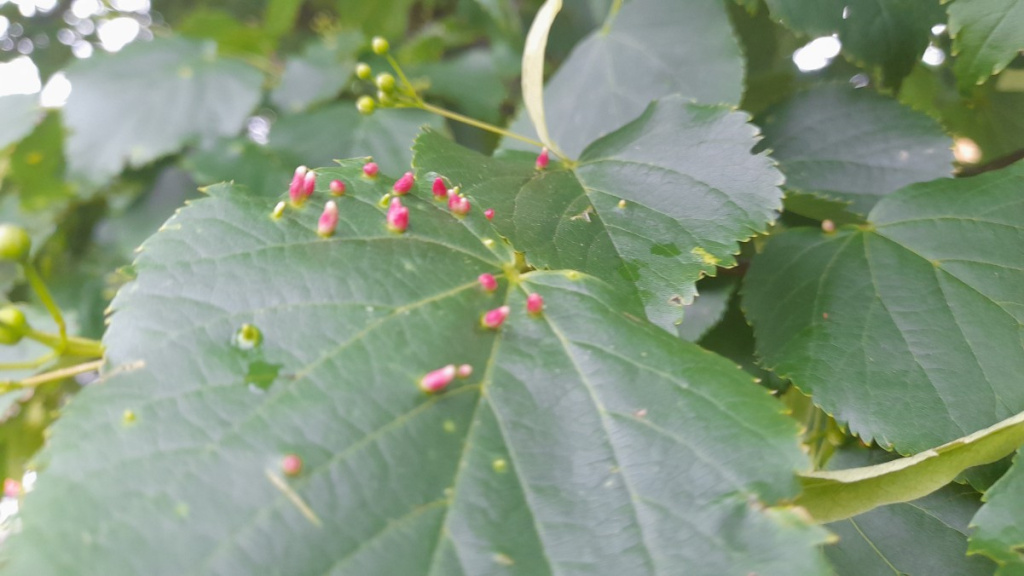
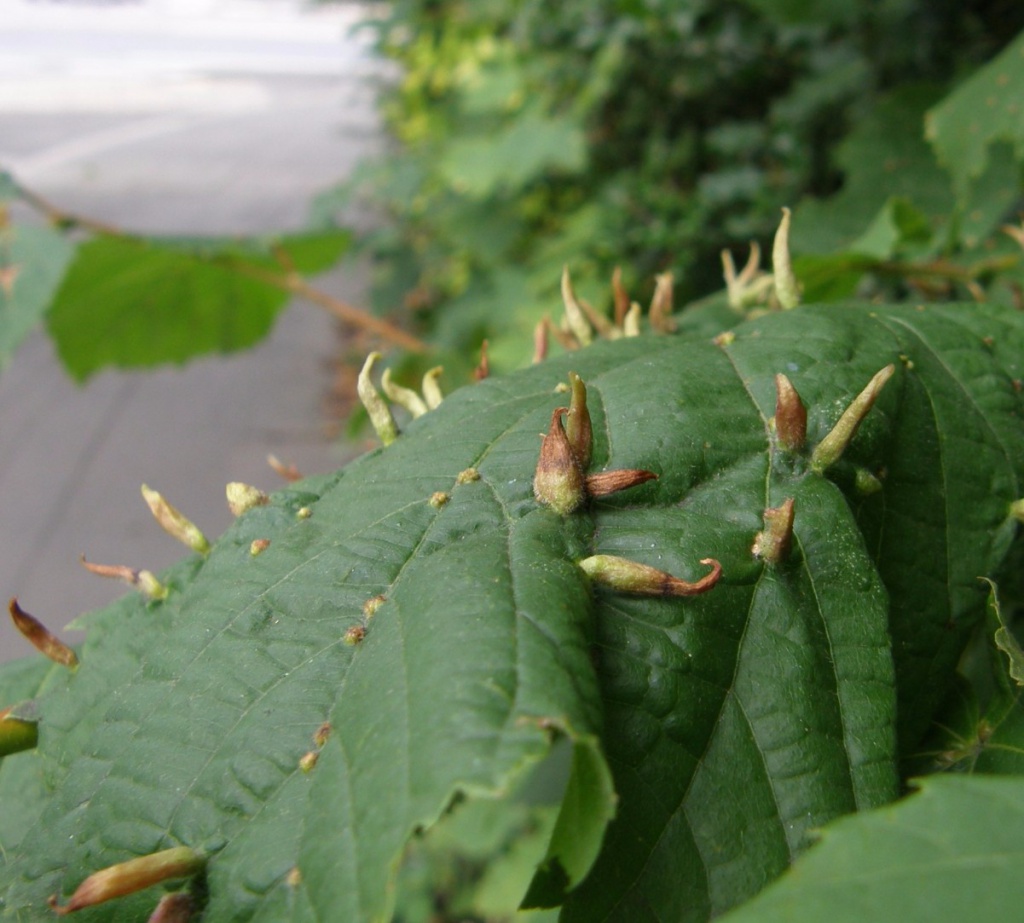
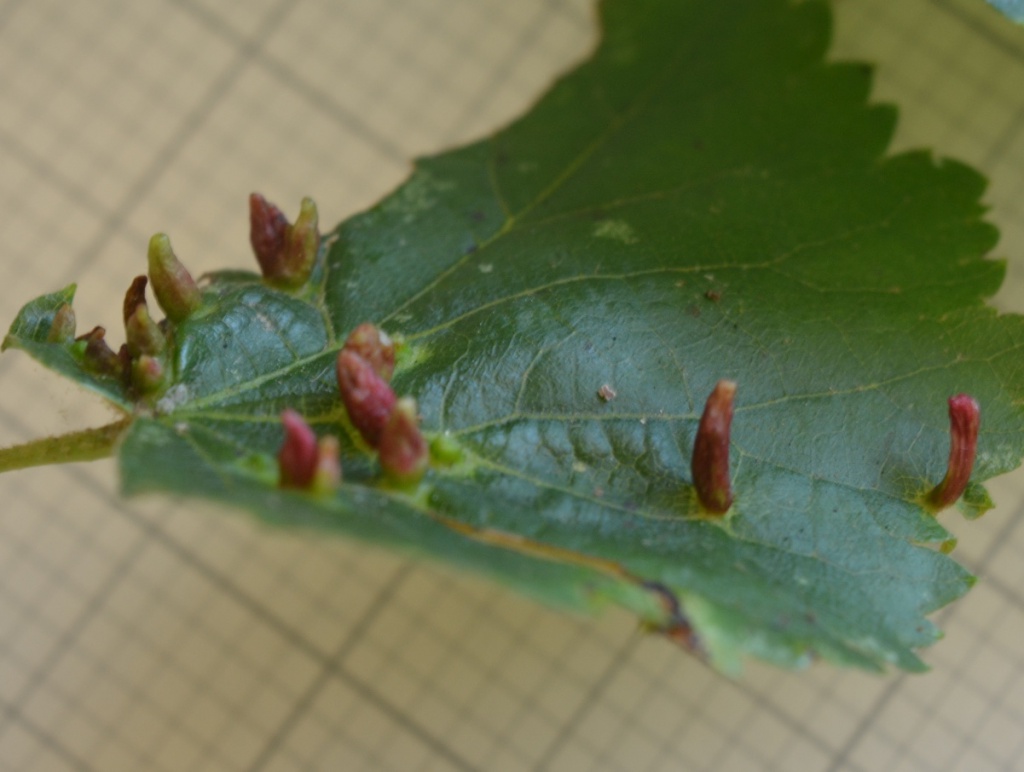
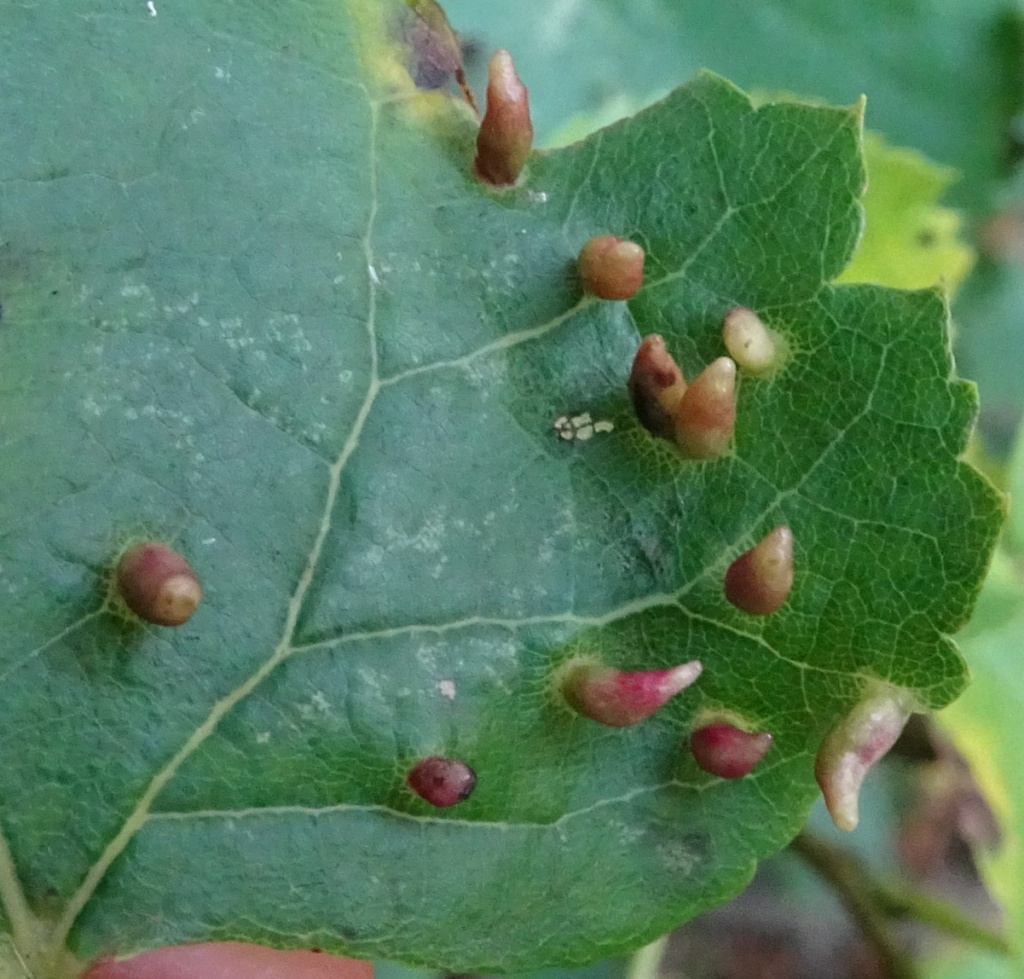
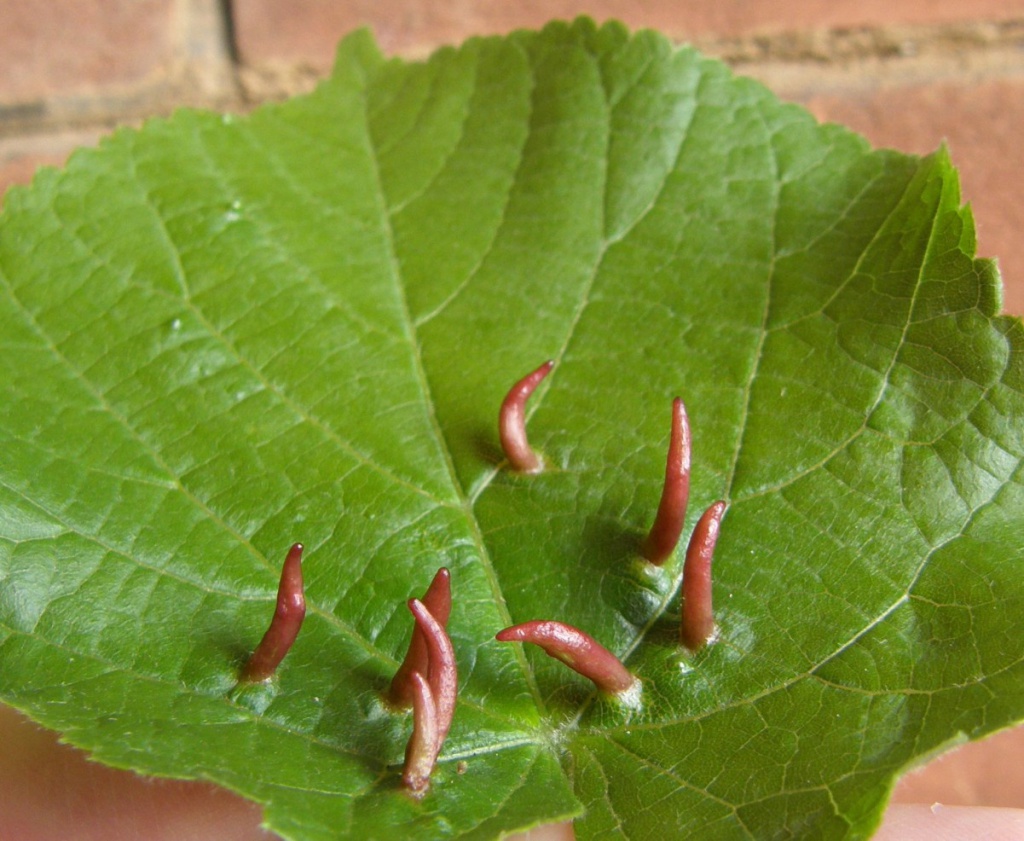
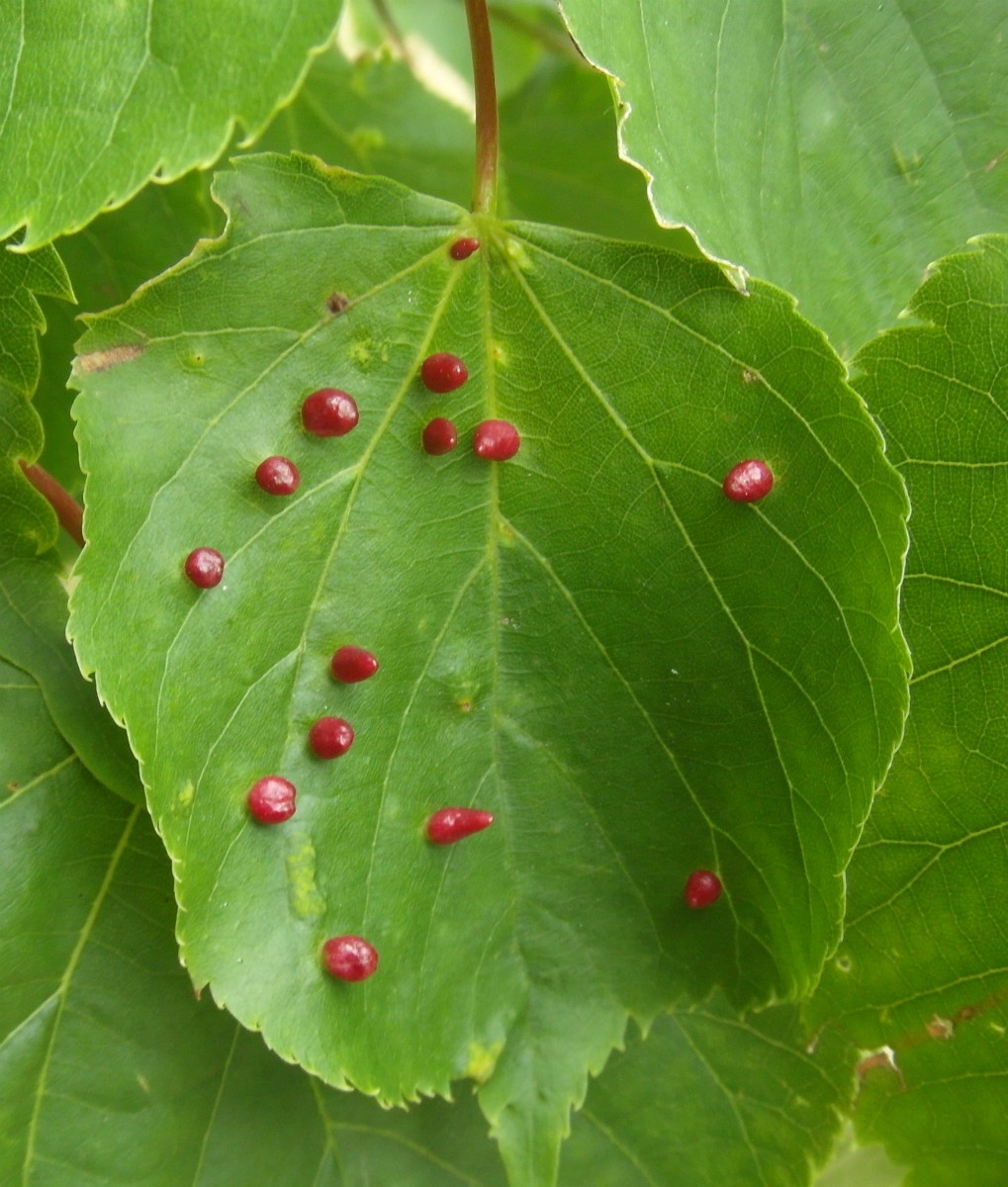
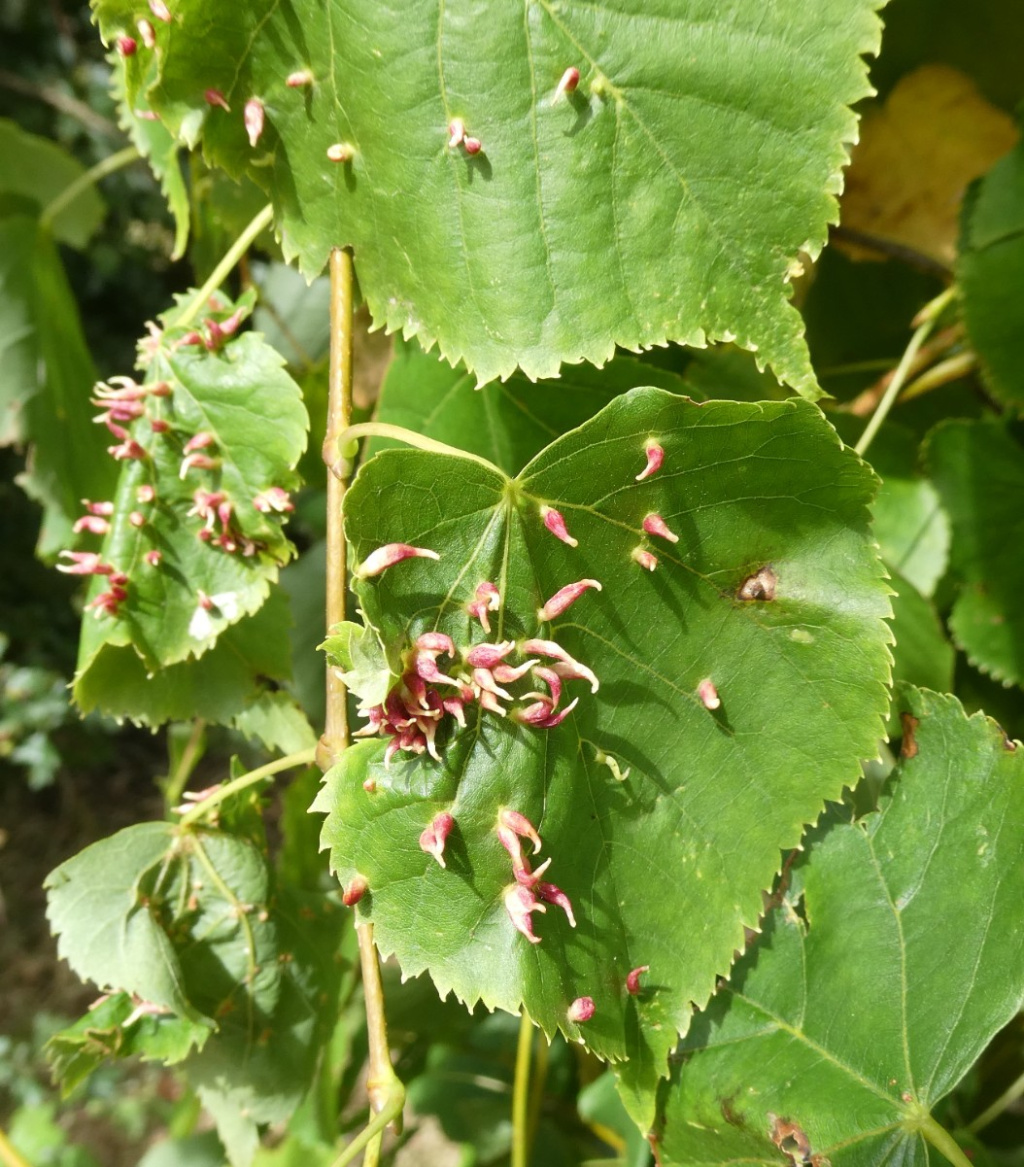
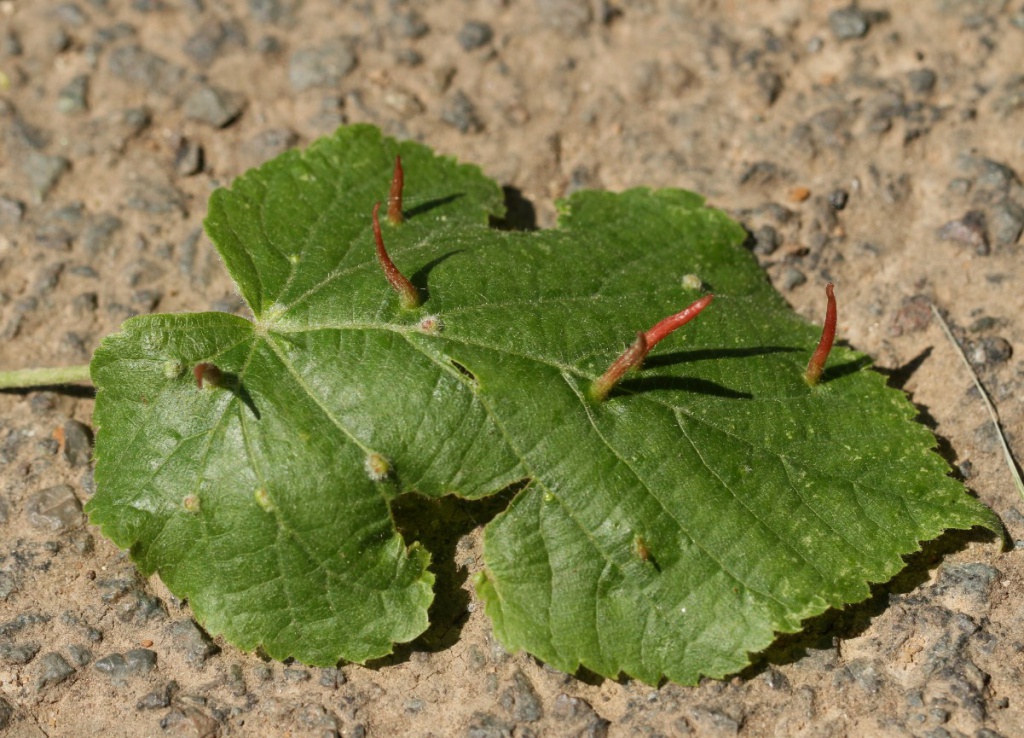
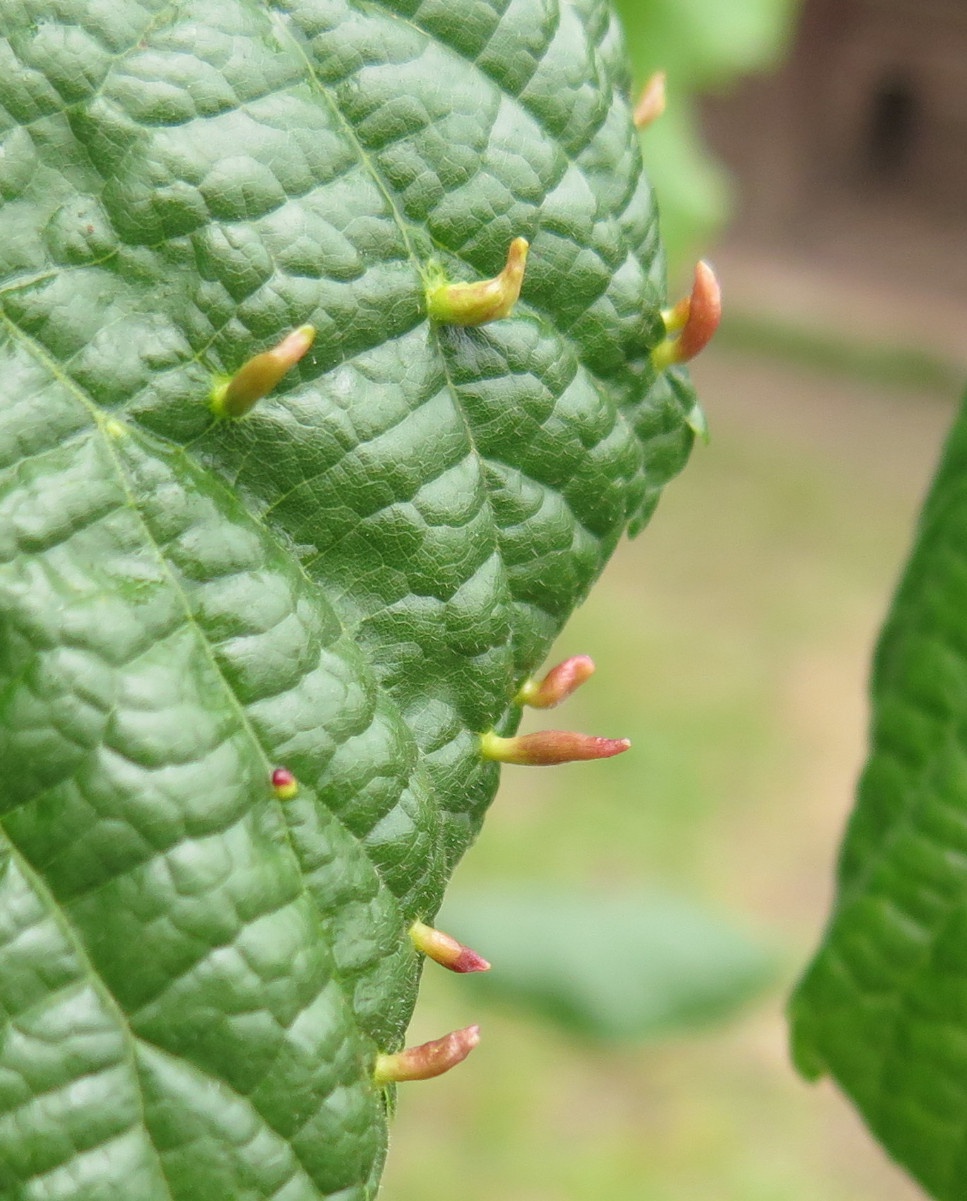
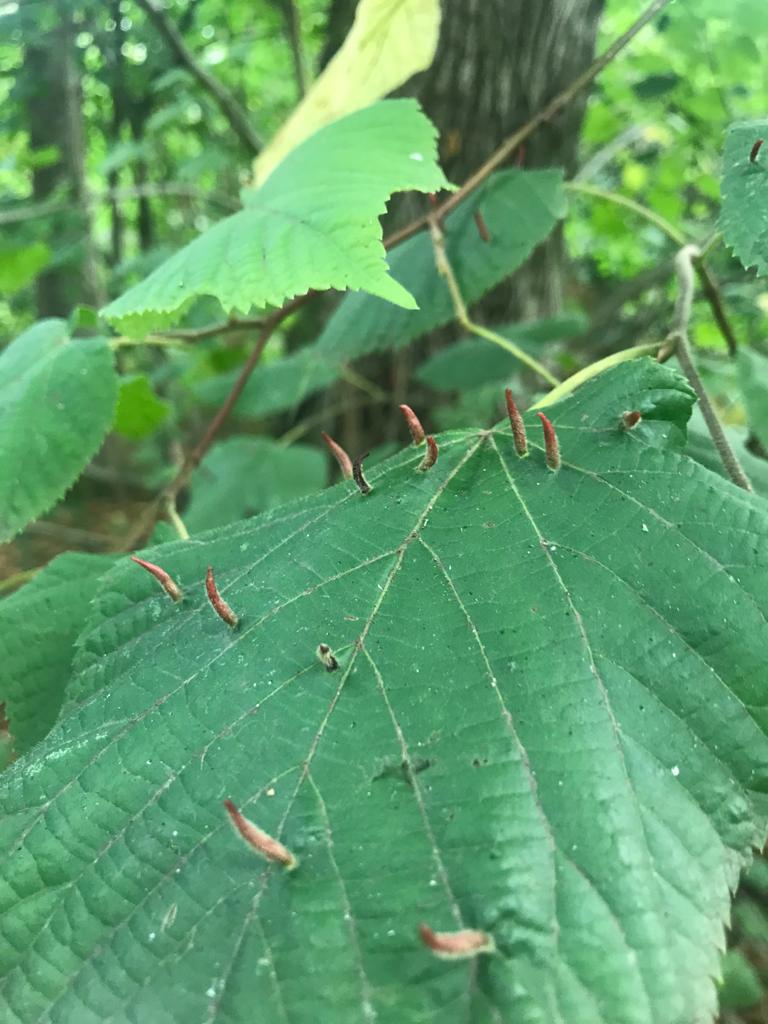
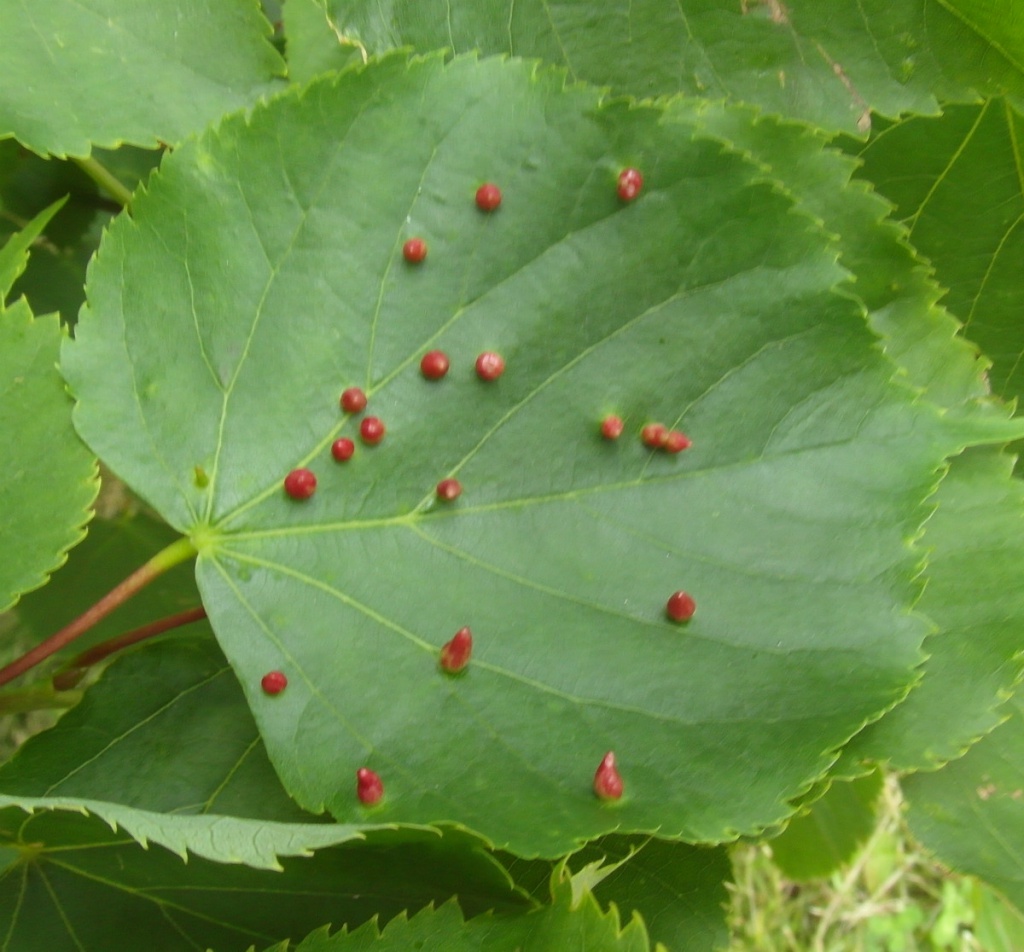
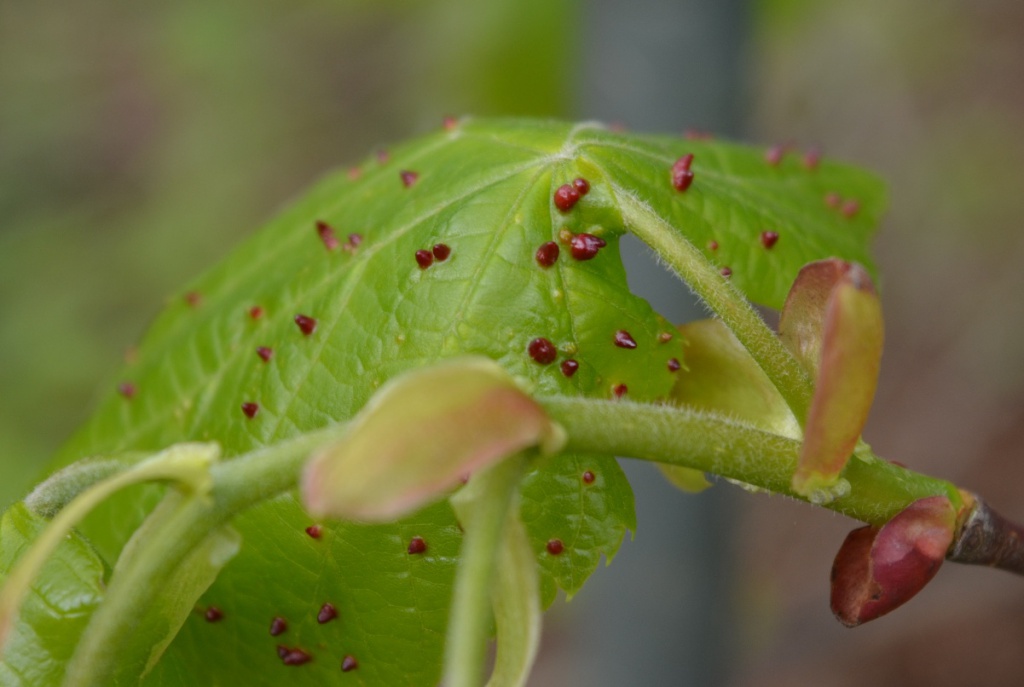
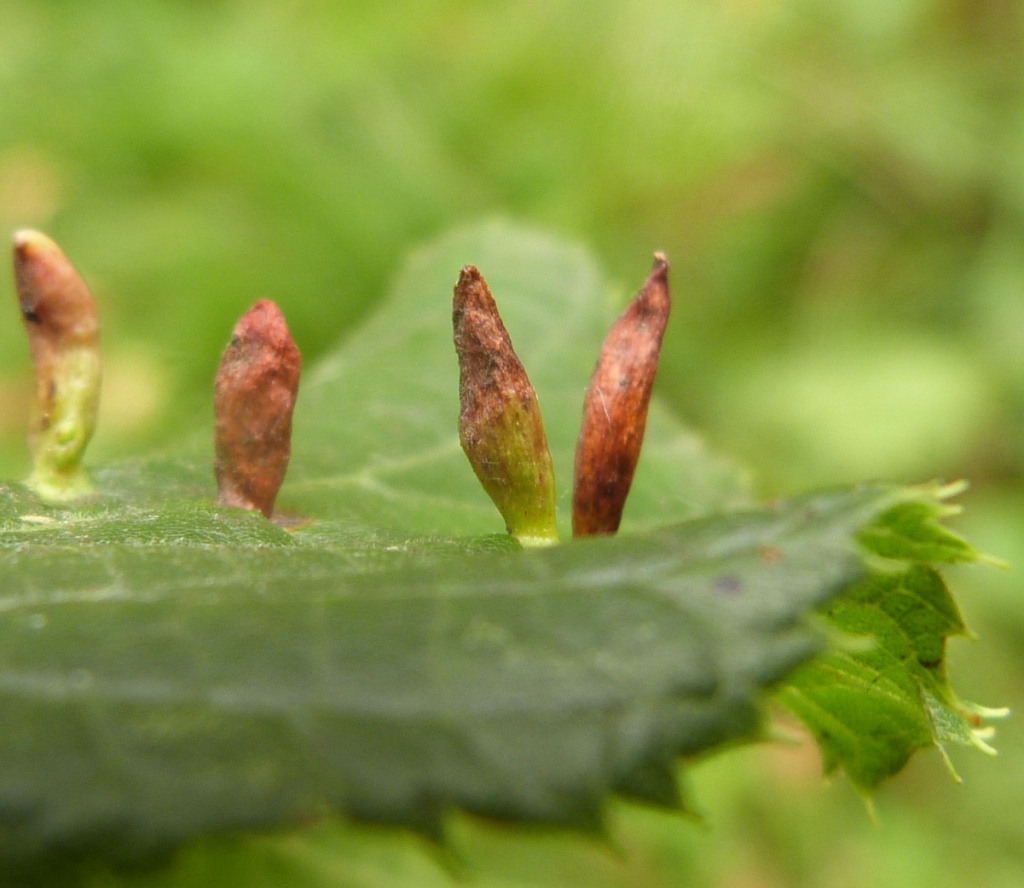
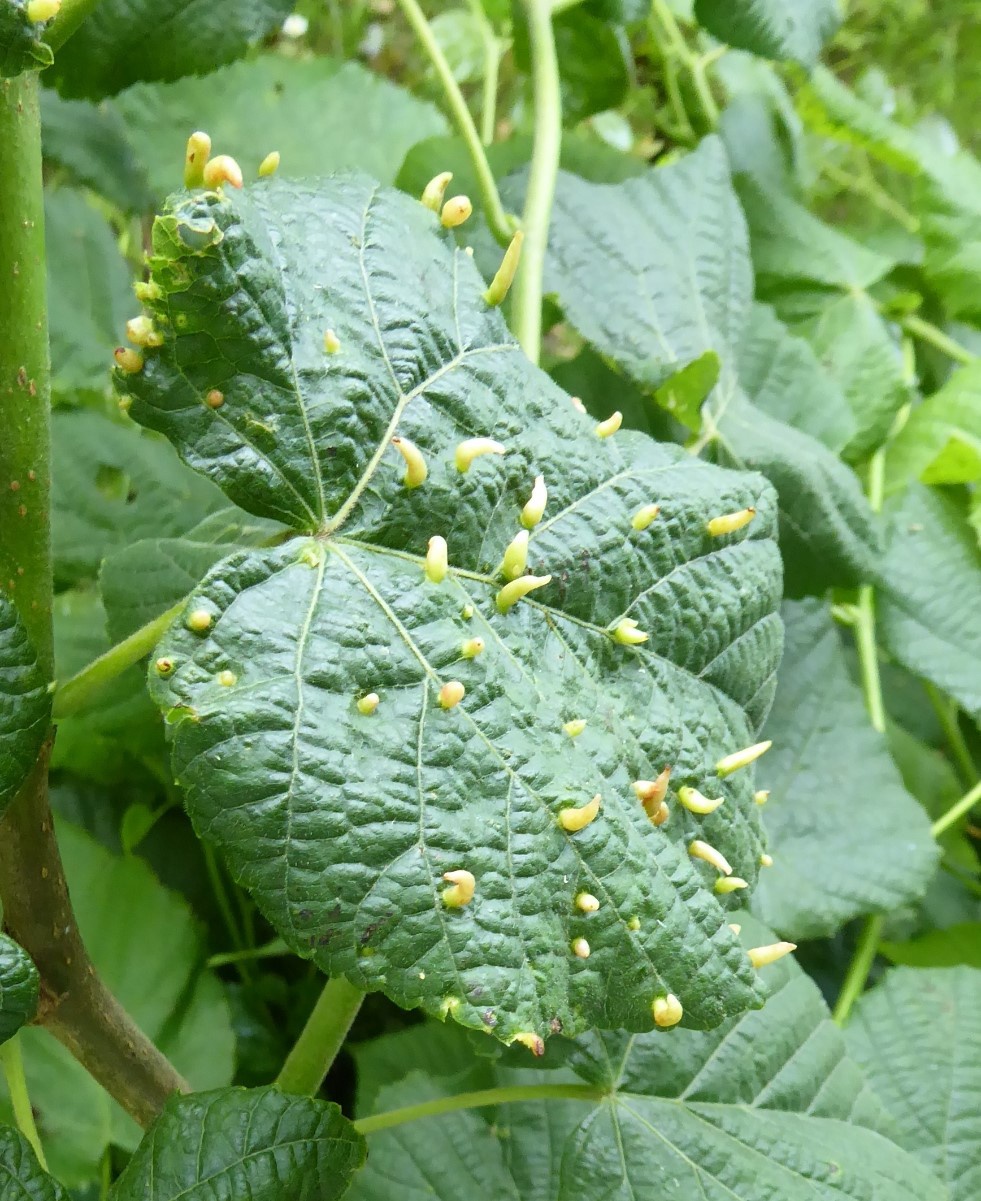
The gall mites Eriophyes tiliae causes gall to develop on the upper surface of Lime tree leaves. The galls can be long and pointed ('nail galls') or shorter and with rounded tips, and are often reddened. They can occur on the hybrid Common Lime, Tilia x europaea, Large-leaved (T. platyphyllos) and Small-leaved lime (T. cordata).
It used to be thought that these galls on Large-leaved and Small-leaved limes were caused by different species, but this is no longer considered to be the case; in the latest edition of British Plant Galls (Redfern & Shirley 2023) Eriophyes lateannulatus has been combined with E tiliae.
Gall  Adult
Adult 
If possible, identify the species of lime
Anywhere that the host trees grow
During late spring and summer.
The mites move onto the foliage in the spring, having overwintered in the bark crevices or around buds. As the mites suck sap from the leaf surface the chemicals released cause the galls to develop.
Very common and widespread in Britain where the host trees grow.
Common in Leicestershire and Rutland.
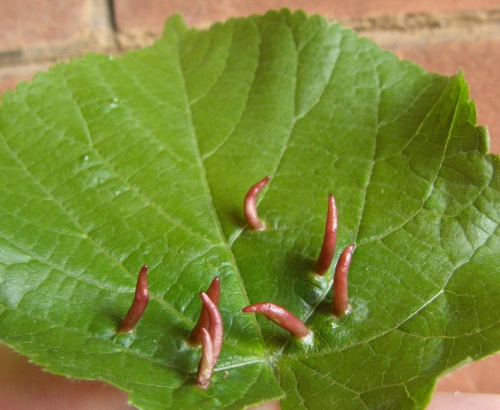 Saharima Roenisch
Leicester, Albert Road
28 April 2019
galls onTilia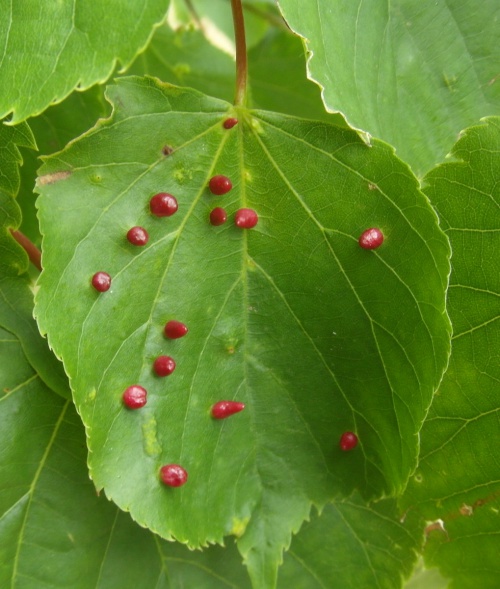 Alan Semper
Harby nature reserve
17 June 2013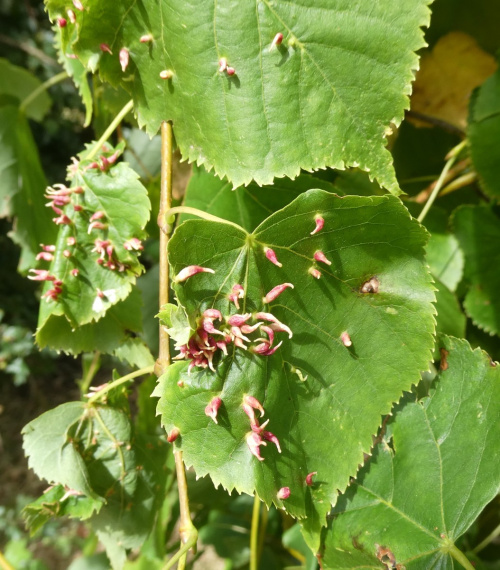 sue
sue
East Goscote, Long Furrow Park entrance
02 July 2024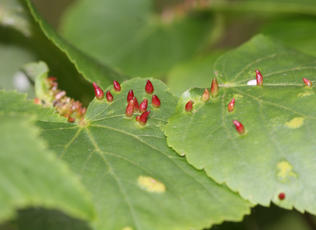 David Nicholls
Burroughs Lane, Ratby
13 May 2011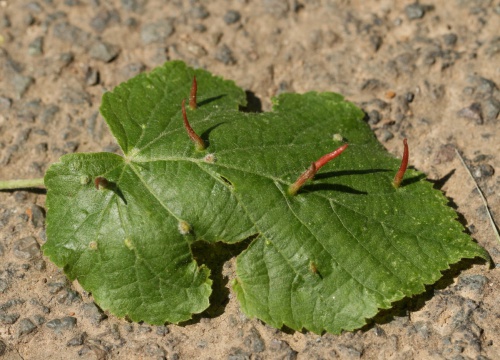 Craig Mabbett
Shackerstone Footpath Off Station Road
04 June 2023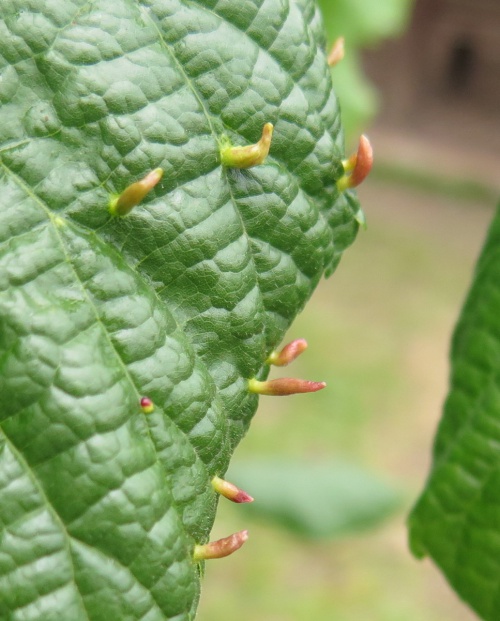 David Nicholls
Glen Hills Primary School
26 June 2015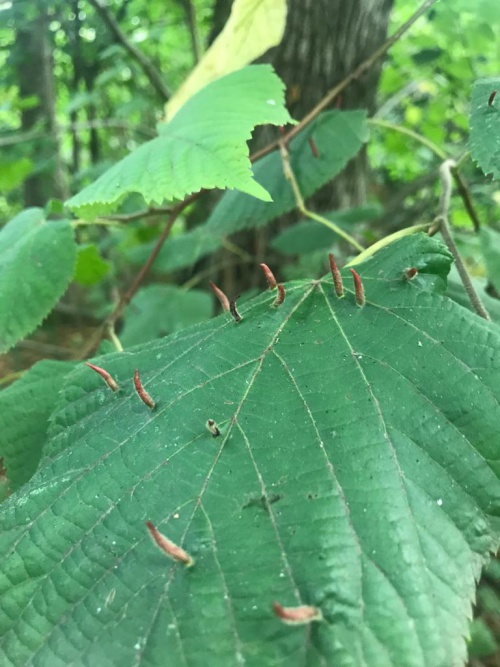 Ken Charity
Swithland. Swithland Wood.
27 September 2020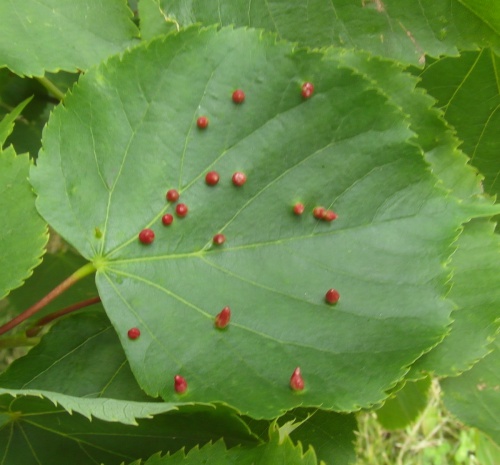 Alan Semper
Harby nature reserve
17 June 2013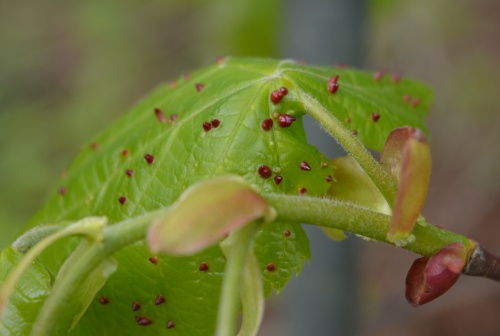 Steve Mathers
Swithland Reservoir, the Ridings
17 April 2017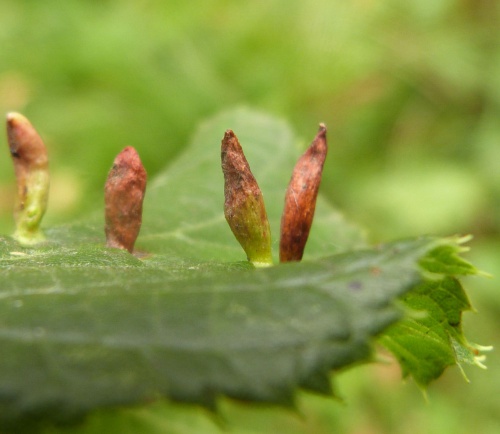 Graham Calow
Burbage Common and Woods
16 September 2013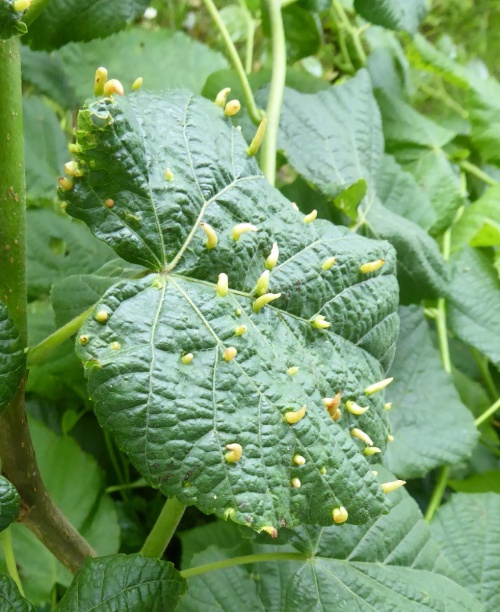 Alan Semper
Teigh roadside
30 June 2019
On lime leaf

Leicestershire & Rutland Map
Enter a town or village to see local records
MAP KEY:
Yellow squares = NBN records (all known data)
Coloured squares = NatureSpot records: 2025+ | 2020-2024 | pre-2020
UK Map
Additional images