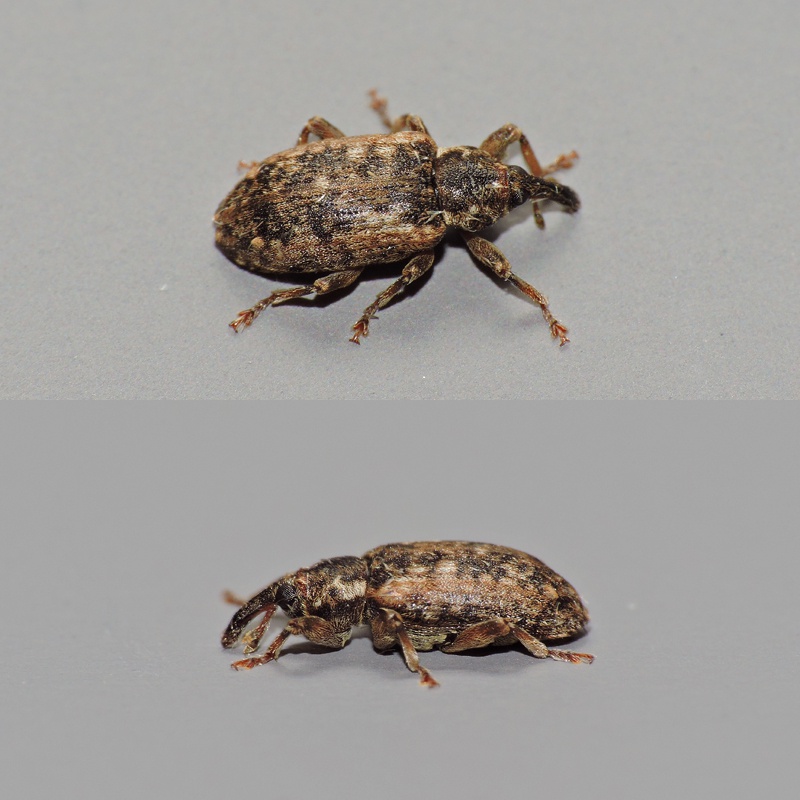
Dorytomus ictor
Dorytomus ictor
3.8 to 4.5 mm.

Unless identified by a recognised expert, photographic evidence is required and the specimen should be examined with a microscope. In the comments box, state the key or ID method used. Note the beetle's size and describe the identifying characters. It is advisable to retain the specimen in case further checks are needed.
Mating occurs early in the season when pairs may be found on trunks or nearby fences etc. but they are nocturnal and so possibly under-recorded at this time, during the day they remain among bark or in wood crevices and are inactive.
Adults overwinter, sometimes gregariously, and are active very early in the year, from January although they will often be active during mild winter spells, and they persist into April or May.
See ‘Habitat’ and ‘When to see it’ above.
In the UK it is a very local species of southeast and central England and south Wales with only very few records north of the Wash and none further west than West Sussex.
Rarely recorded in Leicestershire and Rutland.
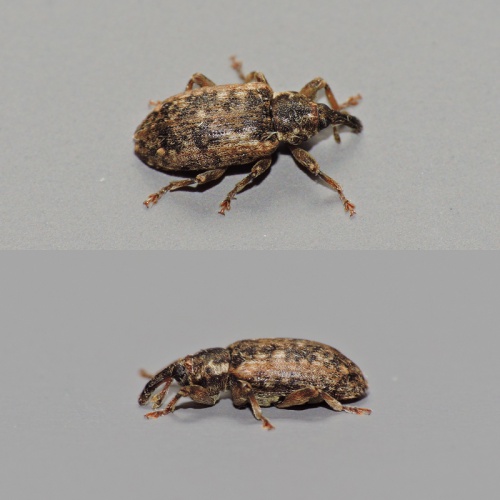 Mark Skevington
Whetstone Garden
06 July 2017
Taken at synergetic light trap
Leicestershire & Rutland Map
Enter a town or village to see local records
MAP KEY:
Yellow squares = NBN records (all known data)
Coloured squares = NatureSpot records: 2025+ | 2020-2024 | pre-2020
UK Map
Additional images
No additional images available for this species.