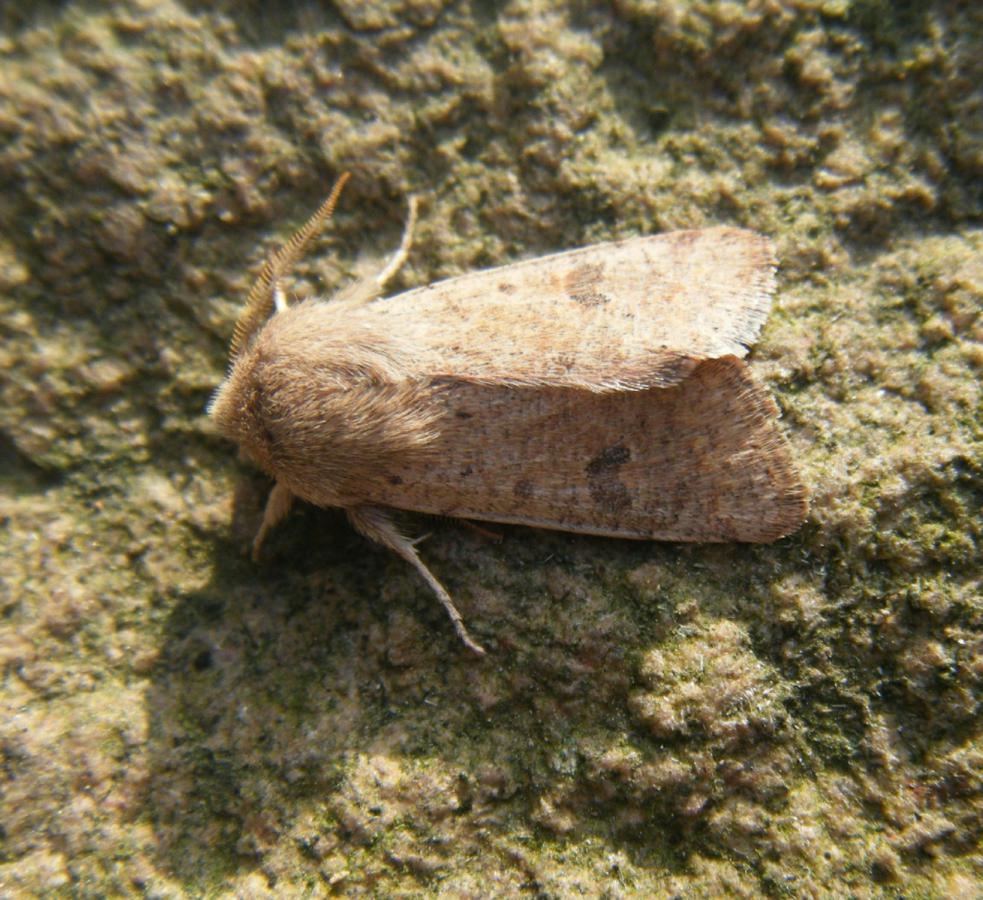
Small Quaker
Small Quaker - Orthosia cruda
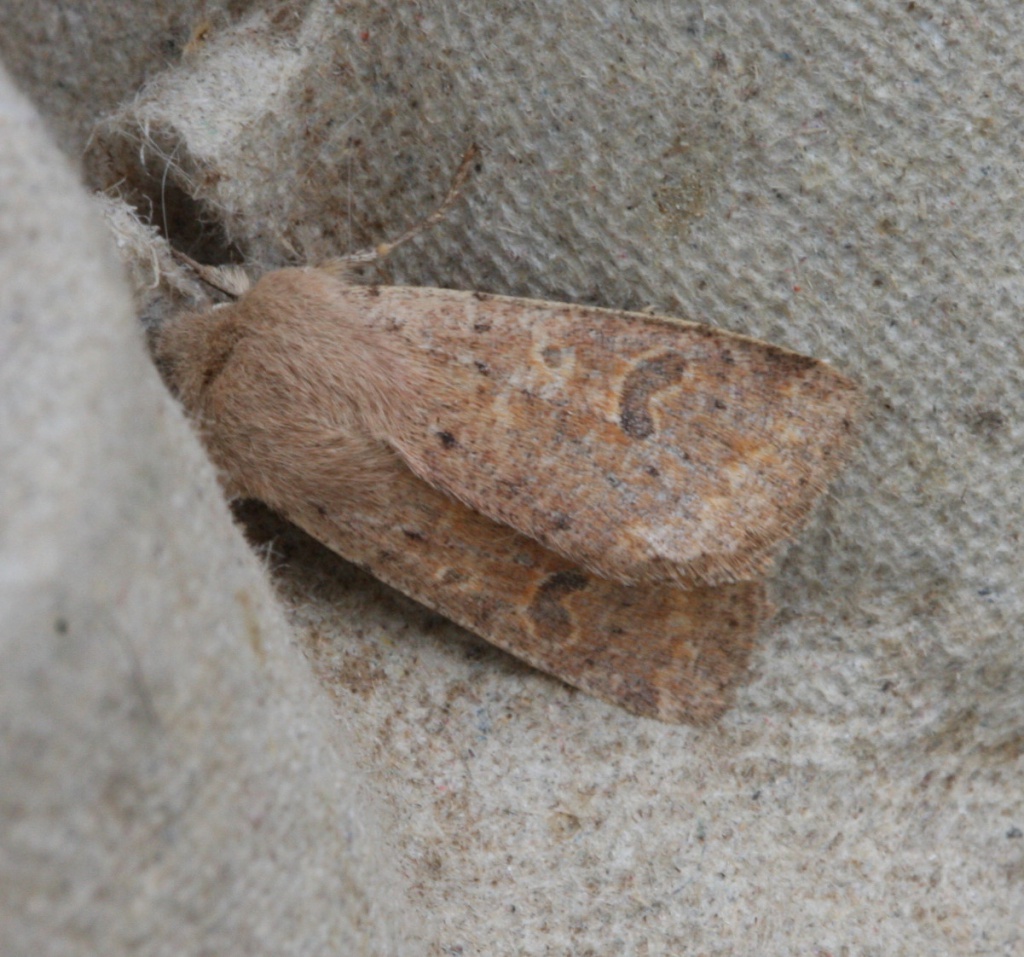
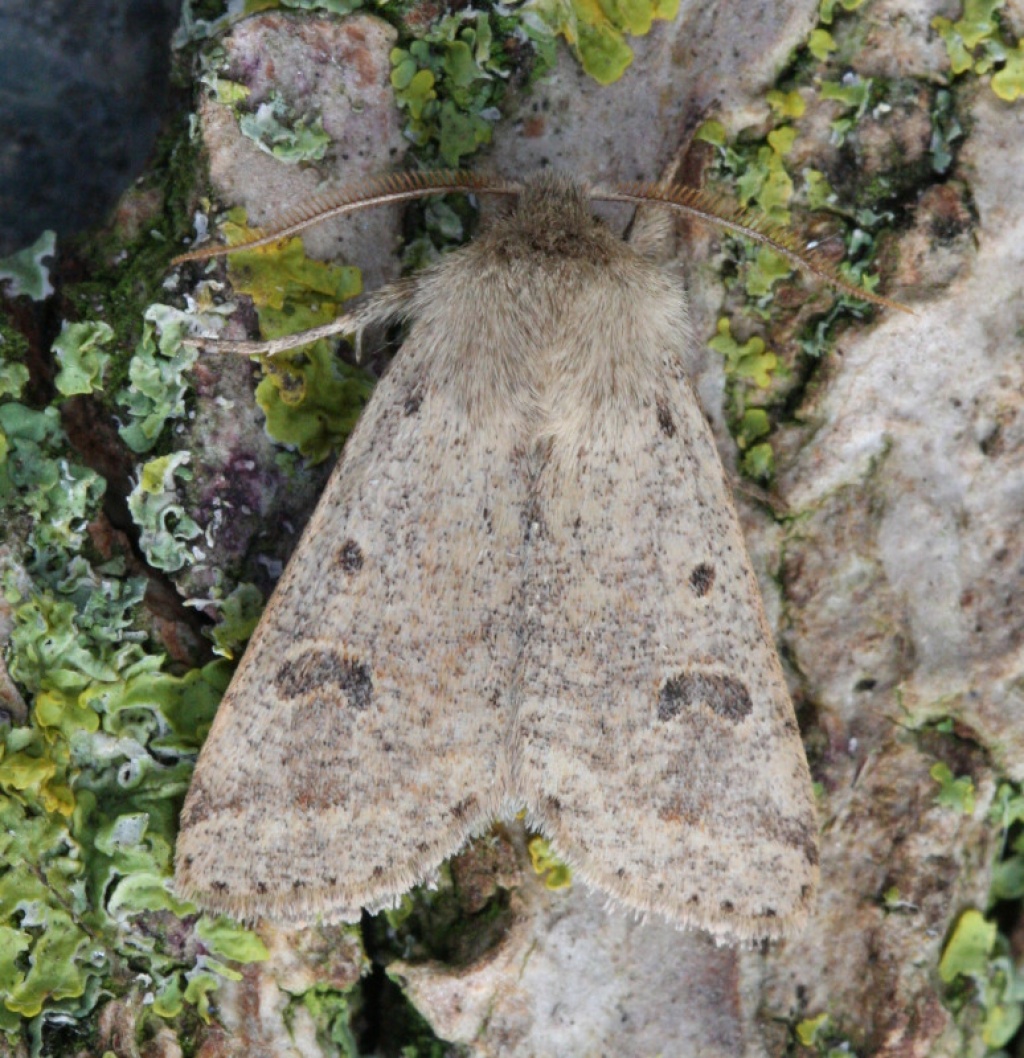
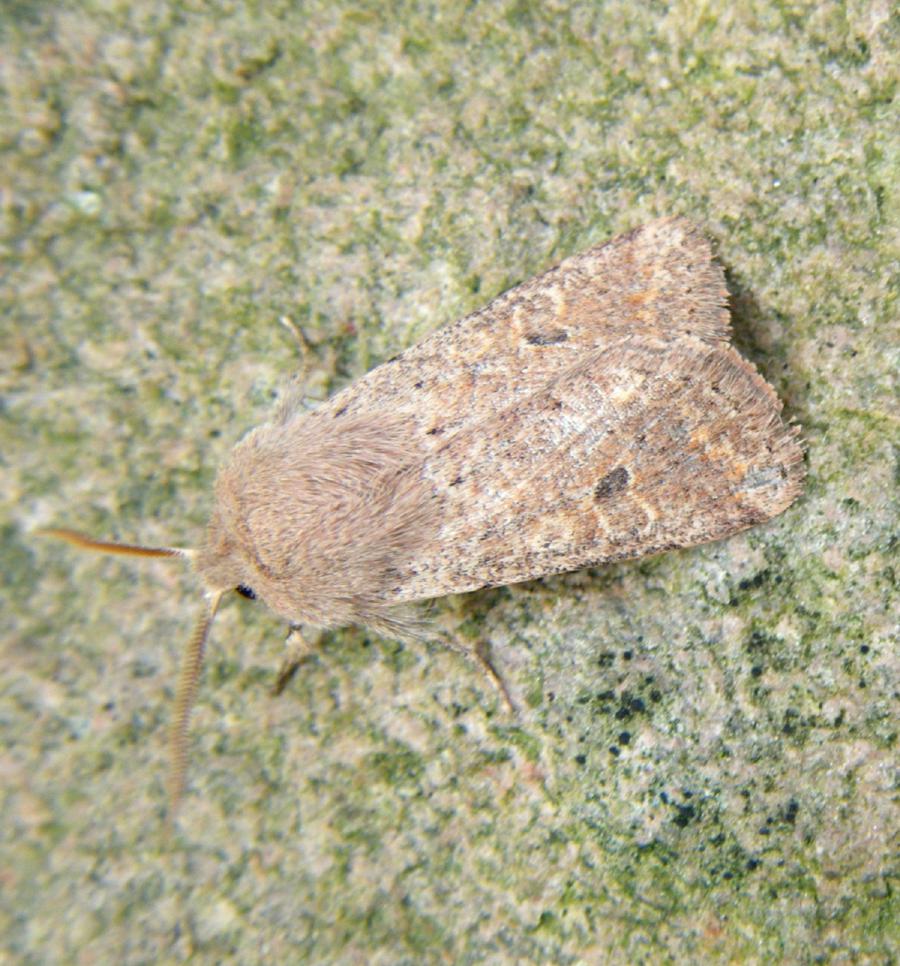
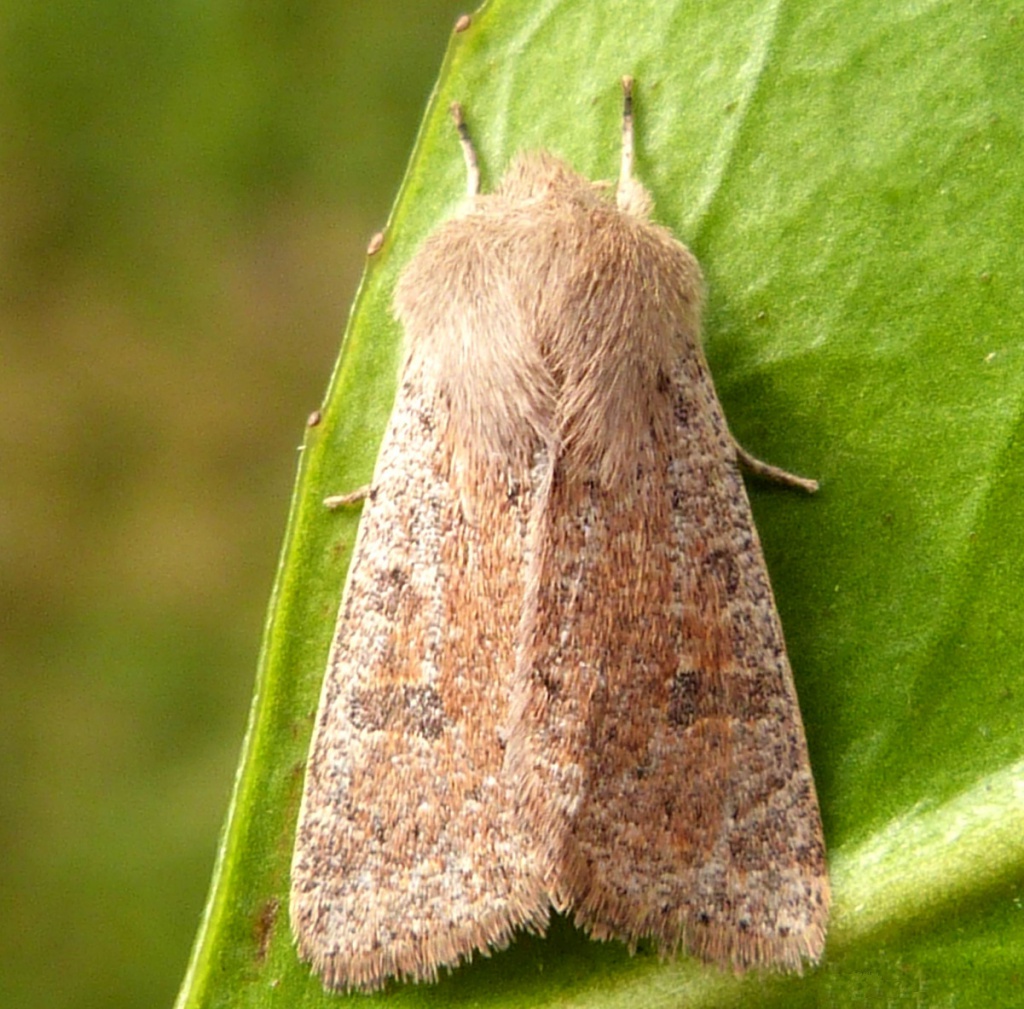
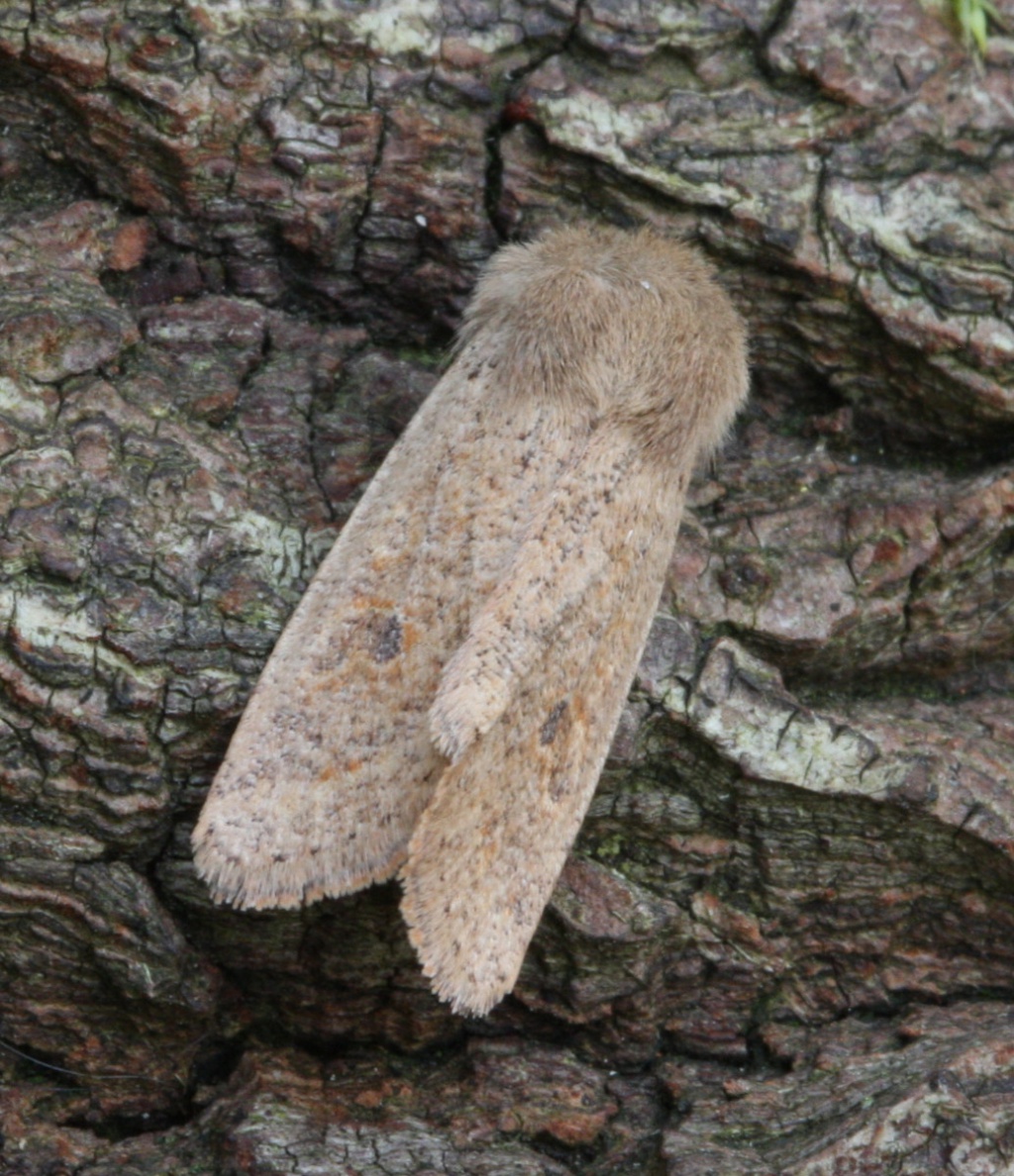
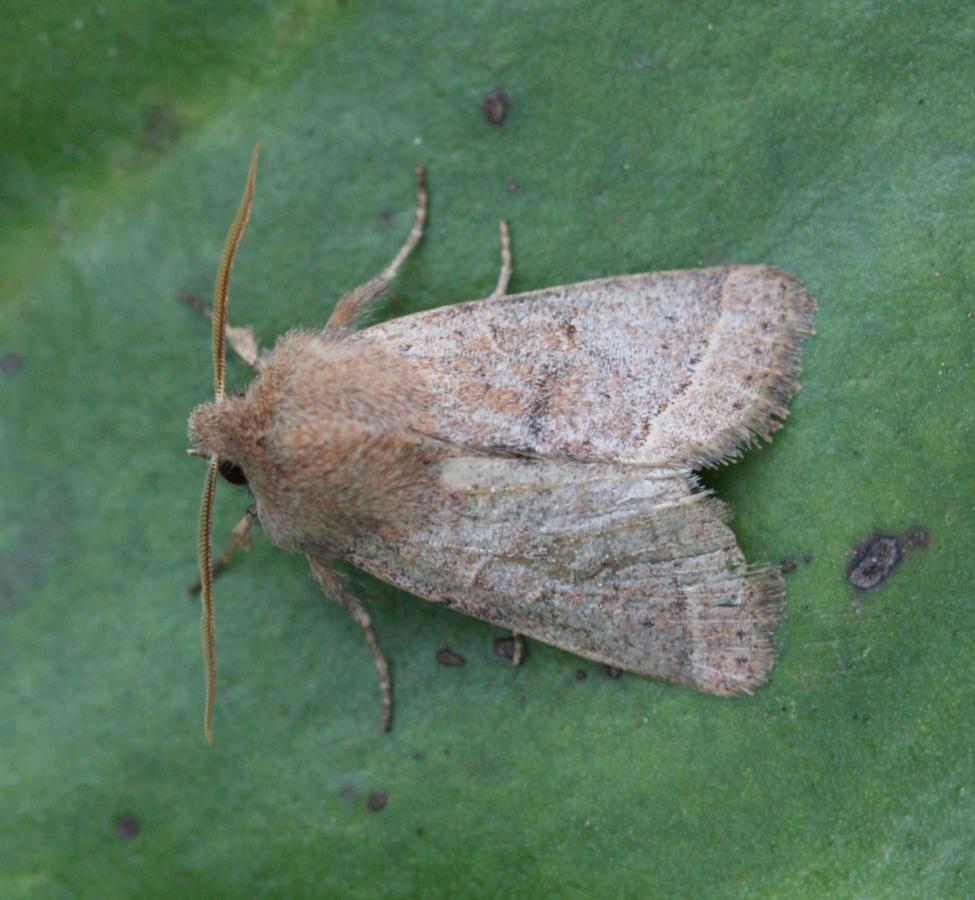
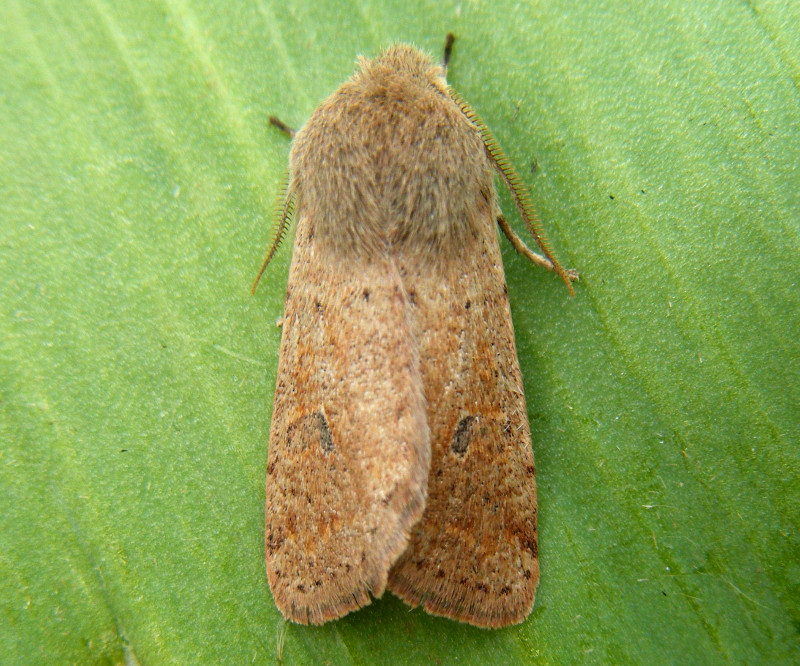
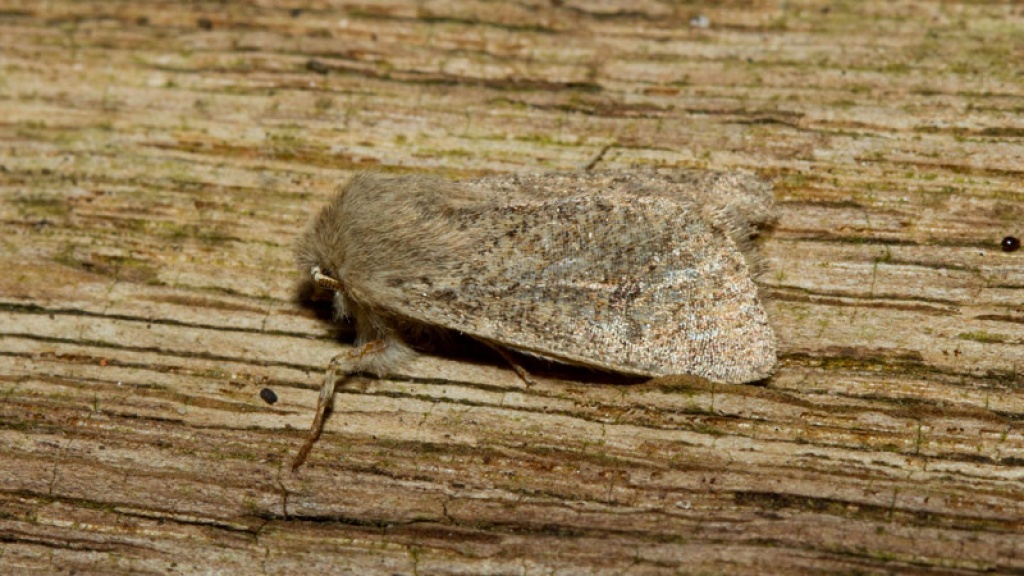
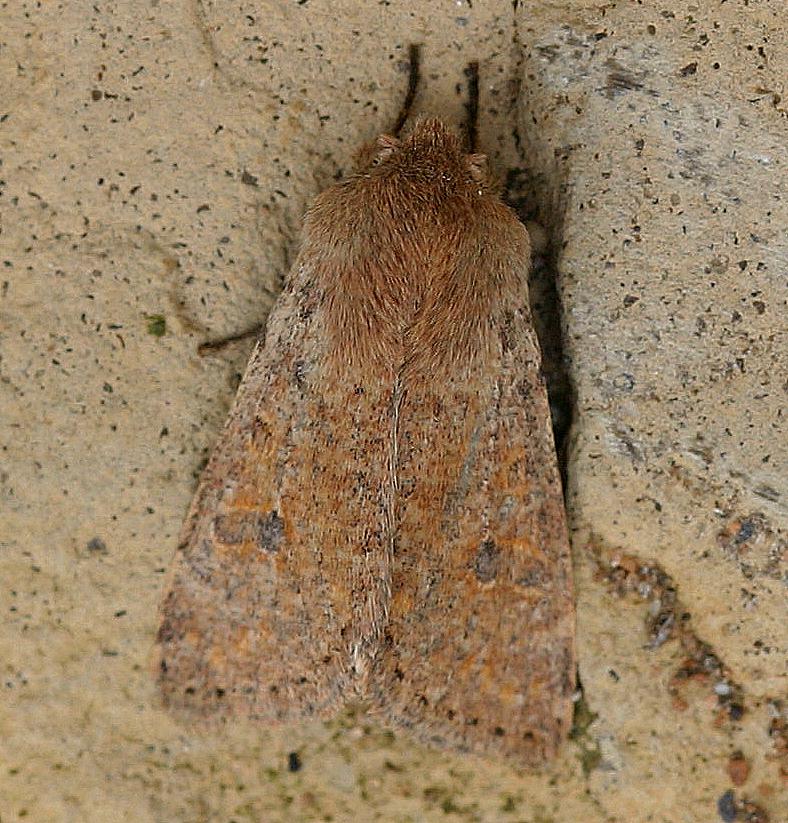
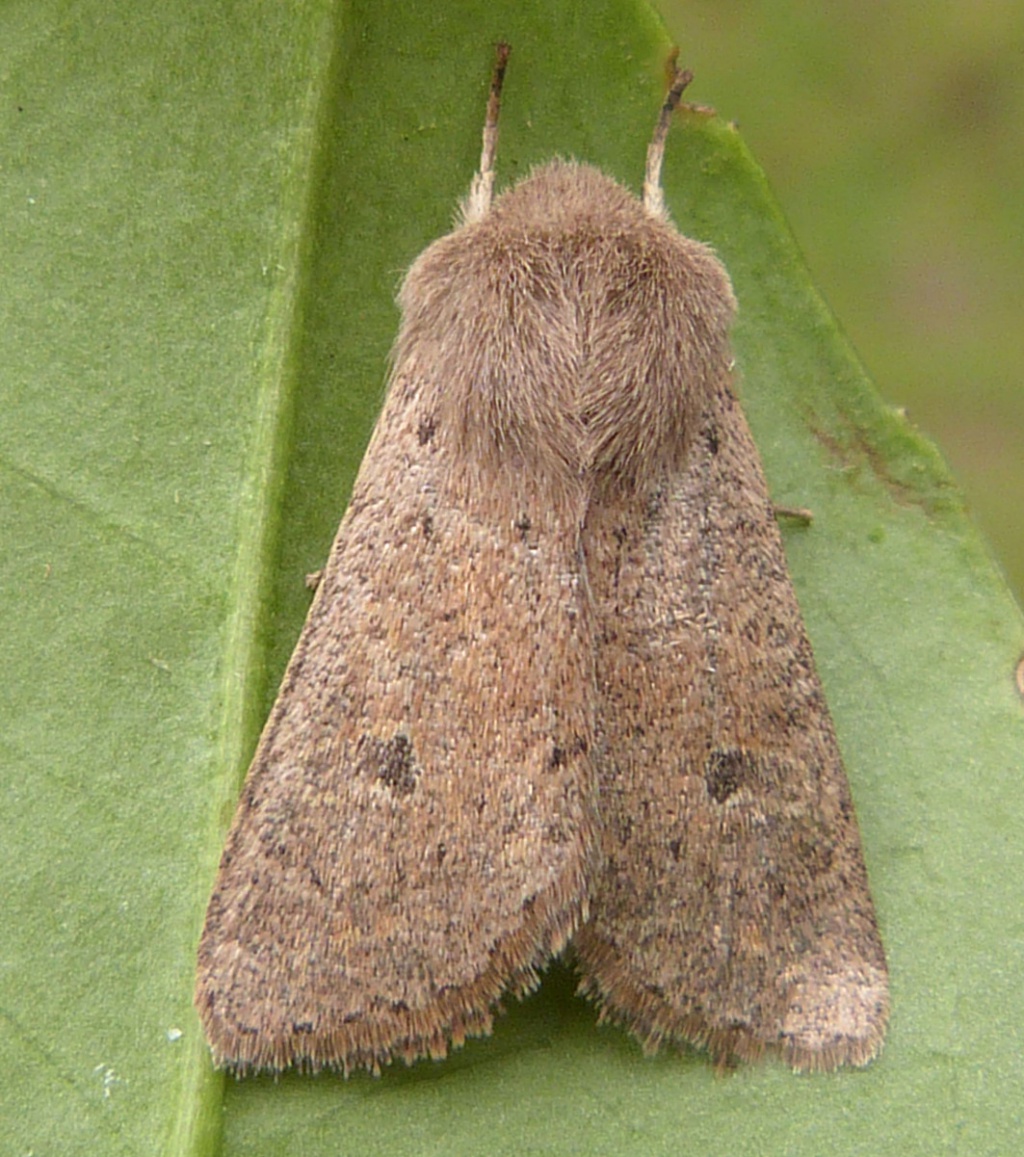
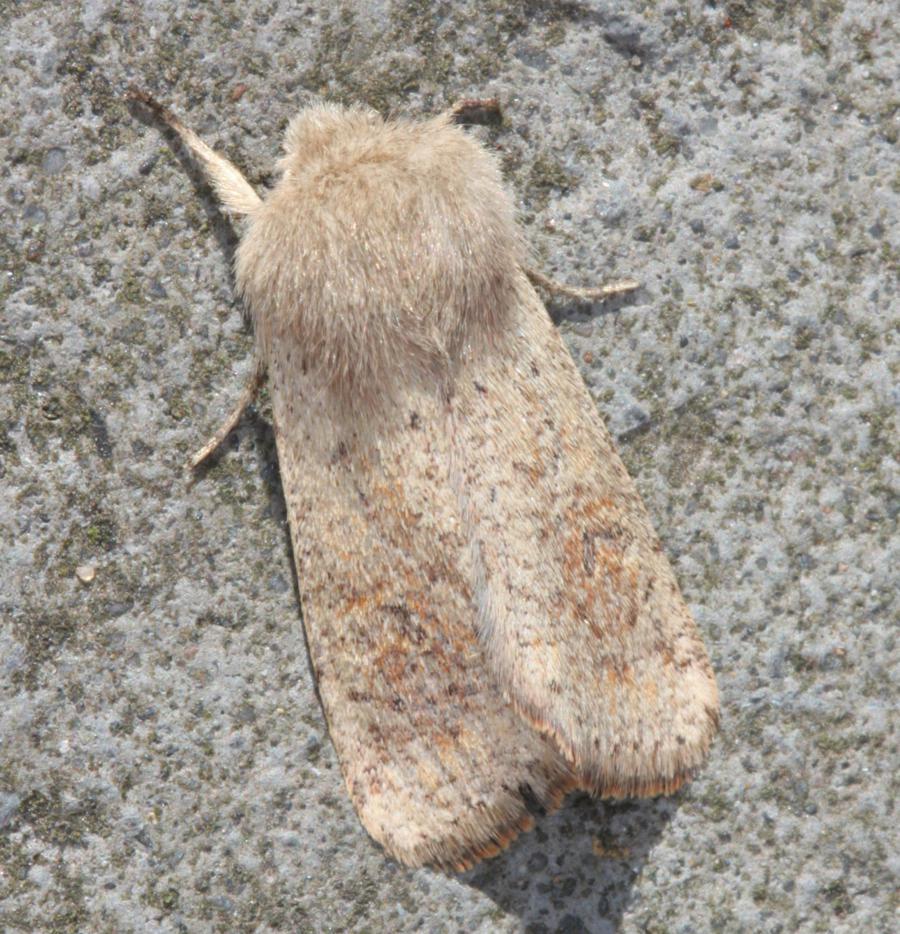
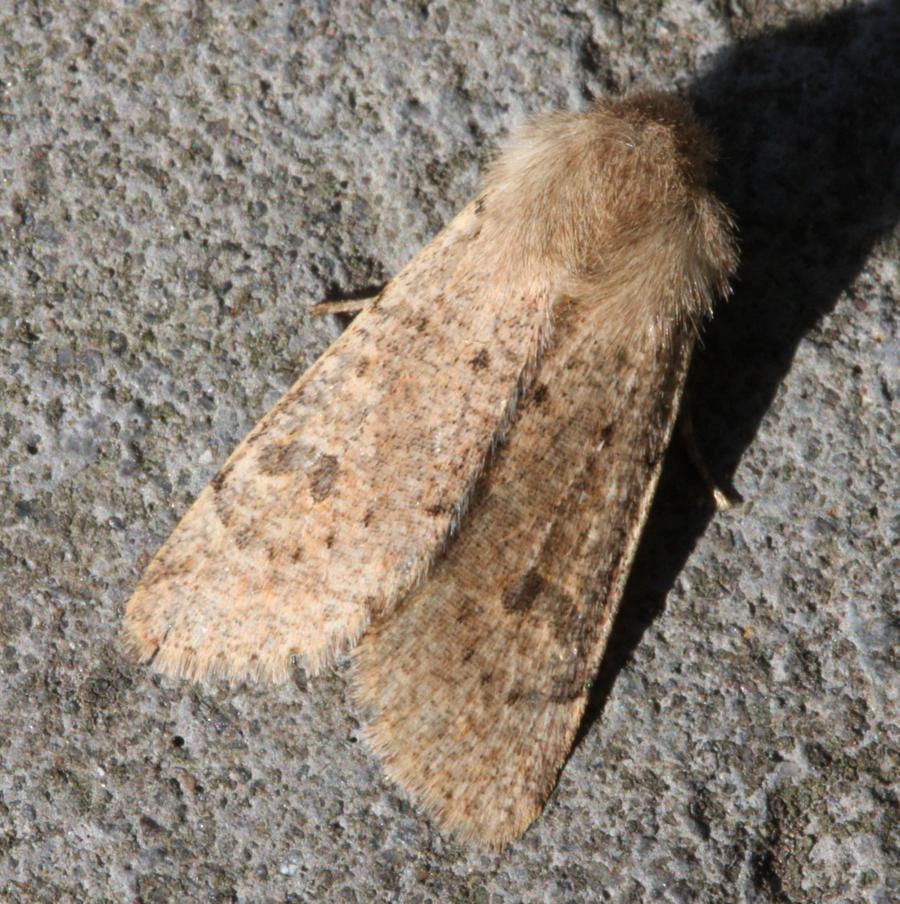
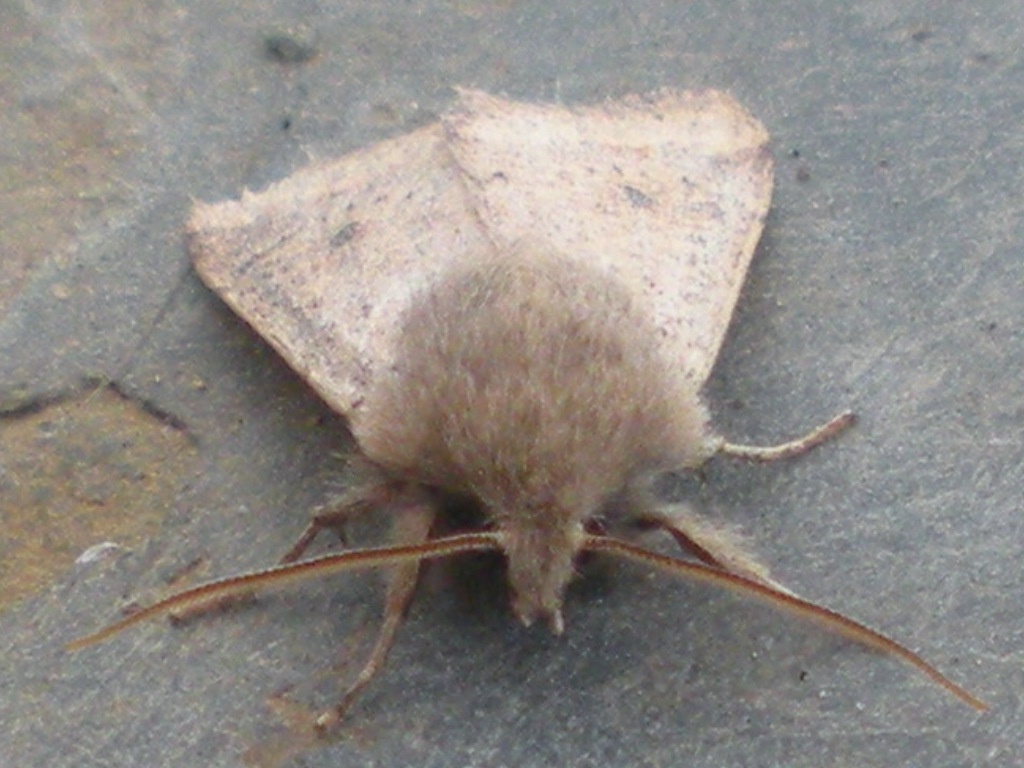
Wingspan 25-30 mm. Distinguished from other early Noctuids by its small size, usually light colour and plain appearance of forewing which has a rough appearance caused by a dusting of black scales.

Deciduous woodland and areas with scattered trees.
The adults fly in March and April, feed on Willow and are attracted to light.
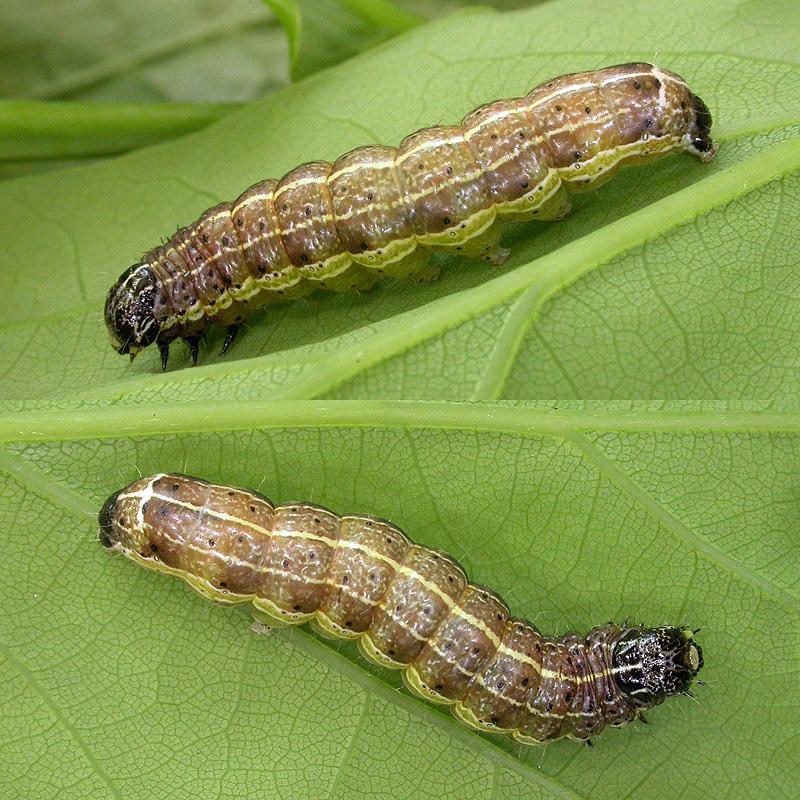
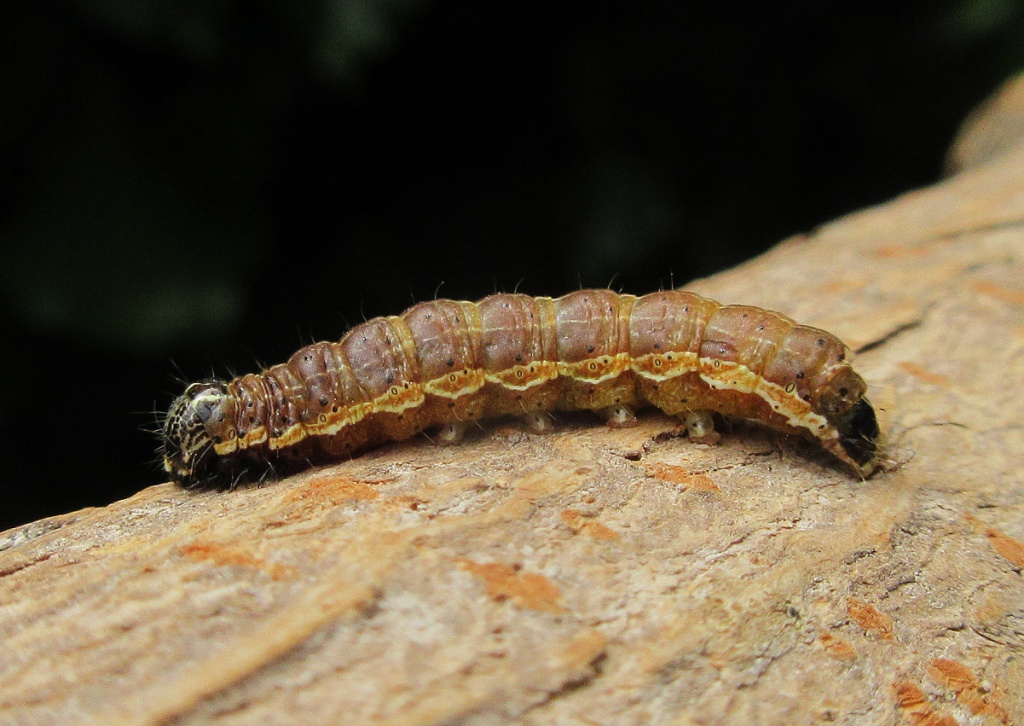
The larvae feed in the early summer on a number of deciduous trees, including Oak and Willow.
A fairly common species over much of Britain. In a recent survey to determine the status of all macro moths in Britain this species was classified as common.
Fairly common in Leicestershire and Rutland. L&R Moth Group status = A (common and resident)
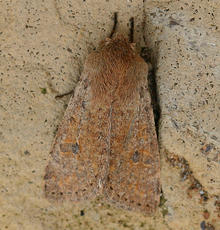 David Nicholls
Ratby garden1
17 March 2007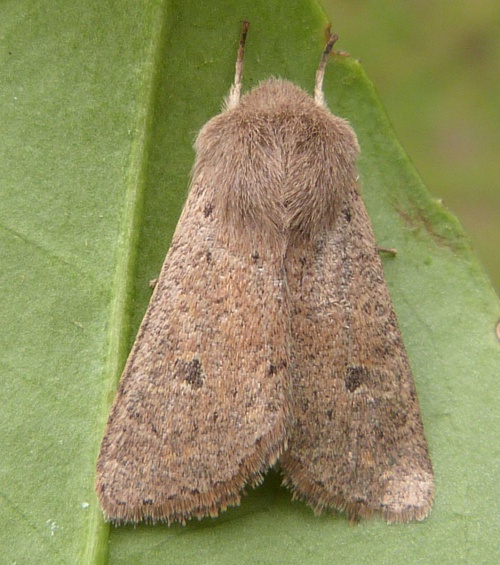 Graham Calow
Sapcote garden1
21 March 2016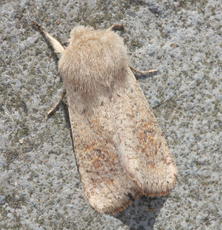 David Nicholls
Ratby garden1
11 April 2010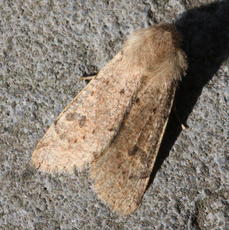 David Nicholls
Ratby garden1
11 April 2010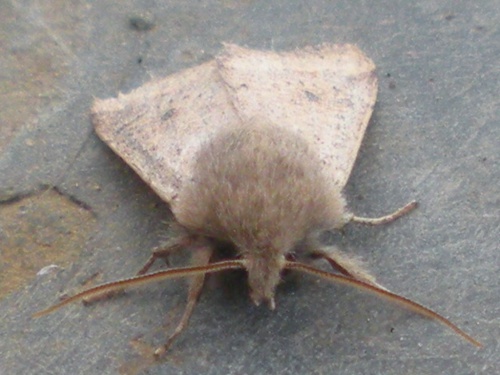 Craig Mabbett
Broughton Astley Garden
11 April 2015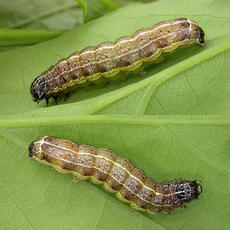 Mark Skevington
Pickworth Great Wood
01 May 2011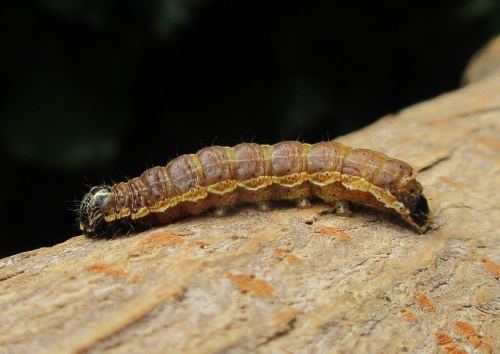 Pete Leonard
Croxton Park
09 June 2021
Leicestershire & Rutland Map
Enter a town or village to see local records
MAP KEY:
Yellow squares = NBN records (all known data)
Coloured squares = NatureSpot records: 2025+ | 2020-2024 | pre-2020
UK Map
Additional images