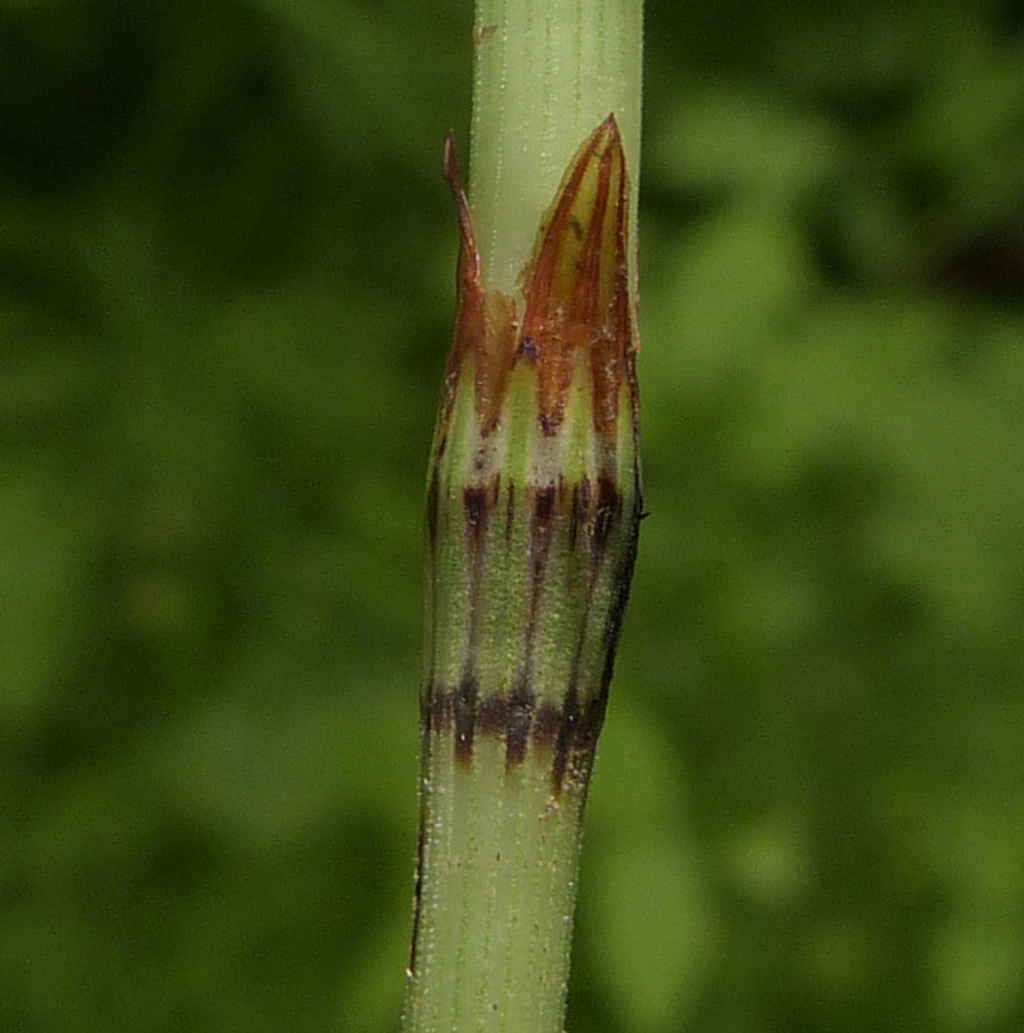
Wood Horsetail
Wood Horsetail - Equisetum sylvaticum
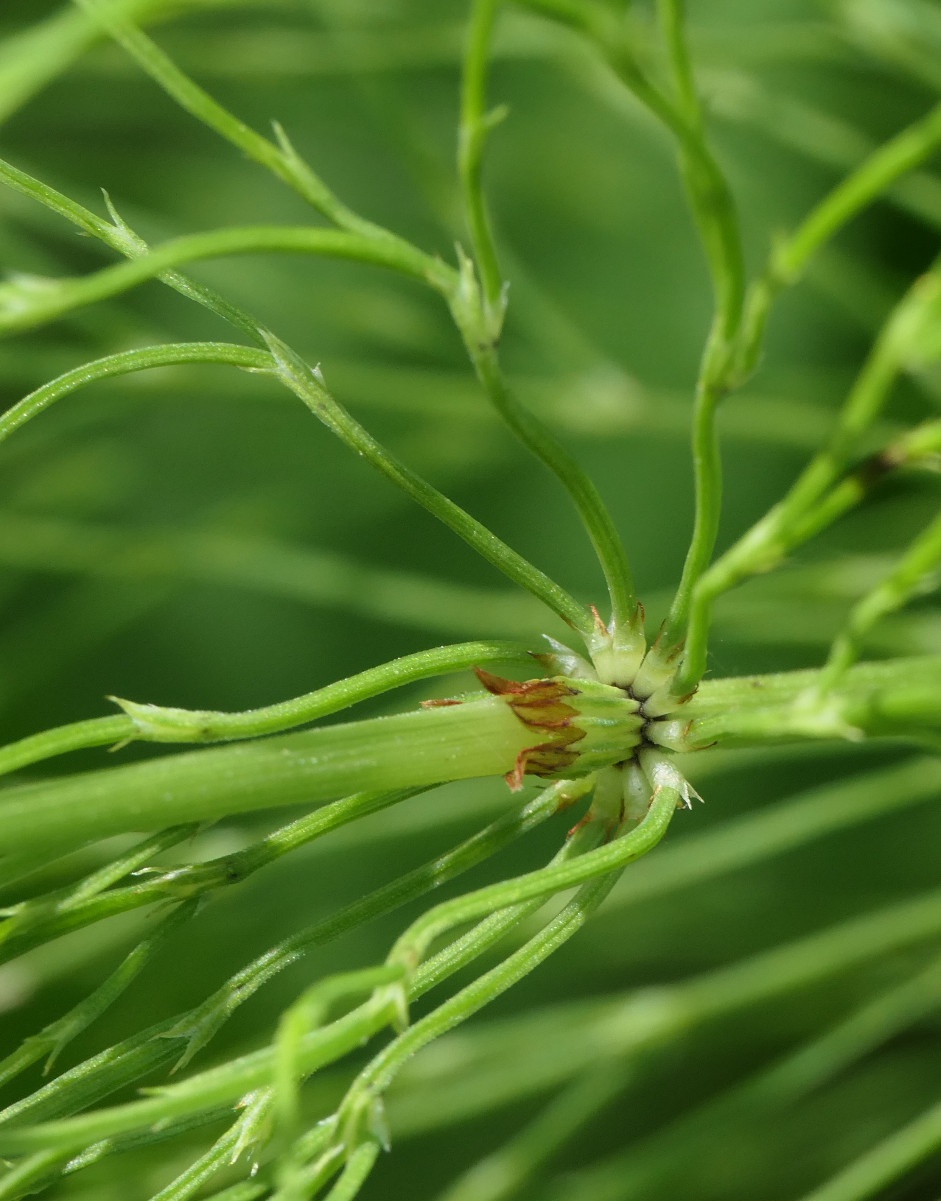
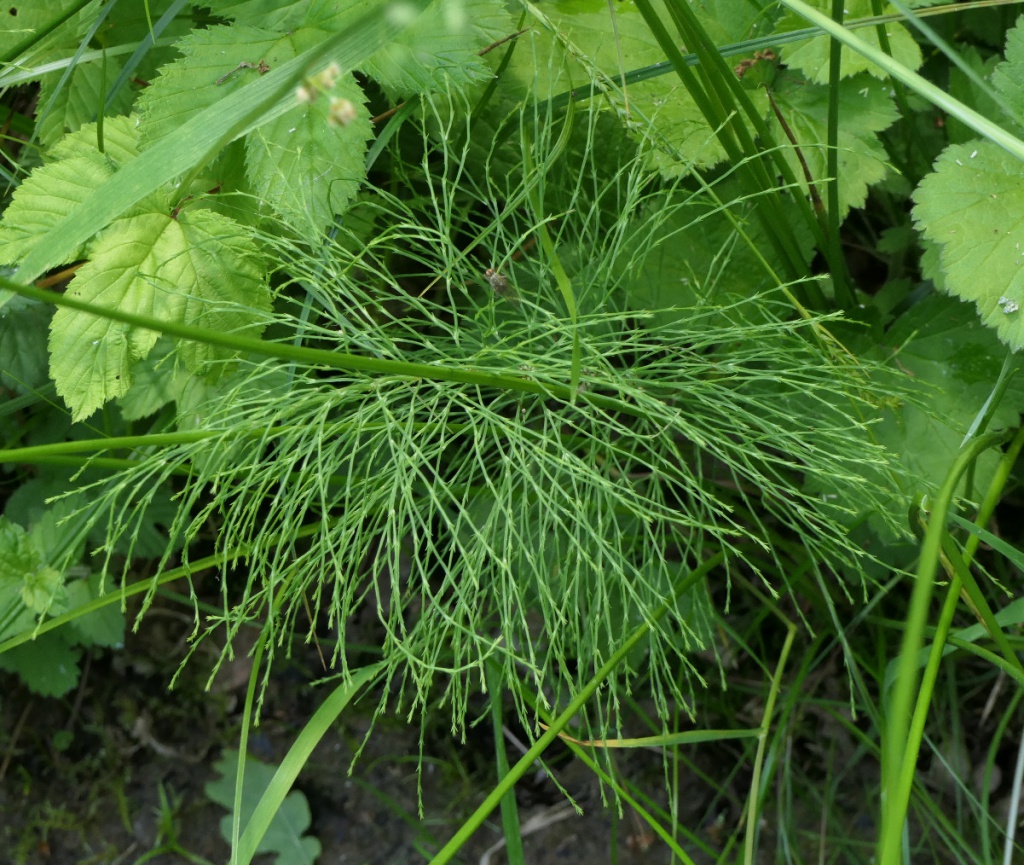
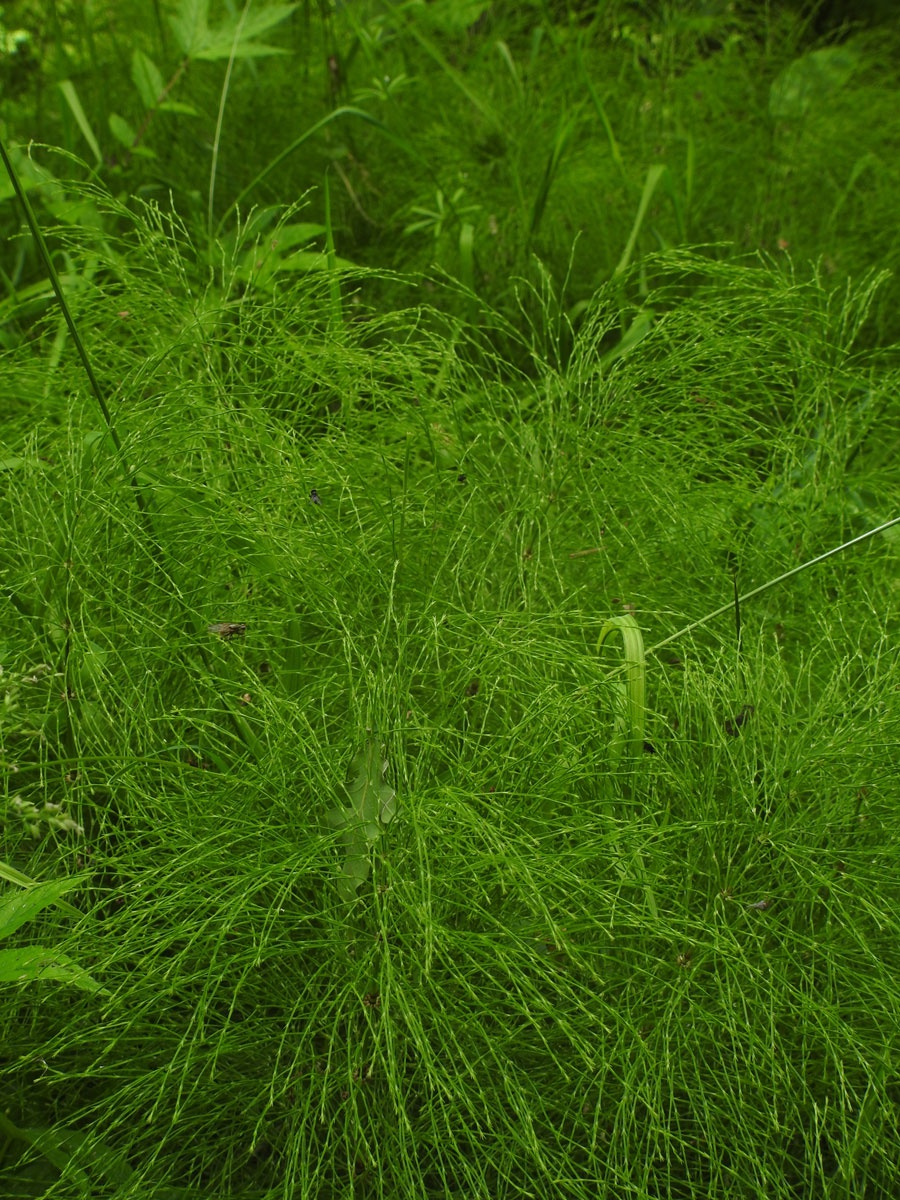
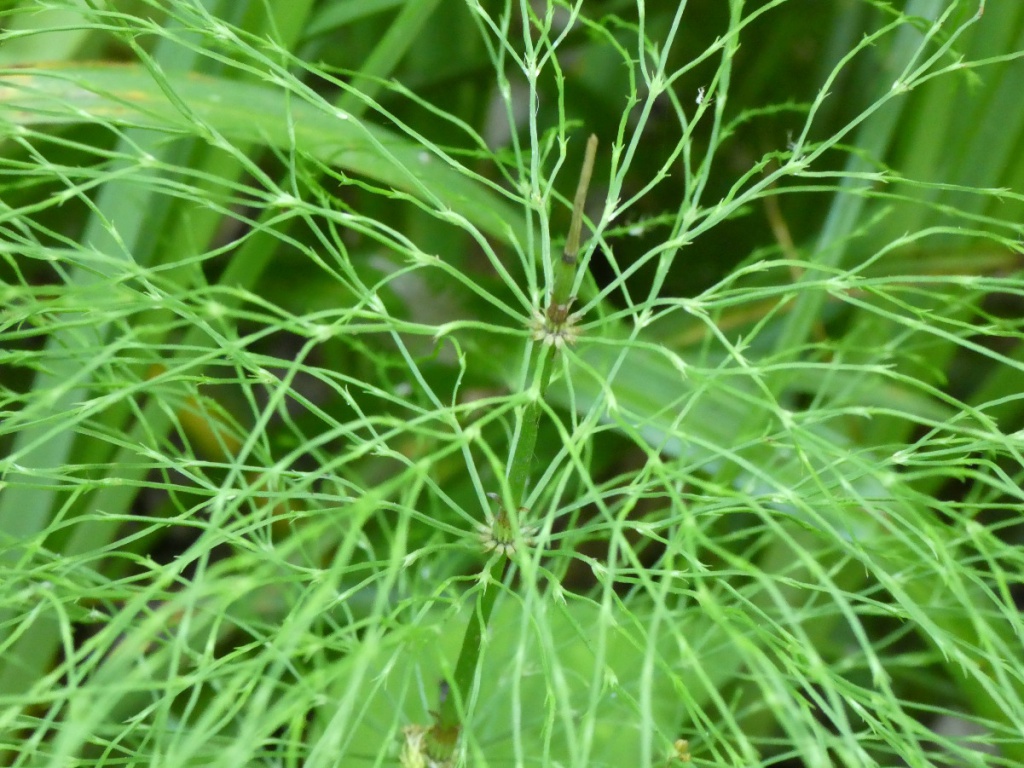
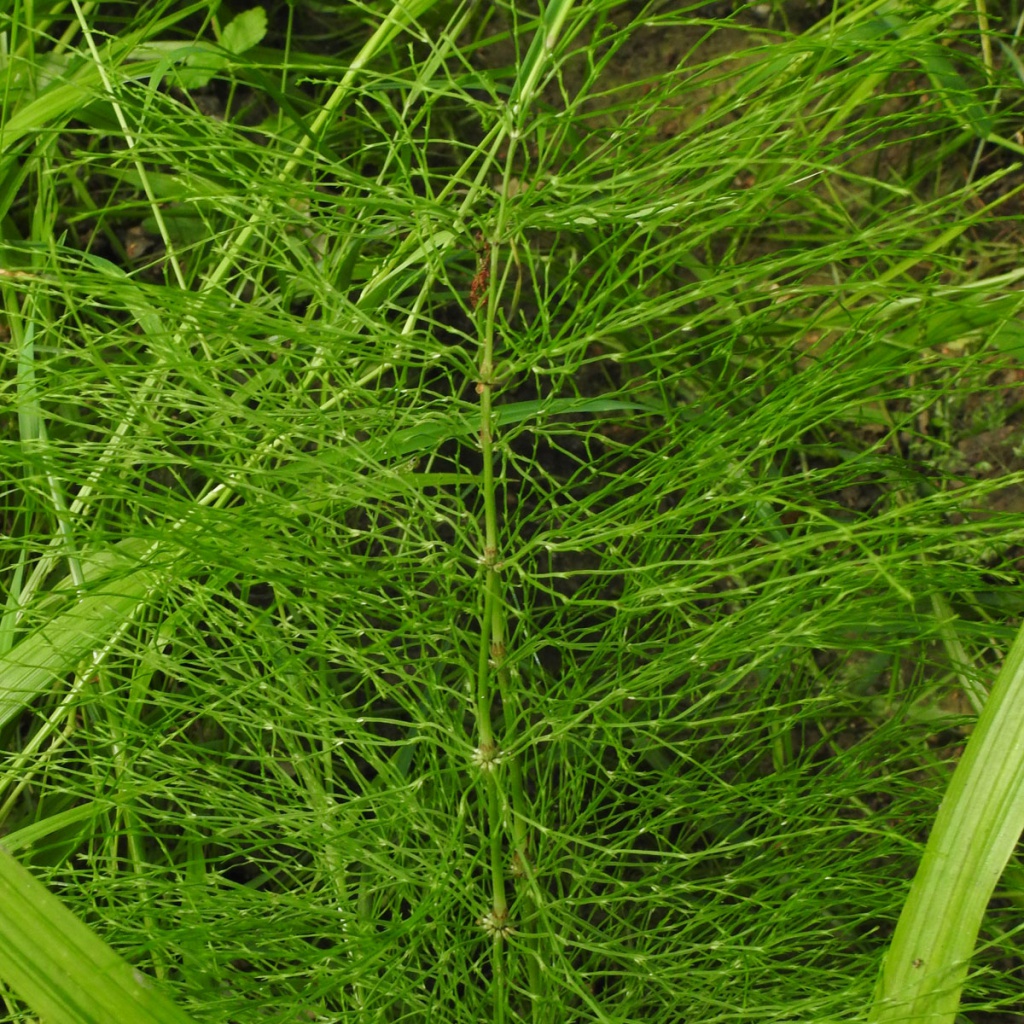
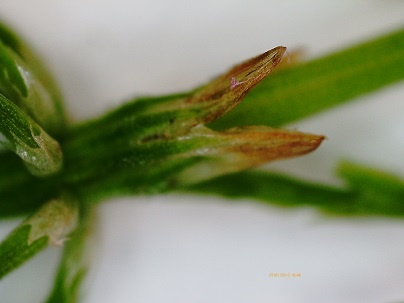
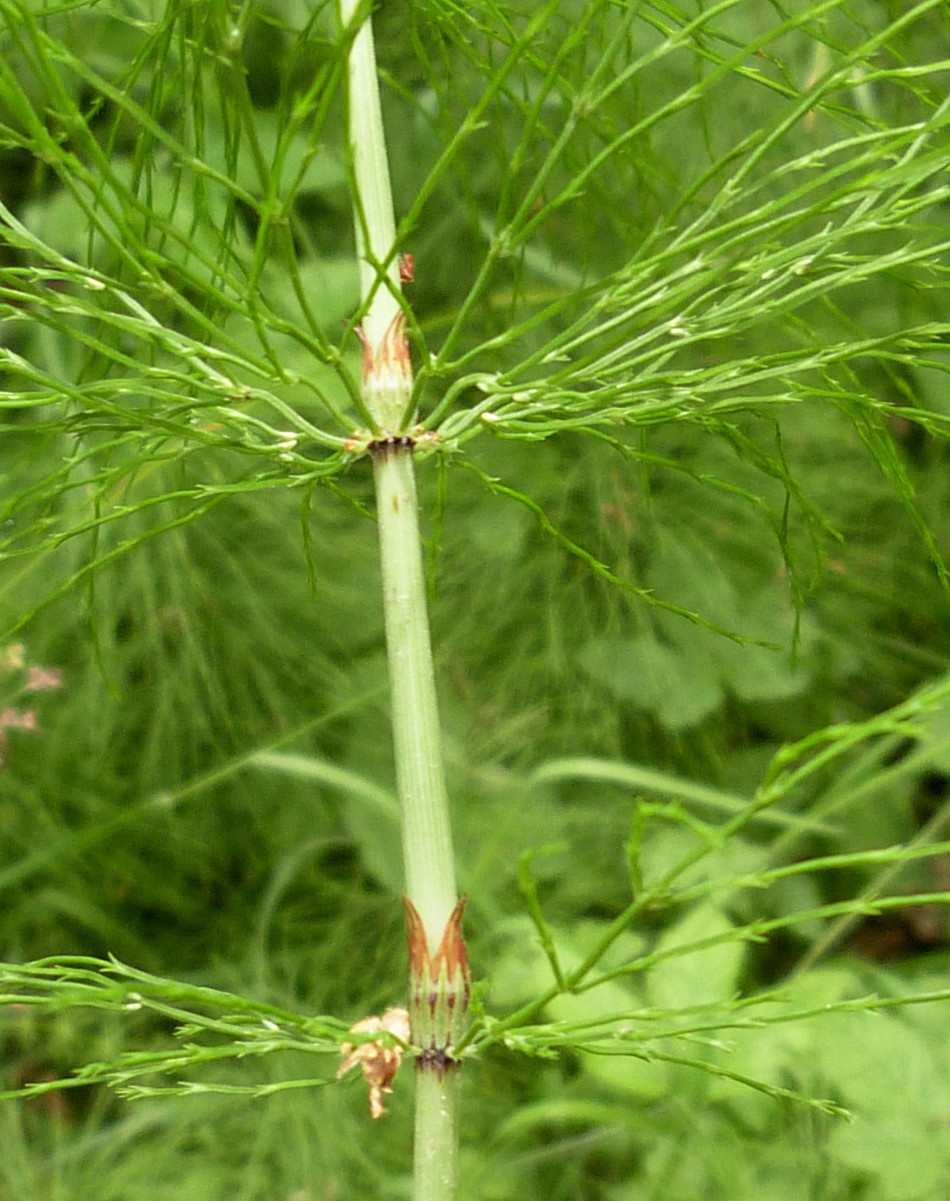
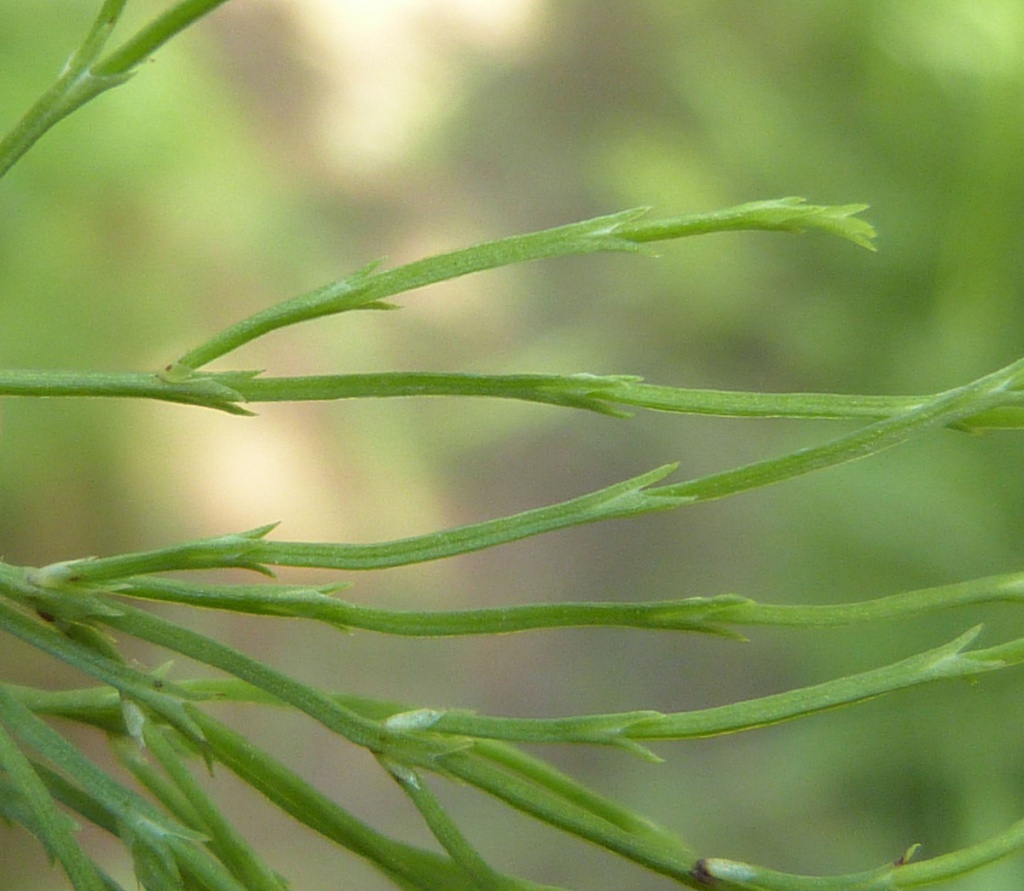
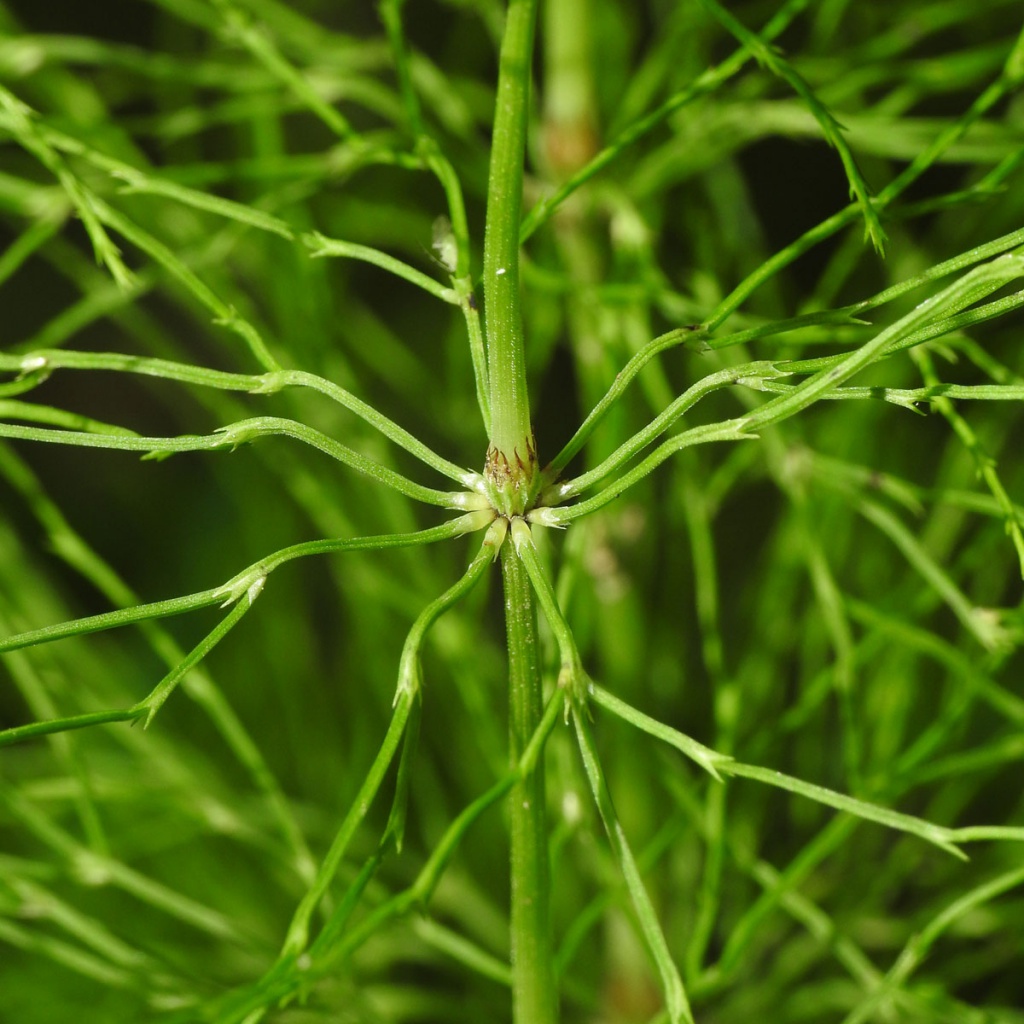
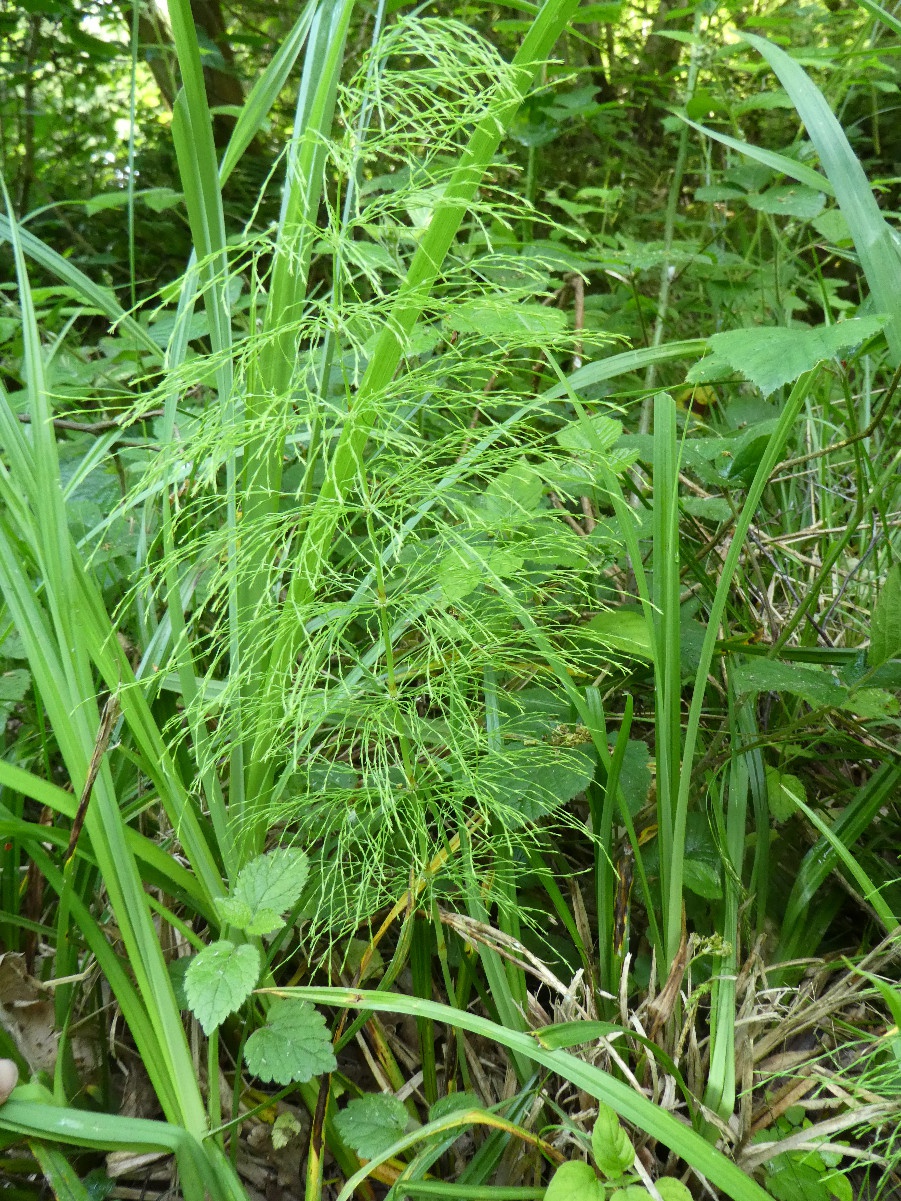
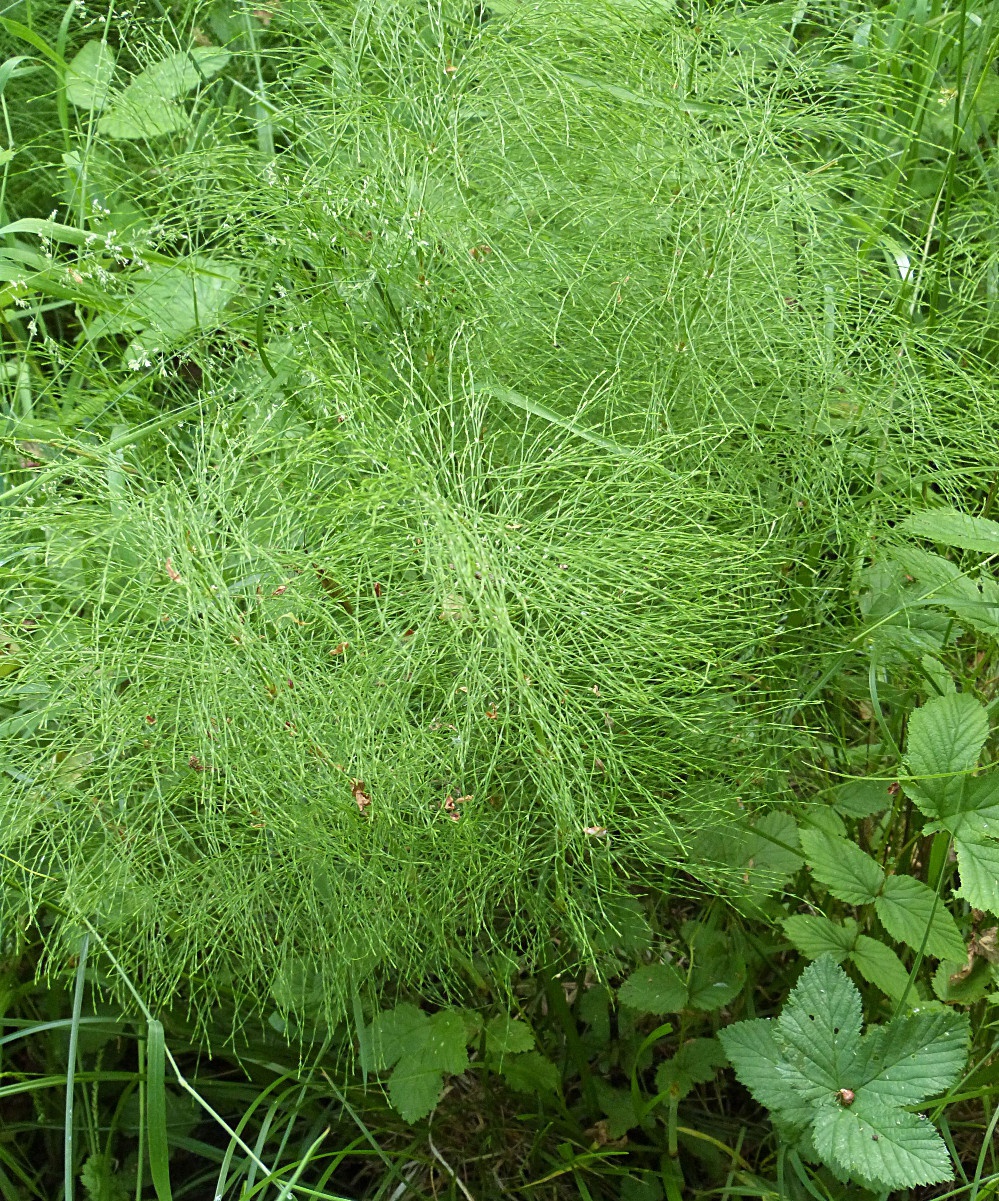
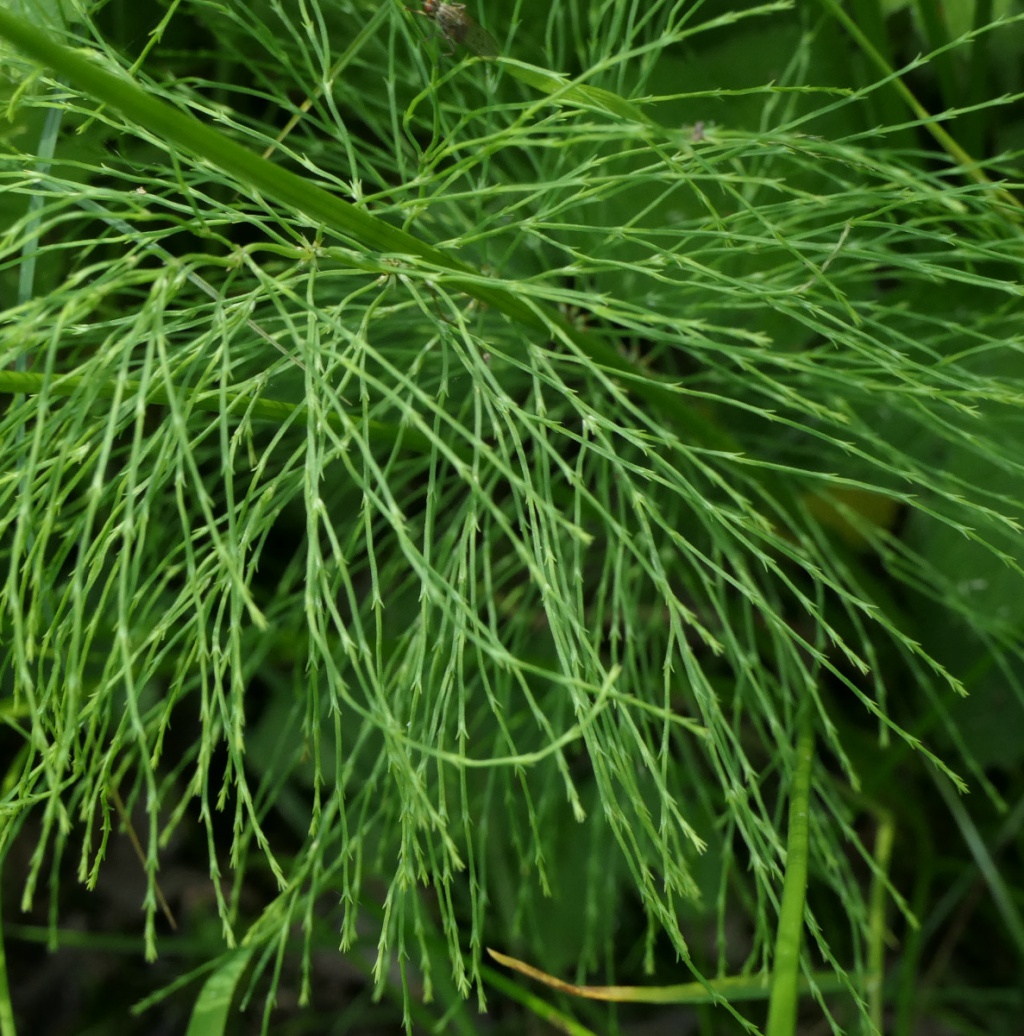
It differs from all other species of horsetail because the branches are themselves branched. The teeth of its sheaths are united into a few lobes, less than the number of grooves on the stem.
Equisetum arvense can also show some branching of the branches.

It is rare and declining in VC55, and therefore a specimen should not be taken. Take detailed field photos and submit to NatureSpot as soon as possible; and if you think you have found it in a new location, inform the County Recorder as soon you can (RPR).
Generally grows on deep, mildly acidic, often peaty soils that are kept permanently damp by flushing.
The spores are produced in cones during April and May.
A perennial, colony-forming herb.
Its distribution has a strong northern and western bias in Britain and has declined in other areas.
Rare in Leicestershire and Rutland, and decreasing.
In the Flora of Leicestershire (Primavesi and Evans 1988) it was found in 6 of the 617 tetrads, but was not present in the Flora of Rutland (Messenger 1971).
It is listed on the current VC55 Rare Plant Register (Hall and Woodward 2022) as Locally Rare (i.e. present in less than 3 sites)
 David Gould
Owston Woods
14 June 2018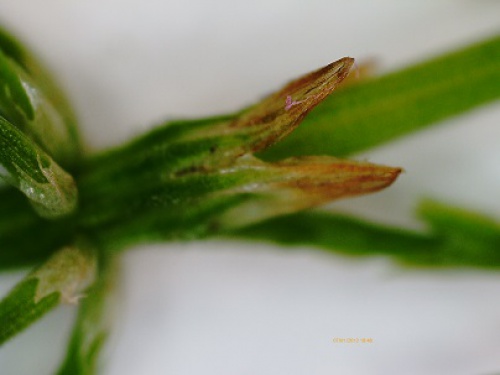 Simon Bennett
Owston Woods
28 April 2018
Stem sheath teeth joined into lobes. Graham Calow
Owston Woods
14 June 2018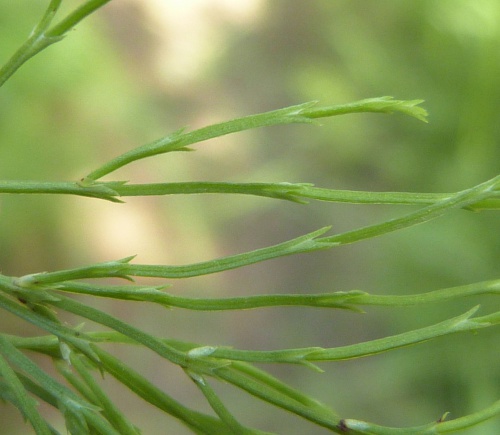 Graham Calow
Owston Woods
14 June 2018
branches are themselves branched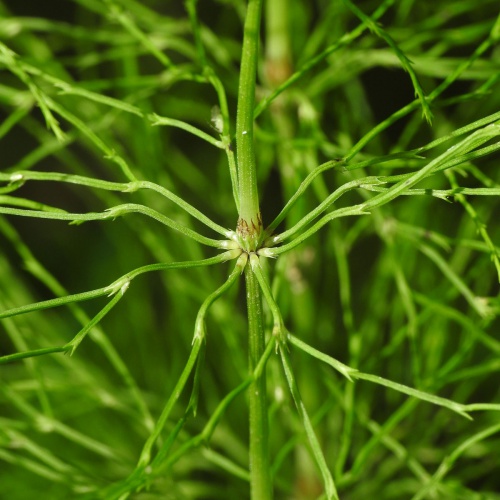 David Gould
Owston Woods
14 June 2018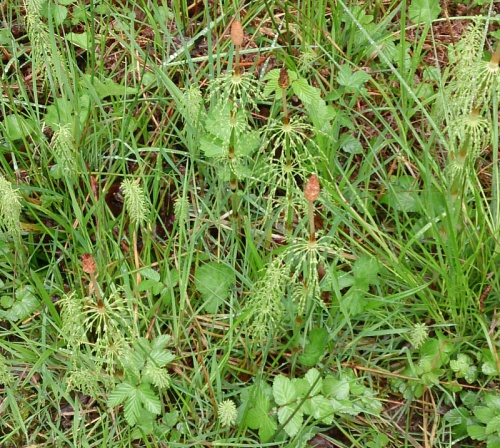 Simon Bennett
Owston Woods
28 April 2018
Drooping branches that are branched themselves. Melinda Bell
Calke,Southwood
12 June 2023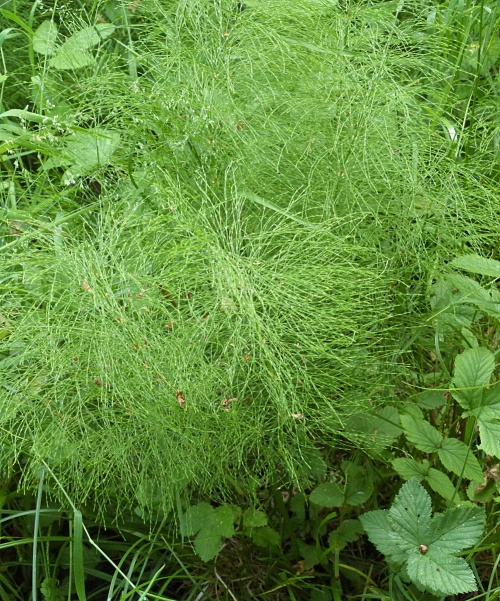 Graham Calow
Owston Woods
14 June 2018 David Nicholls
Owston Wood
14 June 2018

Leicestershire & Rutland Map
Enter a town or village to see local records
MAP KEY:
Yellow squares = NBN records (all known data)
Coloured squares = NatureSpot records: 2025+ | 2020-2024 | pre-2020
UK Map
Additional images