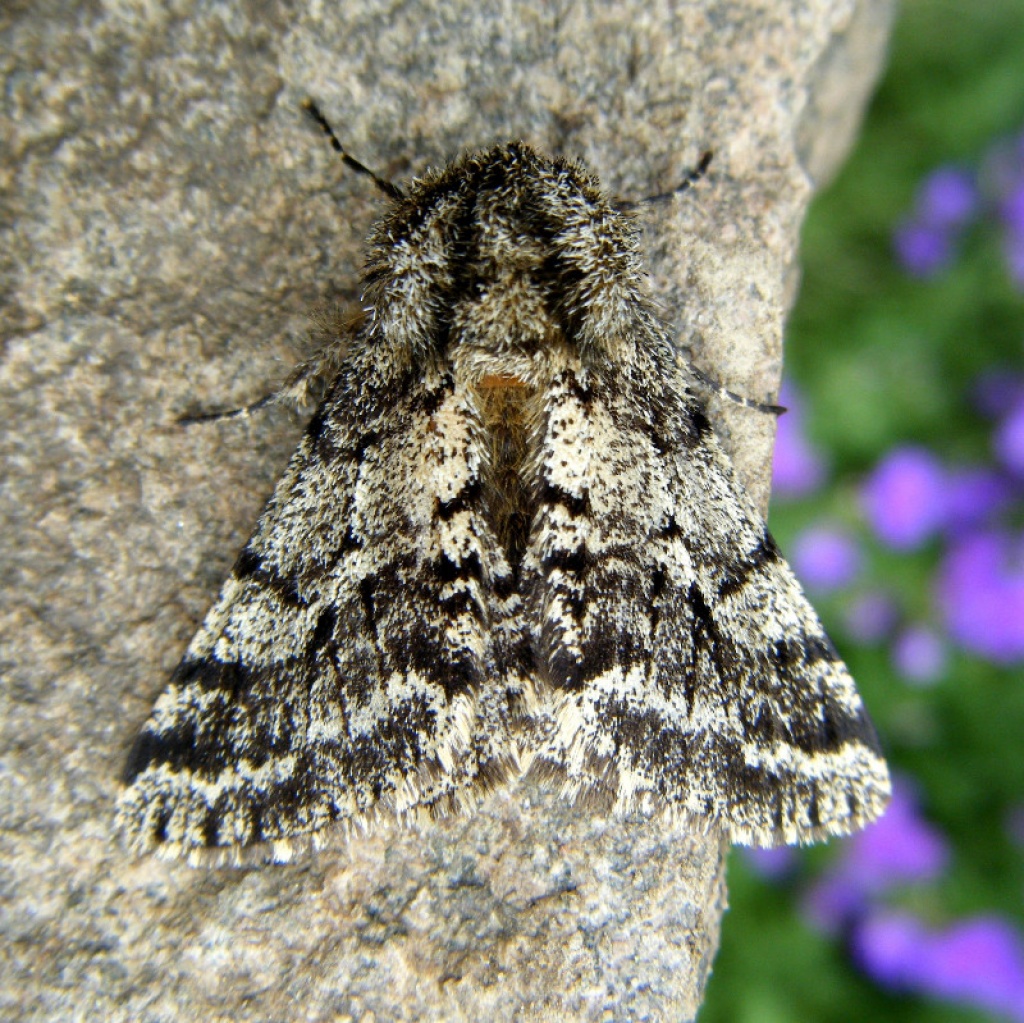
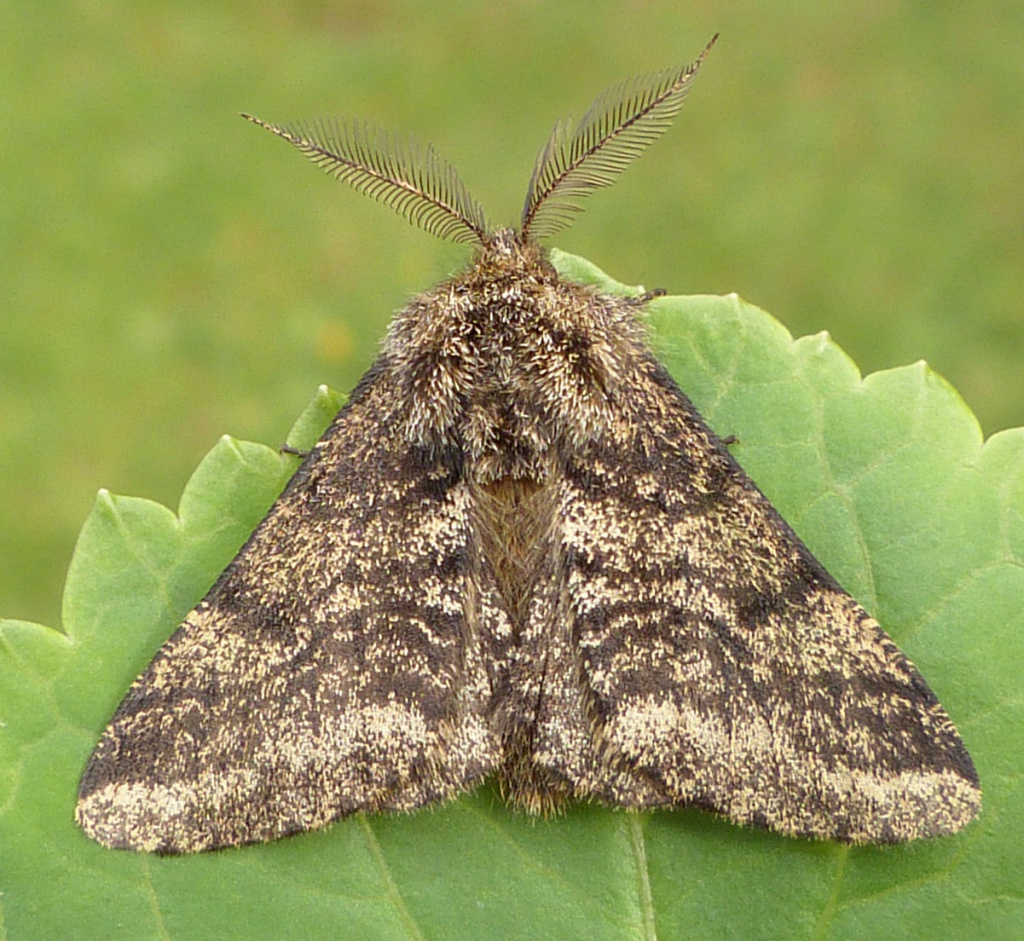
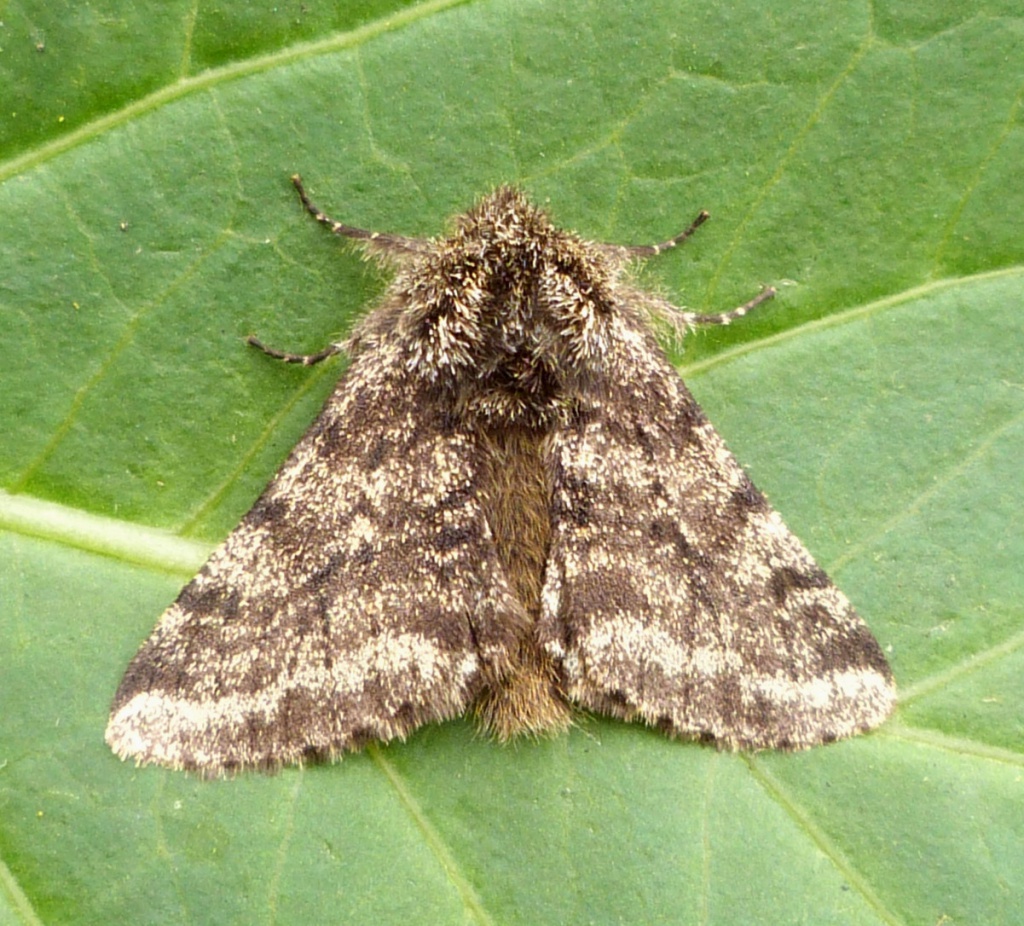
Brindled Beauty
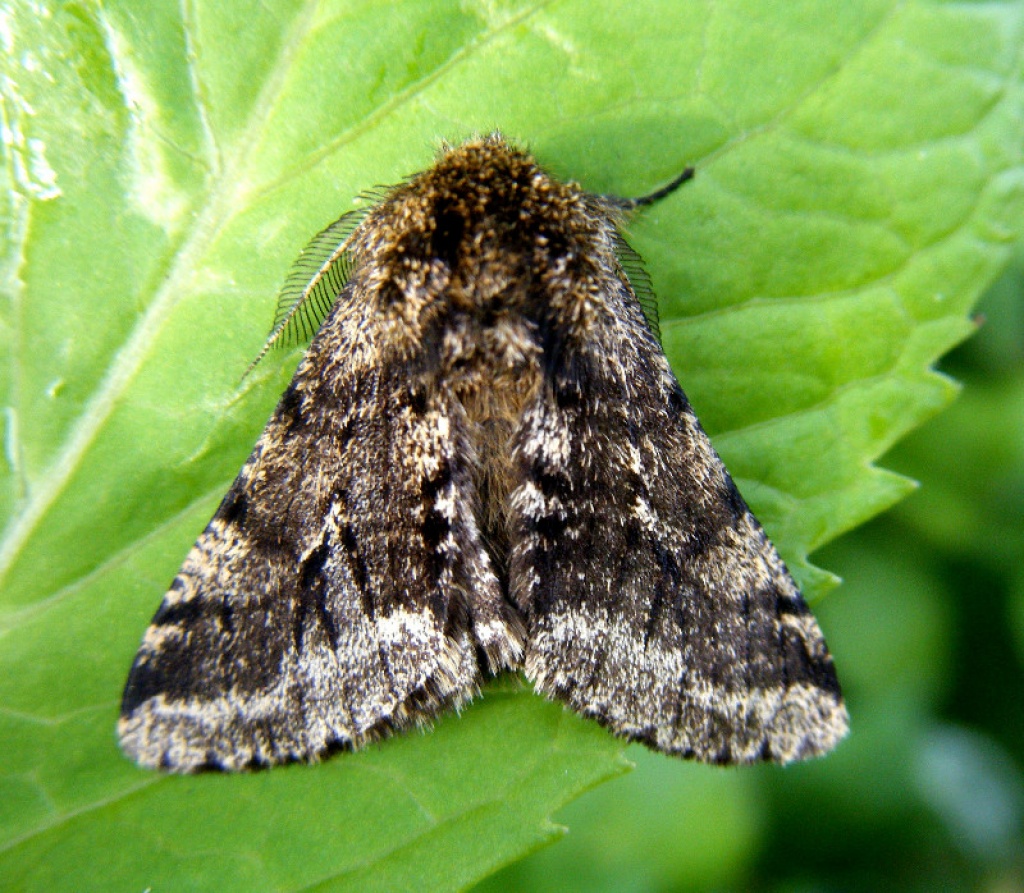
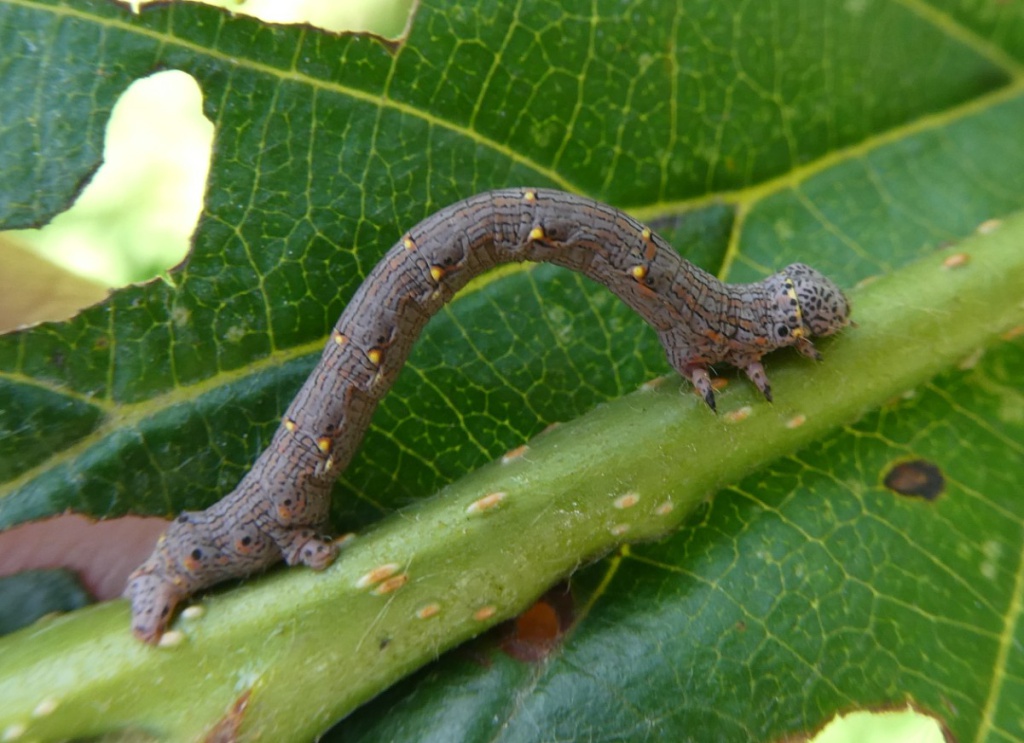
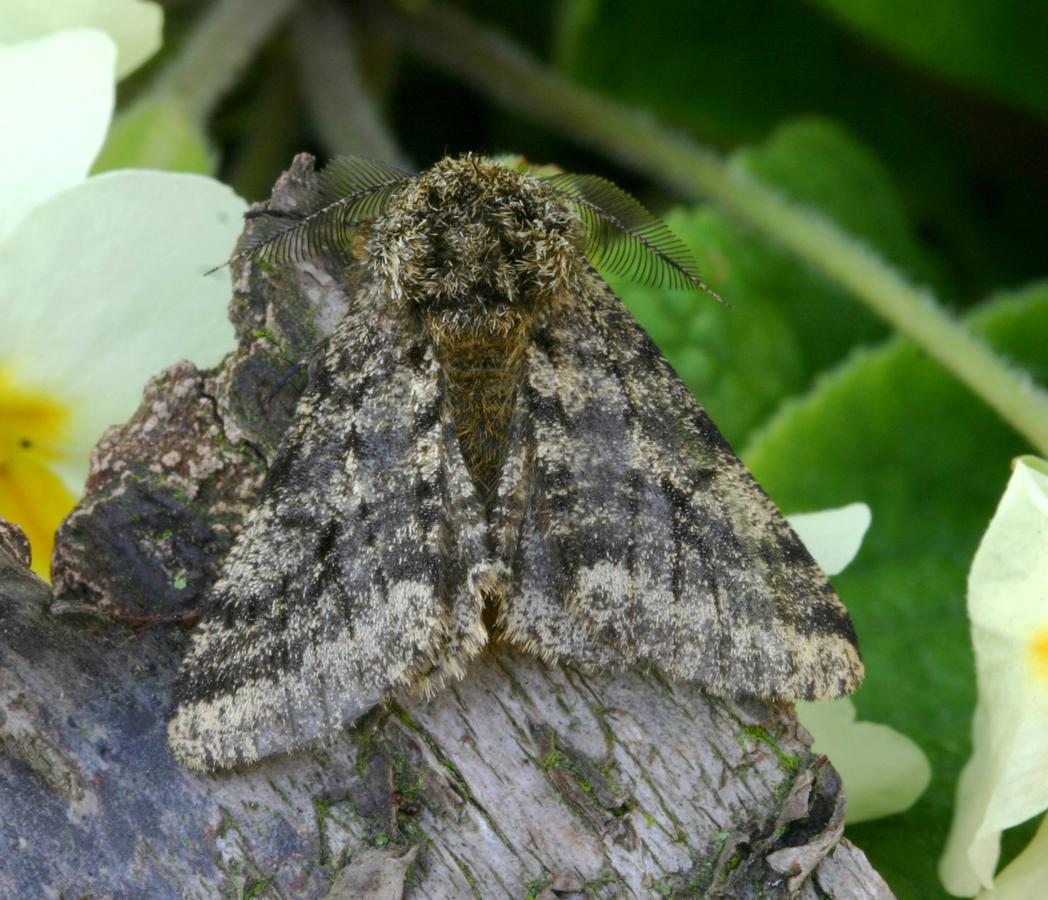
Brindled Beauty - Lycia hirtaria
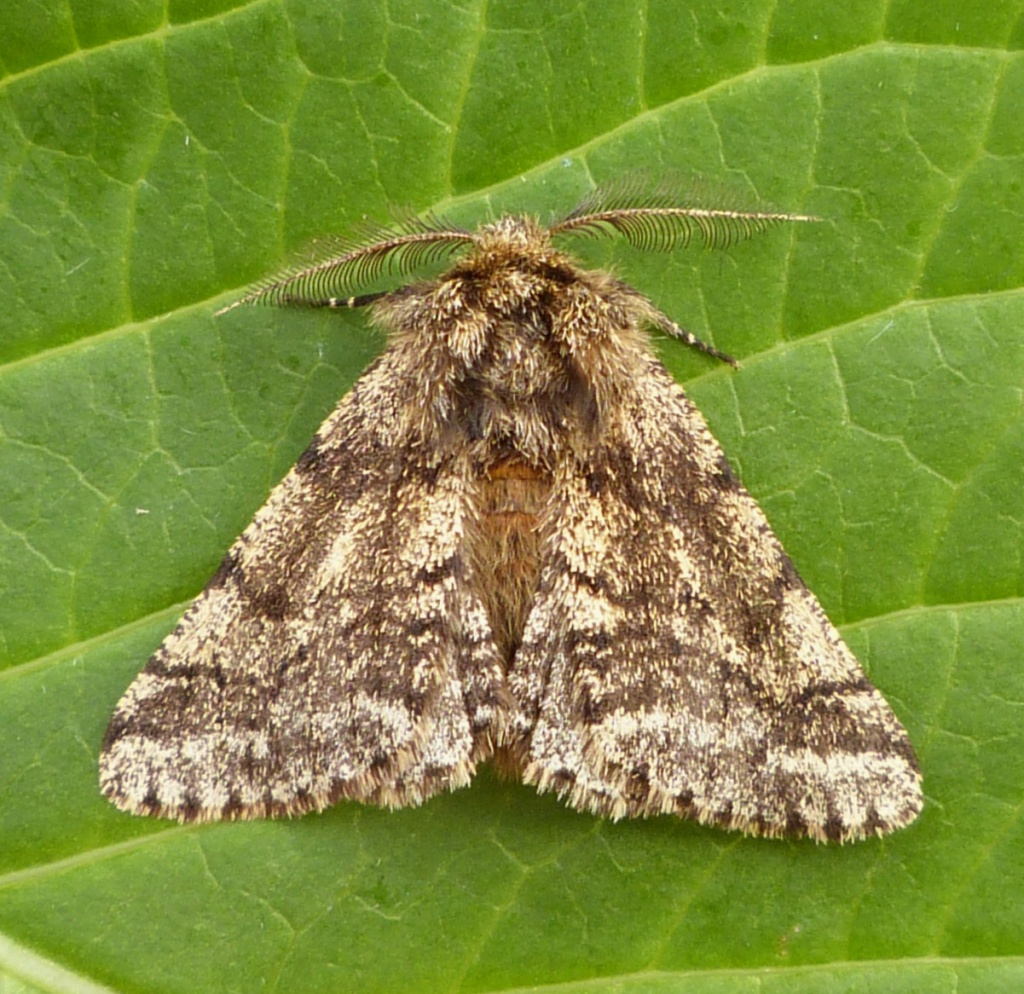
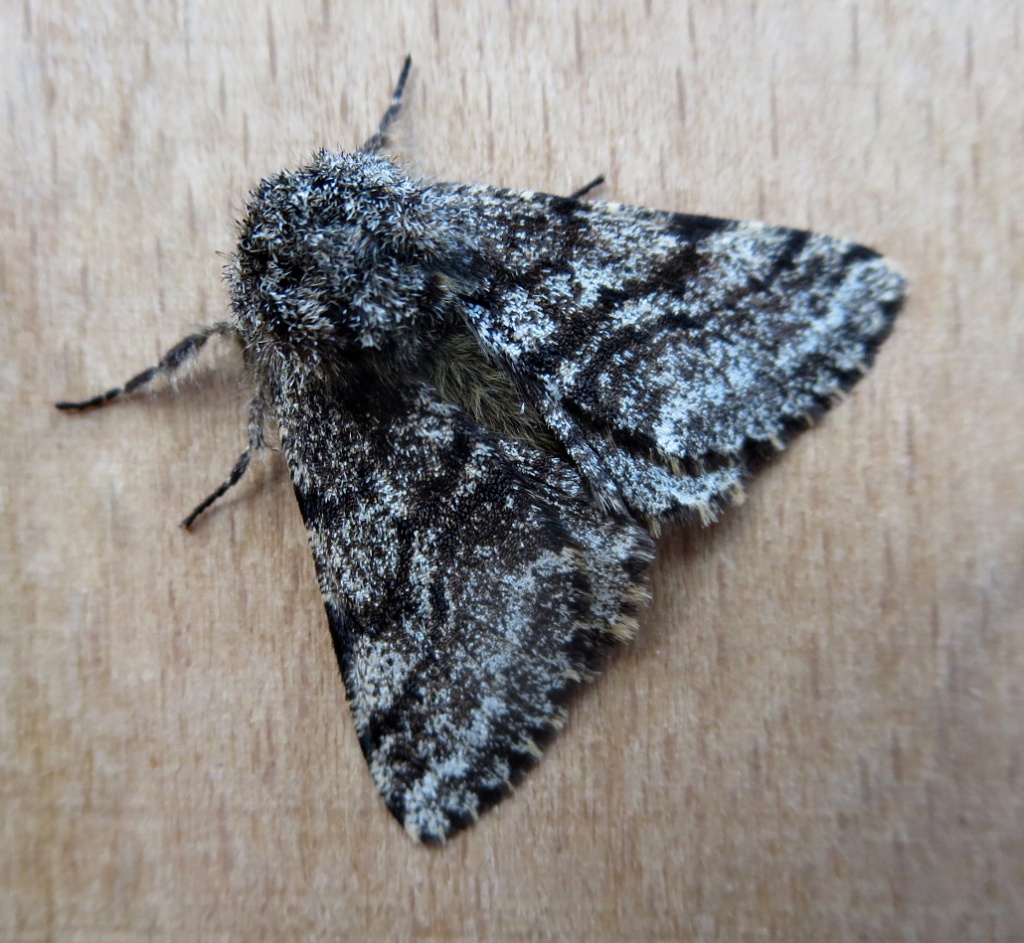
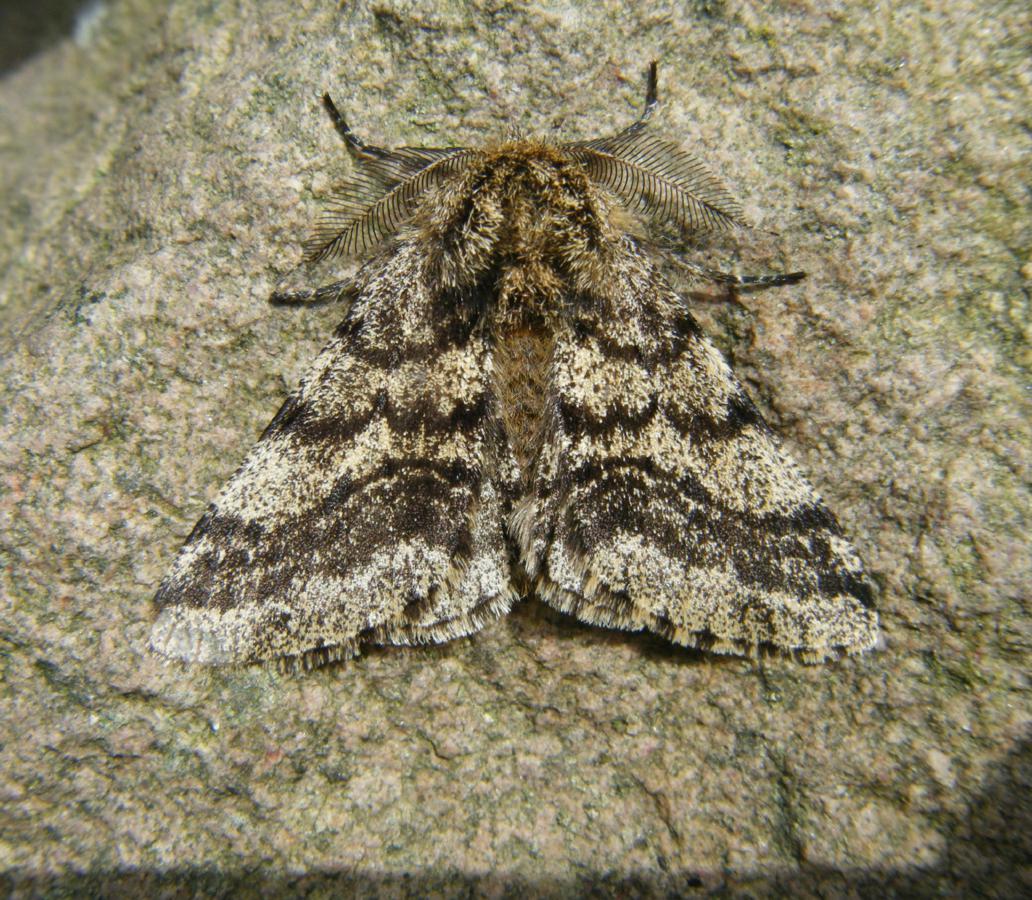
Wingspan 35 to 45 mm. Distinguished by prominent black cross lines on the wings.

It prefers woodland and suburban habitats, and feeds on a range of deciduous trees.
March and April.
Larva feeds on various broad-leaved trees and shrubs, including Birch, Hawthorn, Alder, Willow, Oak, Elm and Lime, overwintering as a pupa.
Occurring throughout a large part of Britain, this species is commonest in the south, especially the Home Counties. In a recent survey to determine the status of all macro moths in Britain this species was classified as common.
Fairly common in Leicestershire and Rutland. L&R Moth Group status = A (common and resident)
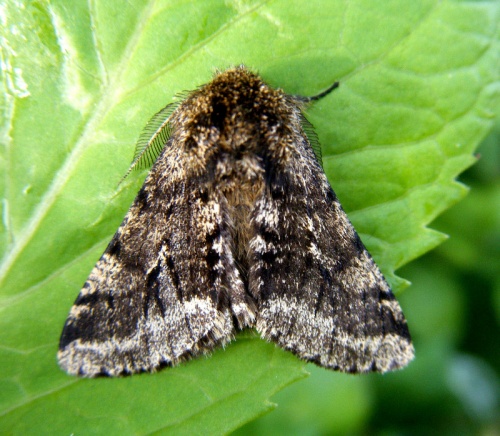 Graham Calow
Sapcote garden1
20 April 2012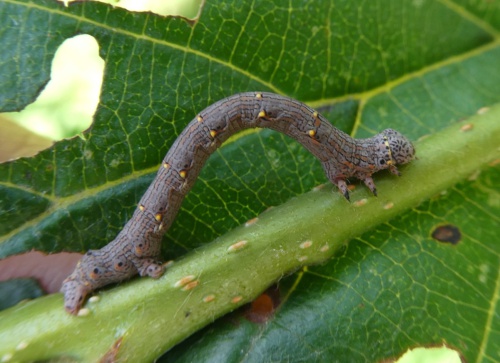 sue
sue
New Lount, boardwalk ponds
20 June 2022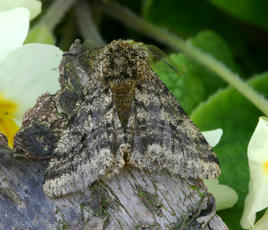 David Nicholls
Ratby garden1
14 April 2007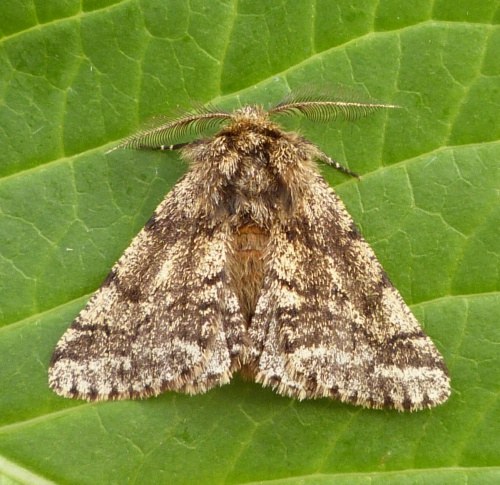 Graham Calow
Sapcote garden1
19 May 2014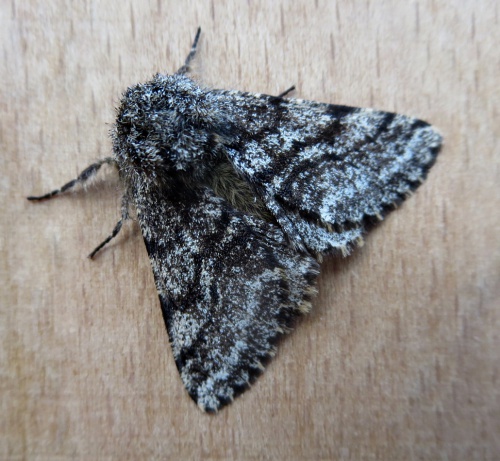 Pete Leonard
Harby
14 April 2015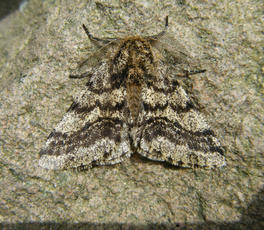 Graham Calow
Sapcote garden1
02 April 2011
Leicestershire & Rutland Map
Enter a town or village to see local records
MAP KEY:
Yellow squares = NBN records (all known data)
Coloured squares = NatureSpot records: 2025+ | 2020-2024 | pre-2020
UK Map
Additional images