Beet
Beet - Beta vulgaris
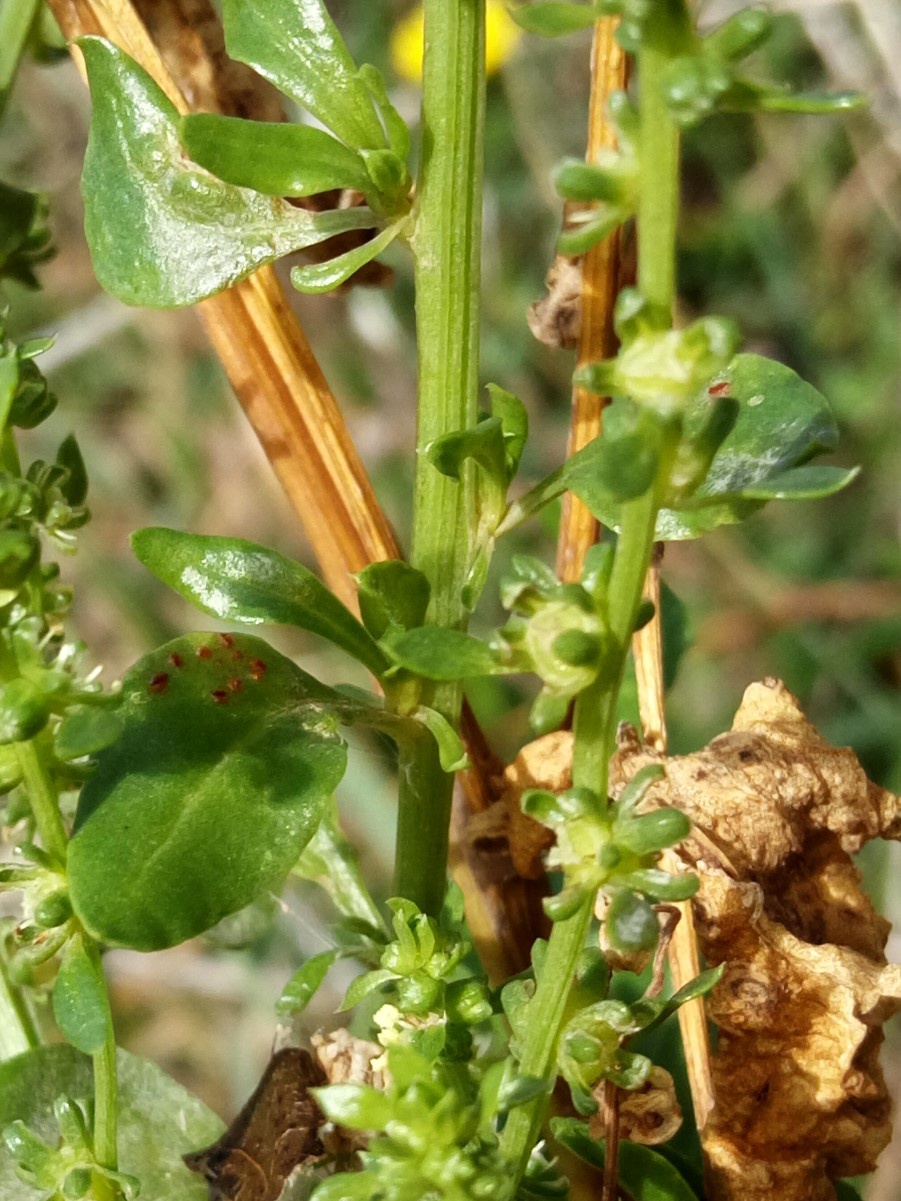
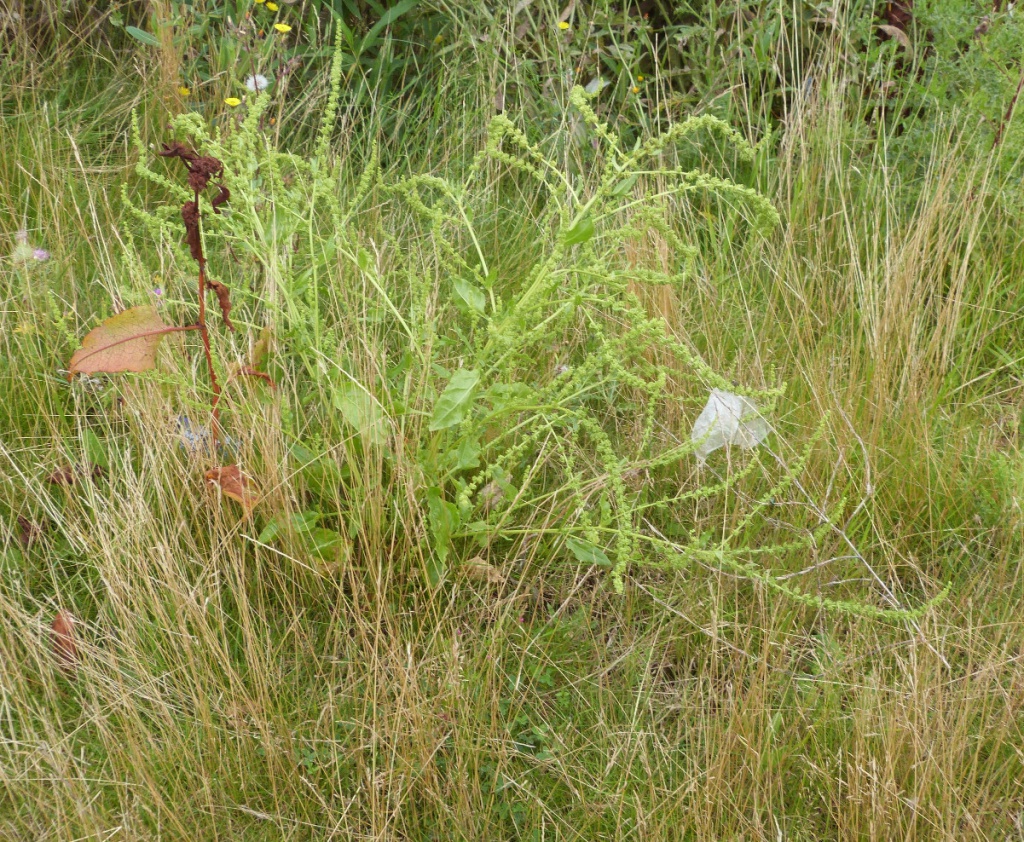
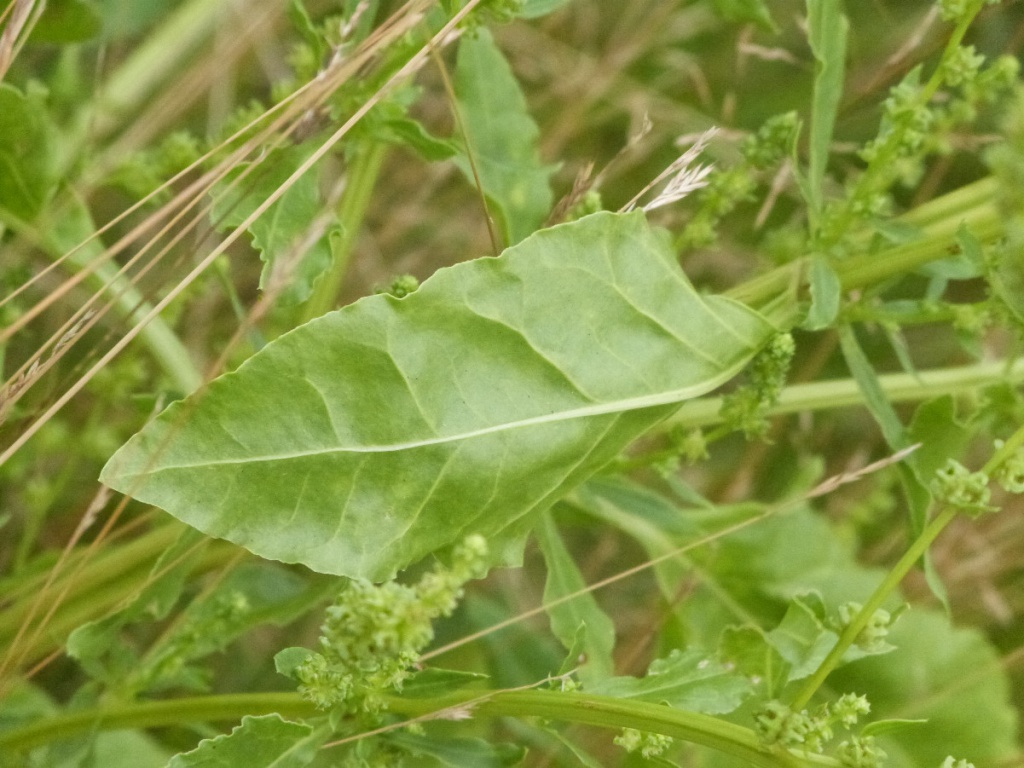
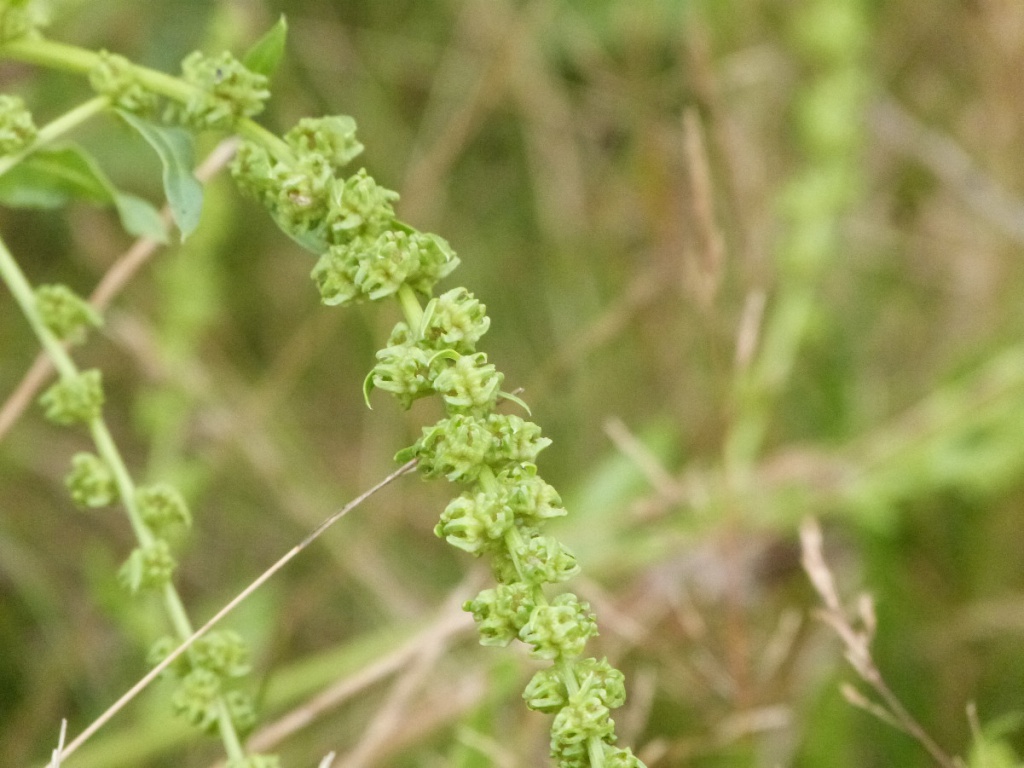
Beta vulgaris has several sub species all related to the wild Sea Beet (Beta vulgaris subsp. maritima). In cultivation it has been developed into three distinct varieties specialised for different edible parts of the plant: Swiss Chard (var. cicla), which has large leaves and prominent fleshy stems is used as a leafy vegetable; Sugar Beet (var. vulgaris), which has a very large, irregularly shaped fleshy root (up to 1 foot long and weighing 3 to 5 pounds) that lacks the red colour typically associated with beets, and is used as a source of sugar and as animal fodder; and Beet or Beetroot (previously classified var. esculenta, although now usually placed in the same group with var. vulgaris), which has a red to purple fleshy spherical or elongated root and is used as a root vegetable. All three varieties were derived from the wild Sea Beet (often classified as B. vulgaris var. maritima). Careful examination is needed to identify to sub-species level.

Sea Beet (Beta vulgaris subsp. maritima) is mainly coastal whilst the other sub-species are usually found as casuals on waste ground, rubbish tips etc.
In flower during July, August and September.
May be annual, biennial or perennial.
Widespread in Britain with Sea Beet (Beta vulgaris subsp. maritima) being mainly coastal.
Infrequent in Leicestershire and Rutland. It was not recorded in the 1979 Flora survey of Leicestershire.
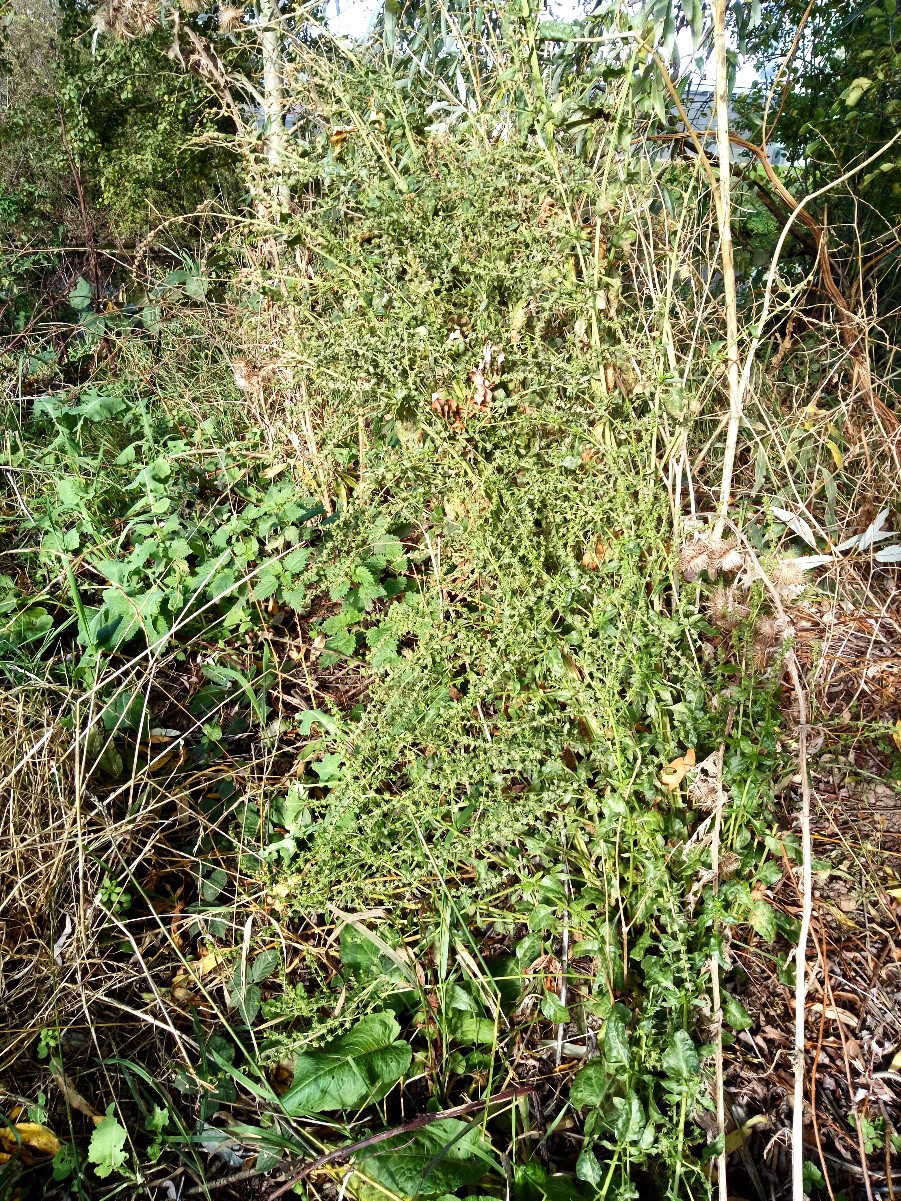
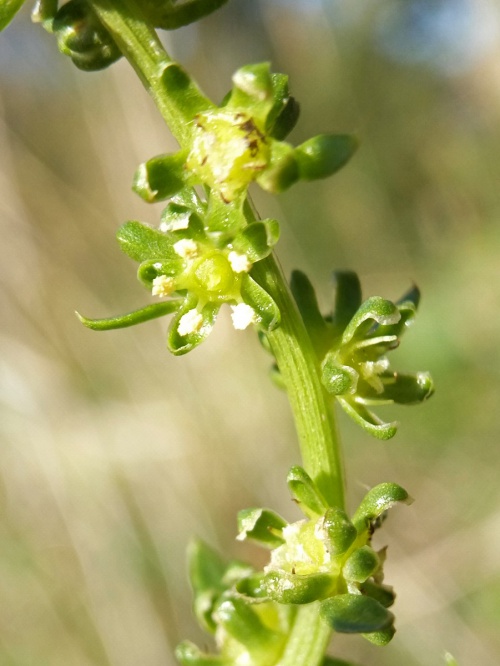 Peter Smith
Wolsey Island
25 October 2017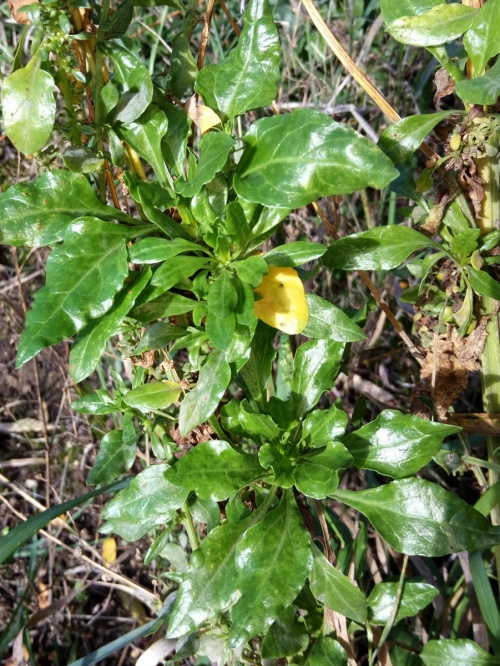 Peter Smith
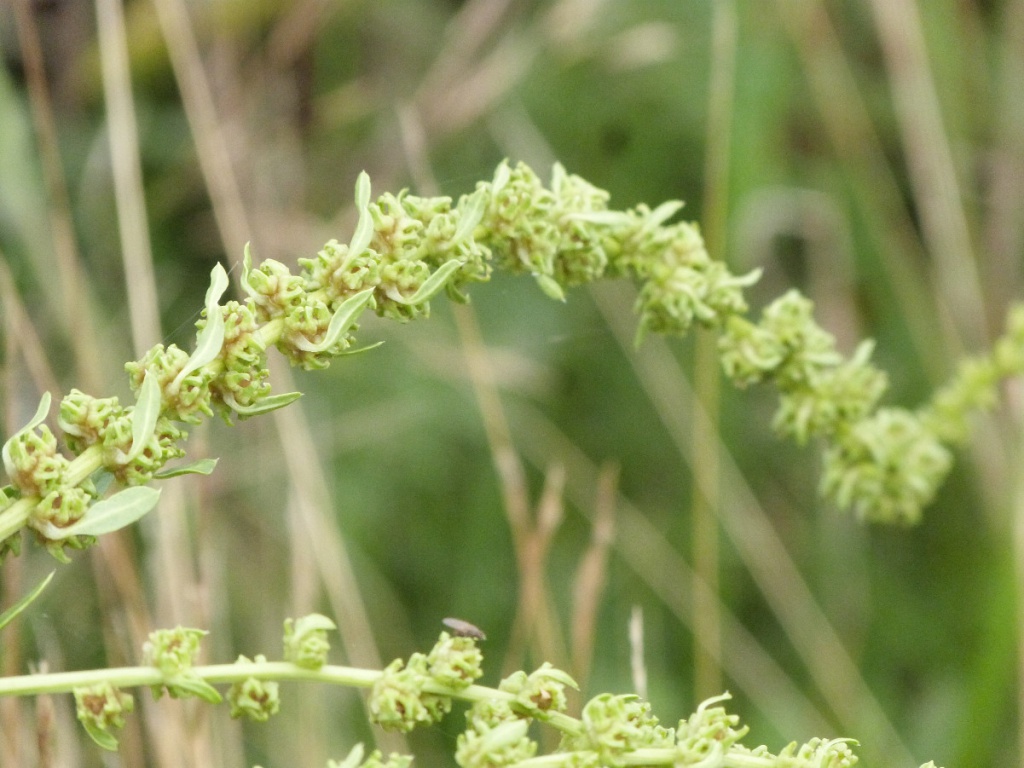
Wolsey Island
25 October 2017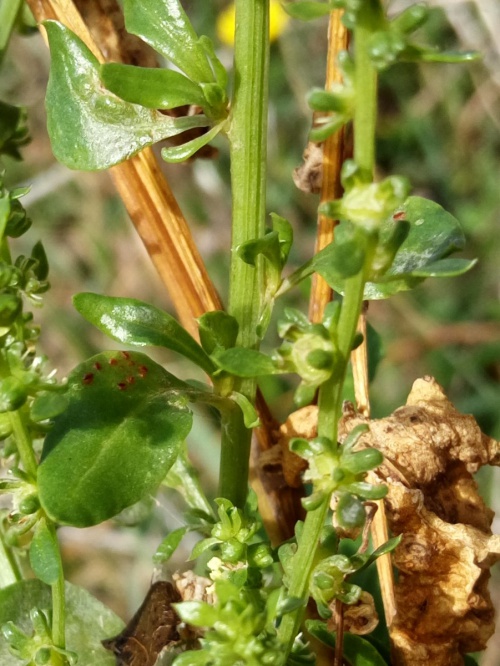 Peter Smith
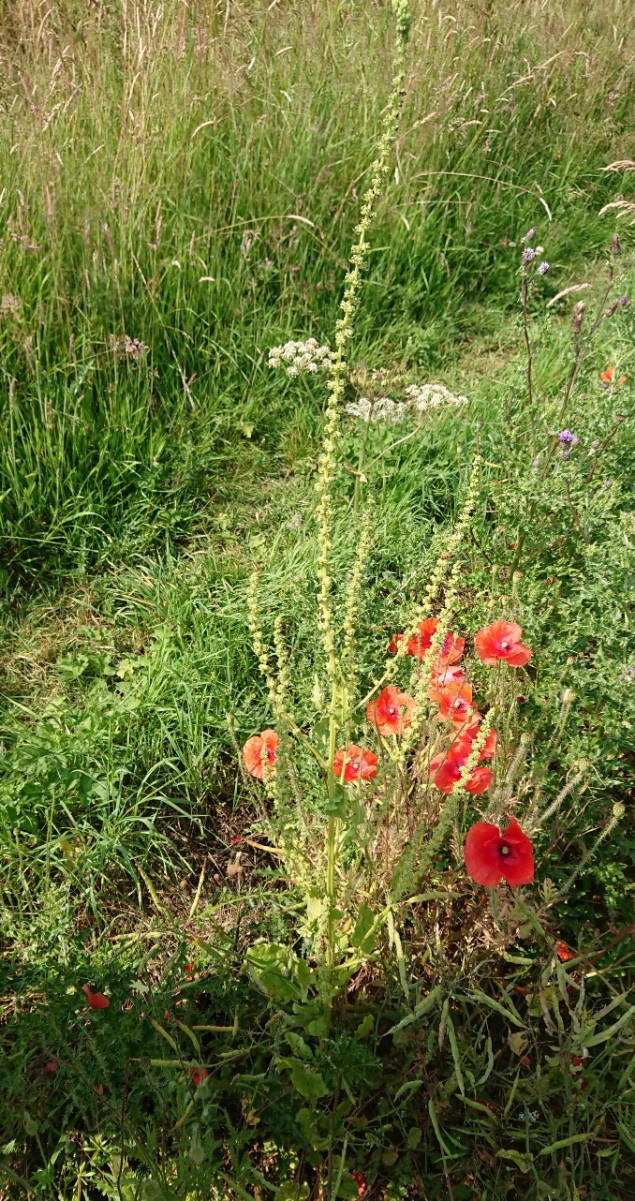
Wolsey Island
25 October 2017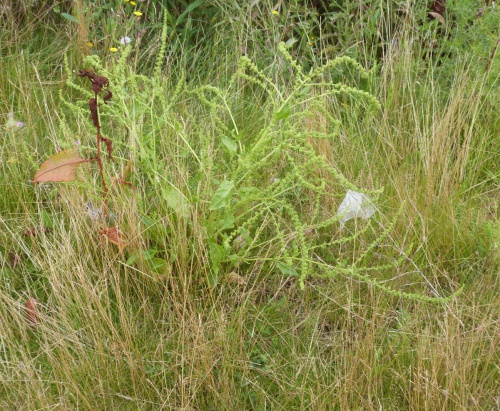 Graham Calow
Burbage, behind Jurys Inn Hotel
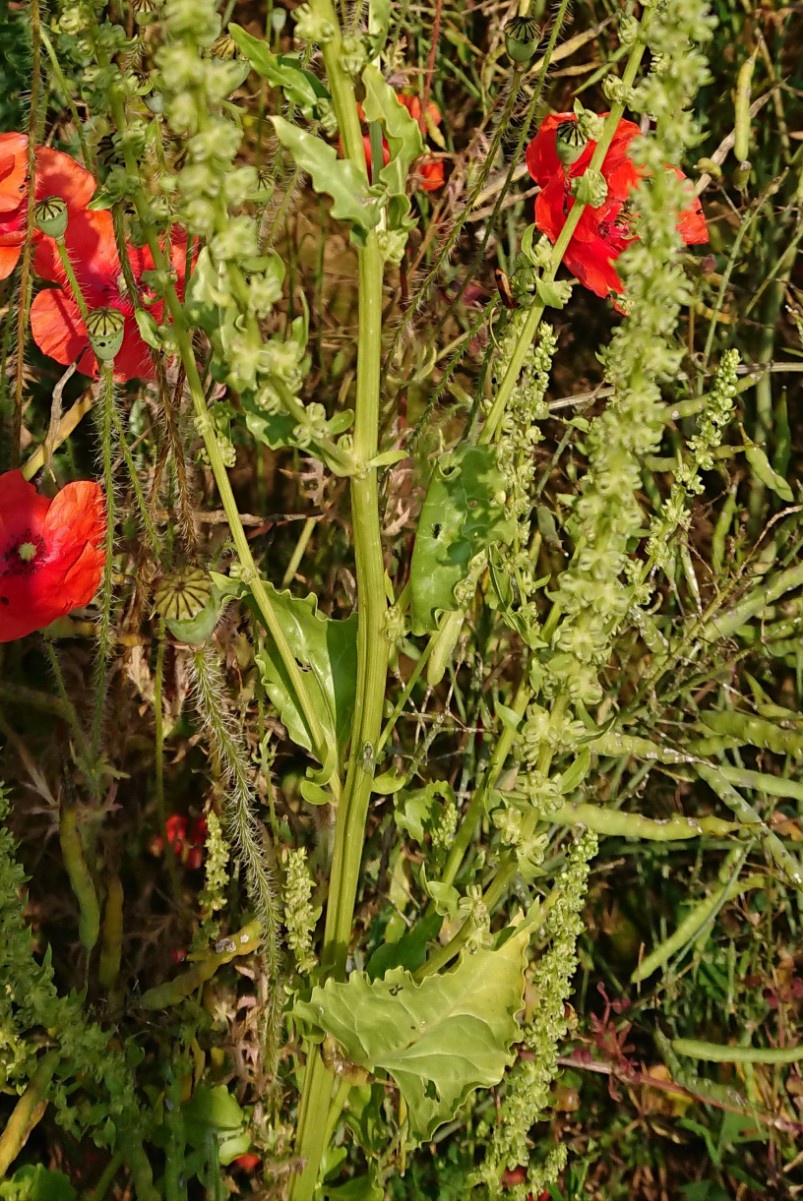
28 July 2023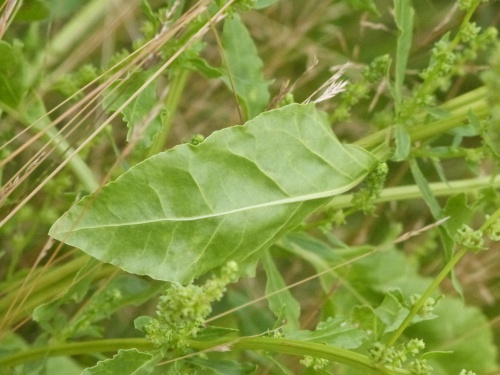 Graham Calow
Burbage, behind Jurys Inn Hotel
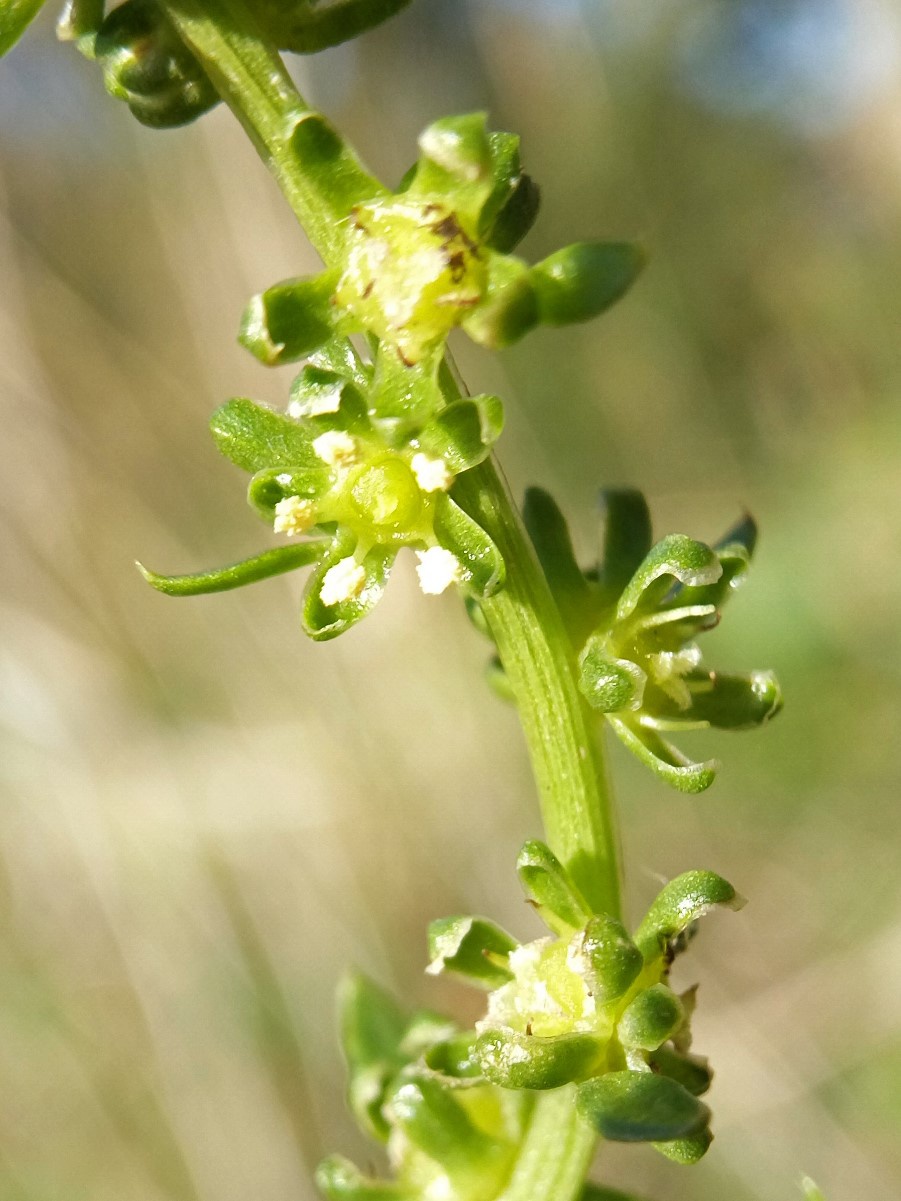
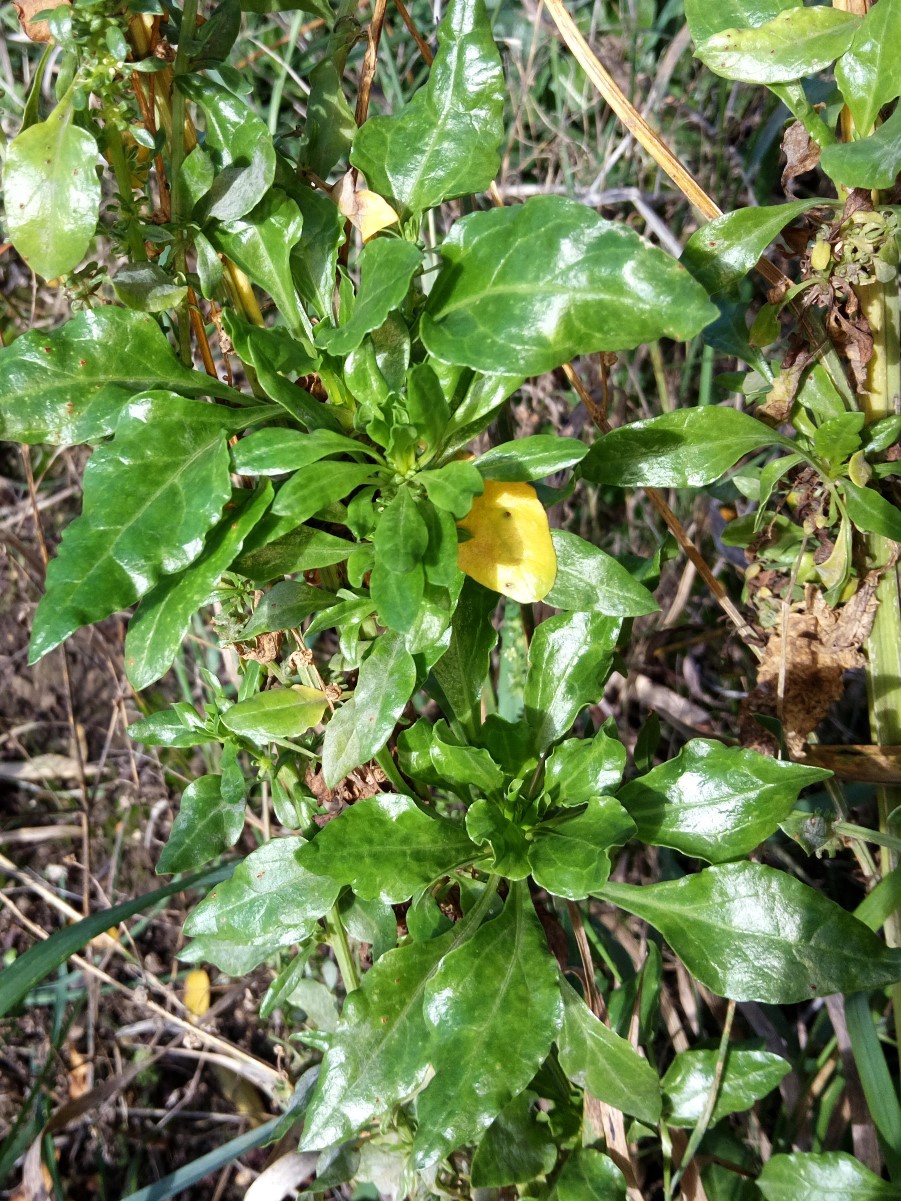
28 July 2023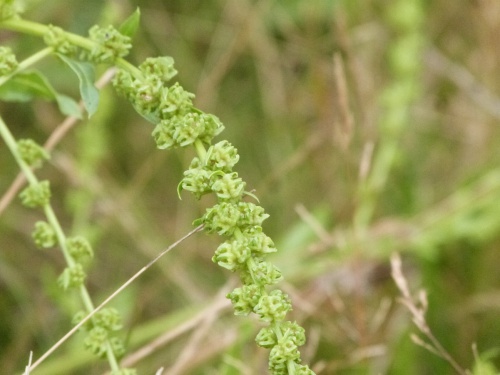 Graham Calow
Burbage, behind Jurys Inn Hotel
28 July 2023
Leicestershire & Rutland Map
Enter a town or village to see local records
MAP KEY:
Yellow squares = NBN records (all known data)
Coloured squares = NatureSpot records: 2025+ | 2020-2024 | pre-2020
UK Map
Additional images