Osprey
Osprey - Pandion haliaetus
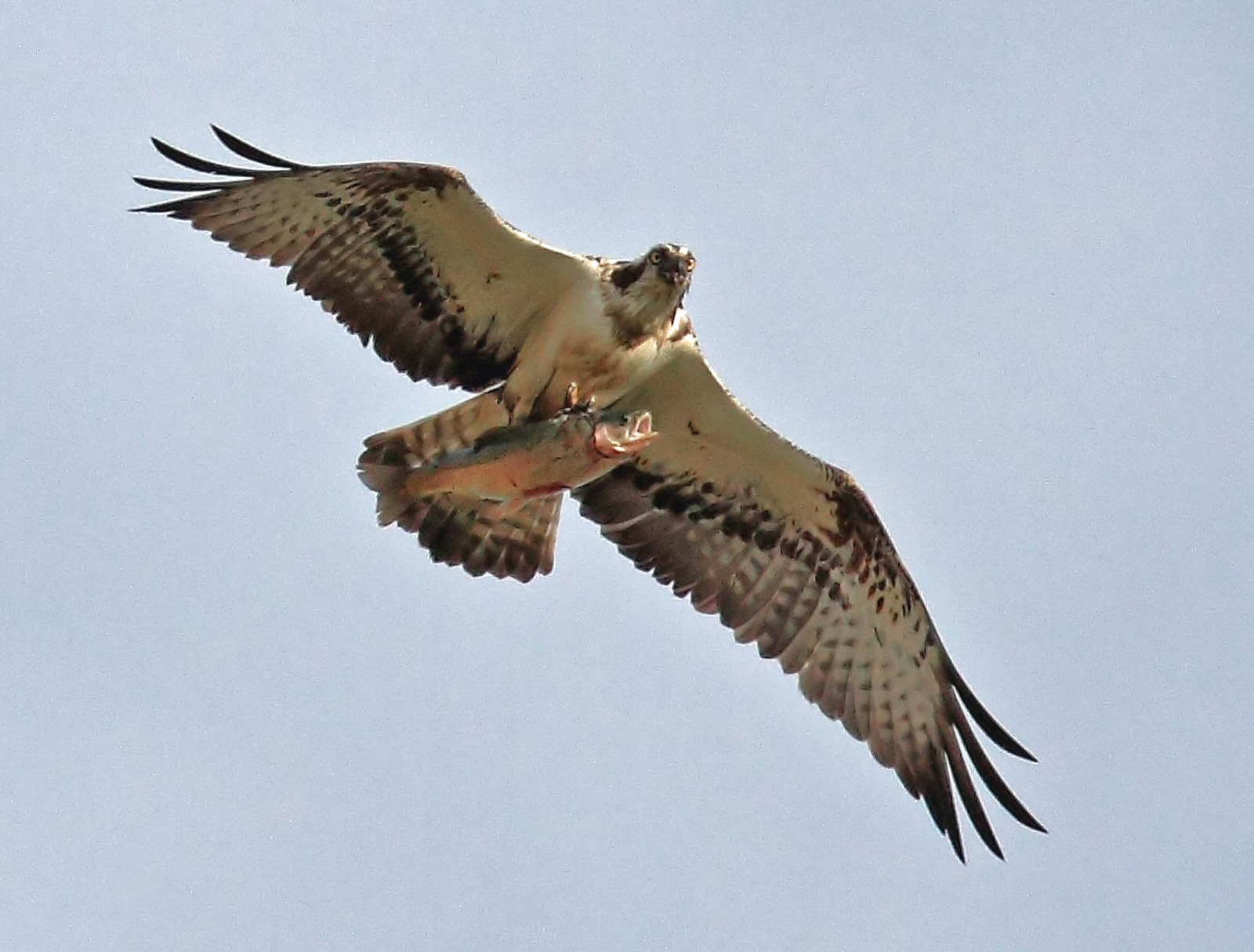
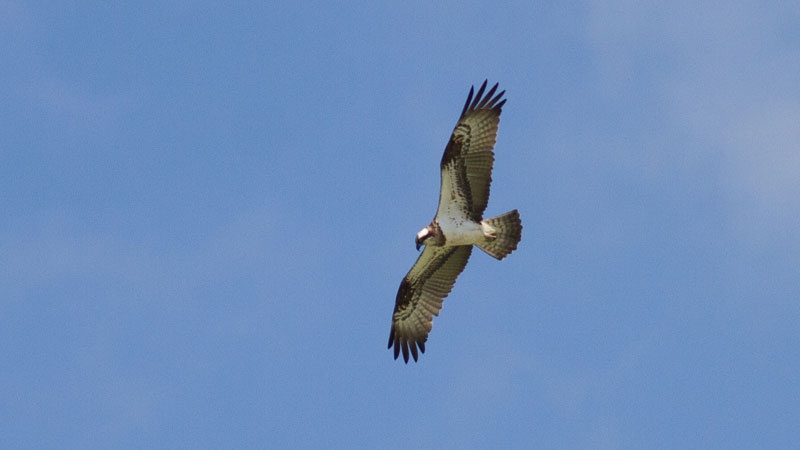
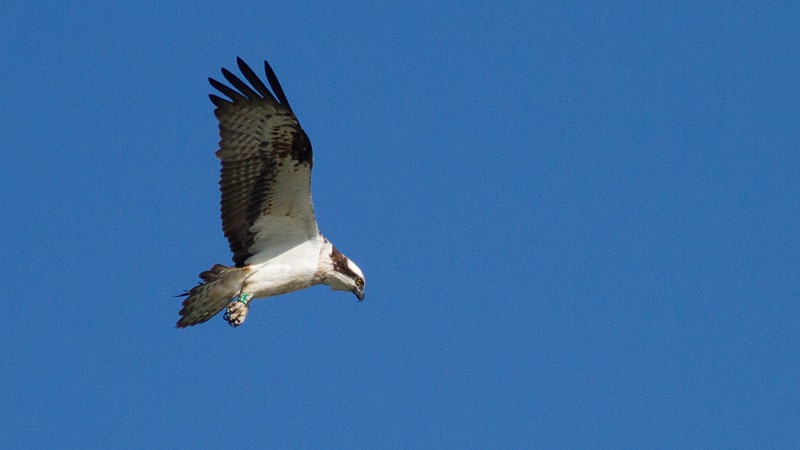
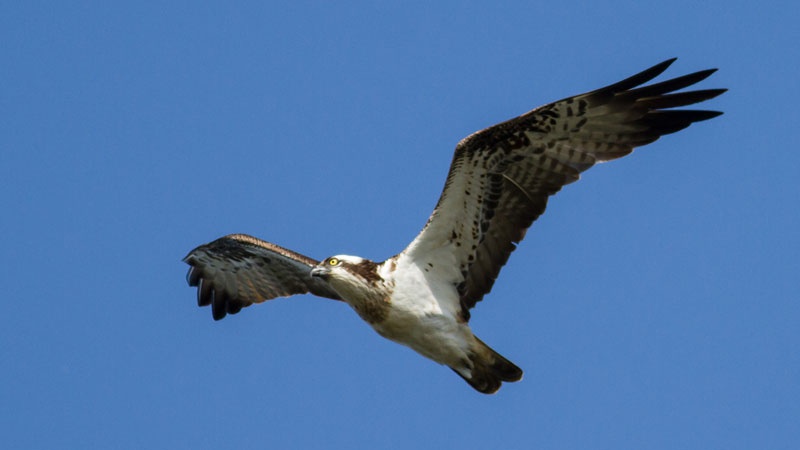
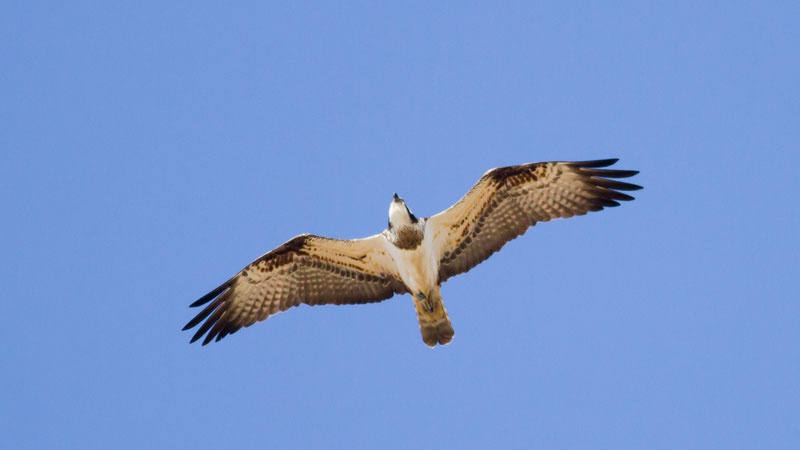
Seen in flight from below the Osprey has white or slightly mottled underparts. The long wings are angled, bending at the 'wrist', which has a black patch contrasting with the white wing linings, and at a distance it could be mistaken for a large gull. This spectacular fish-eating bird of prey is an Amber List species because of its historical decline (due to illegal killing), and low breeding numbers.

Its main UK stronghold is in Scotland - nest sites with public viewing facilities are at Loch Garten, Speyside, and Loch of the Lowes, Perth. It recently began breeding in England at Bassenthwaite in Cumbria and at Rutland Water (where it was introduced). Can be seen at almost any large body of freshwater during the spring and autumn migration.
Birds arrive back from Africa in late March and April, leaving again in August and September.
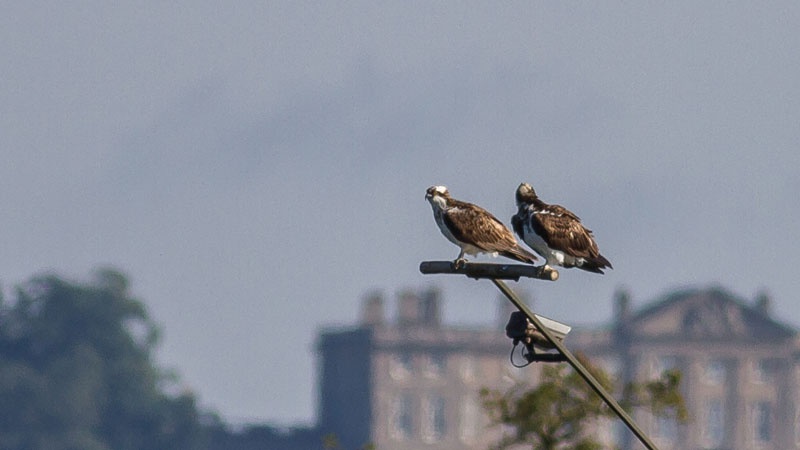
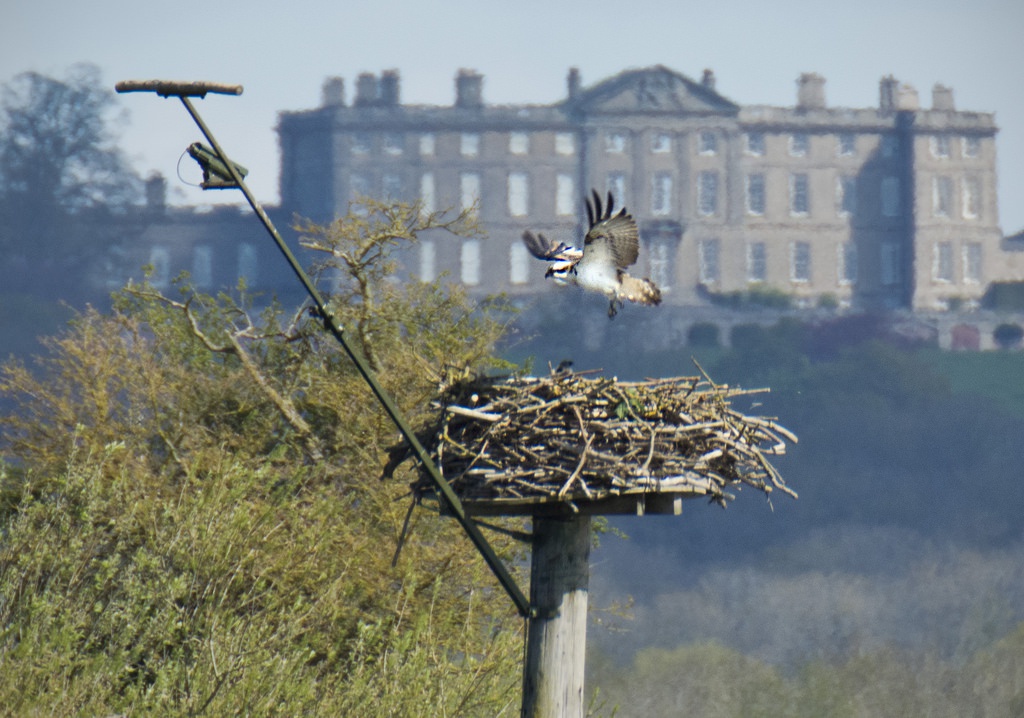
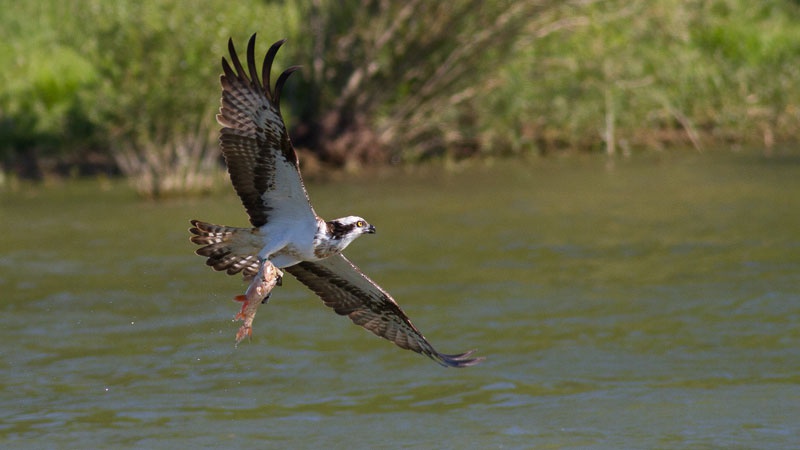
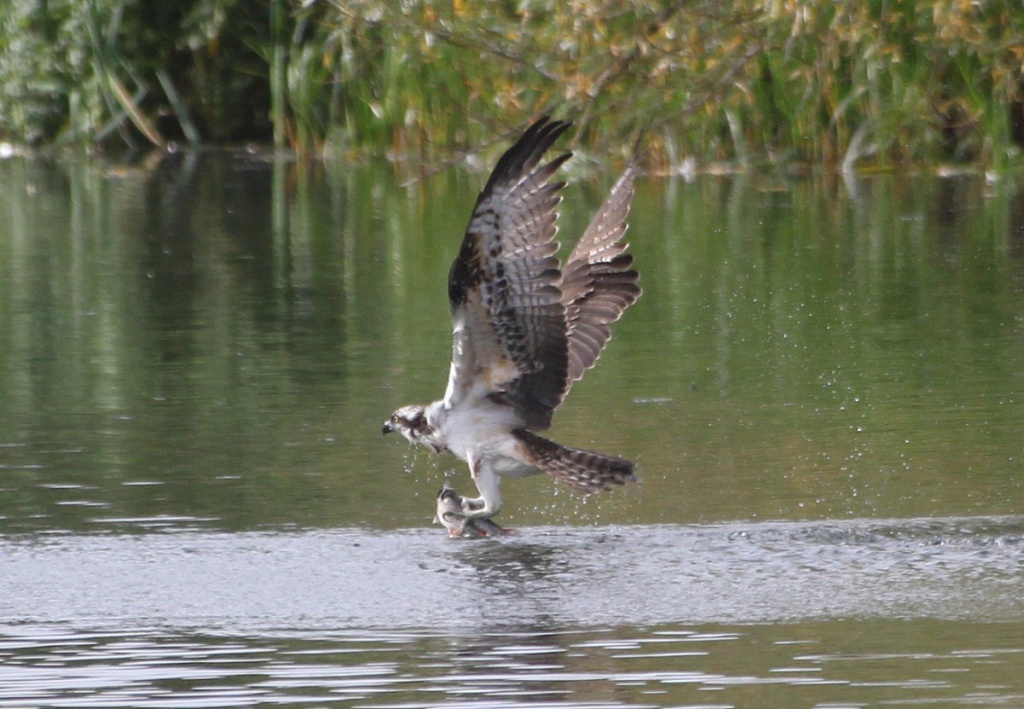
The Osprey has a worldwide distribution and is found in temperate and tropical regions of all continents except Antarctica. Fish make up 99% of the Osprey's diet. It typically takes fish weighing 150-300 grams (5-10oz) and about 25-35 centimetres (10-14 in) in length. It breeds by freshwater lakes, and sometimes on coastal brackish waters, building a large platform nest of sticks in trees or even on telegraph poles and masts.
In Britain its stronghold is Scotland but even here it is a rare bird.
Scarce breeding bird and bird of passage in Leicestershire and Rutland.
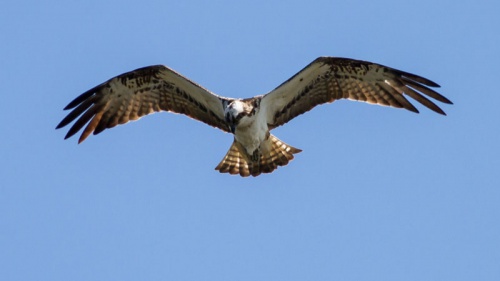 Rod Baker
Rutland Water
28 April 2015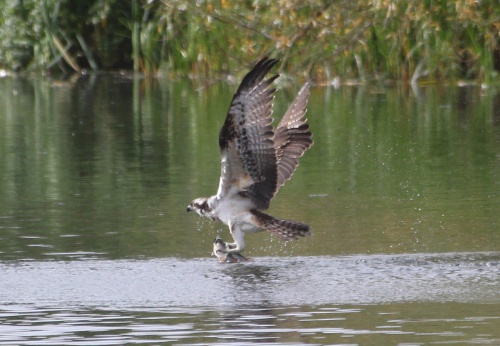 Paul Ruddoch
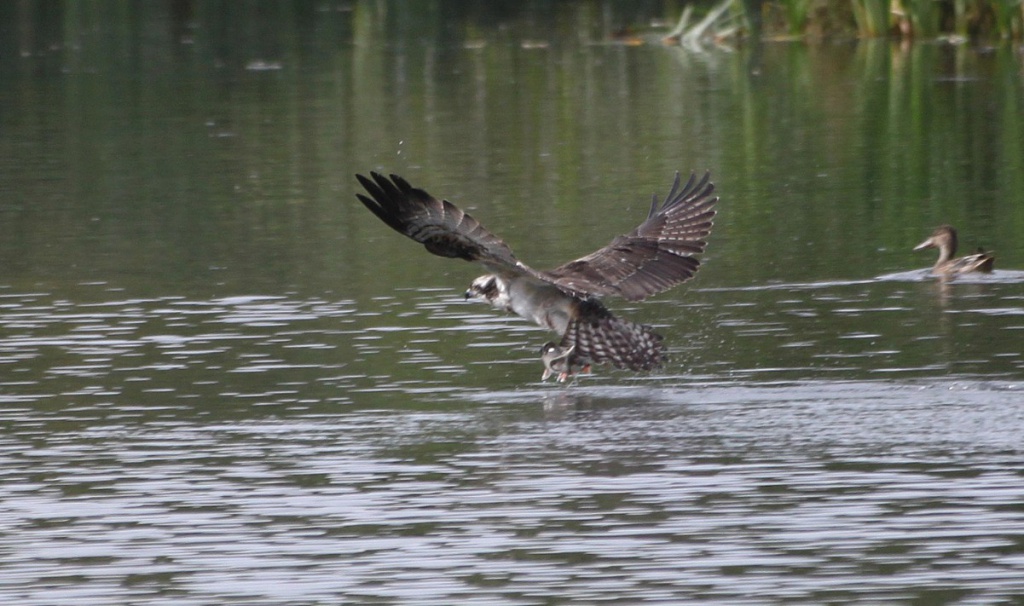
Melton Country Park
03 October 2013
juvenile male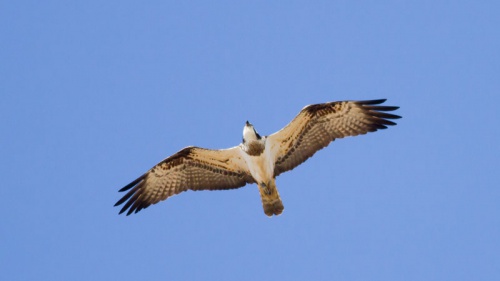 Rod Baker
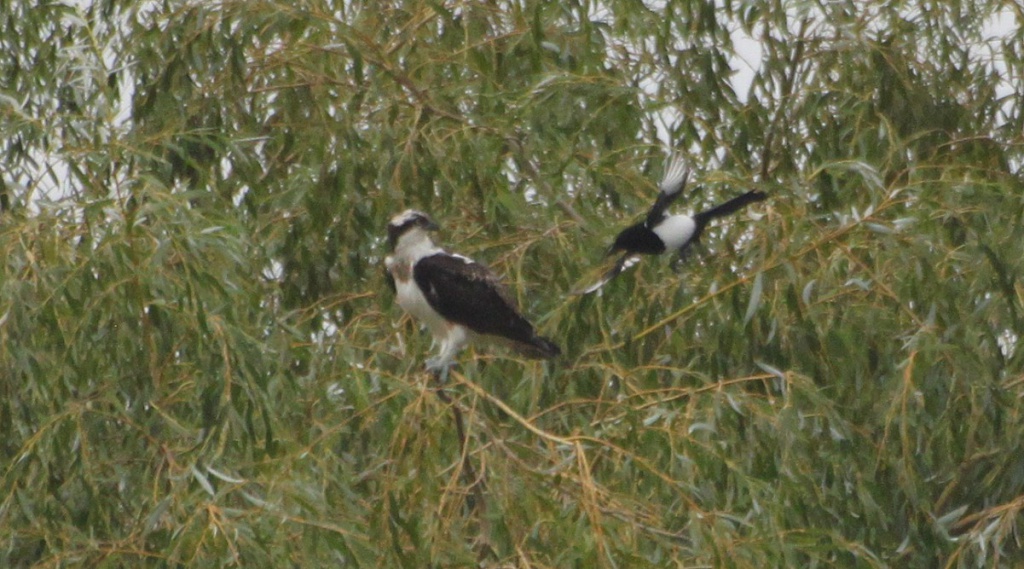
Eye Brook Reservoir
20 April 2013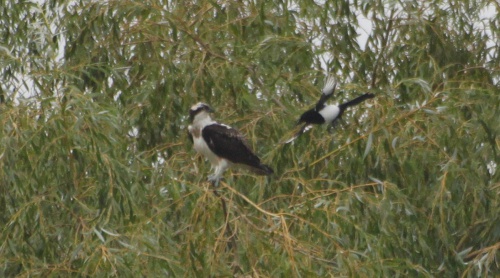 Paul Ruddoch
Melton Country Park
01 October 2013
juvenile male

Leicestershire & Rutland Map
Enter a town or village to see local records
MAP KEY:
Yellow squares = NBN records (all known data)
Coloured squares = NatureSpot records: 2025+ | 2020-2024 | pre-2020
UK Map
Additional images